You know, when asked about shelving for e-commerce, many people immediately go to catalogs and start comparing tonnage or price per shelf. But in fact, the main mistake is to think that an online store’s warehouse is just a smaller version of an industrial warehouse. There is a different rhythm, a different turnover, and most importantly, completely different requirements for ergonomics and speed of access. I myself stepped on this rake when I organized the first fulfillment center near Moscow five years ago.
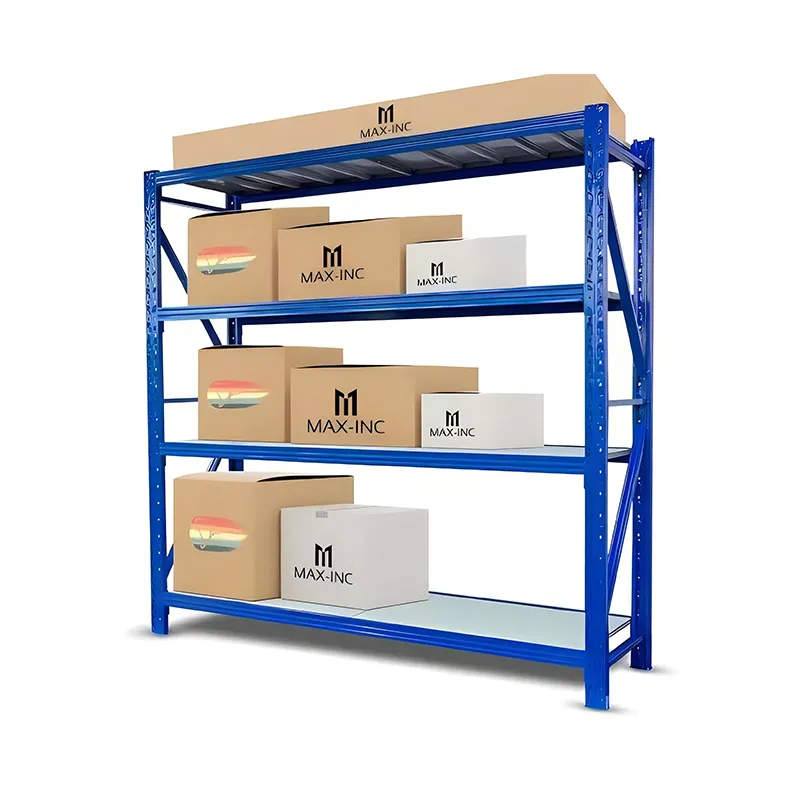
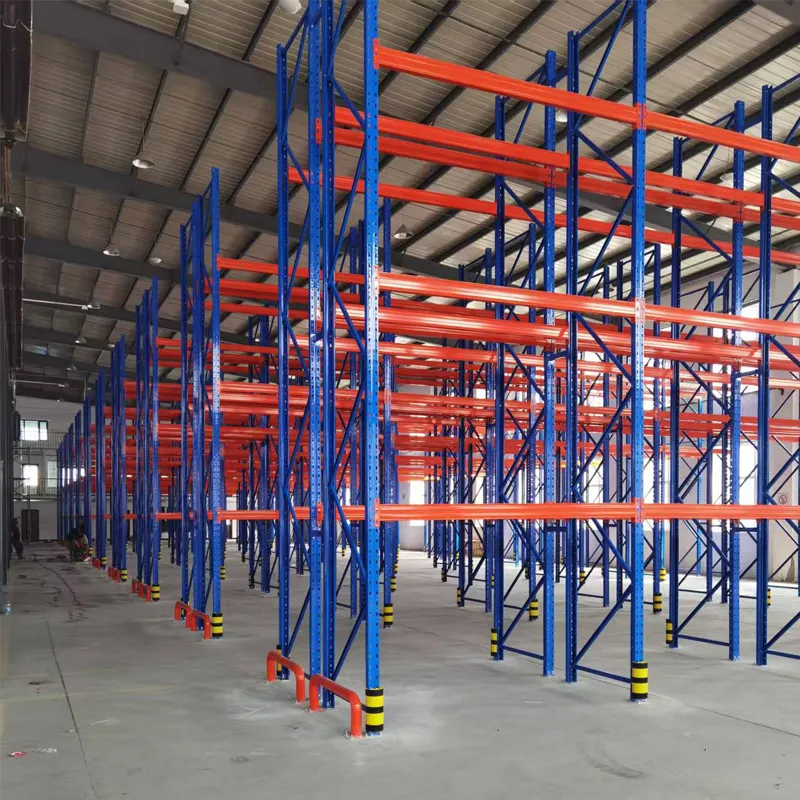
I started, like many others, with time-tested pallet racks. It seemed that since the goods were in boxes, it would be logical to store them on pallets. But e-commerce rarely works with entire pallets of one SKU. More often these are boxes, bags, piece goods of different sizes. And here the first problem emerges - inefficient use of cubic capacity. The shelf is designed for a 1200x800 pallet, but you have a 400x300 box. An emptiness that cannot be filled with anything. The loss of area at the start was around 30-35%.
The second problem is the speed of selection. The order picker runs with a picking sheet from one cell to another, and they are scattered in height and depth. An unreasonable amount of time was spent on the route. Plus, working at height with a stacker to pick single items is just unsafe and slow. I had to revise the concept.
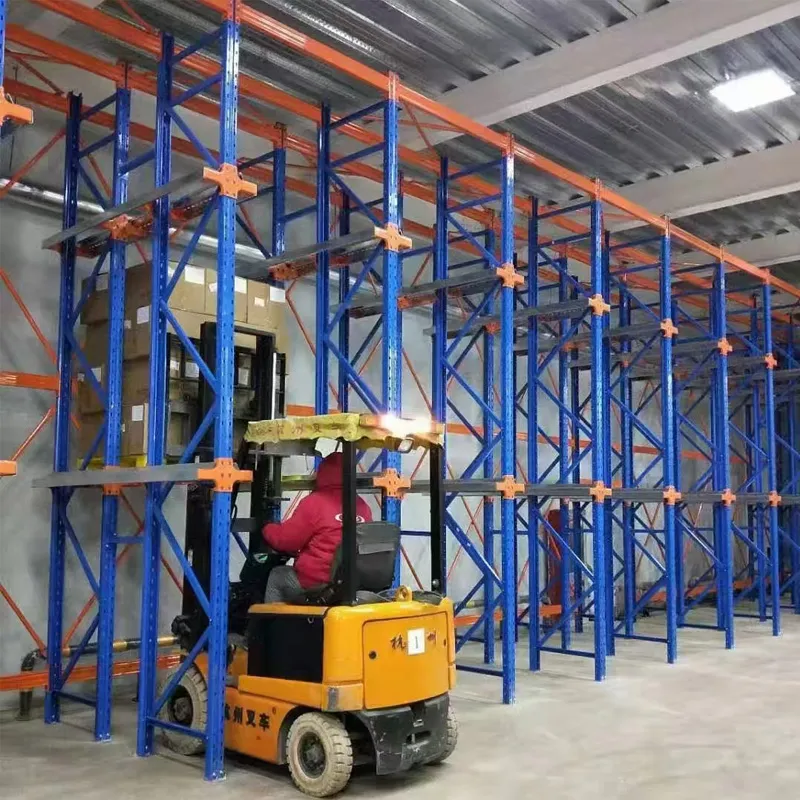
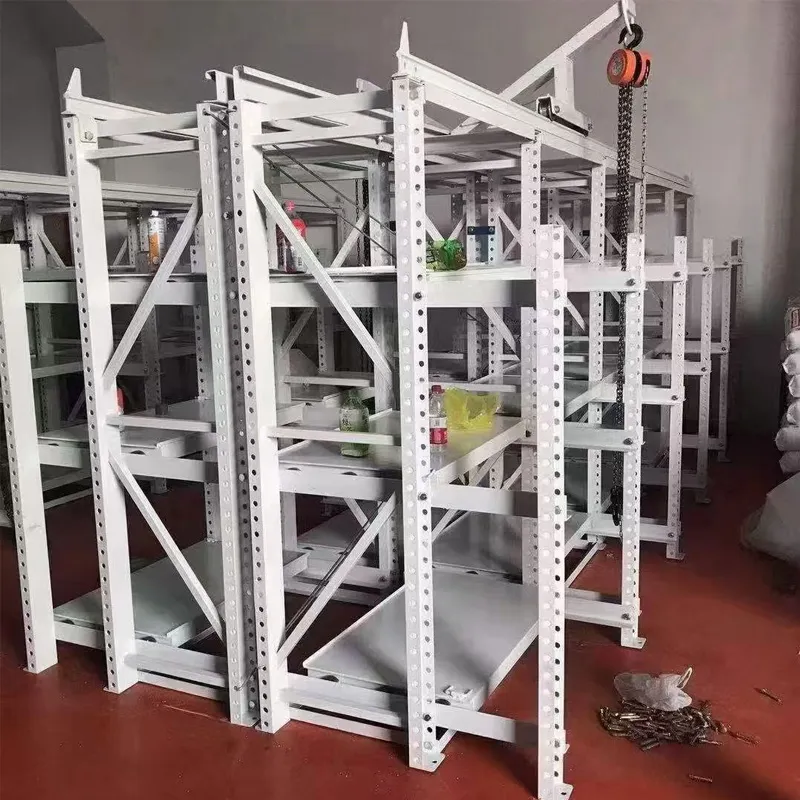
We had experience with the so-called “stuffed” ones. racks where goods are stored in depth without aisles. Excellent for seasonal storage of large quantities. But for daily multi-nomenclature selection it is a disaster. To get the box out of the “face”, I had to unload half the cell. We were losing hours. This idea was abandoned quite quickly.
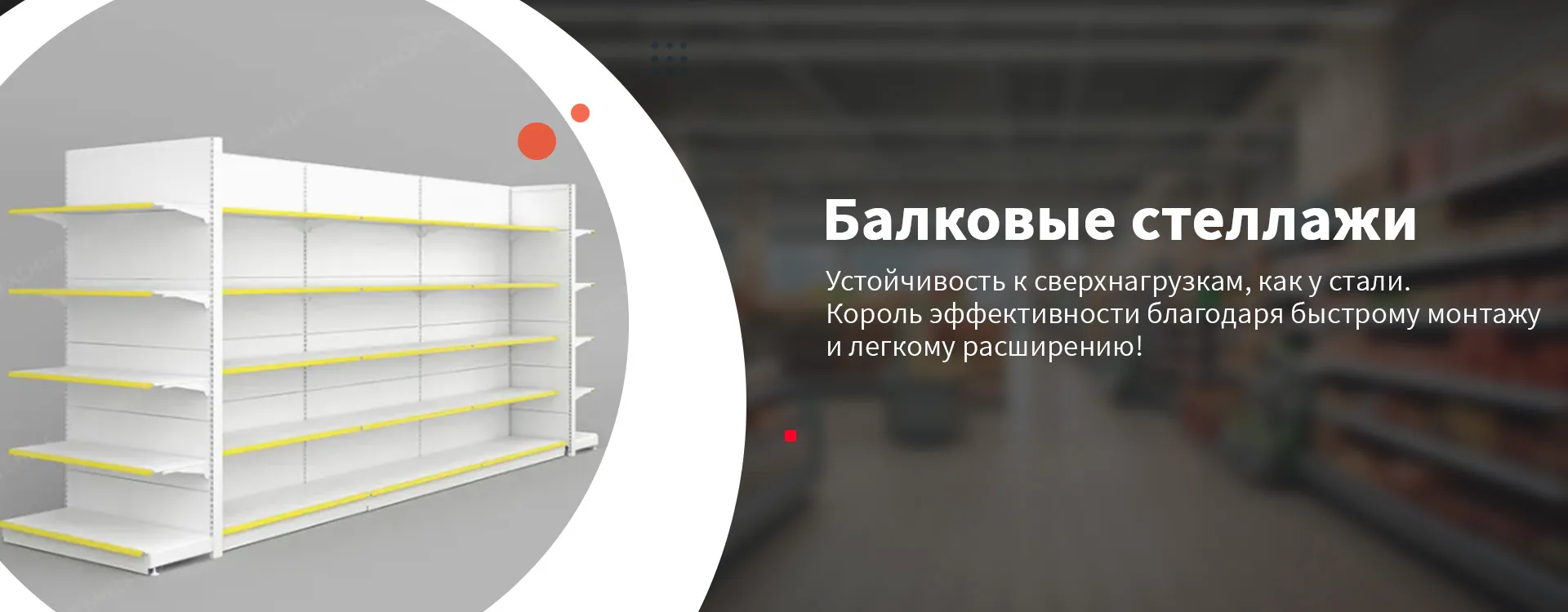
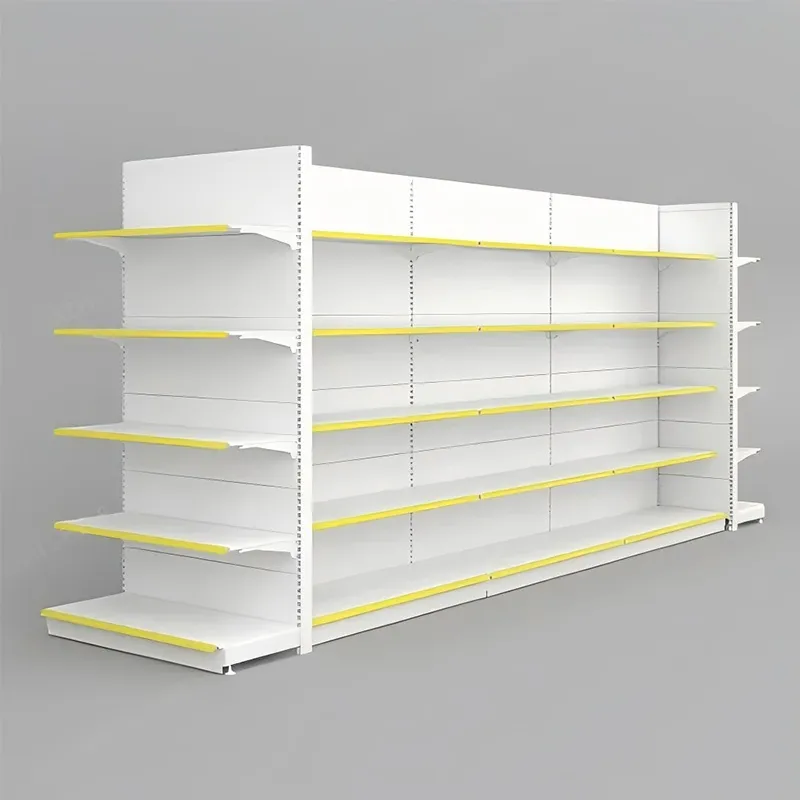
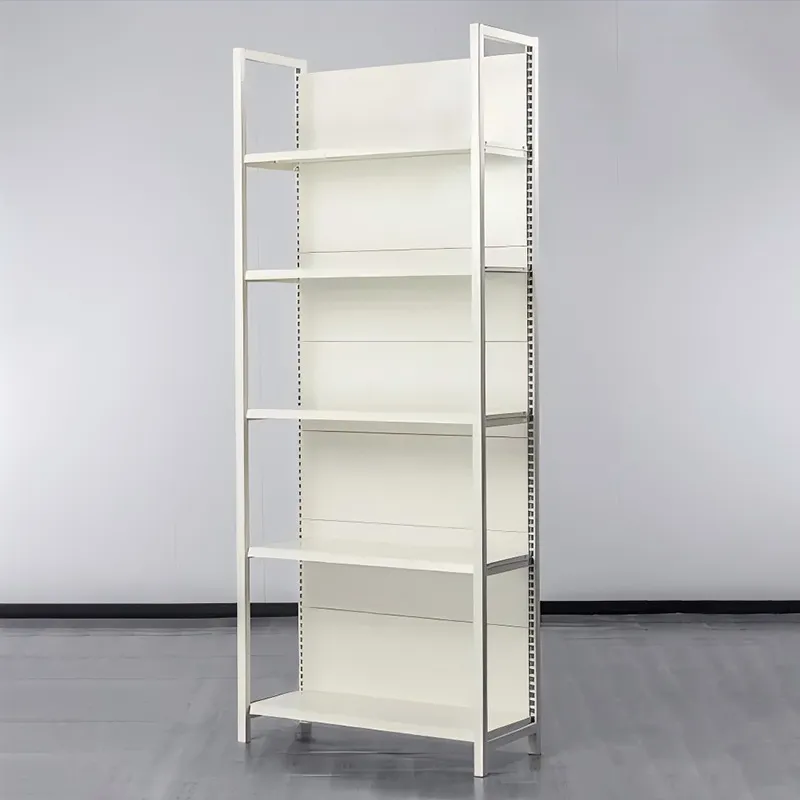
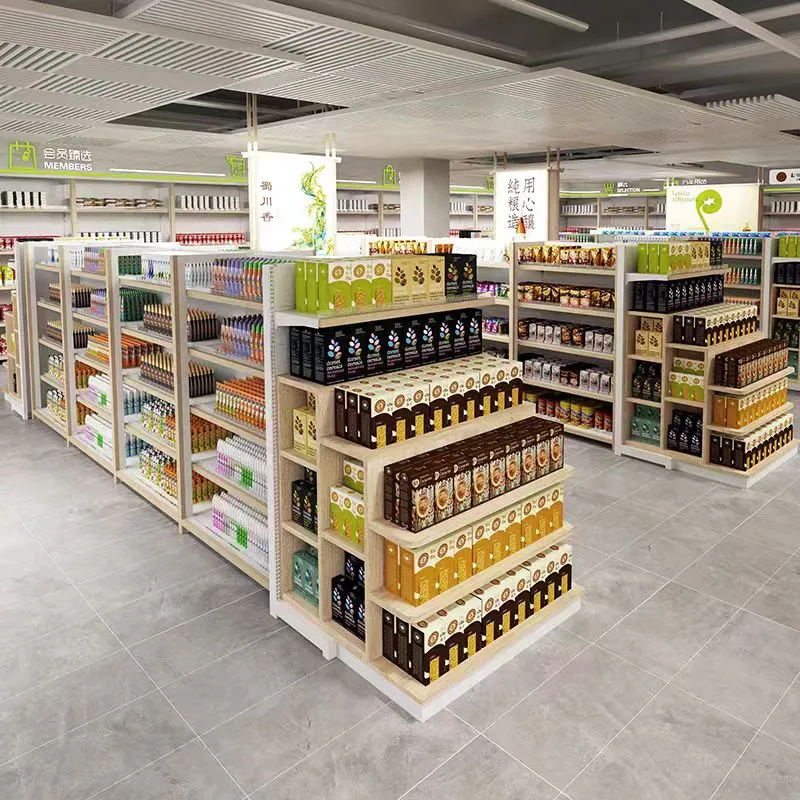
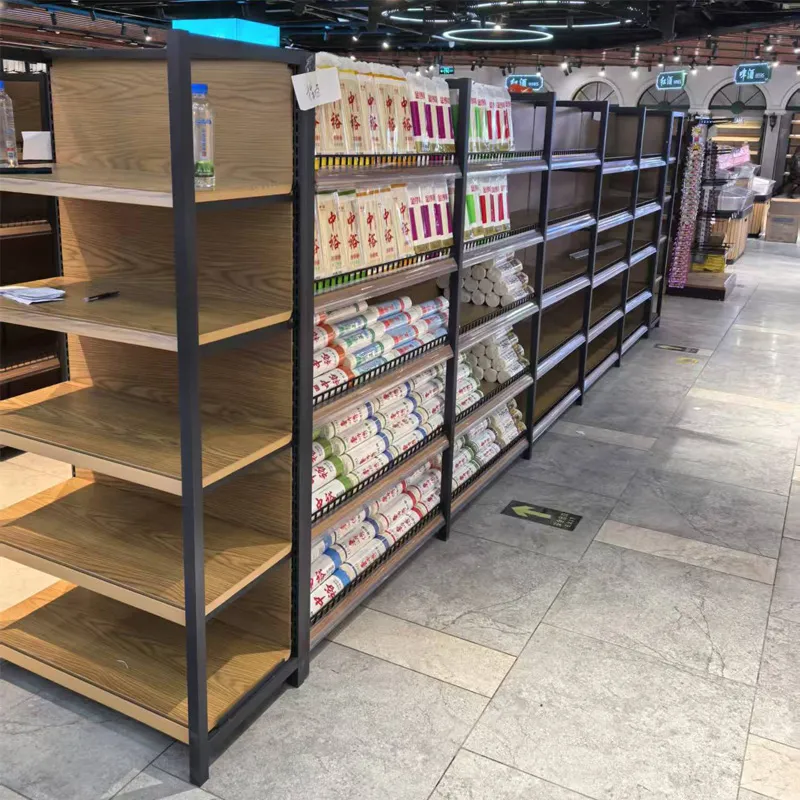
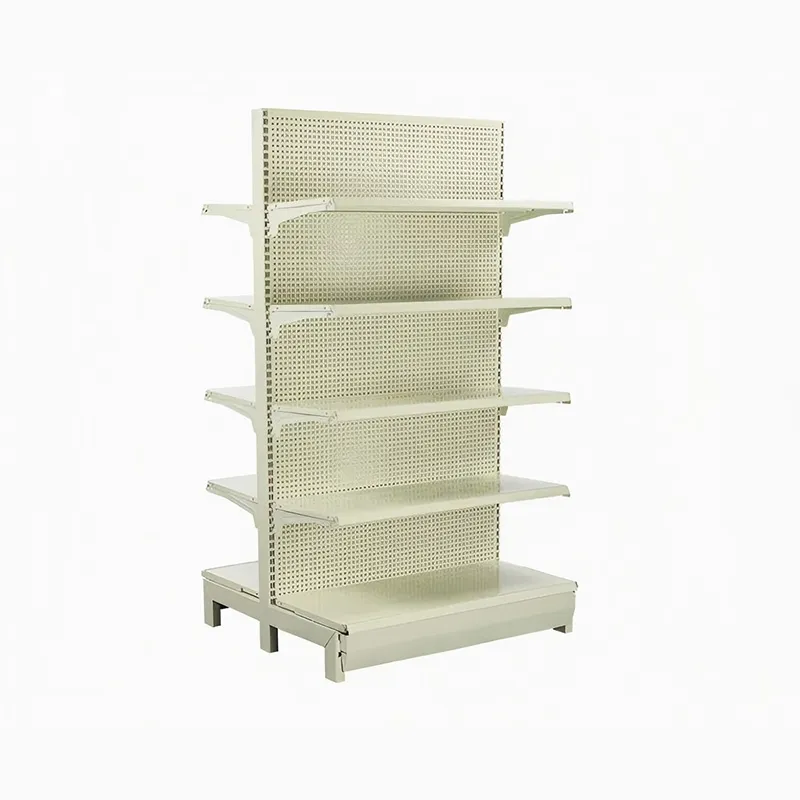
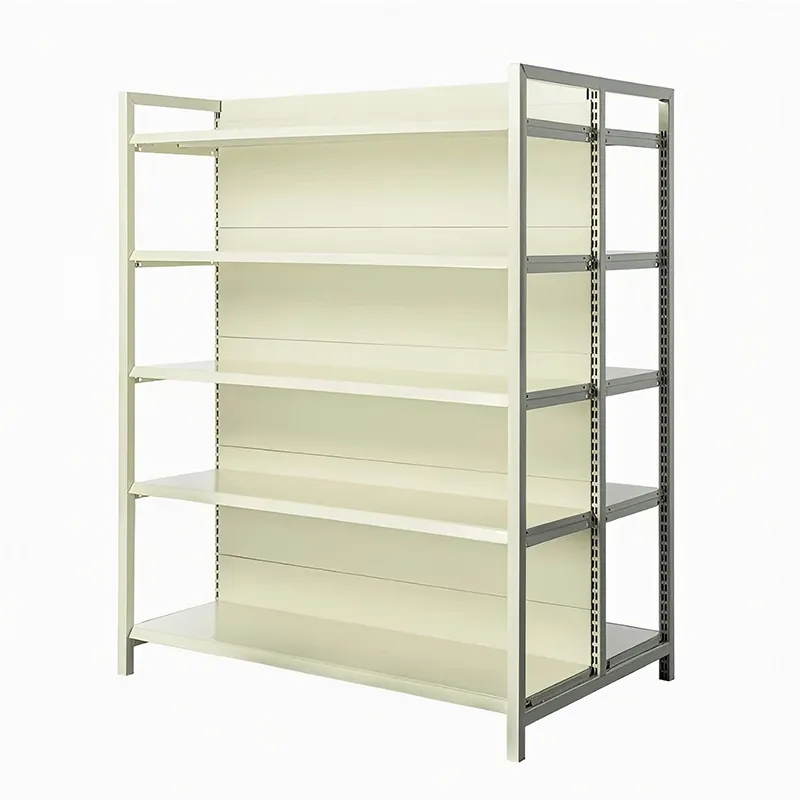
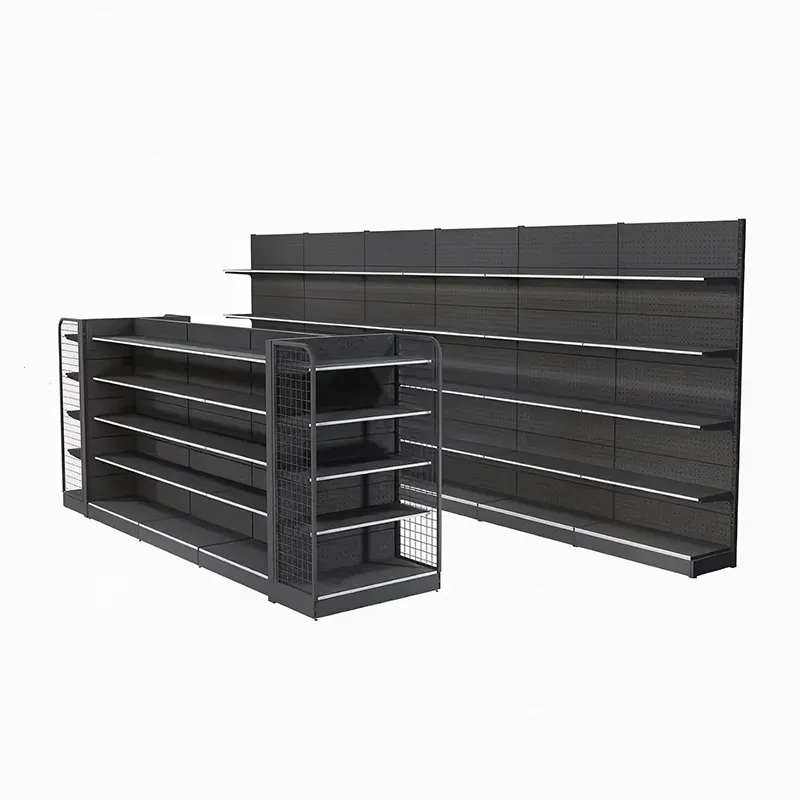
After several trials, we settled on front-facing shelving units with adjustable shelves. It seems simple, but the trick is in the nuances. Depth, for example. Don't take the standard 600 or 800 mm. For e-commerce, a depth of 500-550 mm is often optimal. The assembler's hand can easily reach the back wall; there is no need to climb inside. And the goods are not lost? in depth.
The span width is also a critical parameter. Too wide - again we lose useful area. Too narrow - you won’t be able to accommodate large items. We came up with a combination: main zones with spans of 900-1000 mm for small and medium-sized goods, and separate sections wider, under mm, for bicycles, household appliances and the like.
And yes, height. Multi-tier systems with tiers higher than 2.5 meters for manual selection are evil. The assembler becomes tired, productivity decreases, and the risk of injury increases. Our ceiling is, mm, three tiers maximum. Everything above goes into the pallet stock storage area, which is accessible by a stacker. This is the division of “fast access” zones. and ?deep storage? - key to efficiency.
If space is expensive and turnover is crazy, then classic shelves are no longer enough. This is where mezzanine systems come into play. We used them to store light but bulky goods - for example, pillows or soft toys. We got the second ?floor? for storage, and picking areas were organized below. An important point: the load on the mezzanine must be taken into account with a reserve, and fencing must be installed. Once we saved on calculations, then we redid it.
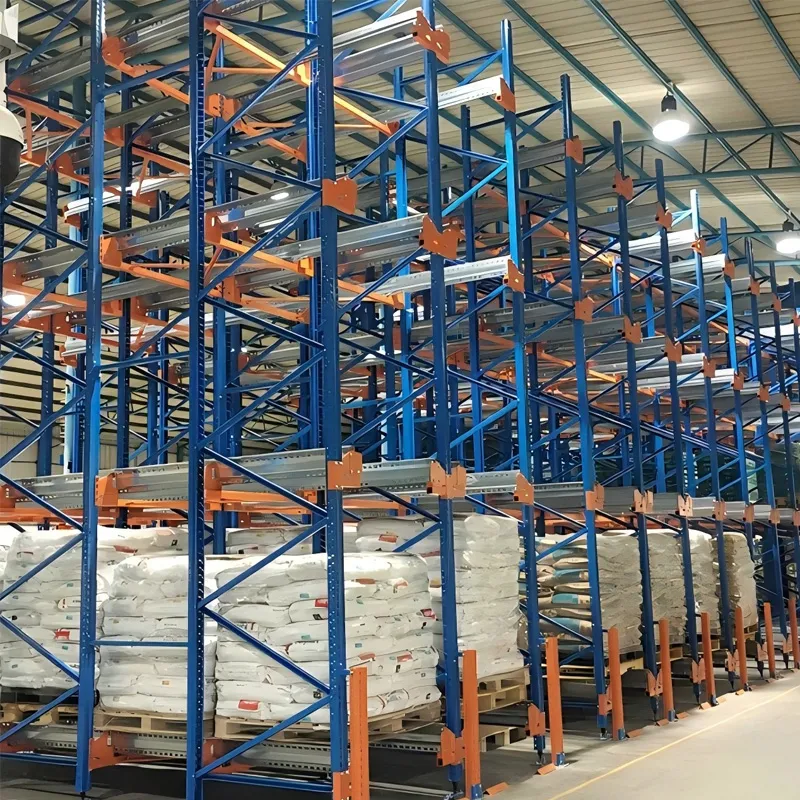
As for the racks for four-way shuttles, this is already a high level of automation. Expensive, but for certain tasks - indispensable. For example, for pharmaceuticals or small electronics with thousands of SKUs. We did not have such implementation experience, but we studied the issue. The main conclusion: without a clear WMS and a stable flow of orders, such a system will not pay for itself. This is not about “buy and forget”, this is about integration into processes.
By the way, about the manufacturers. When we were looking for a partner to supply adjustable shelf systems, we paid attention toHarbin Rack Factory ?Jusheng?. Their websitejshj.rucame across in a search when looking at equipment for dense storage. It is clear that the company?Harbin Jusheng Metal Structure Manufacturing Co.,Ltd.has been operating since 2019 and positions itself as a full-cycle enterprise - from design to service. It was important for us that they make not only beam or pallet systems, but also focus on shelf and mezzanine systems, which are especially interesting for e-commerce. The plant area is 20,000 sq. m. and automated lines are arguments in favor of scale and, potentially, consistent quality. Although, of course, with Chinese suppliers you should always request real test samples and check the thickness of the metal, the quality of painting and the accuracy of perforation for fasteners.
You can buy expensive shelving and ruin everything with little things. For example, fastenings. Clip connections?pull-in? quick to install, but for active work, where the carts constantly touch the racks, bolted ones are better. They dampen vibration and the structure does not become loose. At the second site, we switched to bolted ones and forgot about monthly tightening of connections.
Labeling cells is a different story. You can't just stick a piece of paper on it. You need hard plastic pockets on the stand itself, and not on a shelf that can be moved. And duplication is mandatory - the cell number is large at the end of the rack. This speeds up the search significantly.
Safety. Corner protection on the aisle counters is a must have. Otherwise, the forklift will make a dent in the first week. And from experience: never skimp on floor mounting if the height of the rack is above 4 meters or if the warehouse is located in a region with seismic activity (even minimal). Better to play it safe.
An e-commerce warehouse is a living organism. The assortment changes every season, new product categories appear. The racking system should allow this. Therefore, we now only purchase systems with maximally adjustable shelves. The perforation pitch on the rack is 50 mm - already standard. It’s good when it is possible to quickly, without completely dismantling, change the height and depth of the section.
Nowadays there is a lot of talk about hybrid systems that combine shelf storage and places for picking robots. We are currently observing this trend. For us, the next step is perhaps the introduction of mobile shelving in the archival storage area for low-turnover items in order to further compress the area.
In the end, returning to the question: which racks are better? There is no universal answer. It all comes down to your specific product, projected turnover and budget. But if we derive a formula for a standard e-commerce warehouse with manual picking, it will be: frontal shelf racks with height/depth adjustment, reasonable height of tiers, division into quick access and stock zones, and attention to “iron” parts. little things - from fastenings to protection. And then look at the height: mezzanines, shuttles, maybe something else. The main thing is not to buy for growth? immediately a complex system. Start with something simple, flexible and easy to maintain, and scale up as you really need it.