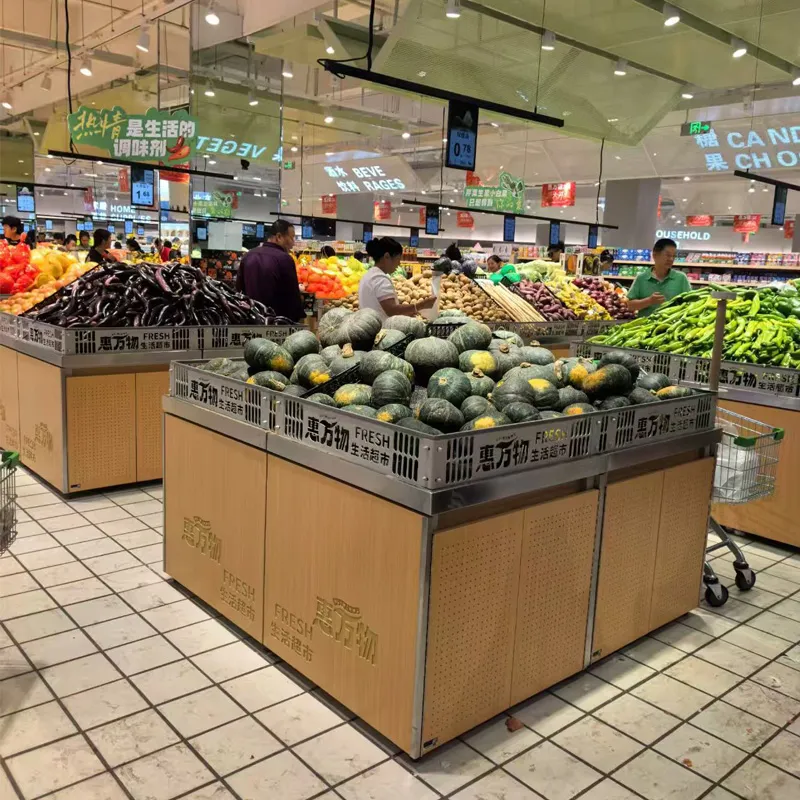
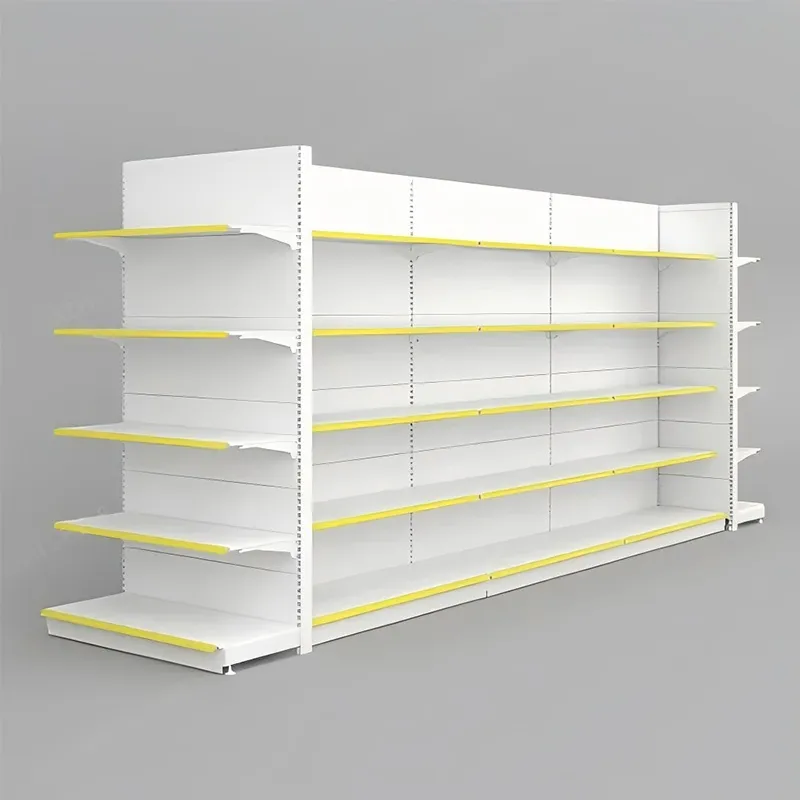
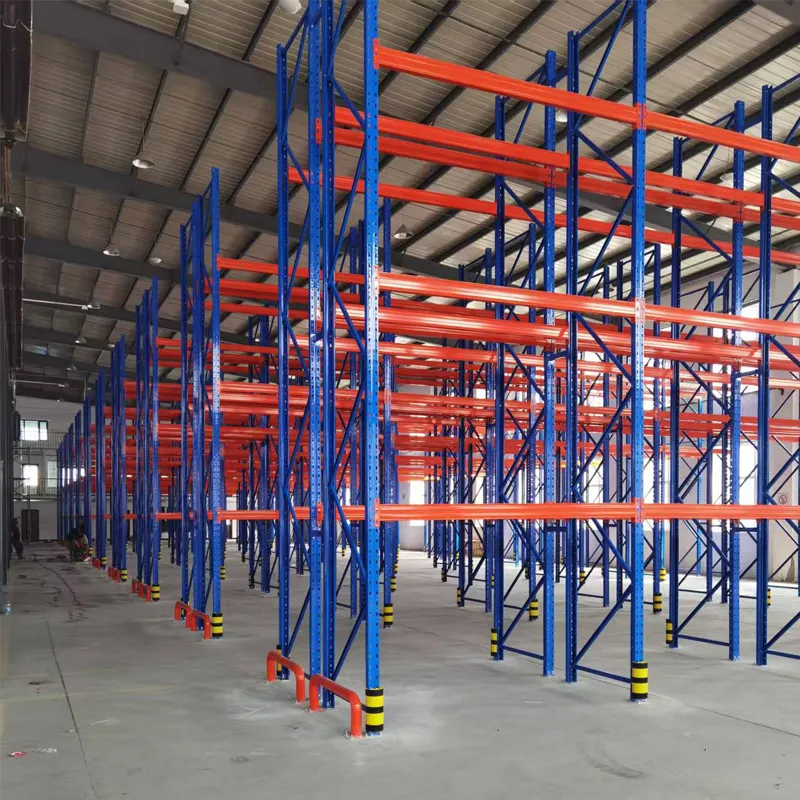
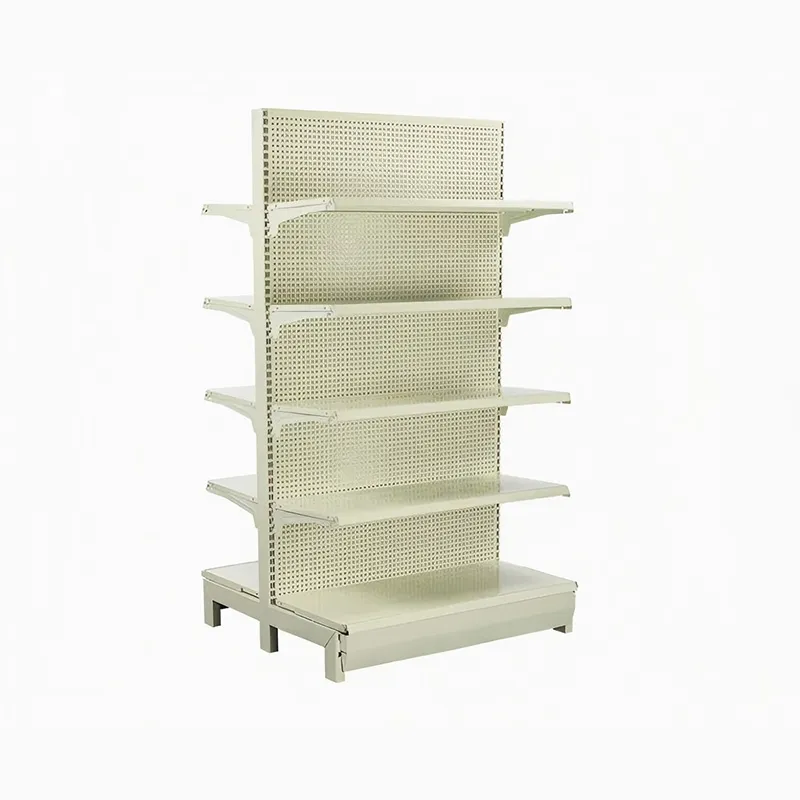
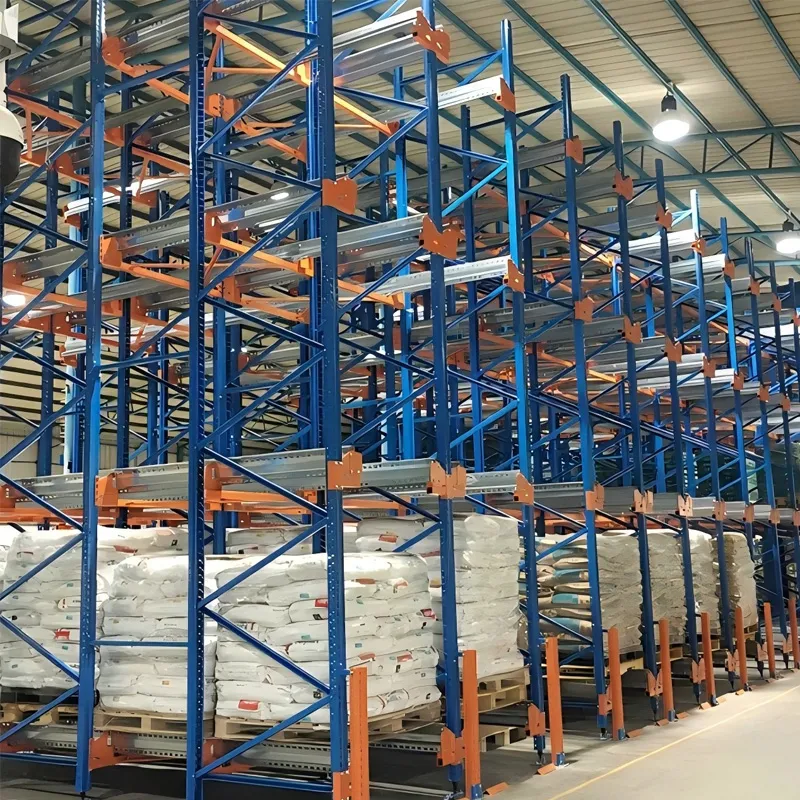
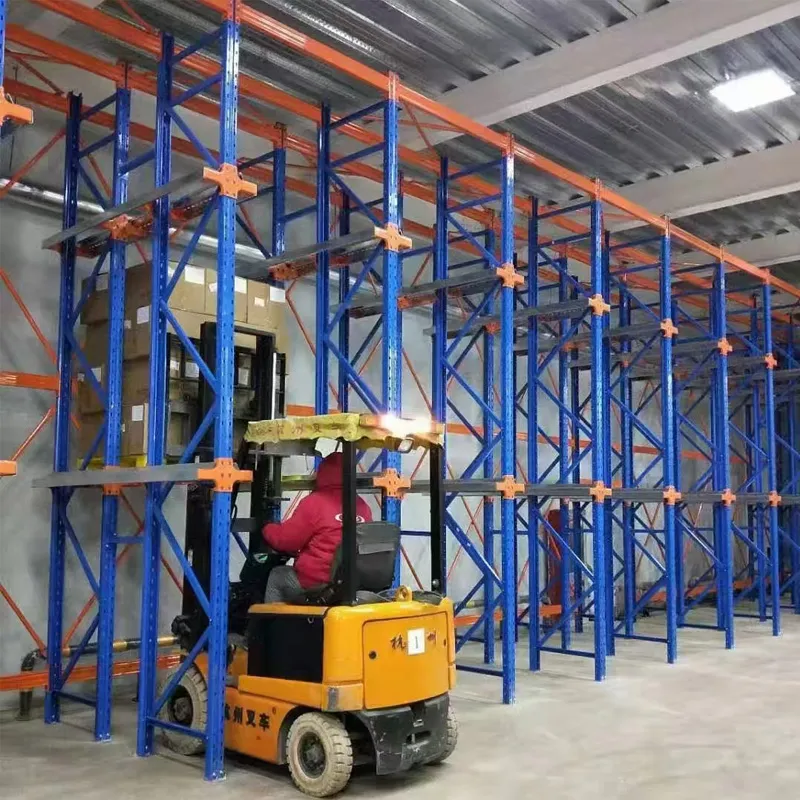
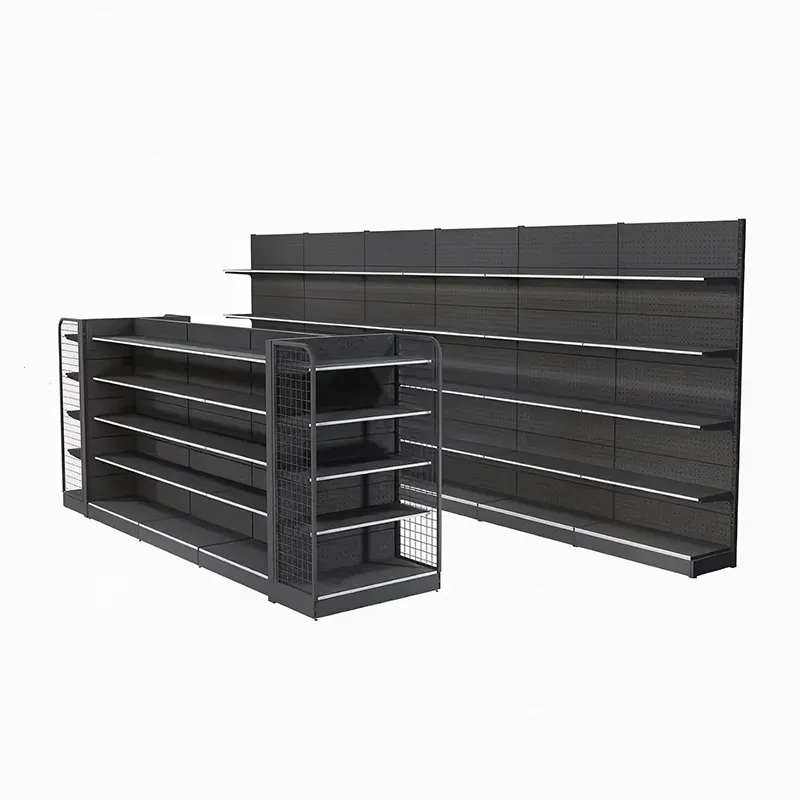
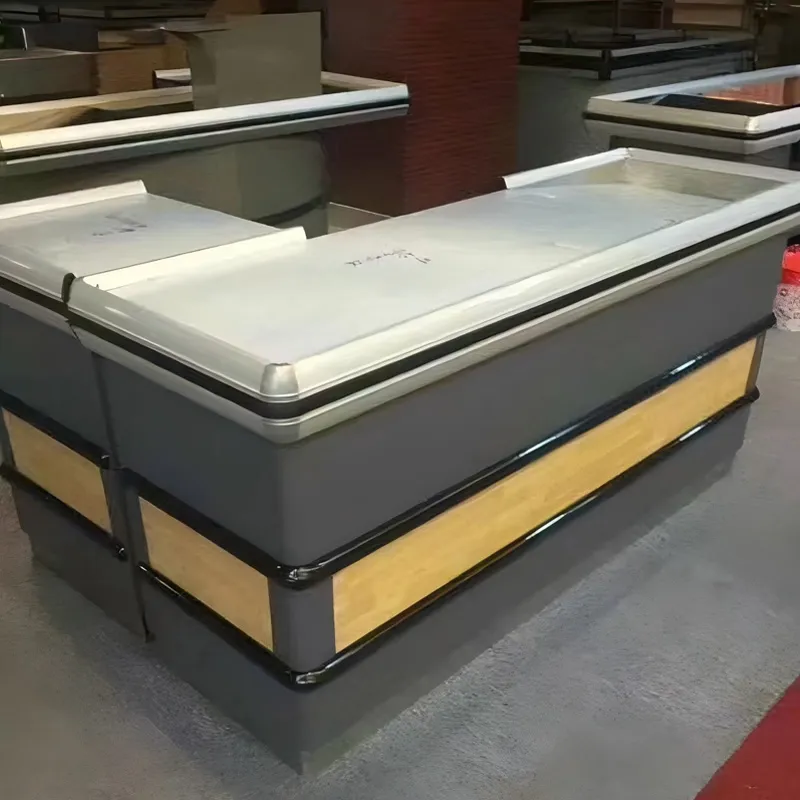
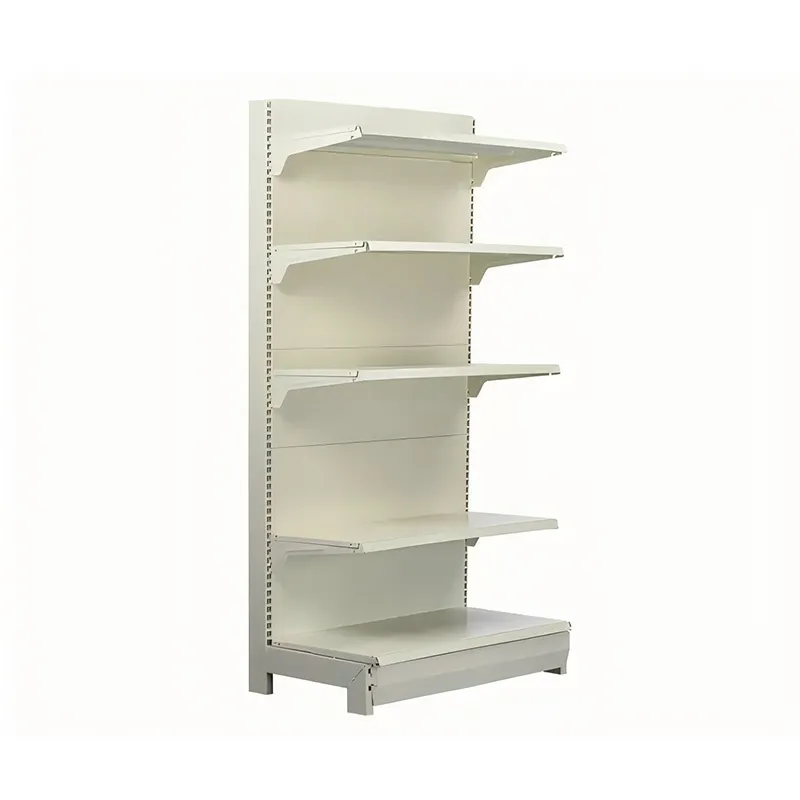
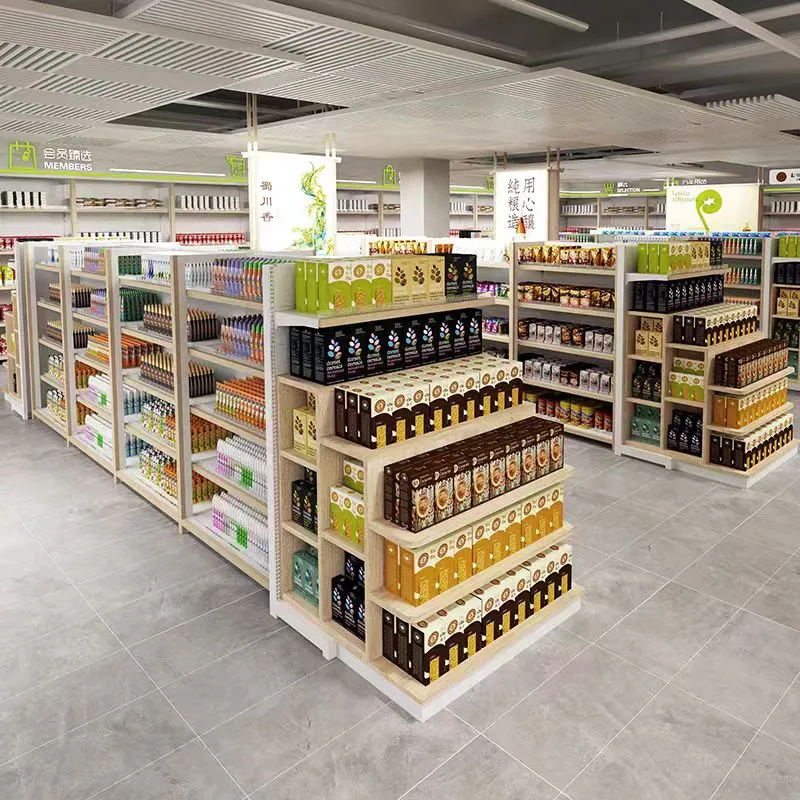
When you hear “trade and exhibition racks,” many people immediately imagine just metal structures with shelves. But this is where the main mistake lies. In fact, this is a complex element of merchandising, on which the turnover of goods directly depends. I have seen many times how an incorrectly selected or placed system will ruin all efforts to purchase a good assortment. What is important here is not just rolled metal, but an understanding of customer flows, display logic and, what is often overlooked, flexibility for future promotions.
The perfect design on paper often clashes with the harsh reality of building codes. For example, a miscalculation of the load on a floor slab in an old supermarket building. We once did a project with multi-leveltrade and exhibition racksfor drinks, but in the end the entire layout had to be redrawn, because heavy structures could not be placed in the center of the hall. We had to focus on wall solutions and smaller island shelving. This was a lesson: the technical specification should include not only the wishes of the marketer, but also the conclusion of the builders on the project.
Another point is unification. It would seem easier to order standard sections. But each supermarket has its own geometry, columns, communications. Ready-made solutions from an unknown manufacturer often lead to loss of usable space. Therefore, serious players, like the Jusheng plant, always focus on adaptive design for a specific object. On their websitewww.jshj.ruit is clear that they position themselves as a full-cycle enterprise, and these are not just words. Whether the rack will “work” depends on the design stage. or just stand.
It is at the design stage that the future logistics of replenishment of goods is laid out. If you make narrow aisles between high racks, the supplier’s cart will not pass, and the staff will suffer. This is the same “practice” that is not always obvious when looking at a beautiful 3D render.
The thickness of the metal, the type of coating, the method of fastening the shelves - this is what determines the service life. A common story: the customer saves on coating and simply chooses powder paint without proper preparation of the metal. After a year, the first signs of corrosion appear in the vegetable department, where there is constant humidity. And the reputation has already been damaged.
We worked with different suppliers and came to the conclusion that different areas of the supermarket needed different solutions. For groceries - standard shelf systems. For refrigerators with freezing - designs with enhanced protection against condensation. For wine departments there are special racks with individual cells and lighting. Factory ?Harbin Jusheng production of metal structures? just declares a wide range, from classic shelf systems to complex console systems. This is important because one reliable partner for the entire range of solutions reduces the headache of coordination and logistics.
Special discussion - fastenings. It would seem like a small thing. But when an adjustable shelf with expensive coffee on the central shelf moves off due to vibration during rush hour, this is an emergency. Therefore, now I am increasingly looking towards systems with reliable locks and latches, even if they are a little more expensive. Saving on fittings is the shortest path to unscheduled repairs.
Shelving height is not just a matter of storage volume at the top. It's a matter of product visibility. Standard "golden triangle zone" - between the belt and the eyes of an adult. But if you make all the racks low, you lose space. If you make it high, the goods on the upper shelves “die?” for some buyers. The solution is to combine. The lower levels are for basic, impulse purchases. The top ones are for products of target demand or duplicates, or for advertising banners.
The depth of the shelf is another subtle point. A shelf that is too deep allows you to display a lot of packages deep, but the front ones can get stuck and get crushed. Too small - a constant feeling of emptiness and lack of assortment. The ideal depth is often determined empirically for each product category. For example, one for chips, another for cans of canned food.
And here we return to flexibility again. goodtrade racksshould allow you to change the height and, ideally, the depth of the shelves without completely disassembling the section. Because the range is changing, new packaging formats are coming. A system that cannot be adapted becomes obsolete even before it wears out physically.
You can make a perfect rack at the factory, but ruin everything during assembly. Uneven rows and skewed sections are not only unsightly, they are a direct safety hazard. I have seen cases where an unscrupulous installation team skimped on fasteners or did not set the level. The result was a shaky structure that eventually required rework.
Therefore, for me now the key indicator of a manufacturer is control over the entire cycle, including installation. If a company, like Harbin Jusheng LLC, undertakes design, production, supply, and often installation supervision, this reduces risks. They are responsible for the final result, rather than shifting responsibility to subcontractors.
Another practical nuance is the packaging and labeling of parts for assembly. When ten pallets with boxes arrive at the site, and the instructions contain a schematic drawing, the assembly turns into a puzzle and drags on for days. A good supplier will assemble parts by section and assembly stage, with clear markings. This saves time and nerves for installers, and therefore money for the customer.
Nowadays people are talking more and more about environmental friendliness. In our context, this is not only about recycled metal. It's about durability. The most ?green? the shelving unit is one that will last 15 years, not 5, and that can be upgraded rather than thrown away. Investment in quality materials and thoughtful design pays off from this point of view.
I am observing a trend towards integrating technology directly into the design. It's not just lighting. These are guides for digital price tags, built-in holders for tablets with product descriptions, cable channels for sensors for monitoring residues.Exhibition rackscease to be passive equipment, becoming part of the digital infrastructure of the store. Manufacturers who want to remain in the market need to build this capability into their systems.
Ultimately, choosing a supplier is choosing a partner. You need to look not at a beautiful catalog, but at production facilities, a portfolio of completed objects and a willingness to immerse yourself in the specifics of your project. Like the same Harbin plant, which since 2019 has been developing its production on an area of 20,000 sq.m. Such scales usually indicate serious investments and long-term plans, and therefore reliability as a partner. After all, a supermarket needs not just shelving, but a working, living space for sales that will serve for years.