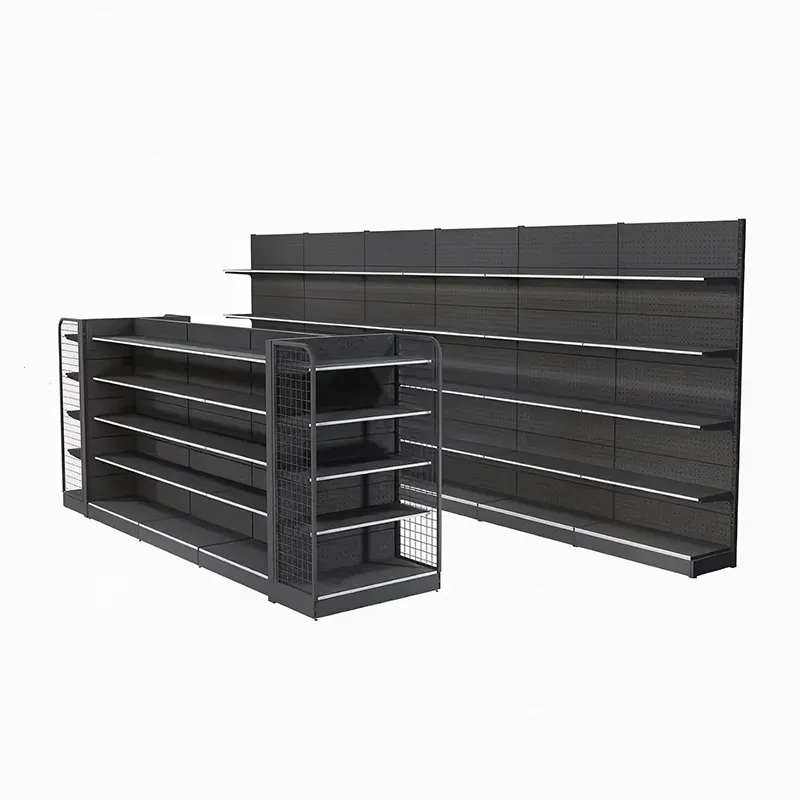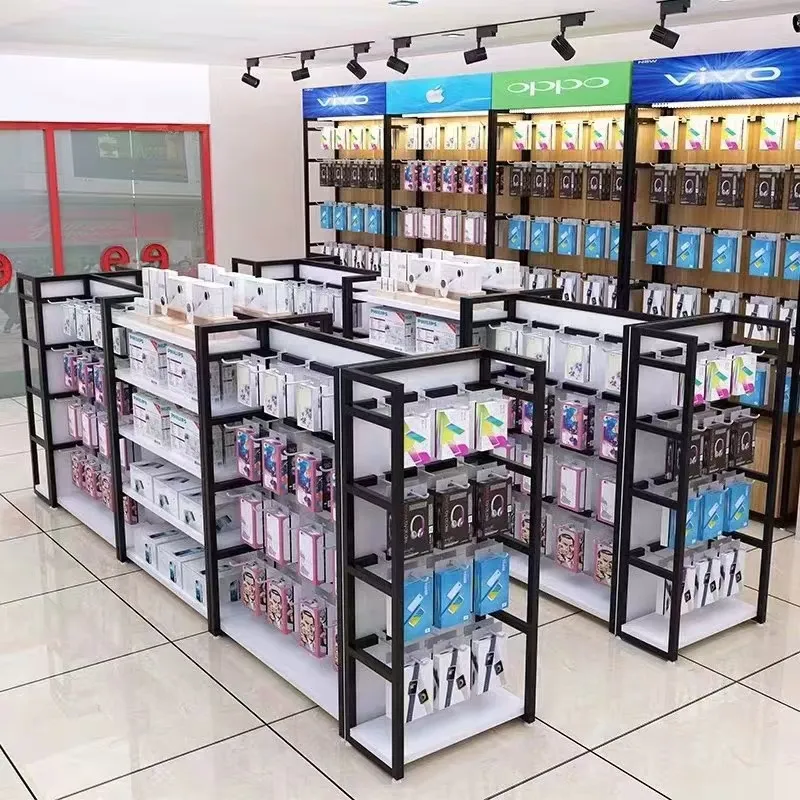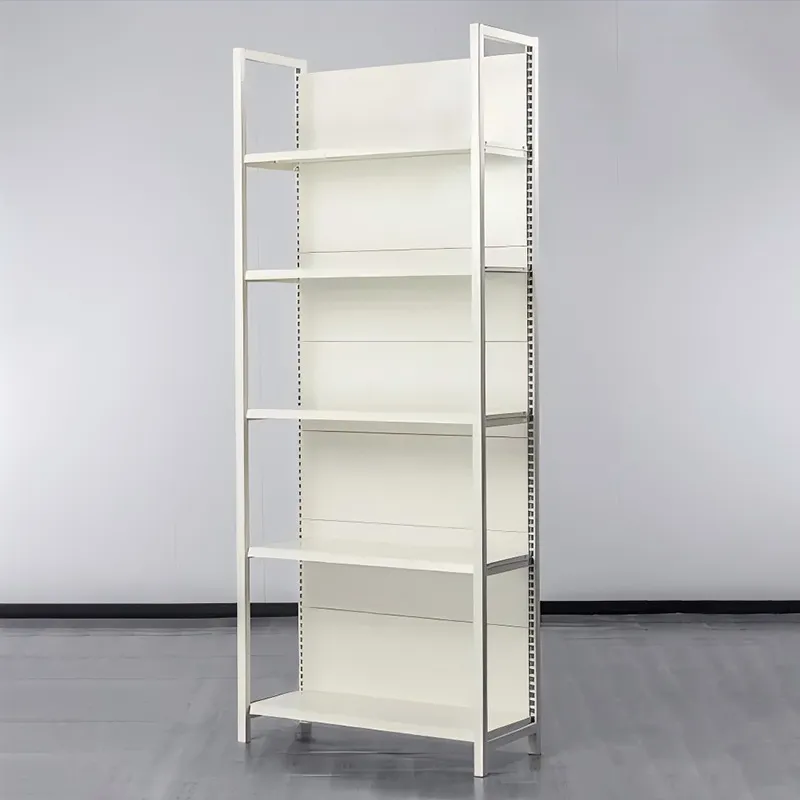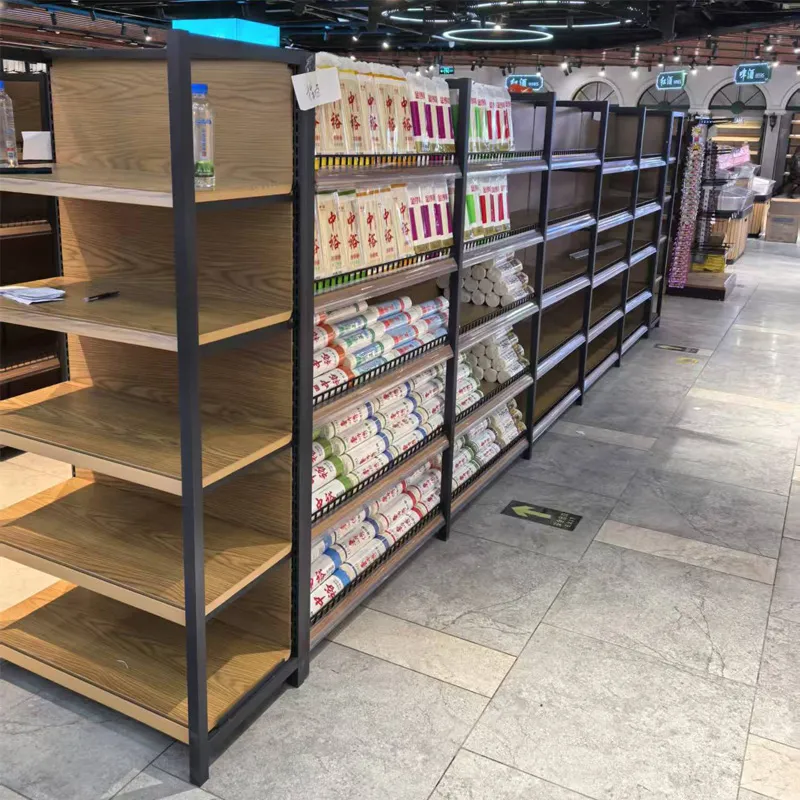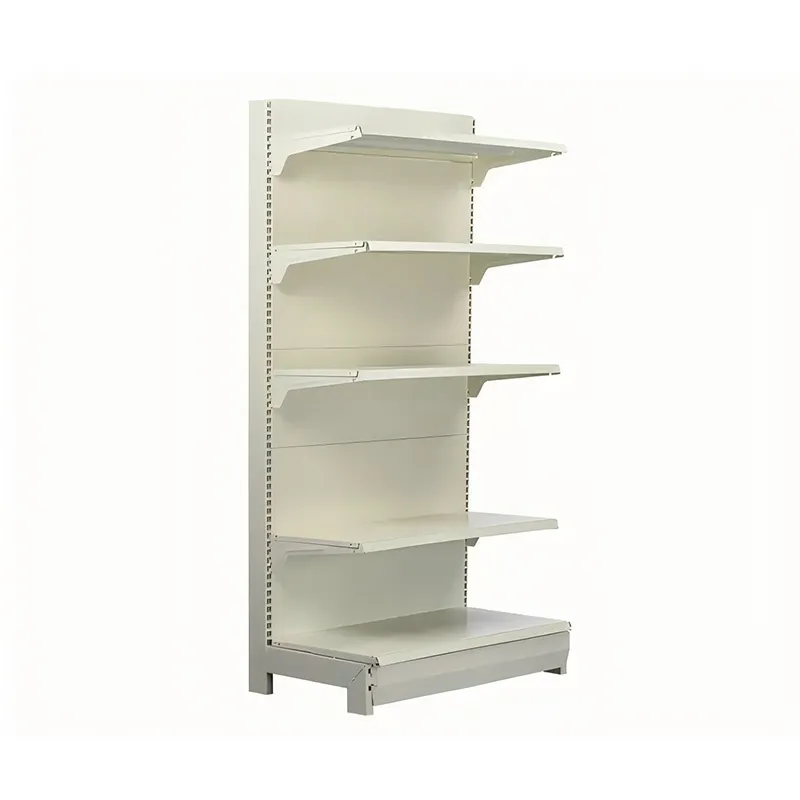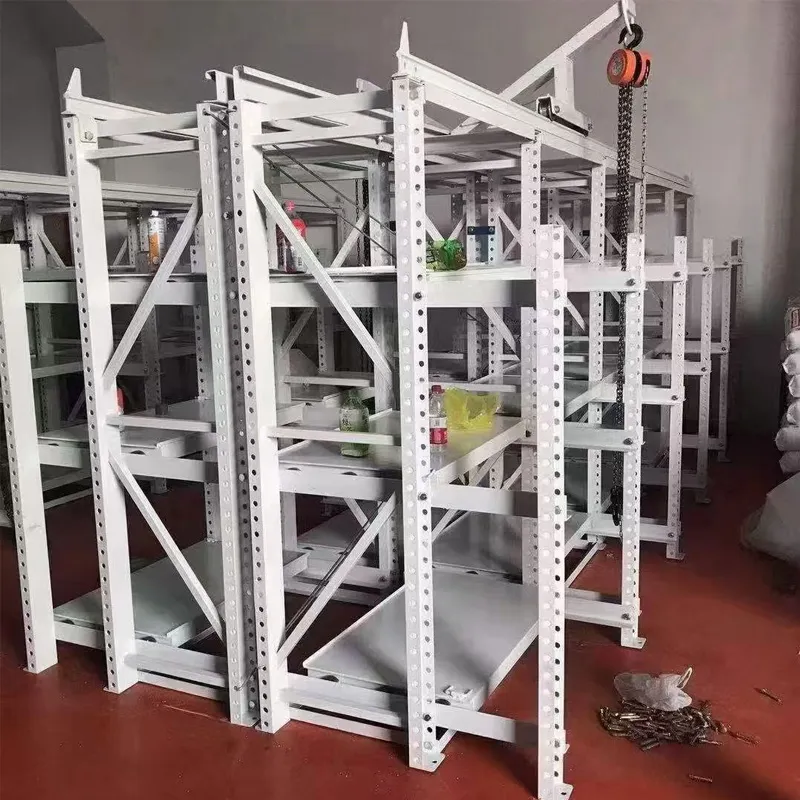
When they say “there are cantilever racks,” many people immediately think about the types: single-sided, double-sided, wall-mounted. But this is superficial. In fact, the key difference is in how they cope with the actual workload on the shop floor or in the warehouse, and not in the picture from the catalog. A common mistake is to choose only by price per ton, forgetting about the nuances of installation and how the structure will behave in a year or two under an uneven load.
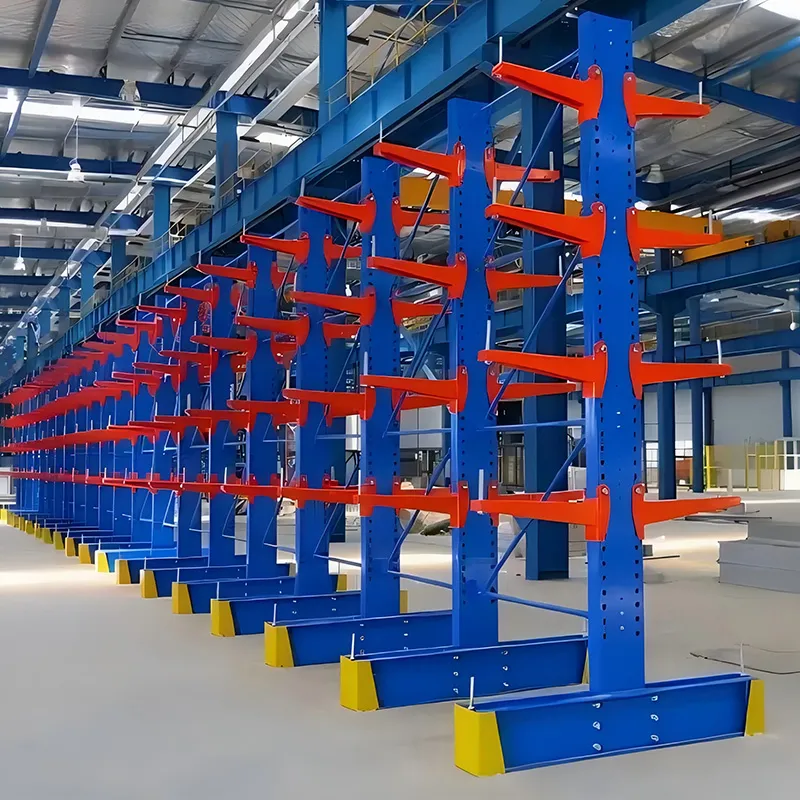
So, cantilever racks. The base is the columns and consoles that are inserted or fastened. It would seem simple. But here’s the first nuance that many people miss: there are consoles with a fixed angle and adjustable ones. The latter are, of course, more flexible, but the attachment point is a weak point if the manufacturer skimped on the thickness of the metal or the quality of welding. I have seen more than once how, under a dynamic load (say, the loader slightly touched) the adjustable unit begins to “play.” Over time - a crack.
Another point is the connection of the columns to the base. Sometimes it’s simply welded to the slabs, sometimes it’s on anchor bolts. For uneven floors, the second option is preferable, but requires accurate calculations. I once came across an order where the installers, saving time, did not check the level. As a result, the entire section was under tension, the consoles were skewed. Six months later, deformities began. I had to redo it.
And yes, when we say “they happen,” we must not forget about the material. Not all steel is suitable for our winters if the warehouse is unheated. This is especially true for industries likeHarbin Jusheng, which operates in the climate of Northeast China. By the way, in their product passports they often indicate the steel grade and temperature tolerances. This is not just a piece of paper - it is important.
The figure in tons per console is not the ultimate truth. It is valid when the load is ideally distributed along the entire length. What about in life? Often something heavy is hung closer to the column, and something light is hung on the edge. Or they generally load one console more than the neighboring one. Manufacturers, of course, lay down a reserve, but it varies.
Here it is worth taking a closer look at companies with a full cycle, from design to installation. Here, for example,Harbin Jusheng LLC- their plant in the Pingfang district is just one of those. They don’t just sell standard racks, but can calculate the load for a specific assortment. It's valuable. Because their engineers on site see how their products perform in real-world conditions and make adjustments to the designs. These are not theorists.
I remember an incident involving the storage of long metal pipes. The customer bought cheap racks with a stated load of 500 kg per console. But the pipes gave a point load, plus vibration from equipment operating nearby. As a result, the attachment points of the consoles to the columns could not withstand metal fatigue. We switched to a system with reinforced brackets and diagonal braces between the columns. The problem is gone. Moral: load capacity is a complex parameter that also includes dynamics.
The most perfect design can be ruined by poor installation. Cantilever racks can be collapsible or welded. The first ones, of course, are more mobile. But every disassembly and reassembly weakens the connections. For permanent warehouses, I would still lean towards welded sections, if the layout allows and there is no risk that everything needs to be rearranged in a year.
An important step that is often ignored is preparing the layout design. Where will the forklift passages be? How long are the weights? Will there still be blind spots? Here experience suggests that it is better to lay wider passages than seems sufficient on paper. Otherwise, the technical maneuver turns into jewelry work and constant risks of blows.
Companies that make and install themselves, like the sameHarbin Jusheng production of metal structures, usually offer a specialist visit to the site. This is not just a formality. They look at the floors, at the height of the ceilings, at the communications. One day their engineer noticed that according to the design, the rack column was supposed to stand directly above a weak area of the floor with an old screed. They suggested moving the section and adding an additional base plate. A little thing that saved me from future problems.
Not all cantilever shelving is created equal for everything. Storing wooden beams or plastic profiles is one thing. For rolled metal or heavy ceramic pipes it’s completely different. In the latter case, corrosion protection is critical. Powder coating is standard, but its quality varies. Layer thickness, metal preparation (phosphating).
At the same plant in Harbin, with an area of 20,000 sq. m and automated lines, the painting process, as a rule, is brought to a good level. This is important for durability in warehouse environments where it can be both humid and dusty. I saw samples of them after several years of use - there are chips only in places of strong mechanical shocks, general corrosion does not appear.
Another specific scenario is the storage of non-standard cargo. For example, long sheets of drywall or plumbing tanks. To do this, sometimes you need consoles of a special shape or with rubber linings so as not to damage the goods. This is no longer a standard solution, but a piece of work. And here, having your own design bureau and design experience, like Jusheng, which deals with the entire cycle from development to service, gives an advantage.
At the beginning, everyone considers the initial investment. Cheap cantilever shelving can be tempting. But then come the costs of repairs, reinforcement, and downtime due to relocation or accident. Therefore, you need to count 5-10 years in advance.
A high-quality system, even 20-30% more expensive at the start, often turns out to be more profitable. Fewer backlashes, higher stability, easier to purchase and install additional sections from the same manufacturer. Standardizing components is a big deal.
That is why, for serious logistics or production tasks, I would recommend turning to trusted, reputable manufacturers. Such as the Harbin plant, which is positioned as a leading enterprise in the region. Their approach is not just to sell hardware, but to solve the storage problem. As a result, when it comes to cantilever shelving, the key thing is not “they happen” in the sense of types, but “they happen” to be reliable or problematic. And this choice is determined by the experience, technology and responsibility of the supplier, and not just by the table in the price list.