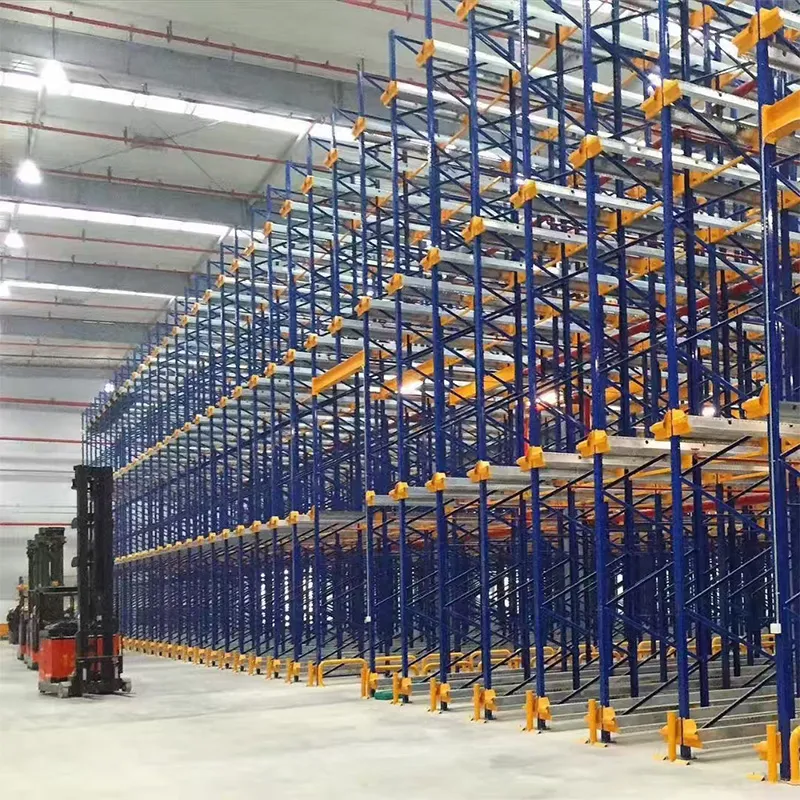
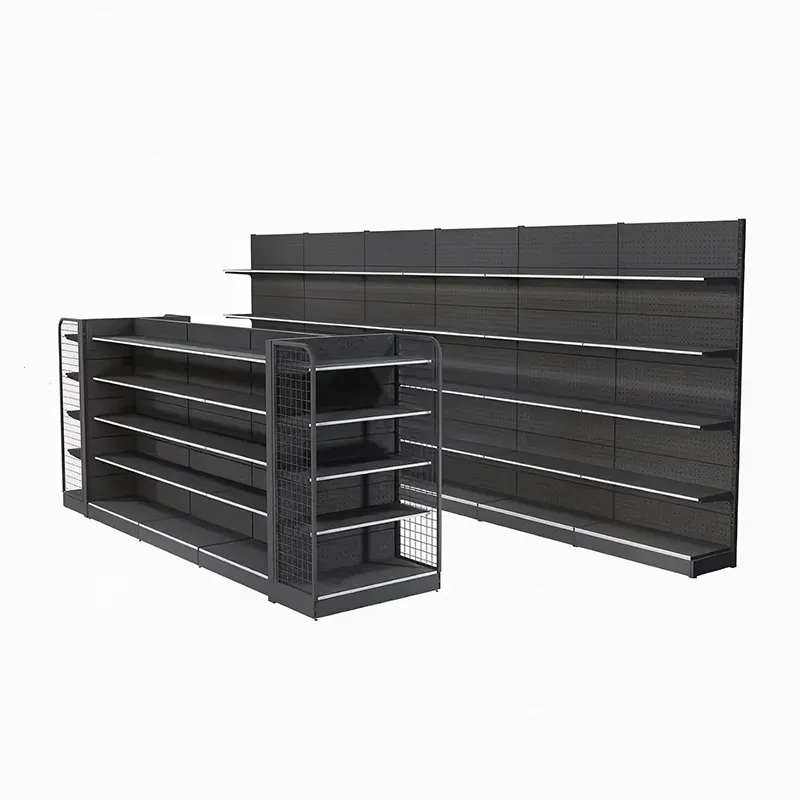
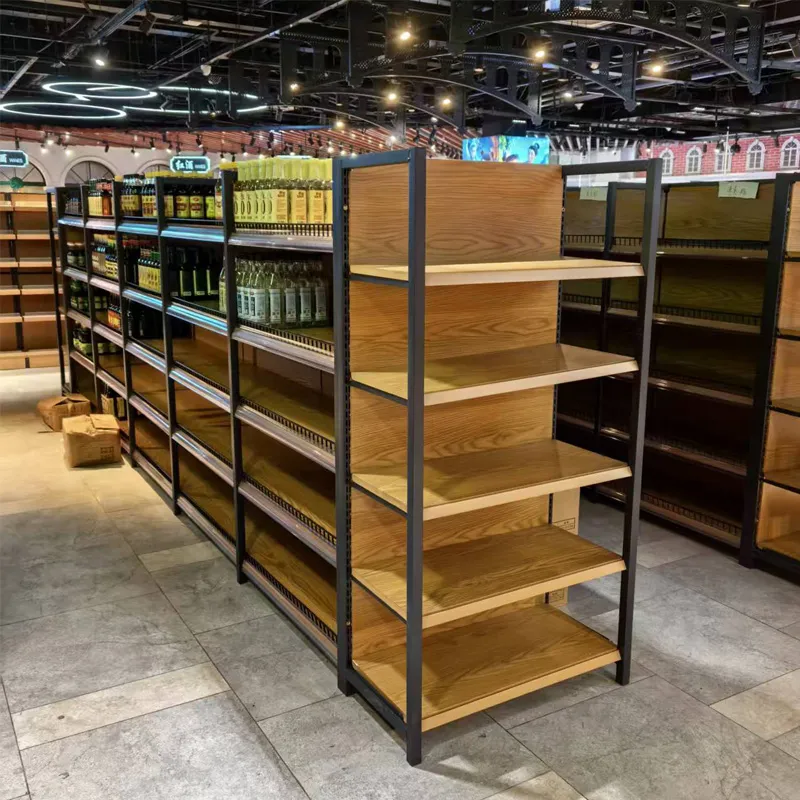
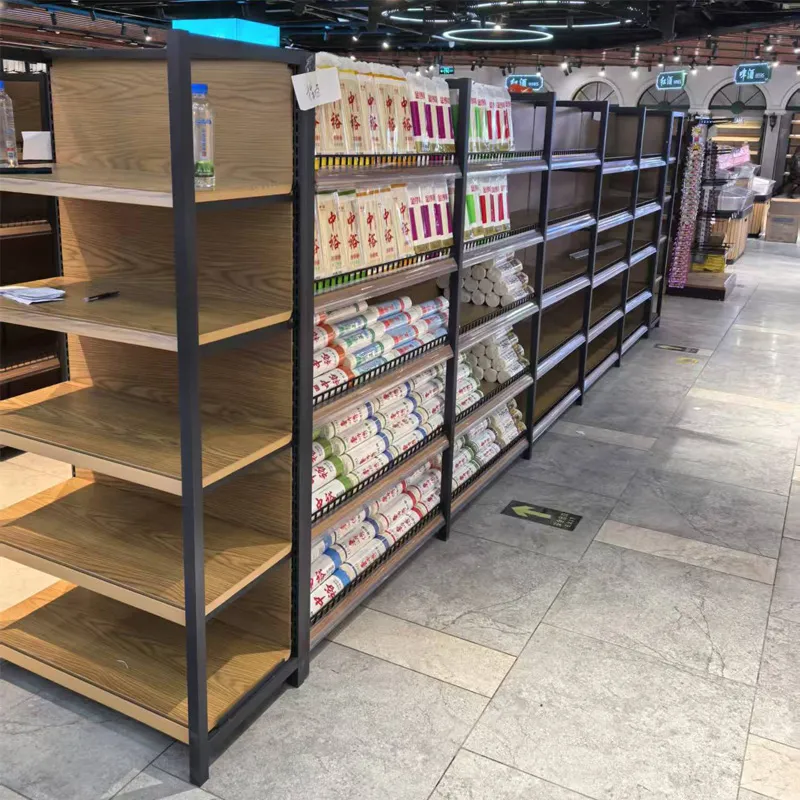
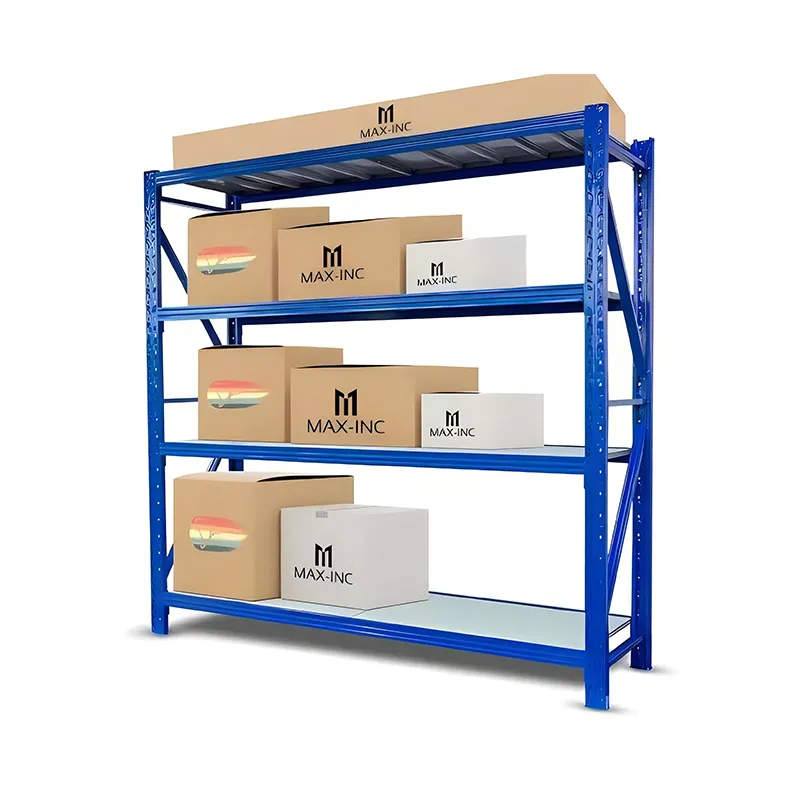
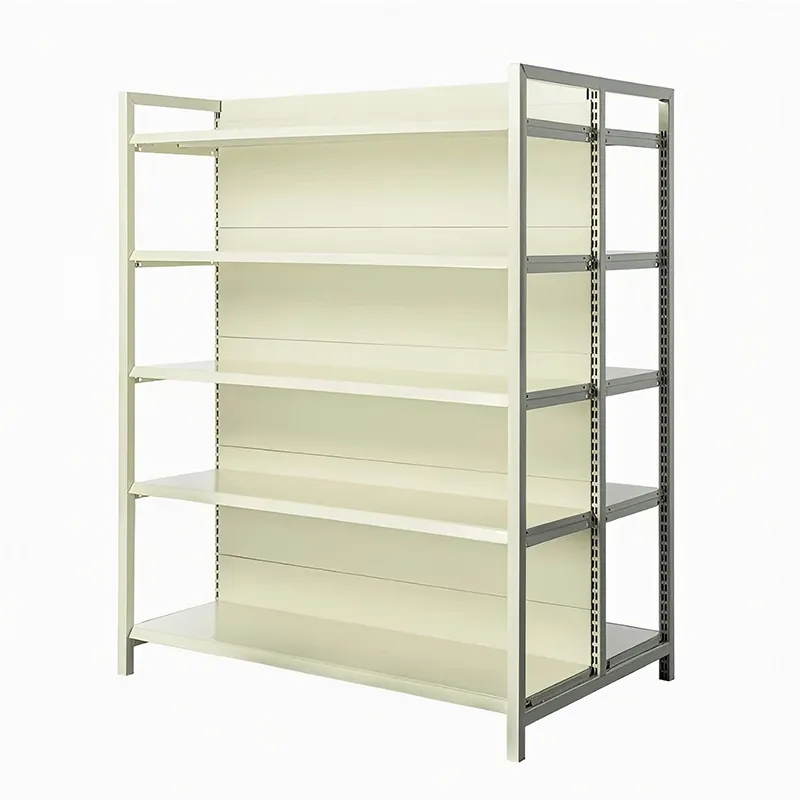
When you hear “buying up used shelving?”, many people immediately imagine a couple of guys with a truck who pick up old junk from a warehouse for pennies. But the reality is, of course, more complicated. Often people do not understand that the cost here is determined not so much by the weight of the metal, but by the possibility of reusing specific structures. And here all the nuances begin, which are rarely written about in advertisements.
New shelving is not always the best solution. Imagine the situation: you need to quickly equip a warehouse for seasonal goods, the budget is limited, and deadlines are running out. Or when the project is temporary, say, for a year or two. Right herepurchase of used racksand their subsequent resale is not just a business, but a solution to a real problem for the client. But for the seller of used structures, this is often a way out - to free up space for more modern systems.
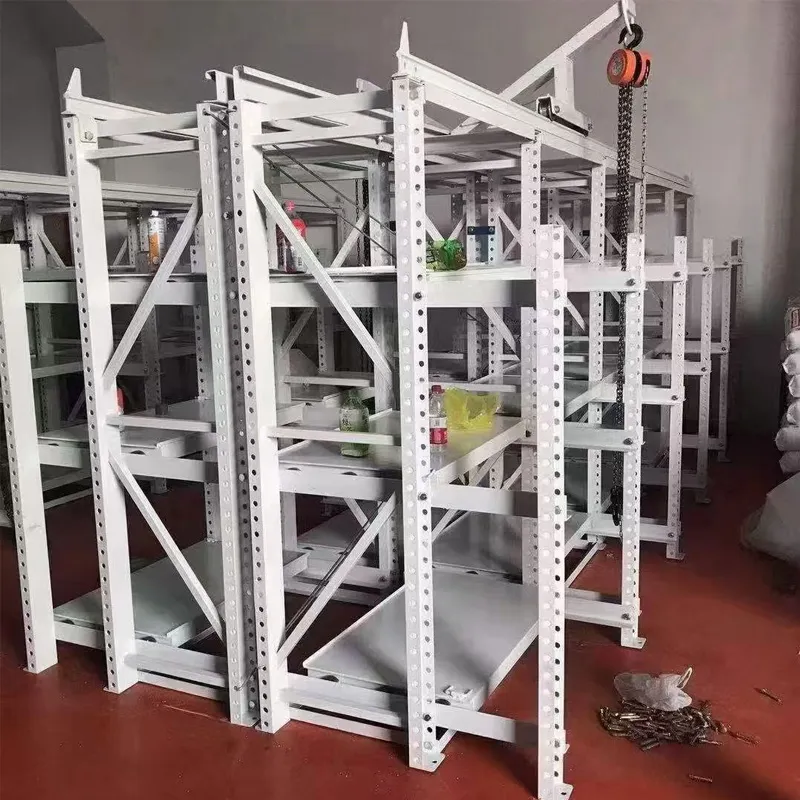
However, the key point is condition. Not just ?whole? or “rusty”, but suitable for re-installation. Are the bolts stripped? Are the uprights bent from being hit by a forklift? Shelves with deformed locks? Each such detail reduces the price significantly, and sometimes turns the kit into scrap metal. A common mistake owners make is to evaluate racks “as is?” without taking into account the costs of dismantling, logistics, sorting and possible repairs for us, the customers.
I had a case at an old food production plant. The shelves are from Soviet times and look like monoliths. The owner asked for good money, “because they are still standing?” But upon detailed inspection, it turned out that the fastenings of the beams were outdated, non-separable, and half of the welds were cracked. It was impossible to reinstall them in a new location without major overcooking. In the end, we agreed on the price of scrap, not equipment. This came as a surprise to the client, but these are the rules of the game.
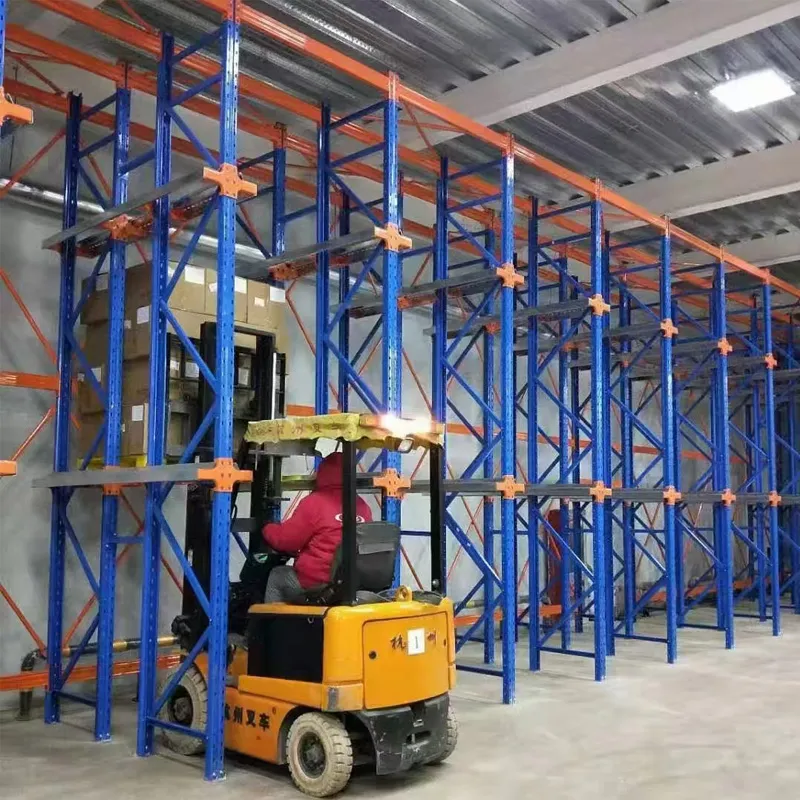
There is no single price list here. We formulate a price based on several factors. The first is type and origin. Pallet racks, say, from a well-known manufacturer, like the sameHarbin Jusheng, are valued higher. Why? Because this is a guarantee of a certain standard: high-quality steel, precise geometry, compatibility of components. Knowing that a plant such asLLC ?Harbin Jusheng?, uses automated lines and a full production cycle, you can be confident in the quality of even used products. This is a big plus.
The second is the completeness and safety of the fasteners. Missing even 10% of bolts and locks is a headache and additional expense. Sometimes it is cheaper to refuse a deal than to later look for or order non-standard fasteners. Third is the history of operation. Shelving from a dry office archive and from a damp, unheated warehouse are two different products in terms of residual life.
You often arrive at a site and there is a mixture of everything: several types of shelving, partially disassembled, everything mixed together. The assessment takes not an hour, but a whole day. It is necessary to sort, count the actual number of racks, beams, connections, and check the threads. It's a routine, but you can't live without it. An error in estimation of 10% can eat up the entire margin.
Many people forget thatpurchase of used racksbegins not with payment, but with the organization of work on the seller’s territory. If the racks are loaded, who will unload them and at whose expense? If they are fixed, who will ensure proper dismantling without deformation of the structures? We always try to use our own teams - it’s more reliable. But it's time and money.
Loading and transportation is a different story. You need not just a truck, but a manipulator or a team of loaders who understand how to lay long racks and fragile beams so as not to bend them along the road. Once, due to haste, a batch of cantilever racks were laid incorrectly - we ended up with several thin arcs instead of straight elements. Dear lesson.
And of course, a place for receiving and storage. Our site must be prepared: somewhere to sort, somewhere to store, somewhere to repair. Without this, you turn into a reseller who buys and immediately resells “blindly”, and this is a risk for your reputation. We try to give a guarantee for what we sell, which means we must check and, if necessary, correct every detail.
Who is our final buyer? Often these are small and medium-sized businesses that are expanding warehouse space without major investments. They care about speed and price. Sometimes - large companies for temporary or auxiliary projects. There are also specific requests: for example, we need racks of non-standard height, which are no longer produced, but we have just such used ones.
Competition in purchasing is fierce. There are those who work “in the dark”, not taking into account logistics, simply driving down the price. There are large players who buy tons, but their requirements are stricter. We are trying to find our niche - to work with high-quality products with a clear story. Therefore, by the way, racks from large manufacturers, like the one mentionedHarbin shelving plant ?Jusheng?, is preferable for us. Knowing that the enterprise was founded in 2019 and has a full production cycle, it is easier to predict the residual life of their structures.
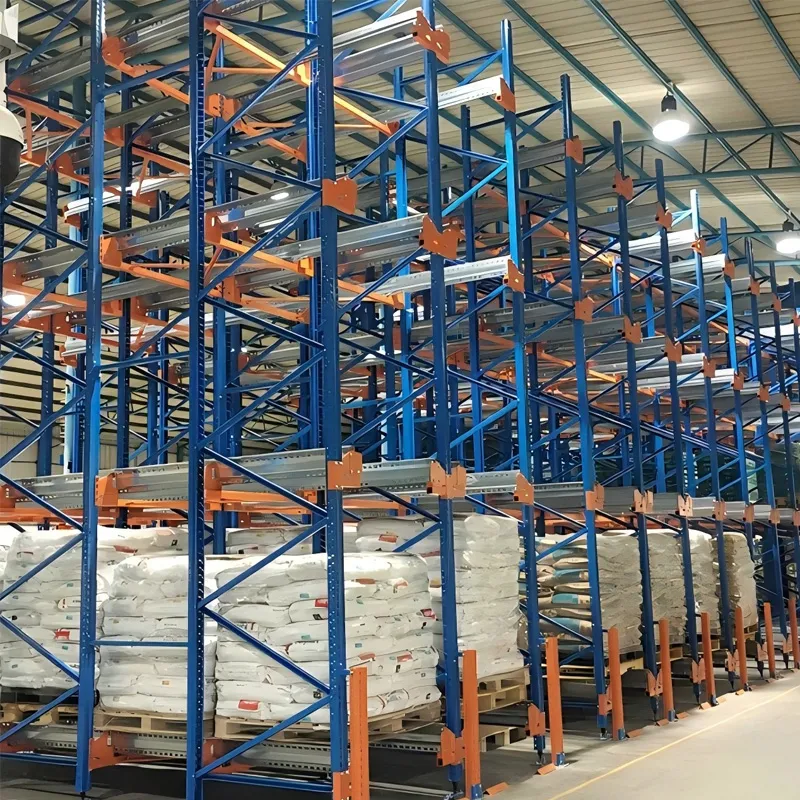
An interesting recent trend is requests for racks for four-way shuttles. The systems are complex, new ones are very expensive. Therefore, there is a demand for used components for them, but offers of such quality are rare. This is the segment where only professionals understand, and there are no random people.
Not everything goes smoothly, of course. The biggest mistake is to buy a “pig in a poke”. There was an experience when we bought a batch of shelving based on a photo. When we arrived, it turned out that these were homemade structures, welded “on the knee”, from metal of different thicknesses. There was no talk of any standardization or re-installation. I had to let it go for cutting. Since then the principle of ?see first? - iron.
Another common problem is legal. The seller must have rights to the equipment; it must not be in collateral or under arrest. It would seem obvious, but anything could happen. Now we always check.
And one more thing - fluctuations in metal prices. Today it is profitable to buy as scrap, tomorrow it is not. You need to constantly keep your finger on the pulse and have several distribution channels: both for reuse and for recycling. Diversification is the key to sustainability in this business.
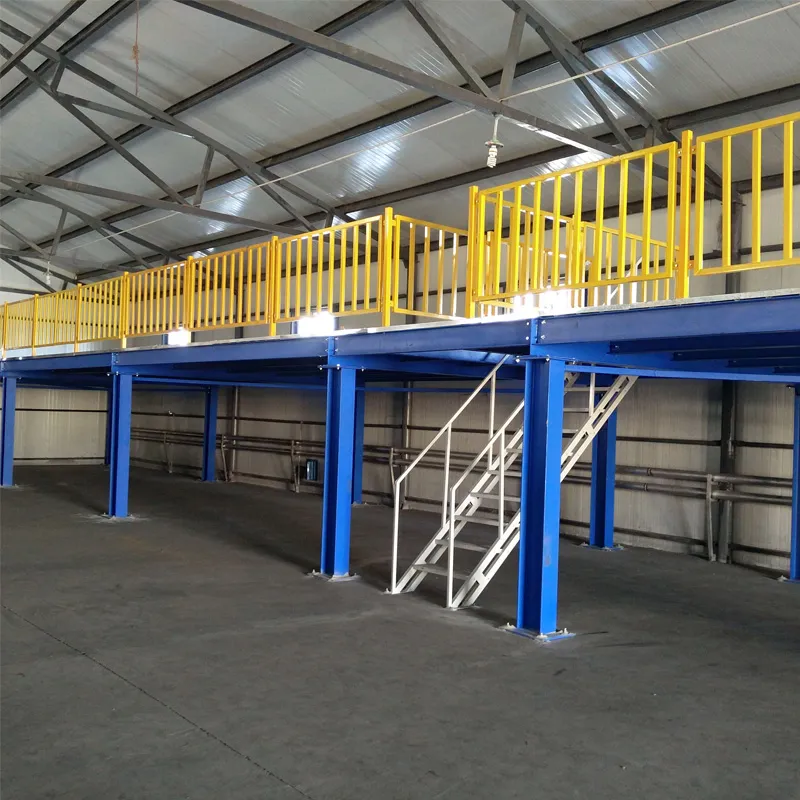
Sopurchase of used racks- This is not a simple iron trade. This includes analytics, logistics, risk assessment and a deep understanding of the structures themselves. You need to understand the types of racks, from pallets to mezzanines, and know the manufacturers and their standards.
The market will live on because the need for savings and rational use of resources will not go away. More and more companies are beginning to see old equipment not as garbage, but as an asset that can be monetized. And our task is to be the professional link that helps this asset find a second life, with an honest assessment and a minimum of headaches for all parties.
The main thing is not to chase volume for volume’s sake. Less is better, but with a clear story and predictable results. Like the same racks from a normal factory. This, perhaps, is the secret of long-term work in this area.