When you hear “types of warehouse racks?”, the first thing that comes to mind is a long list from a textbook: pallet, shelf, cantilever... But in reality, on site, everything depends not on the names, but on how this structure will live under load, what kind of loader it will work with and how long it will ultimately last before it starts “singing”. Many, especially at the start, are chasing maximum height or cheapness, forgetting about the main thing - the manufacturability of the process that is built around this rack. This is what I want to speculate on, based on what I saw and what I encountered.
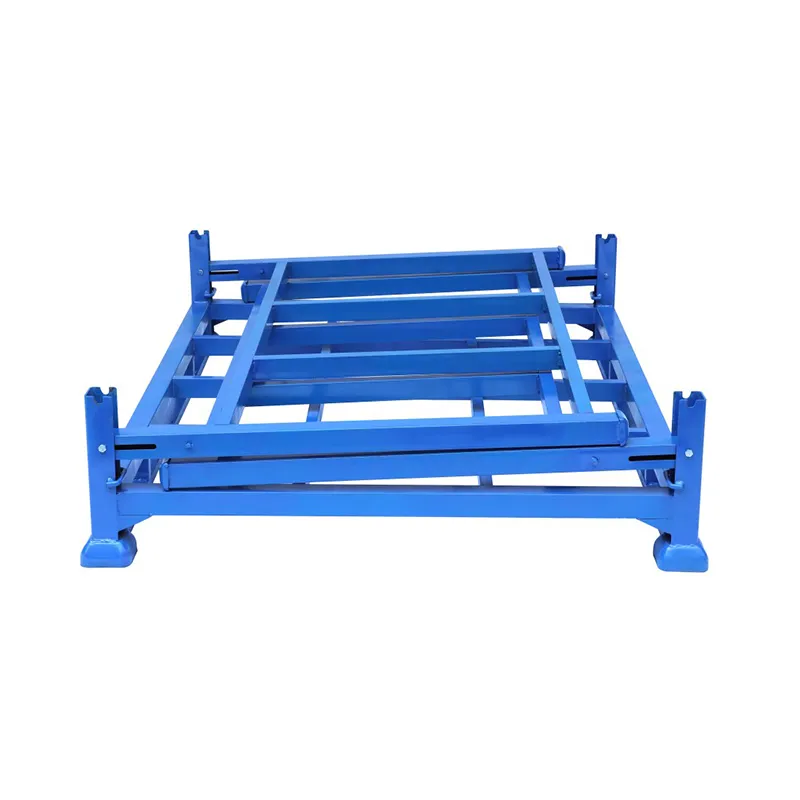
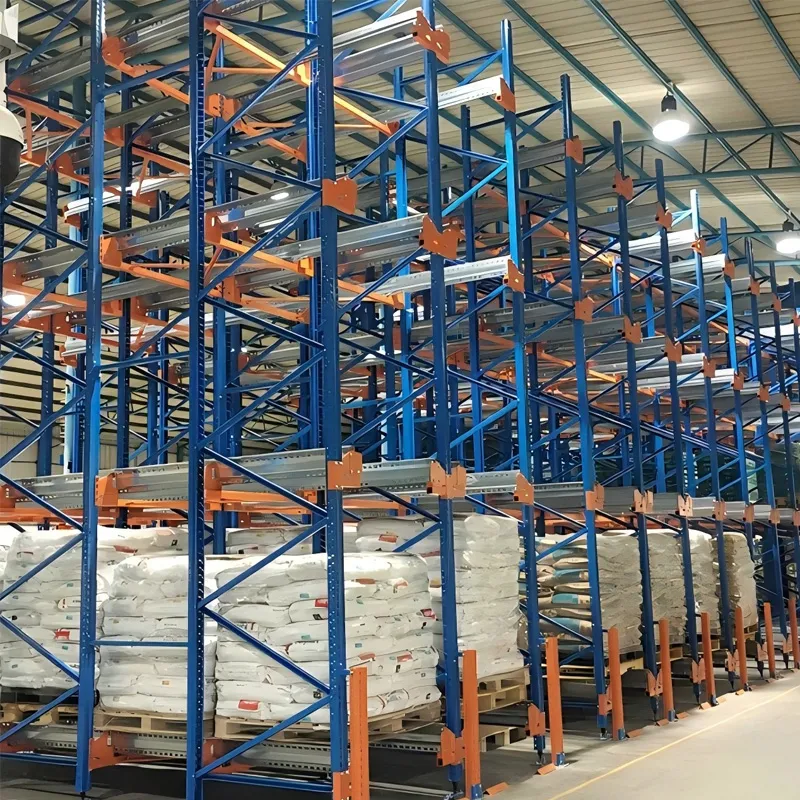
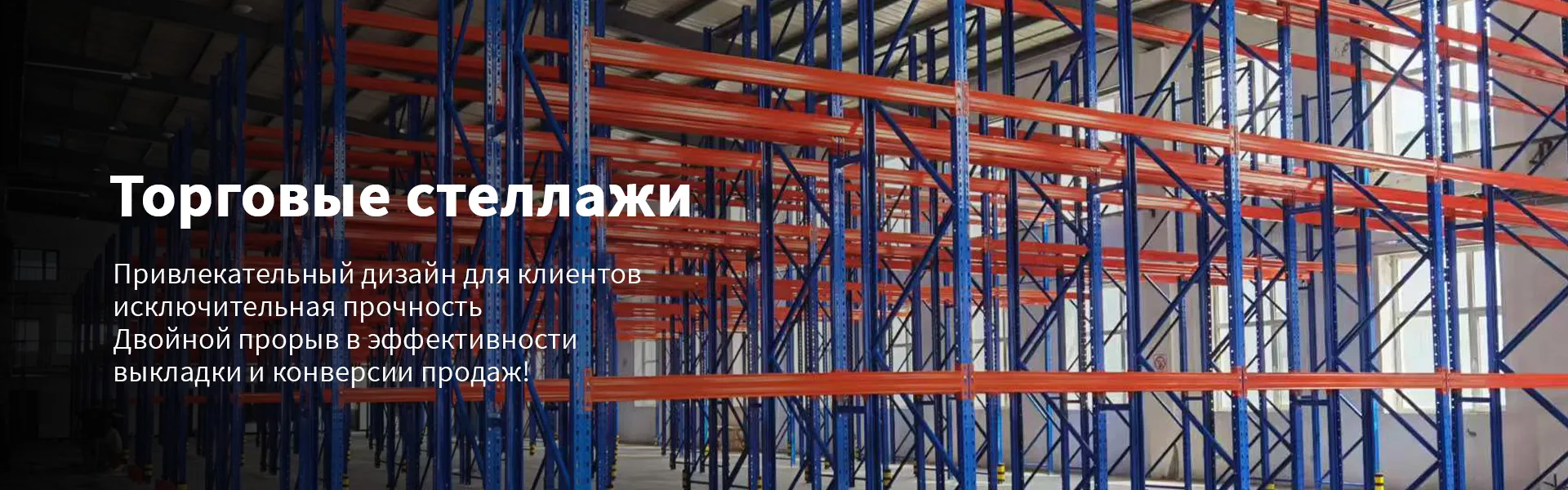
Let's start with the main watershed.Pallet racks— this is, in fact, the backbone of any warehouse with piece or boxed cargo on pallets. Frontal, or “drive-in”, is a classic, but they are often chosen according to the residual principle: they say, beams, racks, done. And then it turns out that the pitch of the racks does not coincide with the dimensions of the pallets, and up to 15% of the usable space is lost. I saw this at one of the old facilities near Moscow - they remodeled it later and suffered losses.
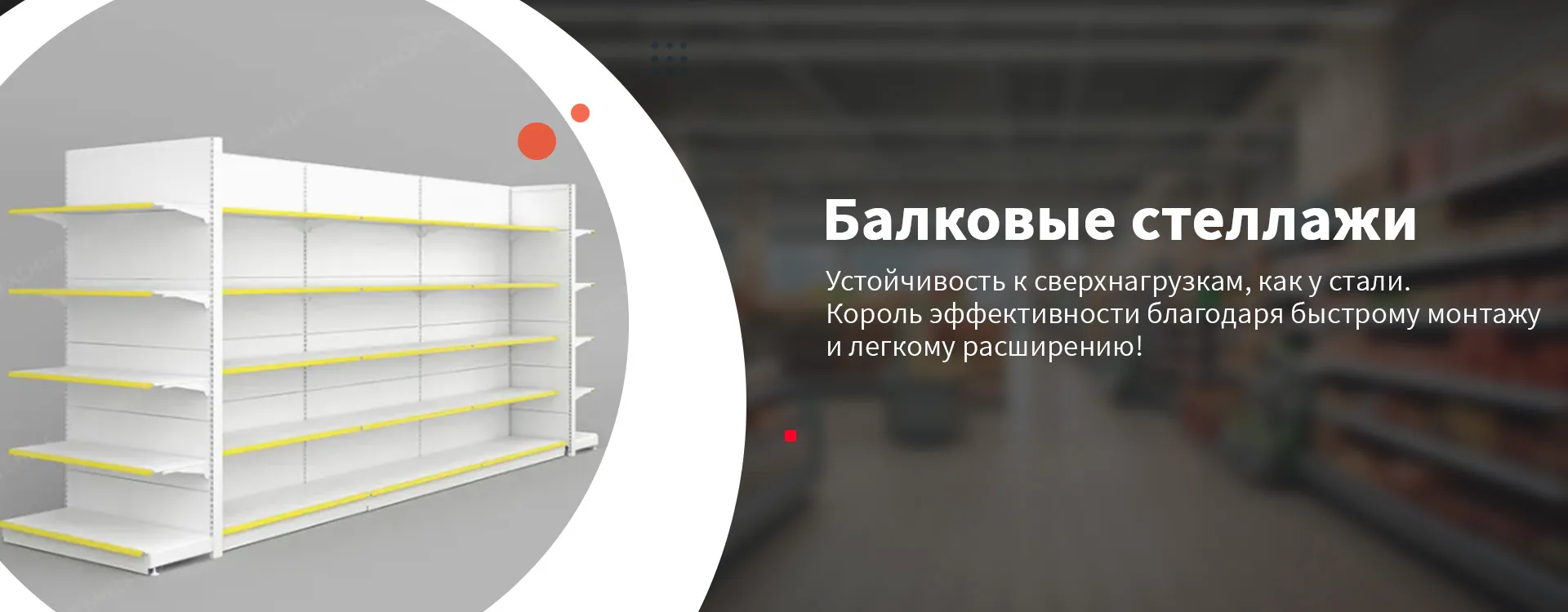
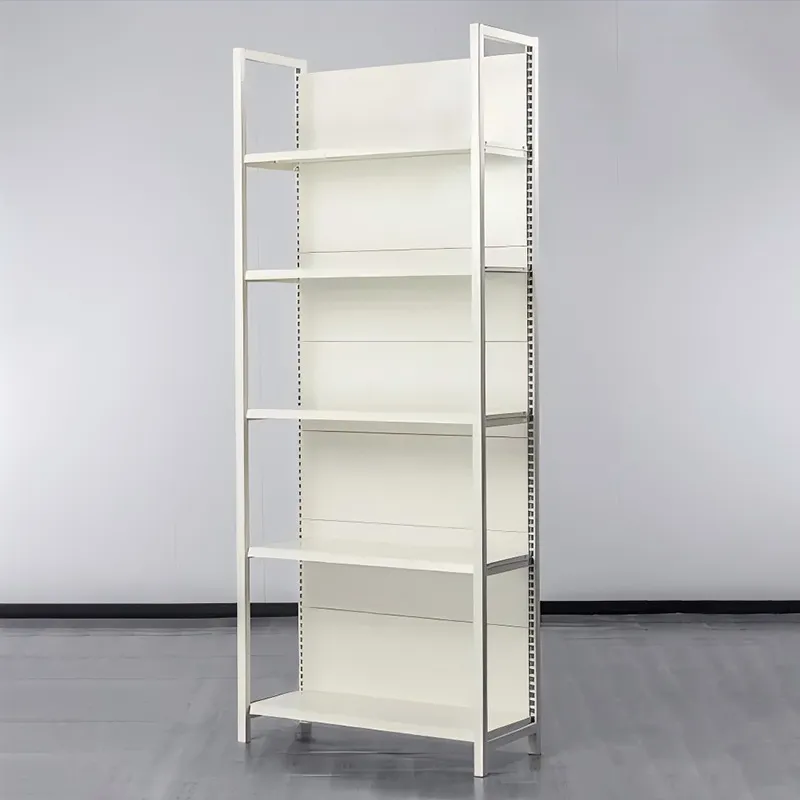
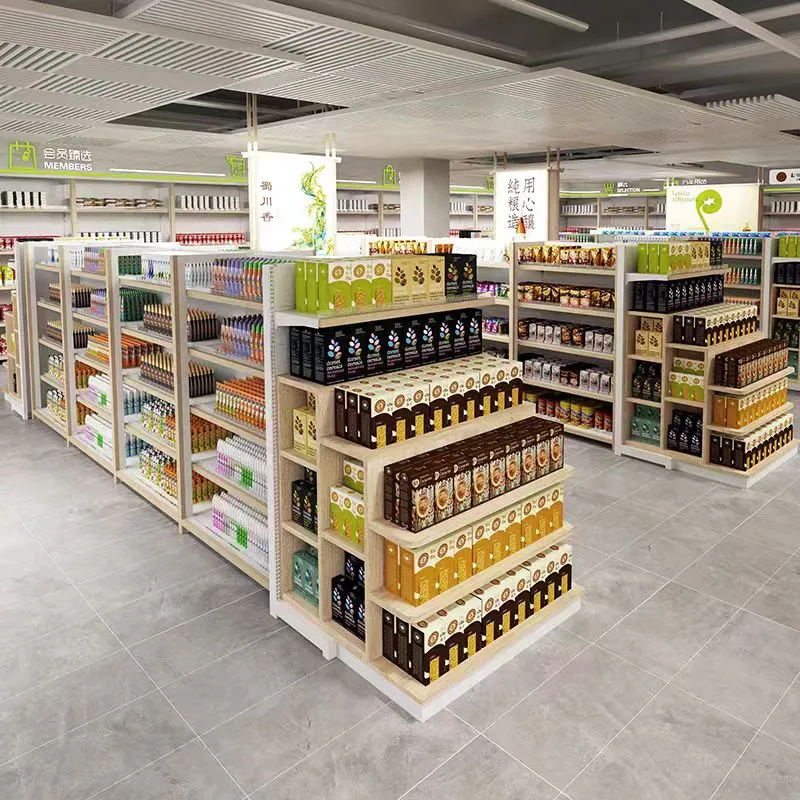
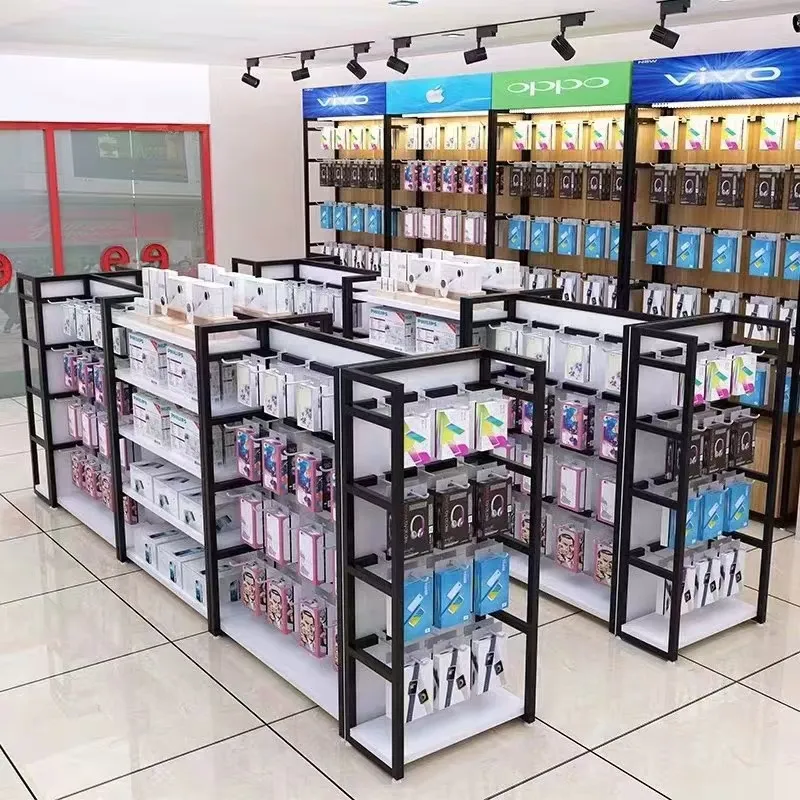
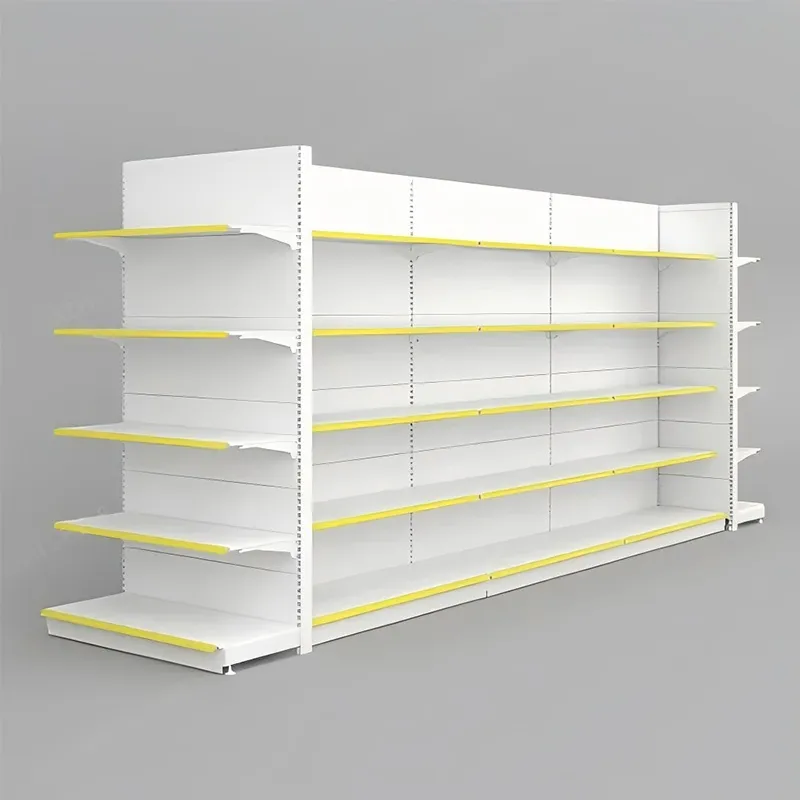
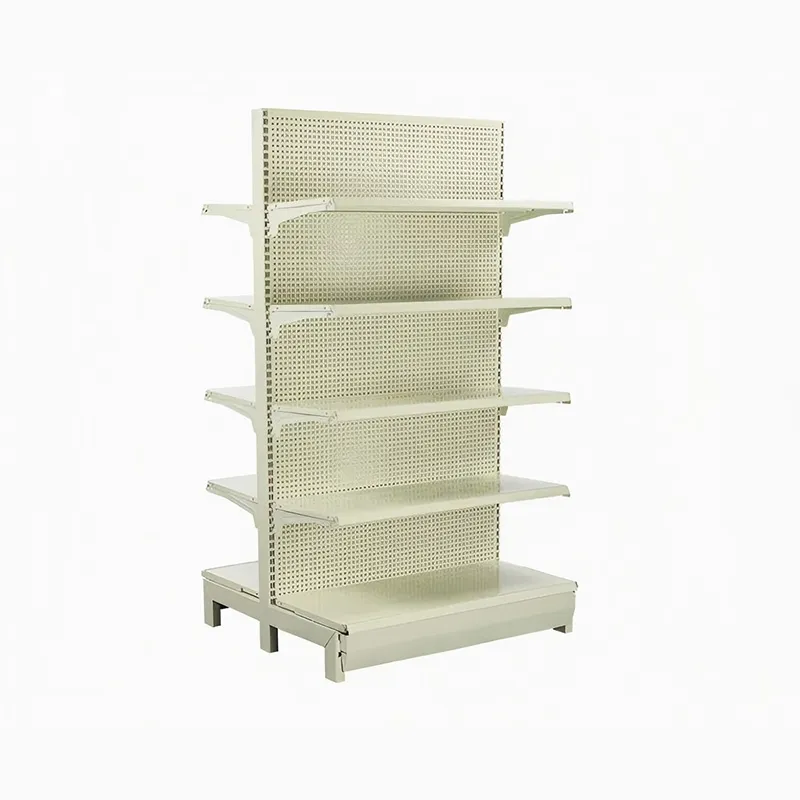
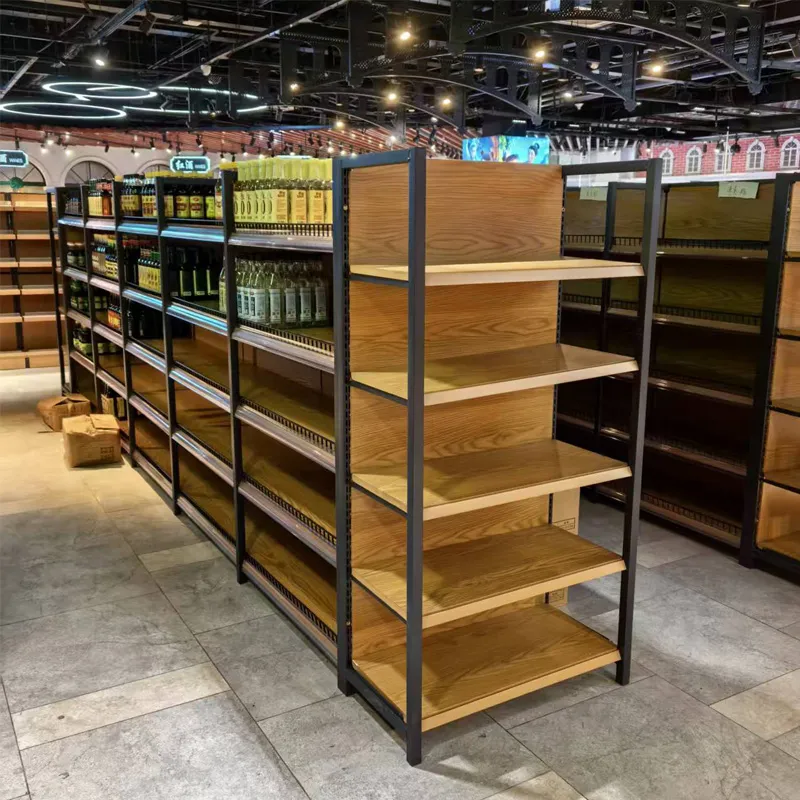
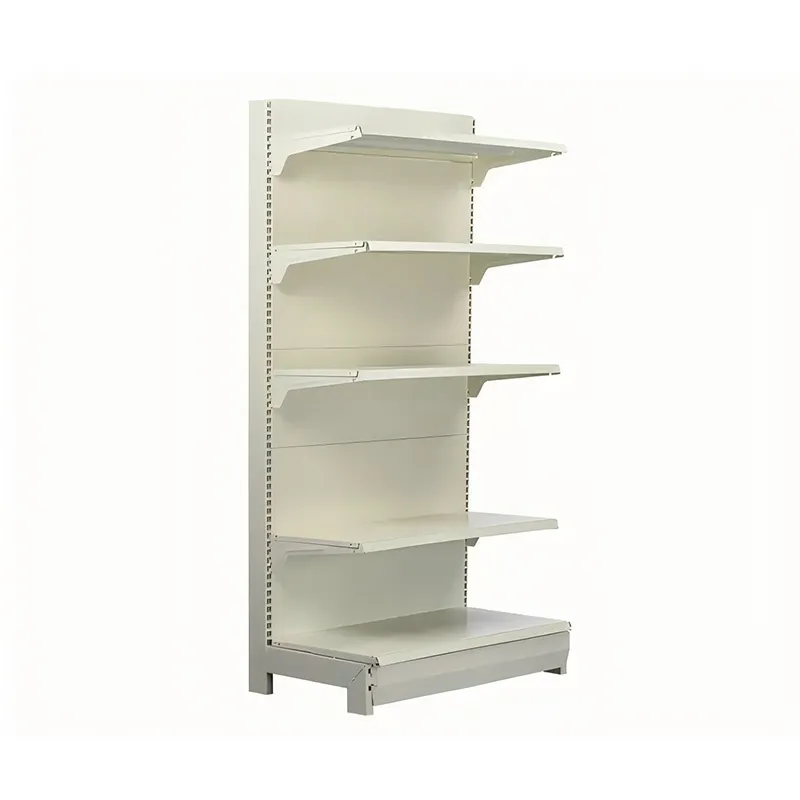
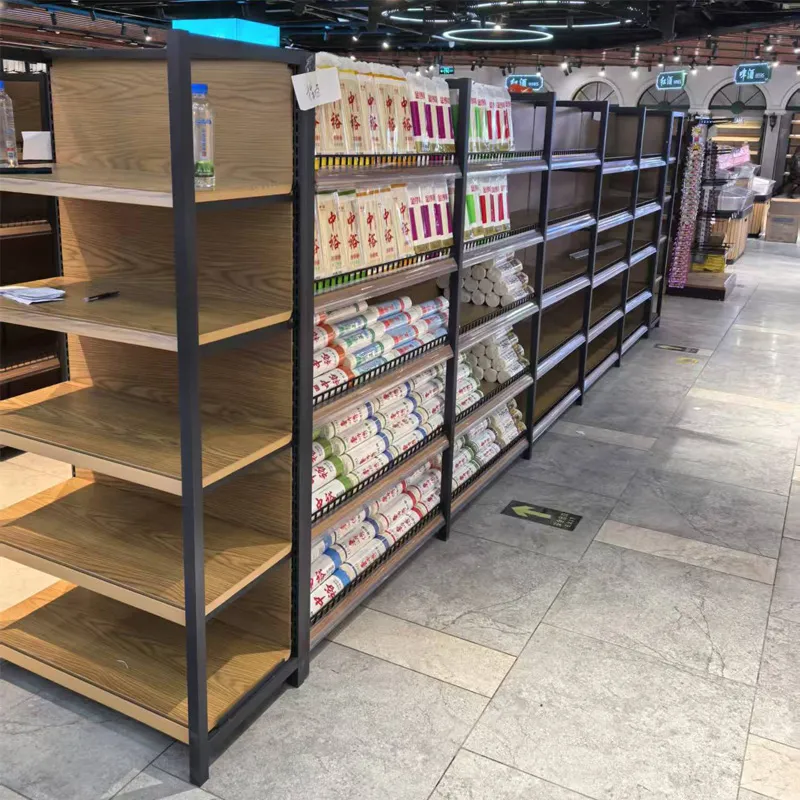
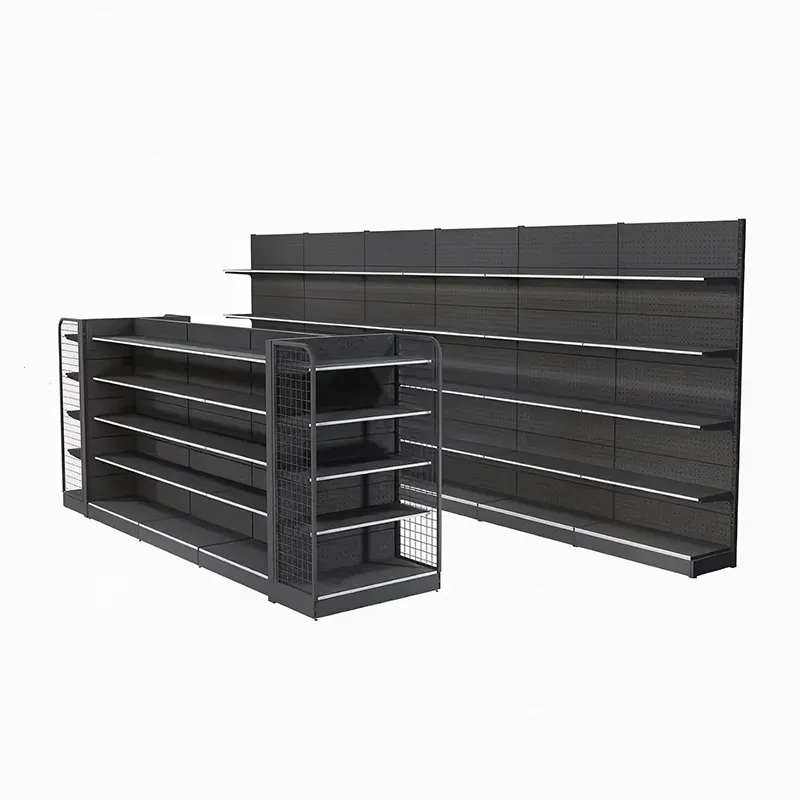
On the other hand,shelf racksoften underestimated as something for the archive or small details. But if we talk about spare parts warehouses or retail, where you need quick manual access to thousands of SKUs, this is an indispensable thing. The key point here is the load on the tier and the overall height. Standard shelves with a capacity of 200-300 kg may not hold up if you store, say, packages of butter. You have to strengthen it, use thicker metal, and this is a different price tag.
And here is the right time to remember about manufacturers who offer a full cycle. Here, for example,?Harbin Jusheng Metal Structure Manufacturing Co.,Ltd.(website:https://www.jshj.ru). Their range includes both systems. From the description it is clear that they do not just bend metal, but design for specific tasks. For our region, where adaptation to low temperatures and specific cargo dimensions is often necessary, this approach is a great help.
If space is limited and there is a lot to be stored, more complex systems come into play.Mezzanine shelving- this is, in fact, an addition to the second floor. It seemed like a great solution. But there are a lot of pitfalls here. Firstly, this is not just a rack, it is a building structure that requires calculation of loads on the floors and foundation. Secondly, safety: fences, stairs, decking - everything must be impeccable. One of our projects was delayed for a month due to approvals on fire standards specifically for the mezzanine.
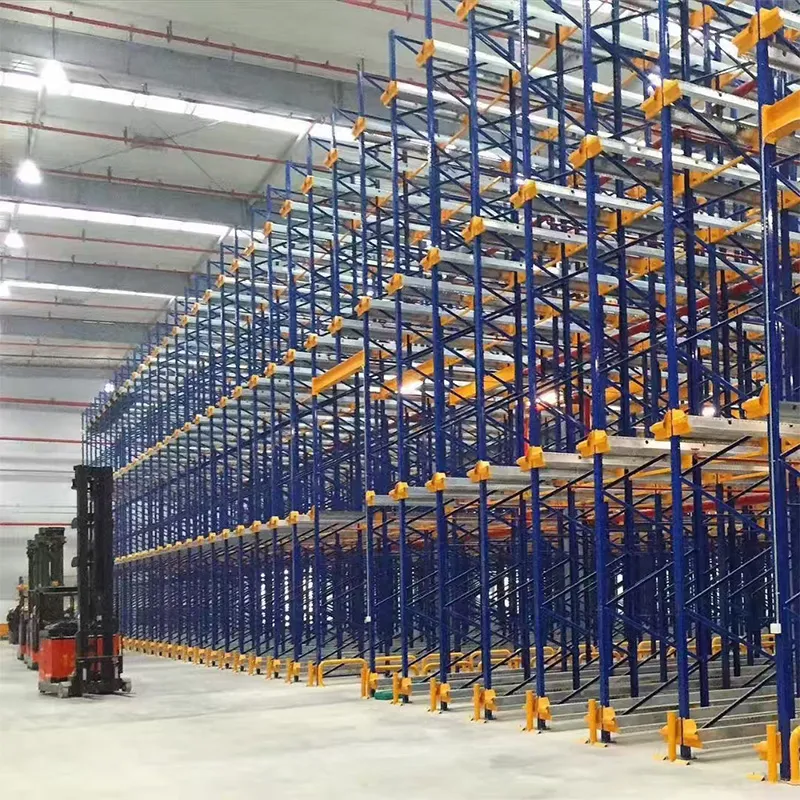
For really tall warehouses (from 10 meters) they already look to the sideracks for four-way shuttlesor high-rise pallet systems. This is already the major league, where the accuracy of production and installation is critical. The slightest misalignment and the automation fails. I saw how at one of the new logistics centers near Kazan, a team of installers rearranged the guides three times due to a discrepancy of a couple of millimeters. We worked with equipment just fromHarbin Jusheng, and, importantly, their technical support promptly helped with calculations of adjustments.
It is for such tasks, as the plant notes in its information, that their automated lines and full cycle of work - from design to maintenance - provide an advantage. Because buying racks and beams is half the battle, but ensuring their exact geometry on an industrial scale is a matter of technological discipline, which cannot be achieved in handicraft production.
Let's move on to the niche but vital types.Cantilever racks- salvation for long lengths: pipes, lumber, profiles. The main mistake when choosing them is underestimating the unevenness of the load. If the load is heavy and is placed only on one side, the structure may “sink”. It is necessary to either strengthen the base or reduce the design load. There was a story at one of the metal depots when the consoles began to deform after six months of operation - it turned out that warehouse workers were constantly overloading one side, ignoring the instructions.
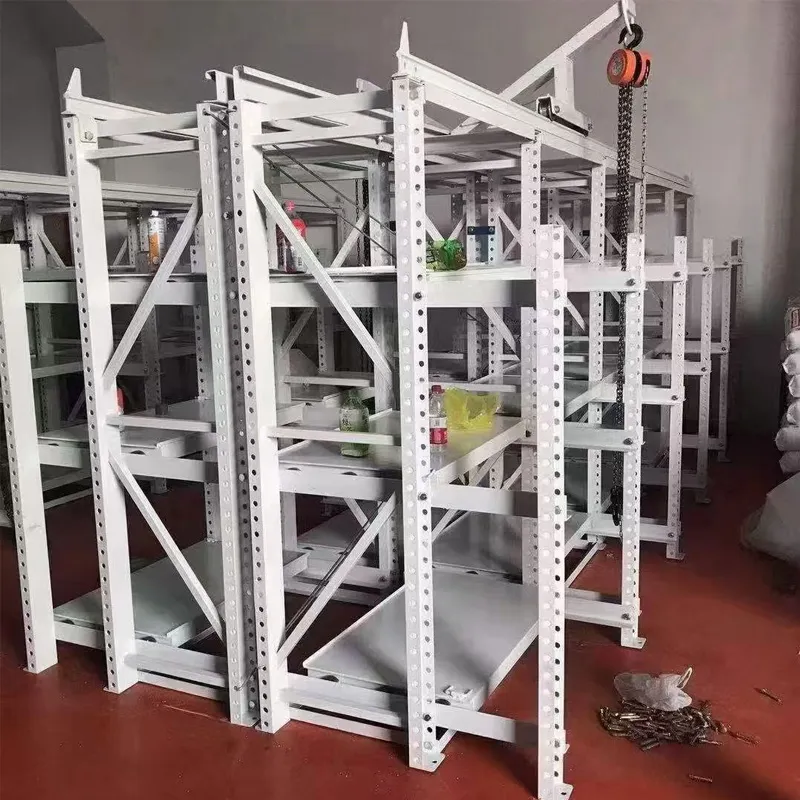
Beam racks(often called corrugated or gravity) - an interesting thing for FIFO systems. The load itself moves along inclined rollers. Sounds ideal, but requires perfectly level and rigid pallets. If the pallet is old, with loose boards, it will simply get stuck or distort the entire line. We once installed such a system for food production, and at the same time we had to replace half of the fleet of pallets - additional costs that were not initially included in the estimate.
In the context of the complete range that offersHarbin Jusheng, it is important that they cover these needs as well. The presence in the portfolio of both cantilever and beam systems indicates that the company understands the specifics of different industries - from metalworking to the food industry, and can offer not a template, but a calculation for a specific cargo flow.
The biggest illusion is that you can buy a “standard project?” rack system. It is forbidden. There will definitely be nuances: columns in the middle of the hall, uneven floors (and there are no perfect floors), trajectories of forklifts. A good supplier will always ask for a floor plan with layouts and equipment data. If this does not happen, this is a wake-up call.
Editing is a different matter. Even the best racks can be ruined by crooked assembly. It is important that the contractor has trained teams and, what is critical, geodetic equipment for vertical alignment. I remember a case when, due to the haste, the installers assembled sections “by eye”, and after a month of operation, discrepancies in height led to the fact that the transverse beams did not fall into place. We had to disassemble and reassemble, wasting the client’s time and money.
Here again we return to the importance of an integrated approach, like that of the mentioned plant. When one responsible manufacturer leads the project from drawing to commissioning and provides a guarantee for the entire system, and not for individual components, this reduces the risks for the end customer significantly. Their area is 20,000 square meters. m and the location in the industrial area of Harbin indicate serious capacities not only for production, but also for pre-sale preparation and logistics of structures.
So what is all this for? Choicetypes of racks for warehouses- this is not about choosing a beautiful picture from a catalog. This is a system problem, where the type of structure is only one of the parameters. The questions that come to the fore are: what kind of cargo, how often is it handled, what equipment works, what is the budget not only for purchases, but also for maintenance.
Experience, including negative ones, shows that savings at the stage of design and selection of a supplier always backfire. It’s better to spend time on analysis, request calculations, and look at the supplier’s real facilities. How, for example, can one explore the approach?Harbin Jusheng Metal Structure Manufacturing Co.,Ltd.on their websitejshj.ru— it is clear that they position themselves as a full-cycle enterprise, which is often a determining factor for complex projects.
Ultimately, the right rack is one that, after installation, works quietly and properly for years, and not one that you constantly have to remember to tweak or strengthen something. And this can only be achieved through a careful, detailed and practical approach, where the theory of types is supported by iron, bolts and precise engineering calculations.