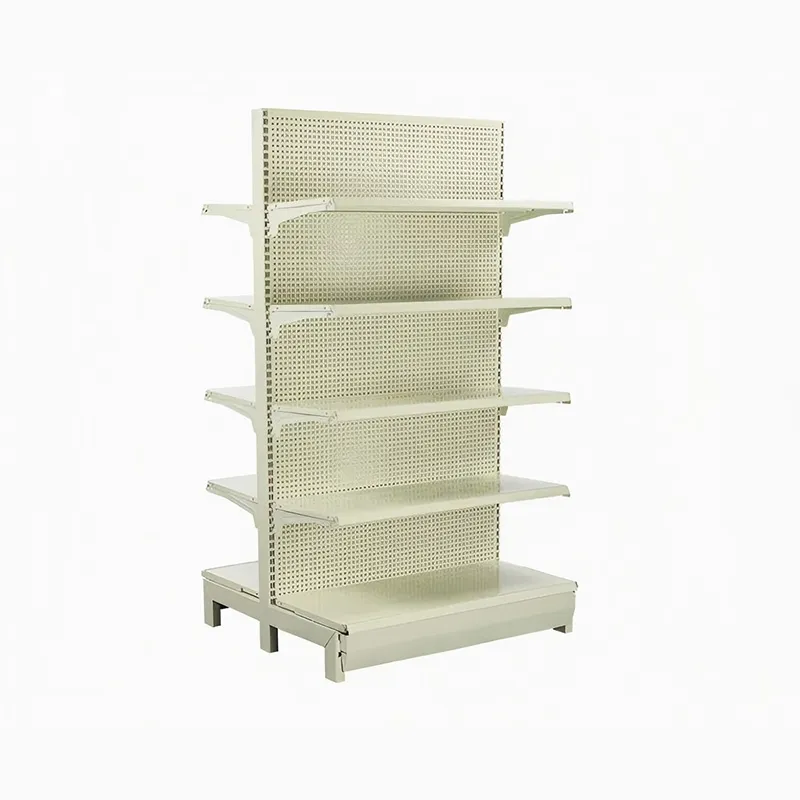
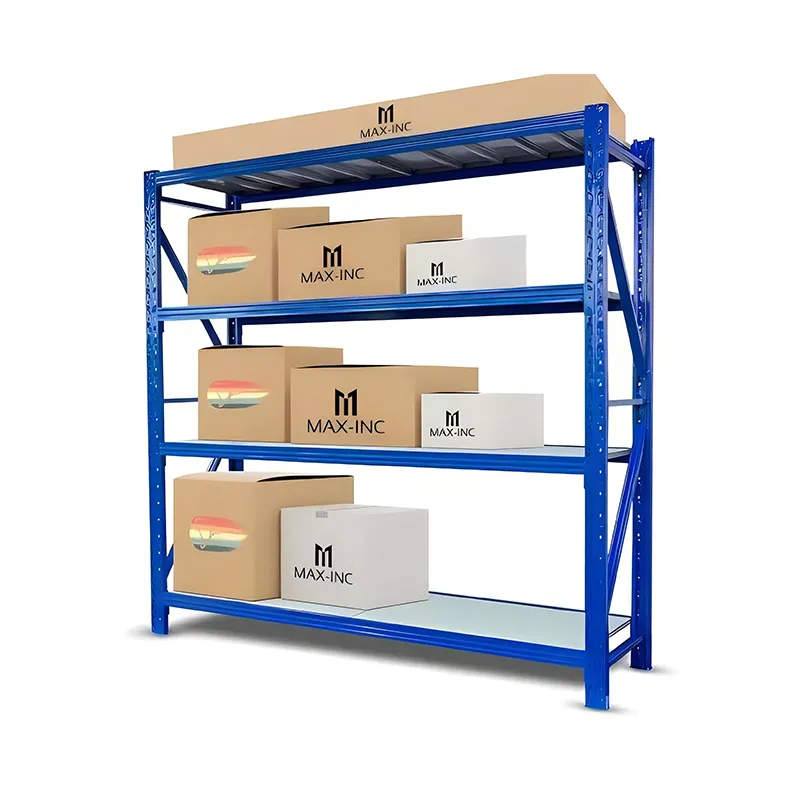
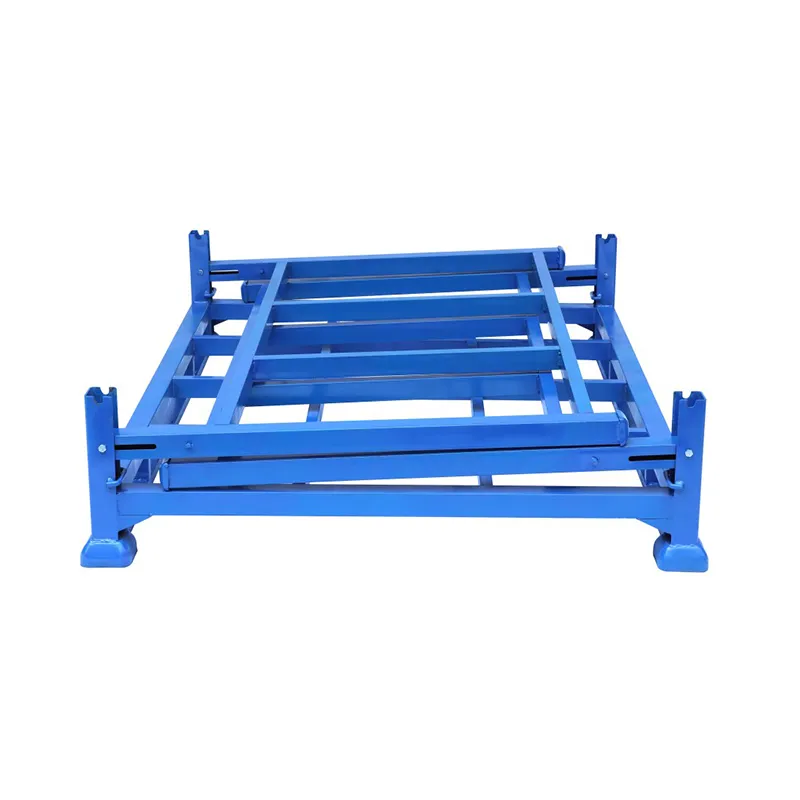
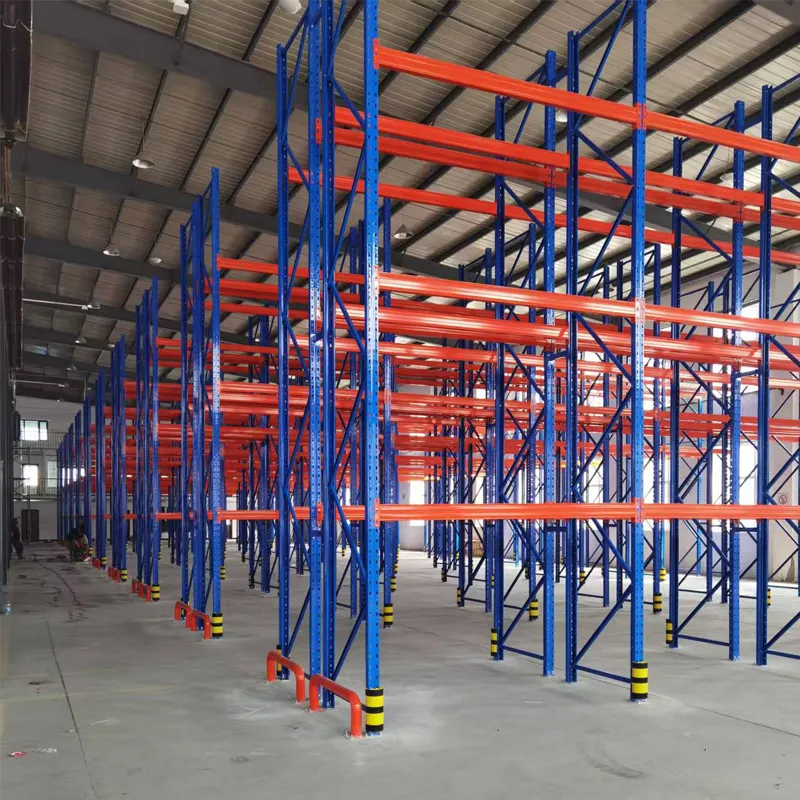
When you hear “pallet racks,” many people think of just a set of beams and racks. In fact, this is the skeleton of the entire warehouse, and a mistake in selection or installation will come back to haunt you every day with downtime and risks. Often customers are chasing cheapness, saving on load calculations or metal thickness, and then wonder why the rack “plays”? under full load or the console bends. Or the other extreme - they play it safe, lay columns with I-beams as for a bridge, and in the end they lose precious cubic meters of useful volume. I went through this myself when, about seven years ago, we installed a system for a client with lumber - we did not take into account the unevenness of the load in depth, we had to strengthen the structures after the fact.
You can't work according to a template here. Each object has its own set of variables: ceiling height, type of loader (reach truck, stacker, frontal), pallet dimensions (euro, Finnish, custom), even how often the goods will be rotated. There was a story in one of the food warehouses near Moscow - they laid a standard beam spacing for Euro pallets, and then the client partially switched to larger pallets for group packaging. I had to reassemble the tiers, wasting time. Now I always include a question in the technical specifications: “Are there any plans for changes in packaging in the foreseeable future?”
It’s good when a manufacturer is able not only to sell a standard kit, but to respond to such nuances. For example, I look at the website?Harbin Jusheng Metal Structure Manufacturing Co.,Ltd.—https://www.jjshj.ru. Their description shows that the plant was opened in 2019, with an area of 20,000 sq.m., with a full cycle from design to maintenance. This is important. When a plant has its own design capabilities, and not just a cutting and welding shop, there is a greater chance that they will be able to adapt the drawing to your specific risks - for example, increase the cross-section of the rack in the lower tiers for a warehouse with long-term storage of heavy metal products.
The full cycle that they declare is not a marketing dud for those in the know. This means that responsibility for miscalculations and for the final stability of the structure lies on one shoulder. It will not work, as in the story with one of our contractors ten years ago, to blame the sagging shelves on “improper installation by your people,” when the problem was the quality of the rental.
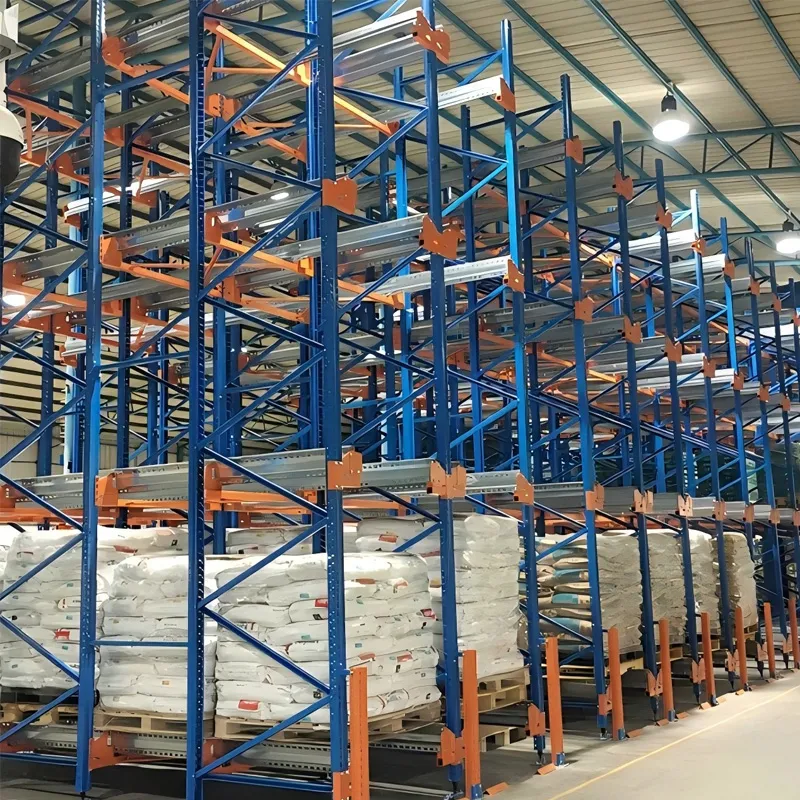
The thickness of the metal in the rack is sacred. I saw "economy solutions" where a cold-formed profile with a thickness of 1.8-2 mm was used for a height of 10 meters. This is notpallet racks, this is a disaster waiting to happen. A normal hot-rolled profile, at least 2.5 mm, and for high or heavily loaded ones - all 3-3.5. And welding should not be done anyhow, but with control of the seams. At the same Harbin plant ?Jusheng? Several lines of automated equipment are indicated - this is precisely about the quality and repeatability of such connections. Manual welding on a flow gives a large scatter.
Dye. It would seem like a small thing. But in a damp warehouse without heating or in a refrigerator, cheap powder paint applied without proper preparation of the metal will peel off in a couple of years. Rust will creep along the racks. Ask the supplier what surface preparation system is used (phosphating, zinc phosphating) and what kind of paint. This is an indicator of whether the plant is thinking about long-term operation or is simply pushing volume.
And fasteners. The bolts should come from the factory and not be bought at the nearest market. Their strength class, the presence and correct installation of lock washers is what holds the entire structure together. I remember how at one site the installers lost some of the branded bolts and bought the same ones. in the store. As a result, during acceptance tests for dynamic loads (simulating the operation of a reach truck), we received loosening of the beam attachment point. I had to stop the installation and wait for the original fasteners.
A perfect hangar floor is a rarity. Changes, slope, local drawdowns. Good installation crews always start with a laser level and a plane check. Because if you set the first rack level, and after 20 meters the floor crawls away? by 3 cm, the entire line will be crooked. This will lead to difficulties in installing longitudinal links, to uneven load distribution, and in the future to problems with the movement of the loader.
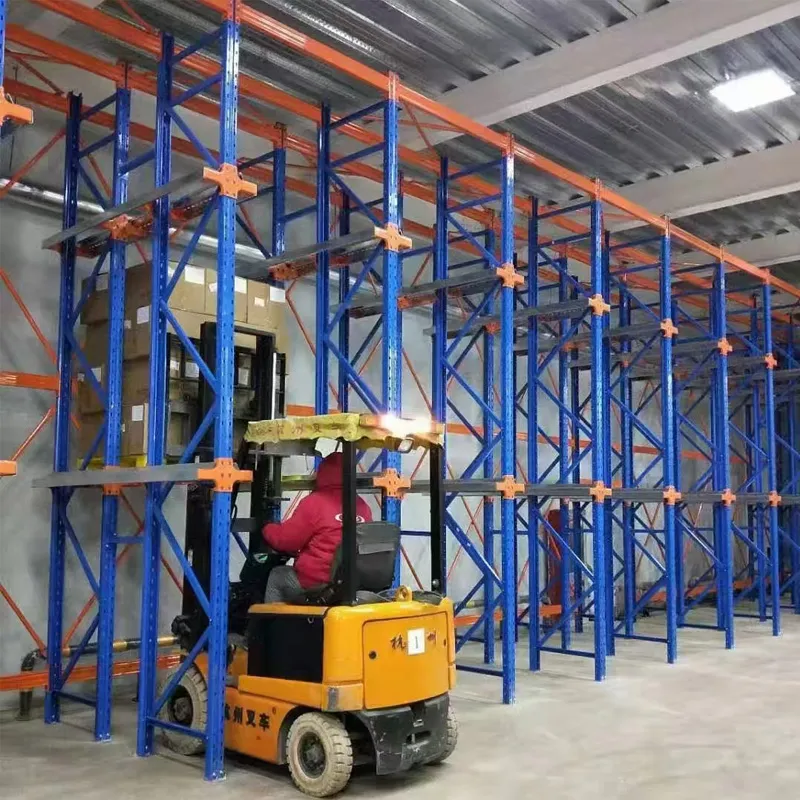
The importance of diagonal bracing and bracing in the first tiers is often underestimated, especially in front entry systems. A loader, driving into depth, creates not only a vertical, but also a significant horizontal load on the racks. If the connections are made “for show”? or their step is too large, you can get ?walking? row. In one of our projects, at the customer’s request, we had to make very wide passages for maneuvering long trolleys - this increased the free length of the beams. It was necessary to additionally strengthen the attachment points of the beams to the racks and install intermediate spacers, which was not initially included in the project. The manufacturer, by the way, promptly provided recalculation and additional information. elements.
Here again I return to the importance of the manufacturer’s full cycle. If they have their own project support service, they can quickly provide solutions to such non-standard situations. As stated in the descriptionLLC ?Harbin Jusheng?, they provide both design and after-sales service. For an on-site installer, the opportunity to quickly receive technical support from a plant engineer who knows the specifics of this particular batch of metal structures is priceless.
Classicpallet racksfrontal access is the basis of the basics. But the world does not stand still. Increasingly, for tasks with high storage density and clear rotation (FIFO, LIFO), systems based onpallet racks, but with different logistics inside. For example, the same four-way shuttles that are mentioned in the product range of the Harbin plant. This is the next level, where the rack structure is, in fact, a rail infrastructure for the robot.
The transition to such systems is not just about buying new hardware. This is a change in all warehouse logistics, requirements for the floor (an ideal plane is even more critical), for electrical equipment, for software. It’s a mistake to try to save money on shelving for such a system by making it lightweight. The loads from the constant movement of carts are completely different, dynamic. The design should be stiffer, the materials more reliable.
It’s interesting that large manufacturers that do a full cycle adapt faster to these trends. They see the market demands and can offer not just racks and beams, but a ready-made turnkey engineering solution. Apparently, that’s why “Jusheng” is in the portfolio. There are beam, mezzanine, cantilever, and shuttle racks. This indicates a wide production and engineering base capable of covering various customer tasks - from a simple spare parts warehouse to a high-tech logistics hub.
To sum it up, I’ll say this: saving on design and calculations is more expensive. It’s better to pay for the work of an engineer who will ask a bunch of awkward questions about your warehouse, than to then patch up the structure or, God forbid, clear out the rubble. Saving on the quality of metal and coating means laying a time bomb for 3-5 years. And skimping on choosing a supplier who does not bear sole responsibility for the entire cycle - from drawing to bolt - means getting a headache in the form of finding someone to blame when something goes wrong.
Experience shows that working with a serious plant, even if its price is 10-15% higher than that of “garage” ones. assemblers, pays off in the long run with reliability, safety and lack of downtime. Availability of a plant such as the one mentionedHarbin Rack Factory ?Jusheng?, solid space, automated lines and a declared full cycle - this is not a guarantee, but a serious signal that they are committed to systematic work, and not to one-time sales. In the endpallet racksis an investment in business infrastructure for years to come, and you need to approach their choice accordingly.
In general, look not only at the price tag for a position in the catalog. Look at how the supplier conducts a dialogue, whether he asks clarifying questions, whether he is ready to provide detailed calculations for your case, and what is behind his words about the “full cycle”. This is the main practical criterion.