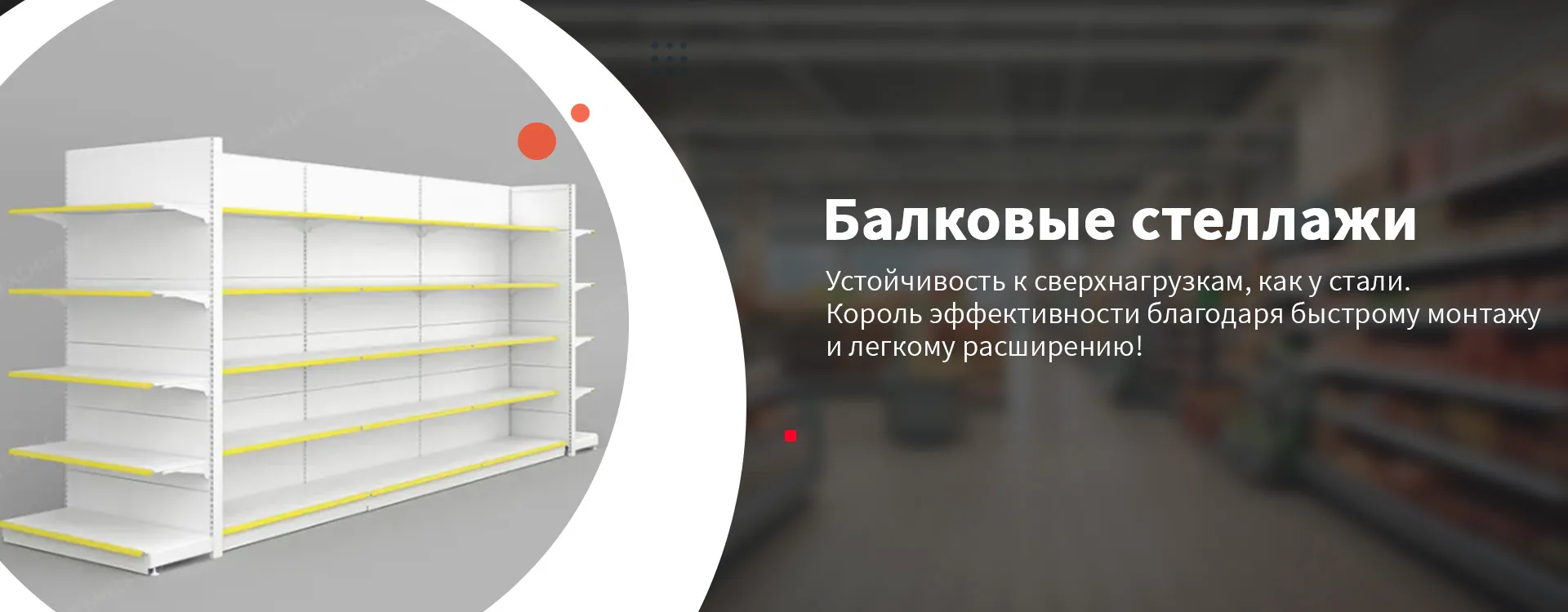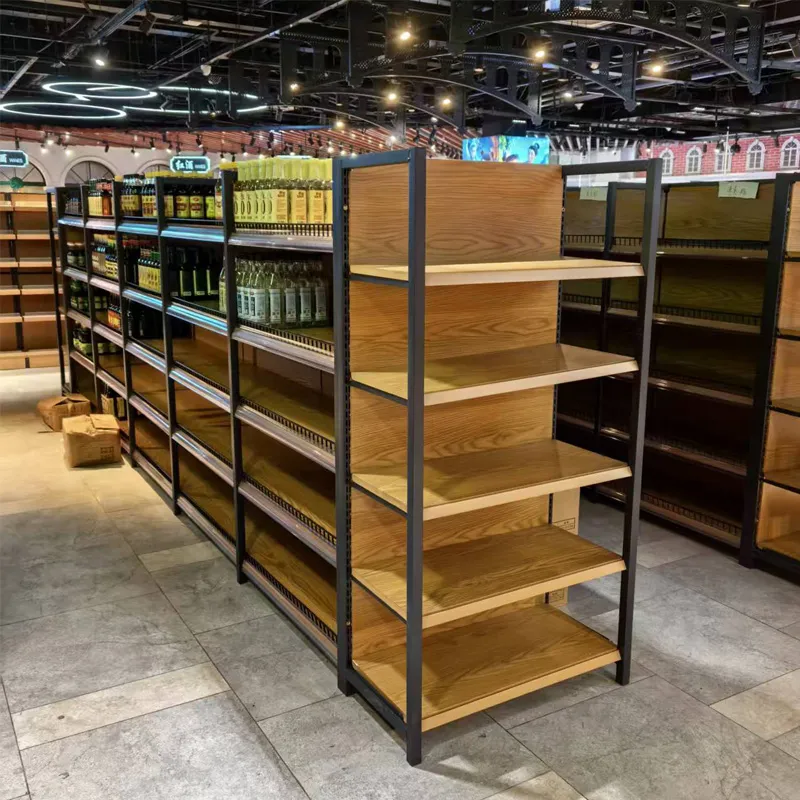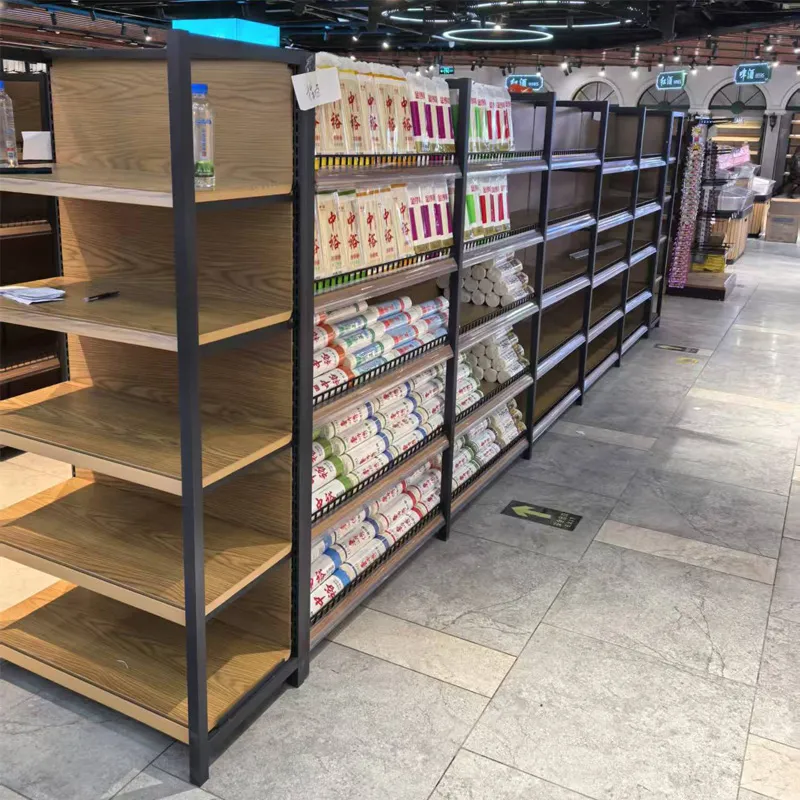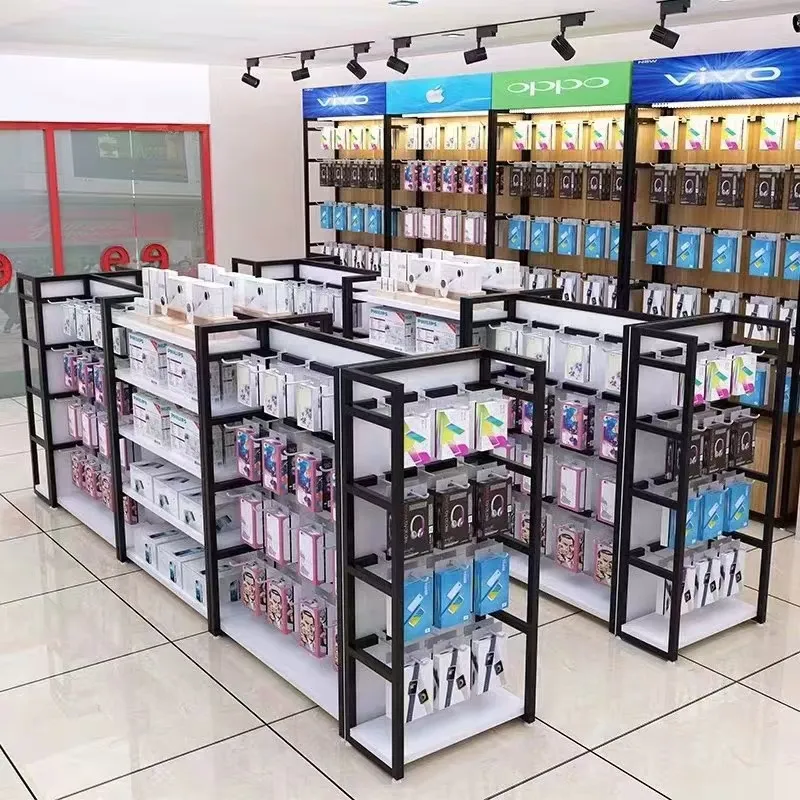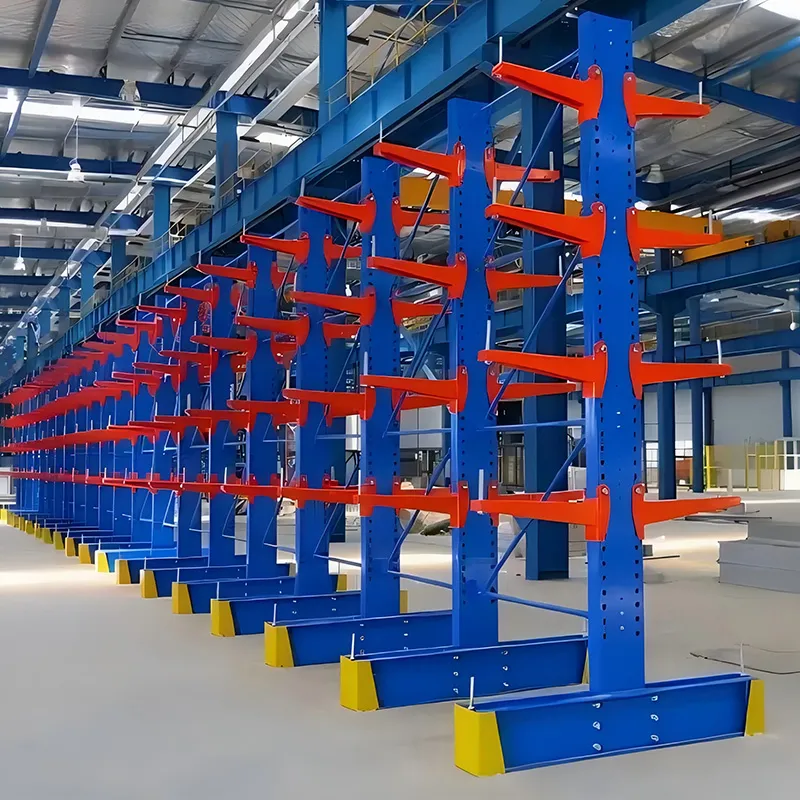
When they say “cantilever rack?”, many people immediately imagine just brackets sticking out of the rack. But a one-sided console is a different story, with a lot of nuances that become obvious only after a couple of real projects. A common mistake is to assume that since it is “one-sided”, then the load is distributed more easily. In practice, this is where problems with the stability of the entire structure most often arise if the moment of inertia is incorrectly calculated or the wrong thickness of the cantilever beam is chosen.
The main difference, of course, is that the load only acts in one direction. This, on the one hand, simplifies the layout of a warehouse or sales area - you can place it close to a wall or another rack. But on the other hand, it creates one-sided tension in the rack. If for double-sided consoles the forces are often mutually balanced, here the entire load falls on one side of the vertical frame. To underestimate this means to get stuck over time. designs forward.
The key element here iscantilever beam. Not just a piece of metal, but a profile with a certain cross-section, often reinforced. I have seen projects where they tried to save money to store long items (pipes, profiles) and installed a beam with insufficient wall height. The result is a visible deflection already under half the declared load. We had to strengthen it, which in the end was more expensive than doing it right right away.
Another point is attaching the beam to the rack. Simply bolting the top and bottom is not always enough. For severe loads, a locking assembly or additional locking plates are needed to prevent accidental shifting or “slipping out.” beams under dynamic load. This is a detail that can be missed on a drawing, but on site it becomes a headache for installers.
The ideal area for single-sided consoles is, of course, wall storage. But not only that. For example, in archives for storing paper rolls or in production workshops for placing long workpieces at machines. The main advantage is saving space. You can organize storage along a blank wall, where you cannot place a regular rack.
However, I had experience when a customer wanted to use such racks for storing car bumpers in a service center. It would seem logical - long details. But they forgot about different sizes and non-standard shapes. Standard cantilever shelves did not allow flexible height adjustment for each bracket independently; the system had to be combined with conventional shelf sections. This is to the question that there is no universal solution; an analysis of a specific cargo is always needed.
An interesting case is its use in exhibition spaces. Non-standard, but it works. One-sided consoles mounted on columns allow you to display long exhibits (graphics, fabrics) without cluttering the center of the hall. But aesthetics are critically important here - the appearance of the ends of the beams and fasteners, so powder painting in color or even decorative caps is often required.
The most common mistake is ignoring the type of base. A high-load single-sided rack creates a significant tipping moment. If it is not standing on anchor bolts in a concrete floor, but, say, on a wooden floor, all stability is in question. I had to deal with a situation where a rack mounted in an old hangar began to tilt after being fully loaded precisely because of the unstable base. I had to unload and make an additional concrete screed with embeds.
The second common problem is uneven load along the length of the console. Specifications usually indicate Uniform Distributed Load (UDL), but in real life, the heaviest load is placed at the far end. This dramatically increases the bending moment at the base of the beam. A good designer always lays down a reserve or clearly defines the cargo placement scheme. The bad one is that it just sells a standard design.
Installation. It would seem that everything is simple: assembled the racks, hung the beams. But if installers do not check the verticality of the racks along two axes, but only along one (the one near the wall), then a misalignment occurs during loading. The beams begin to “play”, the fastenings become loose. I always insist on checking the geometry of each section after preliminary assembly, before the final tightening of all connections.
The quality of a single-sided cantilever rack starts with the metal and profile geometry. Cold-rolled steel for racks, hot-rolled for beams - this is the basis. Metal thickness is not an area where you can save money. I saw samples where the manufacturer, trying to reduce the price, used a profile with a thin wall for the beam, but reinforced it with frequent stiffeners. In theory, the strength was preserved, but in appearance the structure looked overloaded, and the cost of processing, apparently, only grew.
Worth mentioning here?Harbin Jusheng Metal Structure Manufacturing Co.,Ltd.. In their portfolio (https://www.jshj.ru) it is clear that they focus on the full cycle - from design to installation. This is critical for console systems. The plant, founded in 2019 in Pingfang (Harbin), with such an area (20,000 m2) and automated lines, can theoretically provide the required cutting and drilling accuracy. And the accuracy of the holes for fastening the beams is the key to quick and correct installation without “adjusting with a sledgehammer”.
Their stated specialization is in the full range of shelving systems, includingcantilever racks, suggests that they were likely facing different challenges. This is important. Because a manufacturer who only makes shelving units may not take into account all the nuances of console dynamics. The presence in the assortment of racks for four-directional shuttles, by the way, indirectly indicates experience in working with complex load calculations, which is also useful for consoles.
Nowadays there is a lot of talk about adaptive systems. For single-sided consoles, this could mean being able to remotely change the height of the shelf or even the angle of the console. So far this looks redundant for a warehouse, but for retail spaces where the assortment changes frequently, it could be an interesting option. Technically difficult, but not impossible - systems with electric drive and fixation in specified positions.
Another vector is materials. Composite materials for beams? Sounds futuristic, but could reduce weight and provide corrosion resistance for specific environments. In the meantime, it all comes down to the cost and proven reliability of steel.
As a result,single-sided cantilever rackremains a niche but indispensable solution for specific tasks. Its success lies not in complexity, but in competent, attentive to detail application. This is the case when you just “buy a rack?” not enough. It needs to be properly designed for the load, manufactured with high quality and installed with an understanding of all the risks. And then it will not just be a shelf on a bracket, but a reliable and durable storage system.