When you hear “rack”, many people imagine just a set of iron shelves in a garage or store. This is where the main mistake lies. In a professional environment, especially in logistics and large-format trade, a rack is a complex engineering system, the calculation of which begins not with the dimensions of the box, but with an analysis of loads, warehouse dynamics and even future business growth. I myself believed for a long time that the main thing was thicker metal, until one project showed that an incorrectly calculated console under 800 kg pallets is not just an excess of material, but a direct threat to safety. Since then, the approach has changed dramatically.
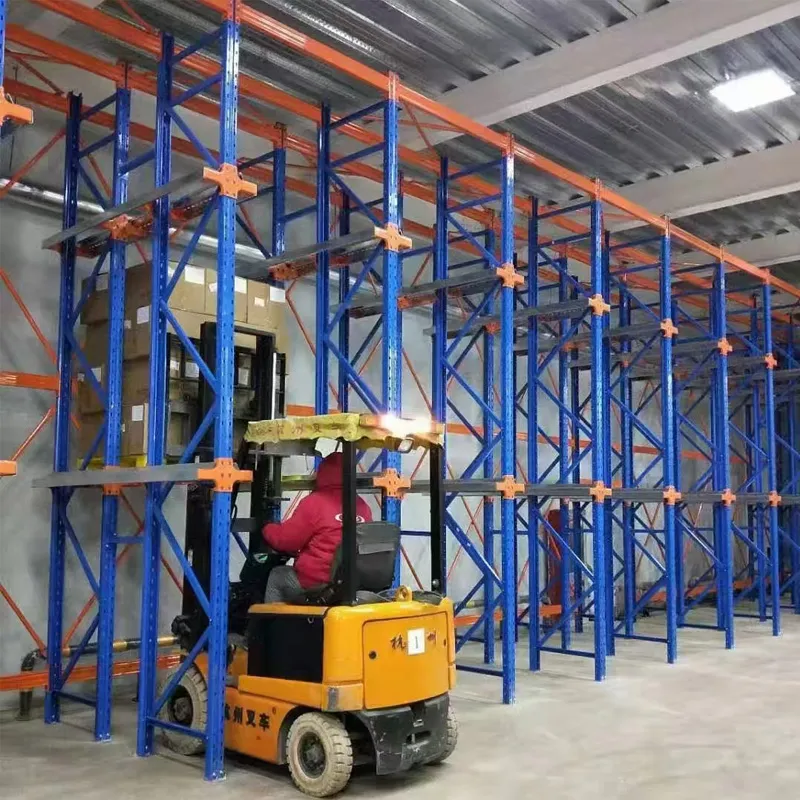
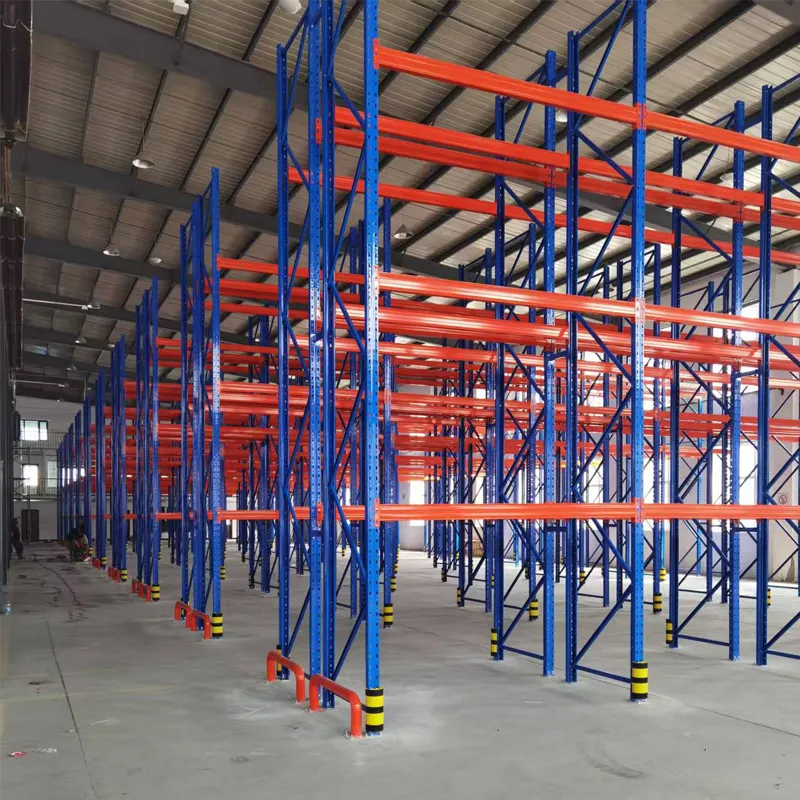
It all starts with the project, and here numbers decide everything. You can't just sketch out a diagram. You need to understand what it will be likeshelving system: pallet front, stuffed, gravity? Each type dictates its own rules. For example, for “deep?” When storing pallets, you need to make completely different tolerances for guide misalignments than for simple shelf structures. I saw how at one of the sites the contractor saved money at the design stage by not taking into account the vibration from the loaders, and after six months the entire section had to be strengthened - it turned out to be many times more expensive.
That is why I paid attention to the approach of such manufacturers as the Harbin shelving plant “Jusheng”. Founded in 2019, from the very beginning it was positioned not as a handicraft workshop, but as a full-cycle enterprise. Their websitejshj.ru- this is not just a catalogue, it is clear that they are talking specifically about systems: from design to installation. This is an important marker for me. When a company invests in automated lines covering an area of 20,000 sq. m, as stated in the description of Harbin Jusheng Metal Structure Manufacturing LLC, this indicates a focus on quality and repeatability. Manual welding is always a lottery in knots.
By the way, about the quality of welding. Is this the same “invisible” one? a parameter that comes out sideways after years. Stresses in joints, especially in structural columns, can lead to slow deformation. Automatic CNC welding, which is used in modern factories, minimizes this risk. But there is a nuance here: the program is a program, and the metal needs to be properly prepared. Trimming, trimming edges - these are all steps that can be saved, and the layman will never notice until corrosion begins from the inside.
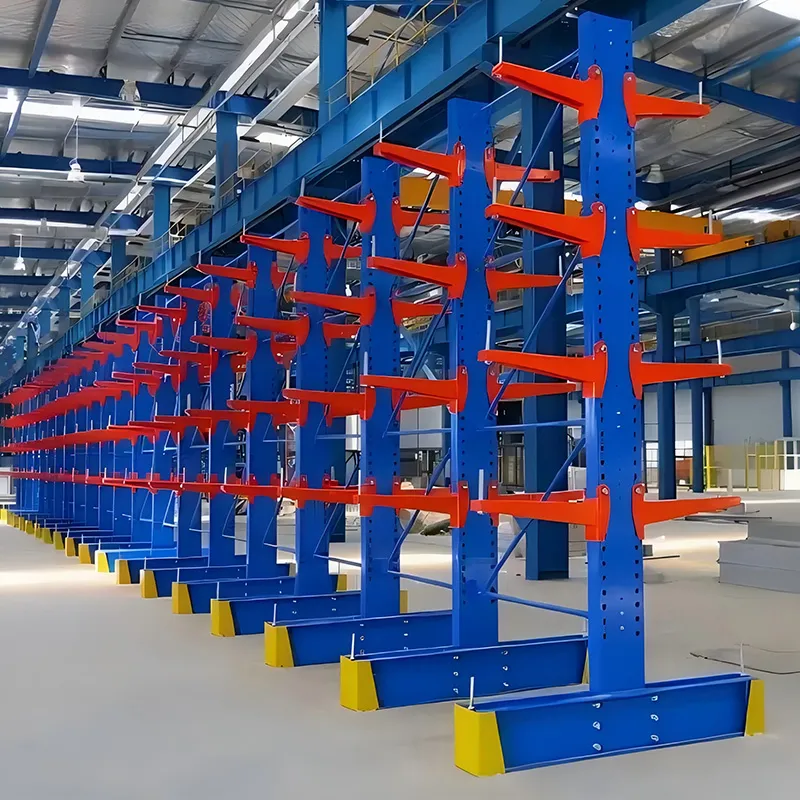
For example, a customer says: “I need a warehouserack?. It doesn't mean anything. We need to dig deeper. What product? Pallets, boxes, lengths? What flow? FIFO, LIFO? Will there be manual picking or only stackers? Everything depends on these answers. I've often been tempted to put universal shelving systems everywhere, but for storing tires or pipes it's death. Need consoleracks, and here the rigidity of attaching the console to the rack is critical. I once saw consoles “playing?” under load is not a sight for the faint of heart.
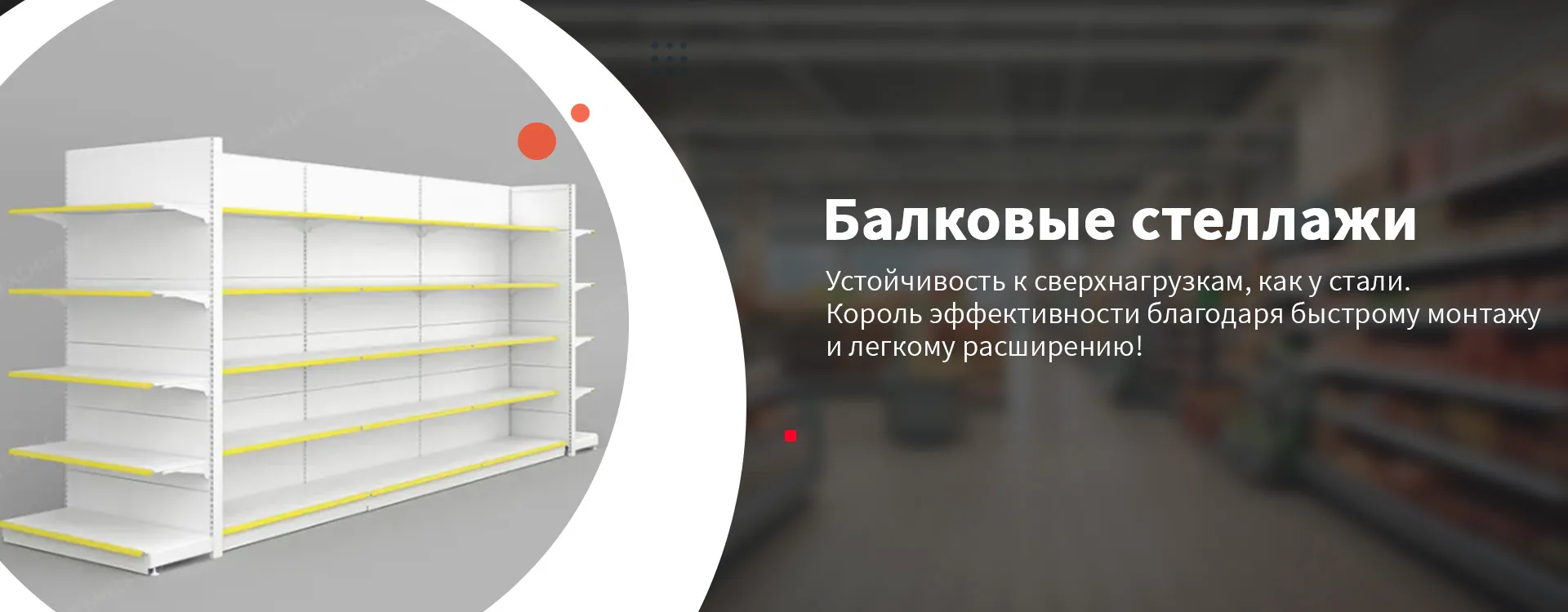
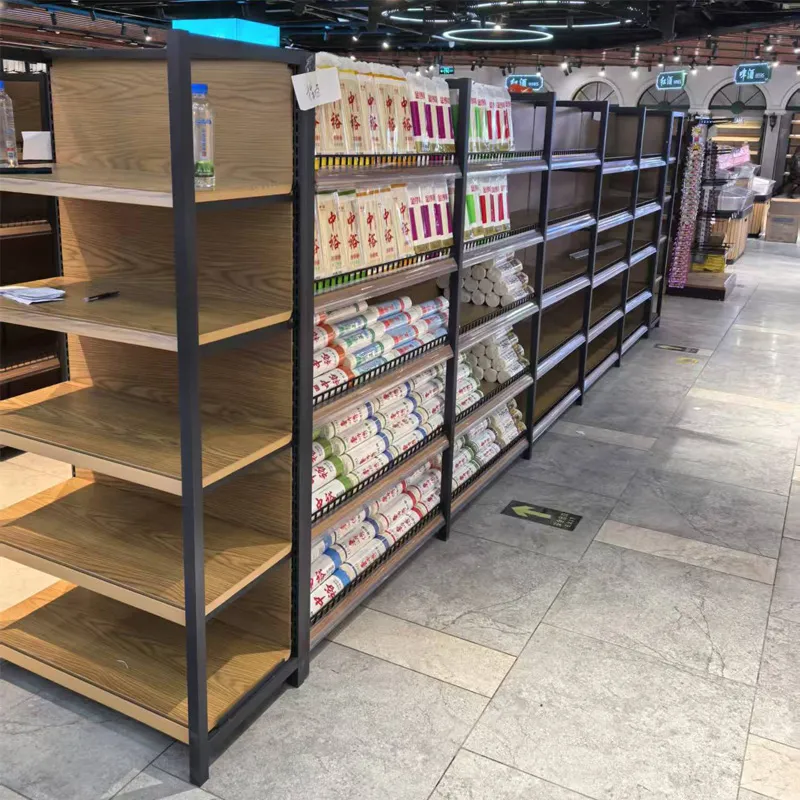
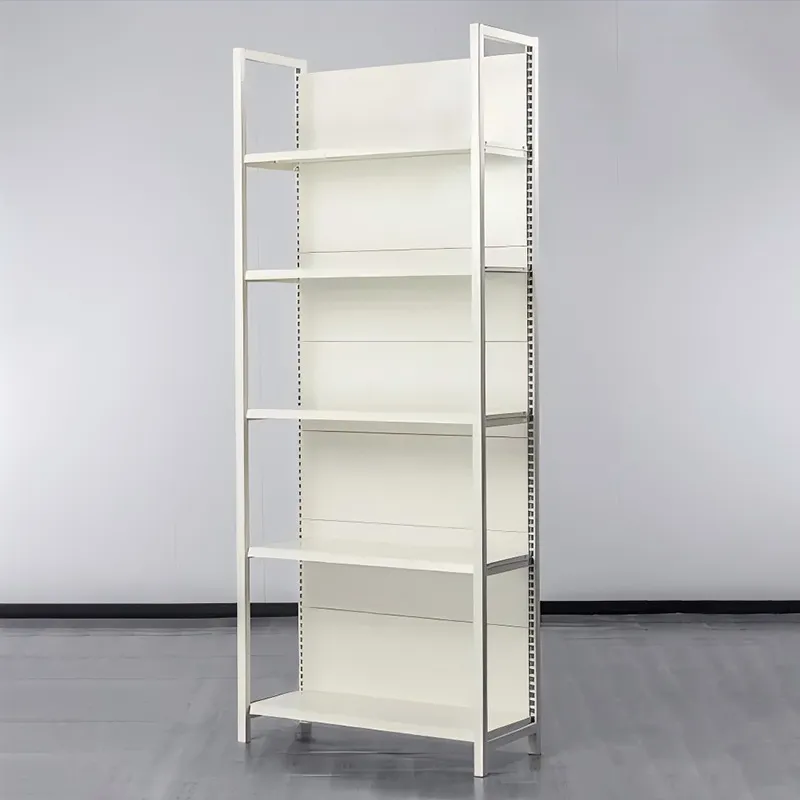
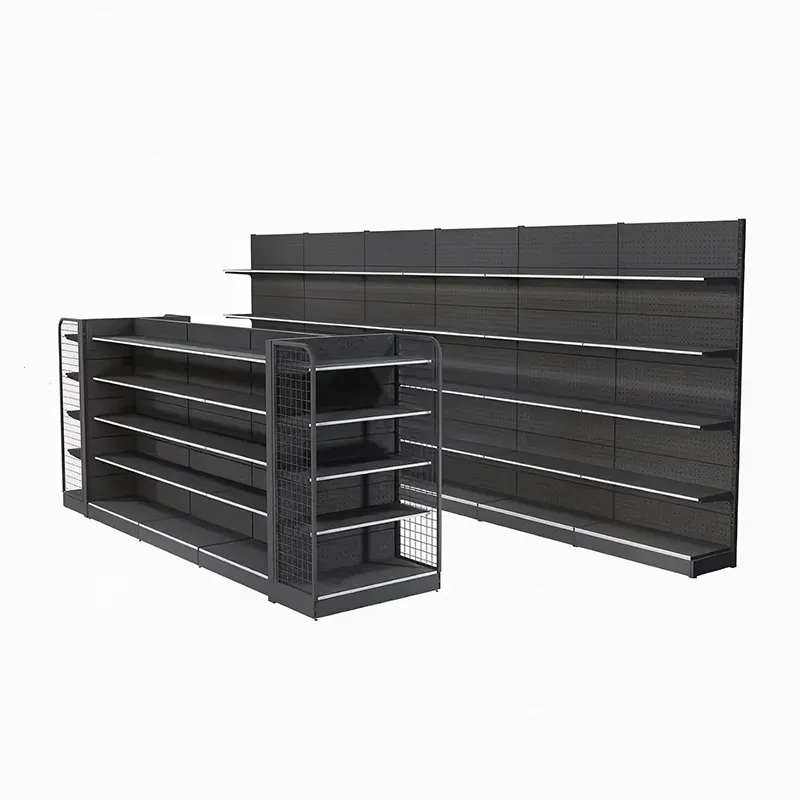
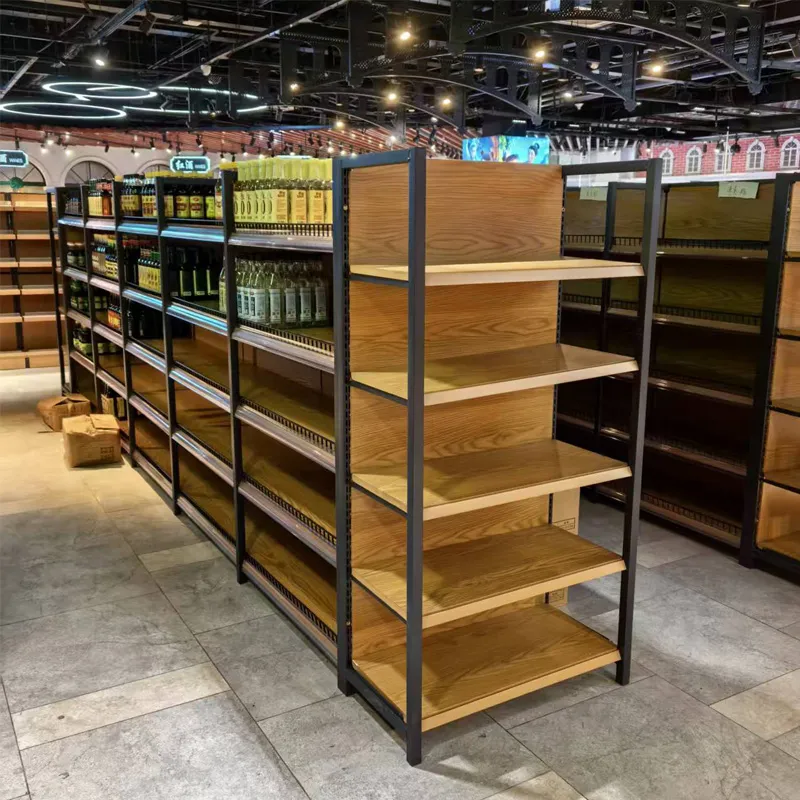
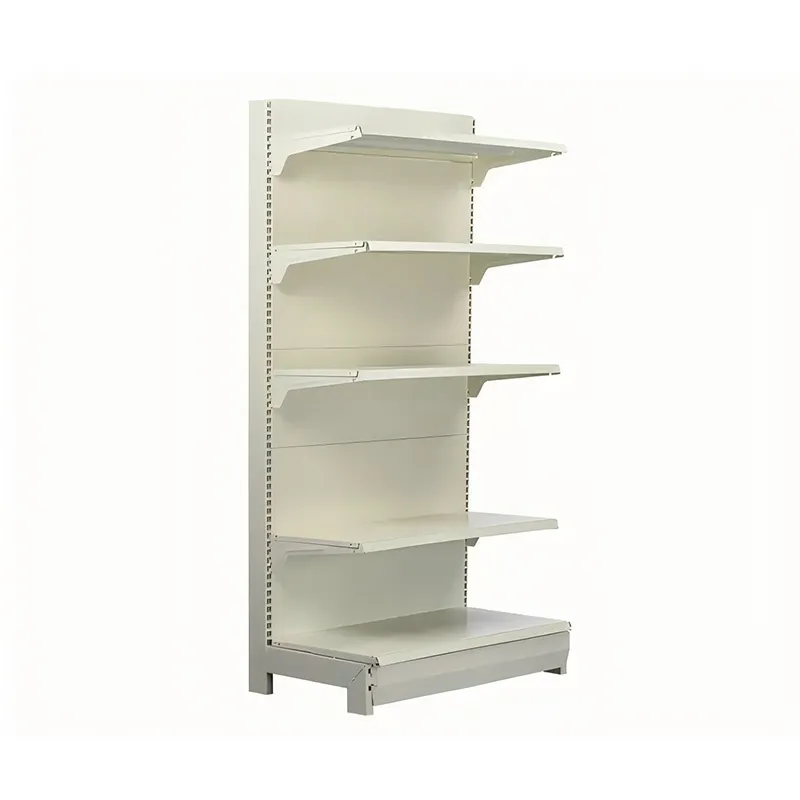
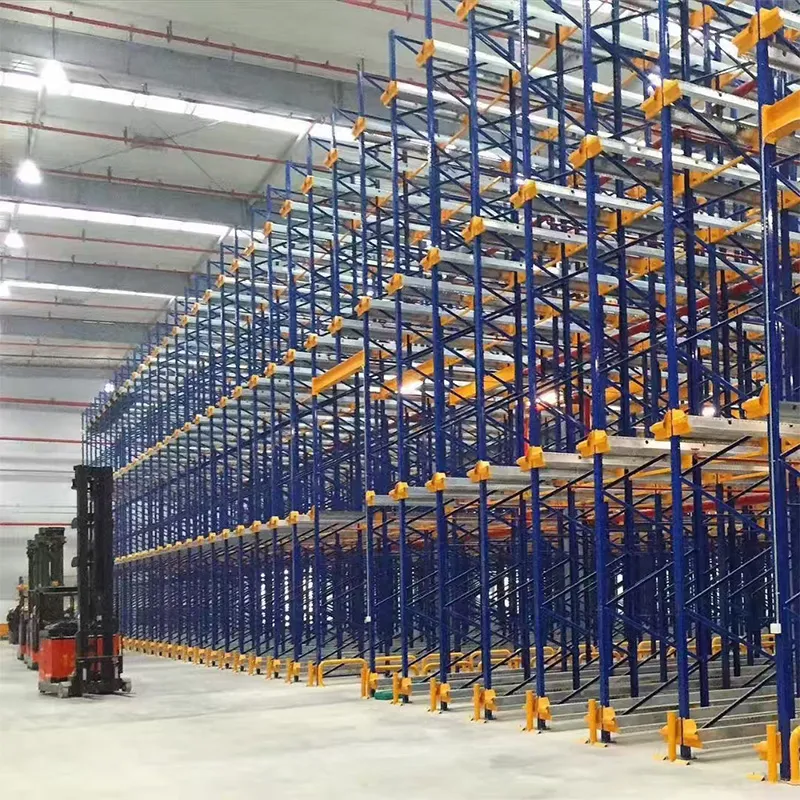
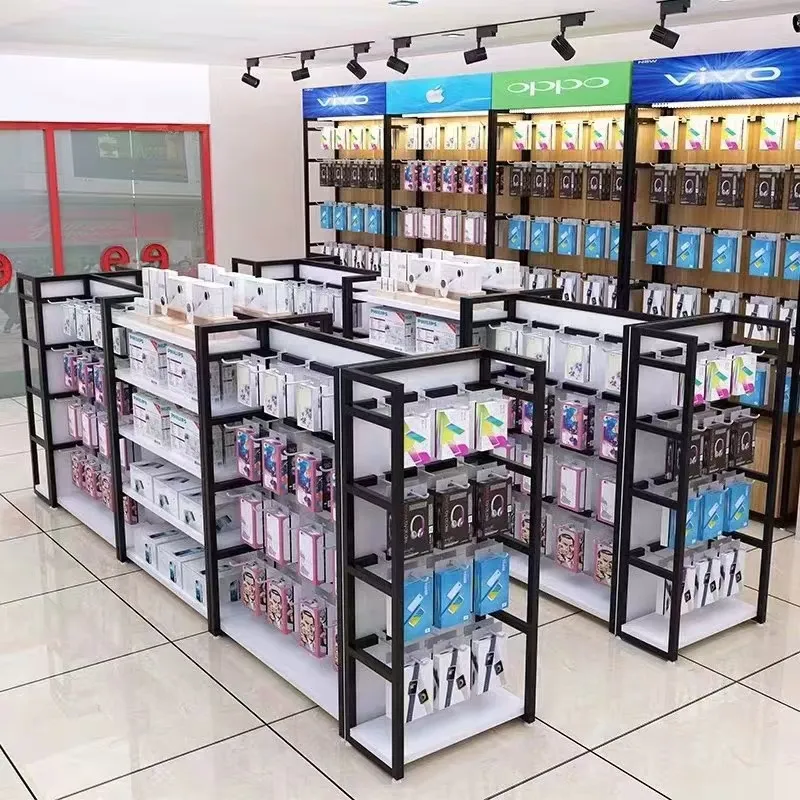
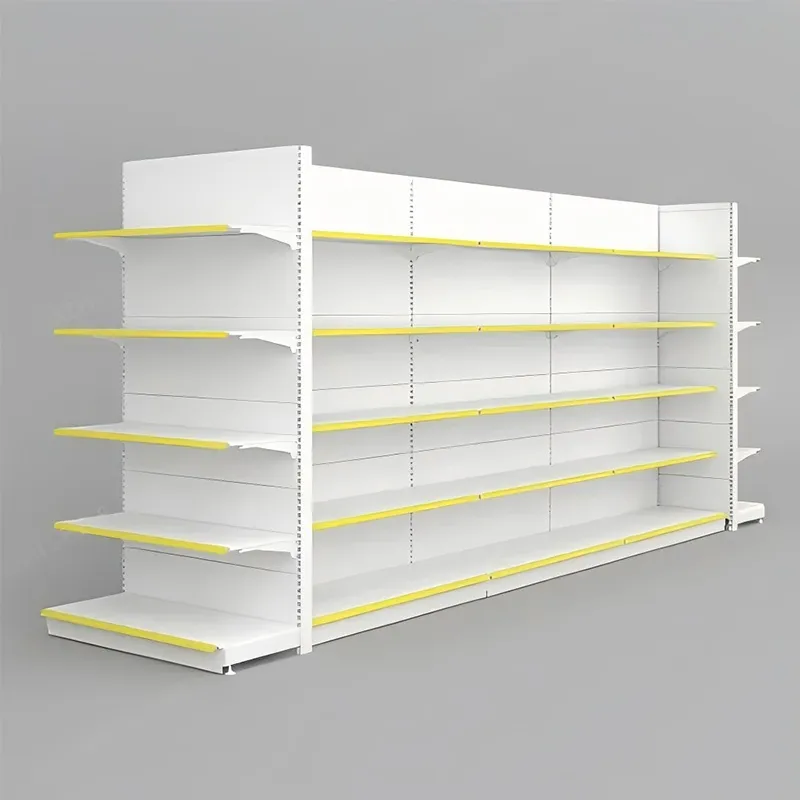
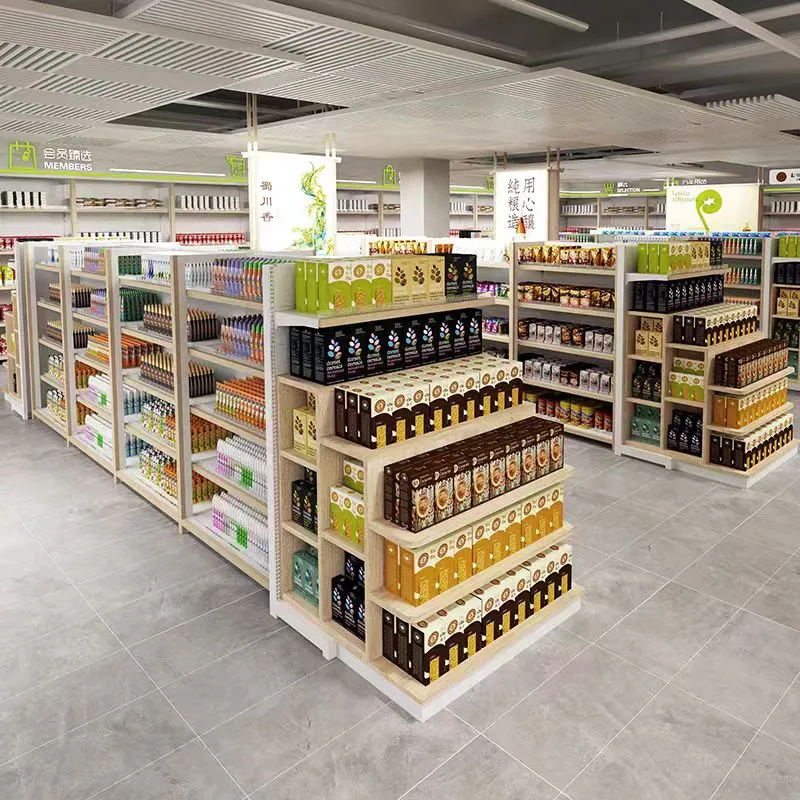
The assortment includes the same ?Jusheng? one can see an understanding of this specificity. They do not just indicate “racks”, but immediately segment them: retail, warehouse, mezzanine, beam, shelf, console, for four-way shuttles. This is the right move. For example, shuttle racks are a separate universe with strict requirements for parallelism of the guides. Millimeter deviations can block the entire system. If a manufacturer claims such a product, it means they have the experience and, most likely, the appropriate measuring equipment on the shop floor.
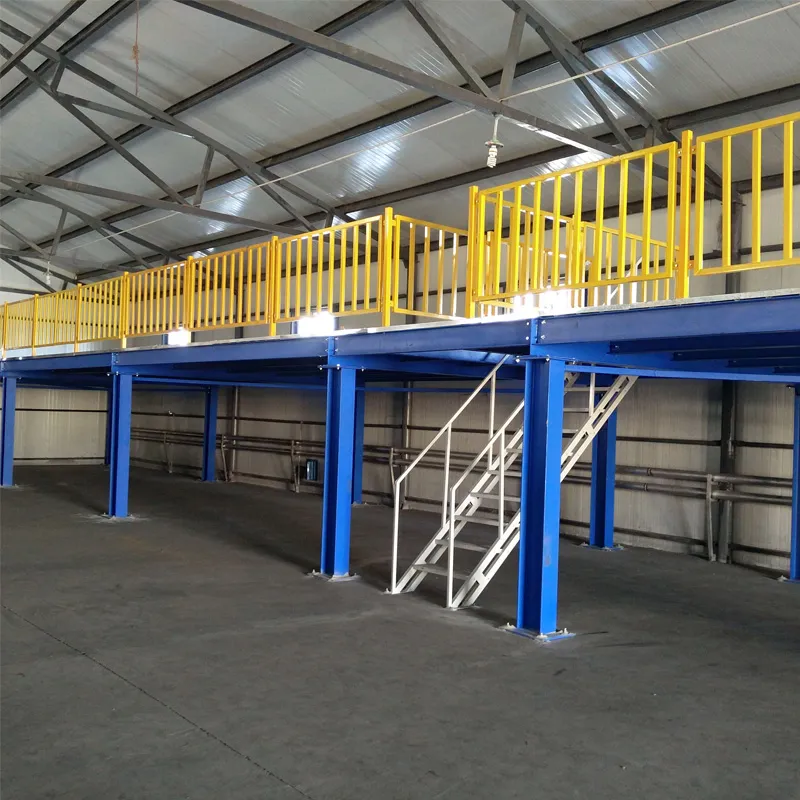
Mezzanine systems stand apart. This is actually the construction of the second floor. Here, errors in calculating loads and attachment points to the floor are fatal. You need to think not only about the weight of the product, but also about dynamic loads from personnel, seismicity (even minimal), and weight distribution. I participated in the audit of one mezzanine, where the installers “reinforced” design by eye, welding gussets. Eventually the load point shifted and the anchors began to come out of the floor. I had to unload and redo it from scratch.
Steel - is it steel in Africa too? No matter how it is. Brand, thickness, yield strength - this is the basis. For load-bearing columns on pallet racks, cold-rolled steel with a high yield strength is often used so that the column is narrower but stronger. This gives more usable space. But some manufacturers, especially in the low price segment, use ordinary steel, simply increasing the thickness of the profile. It seems to be reliable, but the weight of the structure increases, the load on the floor increases, and installation is more difficult.
Coverage is a separate pain. Powder paint is standard. But surface preparation - phosphating, degreasing - often remains behind the scenes. Without this, the paint will peel off in a couple of years in a warehouse with temperature changes. On the website jshj.ru, the description of the plant mentions several automated lines. I would like to believe that this cycle also includes a full line of preparation and coloring. This is expensive equipment, and its presence is a serious argument in favor of the quality of the final product.
Another point is the fastening. Bolts, nuts, lock washers. It would seem like a small thing. But it depends on them whether the entire structure will not become loose over time. The use of low-quality fasteners is a common disease of the market. A good manufacturer either controls this process himself or works with trusted suppliers of hardware. Otherwise, in a year or two it will be necessary to carry out a planned tightening of all connections, and this will stop the operation of the warehouse.
You can make it perfectrackat the factory, but ruin everything during installation. The most common problem is uneven floors. A tolerance of a couple of centimeters per hundred meters is the norm for a warehouse, but for high racking systems it is a disaster. The columns will work with a distortion under load. Therefore, proper installation begins with a geodetic survey of the floor and the use of adjustable support plates or anchors. Not all installation teams do this, saving time.
The second problem is haste. The assembly is in jeopardy: the bolts are not tight enough, the tightening order is not followed. As a result, the stresses are distributed unevenly. I always insist on the presence of technical supervision from the customer at critical stages of installation. Especially when installing the first cells and checking the level. If a manufacturer, like Harbin Jusheng LLC, offers a full cycle “from design to service,” it is logical to expect that they also have their own trained installation teams who know the specifics of their own designs. This is a big plus.
And finally, documentation. After installation, there must be not only an acceptance certificate, but also a passport for the installed system indicating all loads, arrangement diagrams, and specifications. This is important for further safe operation and, God forbid, for the analysis of any incident. The presence of such a document indicates the seriousness of the approach.
A modern warehouse is not a static storage facility. Business is changing, the range is growing, logistics processes are being optimized. Therefore modernshelving systemmust be not only durable, but also adaptable. The ability to rearrange shelves, increase height, add sections is something that is laid out at the design stage. Universal systems based on standard modules benefit in the long term.
The introduction of automation, the same shuttles or pallet-stacking robots, also leaves its mark. The design must be adjusted down to the millimeter to ensure uninterrupted operation of the equipment. This is the next level of requirements for the manufacturer. The plant's ability to design and produce racks for four-way shuttles, as described in the ?Jusheng? description, suggests that they are already operating in this market for complex solutions.
As a result, choosing a rack is not a purchase of a product, it is an investment in infrastructure. Savings of 15% at the procurement stage can result in losses of tens of percent from downtime, repairs or load restrictions in the future. You need to look not at the price tag, but at the complex: engineering competencies, the technological base of the plant, the completeness of the cycle and the willingness to bear responsibility for the complete system. Only thenrackwill cease to be just ?shelves? and will become what it should be - a reliable, safe and efficient foundation for storage.