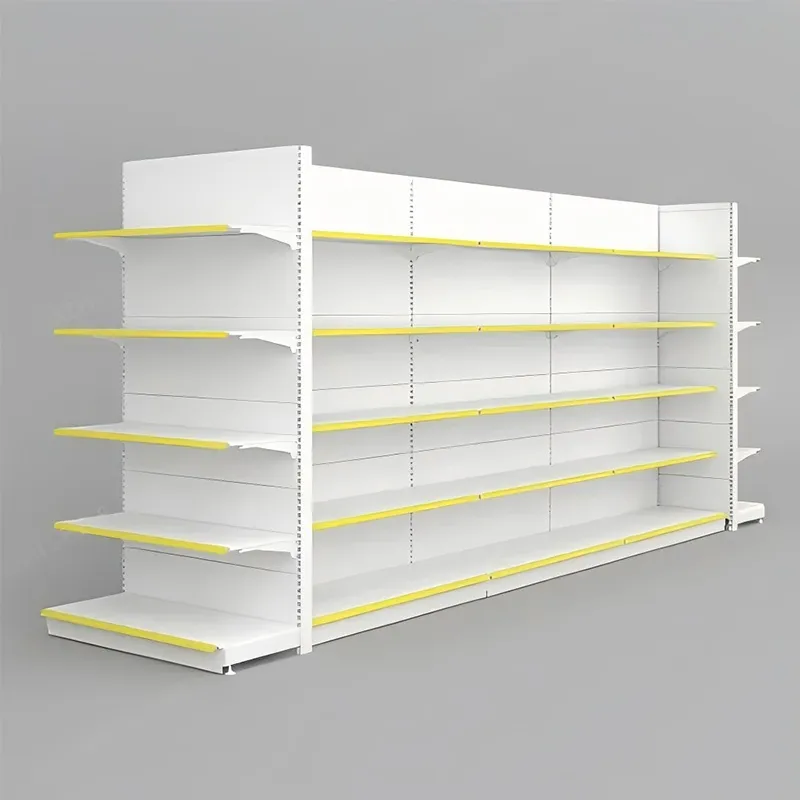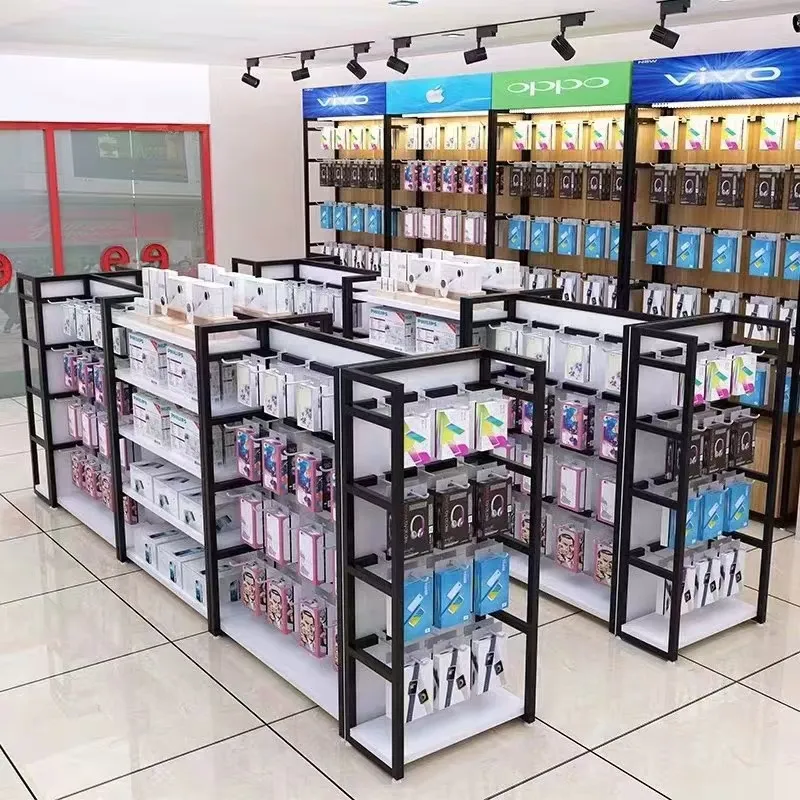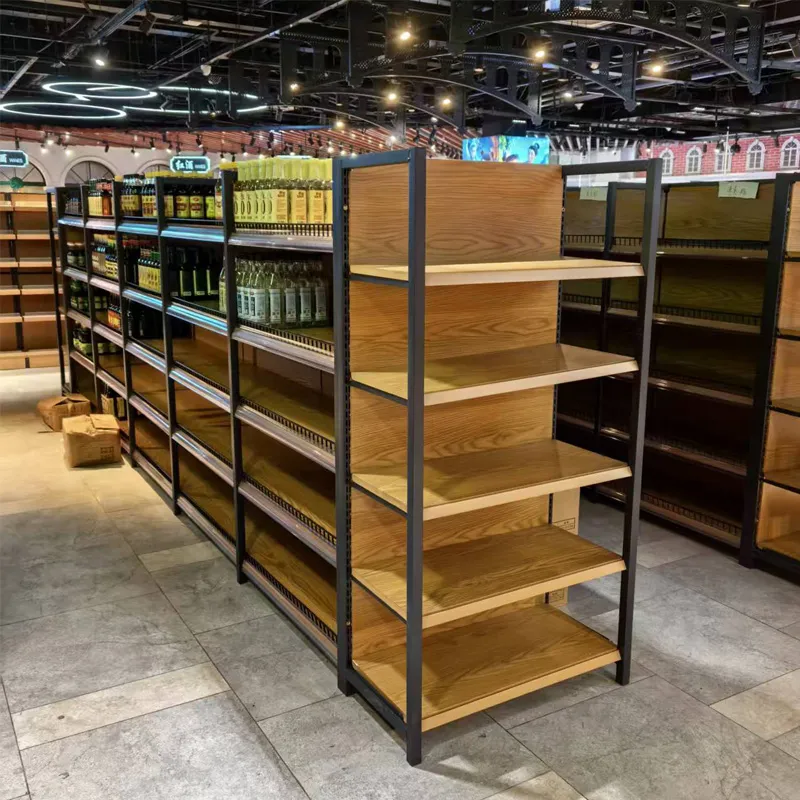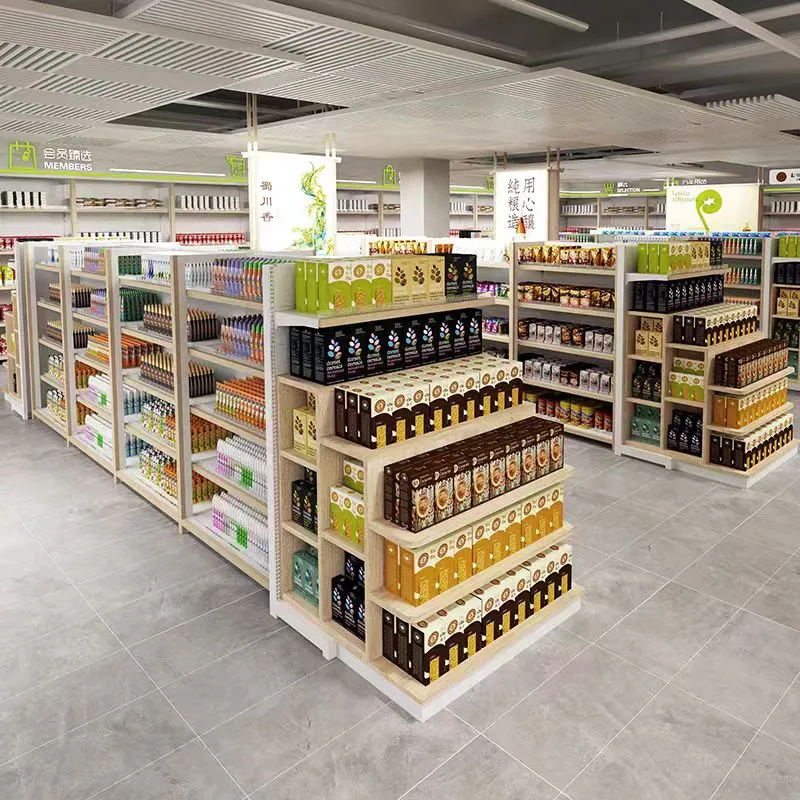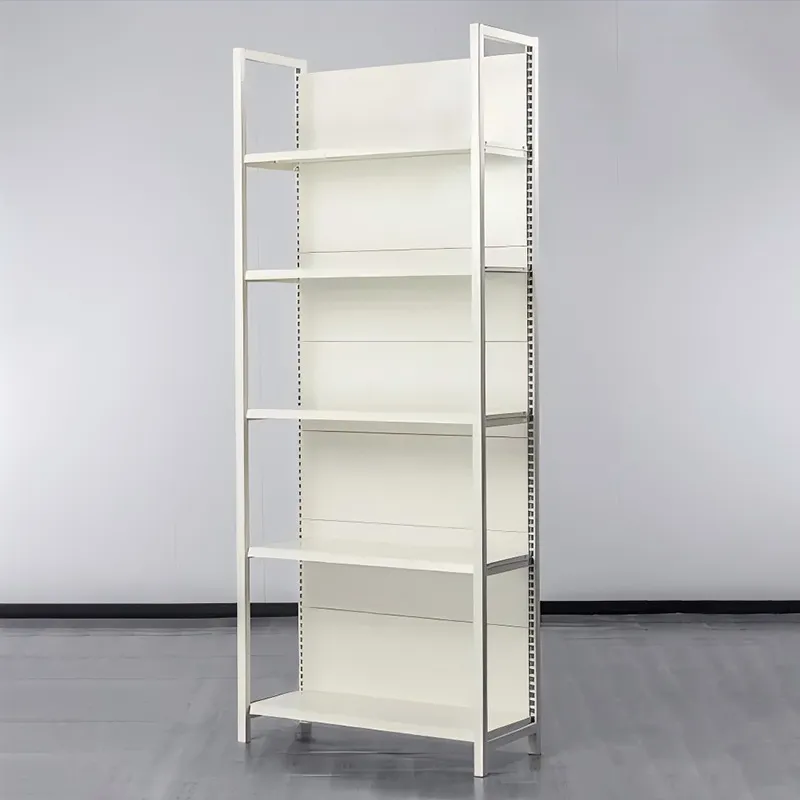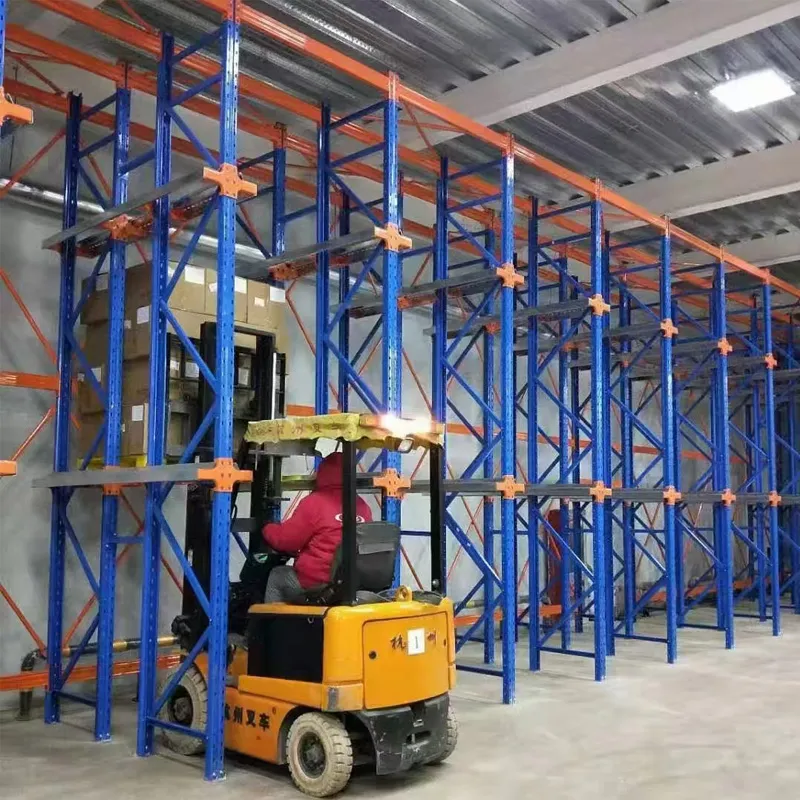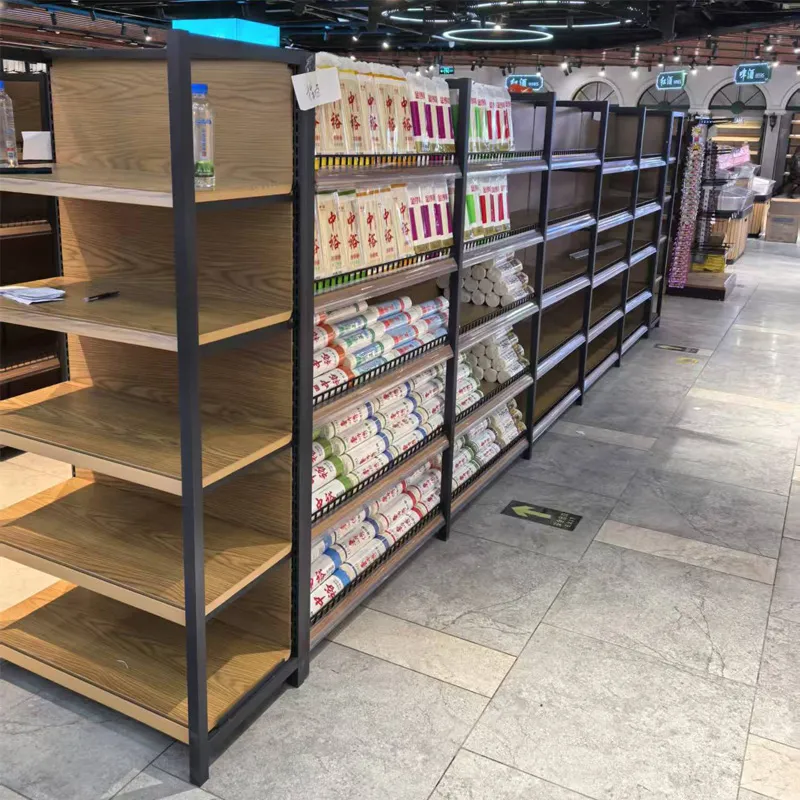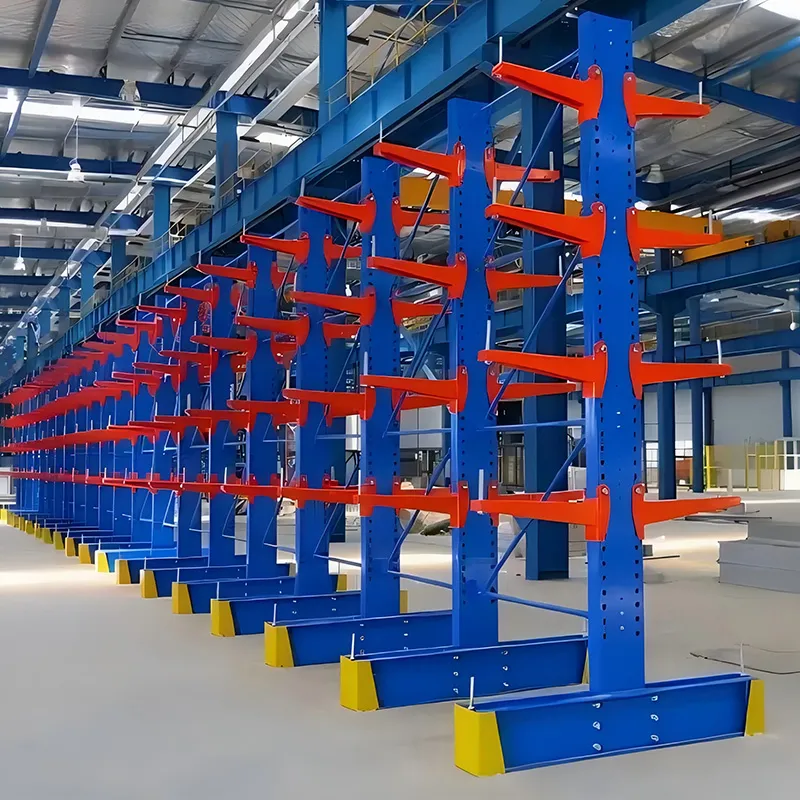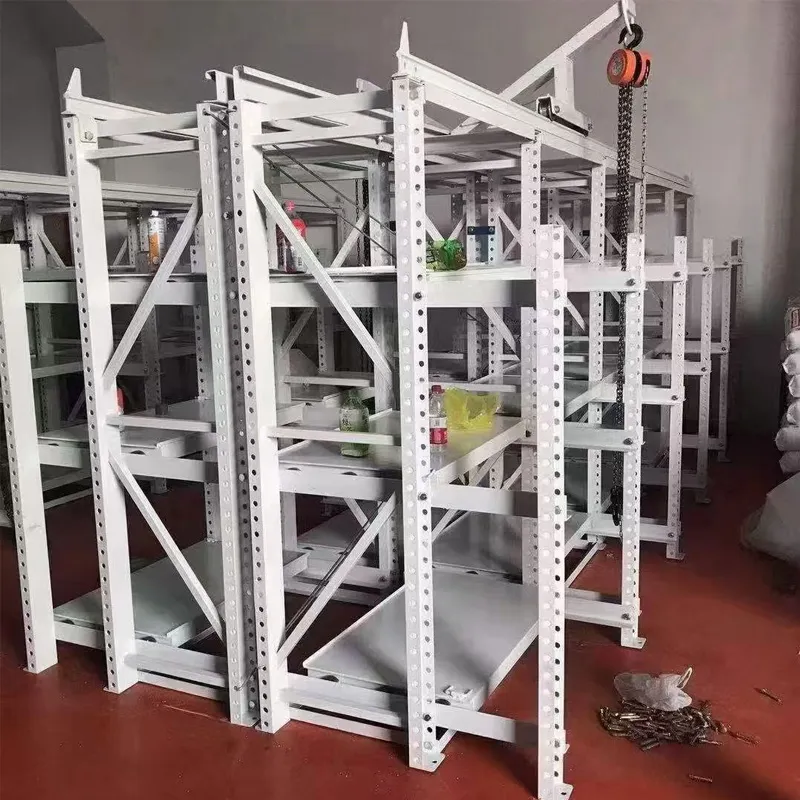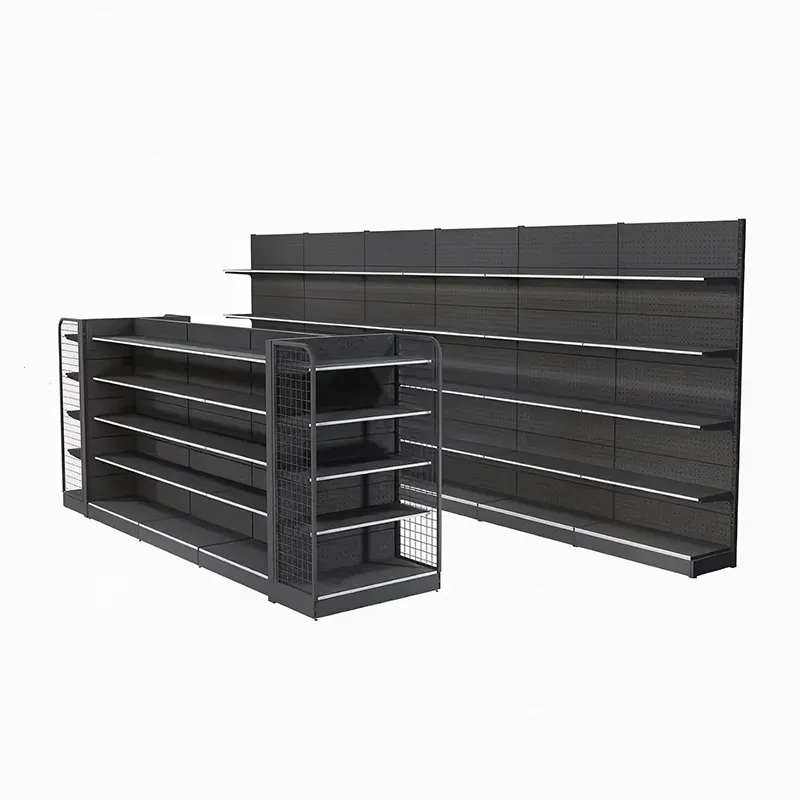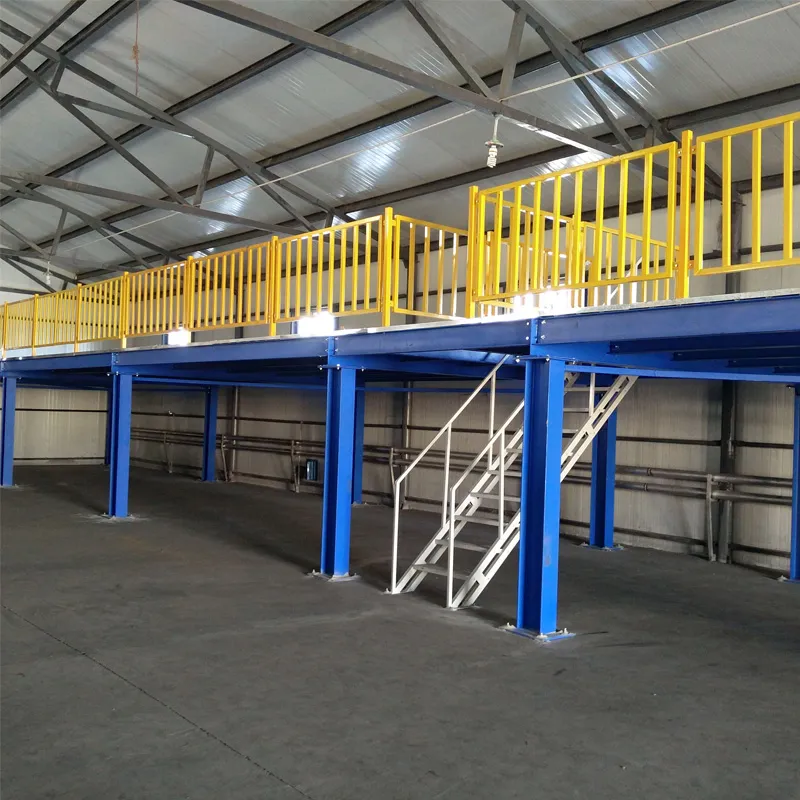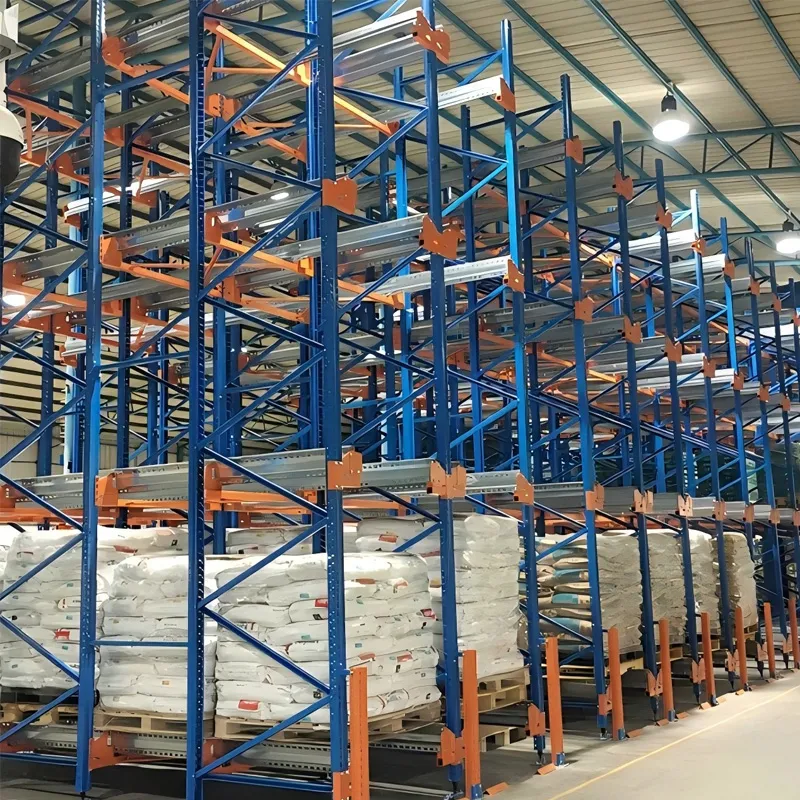
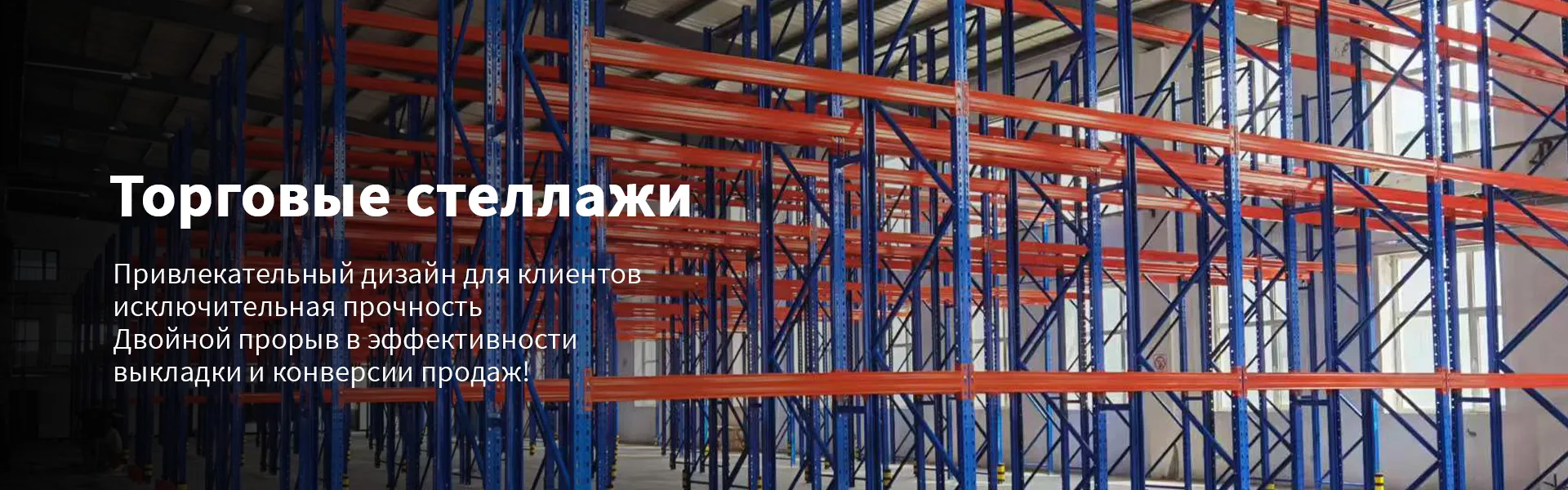
When you hear “anti-corrosion shelving”, the first thing that comes to mind is that they painted it and that’s it. In fact, this is a whole philosophy, and a mistake in choosing a coating or preparing the surface can ruin the entire investment. Many customers, especially at the start, save at this stage, and then after a couple of years, in the same damp hangar or by the sea, they end up with rusty structures with peeling paint. I have seen such “saved” money more than once. projects. The goal is not to create a barrier, but to create an adaptive and durable protection system that will work in a specific environment. So we’ll talk about this, based on what we saw and what we worked with.
The obvious places are, of course, refrigerators with their constant condensation. But there are also less obvious ones, where corrosion eats the metal quietly and quickly. For example, warehouses for storing mineral fertilizers or chemical reagents. There is a constant aggressive suspension in the air, settling on all surfaces. Regular powder paint will last a year at most. A completely different coating chemistry is needed.
Another insidious enemy is the coastal regions. Salt in the air is not just “salty air”. These are tiny abrasive particles that scratch the coating, and chlorides that trigger electrochemical corrosion. Standard solutions from the catalog for central regions do not work here. It is necessary to add not just a thicker layer of zinc or paint to the project, but combined methods: hot-dip galvanizing plus special two-component polymer coatings. This immediately hits the budget, but there is no alternative.
I had experience at one of the food production facilities near St. Petersburg. The room is washed, with constant washing with hot water and steam, plus the active use of chlorine-based disinfectants. The customer initially choserackswith conventional polymer coating. After 8 months, the first paint blisters appeared on the load-bearing columns. We had to dismantle, sandblast and re-apply the protection system, this time through a full cycle with phosphating and epoxy primer. The lesson is expensive, but indicative.
Hot-dip galvanizing is a classic, the gold standard for aggressive environments. But there are nuances here too. The thickness of the zinc layer is critical. For a moderately aggressive environment, 60-80 microns may be enough, but for a chemical warehouse or port, 100-120 microns should be used. This affects the technological process and, naturally, the price. Not every manufacturer is ready and able to provide such high-quality galvanizing over the entire surface of a complex structure, especially in welding areas.
Powder painting is not one product, but dozens of compositions with different properties. Polyester is good for interiors, but for outdoors or wet rooms its durability is not enough. Here hybrid or polyurethane paints are used. For example, for the same project in the food industry, we ended up using the system: phosphating -> epoxy primer -> polyurethane coating. This combination provides both chemical resistance and mechanical strength.
There was an interesting case withanti-corrosion shelvingfor an archive in an old building with poor ventilation. There, the problem was not direct water, but constantly high humidity and, as it turned out, microparticles of paper dust, which created an acidic environment. The solution was found in a combination: the frame was made of galvanized steel, and the shelves were made of steel with a zinc-laminated coating (Zincrometal), which was then painted. The result is a kind of multi-layer protection that has been coping with a specific environment for more than five years without complaints.
The most common mistake is not to include protection at the design stage. The designer draws a beautiful 3D model, calculates the loads, but the question is “in what environment will it stand?” is asked last. The result is a solid structure, but with a dozen “stagnant zones”. — places where water, dirt, condensation will accumulate. These are corners, joints, attachment points. In a normal environment it’s not scary, in an aggressive environment it’s a hotbed of corrosion.
Therefore, a competent engineer, developingracksfor difficult conditions, must minimize such areas. Round corners, design drain holes in horizontal elements, avoid “pockets”. This is not always easy, sometimes it runs counter to the optimal cutting from the point of view of metal consumption, but it is necessary for long service.
Surface preparation is 70% of the success of any painting. Any paint, even the most expensive, applied to poorly cleaned, degreased or slightly rusty steel will rebound. Mandatory steps: shot blasting or sandblasting to white metal (Sa 2.5), degreasing, phosphating to improve adhesion. Missing any of them is a future problem. I saw how in one of the small factories they tried to paint the racks by simply cleaning them with a grinder. The result, as you understand, was disastrous.
When looking for a reliable manufacturer for a complex project, it is important that he controls the entire process. From cutting metal to packaging finished products. If a company simply purchases ready-made galvanized profiles and assembles them, then it is difficult to talk about guaranteed quality of coating on welded seams. The seam is the most vulnerable place; it must be cleaned and treated with special compounds after welding.
Here, for example,?Harbin Jusheng Metal Structure Manufacturing Co.,Ltd.(their website ishttps://www.jshj.ru). They position themselves as a full-cycle factory: from design to after-sales. For me, as a specialist, the key words here are “several lines of automated equipment?” and “full cycle?”. This hints at the ability to control metal pre-treatment. Their profile is a wide rangeracking systems, from trade to shuttle. If they have solutions for refrigerators or chemical production in their line, it means they have probably worked on the issue of anti-corrosion. Of course, in each case you need to request technological sheets for coating and, preferably, samples for tests.
When working with such suppliers, you always ask for technical data sheets and coating test reports for adhesion, impact strength, and resistance to salt fog (NSS test). If they are not there or they are blurry, this is an alarm bell. A large specialized plant, which, judging by the description, is the Harbin Jusheng plant, founded in 2019, usually provides such documents. Their area is 20,000 square meters. m and the status of a leading enterprise in northeast China indicate serious capacities for the production of high-qualityanti-corrosiondesigns is very important.
The bottom line always comes down to money. The initial investment in proper anti-corrosion protection can be 30-50%, or even 100% higher than in a standard solution. It hurts the budget. But here it is not the cost of the racks that needs to be considered, but the cost of ownership over the entire life cycle.
Cheap shelving in an aggressive environment will require repair or replacement after 3-5 years. This means stopping the operation of the warehouse, dismantling, installation, and new costs. A properly protected system will quietly last 15-20 years with minimal maintenance. The difference in numbers becomes obvious. Explaining this to the customer is one of the main tasks.
Therefore, in our commercial offer we always make two options: basic (for normal conditions) and enhanced (for a specific aggressive environment, with justification of technology and calculation of service life). Often, after such a comparison, the client understands that overpaying now is not an expense, but an investment in uninterrupted operation for years to come. And it is precisely such projects, where everything is calculated and done without compromises in protection, that then become examples for other objects. This, perhaps, is the main professional interest - to make sure that the structure survives decades in the most difficult conditions. This is the real oneanti-corrosionwork.