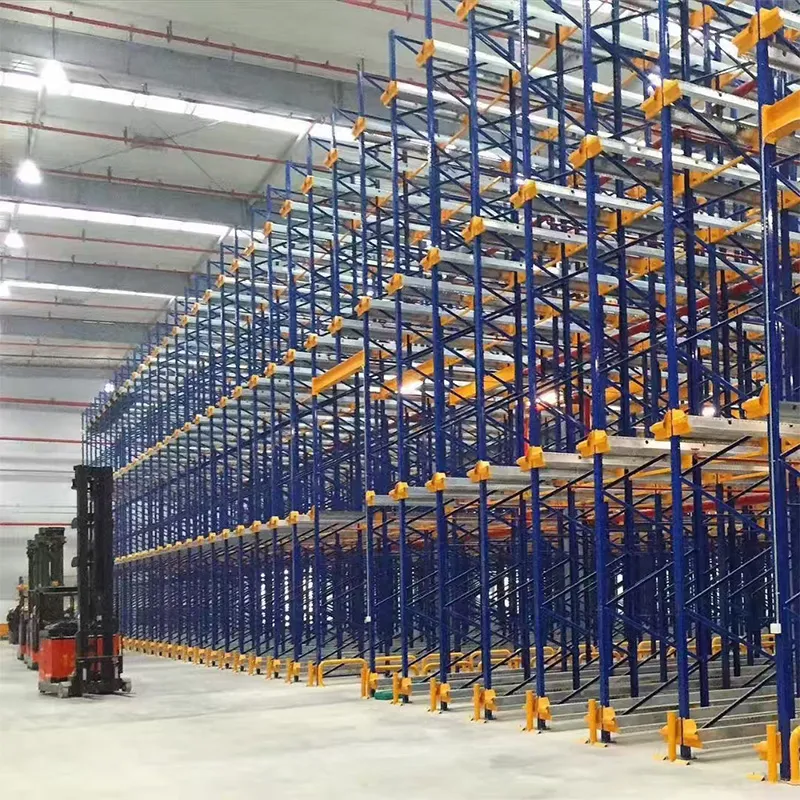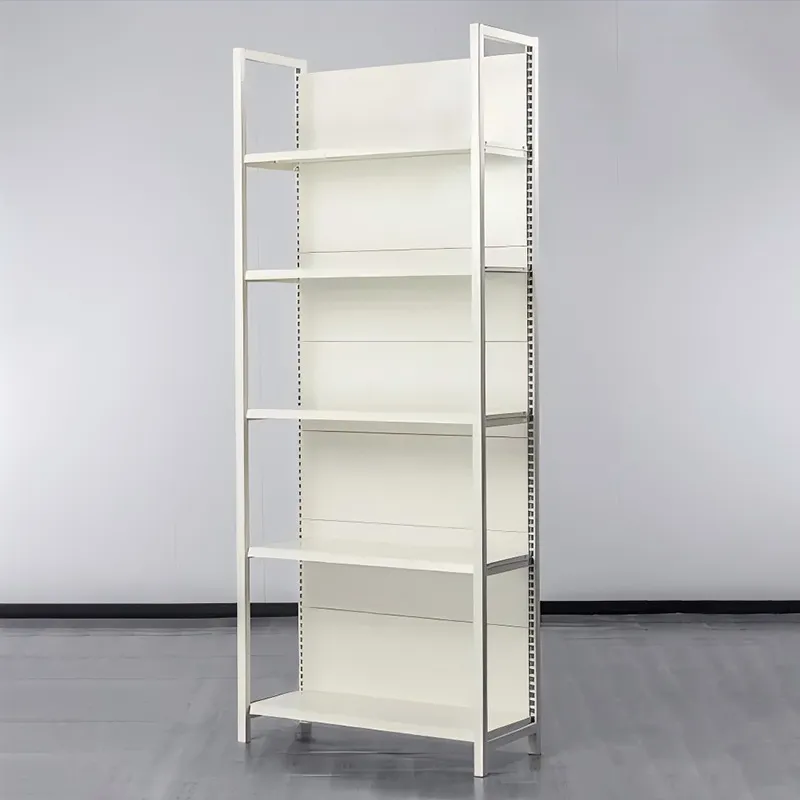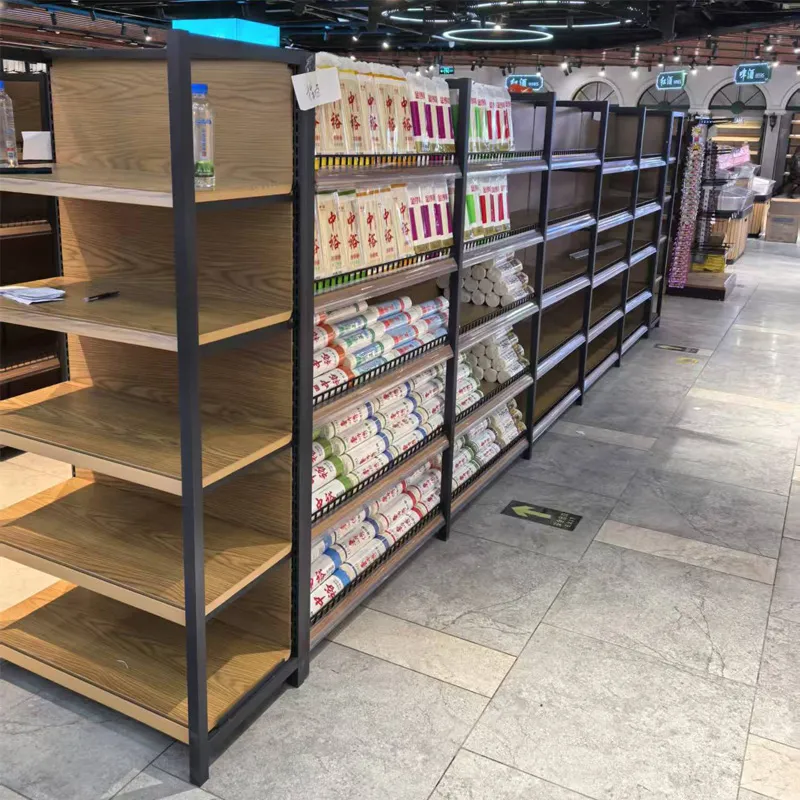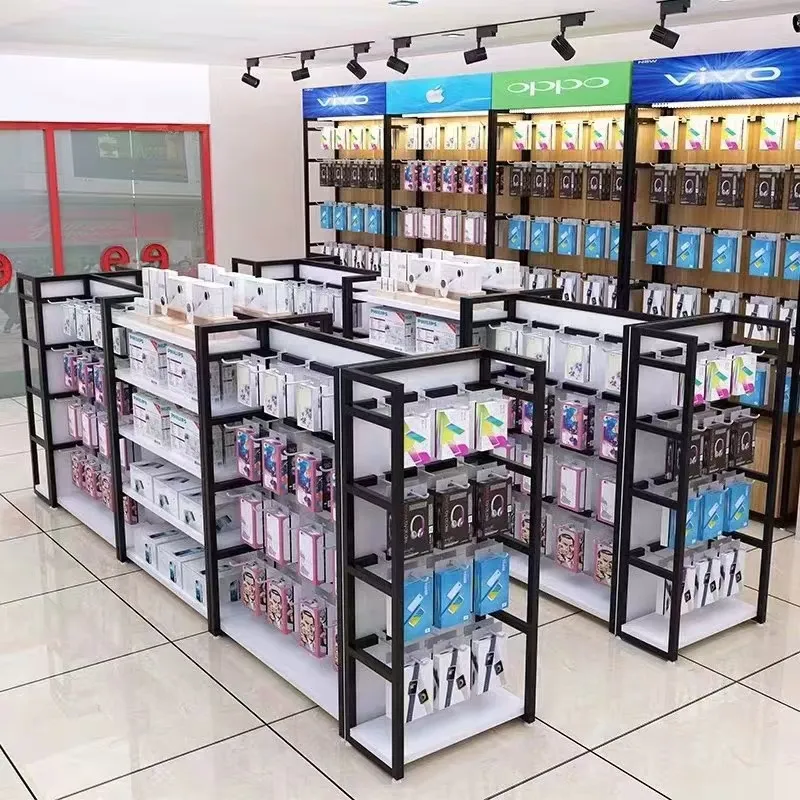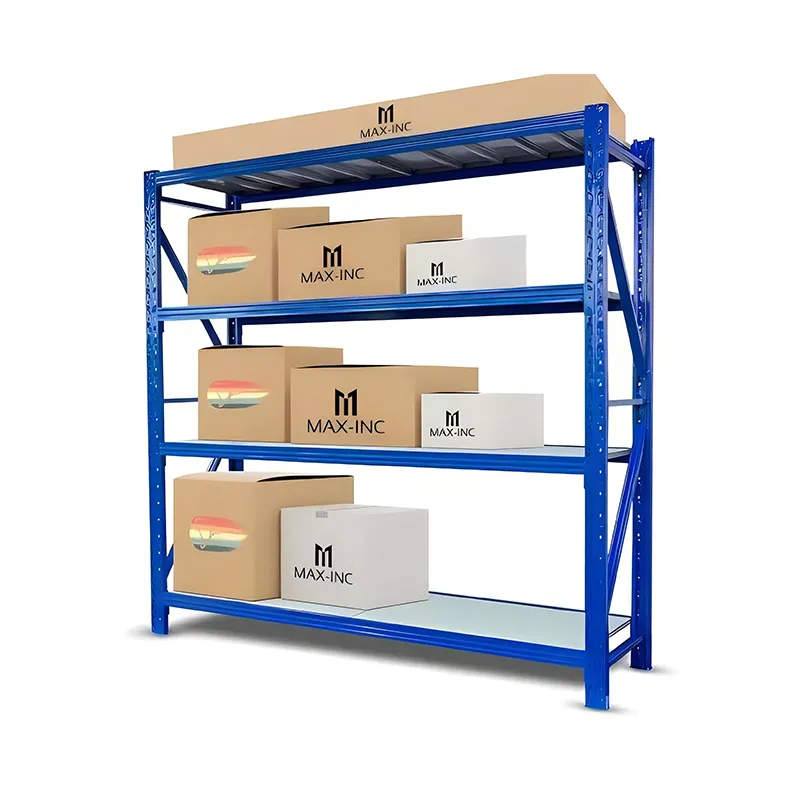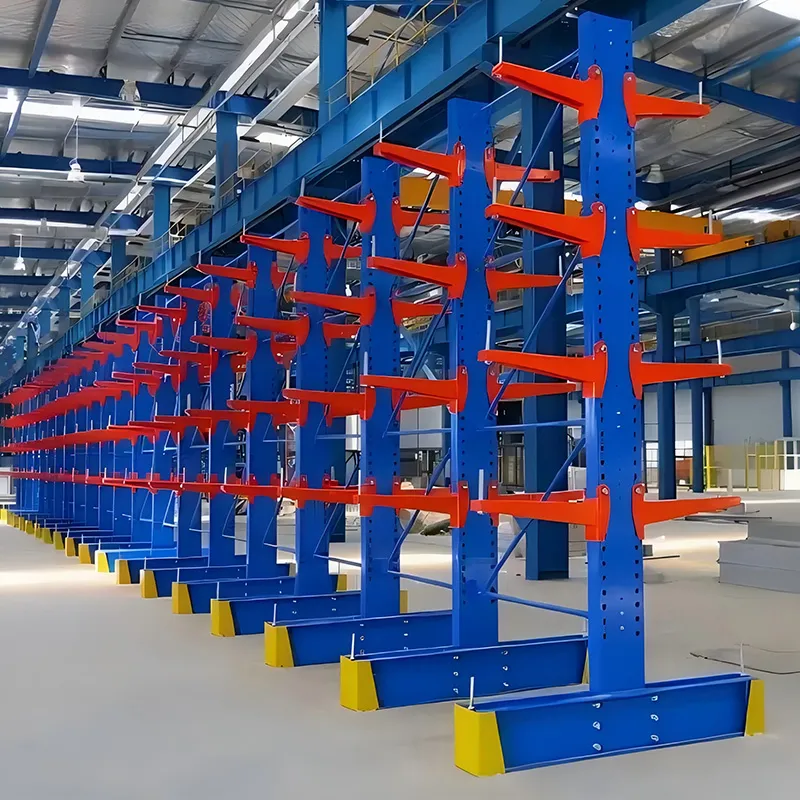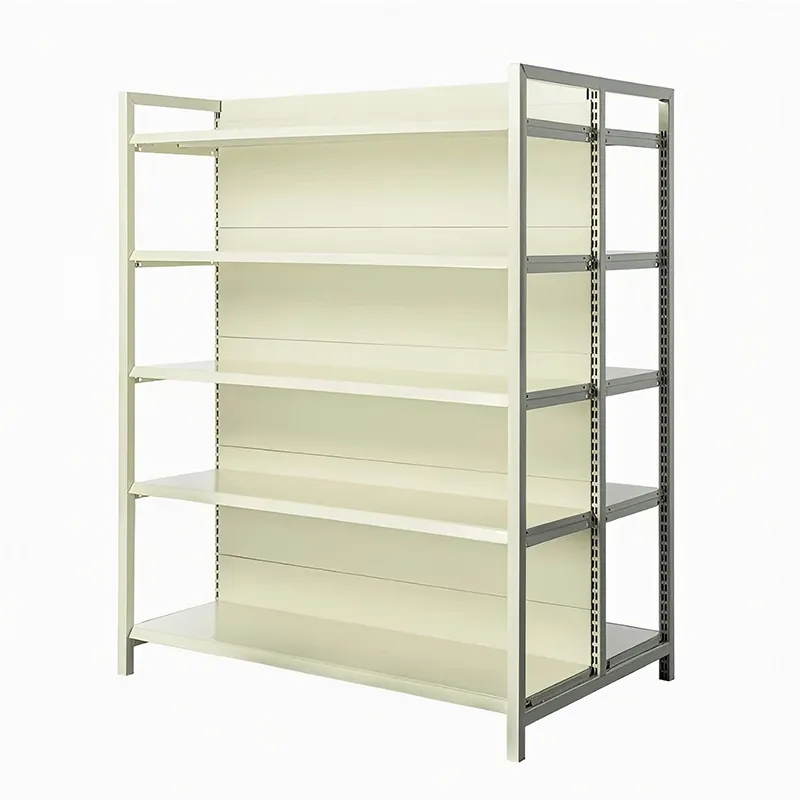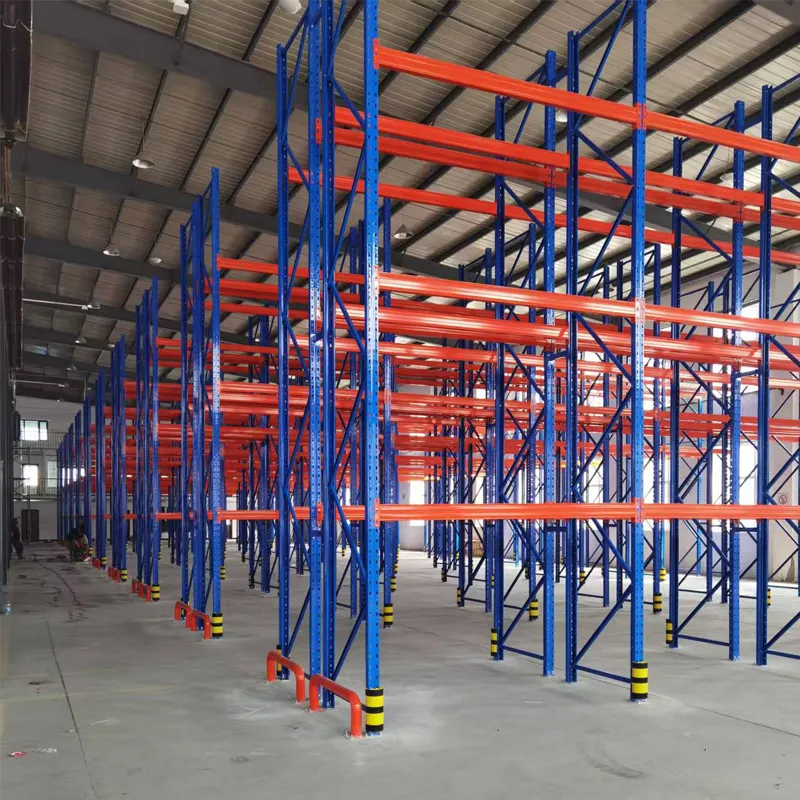
When it comes toorganizing lighting for warehouse racks, for some reason many people think that this is secondary. First, the shelving, and then the light—sometime later, we’ll hang standard lamps and that’s fine. This is the main mistake, which then comes back to haunt forklift operators, storekeepers, and even accounting departments, when they have to sort it out due to errors in selection. Lighting is an integral part of warehouse design, as important as calculating beam loads or choosing the type of flooring.
Let's be honest. Typical lighting projects that are offered on a turnkey basis often do not take into account the main thing - the specifics of storage. The height of the racks, the width of the aisles, even the color of the packaging on the shelves - all this affects. I remember a project for one logistics center, where powerful general HPS lamps were installed. Yes, it's generally bright. But in the lower tier of the racks, especially in the depths, real “blind spots” formed. The loader drives in - and the operator simply does not see the markings on the boxes. We had to illuminate it with headlights, which, you see, is absurd.
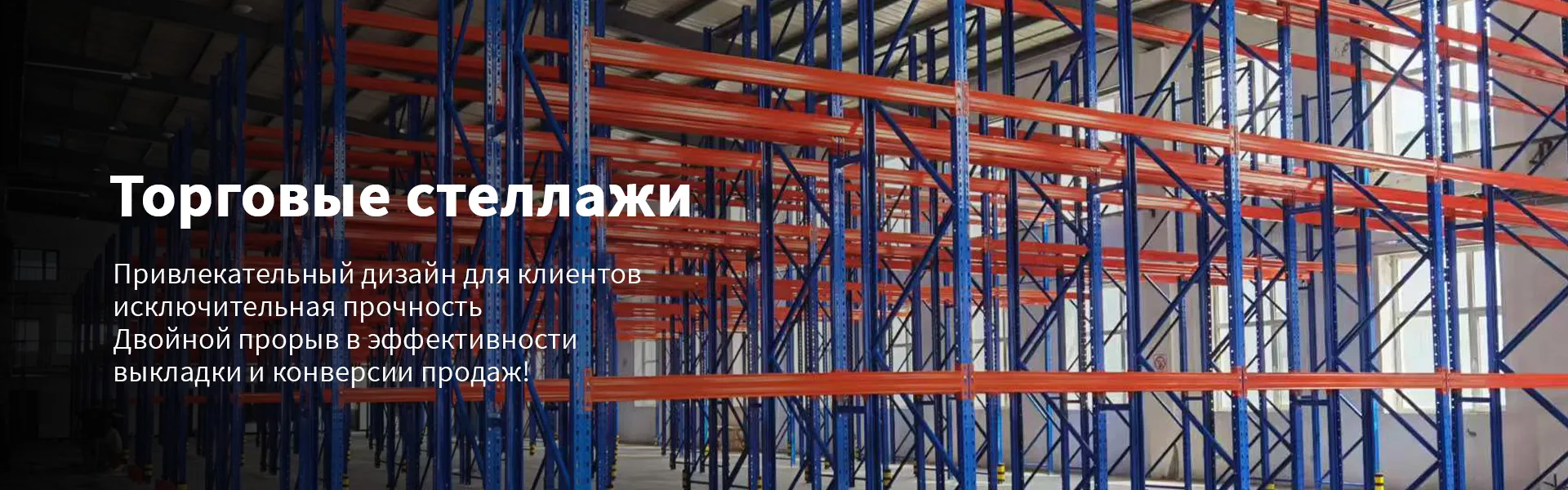
It is important to understand physics here. Light spreads from top to bottom. If you have a rack 12 meters high with dense filling, then the lower shelves will be in the shadow of the upper ones. It is necessary not only to increase the overall illumination in lux according to SNiP, but to think through directional light fluxes, perhaps combining types of lamps. Sometimes it is not ceiling lines that are more effective, but lamps mounted directly onwarehouse racks— on vertical posts, directed into the aisles.
And one more thing - temperature. The same DNATs get very hot. If you have anything heat sensitive stored on the upper tiers, that's a problem. We had to redo it for LED strips, although initially the customer saved money. As a result, I overpaid twice: first for a cheap solution, then for its dismantling and installation of the correct one.
Everyone has heard about lighting standards. 200 lux for the storage area, 300 for the selection area. But a lux meter measures light falling on a horizontal surface. And we have the markings on the vertical side of the box! Therefore, one of the key parameters that I always pay attention to is vertical illumination. Rarely does anyone count it, but it is what determines how easy it is to read a barcode or small print.
The second is uniformity. Sudden changes in brightness tire the eyes. An operator walks kilometers during a shift, his vision constantly changing from the bright light in the main passage to the semi-darkness between the racks. This leads to mistakes and fatigue. The goal is to make the light field as smooth as possible, without deep dips. This is achieved by the correct location and selection of luminous intensity curves (LIC) for lamps. For narrow passages, for example, the KSS “deep” is better suited. or “cosine” so that the light hits downwards and does not scatter to the sides, blinding the neighbors.
And, of course, color rendering (CRI index). If the warehouse works with color markings, fabrics, parts, then the CRI should be no lower than 80. Otherwise, blue will look like purple, and again there will be errors. Modern LEDs make it easy to solve this issue, but it needs to be included in the technical specifications from the very beginning.
In an ideal world, lighting is designed along with the shelving system. But more often we come to a ready-made warehouse with a request to “do something?”. This is where we begin to work with what we have. One of the common “crutches” - this is the installation of LED strips or compact spotlights directly on supporting structures. It is important - not on shelves, but on vertical racks, at a certain height, so that there is light along the aisle. This provides good local illumination, but requires careful cabling and protection from mechanical damage.
Another nuance is dust and moisture. In industrial warehouses or refrigerators, the requirements for IP protection are different. In an ordinary dry warehouse, IP20 will be enough, but if there is regular wet cleaning or condensation is possible, it is better to look at IP54 and higher. Forgetting about this means that half of the lamps will fail in six months.
There was an interesting case with the company?Harbin Jusheng Metal Structure Manufacturing Co.,Ltd.. As a full-cycle manufacturer, from design to installation, they are often faced with requests for a complete solution. On their websitejshj.ruit is clear that they focus on the full cycle of work. And when the shelving and lighting are designed in one connection, the result is harmonious. For example, they can immediately include cable ducts for wiring or special brackets for attaching lamps into the design of the racks. This eliminates the hassle with clamps and screws later. Their approach, as a leading enterprise in northeast China with an area of 20,000 square meters, shows the importance of early integration.
Customers count watts first. LEDs versus fluorescent lamps, payback. This is right. But the savings are not only in kilowatt hours. It lies in the speed and accuracy of the staff’s work. Good lighting reduces the time it takes to search for goods, minimizes errors during picking, and therefore reduces the costs of re-grading and returns. It’s difficult to calculate in exact numbers right away, but there is an effect.
It is also worth remembering the cost of maintenance. Replacing a lamp at a height of 14 meters is a whole operation involving an aerial platform, stopping work in the area and risks for equipment. The longer the service life of a lamp (L70, for example) and the simpler its design, the cheaper its life cycle costs. Sometimes it's better to pay 20% more for hardware, but get a 5-year warranty and easy access to replace the driver, than to patch the system every year.
Here again we return to design. If initially, how doesHarbin Rack Factory ?Jusheng?, include the possibility of easy access to lamps when designing mezzanine or high-rise systems, this greatly simplifies the life of operators. Their experience in manufacturing racks for four-way shuttles, where precision and safety are critical, only proves the rule: no detail is too small.
I’ll tell you about one failed, but very instructive case. The customer wanted a super energy efficient solution. We installed motion sensors in each aisle between the racks. The logic is simple: there is no person - the lights are dimmed or turned off. The theory is great. Practice is a nightmare. The sensors only responded to sudden movements. The operator on the reach truck is driving smoothly - and the light in front of him does not turn on in time. He rides in semi-darkness. Plus, the constant clicking of the relay and flickering when turning on/off drove people crazy. The system was shut down a week later. Conclusion: Automation must be smart and take into account real-life work scenarios, not just savings.
Another common mistake is ignoring the future. The warehouse is dynamic. Today there is pallet storage, tomorrow there will be fine-mesh racks. If the lamps are tightly tied to the current layout, any rearrangement turns into torture. It is better to initially make the system more flexible: for example, use busbars instead of rigid wiring, so that you can move the lamps as you remodel.
And lastly, don’t be afraid to experiment with zoning. It is not necessary to light the entire warehouse equally. The receiving/shipping area, the high rack storage area, the picking area - they have different tasks and, accordingly, there may be different lighting scenarios. Sometimes in the area of cantilever racks for long items you need a completely different lighting angle than in the area of shelf racks for small parts. You need to look at the process and adapt to it.
So, back to the beginning.Organization of lighting for warehouse racks- this is not a separate option. This is a systemic issue that directly affects the safety, ergonomics and economic efficiency of the entire warehouse. It cannot be farmed out to electricians on a residual basis. It is necessary to involve racking system designers, warehouse technologists and, of course, those who will work in this warehouse in the process.
The best results are achieved when a manufacturer like Jiusheng, which is involved in design, production and service, considers lighting as one element of its racking system. Then truly integrated solutions are born, where the design and lamps complement each other and do not conflict. After all, there is only one goal - to ensure that the goods are located quickly, accurately and safely. And without the right light this is simply impossible.
Think about lighting from the very beginning. Ask shelving suppliers if they have established lighting solutions. Look not at pretty pictures, but at real cases and numbers. And remember that good lighting in a warehouse is not an expense, it is an investment. An investment in speed, precision and peace of mind at night.