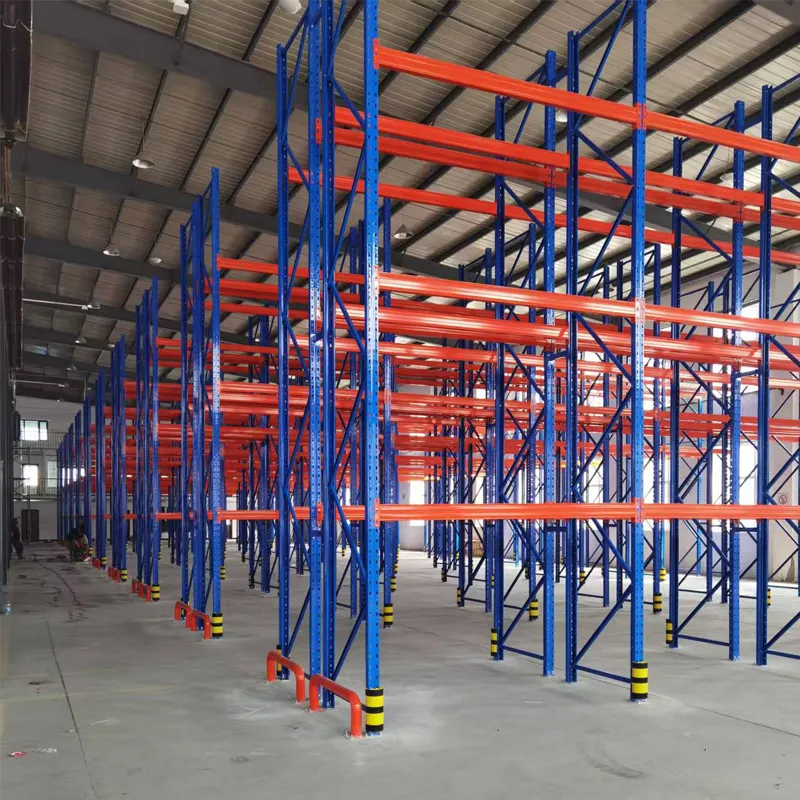
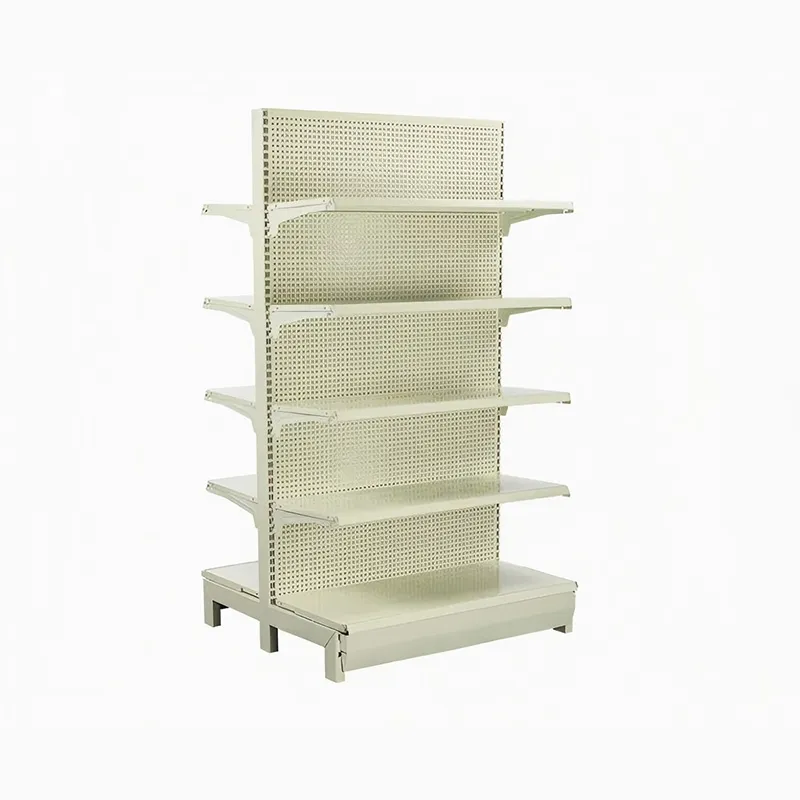
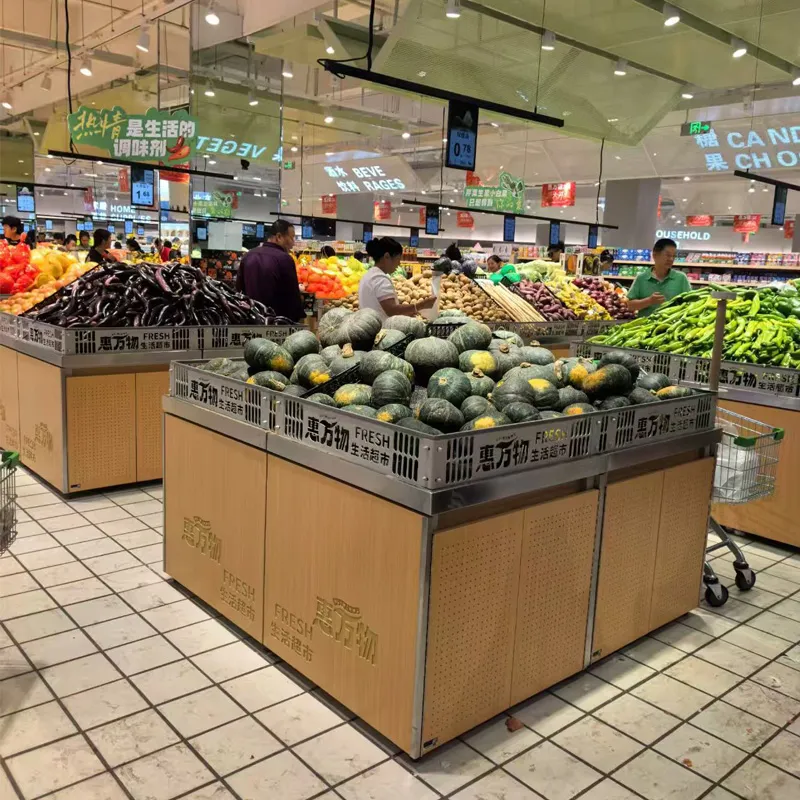
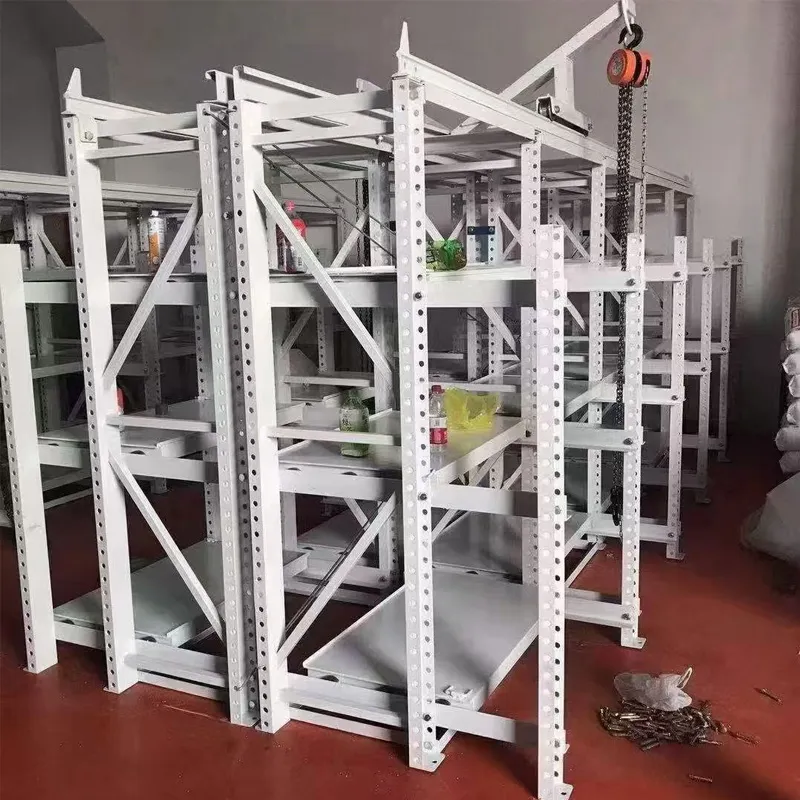
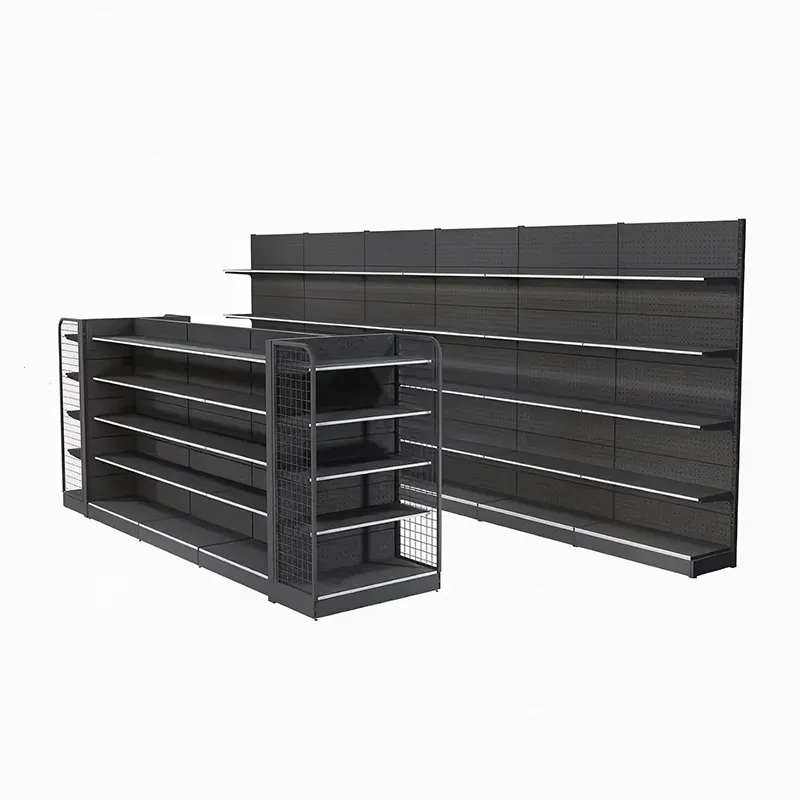
People often think that a rack is just a rack in Africa. Especially for food warehouses - well, make it stronger, and that’s fine. This is the main mistake, which then results in losses, sanitary problems and just headaches. In fact,racks for food warehousesis a separate philosophy where every millimeter and every material counts. I'll tell you how it happens in practice, without embellishment.
The first thing you come across is the requirements. Not those that are prescribed in GOSTs (although they are also), but practical ones. Humidity, temperature changes, constant sanitization. Regular powder paint, which is used to paint standard warehouse racks, may not hold up here. It begins to come off and rust at the joints. I saw this in one of the old vegetable storage facilities - after a couple of years the structure looked depressing, although it held the load.
Therefore, material is conversation number one. Galvanized shelving, with a high-quality, thick layer of zinc, is almost a must-have. But here is a nuance: not every galvanized coating tolerates frequent washing with alkaline compounds. Sometimes the shine is lost and dull spots appear. This is not critical for durability, but for a client who pays for a “food standard”, it is psychologically important that the rack looks decent even after five years.
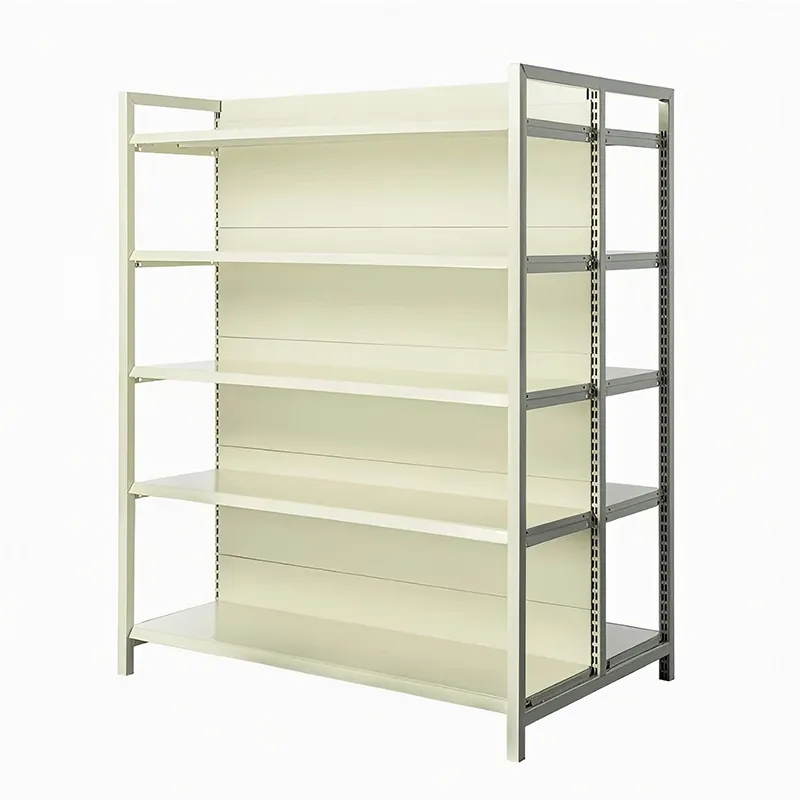
And one more thing about the shelves. Often customers want to save money and install regular perforated steel sheets. But for storing, say, bags of flour or sugar, this is not the best option. Fine dust spills out, accumulates, and is difficult to remove. A smooth, non-perforated sheet or even a special anti-friction flooring is a more expensive solution, but in the long run it pays off with ease of maintenance.
Here is a story from personal experience. An order has arrived for shelving for a conservation warehouse. According to the documents - cans in cardboard boxes, pallet weight up to 800 kg. Designed, installed. And six months later I got a call: the beams are sagging. We arrived and looked - and they were not just cans, but jars in glass, plus the box got wet somewhere during transportation, the cardboard swelled, the weight increased by 30 percent. And it all costs not one tier, but almost right up to the ceiling.
Conclusion: when calculatingracks for food warehousesYou always need to build in a solid margin of safety and be sure to find out the details: is there any possibility of moisture, will there be temperature changes (which affects condensation and the weight of the container), how often will the goods be moved. Food stuffs are alive, unlike, say, rolled metal.
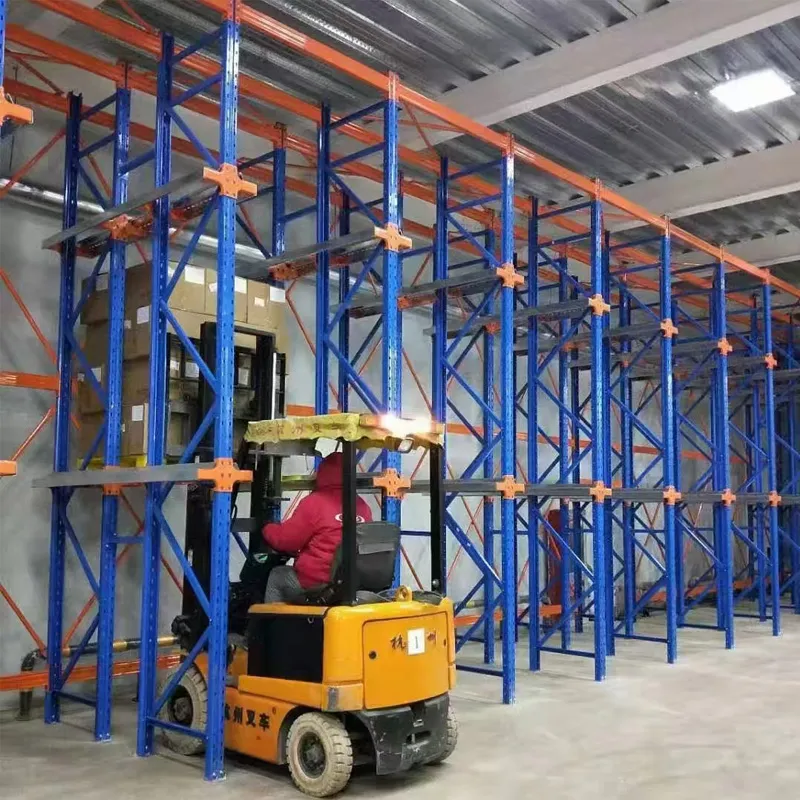
Particular attention should be paid to corner posts and fastening points. Vibrations from forklifts, constant pull-out load? when removing pallets from the middle of the tier. A weak knot will quickly give way. We are in our projects as if we were at the same factory?Harbin Jusheng Metal Structure Manufacturing Co.,Ltd., we always strengthen these places, sometimes even beyond the norm. It's better to be safe than to patch the system later under load.
Sanitary services love measuring distances. From the floor to the first shelf, between tiers, from the rack to the wall. And they are right in their own way. If you can’t properly sweep or wash the floor under the structure, sooner or later something unwanted will start there. Therefore modernfood racksThey are often designed either on high support shoes so that mini cleaning equipment can drive under them, or they generally make cantilever suspended systems, where the racks are attached to the ceiling and there is a clean floor below.
But here a conflict with logistics arises. High clearance can reduce overall stability, especially for high-rise racks. And suspended systems require perfectly strong floors, which not every old warehouse has. We have to look for a compromise. Sometimes a non-standard layout helps: in active storage areas there are classic dense rows, and along the perimeter, where access is less common, there are more gaps for cleaning.
And one more thing about covering the shelves. A smooth sheet is good for cleaning, but bad for the stability of pallets, they can “drive”. The solution is combined flooring or the use of special anti-slip tapes. It's a small thing, but you can't do without it.
We had a project for a large distribution center for dairy products. Cold warehouse, constant temperature around +2°C, high humidity. They made racks from galvanized steel, everything was smart, as it seemed. But a year later, the client complained about the appearance of whitish smudges on the racks where the beams were attached.
We figured it out. It turned out that in conditions of constant cold and condensation, even minimal stresses in the metal (at the holes for fasteners) triggered the process of so-called “cold corrosion”. The zinc coating in these microdots depleted faster. The problem was solved together with the plant's technologists. For such extreme conditions, we now recommend and use racks with an additional polymer coating over galvanization, especially at connection points. Yes, it's more expensive. But for dairy or meat, where the risks are high, this is justified. By the way, onHarbin shelving plant ?Jusheng?There is just such an option - combined protection, which they have developed for northern regions with harsh climates.
This incident taught us the main thing: you cannot replicate one solution to all food warehouses. Dairy, grocery, frozen, vegetables - each segment has its own “pain points”. It is necessary to delve deeply into the customer’s technological cycle.
When you are looking for a manufacturer for such tasks, you look not at the catalog, but at the cases. Can a plant make not a “rack”, but a system for a specific product? Are their engineers willing to delve into the details of storage? For example, the sameHarbin Jusheng. They are positioned as a full-cycle enterprise - from design to service. This is important for the food industry. Because often it is necessary not only to bring and assemble hardware, but to integrate it into existing logistics, perhaps modifying it to accommodate non-standard pallet sizes or the specifics of the loader.
Their site is 20,000 sq. m and automated lines are, of course, about scale and quality stability. But for me, as a practitioner, what was more important was that they easily entered into a dialogue on that very case with the cold warehouse, did not brush it off, but together looked for a solution. This is an indicator.
As a result, my main advice for choosing: ask the supplier for examples of projects specifically for the food industry, or better yet, go and look at facilities that have been operating for several years. See with your own eyes how the structure behaved in real, not ideal, conditions.
A food storage rack is, in a sense, a living organism. He must ?breathe? (withstand changes in humidity), ?resist? (aggressive environments during washing), “bend, but not break?” (under dynamic load). Making such a system is not assembling a kit according to instructions. This is always a dialogue between a warehouse technologist, a logistician and a manufacturer’s design engineer.
Don't skimp on design and materials. The 10% saved at the ordering stage can then result in constant costs for repairs, downtime and, worst of all for the food industry, risks to the product. goodfood storage rackis not an expense item, but a tool for safe and cost-effective storage. And yes, he demands respect and understanding.
I’m writing this, remembering dozens of objects—successful and not so successful. The main thing I learned is that there are no universal solutions. There is a deep understanding of the task. Look for a partner who shares this understanding.