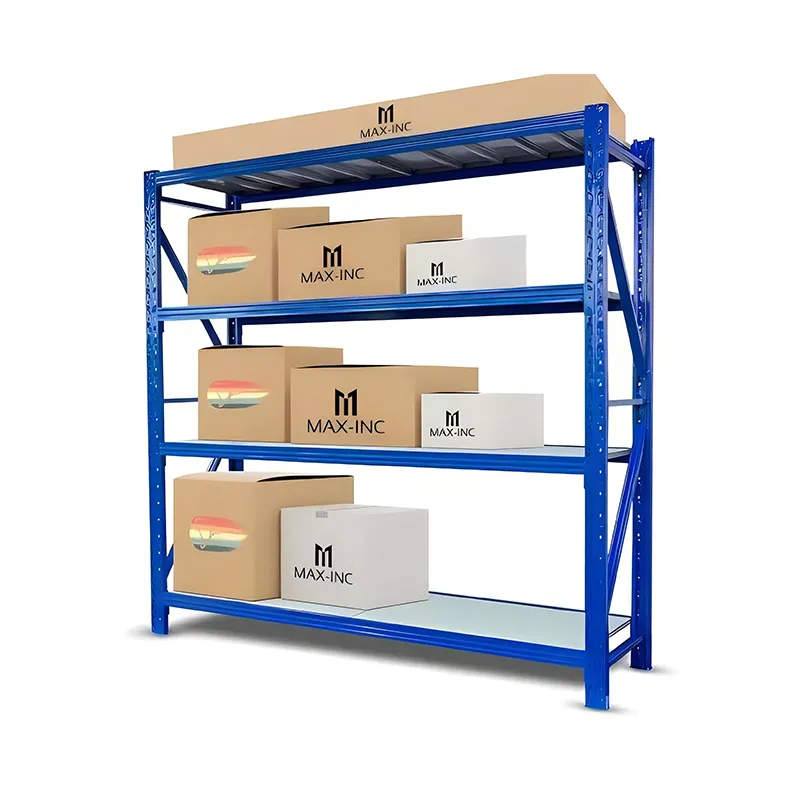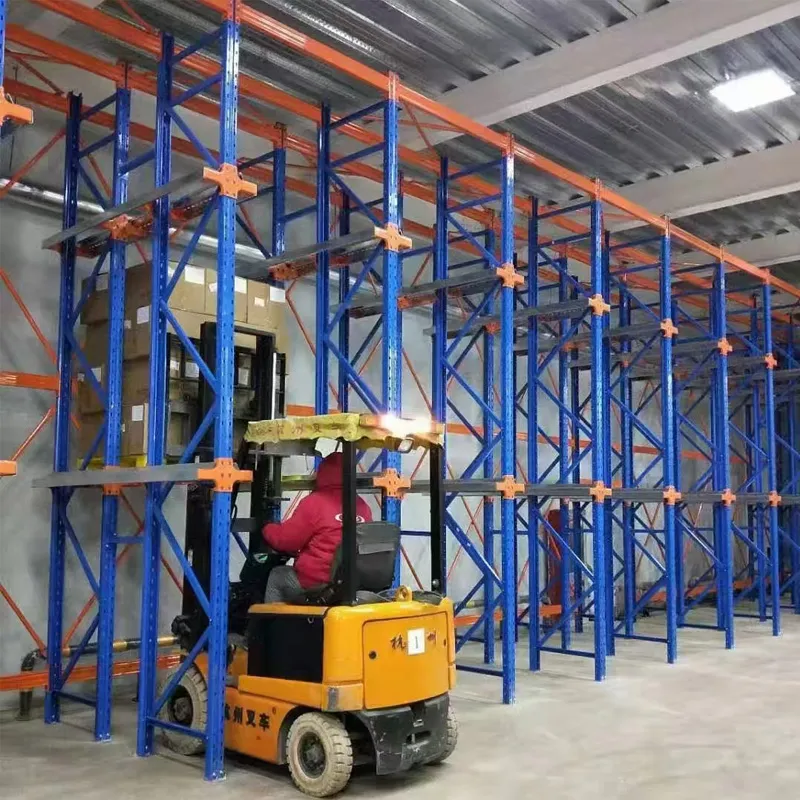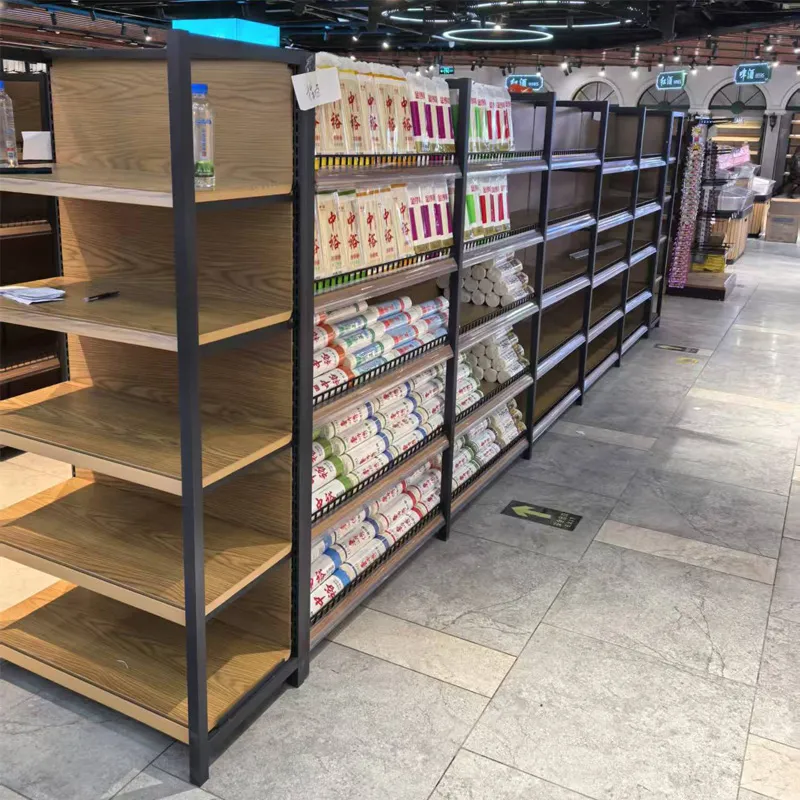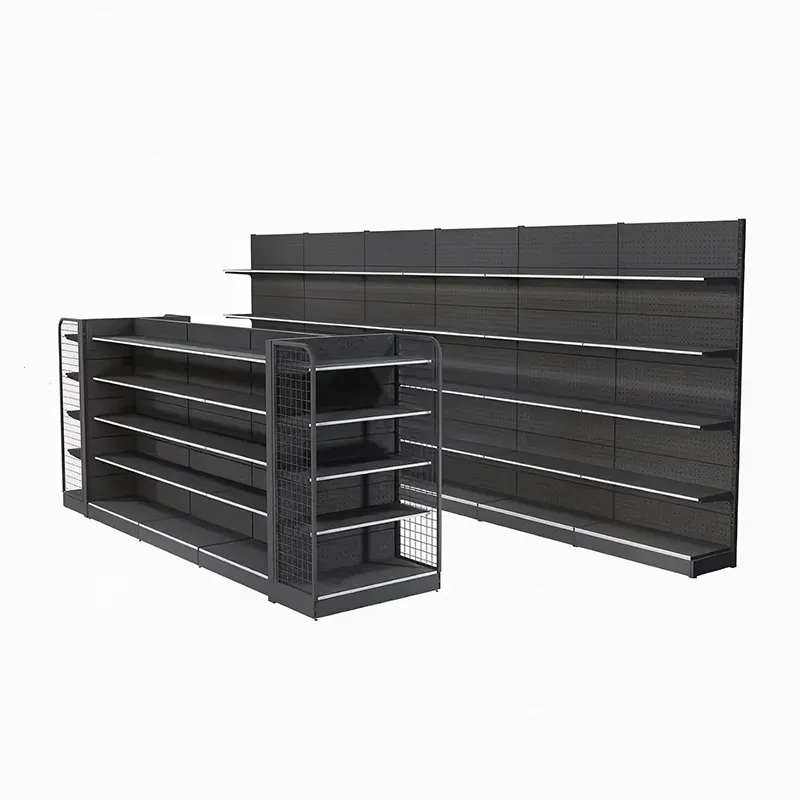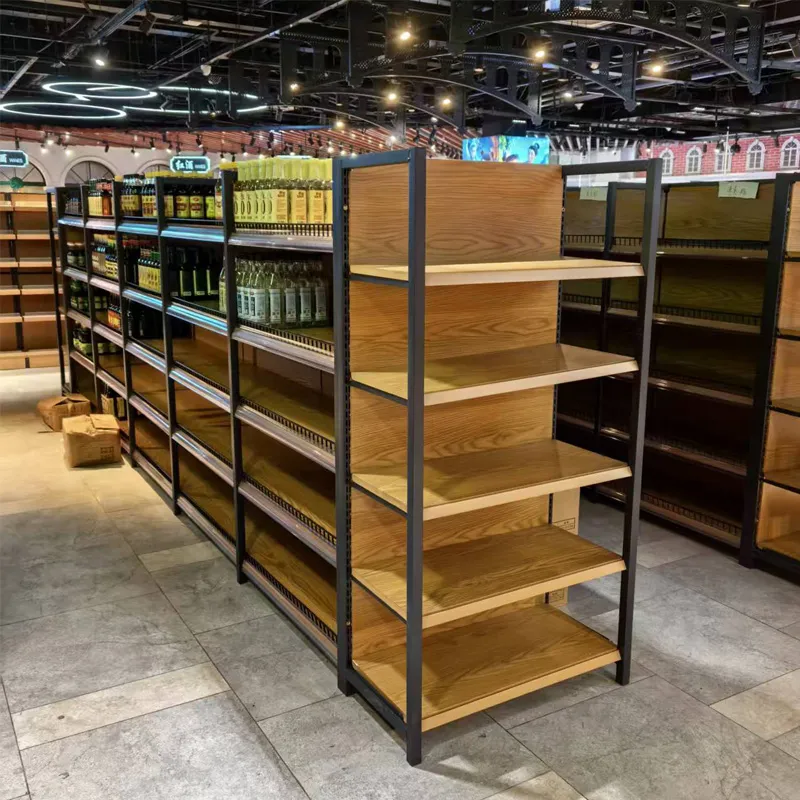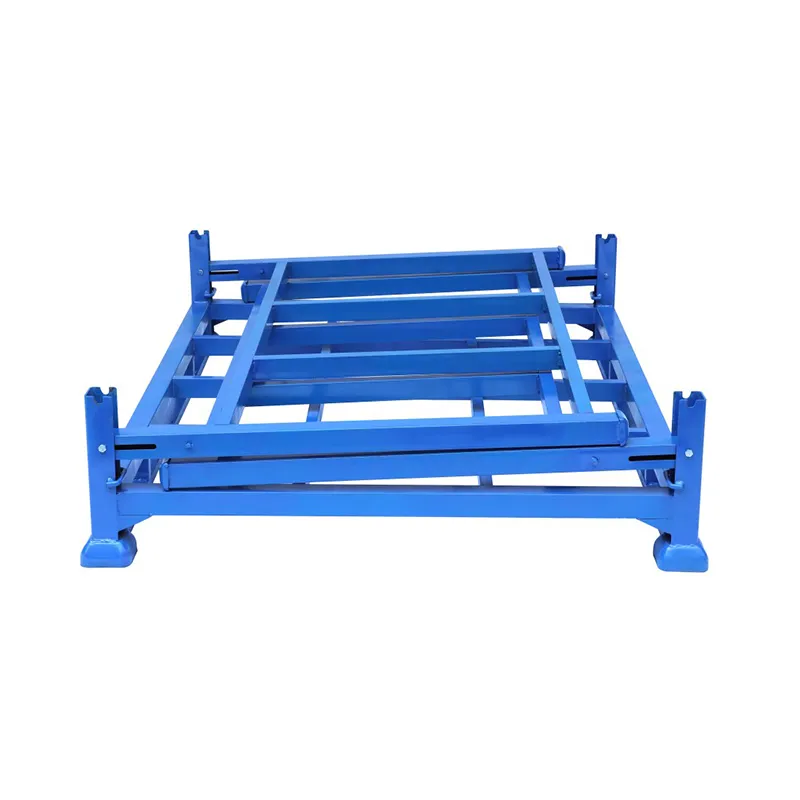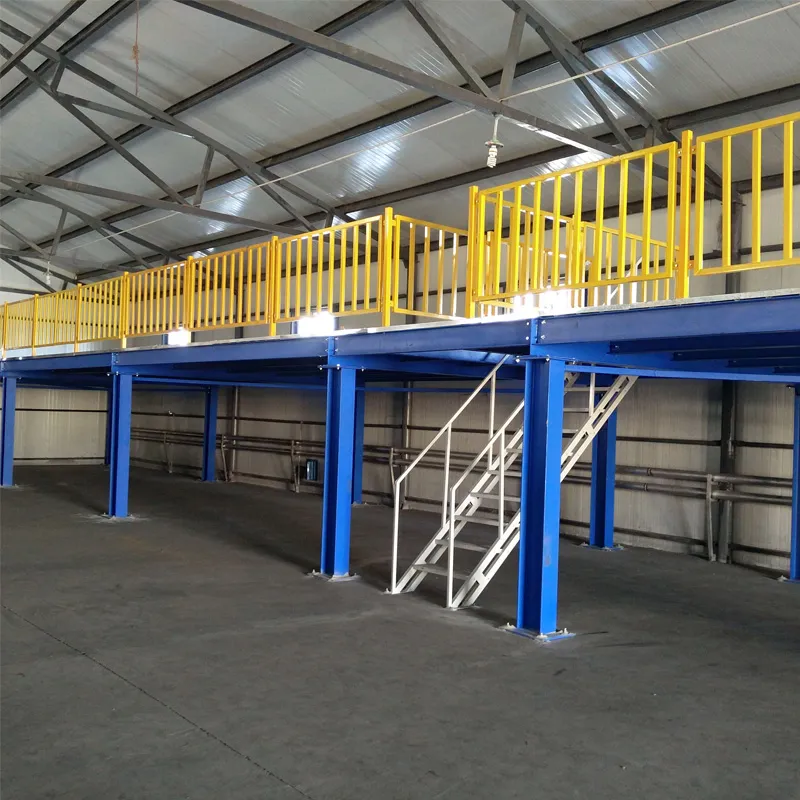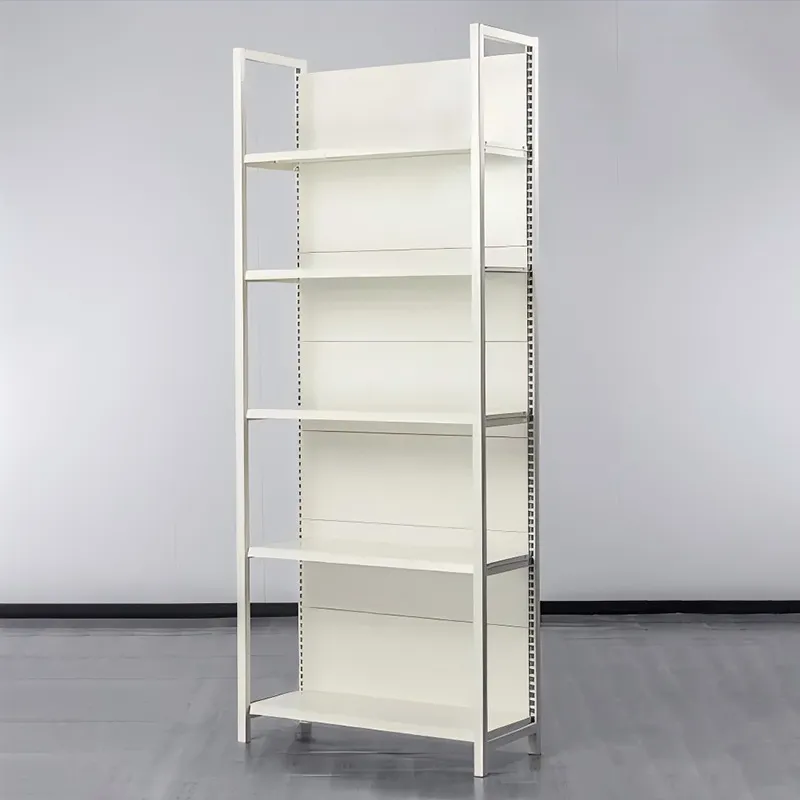
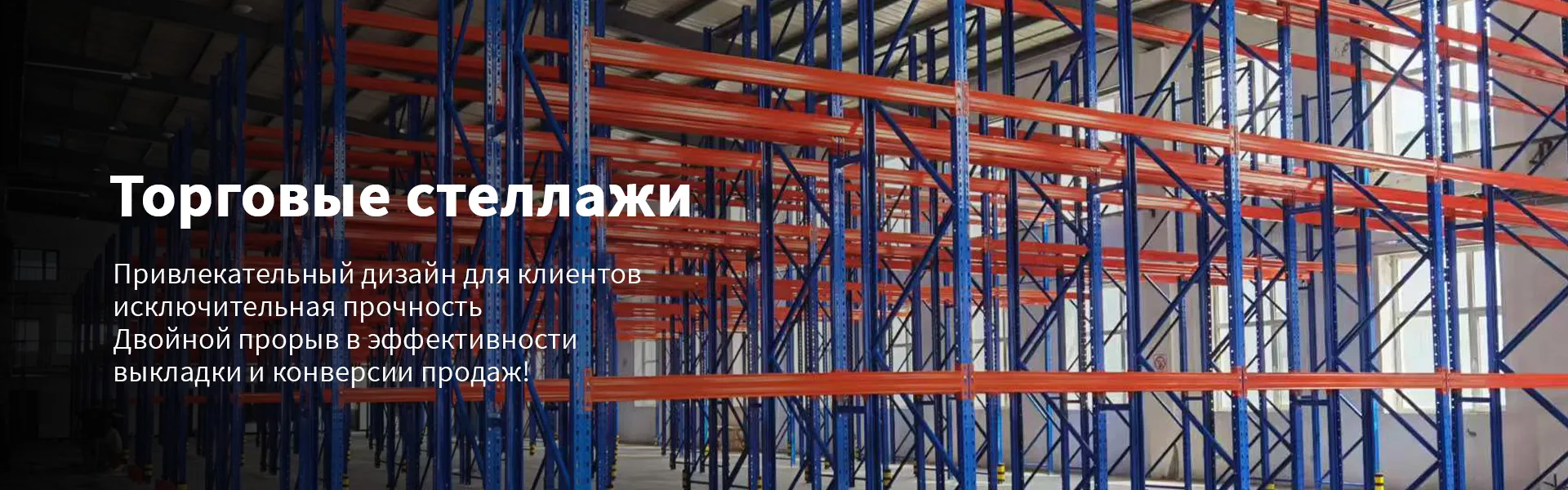
When you hear “high-density shelving,” many people immediately think of just cramped rows of shelves. This is where the first, and most common, mistake lies. Density is not an end in itself, but a consequence of competent engineering. This is a whole philosophy of organizing space, where every millimeter counts, and an error in calculating the load or column pitch can turn into not just an inconvenience, but a serious incident. I have seen more than once projects where the customer was chasing the maximum number of pallet spaces, completely ignoring the specifics of their turnover. The end result was a beautiful, but completely non-functional “wall”, access to which was a pain.
Theory is one thing. On paper, everything fits: load-bearing capacity, dimensions, and even space savings of 40%. But when you start editing, nuances emerge that are not thought about in the office. For example, the notorious installation permit. There are no perfectly flat floors, and if it is not included in the design from the beginning,high density racksThey may simply not come together, or they may come together with such tension that durability can be forgotten. We once encountered an object where the difference was almost 3 cm along the length of the hall. We had to change the design of the support shoes on the fly, otherwise the entire storage system would have gone wild.
Another critical point is the quality of the components themselves. The thickness of the metal, the grade of steel, the type of perforation in the racks - all this is not just “technical details”. This is a security issue. I saw ?budgetary? solutions from some suppliers where the racks were like a tin can. It was necessary to overload it a little, and the profile began to “play”. Bhigh-density systems, especially with a dynamic loading type (say, drive-in), such fluctuations are unacceptable. Here you need metal with a good reserve, otherwise fatigue phenomena will occur much earlier than the calculated service life.
That is why choosing a manufacturer is not a matter of price, but a matter of risk. We need a partner who will not just sell hardware, but will be able to work through the project taking into account all the pitfalls. specific object. For example, if we talk about serious players in the market, then?Harbin Jusheng Metal Structure Manufacturing Co.,Ltd.(their website ishttps://www.jshj.ru) - this is exactly the case. They are not newbies, the plant started in 2019, and what is important is the full cycle from design to installation. Forhigh-density storagethis is key. Because at the calculation stage, their engineers can immediately provide for those same compensators for uneven floors and reinforced components for shuttle systems. They position themselves as a leading enterprise in northeast China with an area of 20,000 square meters. m, and these are not just words - such a scale usually speaks of serious production capacity and, importantly, standardization of quality.
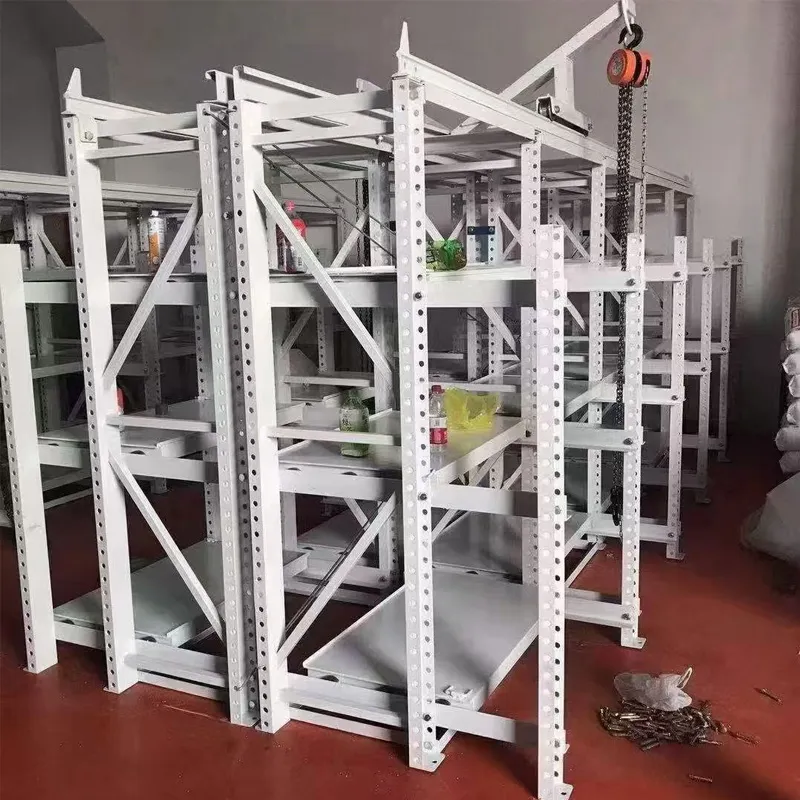
Mistakes are the best teacher. We had a project for a drinks warehouse. The product is homogeneous, the batches are large, FIFO (first in, first out) does not seem to be critical. We decided to introduce a classic drive-in systemhigh-densitya diagram where equipment moves inside the rack. We calculated everything and installed it. And they faced an operational efficiency nightmare. It turned out that the depth of the pallets (we had 7 deep) kills any selection speed. To get the right pallet from the “back row”, we had to rearrange all the front ones. The loader downtime was enormous. Plus - increased wear of the structure from constant arrivals/departures.
This failure forced us to reconsider our approach. For such tasks, a system with four-directional shuttles, which are just mentioned in the assortment of the same “Jusheng”, would be much better suited. This is the next level - automatedhigh density storage. Shattel himself drives along the guides, pulls out the desired pallet, the operator works only in the front area. Density remains high, and the speed of access and safety of goods (less human factor) are an order of magnitude higher. But investments are, of course, different. At that time, we simply misestimated the operating costs, focusing only on the price per square meter of storage.
The conclusion here is simple: the type of system should not be chosen according to the principle of “what is cheaper?” or “what’s fashionable?”, but based on an accurate analysis of SKU, turnover, cargo dimensions and the required selection speed. Sometimes a more expensive initially automated system pays for itself in a year only due to savings on staff salaries and minimizing errors.
In addition to the global choice of system, there are a lot of small but important points. For example, protective elements. Bhigh-density rackingThe passages are narrow, the equipment is working at its limit. It is impossible to do without reliable fencing of the lower tier, protective columns at the corners and end barriers. One awkward maneuver and the loader can hook and “fold” several cells, like a house of cards. This is not a theory, it happened.
Another nuance is fire safety standards. High density means large masses of combustible material (product) in a small area. Integration with sprinkler systems is often required, and this imposes restrictions on the design of the upper beams and requires special calculations. Not every manufacturer is ready to do this, limiting themselves to standard solutions.
And finally, installation logistics. Kits forhigh-density racks- these are not just boxes of bolts. These are large and heavy elements. If there is no way to organize proper unloading and intermediate storage at the site, installation will turn into hell. A good supplier will always advise on this issue during the delivery planning stage.
Now the trend is not just statichigh density storage, but flexible, scalable and programmable systems. The same four-directional shuttles are almost a miniature robotic warehouse. Their configuration can be changed relatively quickly to suit changing business processes. This is expensive, but for high-turnover warehouses with a large number of SKUs, this is no longer a luxury, but a necessity.
What do I expect from manufacturers like ?Harbin Jusheng?? Further integration of hardware and software. So that the racking system is supplied not just with drawings, but with a digital model that can be easily imported into the WMS (warehouse management system). To have ready-made APIs for docking with shuttle controllers. This reduces the startup time of the object and reduces the number of errors during configuration.
In the end, back to the beginning.High Density Shelvingis a complex engineering product, the success of which depends on the triad: competent design (taking into account all the nuances of the object), high-quality manufacturing (where there are no small details in the metal) and understanding of the customer’s logistics. Without any of these elements, the system will either not work effectively or will become a source of constant problems and, worse, risks. Choosing a trusted full-cycle manufacturer is not an overpayment, but insurance against these risks. Just like that, correctly calculated load-bearing capacity of a rack is invisible, but absolutely necessary.