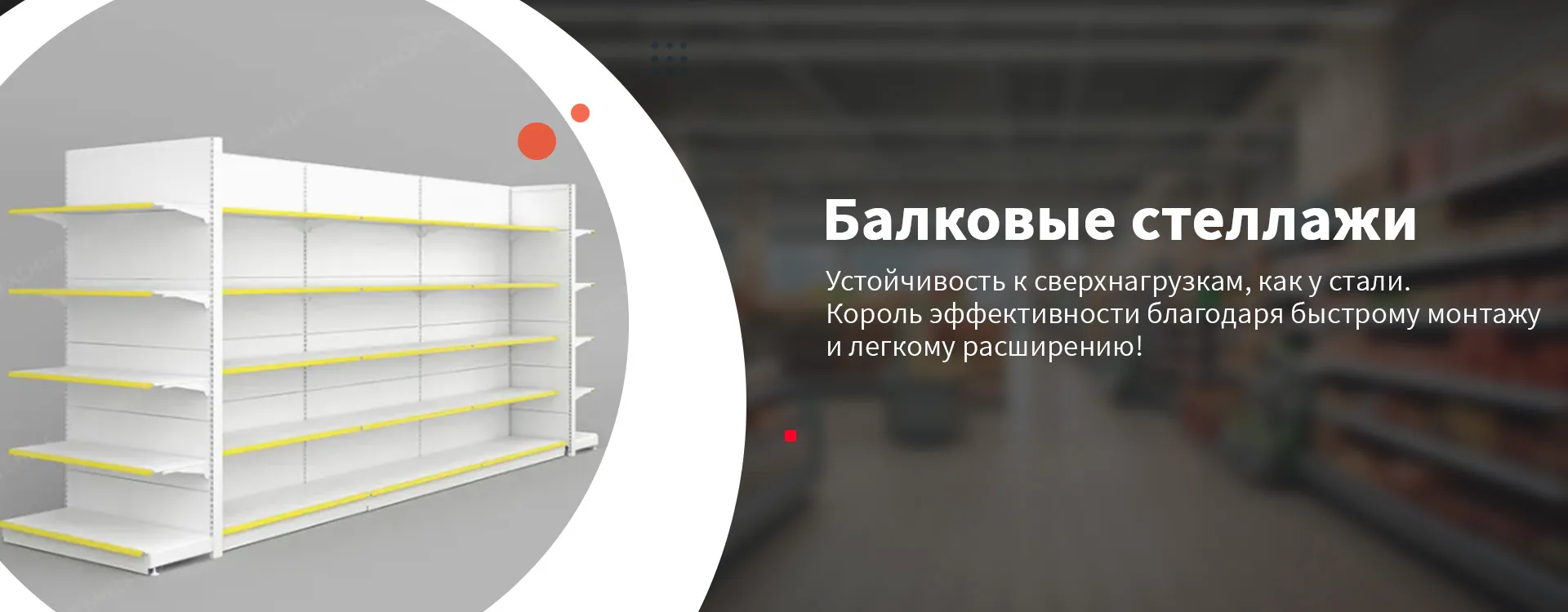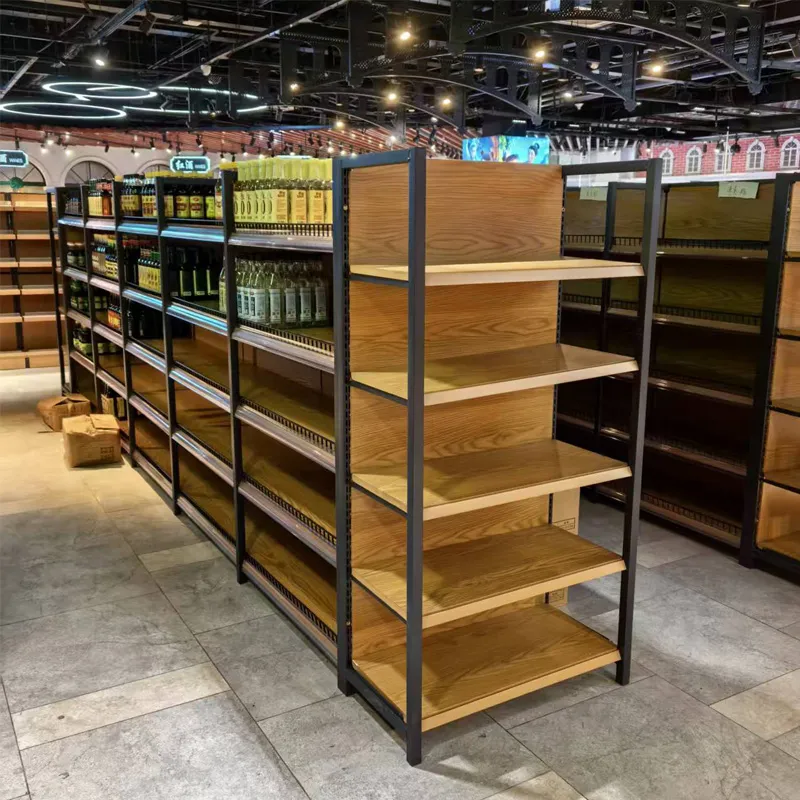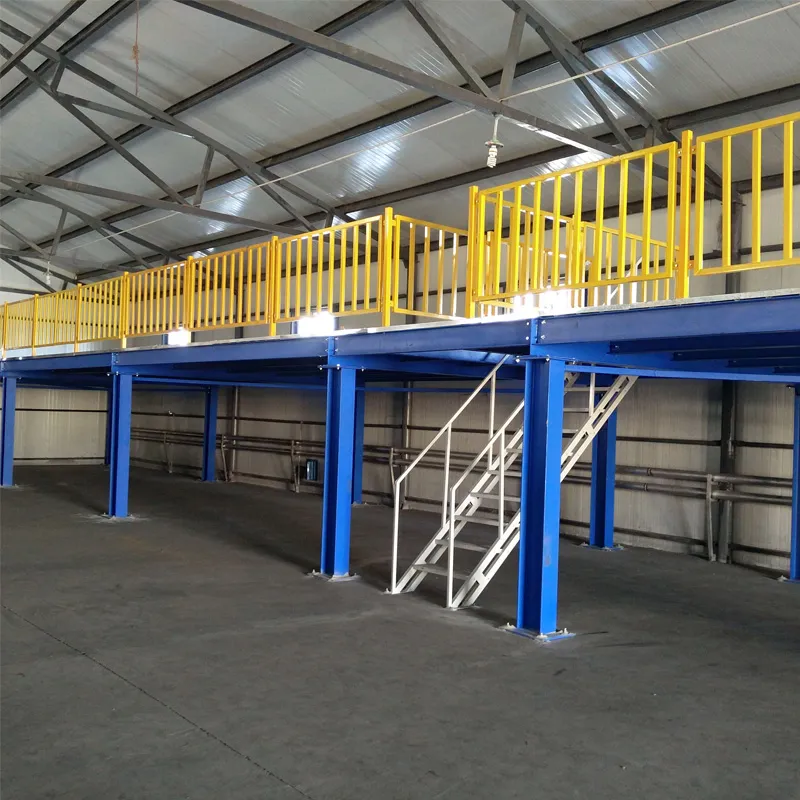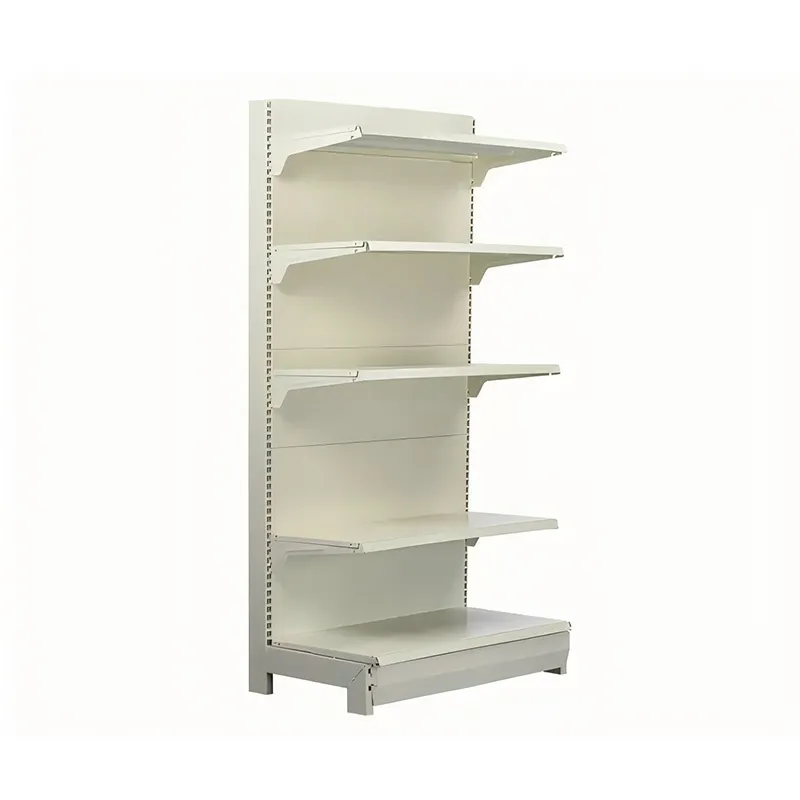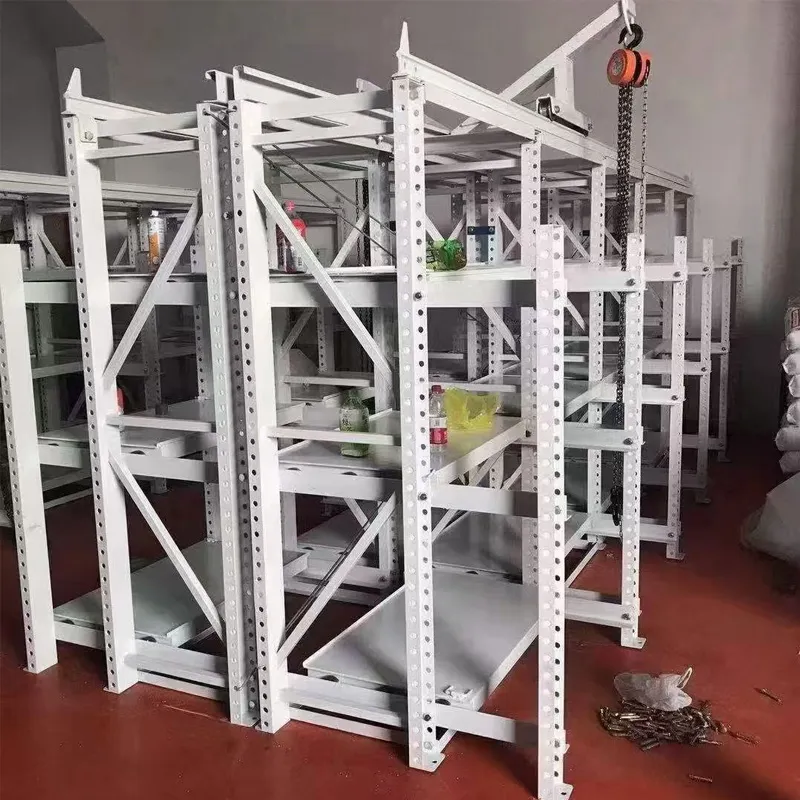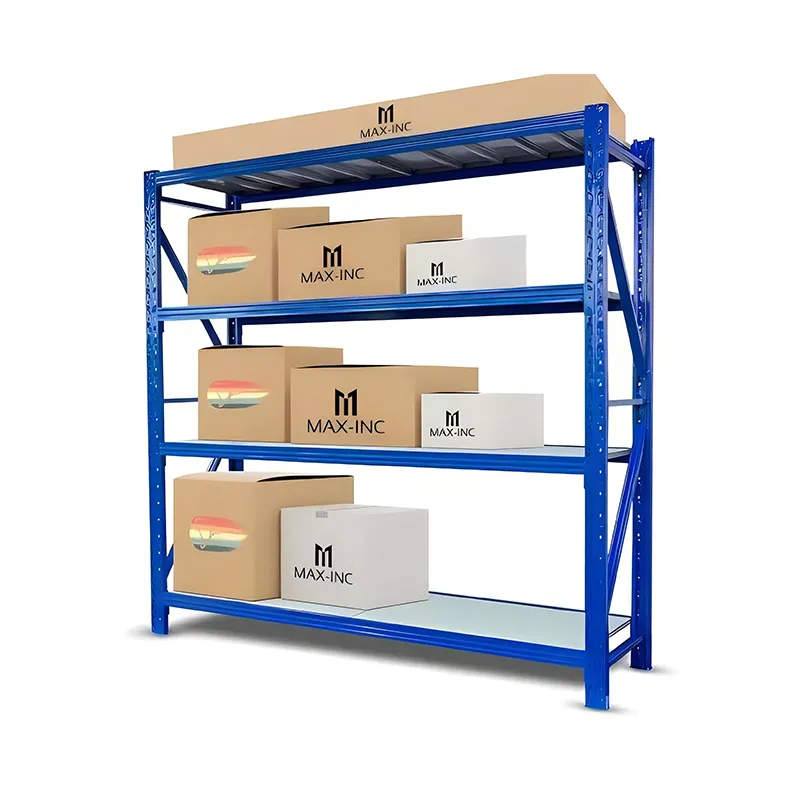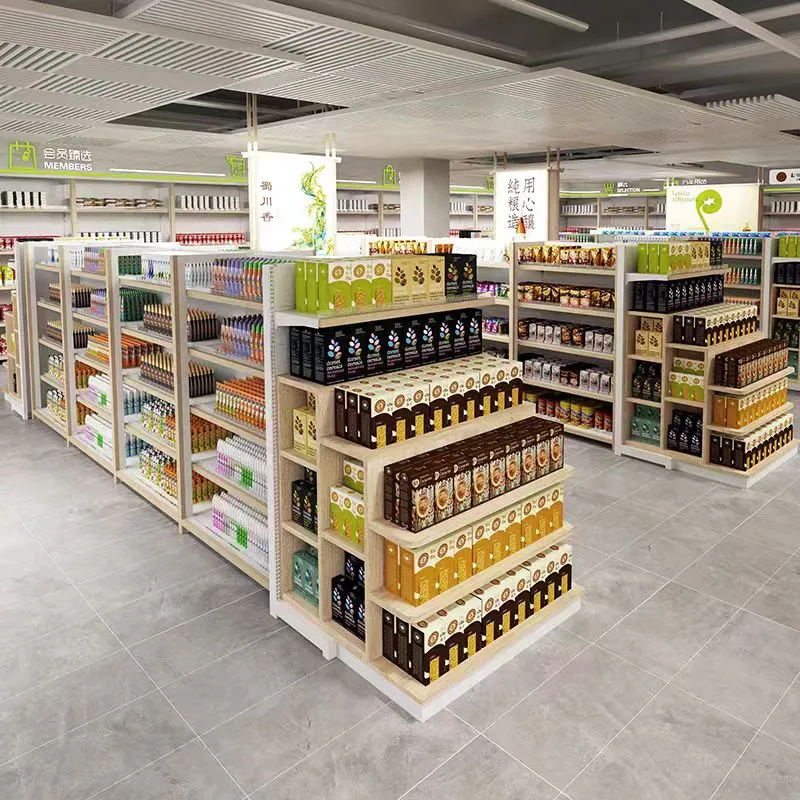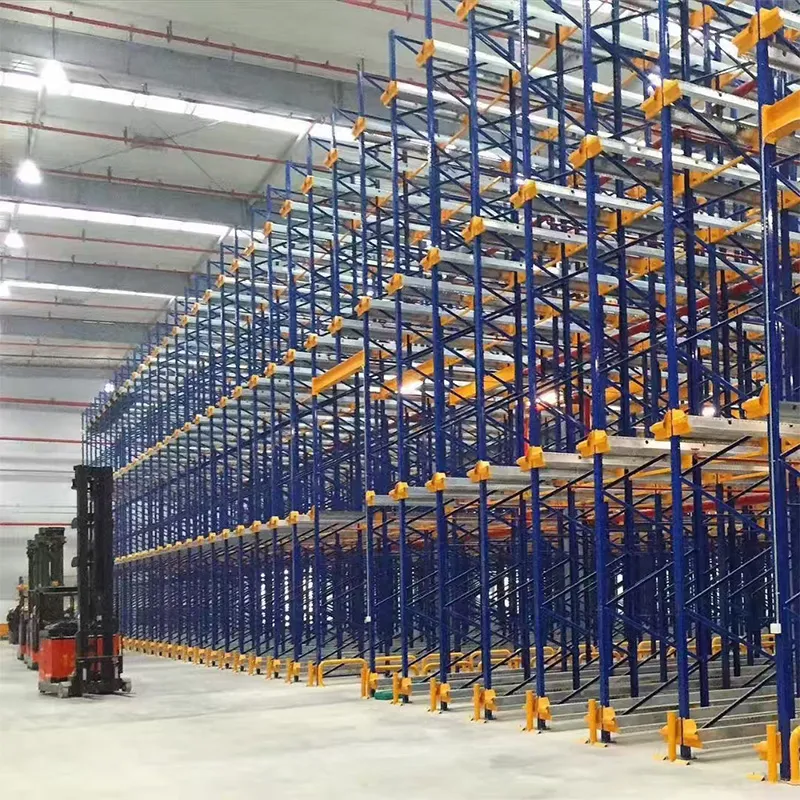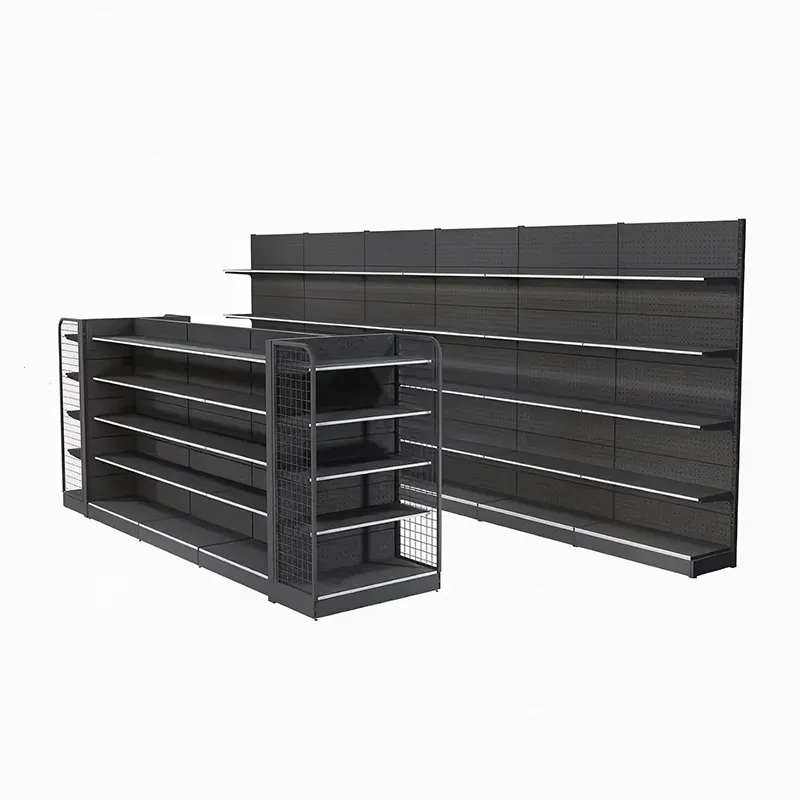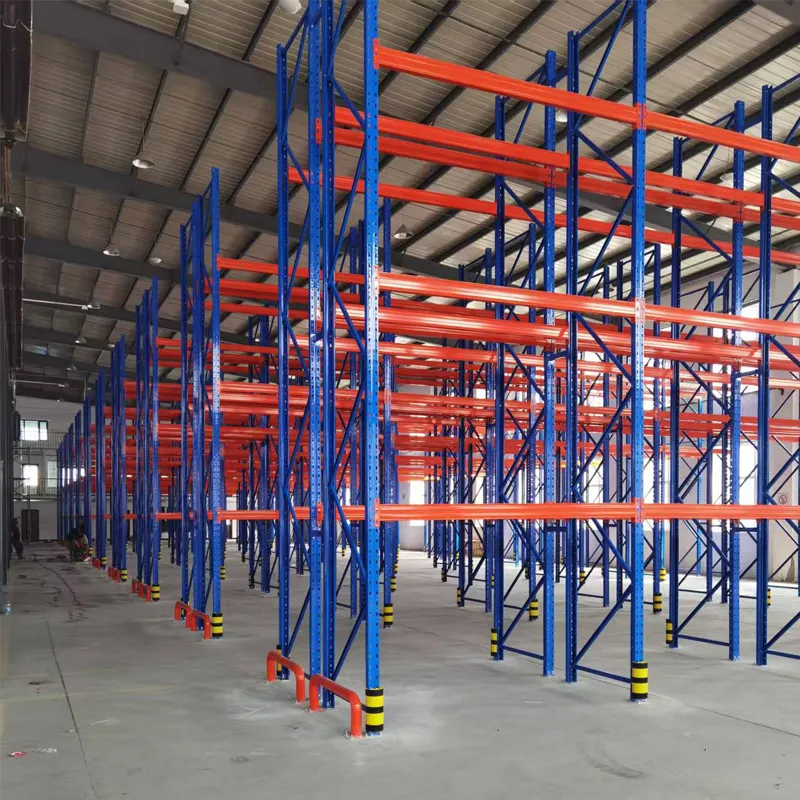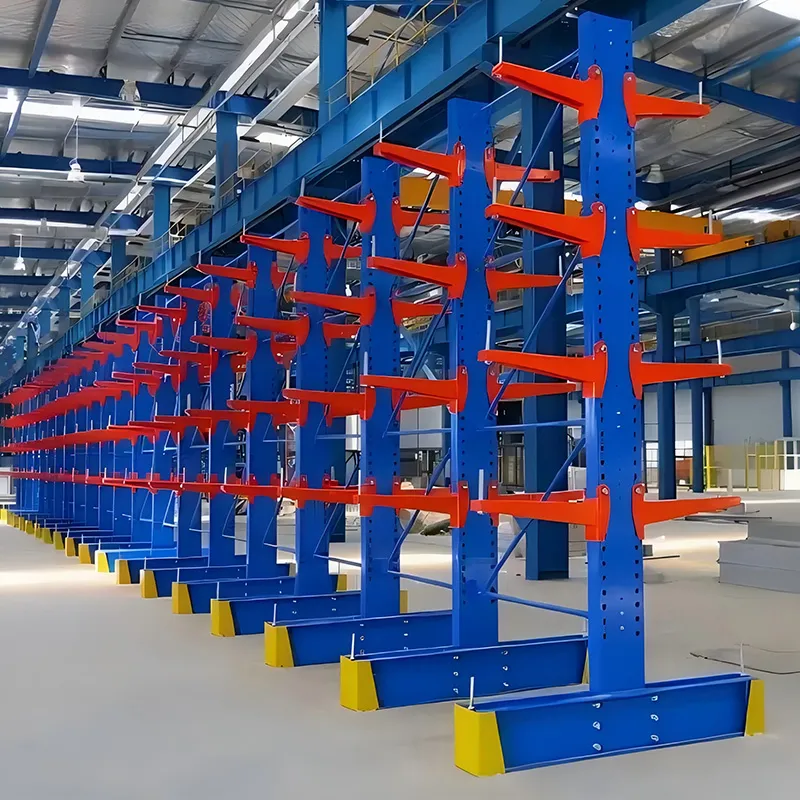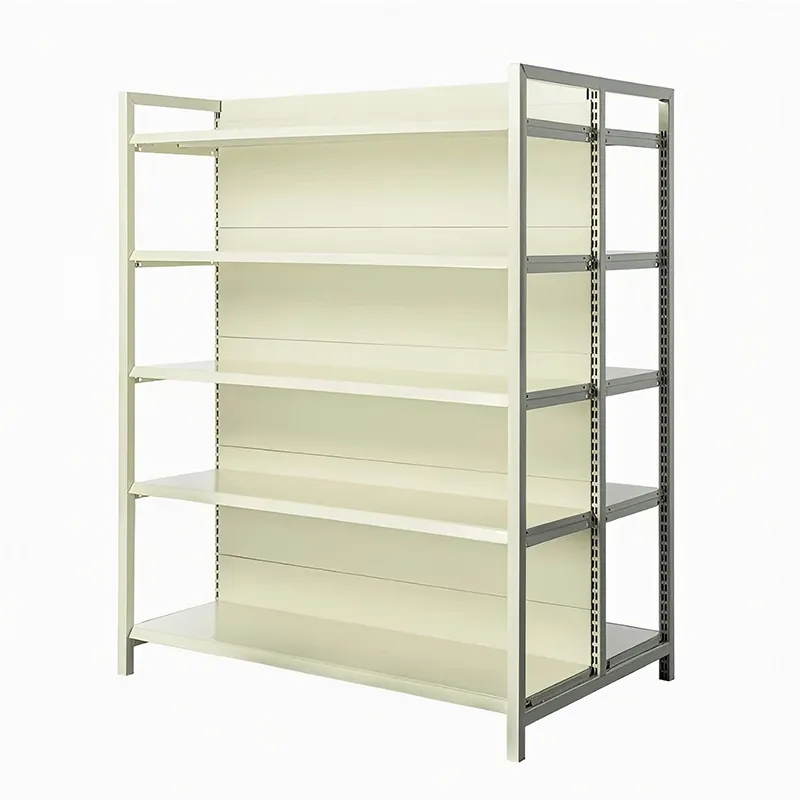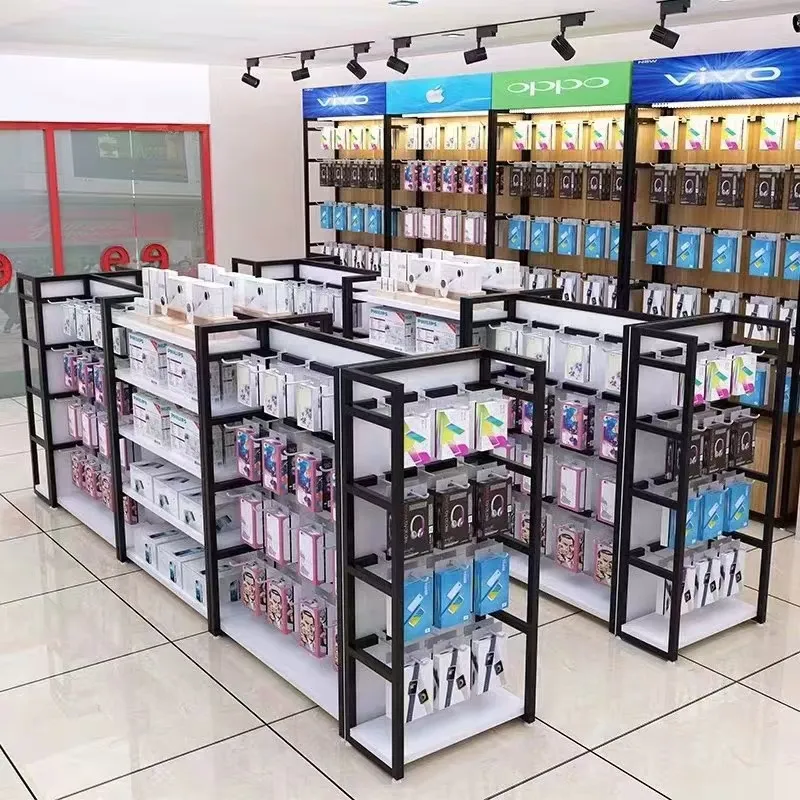
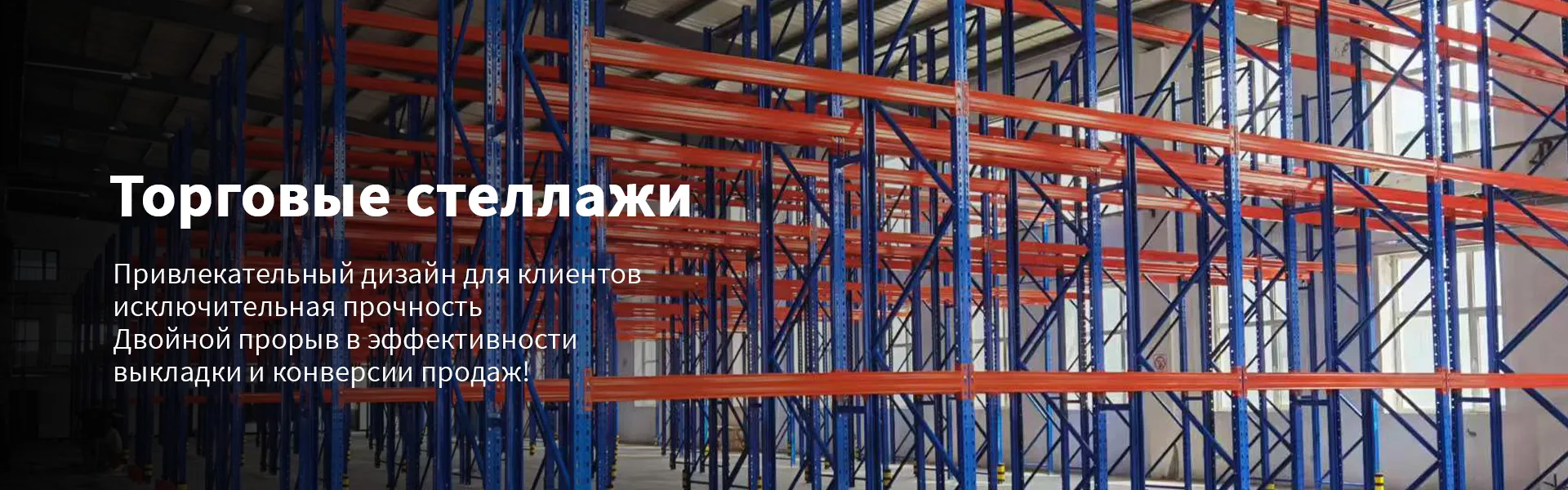
When they say 'supermarket shelving', many people simply imagine iron structures for goods. This is the first and main mistake. In fact, this is a complex system on which logistics, display, safety and, ultimately, profit depend. Over the years of working with various retailers, I have seen how incorrectly selected racks undermine the efforts of merchandisers and increase losses.
An ideal project begins not with a catalog, but with an analysis of goods flow. What product categories? What is their weight, dimensions, turnover? A common mistake is to order the same typesupermarket shelvingfor the whole hall. Groceries and household chemicals require different solutions: different shelf depths, different loads, different adjustment steps. I once saw how shelving racks designed for chips were placed under heavy bottles of water; after a month, the structure failed.
The important thing here is to work with a manufacturer who understands this difference. For example,Harbin Jiusheng Metal Structure Manufacturing Co.,Ltd(their website isjshj.ru) initially requests a detailed product specification. Their engineers don’t just sell ready-made models, but adapt drawings for a specific product range. This is the same 'full cycle' that they claim: from design to installation. Small workshops don’t work like that - they have standard solutions, hence the problems.
Installation is a different story. Even the besttrade rackscan be ruined by a crooked assembly. Not only the level is important, but also an understanding of how the structure will “live” under load, how the carts will ride, and how the staff will carry out inventory. We always insist on supervision of installation from the supplier or at least on detailed instructions. If we saved money at this stage, we ended up with constant repairs and employee dissatisfaction.
The thickness of the metal, the quality of the welds, and the type of coating are safety issues. Cheap racks are often painted with powder paint, which does not adhere well to galvanized steel. After a year of operation, red smudges appear in a damp room, which immediately catches the buyer’s eye and indicates the low quality of the store as a whole.
Our experience has shown that for refrigerated areas or vegetable departments you need either stainless steel or very high-quality multi-layer processing. Chinese manufacturers, such as the same Harbin Jusheng plant, which has been operating since 2019 and has an area of 20,000 square meters. m, often offer a good balance of price and quality due to their own full production cycle. They control the process from sheet steel to finished rack. This reduces risks.
But there is a nuance here too. Automated lines are good for the standard. What if you need a non-standard height or reinforcement for a specific shelf? This is where the manufacturer's flexibility is tested. How quickly can they make changes to the production process? According to my observations, large factories that make andwarehouse racks, and salespeople, are often more technically savvy, but may be less agile. It is necessary to clearly formulate the technical specifications.
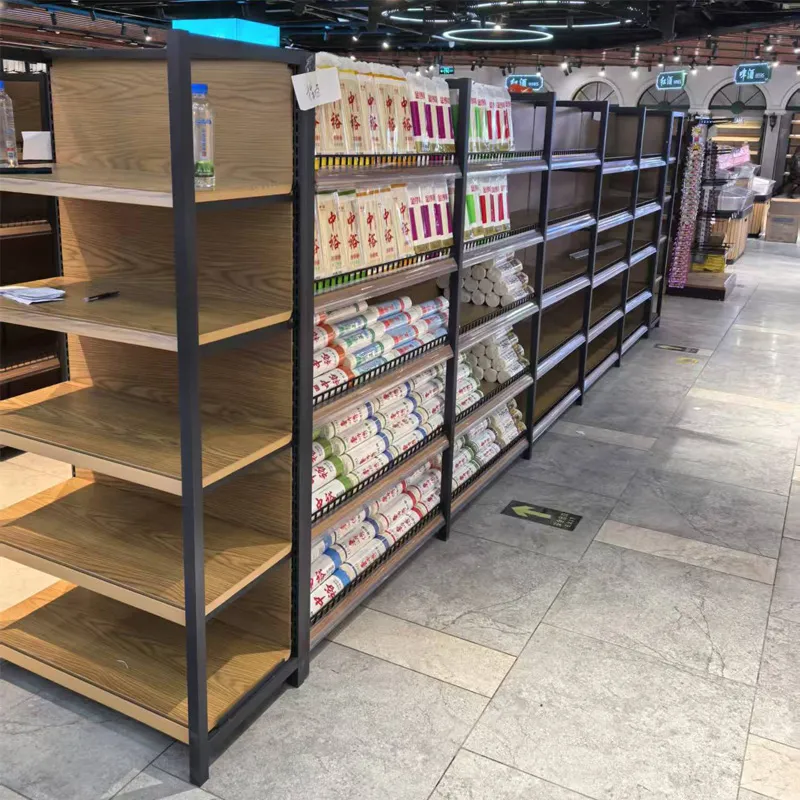
The height of the topmost shelf is a critical parameter. If it is higher than 180-190 cm, the product 'dies' for the buyer. The middle shelf at eye level is gold. But there is no universal solution here either. In convenience stores and large hypermarkets, the anthropometry is different, the target audience has different and average heights. This must be taken into account when designing.
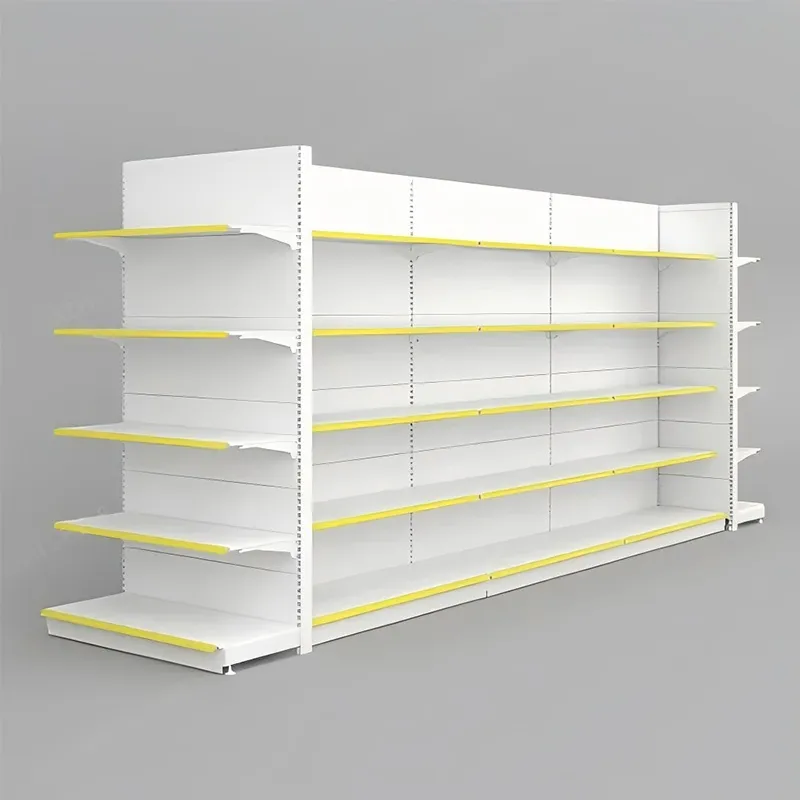
Depth is the second key. A shelf that is too deep (more than 60 cm) for front display creates a “black hole”: the product is not visible from behind, it is forgotten, and expiration dates expire. Too small - does not allow you to create the effect of abundance. Optimally, the ability to adjust the depth of sections for different categories. Good systems, for example, some models from Jusheng, allow this to be done without completely disassembling the structure.
Corner shelving and end displays (gondolas) are points of increased attention. Their design must be particularly strong, since there is more movement and possible impacts from trolleys. A common misconception is to make them the same as linear ones. No, this requires reinforced racks and, possibly, additional fastenings to the floor. Saving on this leads to constant “blockages” of promotional stands.
Few customers think about how the racks will be maintained. How to change burnt out lamps in integrated lighting? How to wash shelves without dismantling the entire section? How to quickly replace a damaged panel or price tag holder? Ideally, the design should allow all these operations to be carried out by one employee in minutes, without tools.
Another practical point is compatibility with retail equipment. Baskets, dividers, hooks for small goods - all this should have standardized fastenings. Otherwise, you find yourself hostage to one accessory supplier. When choosing a main supplierracking systemsYou should immediately clarify the range and standards of compatible equipment.
From the point of view of warehouse replenishment logistics, it is important that the design does not interfere with the transport of trolleys with pallets. Width of passages betweensupermarket shelvingcalculated not only for the buyer, but also for the equipment. A failed project forces movers to unload pallets across the hall and carry boxes by hand, which adds labor and time.
The initial low price is the most dangerous criterion. A cheap rack is thin metal, unreliable coating, and simple fittings. It will last for a year or two, and then constant costs will begin for repairs, touch-ups, and most importantly - to replace damaged goods from falling shelves or to compensate the buyer. The total cost of ownership turns out to be many times higher.
Working with professional manufacturer such asHarbin 'Jusheng' Racking Factory, which positions itself as a leading enterprise in northeast China, often means a higher entry check. But this includes competent design, high-quality materials, a guarantee, and the possibility of technical support. They, as a large specialized enterprise, usually give real, rather than paper, guarantees for loads and coverage.
The key question I always ask the supplier is: 'Show examples of your properties that are 5+ years old and provide contact details of their owners.' The condition of the equipment over the years is the best advertisement. And here it is important to look not at presentation photos, but at real objects, preferably in your city or region. See with your own eyes how the metal behaves, what the coating looks like, how the adjustment mechanisms work.
In the end, the choicesupermarket shelvingis a strategic investment in sales infrastructure. This is not an expense item on which you should strictly save. It’s better to do less, but with high quality and thoughtfully, with a long service life and flexibility for a changing assortment. Because redoing it is always more expensive and more difficult than doing it right the first time.