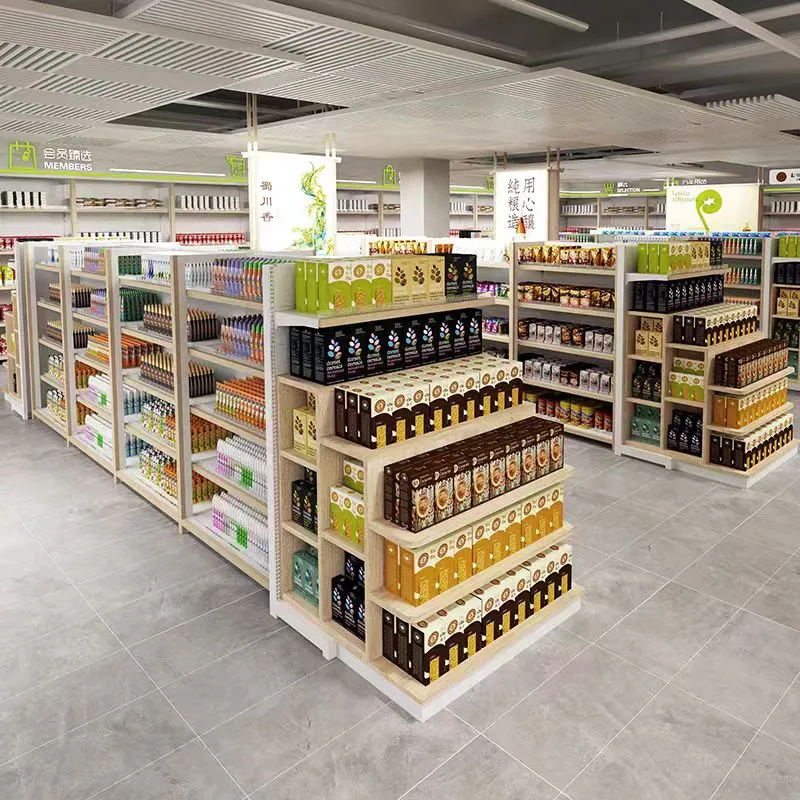
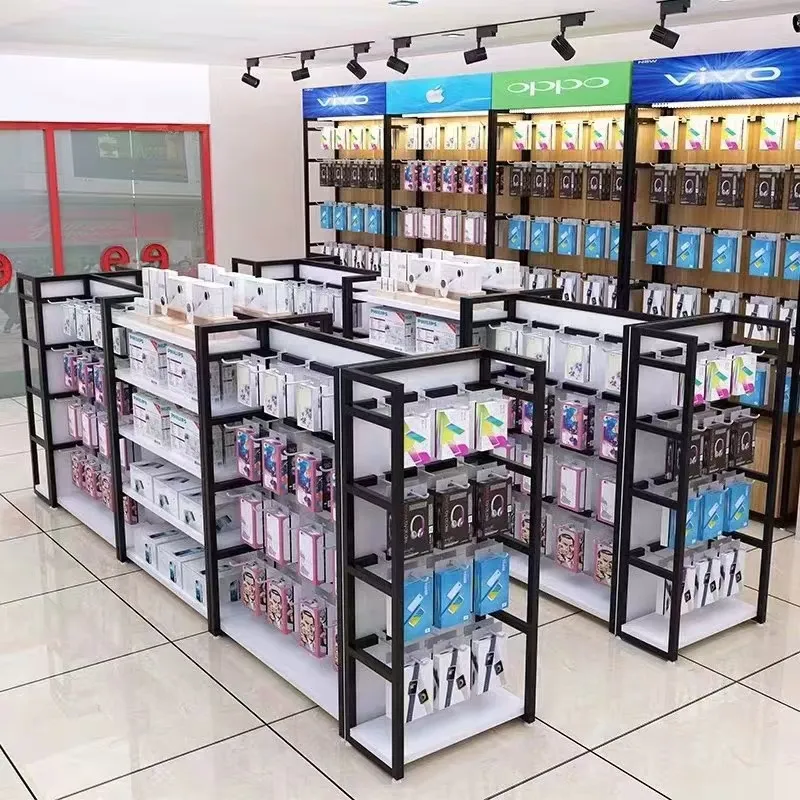
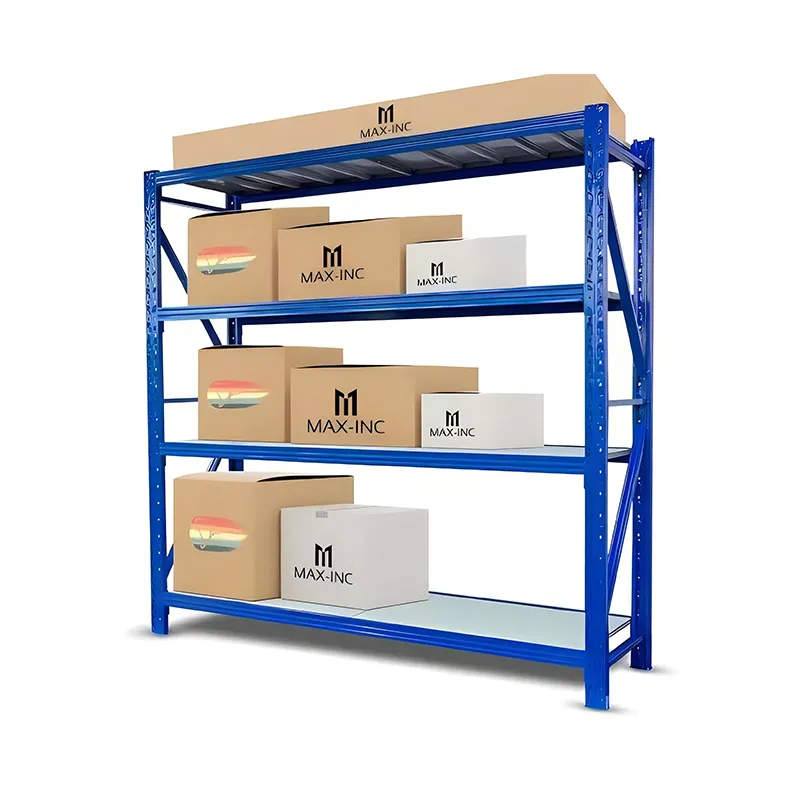
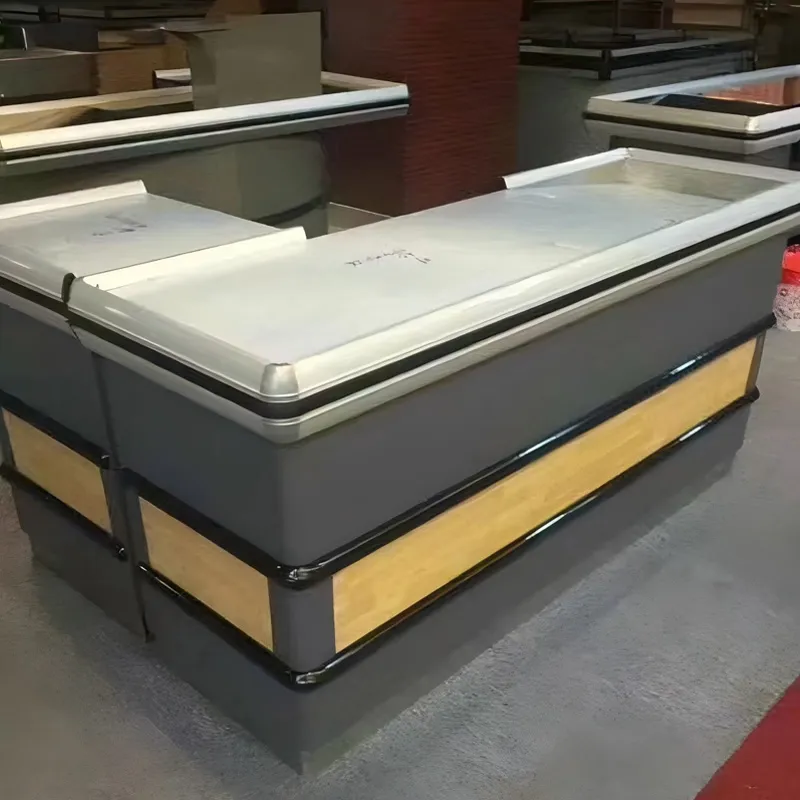
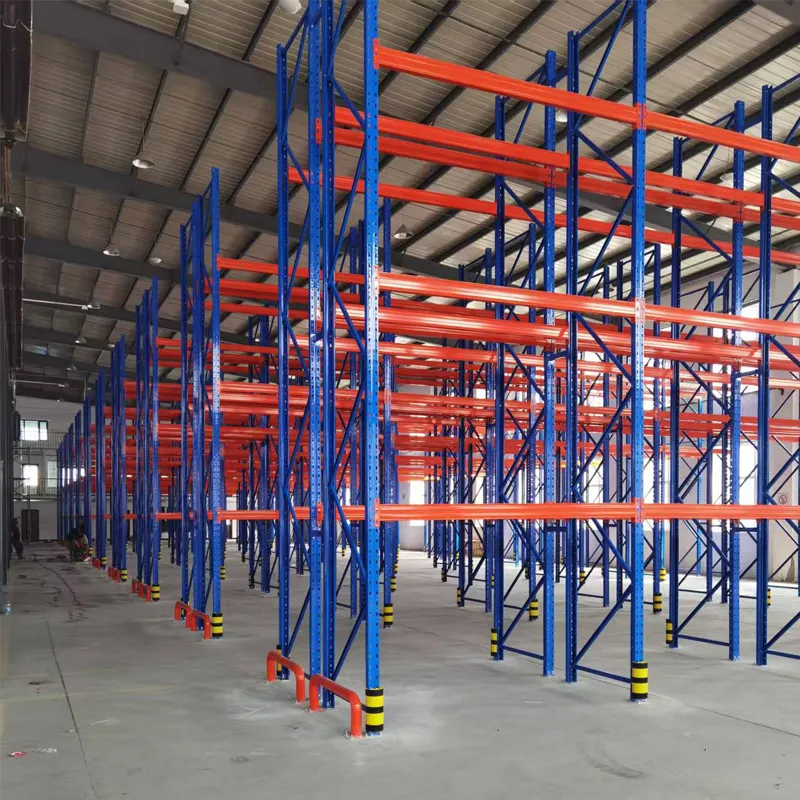
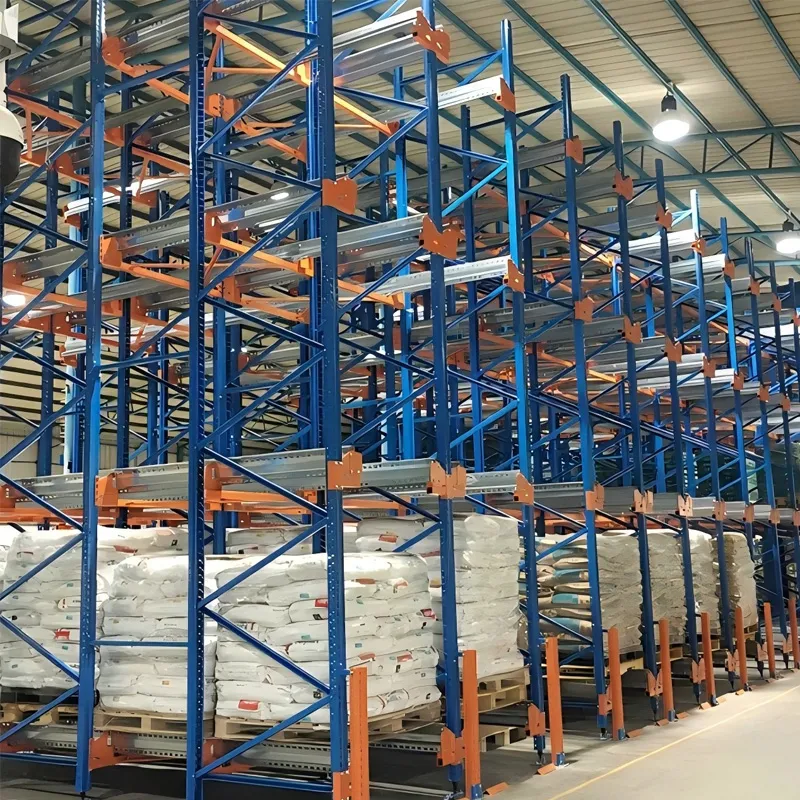
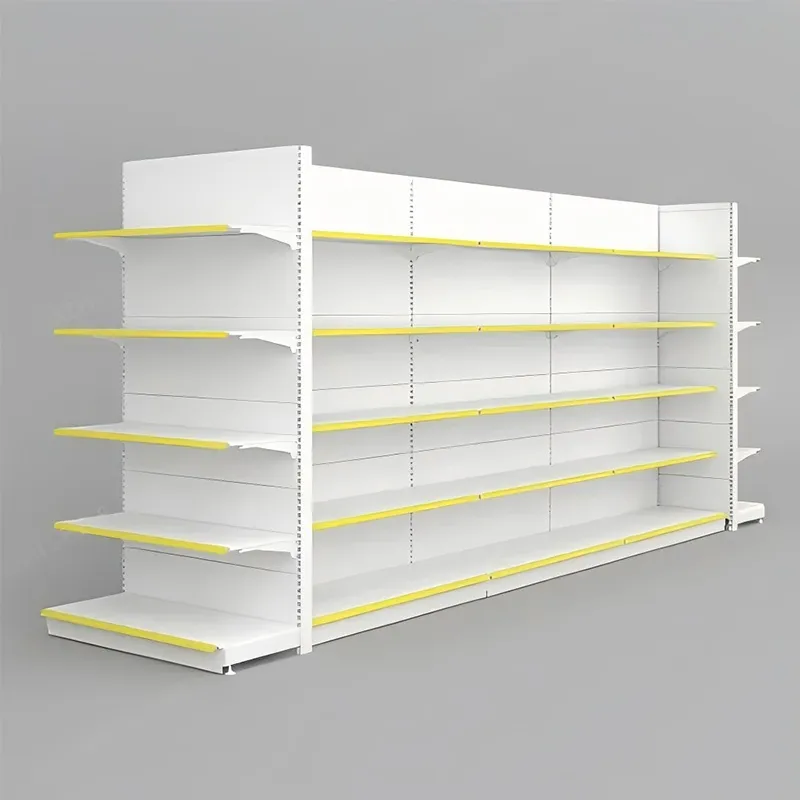
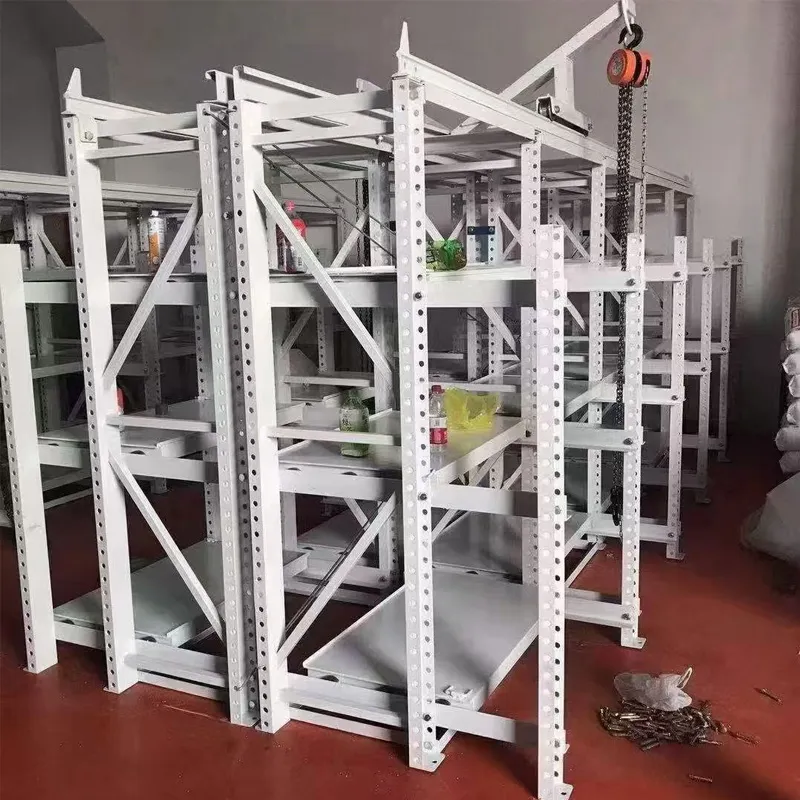
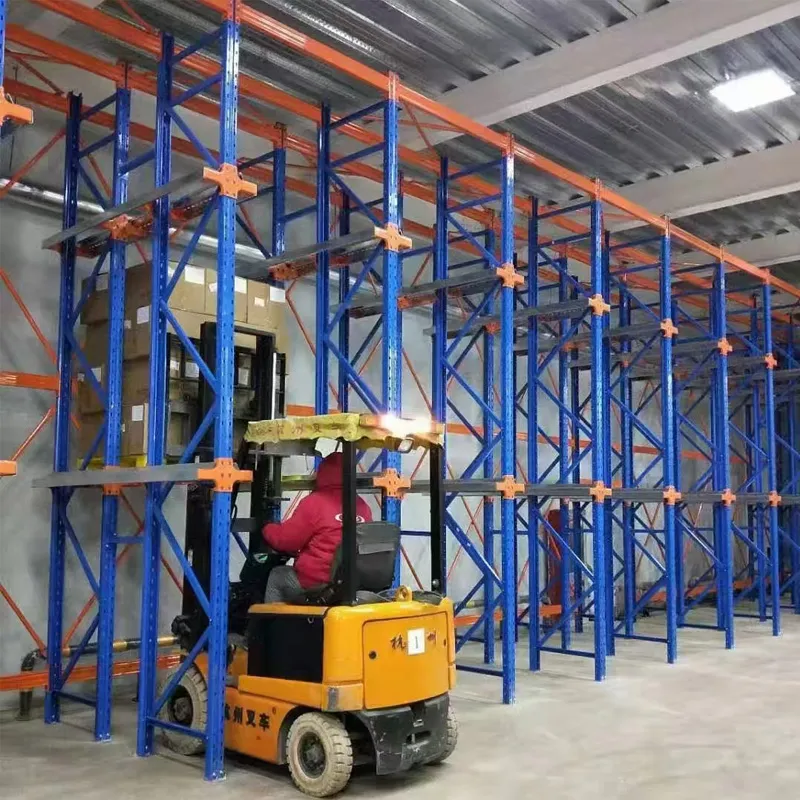
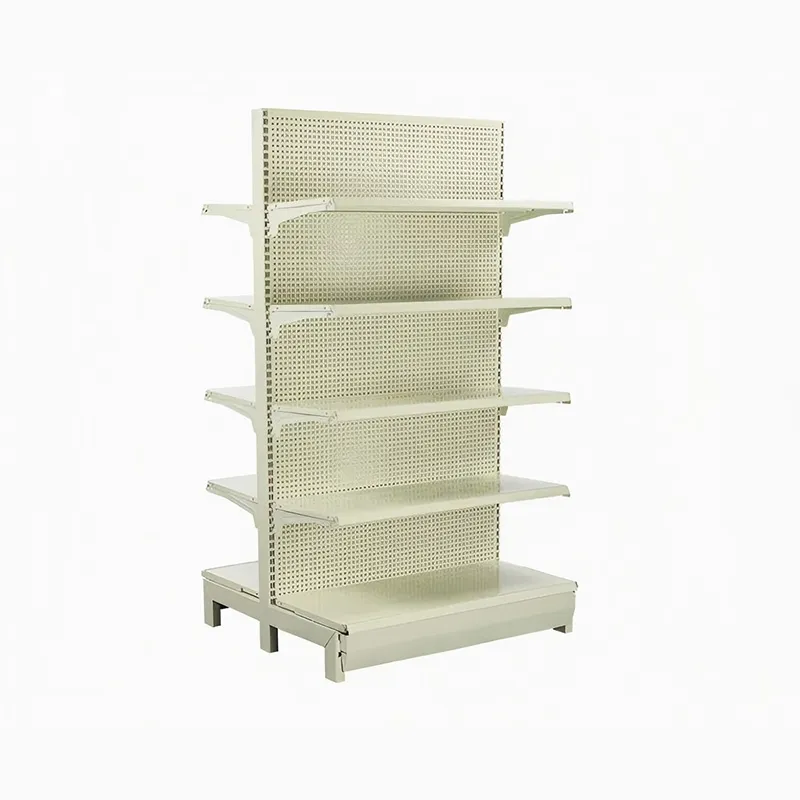
When you hear “racks for shopping centers?”, many people immediately imagine just metal structures with shelves. This is perhaps the most common and dangerous stereotype in the industry. In fact, if you approach it this way, you can easily fail the project. I myself got burned by this at the beginning, when I thought that the main thing was to withstand the weight and fit into the budget. The reality turned out to be more complicated: it is a question of customer flows, product logistics, merchandising and even psychology. Let's just say that a bad rack doesn't just stand there - it steals revenue.
Let's start with design. It would seem that I received a planogram from the customer, calculated the loads, and off I went. But here’s an example: we were doing a project for a large DIY center. All according to the classics:shelving for retail spaceswith high spans for garden tools. Done, installed. And then it turned out that their own logisticians did not take into account the dimensions of their own pallets with soil. Forklifts could not unload the upper tier properly, temporary solutions had to be made, and the client was nervous. Lesson: you need to dive deeper into the client’s operating system than he himself sometimes does. Ask questions not only about the product, but also about how it arrives, moves, and how it will be served.
Another point is versatility. They often ask to do it “like everyone else, only cheaper?”. But the trading floor is a living organism. Today there is a promotion on drinks, tomorrow there is a seasonal product. Rigidly fixed, non-adaptive systems then become crutches. At one time, we began to actively promote systems with height-adjustable beams and removable shelves. Yes, a little more expensive at the start. But when a retailer sees how, in two hours, its employees rebuild an entire section for a new assortment, the question of price disappears. This is no longer just a rack, but part of business flexibility.
And of course, safety. These are not only passport loads. This includes stability during non-standard placement of goods (when heavy items are placed on top, not down), and the quality of the end caps so that there are no sharp corners, and even the color of the coating. Matte paint hides small chips from carts better than glossy paint. Such details come only with experience and, alas, sometimes with complaints from clients.
The market is putting pressure on the price. Everyone wants to save money. But on what? The thickness of the metal, the quality of galvanizing or powder painting - these are the three pillars. I’ve seen projects where they save on steel and use 1.2 mm instead of 1.5. It looks like it's standing and can hold the load. But after a year or two, fatigue, sagging, and creaking appear in areas of active load. Remodeling costs many times more. Therefore, we always insist on engineering calculations with a margin, especially forshopping centerswith high traffic.
Coverage is a different story. Wet cleaning, accidental impacts with trolleys, constant contact with packaging - this is an aggressive environment. Cheap paint with poor adhesion will peel off in spots. Looks bad. After a series of tests, we settled on suppliers of high-quality polymer powders and strict control of pre-treatment (phosphating, degreasing). Yes, this is a 10-15% increase in price. But when the racks look like new after three years, the client returns.
Nowadays there is a lot of talk about modularity and ready-made solutions. It's convenient, but not a panacea. Sometimes it is easier and more reliable to make an individual project from scratch than to try to assemble a “construction set?” from standard modules for non-standard layouts. We had a case with a complex-shaped boutique. Ready-made systems would not work; there would be huge unused areas. We made a custom project, although it took longer. But the use of space is almost 100%, and visually it was an art object, and not just shelves.
Here I can refer to a specific example - a plant?Harbin Jusheng Metal Structure Manufacturing Co.,Ltd.. Why? Because their approach is close to what I'm talking about. They don't just sell hardware. They have their own full cycle: from the design department, which delves into the task, to production and installation supervision. Websitewww.jshj.ru- this is, in fact, a showcase of their competencies. It is important that they are located in Harbin, in the Pingfang industrial area, and have a large territory. This is not a makeshift workshop. For a large turnkey project, be it retail shelving or complexwarehouse racks, such integration is a huge plus. There is no need to run between the designer, the factory and installers who do not know each other.
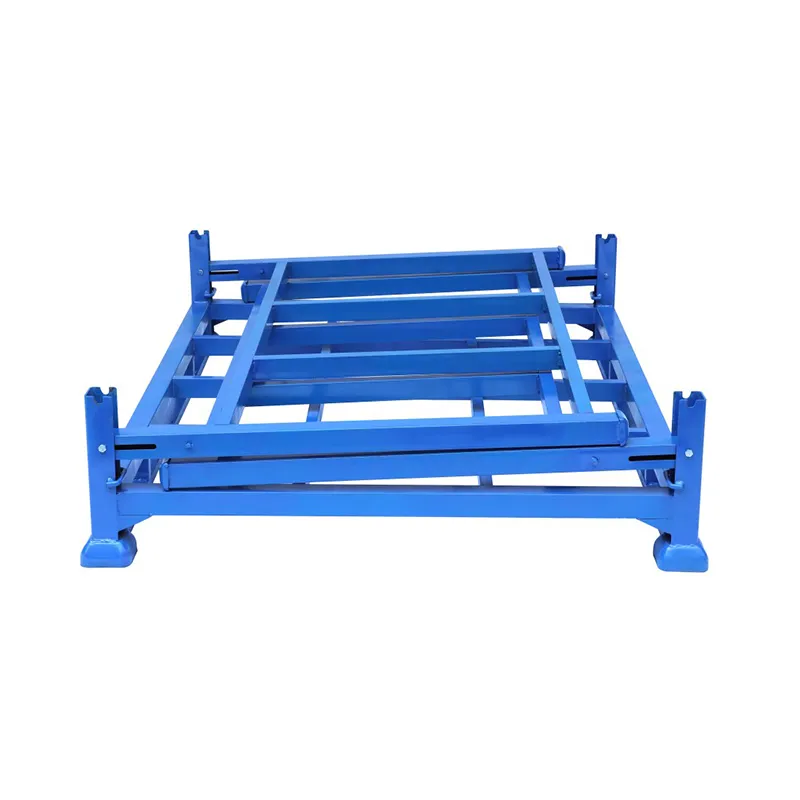
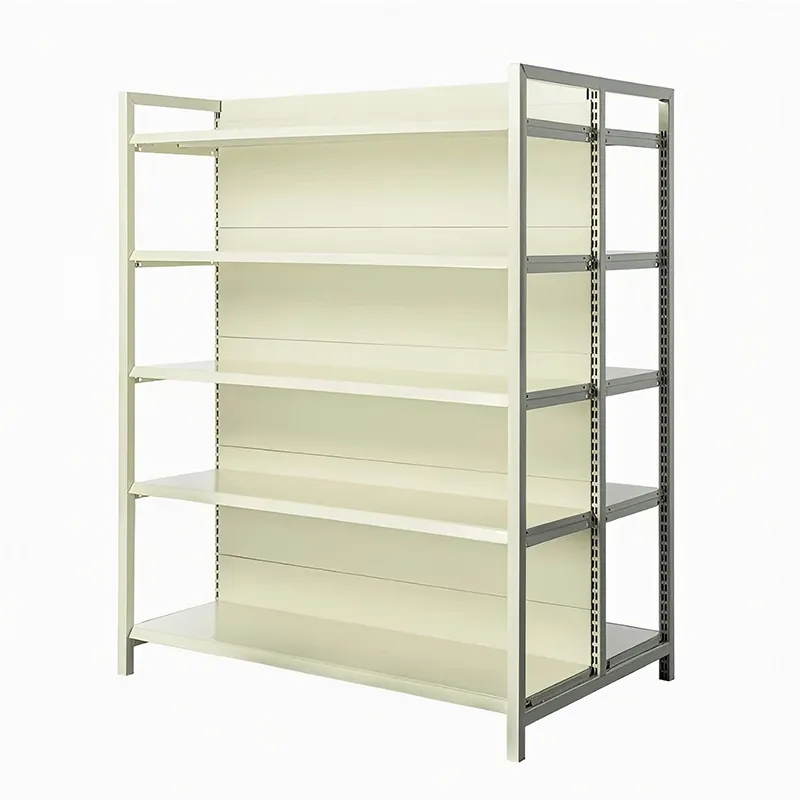
Their range, by the way, is indicative: from classic shelf and console systems to high-tech systems for four-directional shuttles. This shows an understanding of different market segments. When a manufacturer does both simple and complex, it disciplines quality on all lines. Although, of course, for a shopping center the key ones will often beshelf racksandbeam racksfor pallet goods.
But even with such a manufacturer, the dialogue needs to be structured strictly. The technical specification (TOR) is sacred. It should contain not only dimensions and loads, but also specifications for materials, painting standards (for example, RAL), requirements for edges, and packaging for transportation. Once I did not specify in the technical specifications the mandatory packaging in stretch film with corner protective elements - we received part of the structures with paint damage during transportation. There is no one to blame, it's your own fault.
You can make perfect designs, but ruin everything during installation. This is the most nervous phase. The shopping center often provides hard ?windows? by time, at night, on weekends. The pressure is enormous. There are two rules here: your own proven installation team and the presence of a responsible engineer from the manufacturer on site. The same Jusheng plant, judging by the description, offers after-sales service, and this logically includes installation control.
There are funny situations. Once they were installing shelves in the food hall. All dimensions are verified, anchors are hammered. And then the customer arrives with a laser level and says: “Here the floor difference is 1.5 cm, see?” This is nothing for the structure, it is rigid. But for him this is an aesthetic defect, because the top line of the shelves visually “floats”. I had to quickly install the adjusting plates. Now I always include in the estimate a laser level and checking the geometry of the room before starting work.
And the final chord is acceptance. You don’t just need to walk around, shake the structures. It is necessary to draw up a report where all minor defects (scratches, tight fit of shelves) will be noted with mandatory deadlines for their elimination. Otherwise, after signing, “no comments?” it will be difficult to prove anything. This is protection for both the client and you as a contractor.
Trends change. Nowadays there is more and more talk about the environmental friendliness of materials and the possibility of easy recycling. Perhaps solutions made from certain types of steel with a high percentage of recycling will soon be in demand. Already, some premium retailers are asking about this.
Another trend is digital integration. Not just any shelf, but a shelf with a weight sensor for leftover control or with built-in LED lighting for spot accenting. This is still expensive and not for the mass market, but the direction of thought is clear.Rackbecomes ?smart? element of infrastructure.
In the end, back to the beginning.Shelving for shopping centers— this is a story not about metal, but about understanding retail. About the ability to listen to the client, sometimes even contrary to his initial wishes, and offer something that will solve his business problem. It is a constant balance between cost, reliability, flexibility and aesthetics. And when this balance is found, the racks really cease to be just shelves and begin to work for sales. And this is, ultimately, the only criterion that matters.