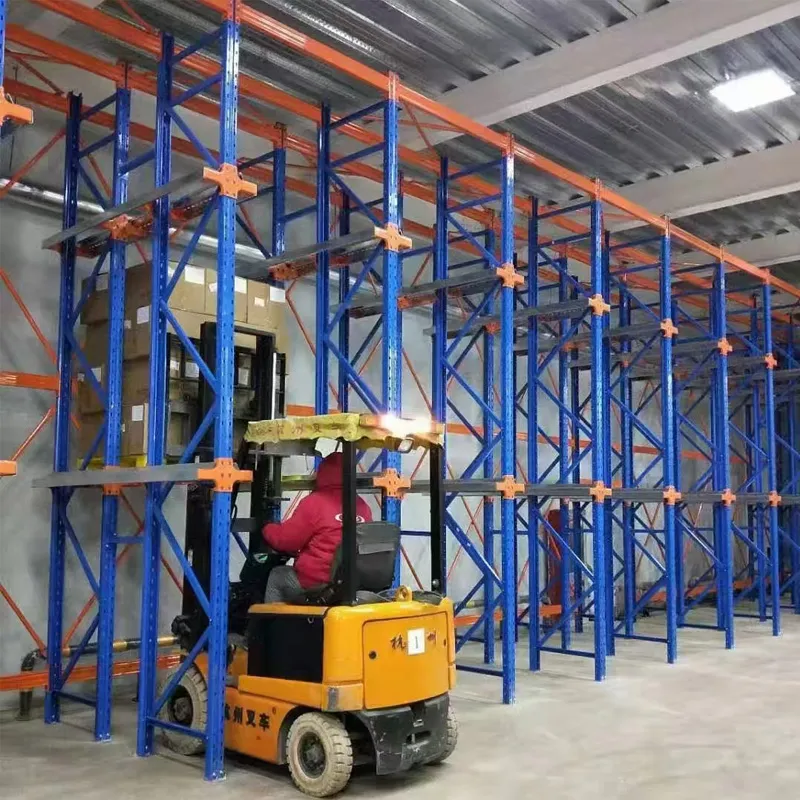
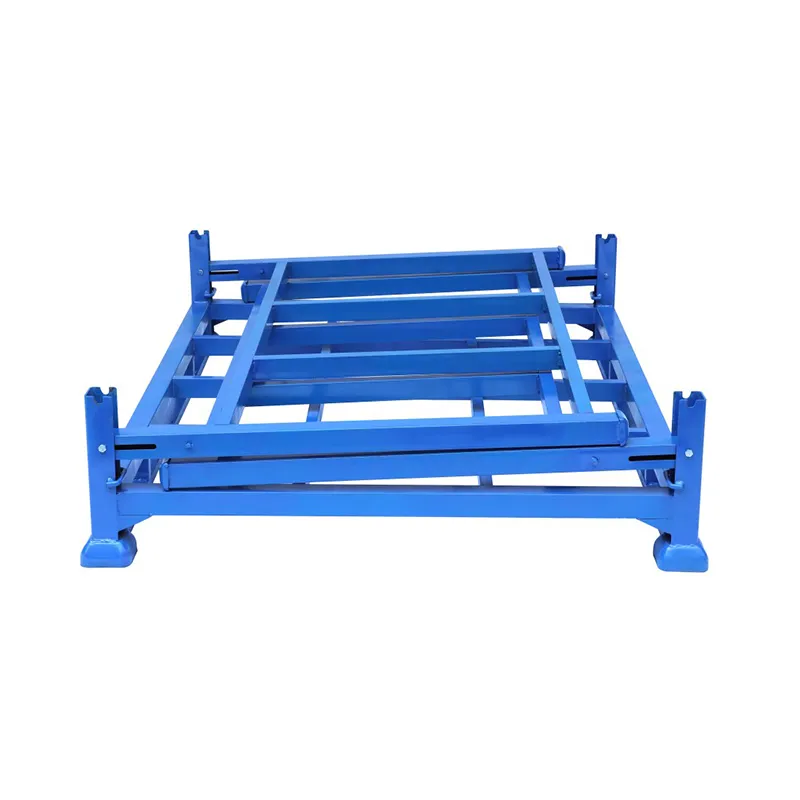
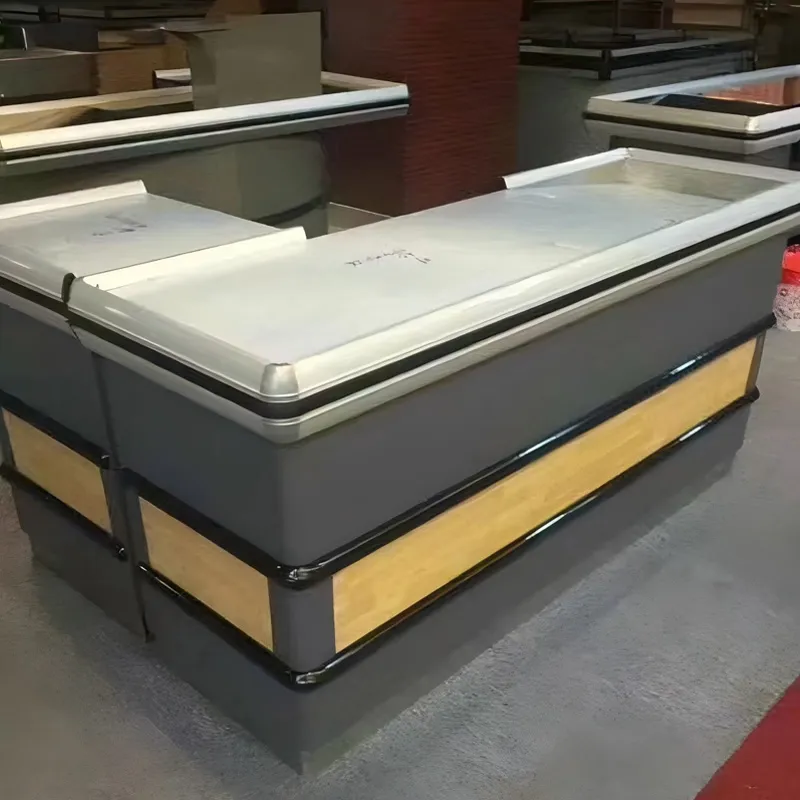
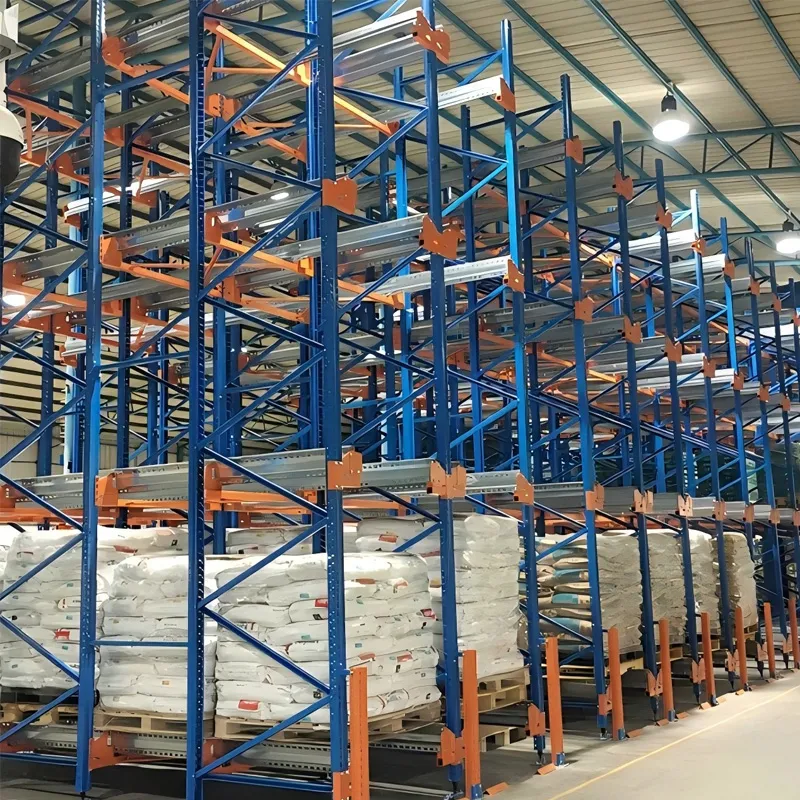
When you hear aboutfree warehouse planning, the first thought is another marketing ploy to lure a client. After all, in our field, especially when working with metal structures, it’s “free?” often means a superficial sketch that does not take into account real loads, product specifics, or future scalability. Many people think that it's just a matter of sketching out shelving on a plan. In fact, this is the foundation on which all logistics rests. And if you do it somehow, then alterations will cost many times more.
Let's figure it out. When a company like ?Harbin Jusheng LLC? offers free planning, this is not altruism. This is an investment in a future project. On your websitejshj.ruThey position themselves as a full-cycle enterprise - from design to installation. And here is the key point: they are ?free? — this is, in essence, a deep pre-project analysis. An engineer doesn't just draw. He first asks a bunch of questions: what pallets, what equipment will be used, what is the turnover, is there a plan to increase the range? Without this data, any planning is a waste of time.
I've come across situations where ?free? a plan from another company proposed narrow passages for reach trucks, which simply did not fit into our turning radius. Or did not take into account the height of the ceilings after installing the ventilation. The client is happy with the beautiful 3D visualization, and then at the installation stage endless modifications and additional payments begin. So now I always look at the process, not at a pretty picture. If the planner immediately asks for technical specifications and product data, this is a good sign.
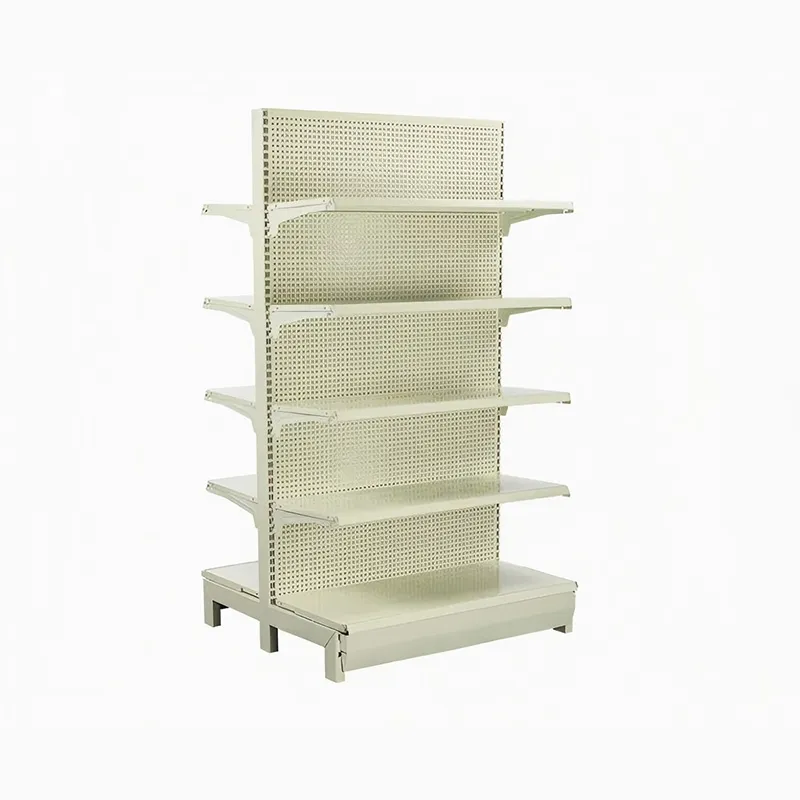
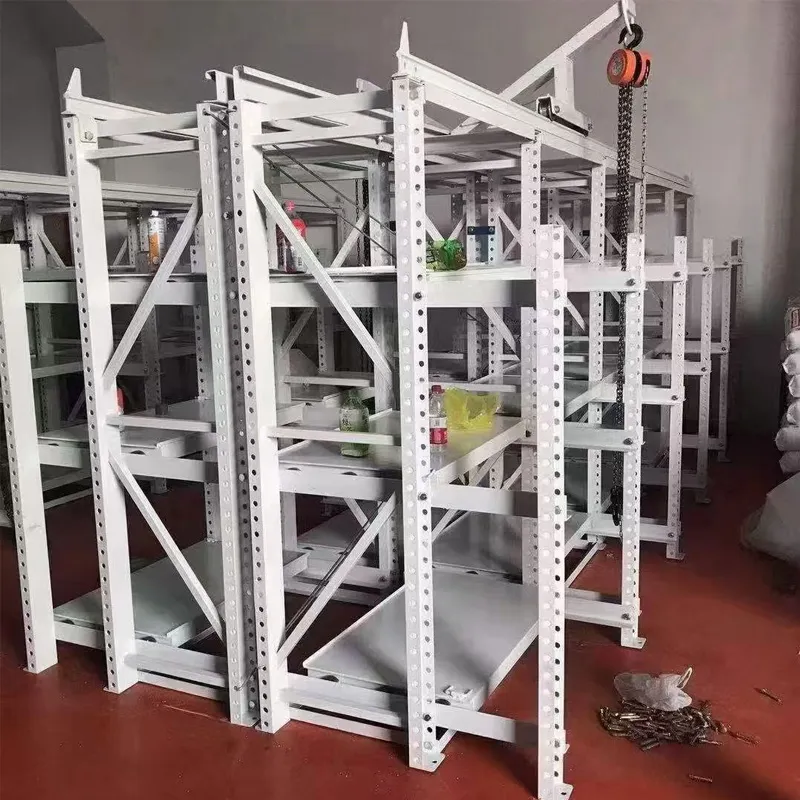
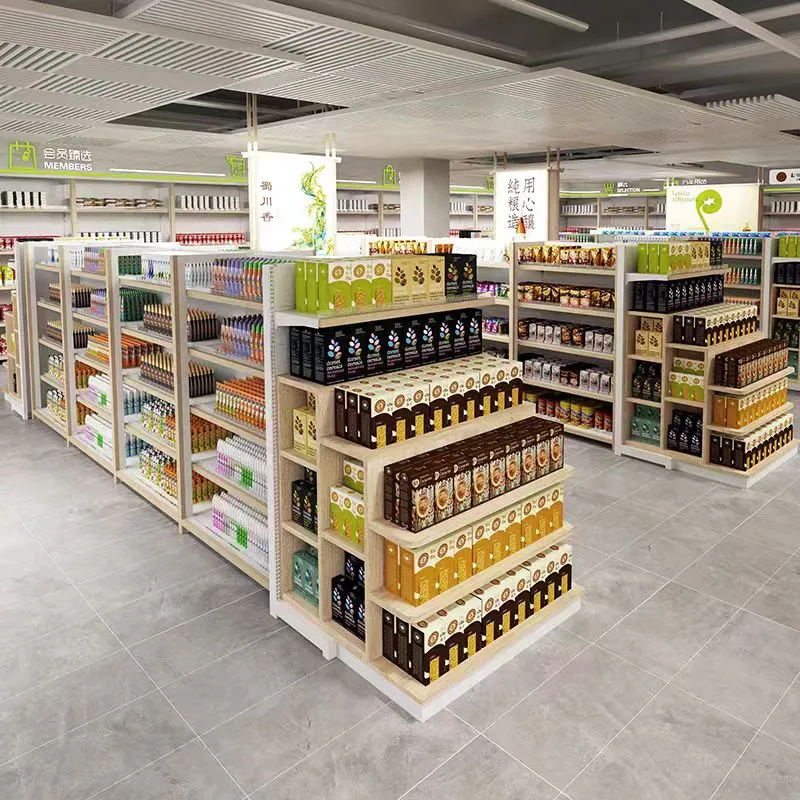
Wu "Jiusheng" is described as a leading manufacturer in Northeast China with an area of 20,000 sq. Well, the approach is apparently systematic. They make everything from retail shelving to complex systems for four-way shuttles. This means their engineers must understand the nuances of each system. Their free planning is probably this very stage of selecting the optimal system from their range. This is not for nothing, but a way to offer the most effective and, what is important for them, technologically advanced solution from a production point of view.
One of the main pitfalls whenfree warehouse planning- ignoring the future. Often a plan is made for current volumes. But business is growing. And a year later it turns out that there is nowhere to put new pallet positions, and rebuilding the rack labyrinth is almost a new project. You need to build flexibility right away. For example, use beam racks with adjustable levels or immediately design a reserve in height and depth of cells.
I had experience with a small warehouse of spare parts. They made a beautiful plan with shelving, everything was neat. But they didn’t take into account that some of the goods were long shafts and pipes. The shelves didn’t fit, so I had to urgently buy additional cantilever structures. Time and money. A good planner would immediately ask: “What kind of product do you have, show me the specification or photo?” This is the same “professional vigilance” that distinguishes real help from formality.
Another point is regulations and safety. Russia has its own SNiPs and fire safety requirements. ?Free? a plan from a foreign supplier, even one as large as Jiusheng, may not take this into account. It is therefore important that planning includes adaptation to local norms. Ideally, the company has experience in supplying to the region and knows these subtleties. In the description of ?Jusheng? after-sales service is indicated - this hints that they can also work on project adaptation, but this is already a matter of detailed negotiations.
I’ll tell you with an example that is not directly related to “Jiusheng”, but illustrates the principle well. The client wanted to organize a storage area for a seasonal product - garden furniture. The boxes are large but light. The first specialist who arrived suggested standard pallet racks - expensive and excessive in terms of loading capacity.
Then we contacted the company wherefree warehouse planningIt started with an analysis of dimensions and weight. The engineer suggested mezzanine shelving. The idea is to take advantage of the height of the room by creating a second tier for storage and a packing area below. This made it possible to double the usable area without expanding the rented meters. The planning itself was free, but its value was that it identified opportunities to save on rent and streamline processes. The client ended up ordering both shelving and installation from this company.
That's what I'm getting at. Free planning is a sales tool, yes. But in the hands of professionals it is a diagnostic tool. For a manufacturer like ?Harbin Jusheng? this is a chance to show your expertise: “Look, we understand your flow of goods and offer not just a rack, but a system that will reduce your operating costs?”. This is much more convincing than just a price list.
Let's go a little deeper into the technique. Let's say we are talking about racks for four-way shuttles. This is a high-tech system. There certainly cannot be a simple drawing here for free. An accurate calculation is required: floor loads, dimensional tolerances for trolleys, location of charging stations, escape routes. The plan must be linked to the architectural plan of the building, indicating columns, ramps, and gates.
Or take beam racks for long items. The key parameter is the console overhang and column spacing. An error of a few centimeters and part of the useful volume is lost. A good planner won't just arrange shelving, she'll calculate multiple pitch and reach options to strike a balance between storage density and ease of access.
On your websitejshj.ruthe company claims several lines of automated equipment. This is important. This means they can produce non-standard elements. And competent planning should use this: do not adjust the project to standard parts, but, on the contrary, design an optimal layout diagram, and production will already produce the necessary beams and racks for it. This is where the synergy between engineering and manufacturing comes into play.
So, let me summarize.Free warehouse planning- this is not a red “download layout” button. It's a process. If you are offered one, ask yourself questions. How deeply do they dig into the details of your business? Do they ask for data on products, technology, growth plans? Are they ready to discuss several scenarios, and not push one “standard” one?
Look at the company as a whole. If it is, like Harbin Jusheng LLC, a full-cycle manufacturer since 2019, then their interest in quality is obvious - they will then produce and install it all. It is not profitable for them to make a bad project. Their ?free? - this is, in fact, the first and most important phase of collaboration.
Therefore, one should not reject such proposals with skepticism. It's worth using them as an opportunity to audit your warehouse processes and get an outside perspective. But be prepared for the fact that for a real, working project that takes into account everything, including installation and service, a detailed technical project will still be required - and it is unlikely to be free. And that's right. Because in the end you pay not for the lines on the drawing, but for the confidence that your warehouse will work like a clock.