When you hear “racks for clothes?”, many people immediately think of a sales area - hangers, mannequins. But a warehouse is a different story, and mistakes are costly. I have seen many stores where chaos reigns in the warehouse due to incorrectly selected systems, and then they wonder why the inventory takes forever and the sellers cannot quickly find the right size.
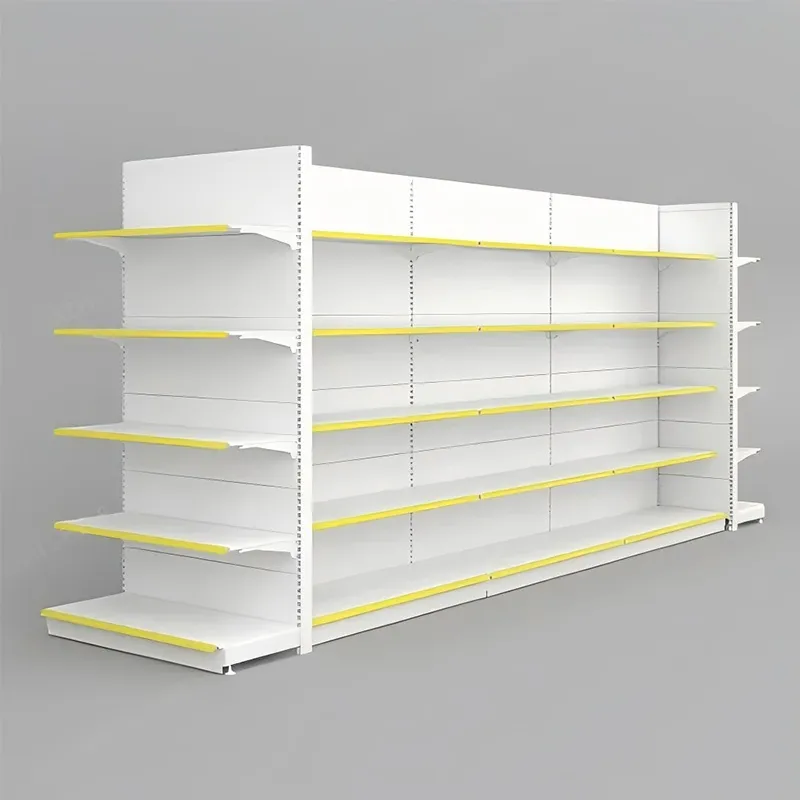
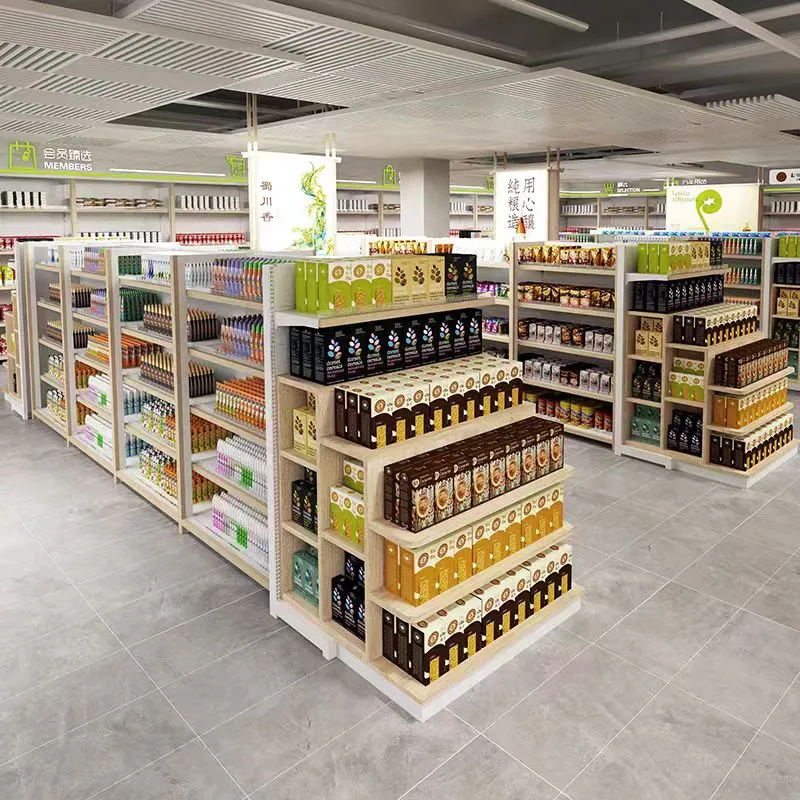
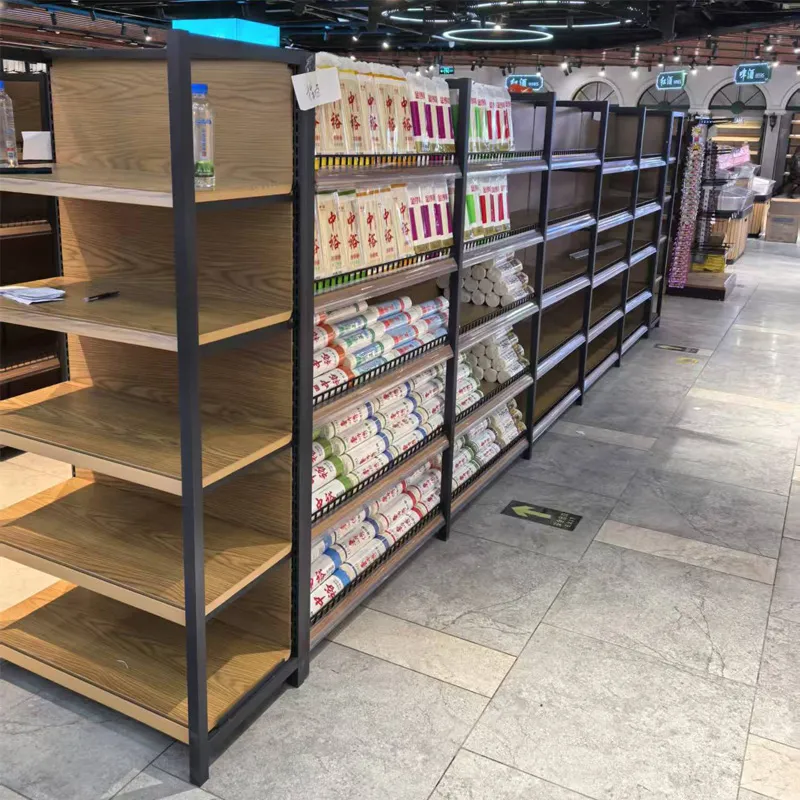
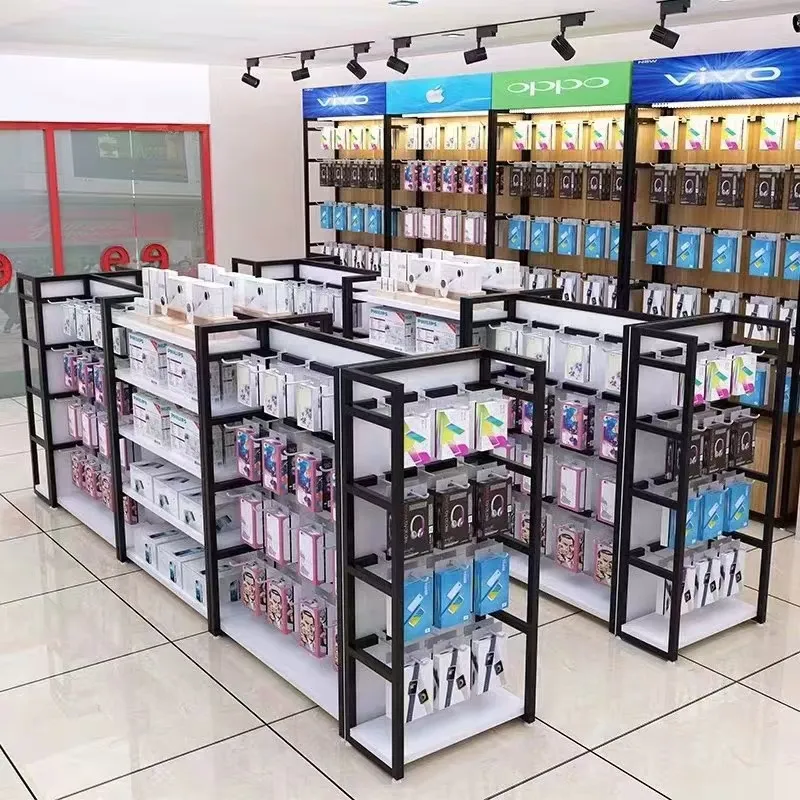
The most common misconception is to try to use the same solutions in the warehouse as in the hall. Presentation and accessibility for the buyer are important in the hall. In a warehouse - storage density, speed of personnel access and safety of goods. Lightweight panel shelving that's great for display will simply bend under the weight of boxes of winter coats in a warehouse. We need a different approach, different metal, different logistics.
It is important to understand the product cycle here. Clothing is a seasonal product, plus size chart, plus color. There should be not just order in the warehouse, but a system where a new loader, after half an hour of instruction, can find and get a box with the 50th pair of black jeans, size 48. If it takes more than two minutes, the system does not work.
Once I consulted for a small chain store. They put beautiful but flimsy racks in the warehouse, designed for light goods. After six months, the shelves began to sag, making access to the back rows difficult. We had to dismantle everything and start from scratch, taking into account real loads. Dear lesson.
So, what to look for? The first is the load on the shelf and the entire section. Not the one stated under ideal conditions, but with a reserve. A box of shoes or sheepskin coats weighs quite a bit. The second is depth and height. A shelf that is too deep (more than 1 meter) and you lose the goods in the depths. Too high - you can’t do without a stepladder, which is a waste of time and a risk of injury.
Third, and often overlooked, is the identification system. Shelves must be labeled and sections numbered. It is better to use a combination: row-rack-shelf-cell. This seems like bureaucracy, but it actually saves hours of work time. Fourth is the ability to adapt. The season changes, the assortment is adjusted. goodwarehouse racksallow you to rearrange shelves without complex tools.
Here, for example, is a Chinese manufacturer?Harbin Jusheng Metal Structure Manufacturing Co.,Ltd.(website:https://www.jshj.ru). By the way, they have been operating since 2019 and have a full cycle - from design to installation. Their range includes shelf and beam systems, which are often suitable for textiles. The point with the full cycle is important: when one contractor is responsible for the project, the metal, and the installation, this minimizes the risks “and we thought they would do this?”
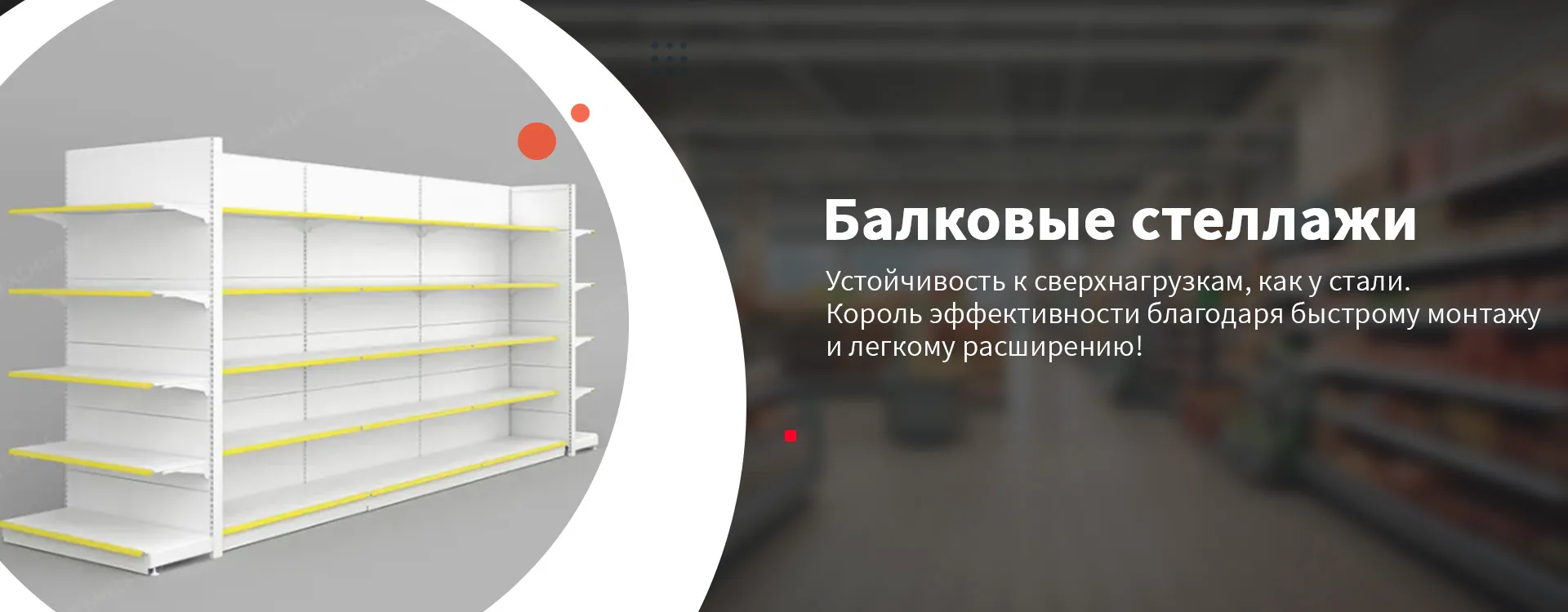
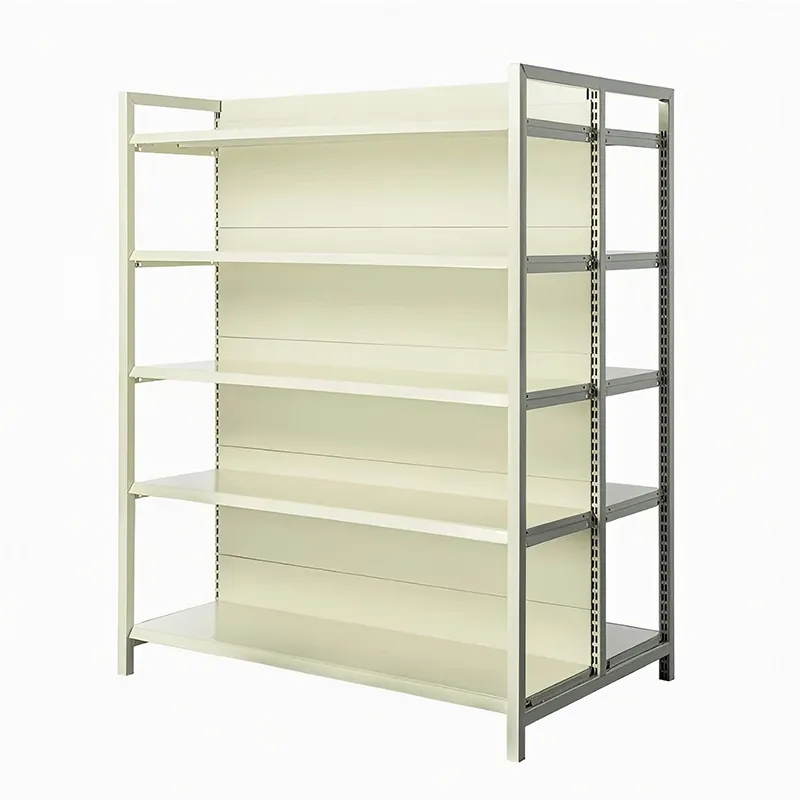
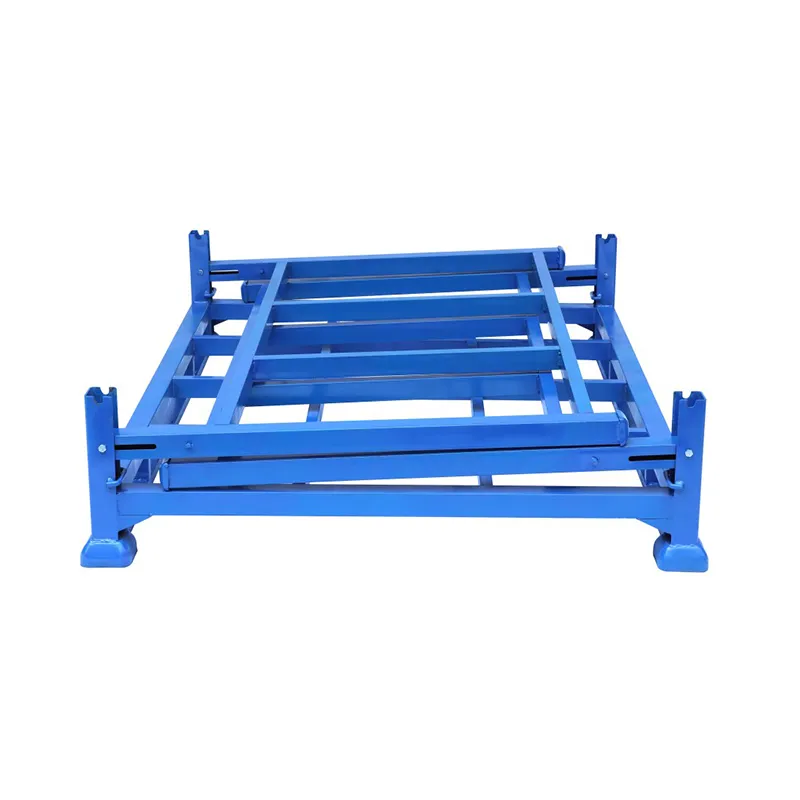
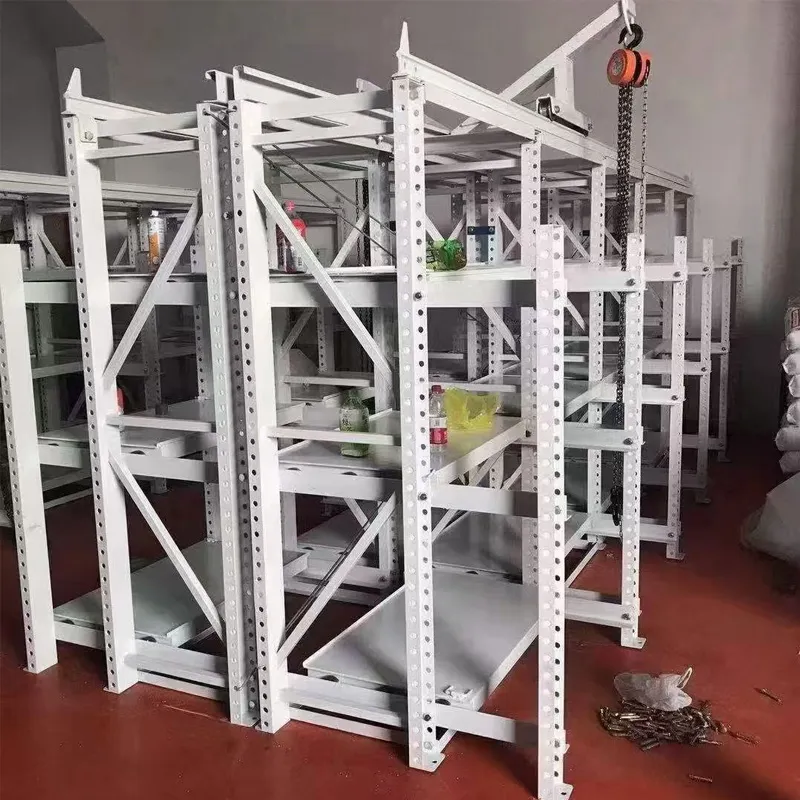
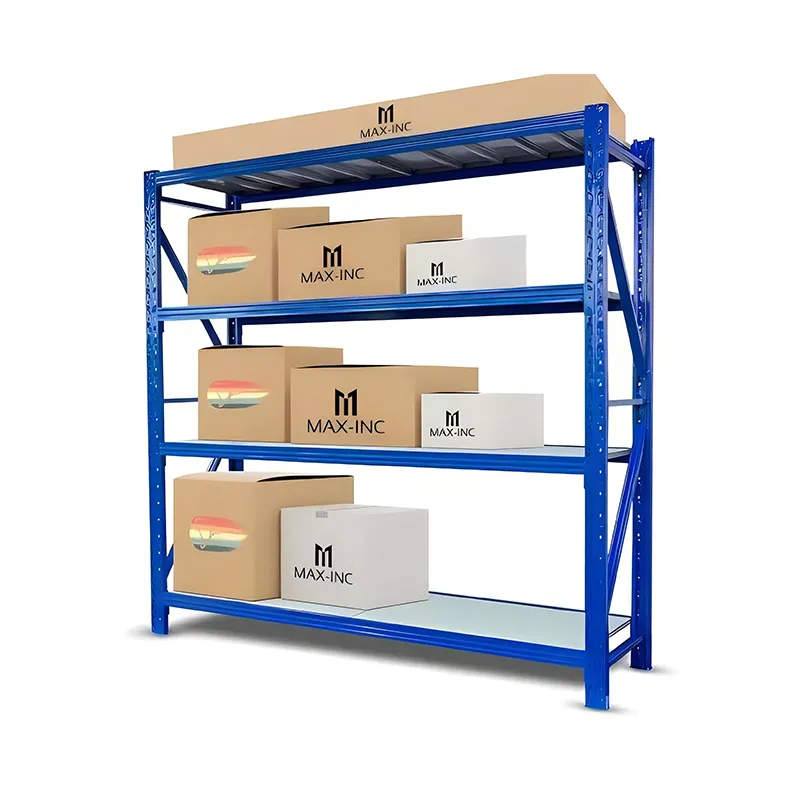
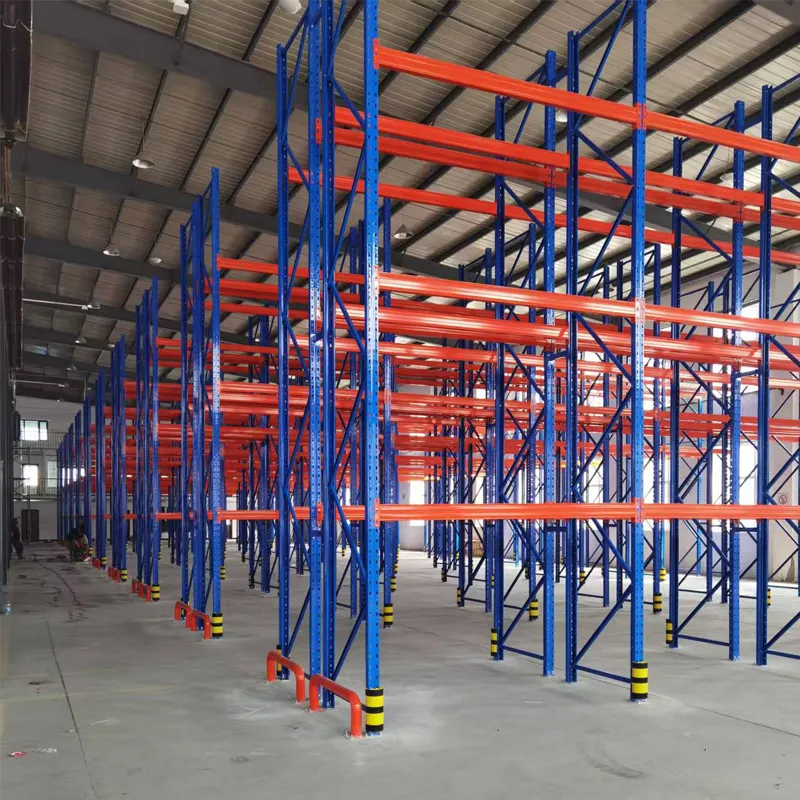
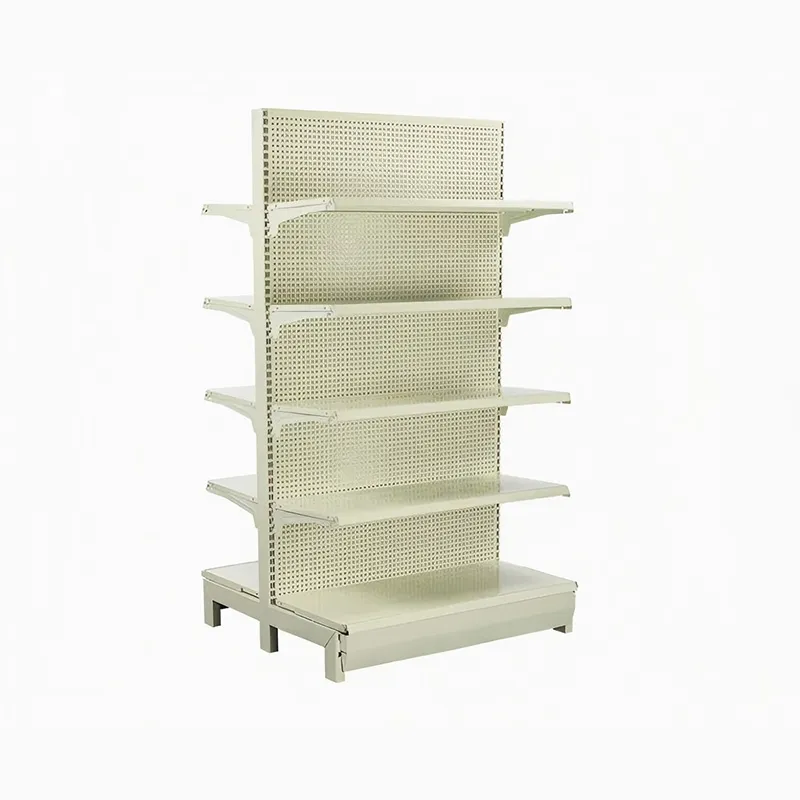
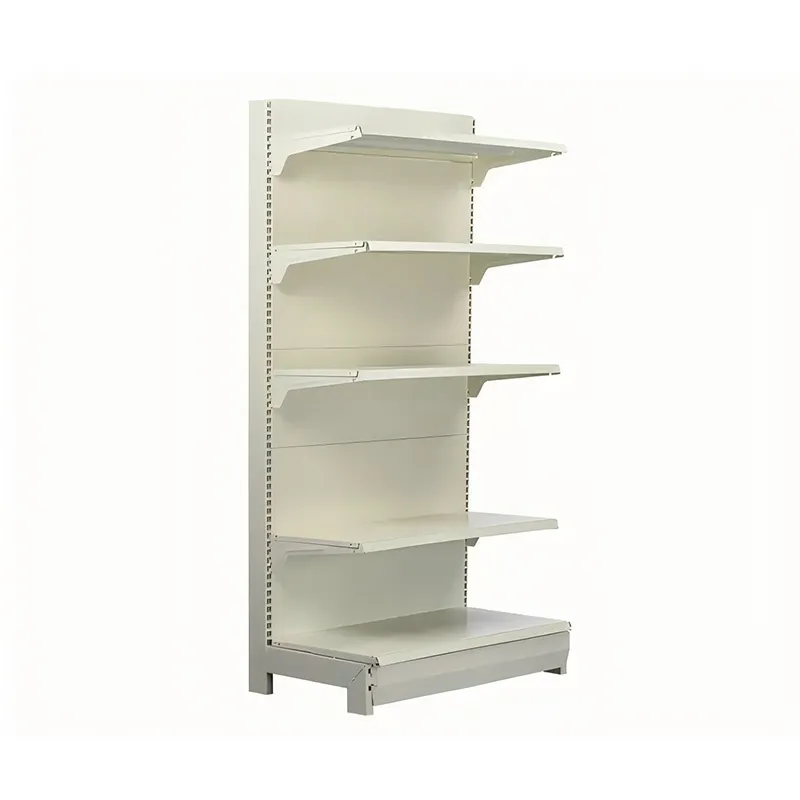
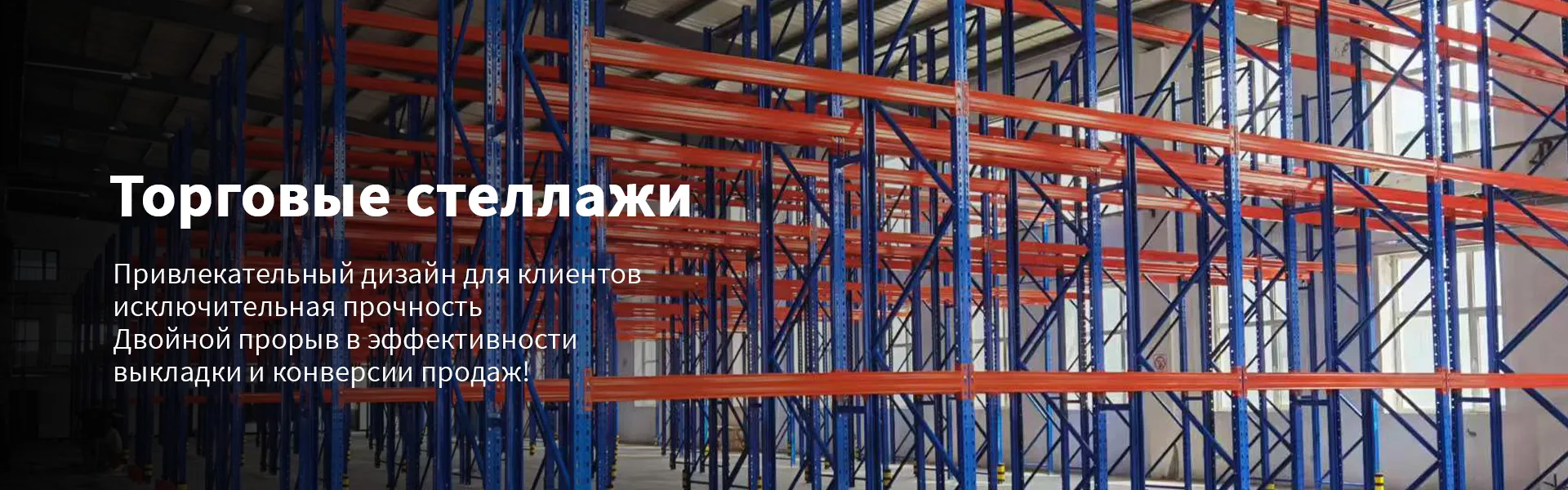
For ready-made clothes in boxes or on hangers, two main types are most often used: shelf and beam (crossbar) racks. Shelf units are a classic. The boxes are placed on the shelf. It is important here that the shelf is solid (made of chipboard or metal sheet) or with a fine mesh so that small objects do not fall through. For hangers with outerwear, beam systems are better suited - these are, in fact, pipes on which a rod with hangers is hung.
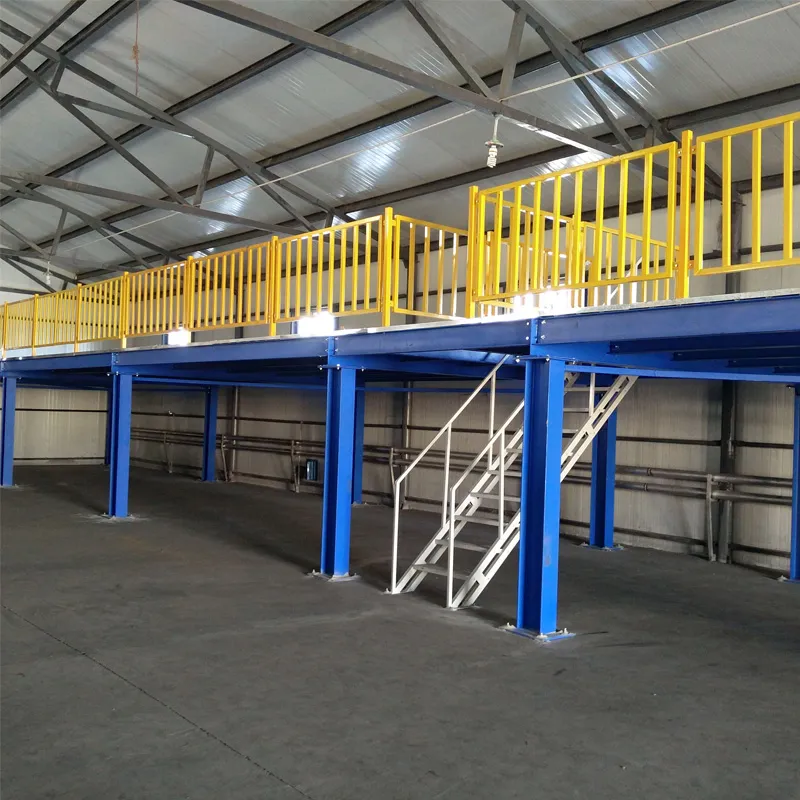
Mezzanine shelving is an excellent solution for high warehouses when you need to use height space. But for clothing, they require very clear organization and, as a rule, are suitable for storing a large volume of the same type of product in a package, for example, basic T-shirts of the same size. Cantilever racks - for long items, such as carpets or cornices, are hardly needed for a regular clothing store.
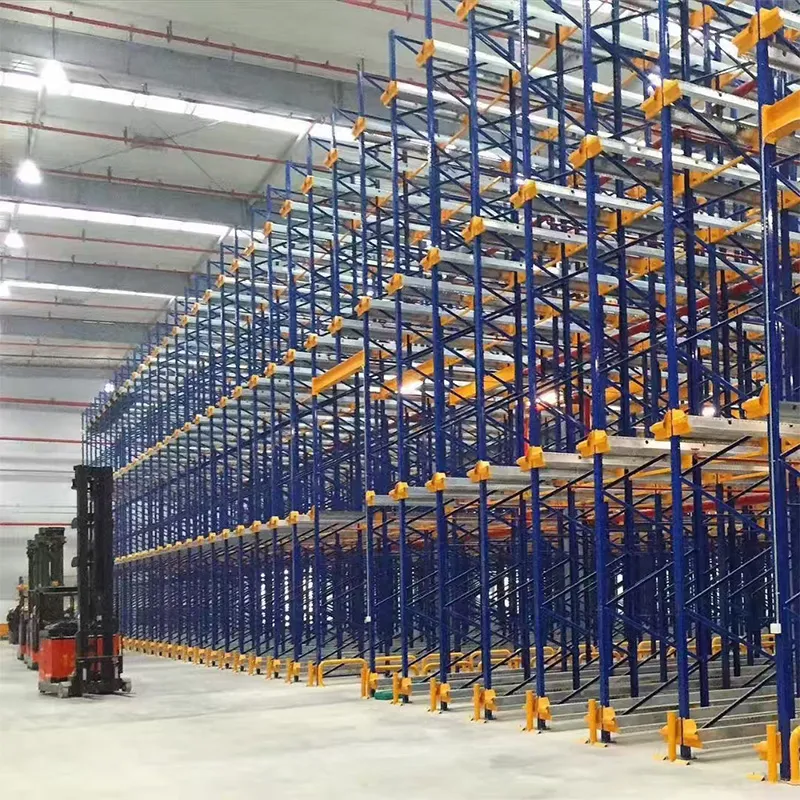
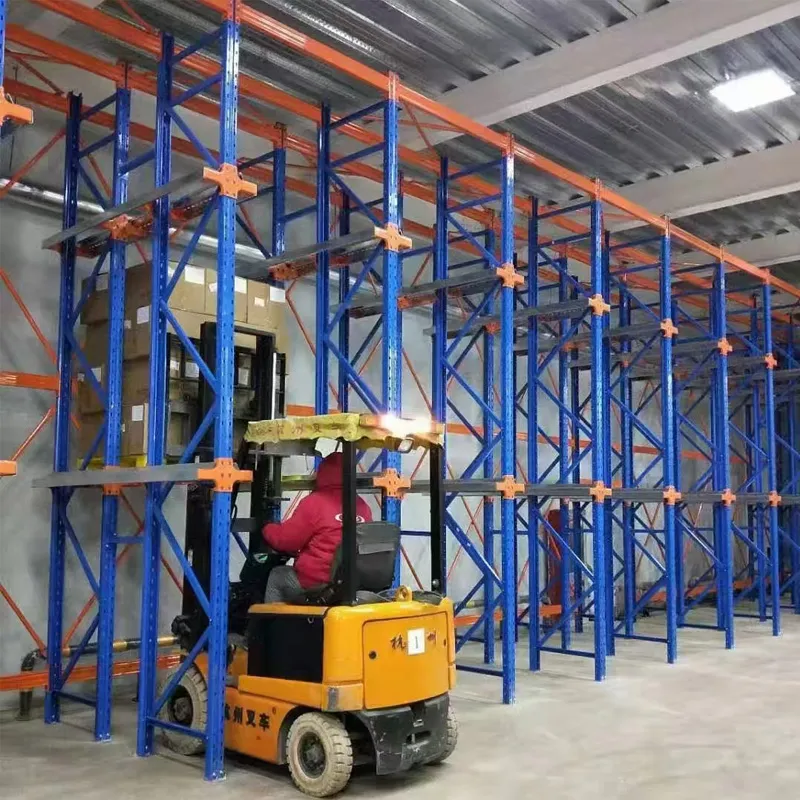
Shelving for four-way shuttles is already a high-tech solution for automated warehouses. For a medium-sized store this is overkill, but for a large distribution center that works with several brands it may be justified. But the cost and complexity of implementation are high.
We bought and installed the racks - that's only half the battle. How to organize the space inside? I recommend dividing the warehouse into zones: receiving, main storage, order picking (preparing for delivery to the hall), defect or returns area. Place the main storage racks so that a cart can easily pass between the rows and a person with a box in their hands can turn around.
People often forget about ?hot? zone - a place for goods that are currently in active circulation (new collections, seasonal hits). It should be placed at the most accessible point, not on the upper or lower shelves, but approximately at chest level. This speeds up the work significantly. And one more practical tip: leave a few empty cells in each section. There will always be a product that doesn't fit into the current scheme and it needs a temporary place, otherwise it will end up in the aisle.
In work withHarbin Jushengor any other serious supplier, it is important at the design stage to provide them with not just the dimensions of the room, but a plan with the location of columns, doors, communications and indicating the main traffic routes. A good manufacturer with its own design capacity, as indicated in the descriptionLLC ?Harbin Jusheng?, will offer 3D visualization and take into account all these nuances, so that later you don’t have to cut the racks “in place”.
Saving on the thickness of the metal or the quality of the coating is a direct road to an accident. The rack must withstand not only static load, but also dynamic load - when the loader does not carefully push in a heavy box. Anti-corrosion coating is critical, even if the warehouse is heated. Temperature changes, humidity from snow brought in in winter - all this slowly but surely does its job.
Limit switches (limiters) on shelves, especially the top ones, are required to prevent boxes from falling. And reliable fastening of the entire structure to the floor. Have you seen cases where high racks were “walking?” only because they were not secured. This is a matter of people's safety first and foremost.
Here again we return to the choice of supplier. An enterprise that itself produces structures on automated lines (like the same Harbin company with their 20,000 sq. m. area) usually has better control over the quality of raw materials and painting stages than a reseller who assembles racks from components purchased externally. Their guarantee and the availability of their service are not just words, but insurance for your business.
Choicewarehouse racks for a clothing store- this is not about buying furniture. This is about workflow design. It's better to spend more time planning with specialists, be it engineers from the manufacturer or independent consultants, than to spend months dealing with the consequences of chaos.
There is no ideal system. There will be something that could have been done differently. But if you've laid the foundation - a strong, adaptive framework, a clear addressing system and logical routes - then any future improvements will be cosmetic. The warehouse should work like clockwork, quietly and without failures, freeing up time and energy for the main thing - sales on the floor. And proper shelving is the foundation of such a warehouse.
Therefore, my main advice is: don’t just look for “racks”. Look for a partner who will help you design and implement your storage system, taking into account the specifics of your product and premises. Information about complex contractors such asHarbin Rack Factory ?Jusheng?, is always worth exploring as their ?turnkey? approach? often relieves a lot of headaches from the customer at the implementation stage.