When you hear “collapsible shelving”, the first thing that comes to mind is those same profile frames that you can twist and turn as you like. But in practice everything is more complicated. Many customers, and some colleagues in the workshop, still believe that the main thing about them is the ability to dismantle and reassemble. As if this is their only and main advantage. In fact, if you approach it with such an attitude, you can make a lot of trouble. The real value lies in the adaptability of the system to the changing tasks of the warehouse, in the thoughtfulness of the connection points, which must withstand not only the static load, but also the dynamics of loading and unloading operations, and vibration. And, what is important, the quality of paint and metal - otherwise, after a couple of assembly and disassembly cycles, the threads “lick off” and the coating peels off. It’s these nuances that are not written in advertising brochures that I would like to speculate about.
Let me start, perhaps, with the basics - design. It would seem that there is nothing complicated here: I calculated the load, drew the frame, indicated the number of beams and racks. But it is at the design stage of a prefabricated system that future problems arise or, conversely, its trouble-free operation. A classic mistake is saving on profile material. I saw projects where, for a height of 6 meters and a load of a ton per tier, they proposed racks made of too thin steel. Argument: “It’s a national team, you can strengthen it at any moment?” In practice, ?strengthen? turns out to be a whole operation to redesign the entire series. The correct approach is to provide a safety margin, taking into account imperfect installation and possible future redevelopment.
Here, by the way, it is worth noting the work of some manufacturers who approach the issue systematically. Take, for example,Harbin Rack Factory ?Jusheng?. I am familiar with their approach firsthand. Their engineers always request not only the layout and load capacity, but also data on the type of forklifts, work intensity, and even the temperature conditions at the site. This is not bureaucracy, but a necessity. Forprefabricated shelvingVibration from reach trucks is a serious challenge for connections. Their solutions, judging by the implemented objects, often include additional ties or a special design of locks in the beams, which immediately eliminates problems with “loosening” designs over time.
Another point that is often overlooked is the logistics and labeling of components. The idea of “assembled, disassembled, transported?” breaks into reality when all the bolts, nuts and brackets fall into common bags. When re-edited, a hellish puzzle begins. A competent manufacturer is obliged to supply a system with clear markings of all elements and detailed, step-by-step assembly instructions, where each package of fasteners corresponds to a specific stage. Without this, the advantage of mobility is lost in a ton of wasted time.
Let's move on to the material. The quality of steel is a dogma. But forprefabricated structuresNot only the thickness is important, but also the method of processing the edges and holes. The holes for fasteners must be clean and free of burrs, otherwise during assembly the threads may be stripped or the required tightening torque may not be achieved. Coverage is a separate issue. Powder paint is the standard, but its adhesion to metal, especially in places that will be subject to mechanical stress during assembly (joints, internal parts of locks), must be the highest. I saw samples where, after two cycles, the paint on the bolts and in the sockets of the racks peeled off and corrosion began. This kills the whole concept of long-term operation.
Here again, you can turn to the experience of large players who control the full cycle. On the samejshj.ruThe description of the plant mentions several lines of automated equipment. This is not for show. Automatic CNC cutting and subsequent edge processing provide the same precision and cleanliness of the holes. And modern powder painting lines with proper surface preparation (phosphating, for example) provide a coating that will not fly off when the bolt is tightened. Forcollapsible rackthis is critically important - each element will experience friction and pressure many times during installation/disassembly.
And here is the main secret of “teaming” - these are not bolts, but shaped products and locking connections. The most reliable systems I have worked with often use a combination of bolting for the main assemblies and special wedge or flange locks for quickly securing the beams. This speeds up installation significantly and reduces the risk of errors. But the development of such components is a high level of design, requiring serious load tests. Not every manufacturer goes for this, limiting themselves to standard perforated stands and hooks.
I'll tell you about one incident that taught me a lot. The customer, a medium-sized household goods warehouse, decided to save money and bought the cheapestprefabricated racksfrom an unknown supplier. They collected it, everything was standing. But after six months, complaints began: the shelves “play”, and when the loader drives in, you can feel the vibration of the entire structure. Come, let's take a look. The profile seems to be of the stated thickness, but the metal is somehow “sluggish” and the sound is dull when tapped. Fasteners are regular bolts and nuts, no lock washers. The most important thing is that the connection of the racks with the beams was purely bolted, through one hole, without any reinforcing linings or grooves. As a result, under constant load, the holes in the thin steel began to deform and the connections became loose.
We actually had to save the situation: we developed and installed additional diagonal connections, changed the fasteners to better ones, with locknuts. These were unnecessary costs and time. Moral: saving at the stage of purchasing a systematic, well-thought-out design results in multiple cost overruns later. After this incident, I always recommend looking not at the price tag, but at the availability of a full package of technical documentation, certificates for materials and, preferably, examples of completed projects from the manufacturer.
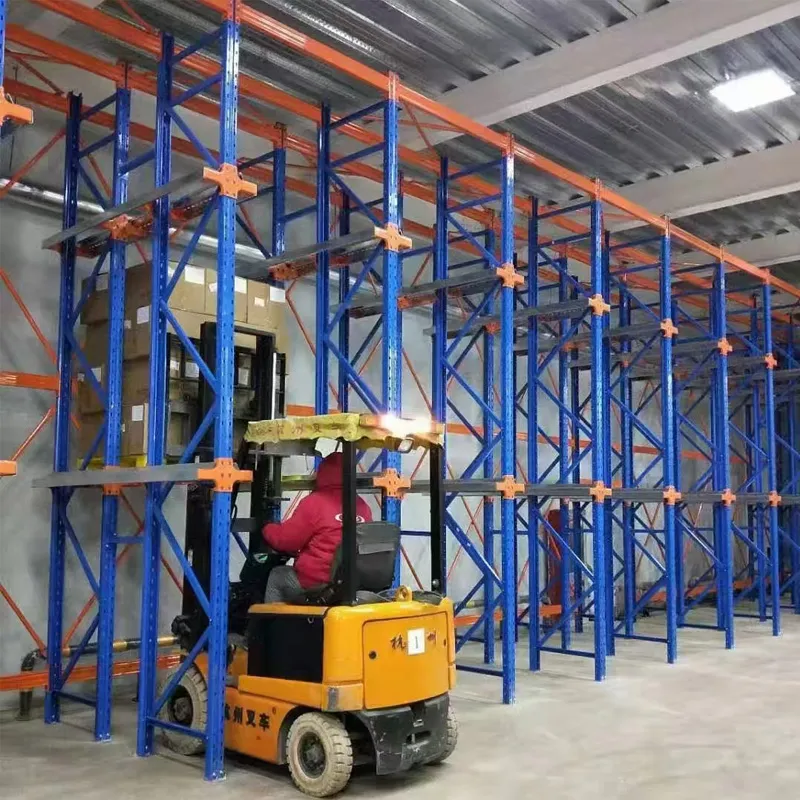
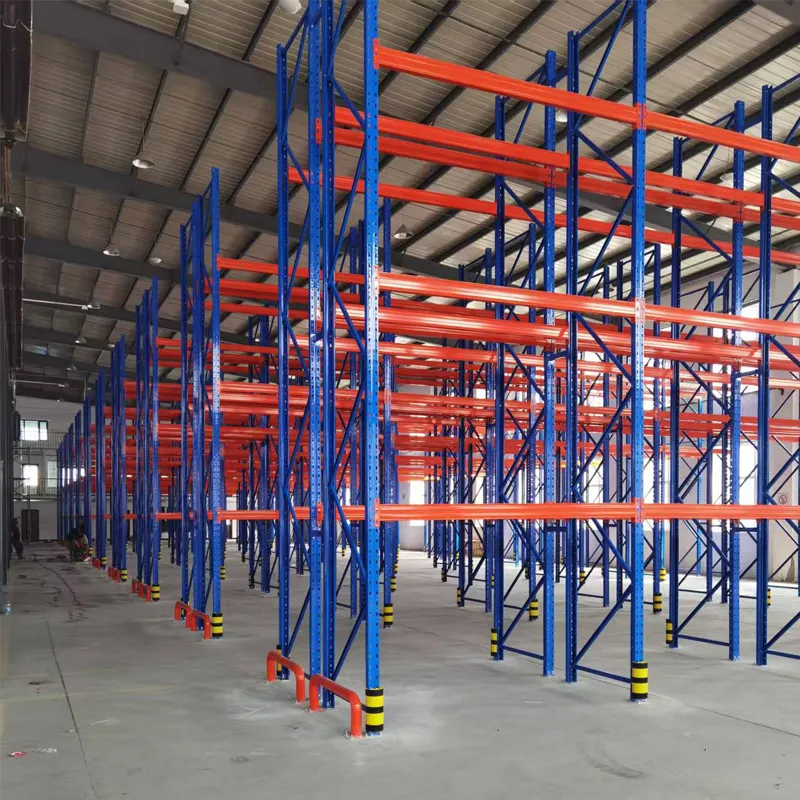
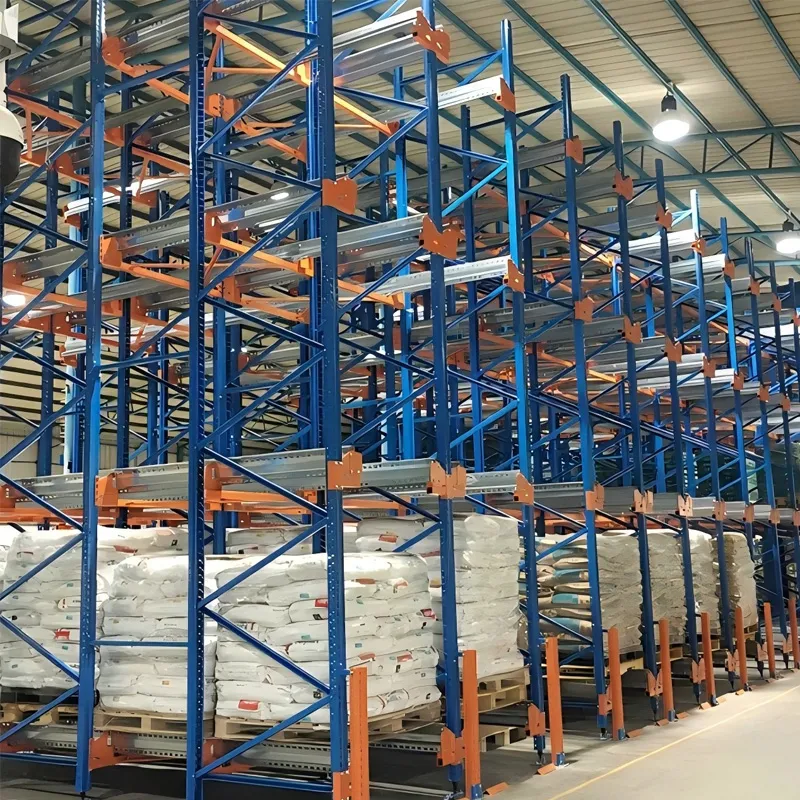
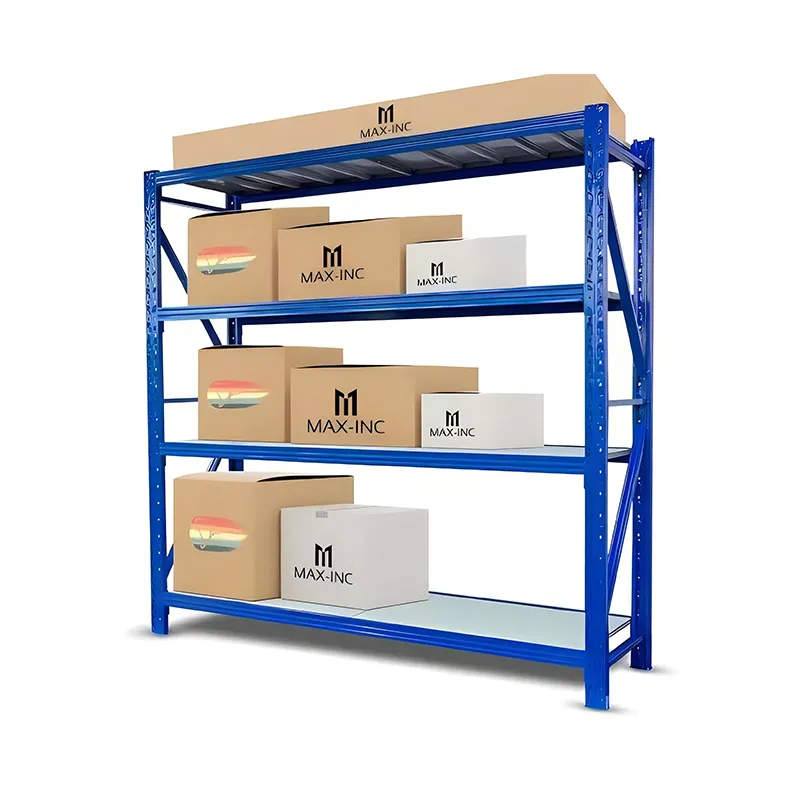
For contrast, a project using shelving fromLLC ?Harbin Jusheng?. The task there was complex: a warehouse with a seasonal peak load, part of the area had to be periodically vacated for large-sized goods. Used themprefabricated rackspallet type. I was struck by the clarity of the instructions and packaging. All parts were packed and marked according to zones. The assembly itself, thanks to well-thought-out locks on the beams, took a third less time than usual. Two years have passed, several cycles of partial dismantling and reassembly have passed - the system is stable, without backlash. This is the case when the investment paid off precisely due to the quality of execution and engineering.
The market does not stand still. Previouslycollapsible rack- this was the answer to the question “how to quickly set up a warehouse?”. Now the request has shifted towards “how to make a warehouse flexible and adapt to a changing business?”. This gives rise to new demands. For example, compatibility with automation systems. Modern collapsible structures must be ready for integration with guides for racking robots or shuttle systems. This requires even tighter tolerances for geometry and stability.
Or a trend towards sustainable development. The ability to dismantle, transport and use racks in a new location is no longer just a convenience, but an environmentally friendly and economical solution. But this imposes obligations on the manufacturer: the design must really be designed for multiple cycles without loss of strength. I think the future belongs to manufacturers such as the mentioned Harbin plant, which from the very beginning, since 2019, have focused on the full cycle - from design to service. They can afford to think for the future, putting that same “life cycle” reserve into their products.
Another direction is unification. An ideal system is when components from different batches or even different years of production fit perfectly together. It is very difficult to achieve this in mass production, but this is an indicator of the highest production culture and quality control. This is what creates true customer loyalty.
So, to summarize the scattered thoughts.Collapsible racks- this is not a primitive design, but a complex engineering system. When choosing, you need to look deep. The first is design. Are there calculations for your specific conditions or do they offer a standard solution? The second is the material and coating. Request samples, certificates. Try scraping the fasteners and look at the quality of the holes. Third is the thoughtfulness of the connection points and packaging. How are the parts marked? How clear and detailed are the assembly instructions? Are there elements in the design that prevent accidental installation errors?
Fourth - the reputation and experience of the manufacturer. Sites likehttps://www.jshj.ruuseful not only for contacts. From them you can estimate the scale: having your own full-cycle plant, likeLLC ?Harbin Jusheng?, descriptions of technologies are signs of a serious approach. Look for real cases and reviews, especially those with a long service life.
And one last thing. Don't chase abstract "cheapness". Consider the total cost of ownership: the price of a quality system that will last for decades and withstand many remodeling cycles will ultimately be lower than constant patching. and replacement of the budget option.Collapsible rackis an investment in the flexibility and efficiency of your logistics. And we need to approach this investment with all the seriousness with which we, those who then operate these racks and sometimes “save” them, approach them.