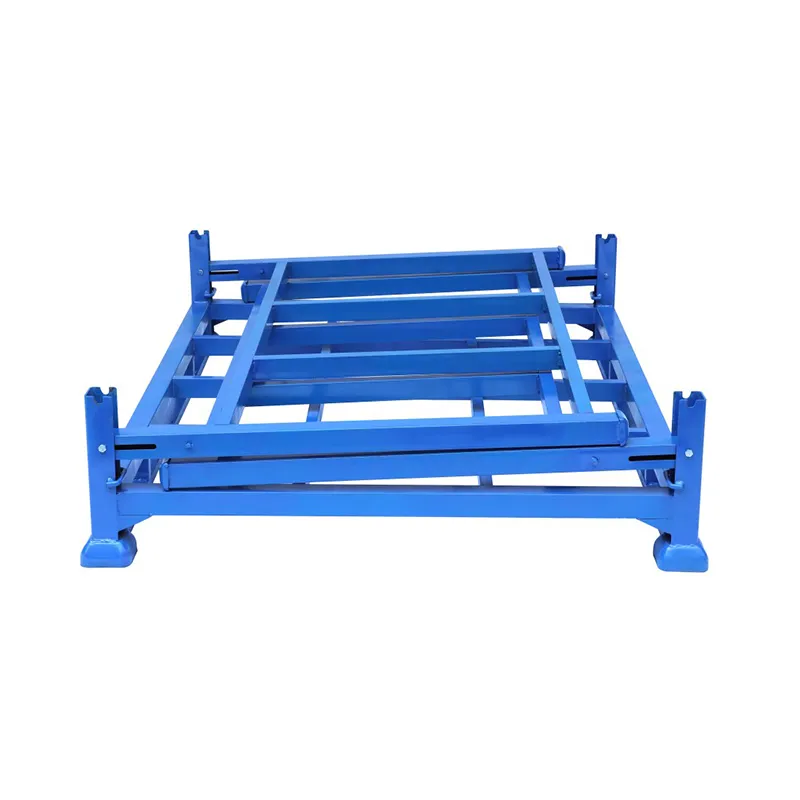
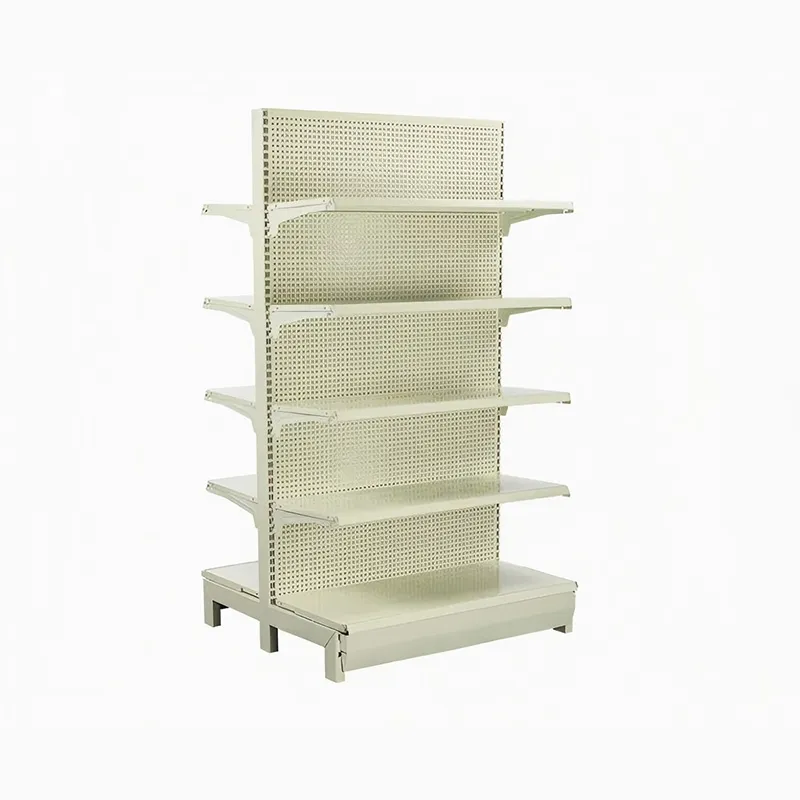
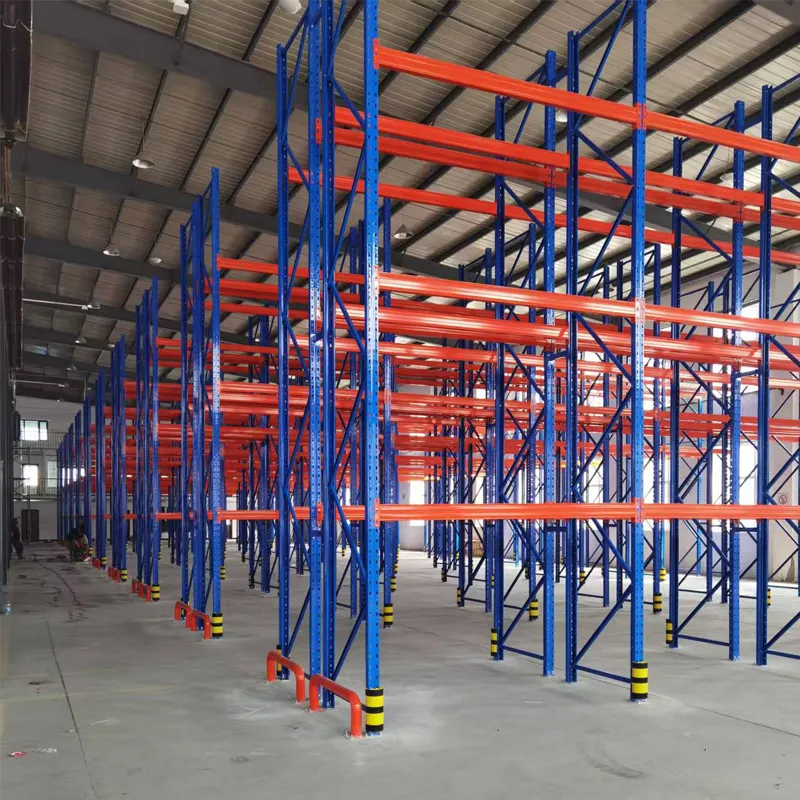
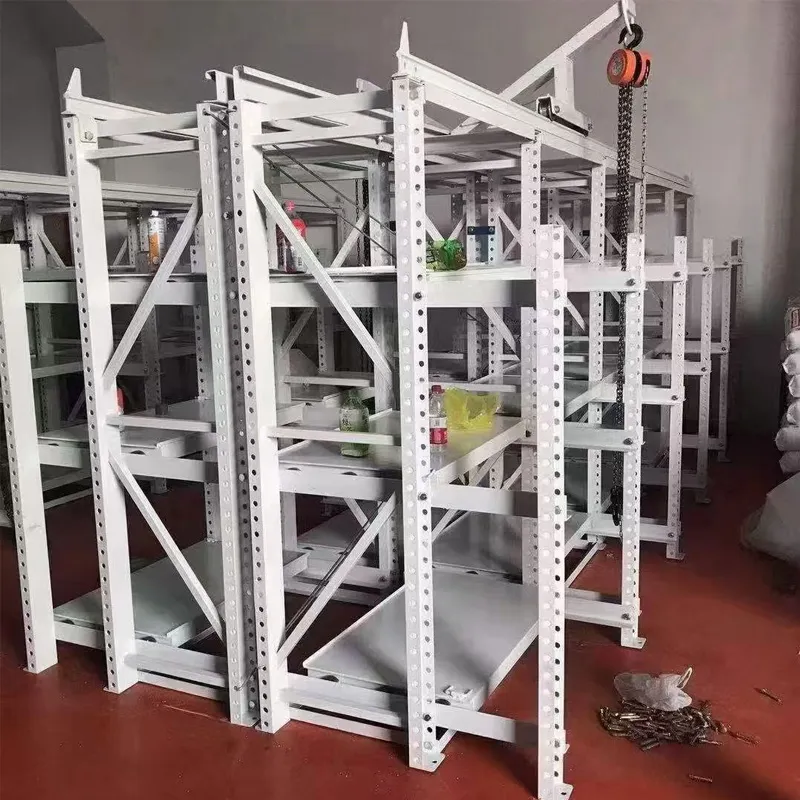
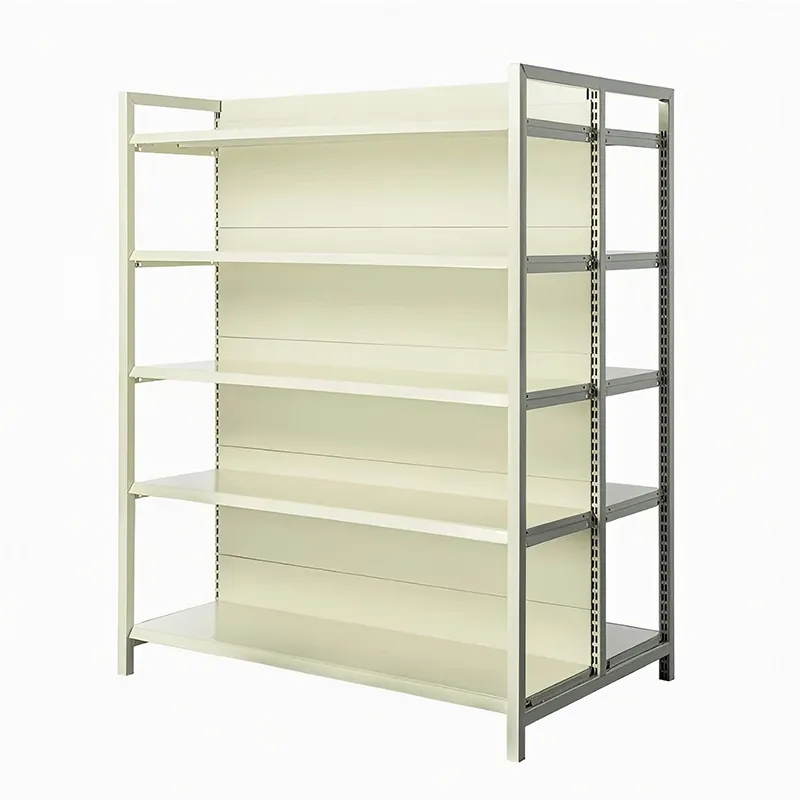
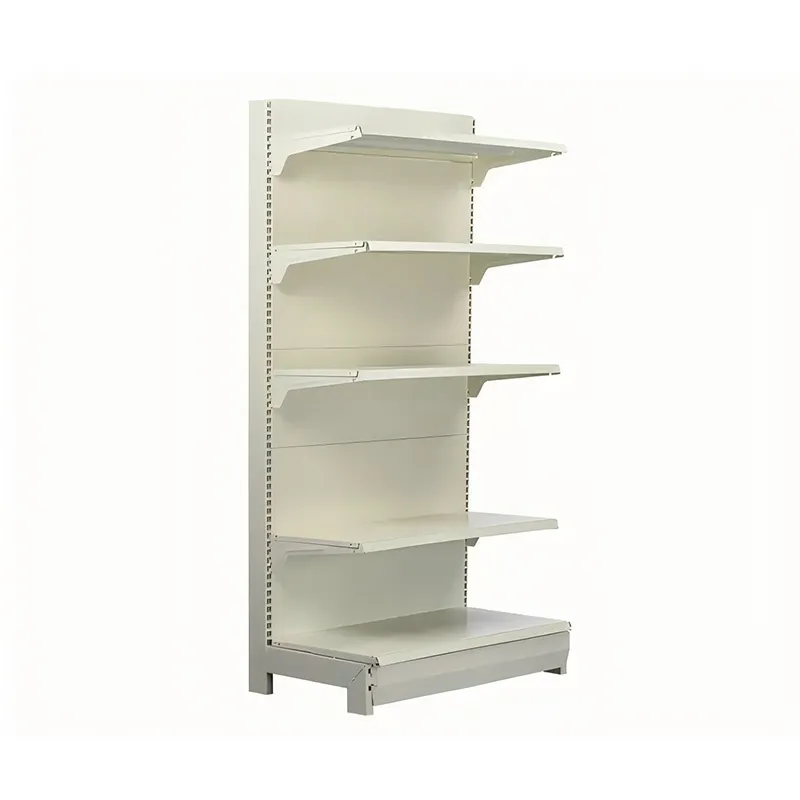
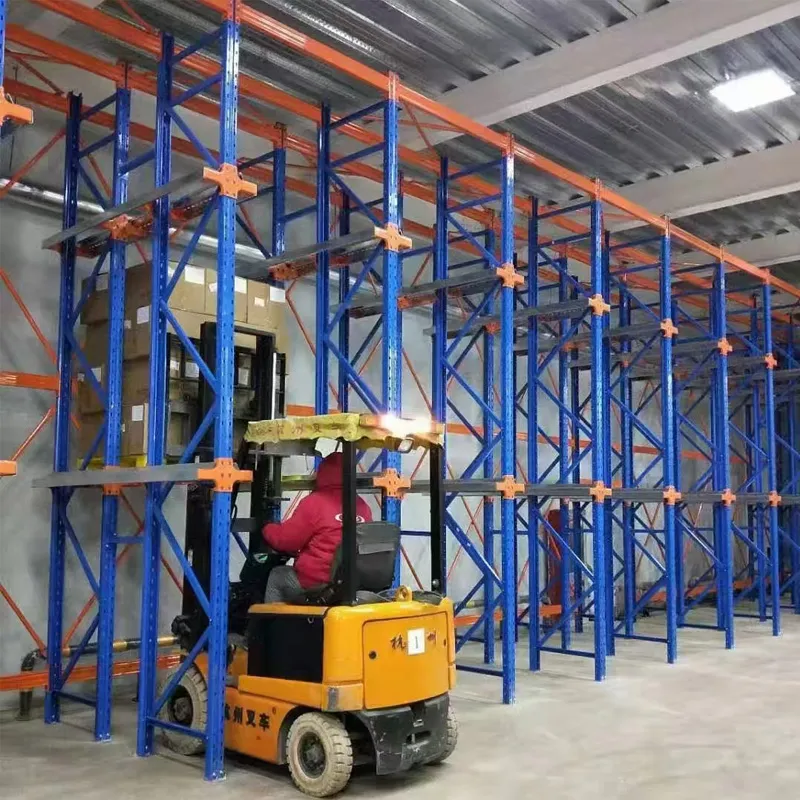
When you hear “exhibition shelving,” many people immediately imagine standard metal structures with shelves - a standard solution that can be ordered anywhere. This is where the main mistake lies. Over the years of working with exhibitions, I realized thatexhibition rackis first and foremost a carrier of information and part of scenography. Its task is not just to withstand the weight of the samples, but to control the visitor’s attention and build a narrative. And if you approach it as a simple “rack”, the result is almost always disappointing: the product is lost, the message is not read, the budget is wasted.
The ideal process begins not with a drawing, but with the question “what do we want to say?”. Often the customer comes with ready-made sizes and asks to “make the same thing, but cheaper.” This is a dead end path. First you need to analyze the flow of people, entry points of gaze, neighboring stands. For example, a book fair requires one type of access to products - so that you can leaf through, but an exhibition of industrial equipment - a completely different one, with an emphasis on demonstrating static samples. The design follows the logic of interaction.
People often stumble over the material here. Many people think that the thicker the steel, the better. But for mobileexhibition rack, which is assembled and disassembled ten times a year, it is not so much the absolute load that is critical, but resistance to cyclic deformation and ease of installation. I have seen cases where heavy, conscientiously welded structures were simply abandoned after the first exhibition - it was not economically profitable to transport them. Lightweight modular bolt-on systems often benefit in the long run.
The finishing is a separate story. Powder coating has become the standard, but its durability is highly dependent on surface preparation. One day we ordered a batch of racks from a new supplier. It looks perfect. And after two transportations, chips appeared on the edges down to the metal. It turned out that degreasing and phosphating were carried out somehow. I had to urgently repaint it locally right before the opening of the exhibition. Now I always ask not only about the thickness of the layer, but also about the full technological cycle in production.
A good example of a meaningful approach is the project for the regional exhibition “Architecture and Light”. The customer, a lamp manufacturer, wanted to show not just a product, but the idea of “light as a material?”. We abandoned the classic rectangular sections. Instead, they developed a system of asymmetrical hexagonal modules that could be assembled into honeycombs.Exhibition rackturned into a light installation: lamps were placed in cells, and the structure itself, illuminated from the inside, created complex shadows on the wall.
Producing such non-standard elements is always a challenge. We need a partner who is not intimidated by small-scale, complex orders and can ensure accuracy. That time we collaborated with a factory that specializes in the full cycle - from design to finishing. This was not a mass manufacturer, but an engineering enterprise ready to delve into the problem. For example, to attach glass shelves in inclined cells, they suggested using silicone shock absorber inserts, which were not in their standard catalog. This is value.
By the way, about partners. In northeast China there are several strong players who work specifically with complex projects. For example, the Harbin shelving plant ?Jusheng? (Harbin Jusheng Metal Structures Manufacturing LLC). According to their websitehttps://www.jshj.ru, they occupy a huge territory and carry out a full cycle of work - from design to after-sales. For complex exhibition tasks, this approach, where one contractor is responsible for load calculations, production, and finishing, can save a lot of nerves. Their profile is warehouse and retail systems, but if the portfolio includes beam or cantilever racks, it means that engineers are able to work with non-standard loads and cantilevers, which is critically important for exhibition structures.
The most boring and most important part is the body kit. How to attach signs, lamps, monitors? Often the designer draws a beautiful picture, but during installation it turns out that there is no channel-profile for the wires, and the back wall on which the screen should be attached is just a thin sheet of perforated steel. You have to improvise, drill on the spot, ruin the coating. Now we always include hidden mounting planes and cable routes in the design. This makes the prototype more expensive, but it saves time and nerves at the exhibition itself.
Logistics and storage are another stumbling block. Perfectexhibition rackAfter the event, it should be disassembled into a flat package. In practice, we often end up “dead” volumes. I remember they made a stand with radius facades. When disassembled, curved panels took up twice as much space as straight panels. There was nowhere to store them, transportation was expensive. For the following projects, we had to reconsider the approach: to use not solidly bent sheets, but segmented structures that imitate bending. The visual effect is the same, but the logistics are much simpler.
The budget is always limited. And here it is important not to slip into primitive savings on material. A cheap thin profile can bend at the first careless installation. But you can save smartly - on unification. Develop a basic frame module, which then, with the help of different curtain facades, brackets and lighting, turns into objects with different perceptions. This requires a deeper initial design investment, but provides flexibility for years to come.
Is it worth making designs that will last forever? for temporary exhibitions? My experience says no. Materials and technologies are changing. What was innovative five years ago now looks outdated. It's better to invest in a well-thought-out, high-quality, but not overly expensive basic design that can be upgraded with new types of finishes or digital interfaces. Stability, maintainability and upgradeability are the three pillars.
In this context, large manufacturing enterprises, such as the mentioned Harbin plant, come to mind again. Their strength lies in their scale and equipment with automatic lines. This is an ideal partner for replicating a successful exhibition module in large quantities (for example, for a federal retail chain). They can ensure stable quality of each unit in a large batch, which is a constant lottery when working with small workshops.
So what is itexhibition rackin the end? It's always a compromise. A compromise between the designer’s idea and the laws of strength of material, between visual lightness and physical stability, between budget and effect. You can't just buy it from a catalogue. It needs to be designed, constantly asking questions: “how will it be assembled?”, “how will it be transported?”, “what will a person see at first glance?”. The most successful projects are born in a dialogue between the designer, engineer and production technologist. And when this dialogue is achieved, the shelving ceases to be just a piece of furniture. He starts working. And for the sake of this, in fact, everything is started.