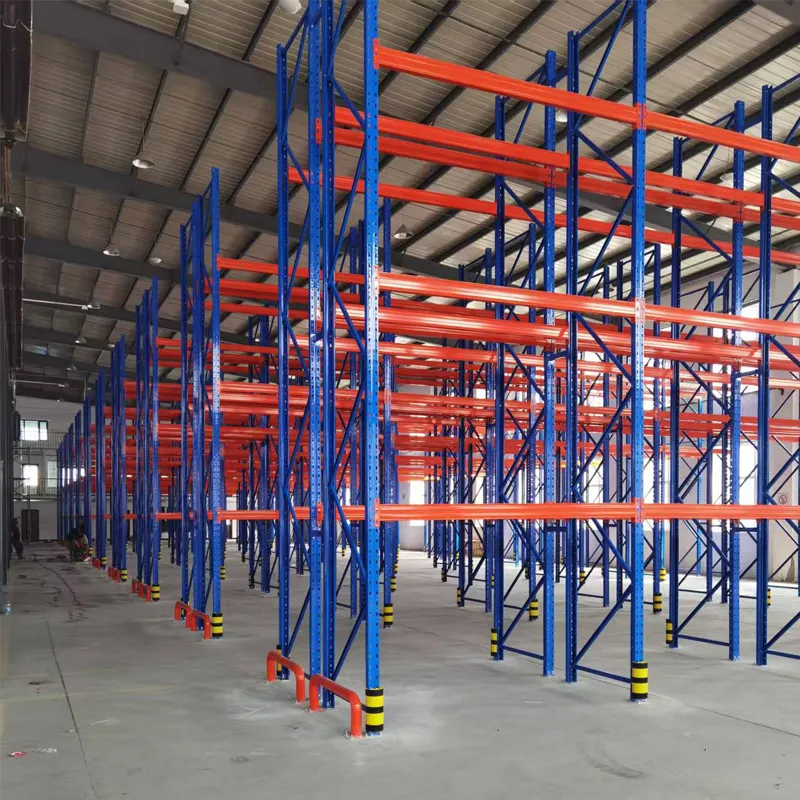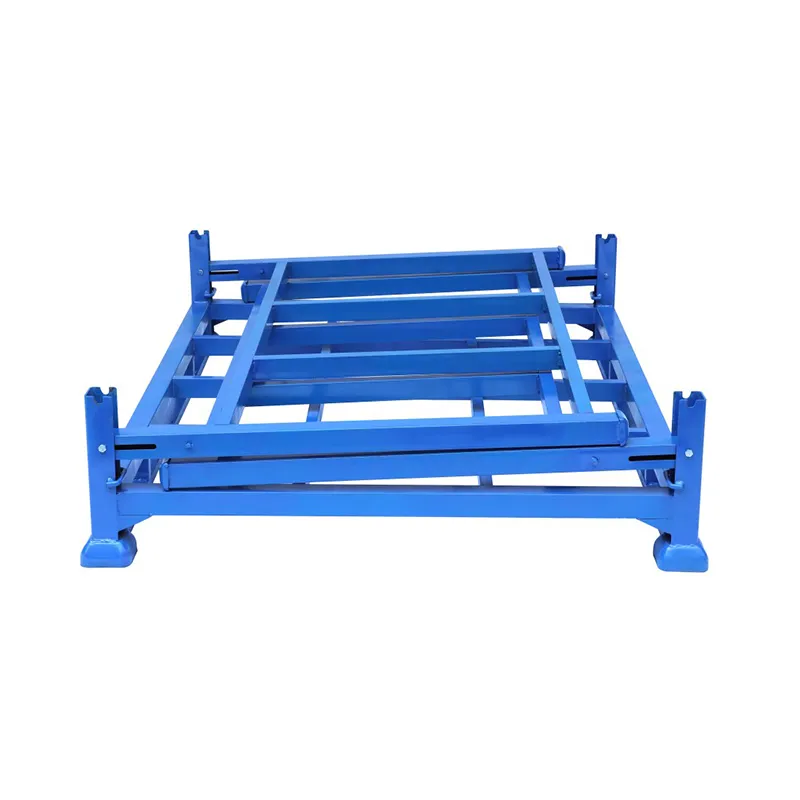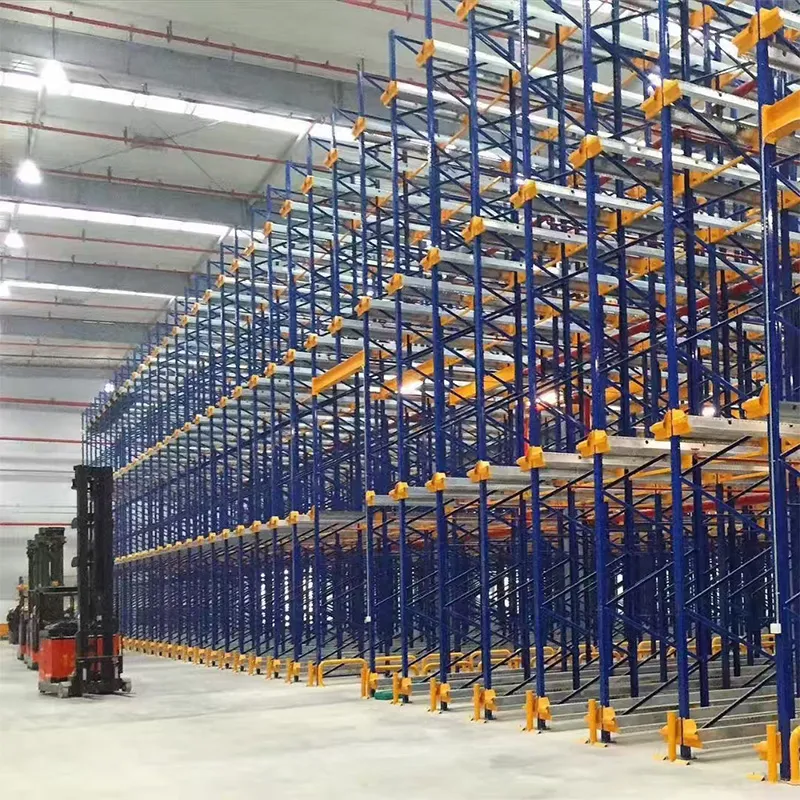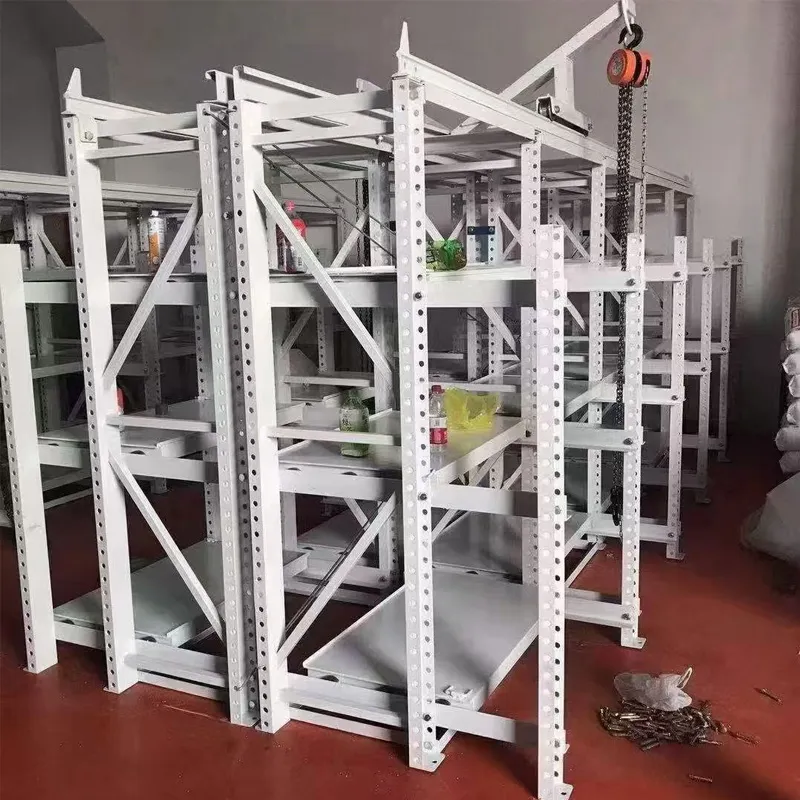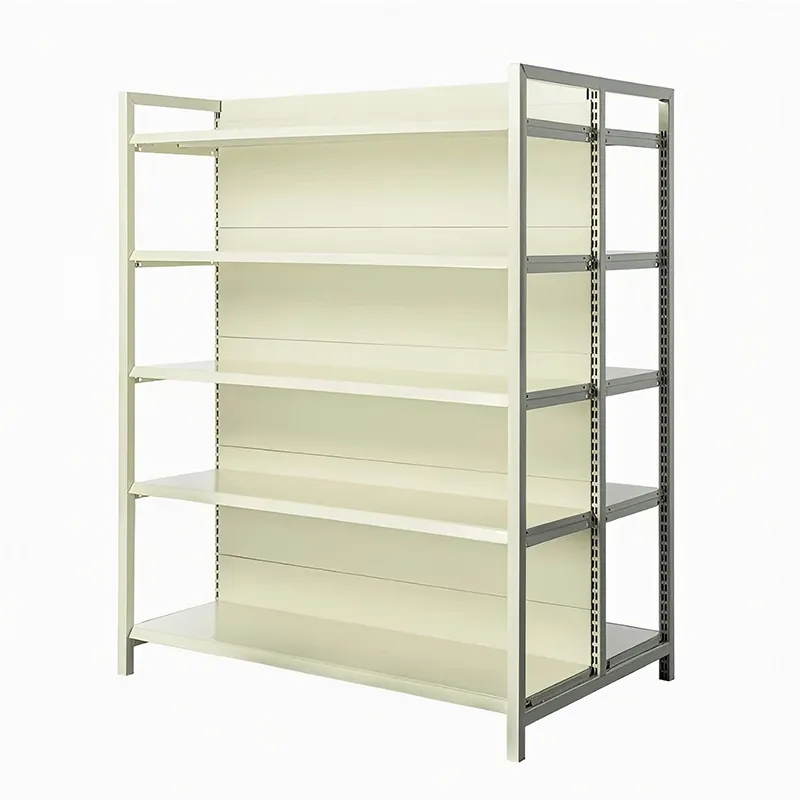
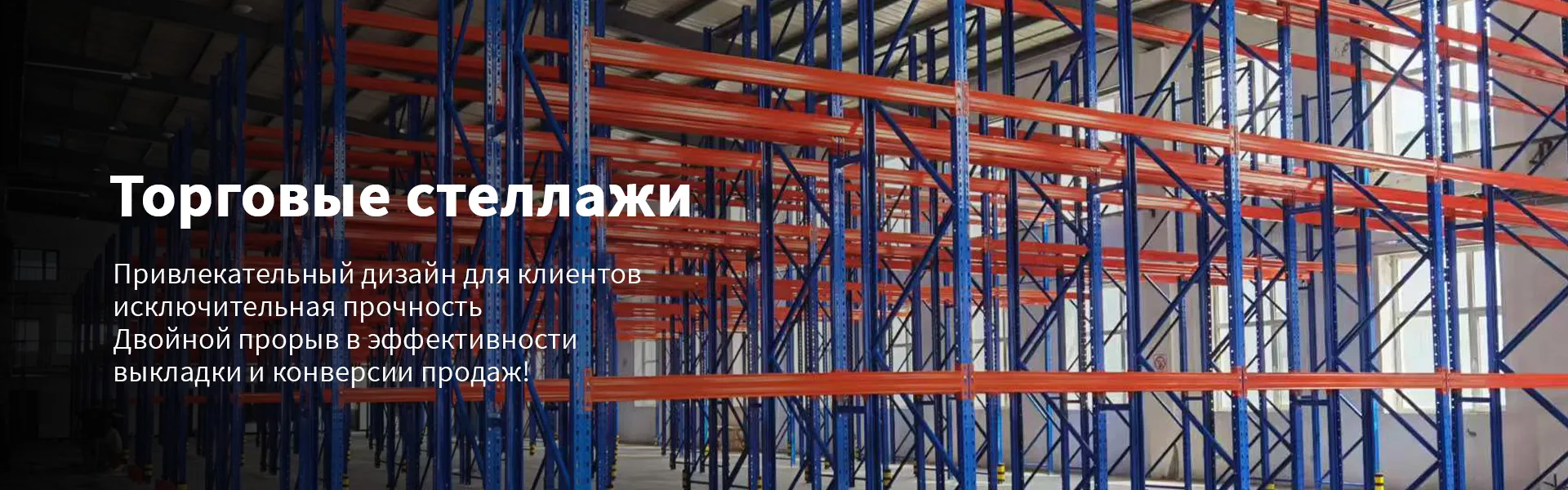
When they talk aboutrack maintenance, many people only imagine periodic cleaning and maybe tightening bolts. This is fundamentally wrong and even dangerous. Over the years of working with storage systems, from cheap shelf structures to complex mezzanine complexes, I have become convinced that maintenance is a systemic process that directly affects the safety, durability and, ultimately, the economy of the warehouse. If you miss something, the beam is already deformed, and then the incident is not far away.
It all starts with the eyes. Regular visual examination is not a formality, but the main diagnostic tool. But there are nuances here too. You need to look not “as a whole”, but purposefully. For example, connections. Bolted ones often “creep”, especially under dynamic load. Locking ones (as on many prefabricated systems) can lose rigidity, and a backlash appears that you won’t notice at first glance. You need to not just look, but try, rock the section slightly. Inspection is often neglectedprotective fencesand limit switches. But a hit from a forklift is common, and after it the fence may look intact, but the fastening will be compromised.
Particular attention is paid to welded seams, especially in places of maximum stress: at the base of columns, at the attachment points of beams. We are not looking for obvious cracks, but microscopic “cobwebs”, traces of corrosion that begins precisely because of the stress of the metal. In a dusty warehouse, they are easy to miss. I always recommend carrying a flashlight as part of the inspection, even during the day. Under a beam of light, all irregularities and chips of paint are visible, which are the first signals.
A mistake that is often made: examining only at eye level. And what's below, near the floor? There is an accumulation of moisture, dirt, and aggressive substances (if the warehouse is not perfectly clean). This is where corrosion begins. Or on the very top tier, where people rarely look - there you can find unaccounted deflections of beams from constant overload. The inspection must be total, from floor to ceiling.
Many people create a maintenance schedule every six months or a year. It's better than nothing, but not ideal. The actual need for maintenance depends on a dozen factors: the intensity of work of loading equipment, the type of cargo (vibration from heavy pallets is a separate issue), microclimate. In one pharmaceutical warehouse with ideal conditions and electric stackers, the structures last for years without intervention. On a damp vegetable storehouse with diesel loaders that “smoke” and vibrate, tightening connections and checking the anti-corrosion coating must be done many times more often.
What is included in my understanding of scheduled maintenance? Firstly, control the tightening torque of threaded connections. Not ?from the heart? wrench, and with a torque wrench according to the manufacturer's specifications. Overtighten—break the thread or create excessive internal stress in the metal. Secondly, checking and leveling the sections. The floor is sagging, the shelves are “floating away”. A slight distortion of a few millimeters at a height of 10 meters turns into centimeters - the load is redistributed, the structure does not work correctly.
The third, often forgotten point is the revision of the floor mounting. Anchor bolts can become loose in concrete, especially if the installation technology was initially violated. We somehow dealt with a swinging high shelving system - the reason turned out to be three “elongated” ones. from the floor anchors of twelve. You can't tell visually the first time. I had to strengthen the fastening and drill new holes with chemical anchors. Now I always include a random tensile fastening check in the maintenance plan for highly loaded systems.
Corrosion is the silent killer of warehouse equipment. And we're not just talking about wet warehouses. Condensation, temperature changes, aggressive vapors (even from some packaging materials) - all this causes wear and tear. Standard powder coating is excellent protection, but will not last forever. Mechanical damage (scratches from forks, impacts) exposes the metal.
Prevention is important here. If you find a chip, don’t put it off. Degrease, prime, paint with repair compound. It is better, of course, to have a set of original paint from the manufacturer, so that not only the color, but also the chemical composition and adhesion match. By the way, about the manufacturers. Here, for example,Harbin Rack Factory ?Jusheng? (https://www.jshj.ru), which just offers a full cycle, including after-sales service. In such cases, you can ask them for original touch-up materials - this will ensure that the repair layer does not conflict with the main coating. Their production, by the way, is located in Harbin, and they know well what temperature changes and high humidity are, so they, as I saw in samples, take a serious approach to protective coatings.
But there are more difficult situations when corrosion has started from the inside, in places that are inaccessible for painting during assembly. For example, inside tubular columns. This happens if the seal is poor or if moisture gets inside during transportation/storage. There is no time for cosmetics here - an examination of residual strength is needed. Sometimes it is easier and safer to replace an element than to try to revive it.
The most common cause of problems is violation of passport loads. Everyone knows the rule, everyone breaks it. “Let’s put another box, nothing will happen?” It will happen. But it's not just about weight. Uniformity of distribution is important. Did the forklift load the pallet crookedly, with one edge on the beam and the other on the console? This creates an eccentricity, an overturning moment, for which the structure was not designed. Staff need to be constantly trained. Don’t “load carefully,” but show on diagrams how dangerous voltages arise.
Another point is shock loads. An abrupt stop of a loaded pallet on a beam, “collision?” pitchforks on the shelf. Even if there is no visual damage, residual deformation and microcracks could occur in the metal. After any such incident, the section should be inspected with special passion, perhaps with the invitation of a specialist. We had a case where, after hitting a lower beam with a pitchfork, it held up, but a month later the weld on the column above cracked - the shock wave went through the structure.
It is important to keep a log of loads and incidents. Not for reporting, but for analysis. If a particular cell or section is constantly overloaded (even if only slightly), this is a risk point. It needs to be either strengthened or the logistics of work around it changed.Maintenance MethodsHere they are closely linked with the management of warehouse processes.
You should not try to repair everything yourself, especially if we are talking about complex or damaged systems. The manufacturer knows his products better. A high-quality manufacturer that carries out the full cycle, from design to service, is not just a supplier, but a security partner. Returning to the example?Harbin Jusheng Metal Structure Manufacturing Co.,Ltd.— their approach, including after-sales service, is correct. This means that you can turn to them for advice on strengthening the structure, for original spare parts, and for diagnostics.
For example, when expanding a warehouse and the need to increase the height of the racks or increase the load, independent “creativity” unacceptable. We need a calculation from the manufacturer's engineers. They will take into account the load-bearing capacity of existing foundations, columns, and the features of connection nodes. We once encountered a situation where a client bought “compatible” ones. beams from another manufacturer to save money. The geometry seemed to be the same, but the grade of steel and method of fastening were different. Six months later, cracks appeared in the locks. I had to dismantle and install original ones. Savings turned into losses.
Regular service inspection from factory specialists is not an excess. They may notice that the eye is getting blurry. from internal personnel, carry out instrumental measurements (coating thickness measurements, checking geometry with a laser level). This is an investment in trouble-free operation.
Ultimately, effectivewarehouse rack maintenanceis not a set of isolated procedures, but part of a corporate safety culture. This is when the storekeeper, noticing a bent end switch, does not pass by, but puts a mark and reports. When a logistician, planning the placement of a new heavy product, checks the load map. When the budget includes funds not only for the purchase, but also for the maintenance of equipment.
This process is never perfect. There will always be emergency situations, human factors, and unforeseen circumstances. But the system allows us to minimize risks. It is built on three pillars: regularity (but flexible, depending on the situation), competence (understanding what you are doing and why) and responsibility (awareness that someone’s life and the safety of the goods depend on it).
You can start small: by introducing a checklist for monthly inspection, by training one responsible employee, by establishing contact with the manufacturer’s customer service, the same “Jiusheng”. The main thing is to start and do it not for show, but understanding that a rack is not just a piece of hardware, but an asset that must work for a long time, safely and efficiently. And his condition is a direct reflection of the attitude towards business throughout the warehouse.