When you hear “racks directly from the manufacturer?”, the first thought is, yeah, cheaper, without intermediaries. But in practice everything is more complicated. Many people think that it’s easy to buy “from the factory”, but they forget about design, logistics, installation and, most importantly, whether the standard line is suitable for your specific facility. This is what I want to speculate on, based on what I saw and what I encountered.
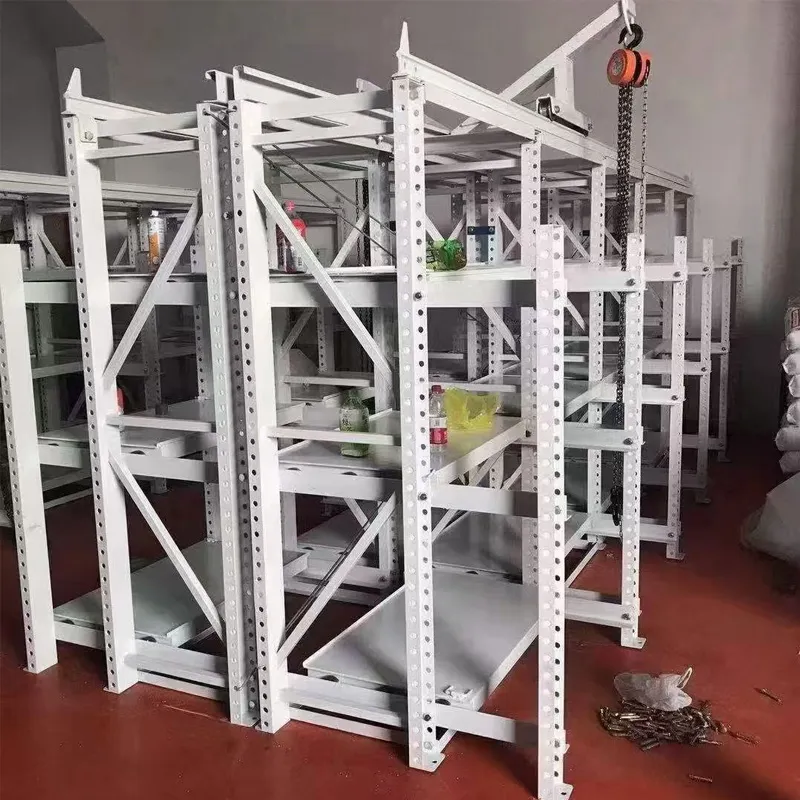
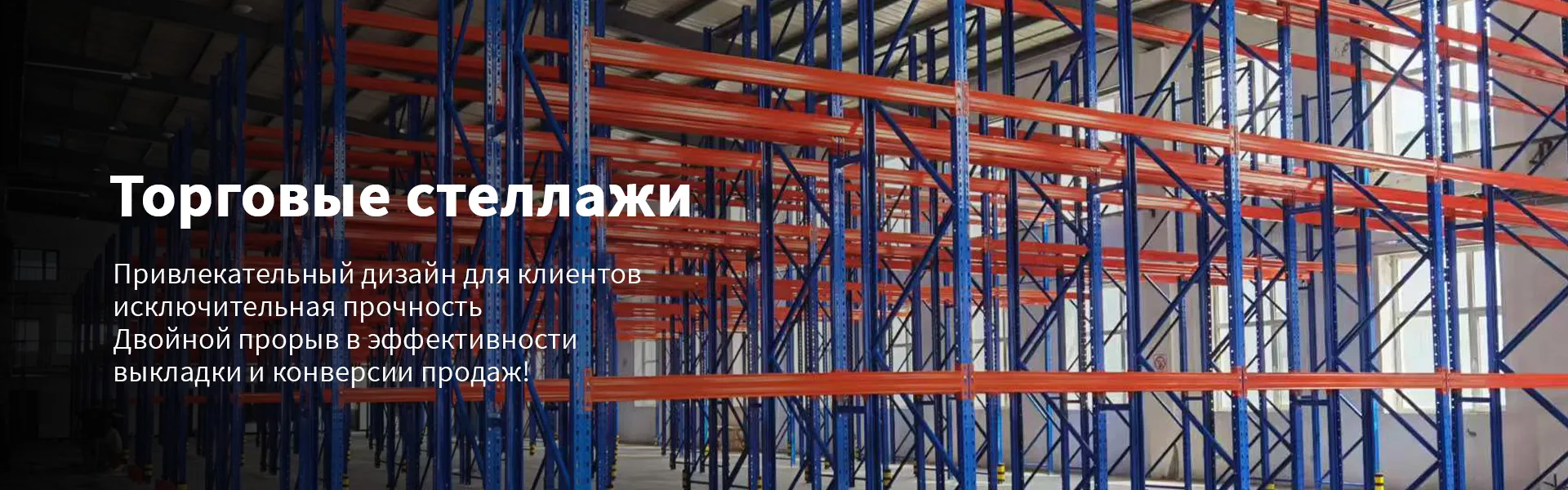
Let me start with the fact that the term itself is “directly” sometimes misleading. Clients call and ask the price per meter or section, and when you start to find out the details, it turns out that the load is non-standard, the height of the room requires stability calculations, or integration with an accounting system is needed. And here is ?straight? a manufacturer that truly has a full cycle becomes critical. Not the one who simply cuts the profile, but the one who can calculate, manufacture and, most importantly, be responsible for the final result. For example, for a warehouse with high ceilings, beam racks are not just beams on racks, they are designed for dynamic loads, for a possible earthquake (we, of course, rarely consider seismicity, but in projects for serious objects it is necessary), for the specifics of the loader.
For example, we worked with one logistics center near Khabarovsk. The customer initially wanted to save as much as possible and allegedly found a “manufacturer” who gave a low price. It turned out that he simply resells ready-made structures from another region and does not design them himself. When the time came for installation, the jambs came out: the holes did not match, some of the fasteners did not fit. The project stopped, equipment downtime resulted in colossal losses. As a result, we remade everything from scratch, but with a different partner. This is a classic story when ?directly? It turned out not directly, but through a chain where control is lost.
Therefore, for me, the key marker of a real direct manufacturer is the presence of its own design bureau (design bureau) and testing base. So that not in words, but they can show calculations in specialized software, certificates for materials, test reports for components. Without this, any talk about quality is just marketing.
Large areas and “automated lines” are often mentioned in company descriptions. This is of course important for scale and speed. But I always look deeper. Automatic CNC cutting is the standard now. The question is accuracy and how the subsequent coverage is organized. Powder painting is a much more important step than it seems. It determines how the rack will behave in an aggressive warehouse environment, where there may be temperature changes, humidity, and chemical fumes (for example, in paint and varnish warehouses).
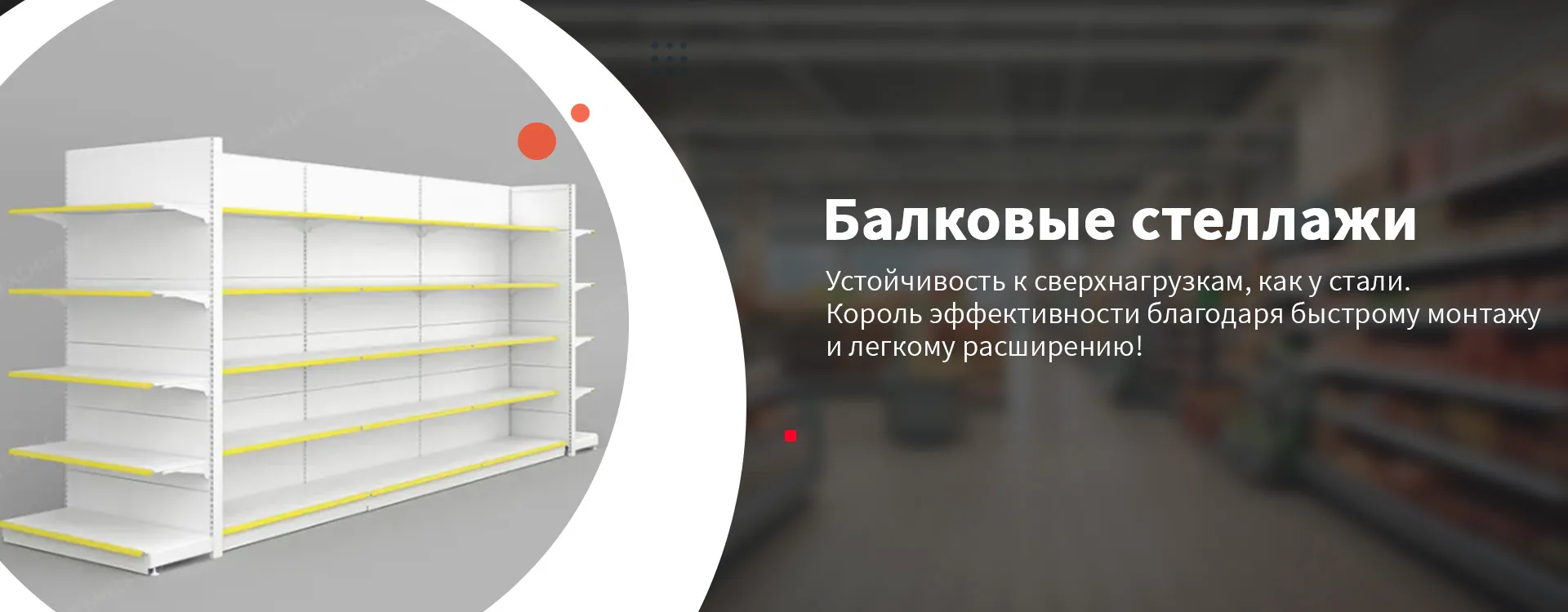
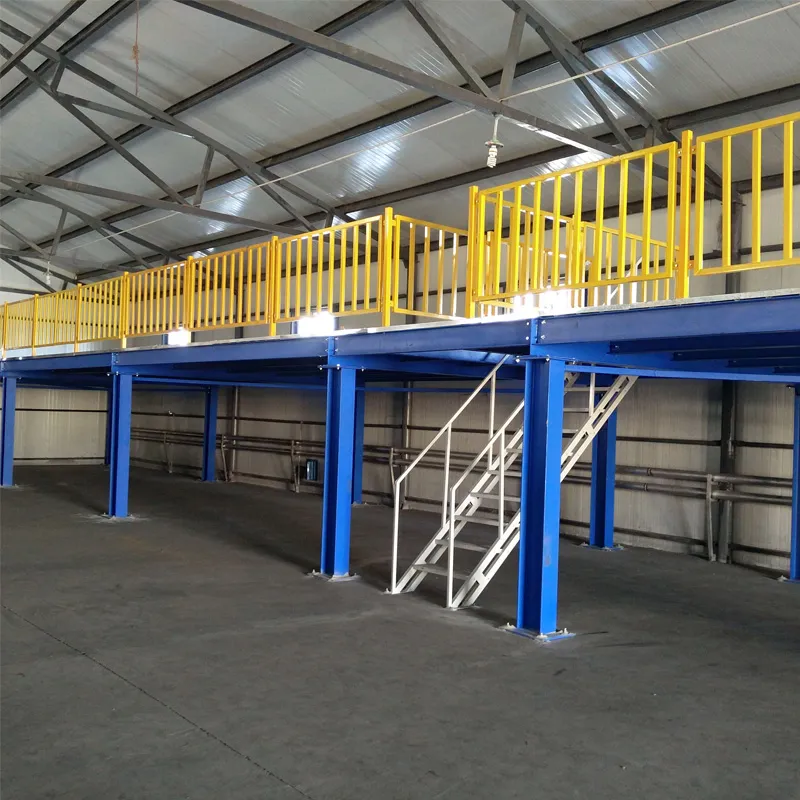
Here I can give an exampleHarbin Rack Factory ?Jusheng? (https://www.jshj.ru). In their case, when you see an area of 20,000 square meters. meters and several lines, this speaks primarily of the potential for large serial orders and for the production of non-standard dimensional structures such as mezzanine shelving. But what is really valuable is the declared full cycle: from design to after-sales. You don't see this very often. Many people assemble a chain of subcontractors: one cuts, another paints, the third carries. And here the whole process is under one control. For the customer, this is minus the headache of coordinating deadlines between different offices.
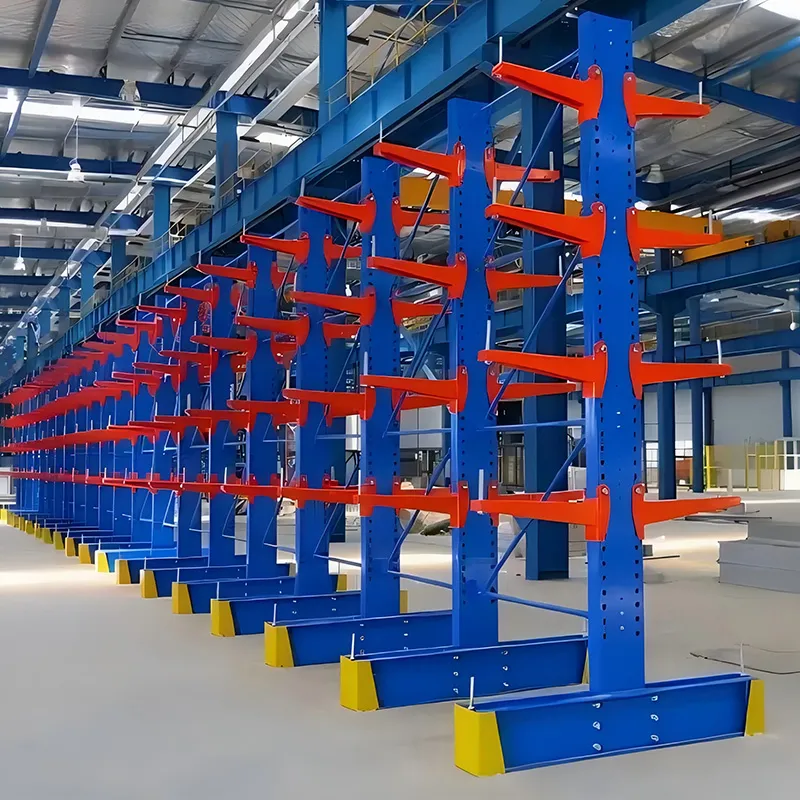
From personal observation: I saw their samples of cantilever racks for long cargo. I paid attention to the welds and the design of the console-to-rack mounting unit. Made well, without distortions, the painting is uniform, without smudges. These are little things, but they reveal either a handicraft or an industrial approach. For ?direct? such little things are the manufacturer's face.
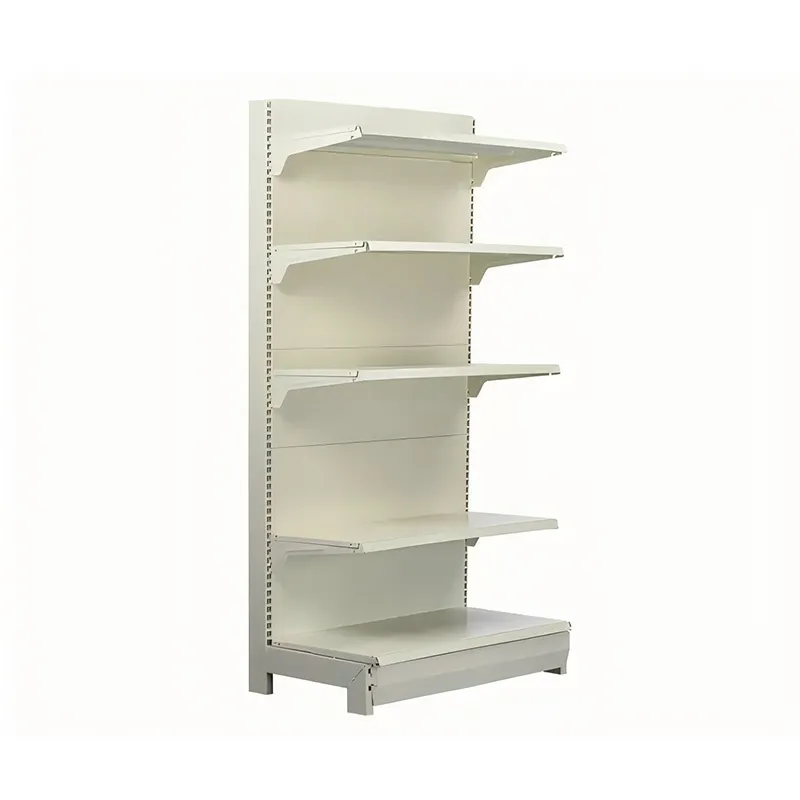
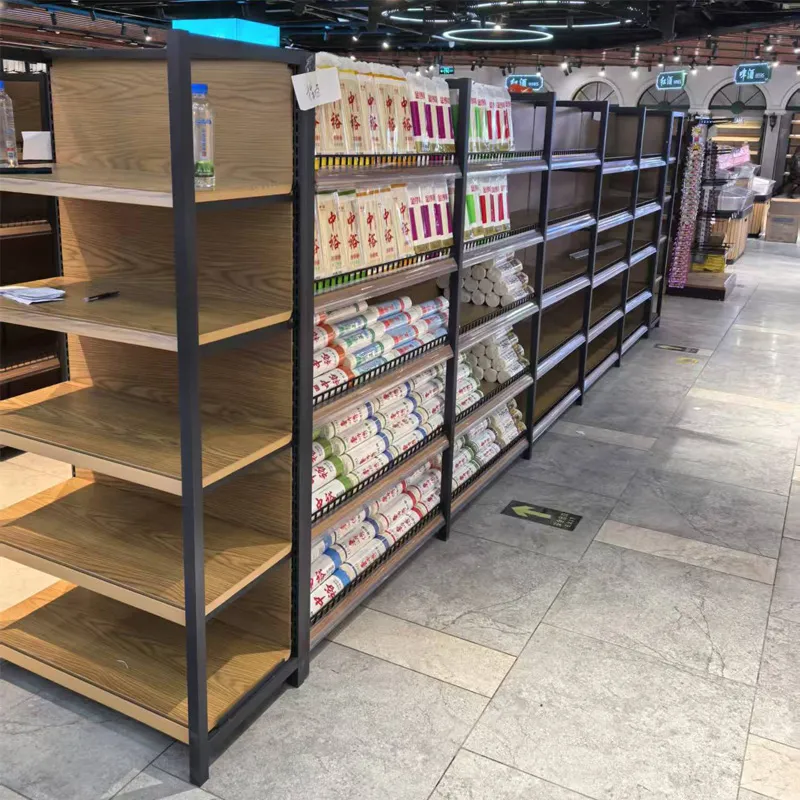
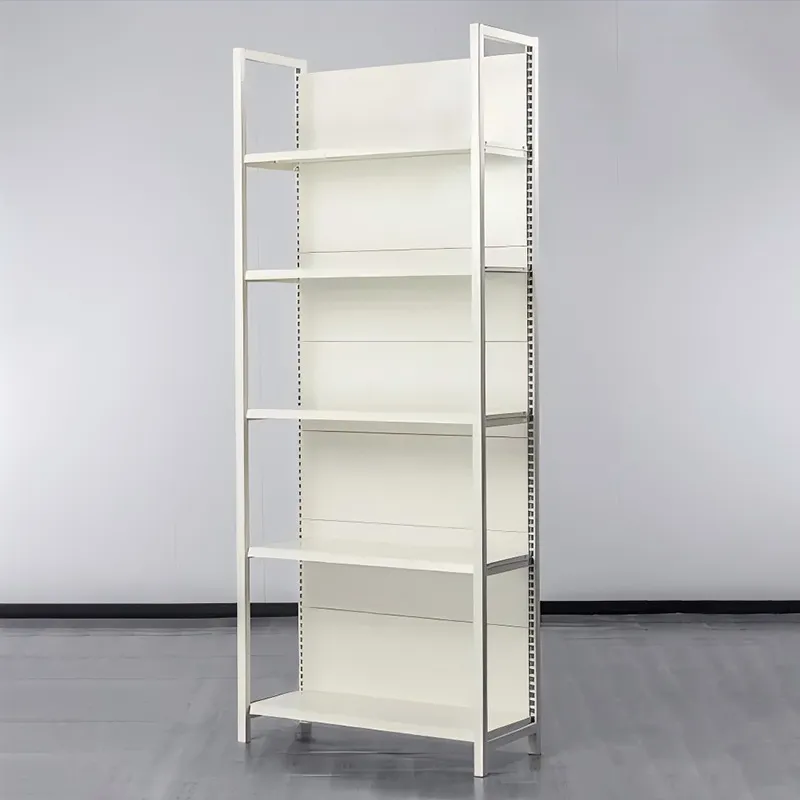
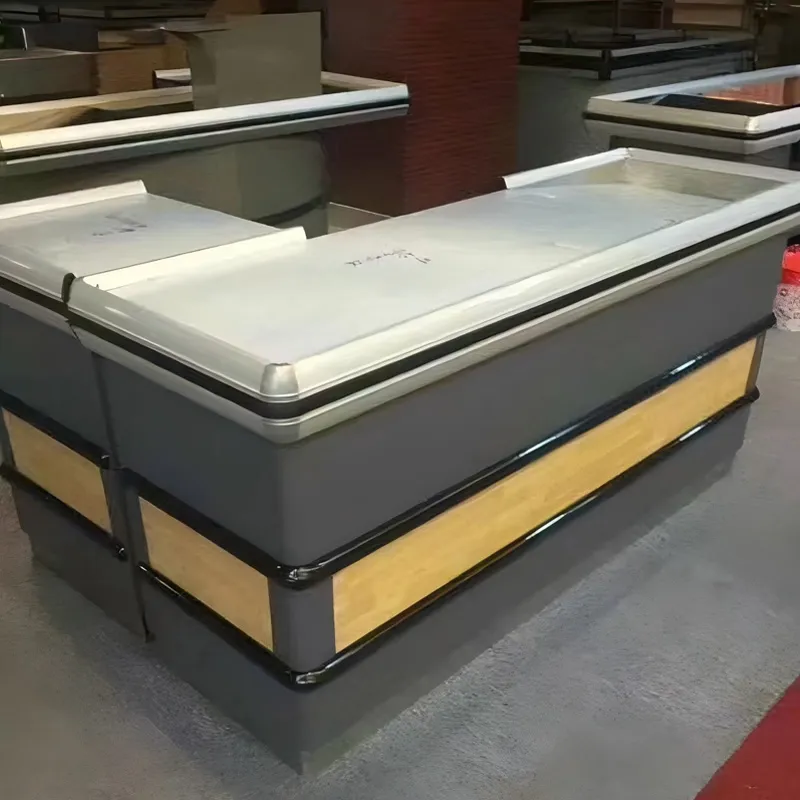
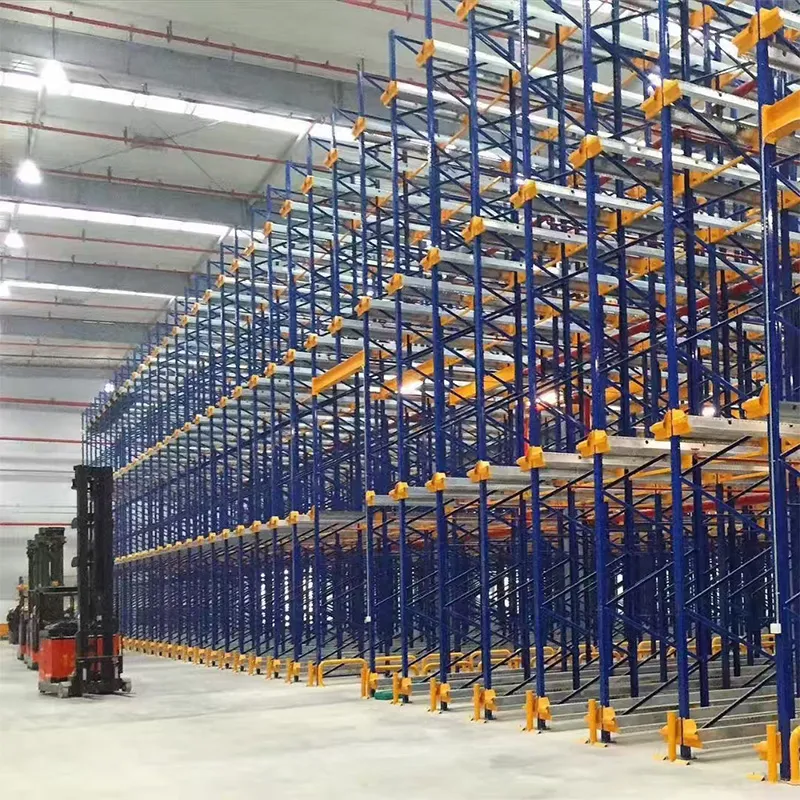
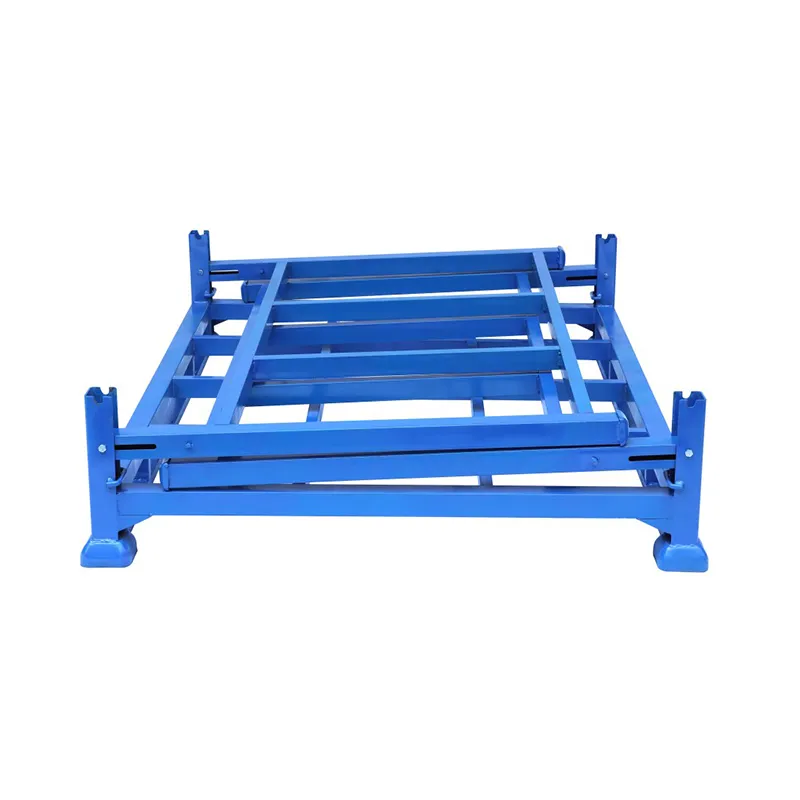
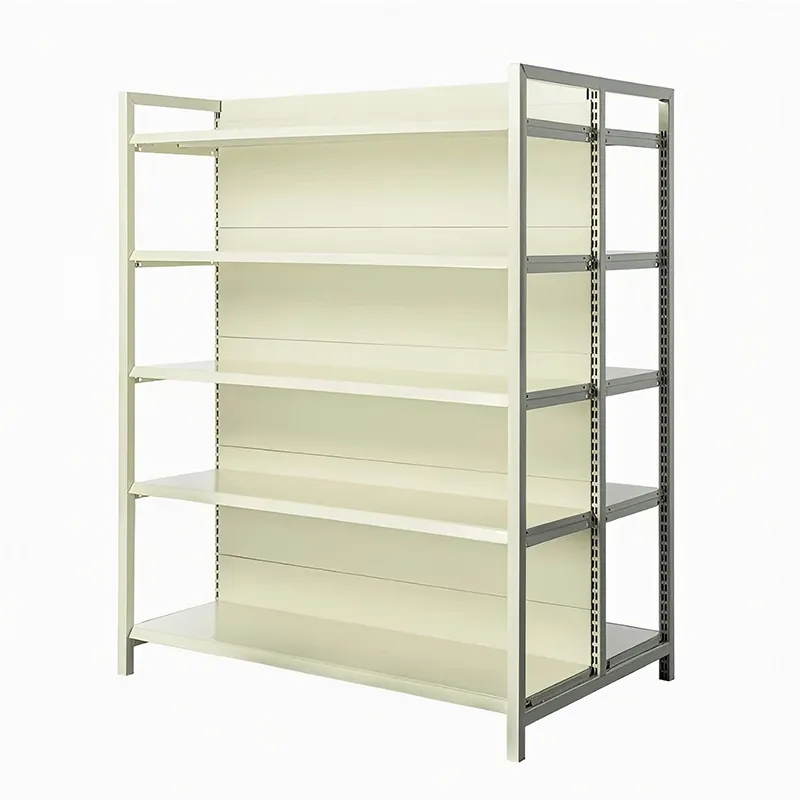
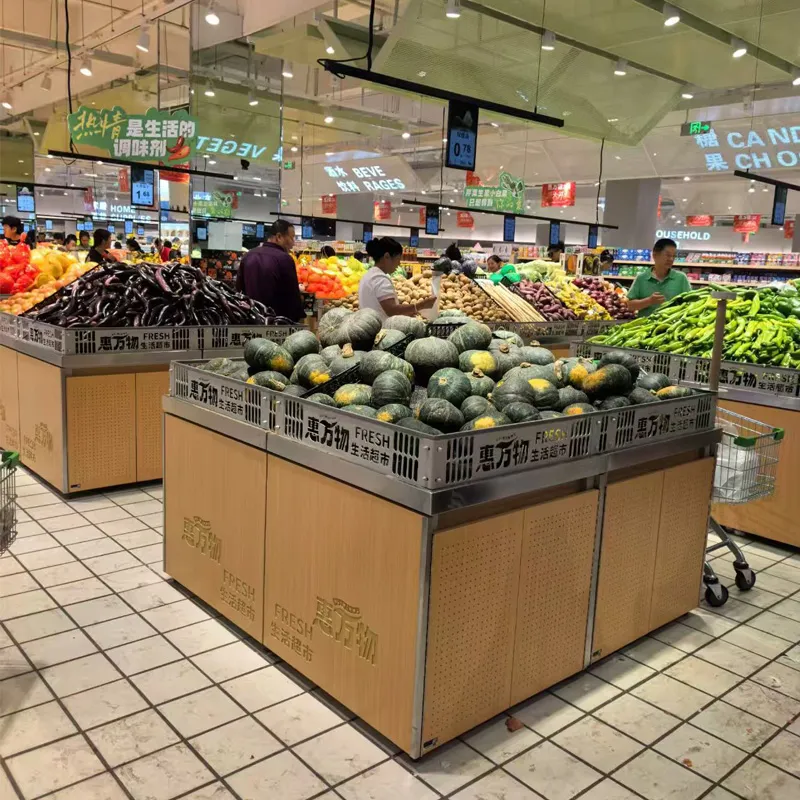
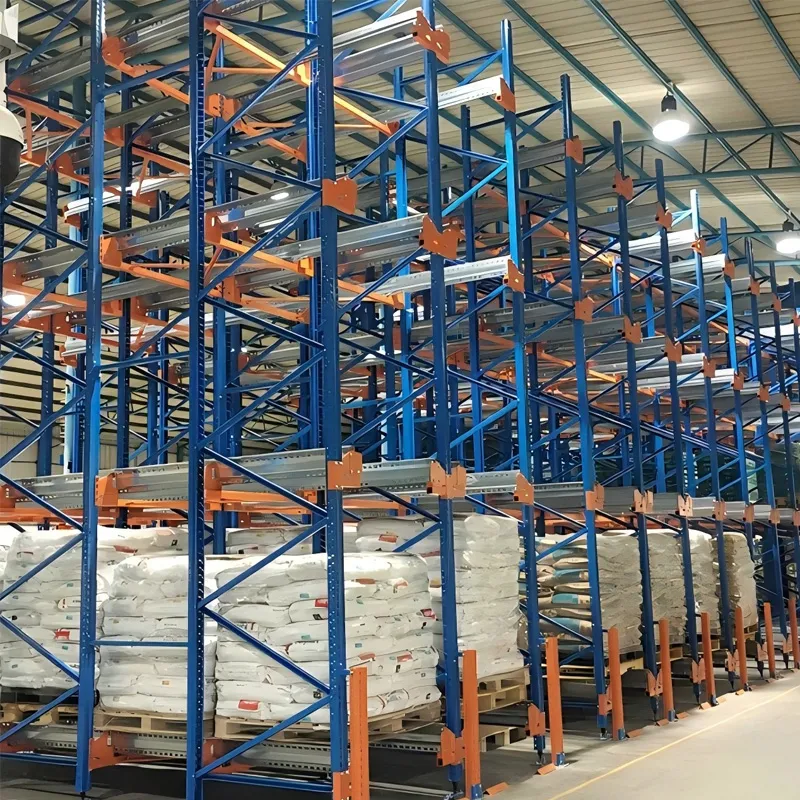
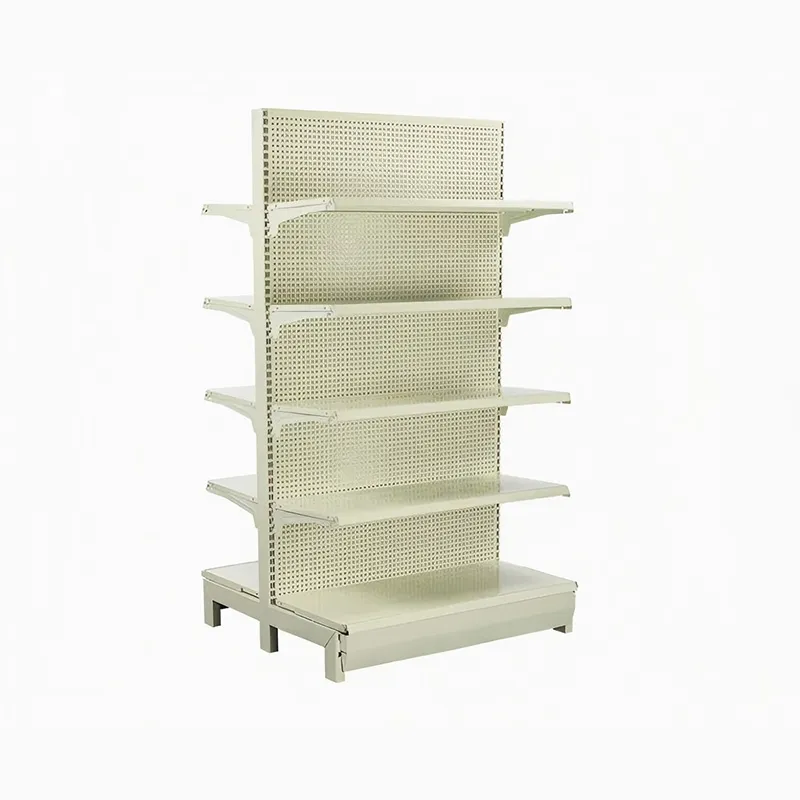
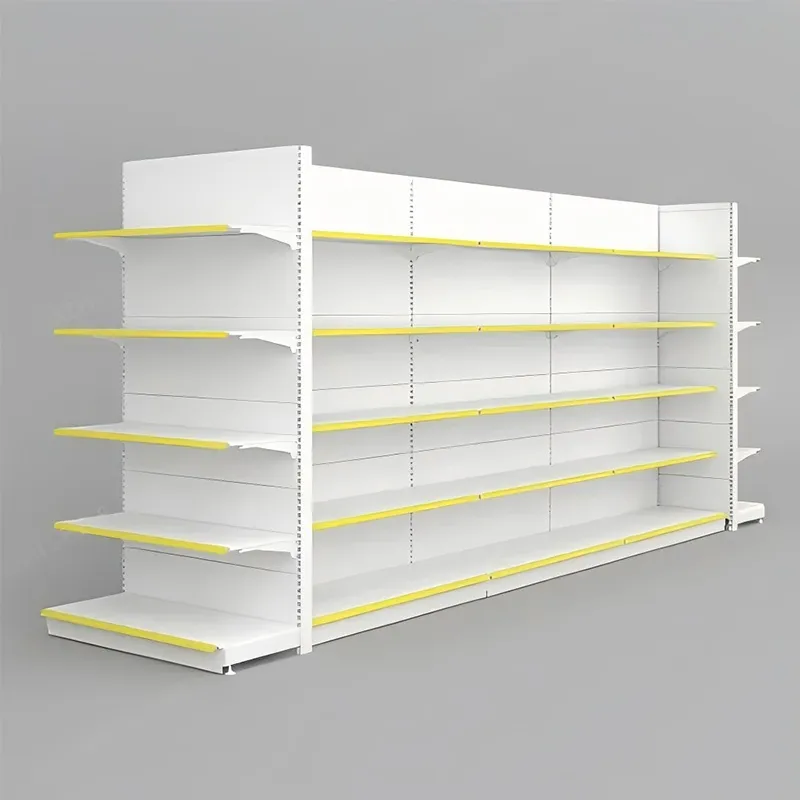
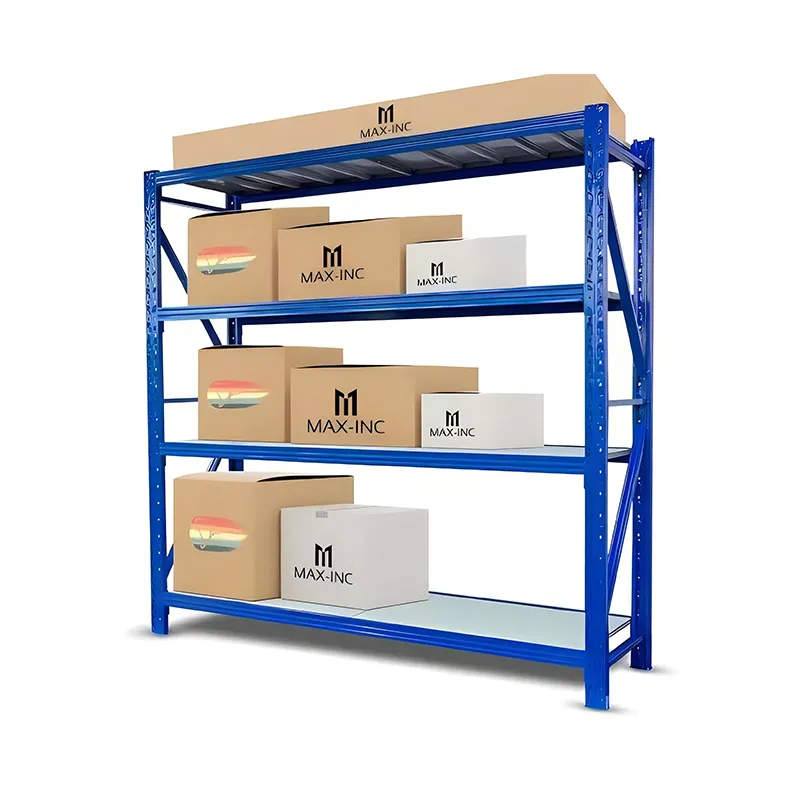
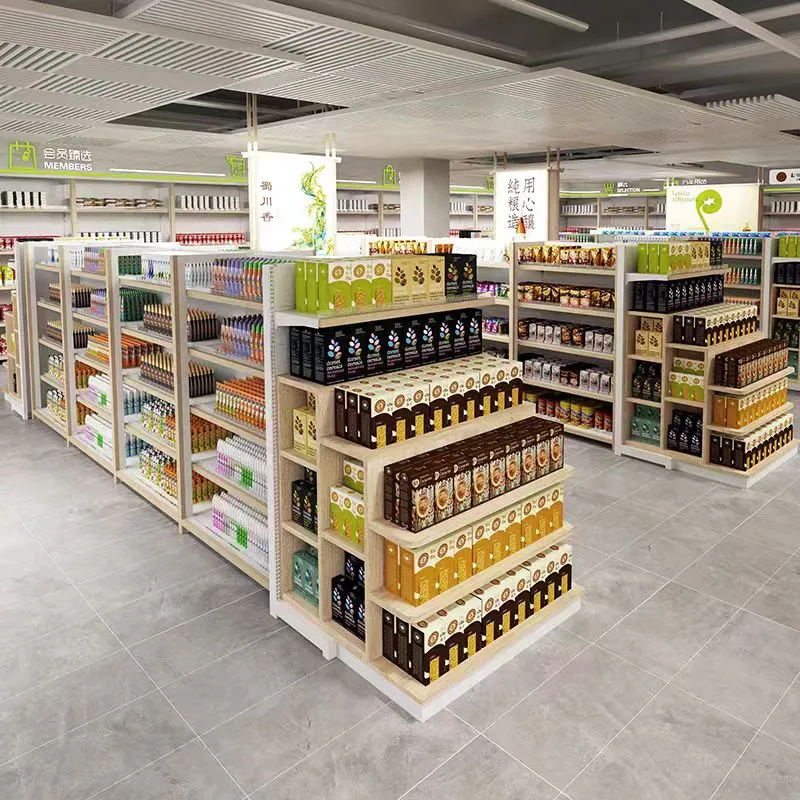
One more thing. ?Manufacturer of shelving? - the concept is broad. Some make only light shelf systems for stores, others are designed for heavy pallet systems. When the company is like the same?Harbin Jusheng Metal Structure Manufacturing Co.,Ltd., states that its portfolio includes retail racks, warehouse racks, beam racks, and racks for four-way shuttles - this indicates a wide technological base. But here lies the difficulty for the customer: you need to clearly understand what kind of request to make. Because the equipment for the production of lightweight perforated panels and for massive beams is different.
In practice, it often happens that a client comes with a request for “warehouse racks”, and during the discussion it turns out that, according to logistics processes, a mezzanine system is more suitable for him in order to use the height of the room. Or, on the contrary, he wants shuttle systems, but his turnover will not pay for them. A real direct manufacturer with a competent sales department (and not just sales managers) should be able to consult at this level - not sell what they have, but offer a solution based on the problem. This is the added value of ?direct? contact.
I myself came across a situation where for a small archive they insisted on massive racks for pallets, although the load was purely documentary. We convinced them and made plans for lighter sections, but with an increased height of the sections. The client saved on both design and installation, and used the useful volume better. This is what work is? Directly? - not just make it, but design it to suit your needs.
This is perhaps the most painful point. You can make an ideal design at the factory, but if it is delivered or installed incorrectly, everything will go down the drain. Many manufacturers, especially large ones, work with logistics partners and outsourced installation teams. And here the chain of control breaks again. It is ideal when the plant has its own proven installation teams or at least strict regulations for accepting work from subcontractors.
Working with deliveries to different regions of Russia, I saw everything. For example, a story about delivery to a remote area: the manufacturer shipped it, the carrier loaded it incorrectly, and some of the elements were bent. The installers began to “adjust” on site. with a sledgehammer. As a result, there are complaints about the quality of workmanship, although the initial defects were zero. Therefore, I have now developed a rule for myself: to discuss logistics and installation in one package with production. It's better when one party is responsible for everything. If a manufacturer, like Jusheng, positions itself as a full-cycle enterprise, then it is logical to expect that it should have well-developed schemes for both delivery and installation supervision. This is a question for them the next time you contact them - it would be interesting to know the details.
Another nuance is the completeness and labeling. On a large facility, where there are thousands of racks, beams, connections, if everything is marked in accordance with the installation diagrams, this is happiness for the team. If not, a hellish puzzle begins, deadlines drag on, costs rise. A real manufacturer, who designs it himself, always ensures clear labeling. This is a sign of consistency.
It would seem that the rack is not a CNC machine, what kind of after-sales? In fact, it is very important. First, the coverage warranty. Secondly, the opportunity to purchase additional sections or elements in a year or two, and so that they perfectly match in color and geometry with those already installed. If the manufacturer is a temporary worker or an assembler from someone else’s components, you won’t get this. The color of the batch may vary, as well as the thickness of the metal.
Thirdly, consulting support. Let's say a client is expanding a warehouse and needs to add a second tier to the existing racks. Is it possible? What safety margin was built in? Only the original manufacturer, who still has the calculations and specifications, can give an accurate and safe answer. Appeal to third-party “craftsmen” such modification may lead to an accident.
So it turns out that the phraseracks directly from the manufacturer- this is not about a short chain from the machine to the buyer. This is about a short and direct chain of responsibility. From the engineer who calculates the load, through the line worker who welds the unit, to the logistician and installer - everyone must work in the same coordinate system and for the same result. And when you find such a partner, be it a large plant like the one in Harbin or a more intimate but refined production, the work becomes predictable. And in our business, predictability and reliability are often more expensive than the lowest price in the commercial offer. Everything else is just beautiful words on websites that break down on the reality of the first complex object.