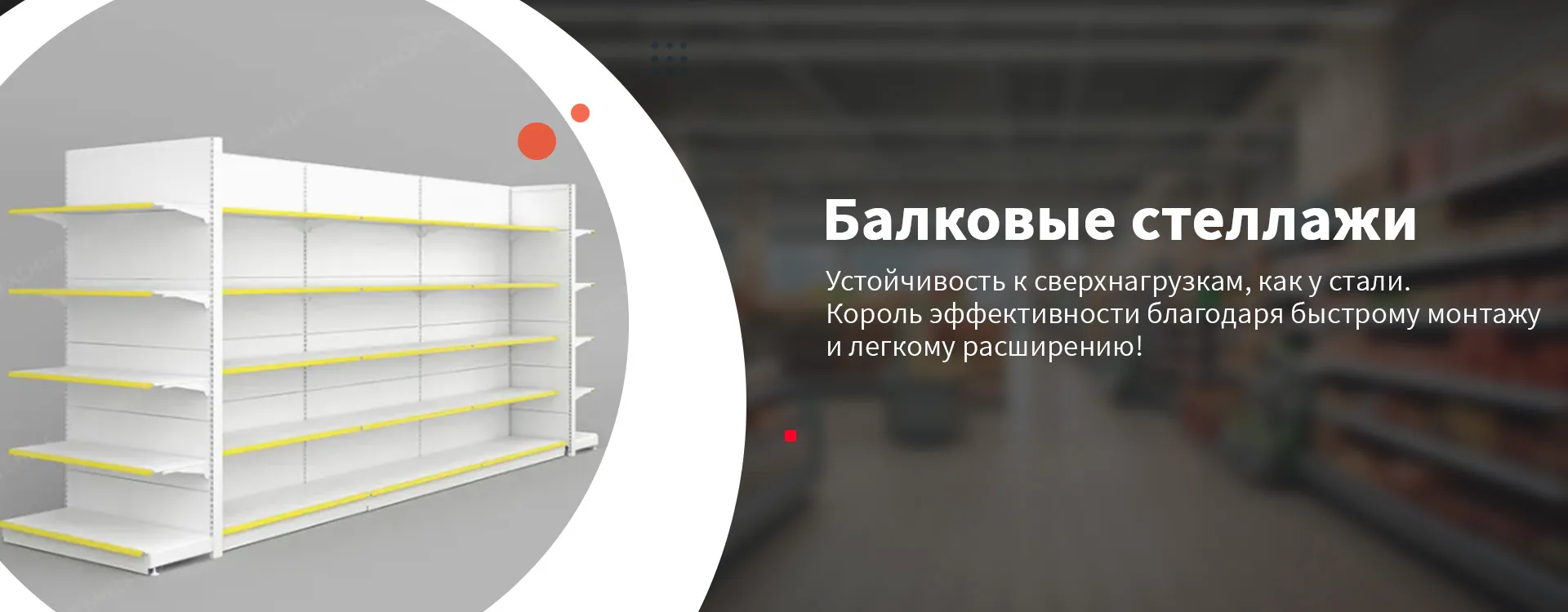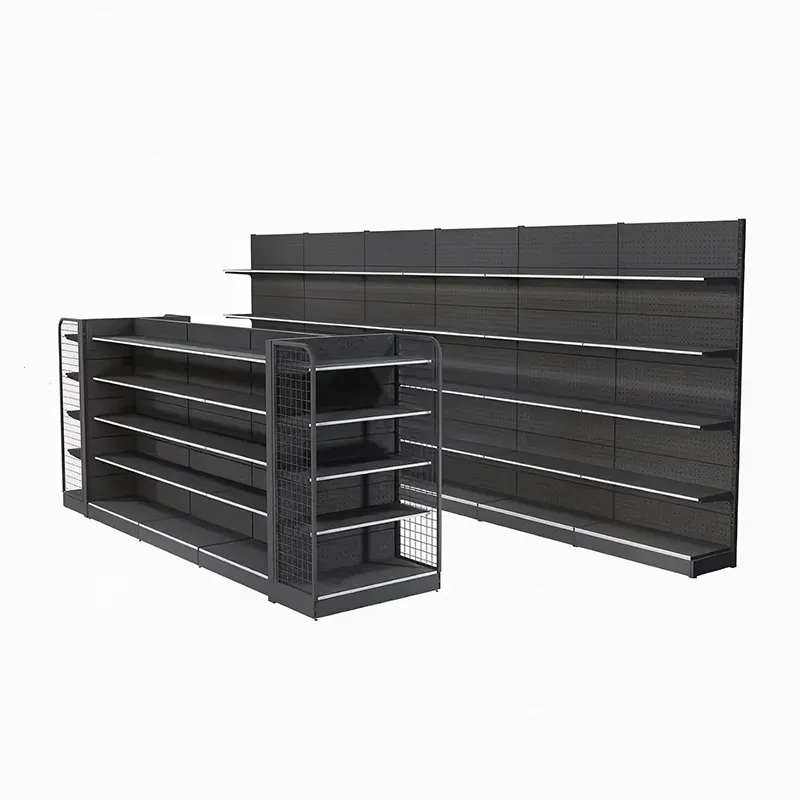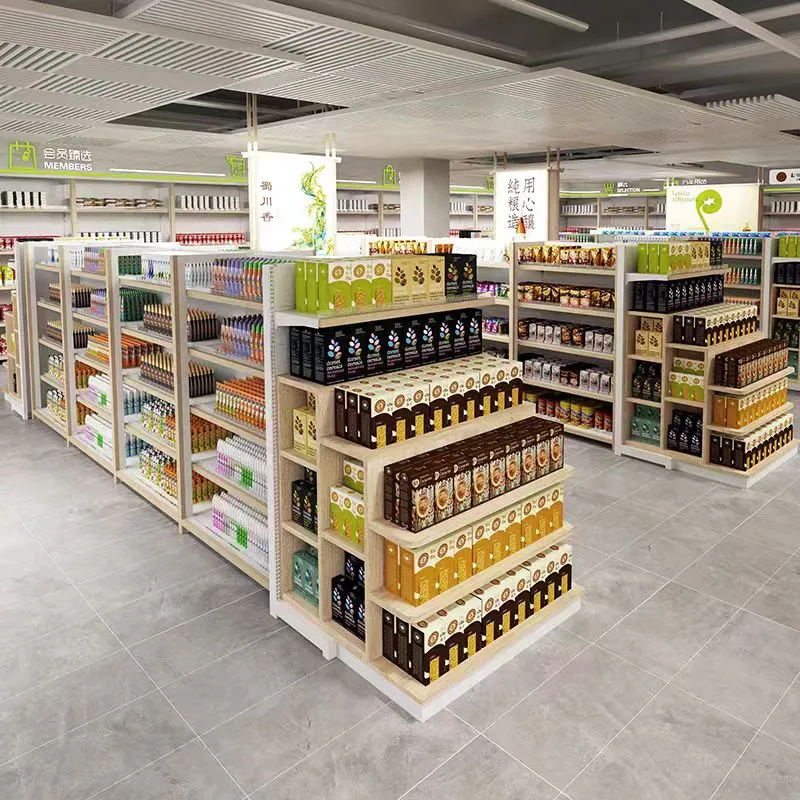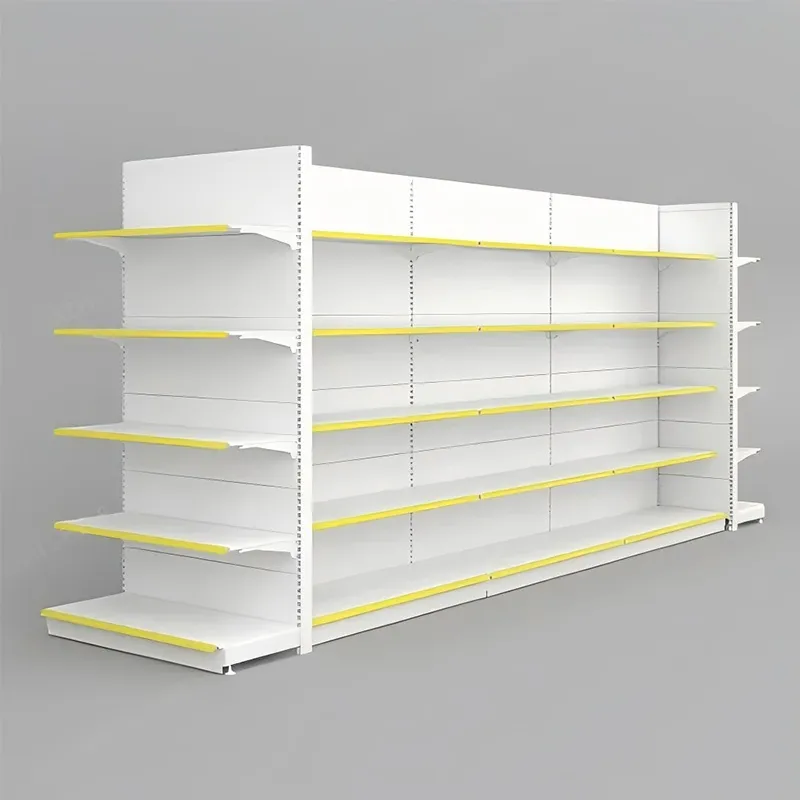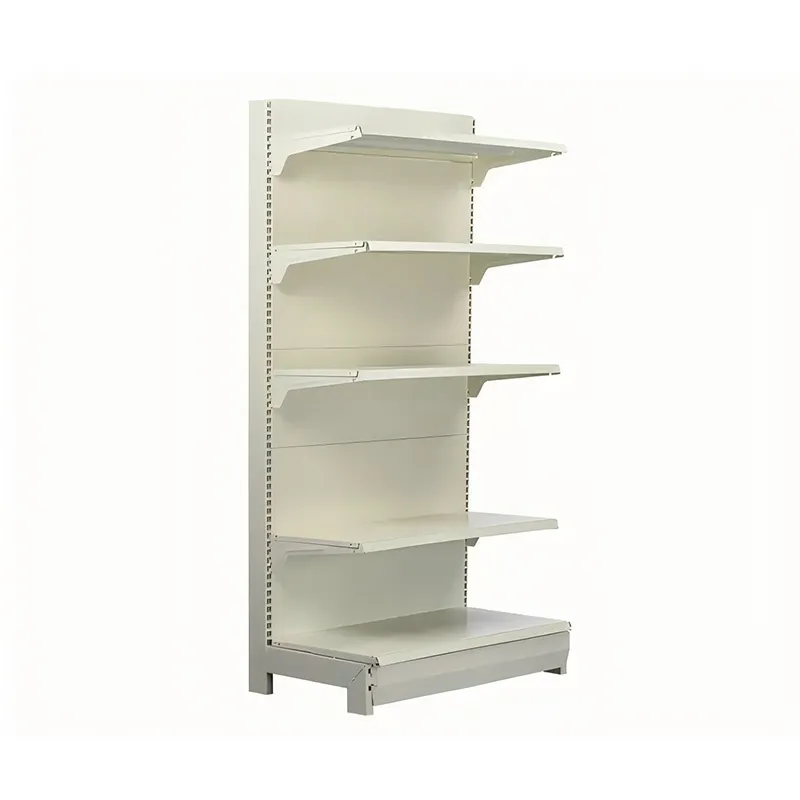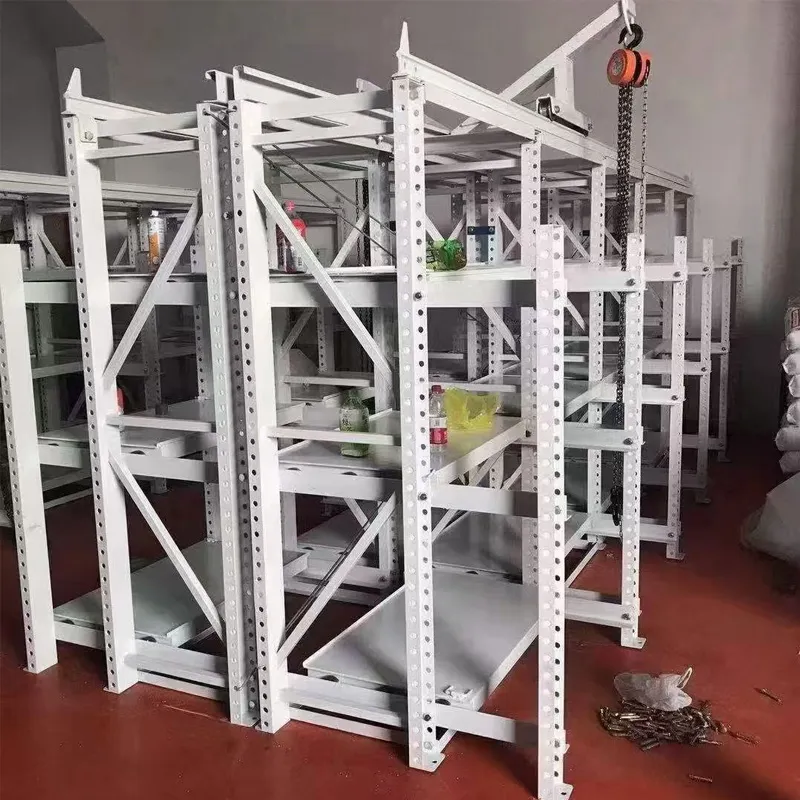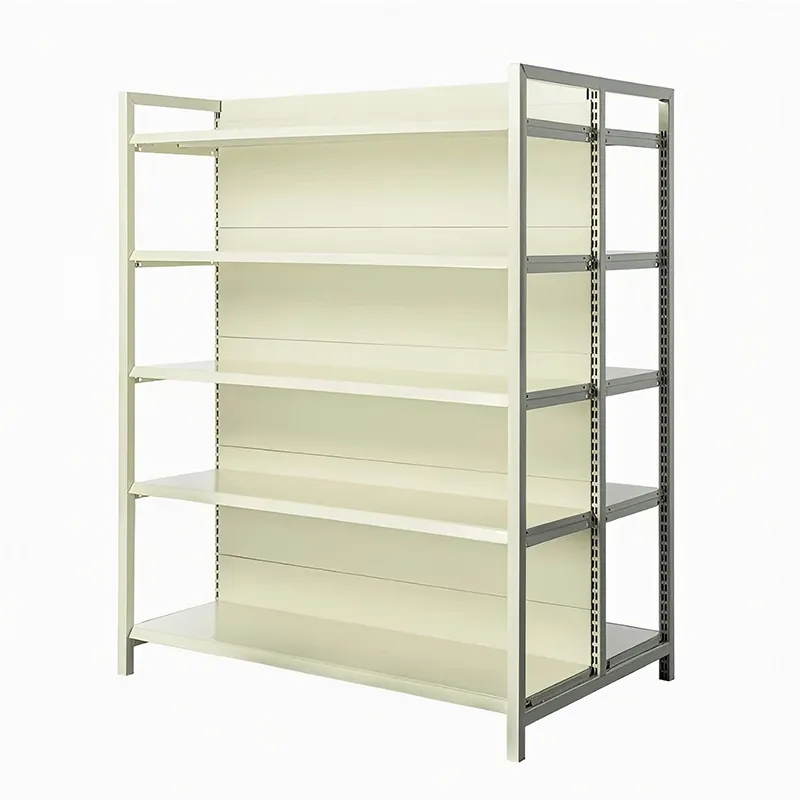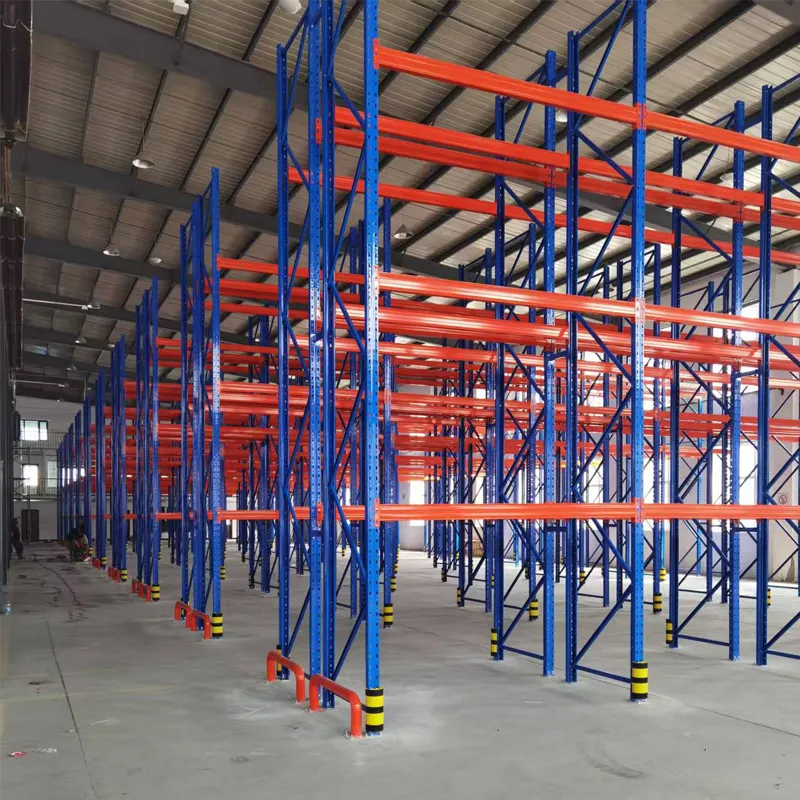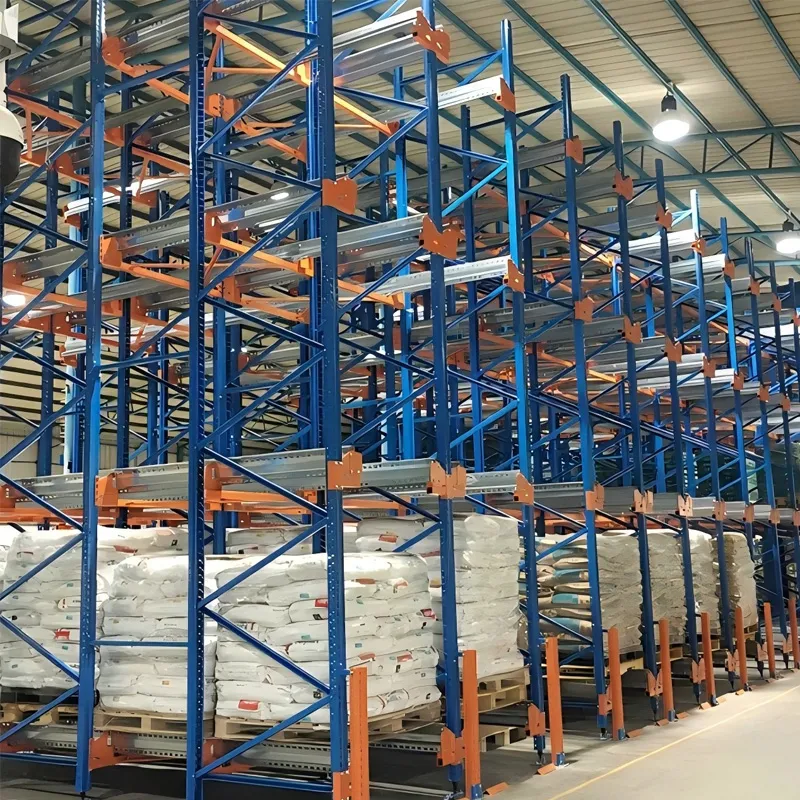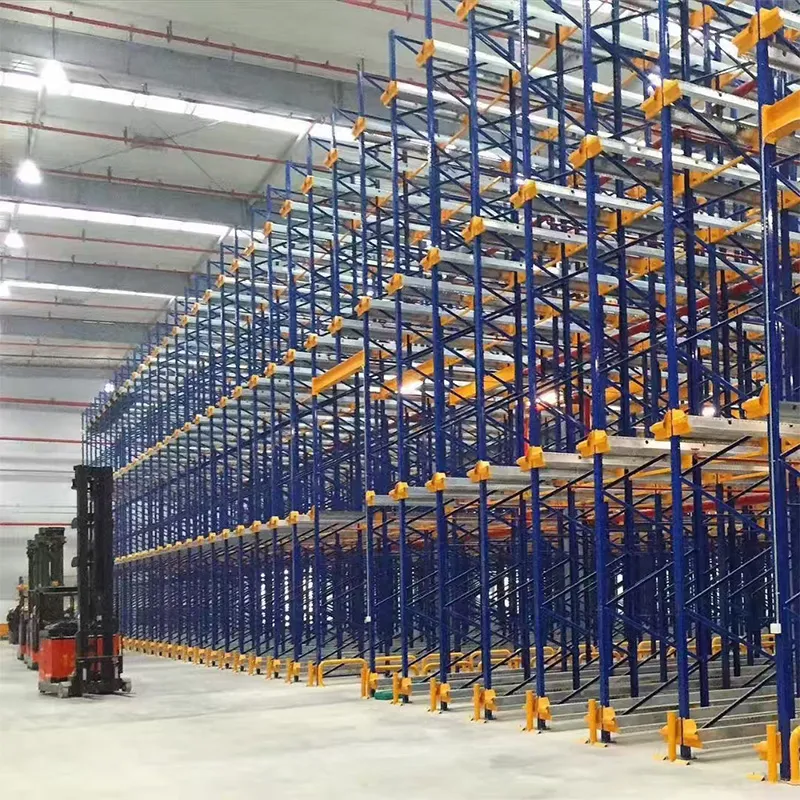
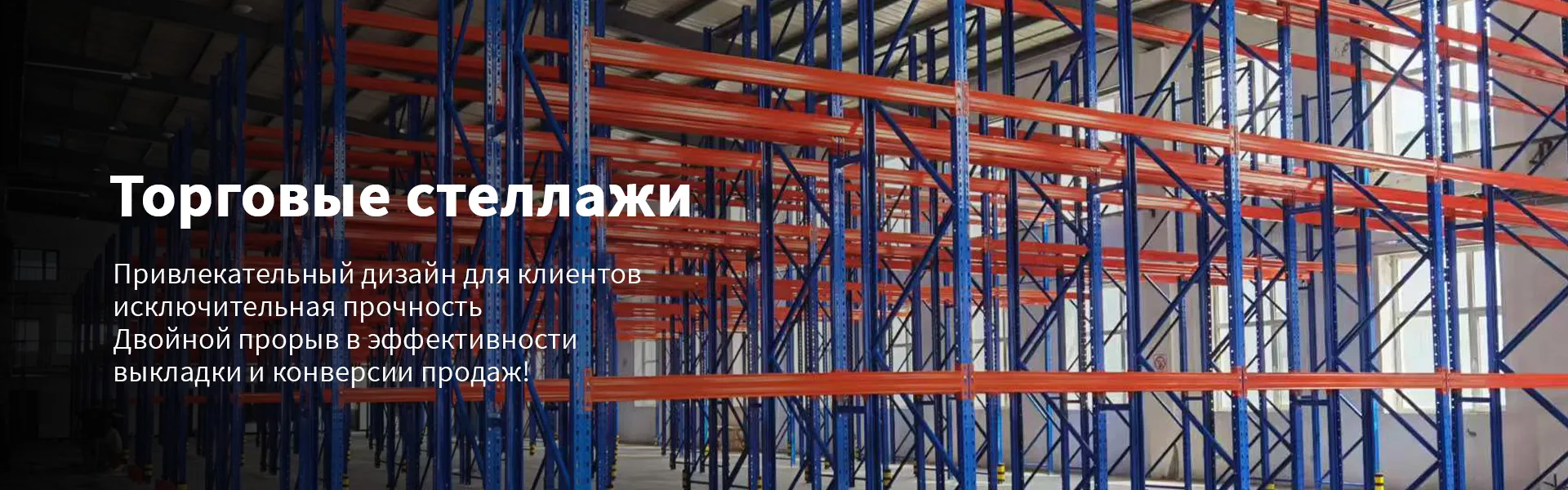
When you hear “front pallet rack,” many people immediately imagine just a set of posts and beams. But in reality, this is a complex system where every millimeter and degree of angle matters. A common mistake is to think that the main thing is to withstand the load. Load is just one point on a long list: from the geometry of the warehouse and the type of forklift to the speed of goods turnover and even the human factor during picking.
Front loading is a classic. The operator drives a forklift directly to the cell. It seems simple. But here’s a nuance that is often forgotten at the design stage: the width of the passage. While for a reach truck or stacker a passage of 1.6 meters may be sufficient, for a more maneuverable but larger front loader this is critically small. We have to expand, and this is a loss of usable space. I have seen facilities where, due to this error, the estimated warehouse capacity dropped by 15%.
Another point is height.Front pallet rackgood for heights up to 10-12 meters when using standard loaders. Above that, special machines are needed, and the economics of the project changes. We once did a project of 14 meters for a client who wanted to make the most of the cubic capacity. It took a long time to agree with him on the specifications of the loading equipment and, what is important, the thickness of the floor covering - the load on the floor increases colossally.
And of course, the type of pallet. Euro, Finnish, the client’s own pallets - all this requires different cell depths. The standard approach: “let’s take it with a reserve?” doesn't work here. An extra 5 centimeters in depth per 1000 cells is tens of square meters of “frozen” water. area. An accurate calculation is needed, often for each commodity flow.
The quality of steel is the basis. Not just a brand, but its actual characteristics at the time of delivery. U?Harbin Jusheng Metal Structure Manufacturing Co.,Ltd.(their website ishttps://www.jshj.ru) this process, as I know from negotiations with their technologists, is strictly controlled. The plant, founded in 2019 in Pingfang, Harbin, does not just buy rolled metal, but works with trusted suppliers and carries out incoming inspection. On an area of 20,000 sq. m. not just production was located, but automated lines, which provides stability in the geometry of the profiles.
But steel is half the battle. Connections. Many people underestimate the role of locks and bolts. A flimsy lock on a beam under a load of one and a half tons can cause trouble. yourself unpredictably. We once came across a system where we saved on fasteners. Over time, vibration appeared in the high racks, and the components had to be strengthened on site, which is more expensive and more complicated than the original correct solution.
Coating. Galvanizing or powder coating? Forstorage facilitieswith their dust, temperature changes and possible impacts from forklifts, hot-dip galvanizing of load-bearing elements is a must-have. It protects against corrosion in scratches. Paint, even high-quality paint, will chip over time. The website jshj.ru shows that they position themselves as a full-cycle enterprise, and such control over the painting or galvanizing process is a serious advantage.
Any project begins with measurements. And here is the first trap - ideal building drawings versus reality. The walls may have a deviation, the columns may not stand on a grid, the floor may have a slope. If you simply take the dimensions from the technical data sheet and arrange the racks virtually, you will be shocked during installation. An engineer with a laser level is required.
Calculating loads is not only vertical. It is necessary to take into account seismicity (if the region requires it), a possible impact from a loader, and uneven loading of neighboring cells. A good designer always makes a reserve, but not an absurd one, but a reasonable one. For example, forpallet frontthe standard safety margin for the rack is 1.5 to the design load. But if the warehouse operates in three shifts without stopping, this coefficient should be increased.
An important stage that is often left out of the equation. — installation logistics. How will tons of metal structures be delivered and unloaded? Where should they be stored on the construction site? What kind of crane is needed? Without this, even the most ideal project will turn into a nightmare for the foreman. Large manufacturers, such as the Harbin Jusheng plant, usually help with this by offering standard delivery and installation schemes.
Installation is a test of the quality of design and manufacturing. If the parts do not fit together, the holes do not match, problems begin. Automated production, like that of the mentioned plant, minimizes such risks. But no one has canceled the human factor at a construction site.
The most critical operation is leveling and anchoring. The rack must stand strictly vertically. A difference in leg height of even a couple of millimeters at a 10-meter height will give a dangerous distortion. Anchors - only those specified in the project, and with the correct tightening torque. I saw how they “save money” on chemical anchors, using mechanical ones in weak concrete. This is a direct threat of collapse.
After installation, acceptance and delivery with load tests are required. Don’t just load one pallet, but load the design load into the most loaded cells. And leave it like that for a day. This is the only way to see if there are any residual deformations or “playing”. connections. This insures both the customer and the contractor.
Here is the rack installed and delivered. Work begins. And here is the field for the biggest risks. The first and most important thing is overload. The storekeeper sees that the pallet is 100 kg underloaded and puts a couple more boxes on top. It seems nonsense. But there are many such cells, the system load grows, and the safety margin laid down by the designer melts away. We need strict instructions and, more effectively, technical restrictions - for example, scales on forklifts.
Impacts from a forklift. Necessary evil. The goal is to minimize the consequences. There are protective elements for this: column barriers, protective beams in the lower tier. Installing them seems like an extra expense, but repairing a bent load-bearing rack will cost many times more and will require shutting down an entire sector.
Routine inspections. They are often ignored. But once every six months or a year, a competent person (not a storekeeper, but an engineer or an invited specialist from the manufacturer) must walk along all the rows with a checklist. Look at the condition of the coating, deformations, tightening of bolts, and verticality. It's like a car inspection - it prevents major accidents.
Back to the beginning.Front pallet rack- this is not a product, but a solution. You can't just buy it from a catalogue. You need a partner who will go all the way: from understanding your logistics to post-warranty service. When you consider options, you look not only at the cost of a ton of metal, but at the willingness to make calculations for your conditions, at the presence of your own design bureau, at examples of implemented objects similar to your warehouse.
Here, for example,?Harbin Jusheng Metal Structure Manufacturing Co.,Ltd.. Their positioning as a leading enterprise in northeast China with a full cycle - from design to maintenance of all types of racks - speaks of a serious approach. For a large and important project, this is an important argument. Because when in a year you need to buy additional sections or strengthen the structure for a new product, it is important that there is someone who remembers how everything was done initially and who has the original documentation.
Ultimately, the right rack is the one you forget about once it's finished. It just works. No squeaks, no vibration, no constant repairs. This can only be achieved when at every stage - from a manufacturing plant like Jiusheng, to installers and storekeepers - people understand that they are not dealing with hardware, but with a system on which the safety and efficiency of the entire warehouse depends.