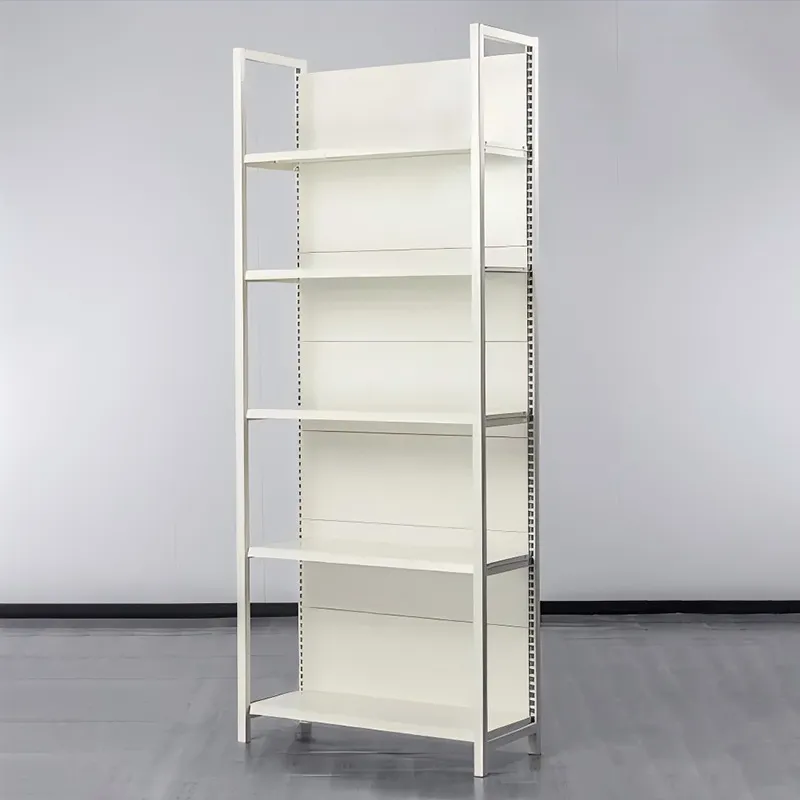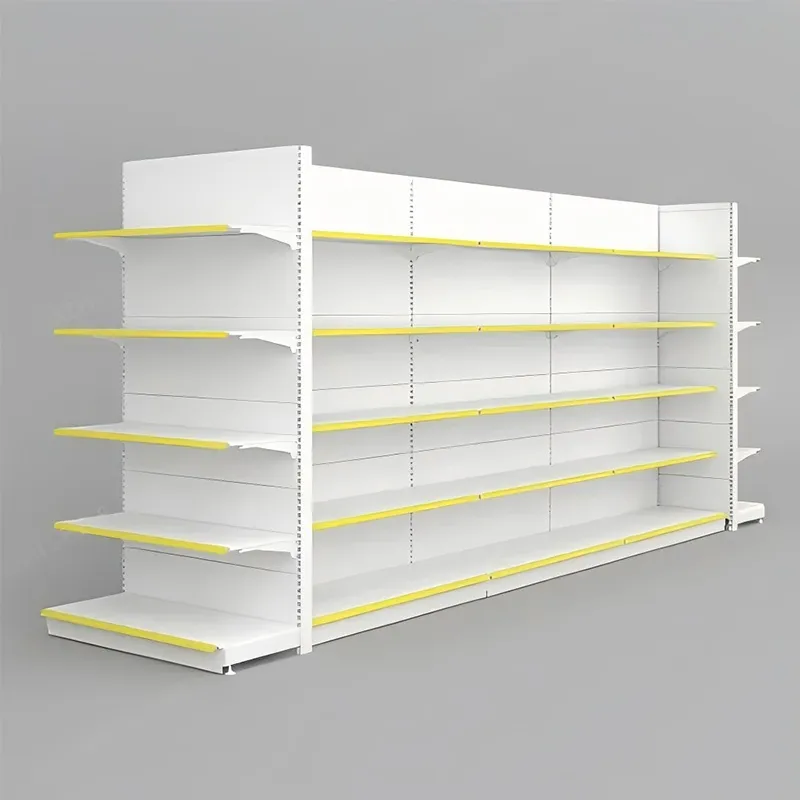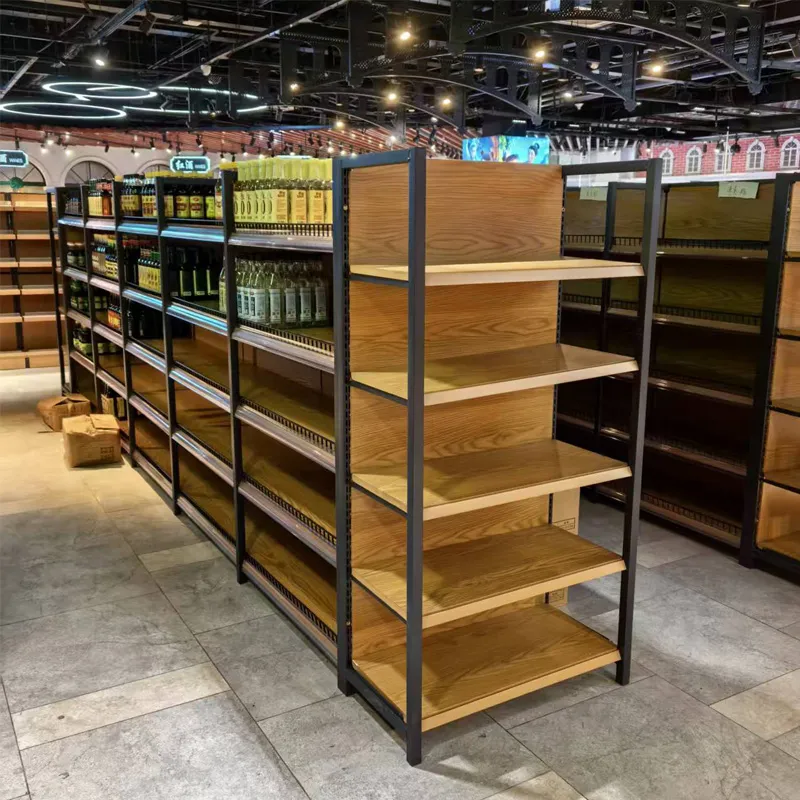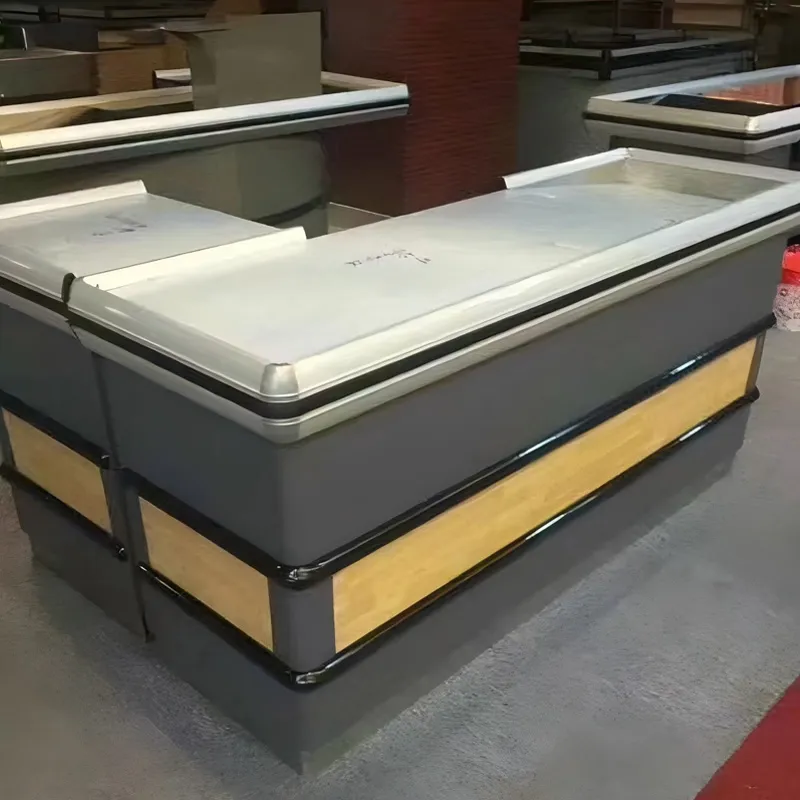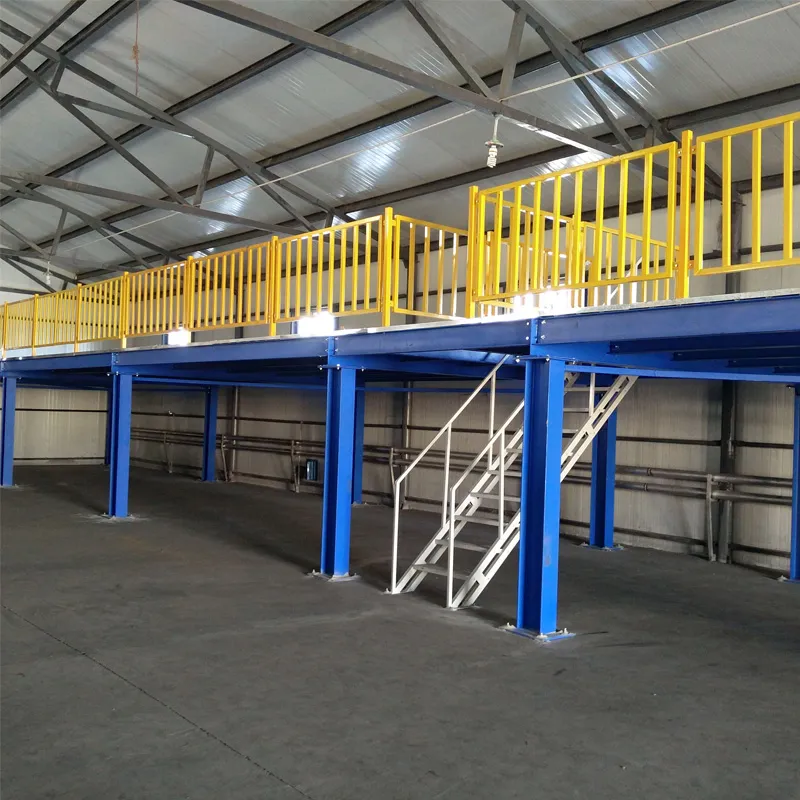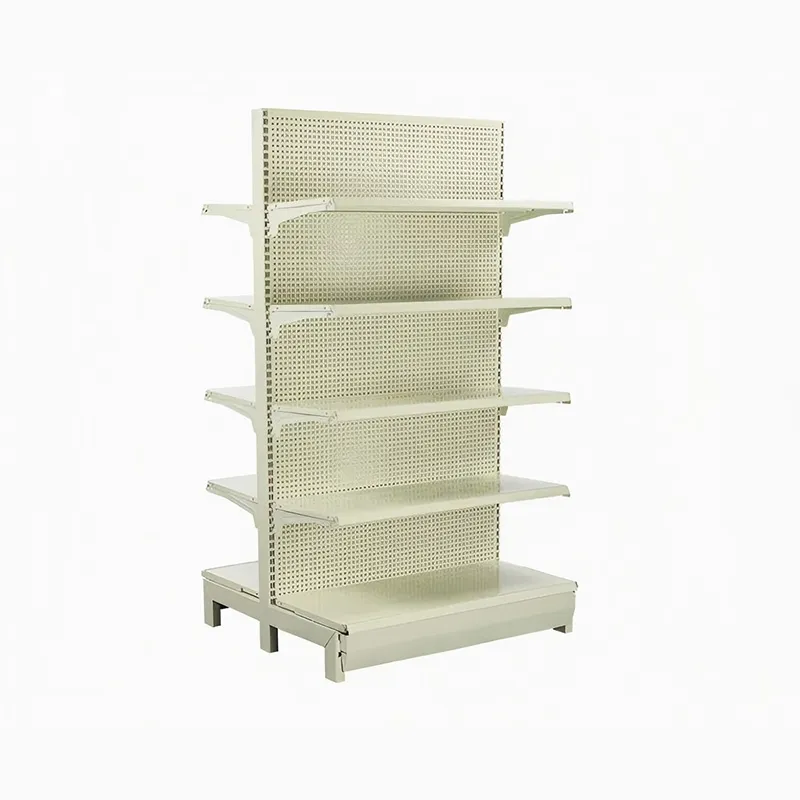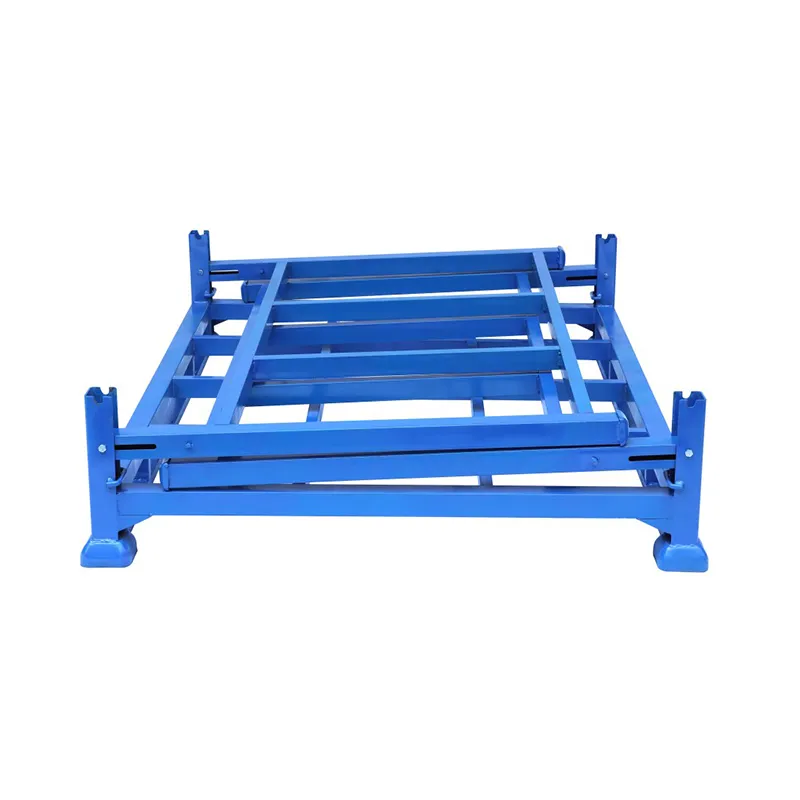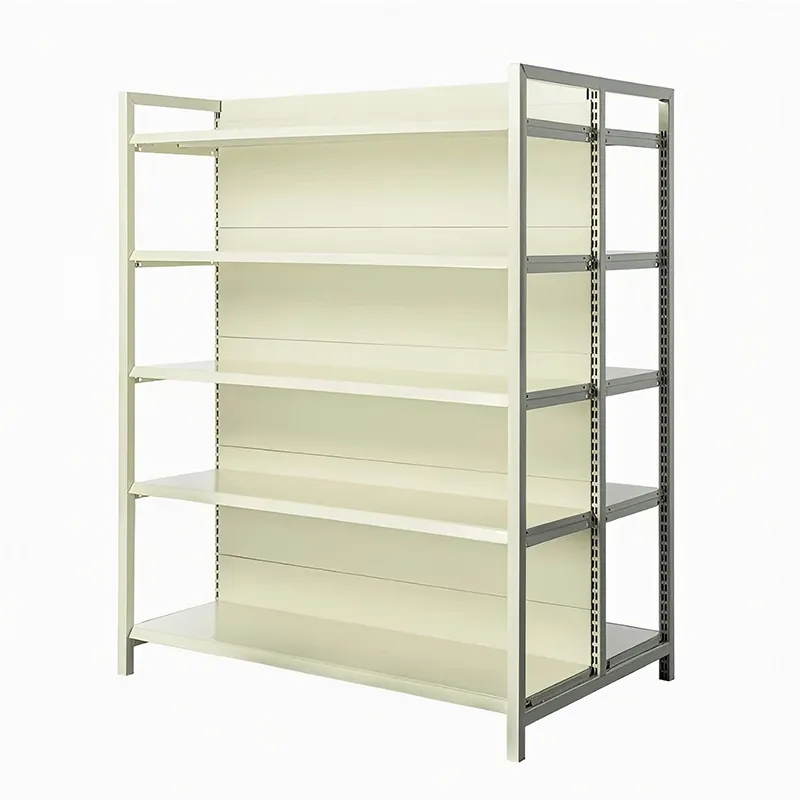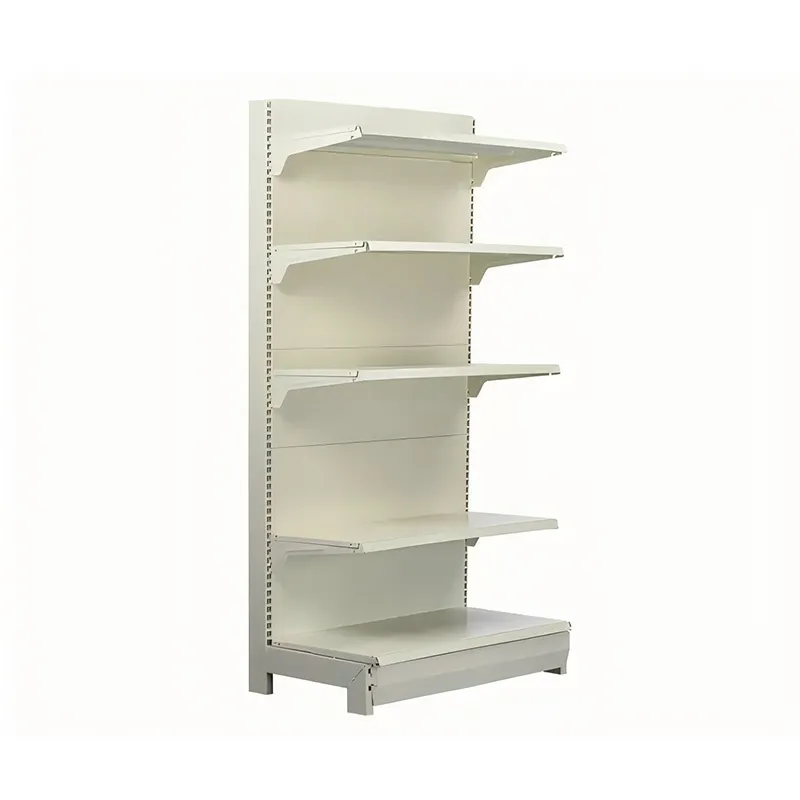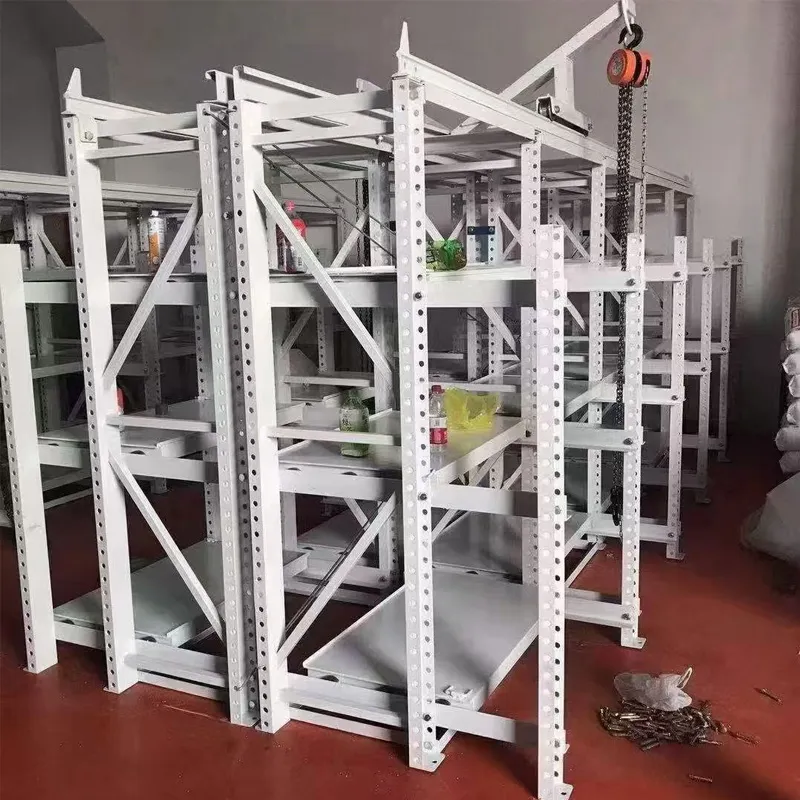
When they saylightweight exhibition racks, many immediately imagine something like prefabricated furniture from a store - flimsy, temporary, almost disposable. And this is perhaps the main mistake. In fact, “ease” here - not about durability, but about mobility, assembly speed and adaptability. But it is precisely because of this misunderstanding that unsuccessful projects are born, when the customer tries to load such systems as capital ones, and then wonders why the shelves “play?”
Marketing aside, there are two key parameters: material and connections. Most often this is an aluminum profile or thin-walled powder-coated steel. The load-bearing capacity, of course, is not comparable to heavy warehouse systems, but it is more than adequate for displaying samples, booklets, and light goods. The problem is that many manufacturers skimp on fittings - it is the connections that determine whether the structure will be stable or will begin to wobble from an accidental push.
For example, on one of the projects we used a system with clip latches - it assembles in minutes and looks stylish. But when they began to actively work on the stand, constantly rearranging something, some components became loose. I had to buy additional screw ties on site and strengthen them. Conclusion: for a static exhibition, where the stand is assembled once and touched little, it is suitable. For active use, where the structure can be frequently reconfigured, you should immediately look at systems with more rigid, preferably bolted, fasteners.
Another nuance is geometry. Lightweight shelving is often made modular so that a stand, a rack, and a display case can be assembled from one set. But universality has a downside: not all combinations are equally stable. Sometimes designers, in pursuit of form, offer configurations with large consoles or high “floating” ones. blocks. Without additional braces or counterweights, this could simply collapse. We have to explain that beauty should be safe.
We had a case with a regional equipment exhibition. The customer wanted as much open space as possible so that the equipment could be clearly visible, and chose a system of lightweight aluminum racks with tempered glass shelves. All load calculations were normal. But they did not take vibration into account - some of the exhibits were operational, with engines. After two days of work, looseness appeared on the weak threaded connections, and the glass shelves began to ring treacherously. I had to urgently install additional damping pads and tighten all the components every morning. Lesson: For dynamic or vibrating exhibits, ?lightness? need to be compensated with an increased margin of safety and special solutions.
Or another example is an attempt to save on transportation. Lightweight racks are good because they can be transported disassembled in a passenger car. But one day we ordered a batch from an unverified supplier. The profiles were a bit thin and the protective coating was uneven. After two assemblies and disassemblies, chips appeared on the edges, and some of the grooves for the connections were deformed. As a result, instead of saving money, we got defects and missed deadlines. Now we work only with trusted manufacturers who provide a guarantee for repeated assembly.
Quality lightweight shelving starts on the shop floor. Everything is important here: the accuracy of cutting the profile, the quality of applying the protective layer, and the thoughtfulness of the connection system itself. When you are looking for a reliable partner, you look not at pretty pictures, but at production capacity and approach to quality control.
In this context it is worth mentioningHarbin Rack Factory ?Jusheng?(Harbin Jusheng Metal Structures Manufacturing LLC). This is not just a workshop, but a full-fledged enterprise with an area of 20,000 square meters. m and automated lines. Why is this important for lightweight exhibition systems? Because even a seemingly simple product requires precision. Their websitehttps://www.jshj.rureflects a serious approach: a full cycle from design to service. For exhibition shelving, this means that you can get not just a set of parts, but a ready-made solution, designed for stability, with correctly selected fittings.
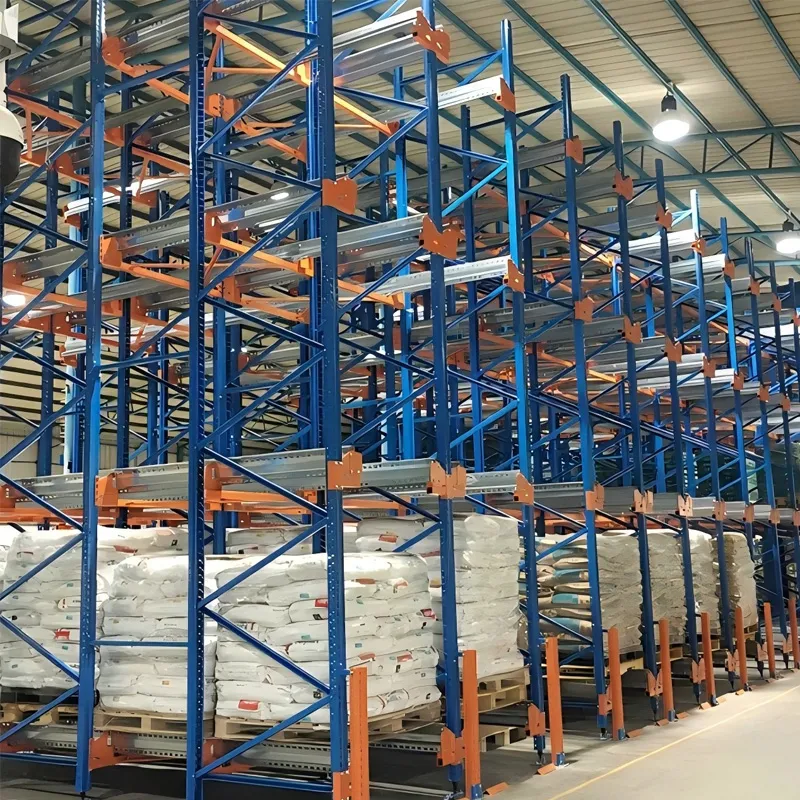
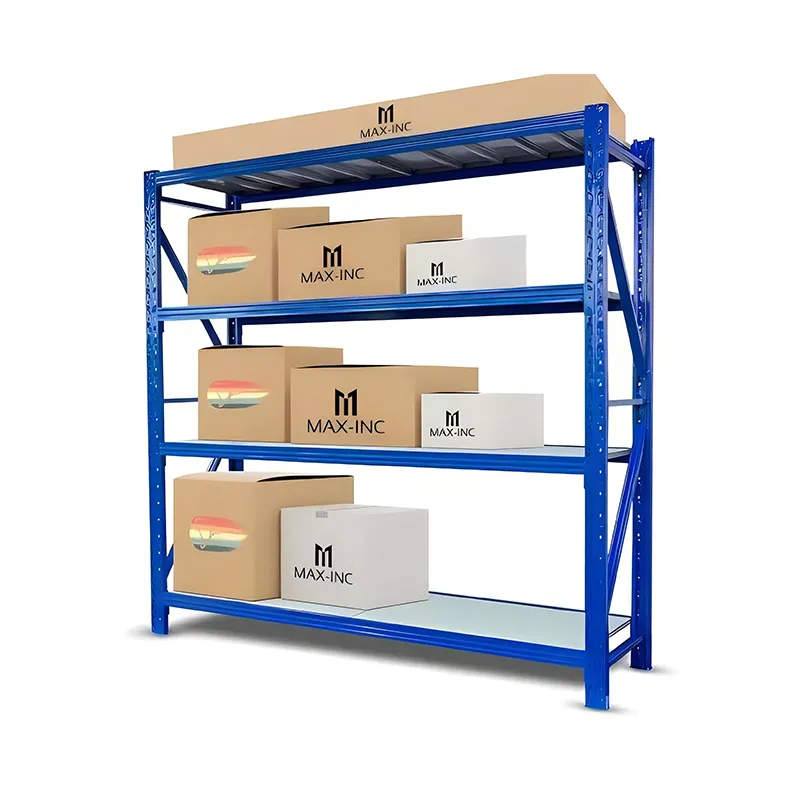
Their experience in manufacturing a wide range of racking systems, from warehouse to mezzanine, demonstrates an understanding of loads and mechanics. This is indirect, but very important. A manufacturer who knows how to make heavy beam racks, as a rule, has the engineering culture to correctly calculate “lightweight” ones. version - without compromising key reliability characteristics.
So, you choose lightweight exhibition racks. First, clearly define the use case. Will this be a one-time exhibition for three days or a constant rotation of the exhibition in the showroom? The choice of fastening system depends on this.
Second, pay attention to the compatibility of accessories. Good systems have many additions: hooks, tablet holders, light modules, additional crossbars. If a manufacturer only offers basic shelves, there may be a lack of flexibility in the future.
Third is coverage. Powder paint is standard, but quality varies. It is worth asking about the thickness of the coating and testing for adhesion and abrasion. For exhibition stands, aesthetics and preservation of appearance after multiple transportations are critical.
And fourth, which is often forgotten, is the presence of clear assembly instructions and service support. Even the simplest system can be confusing if the diagram is unreadable. And the opportunity to quickly purchase a lost part or get advice on installing a complex configuration is priceless.
To sum it up, I would like to say that working withlightweight exhibition racksis a constant search for balance. A balance between weight and strength, between assembly speed and reliability, between cost and durability. This is not a product where you can thoughtlessly choose the first option you come across based on the photo.
A successful solution is always based on an understanding of the final problem. Sometimes it is better to pay a little more for a system with thicker profile walls and well-thought-out connection geometry than to then patch the structure on site. And, of course, partnering with a manufacturer who perceives such racks not as a by-product, but as a separate category with its own specifics, is half the success. Like, for example, at the same Jusheng plant, where experience in designing complex systems helps create truly competent and reliable lightweight solutions, despite their apparent simplicity.
Ultimately, good lightweight shelving is the kind that you forget about once it's assembled. They simply work: they hold, they show, they serve. And they don’t attract attention with their problems - only with their content. This is perhaps what we should strive for.