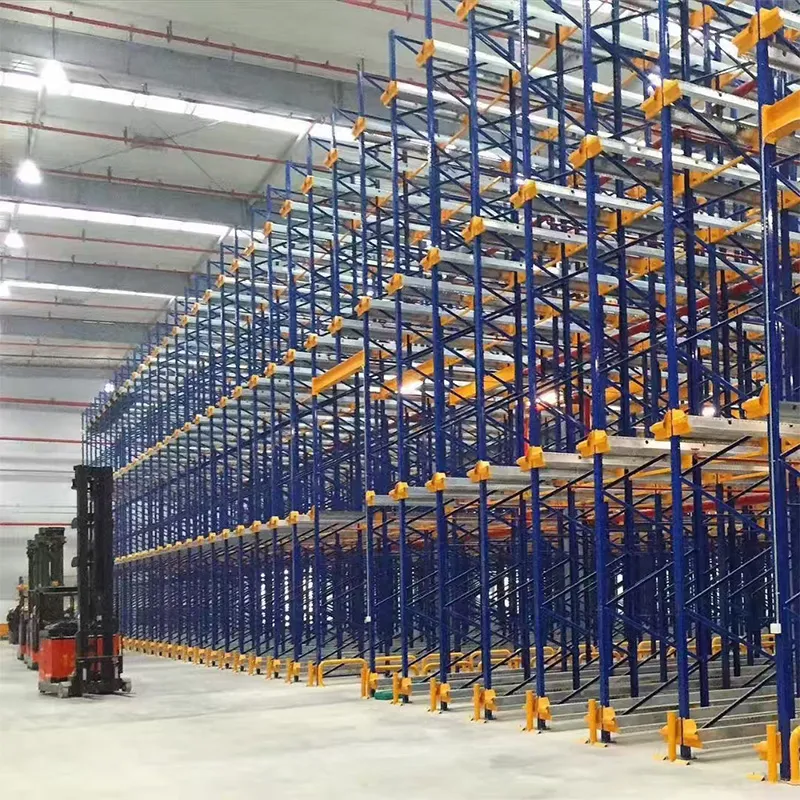
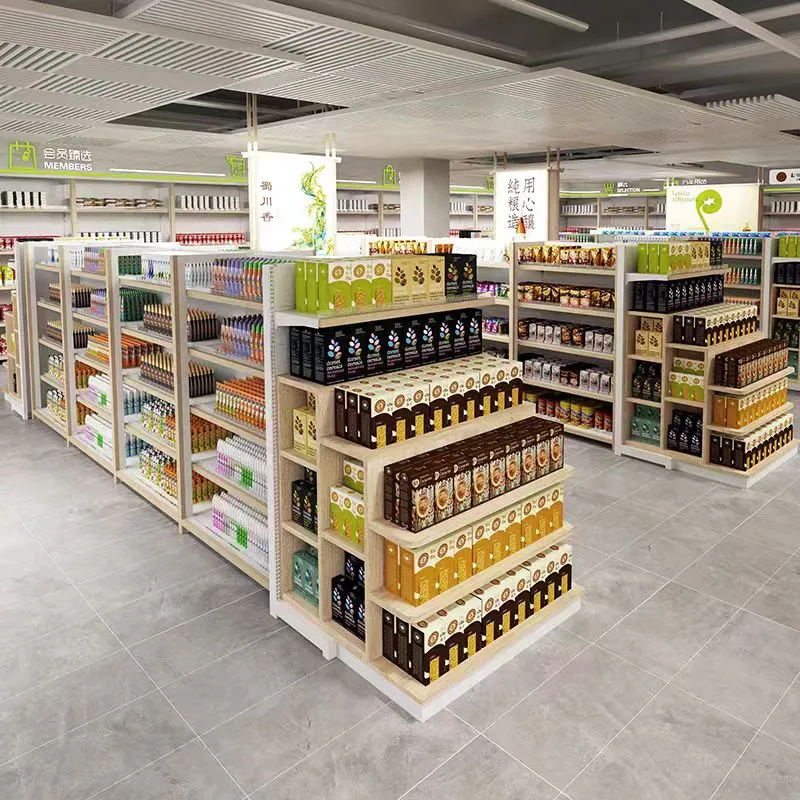
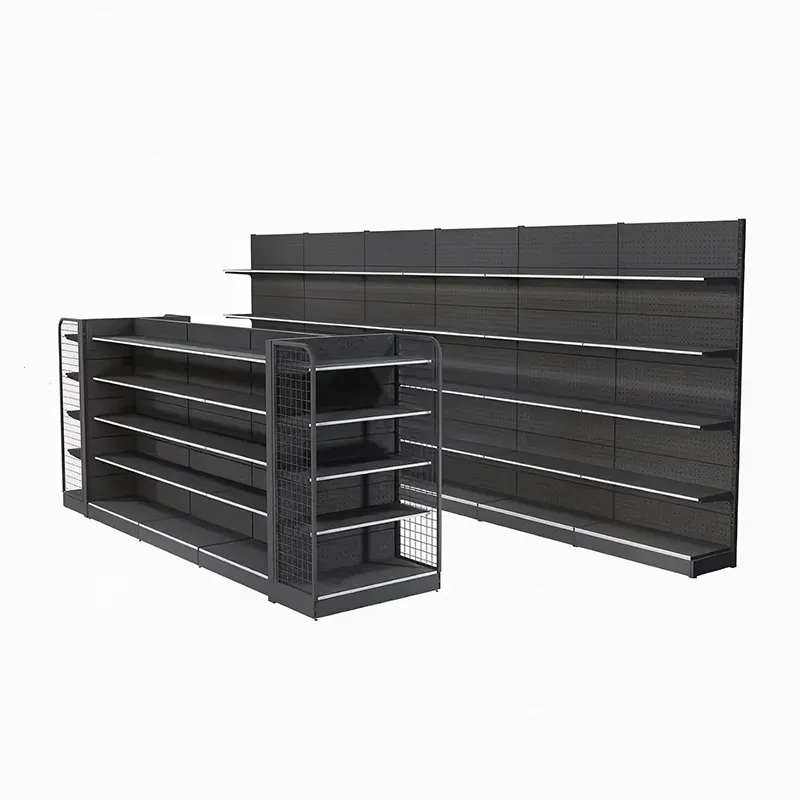
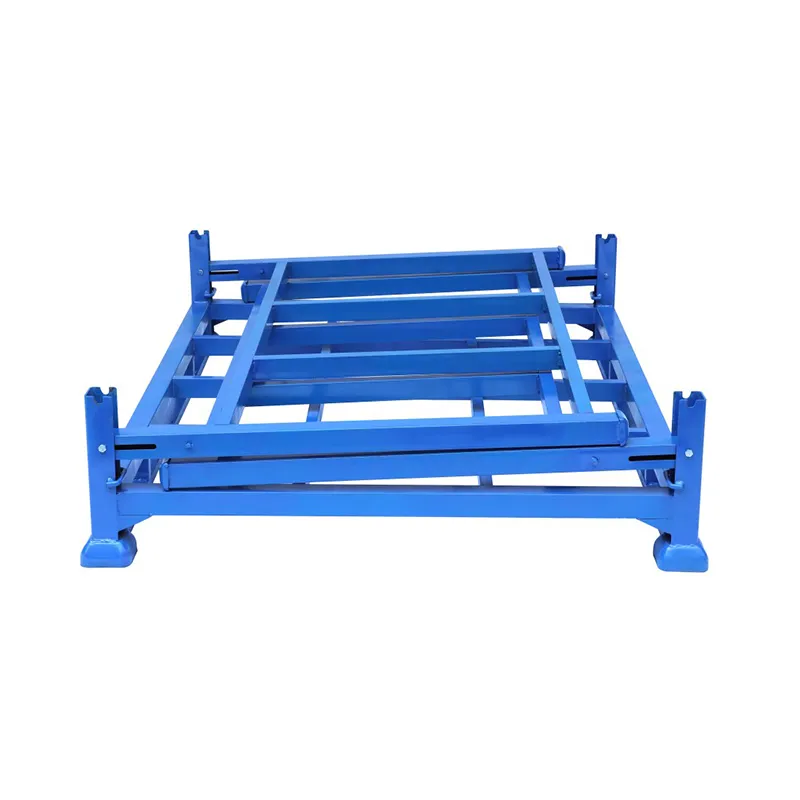
When they talk aboutprotection of racks from impacts, many immediately imagine massive corner fences or warning tapes. But in practice, if you have ever encountered the actual operation of a warehouse, you understand that this is just the tip of the iceberg. The main problem often lies not in the lack of protection, but in its inadequacy to specific conditions and, more importantly, in a systematic approach to organizing the movement of equipment. I'll explain now.
I'll start with the classics. The customer buys shelving, often from a reputable manufacturer like?Harbin Jusheng Metal Structure Manufacturing Co.,Ltd.— by the way, they have a full cycle, from design to maintenance, which is already good. But at the design stage, the emphasis is on load, height, configuration. And issues of protection against impacts from forklifts or stackers are often relegated to the background as something “additional”. As a result, excellent racks arrive at the site, but they immediately begin to methodically “upholster” them.
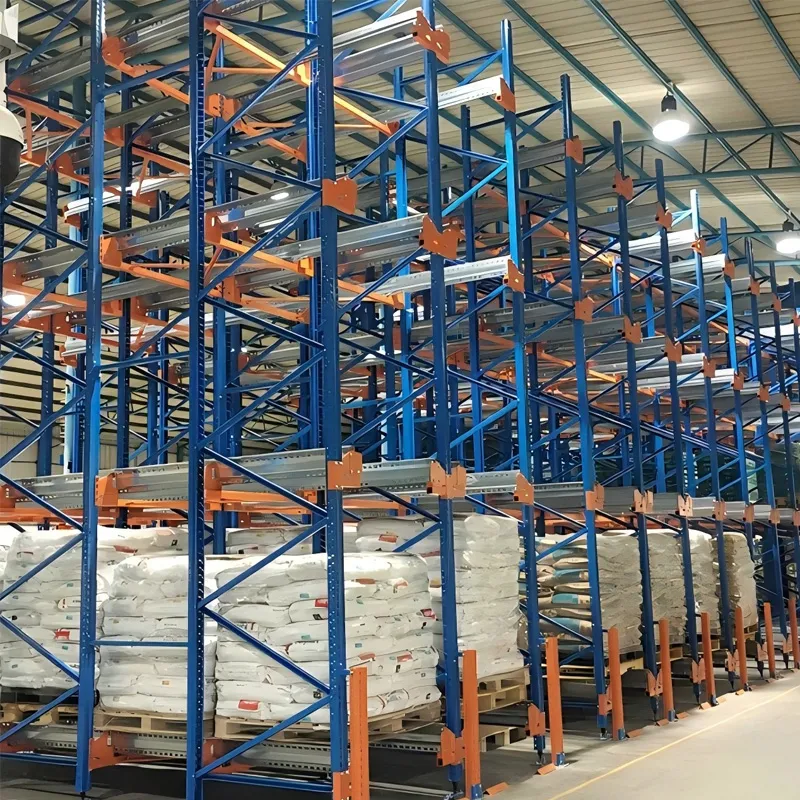
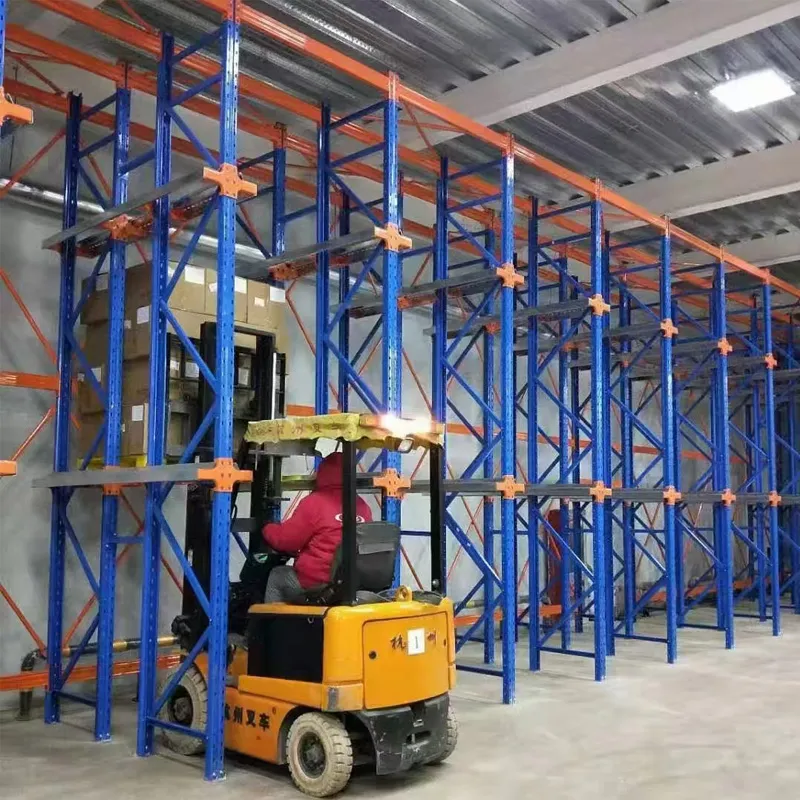
Personal experience: I saw a facility where they installed beam racks for pallets. According to the project, the passages seemed to be normal. But operators are people, they sometimes have to deal with emergency situations and are tired. And the corner protective profiles that came in the base simply tore out with the fastenings after a series of side impacts. Why? Because the profile was designed for a light tangential impact, and not for an impact at an angle of 30 degrees from a loaded forklift. What was needed here was not just a profile, but a reinforced stand or a separate buffer system.
Hence the conclusion: the first measure is not the purchase of protection, but a correct assessment of risks at the planning stage. You need to look not only at the dimensions of the equipment, but also at the intensity of traffic, the qualifications of the operators, and the type of cargo. Sometimes it is more effective and cheaper to replan traffic and add one-way traffic in narrow areas than to patch up the posts later.
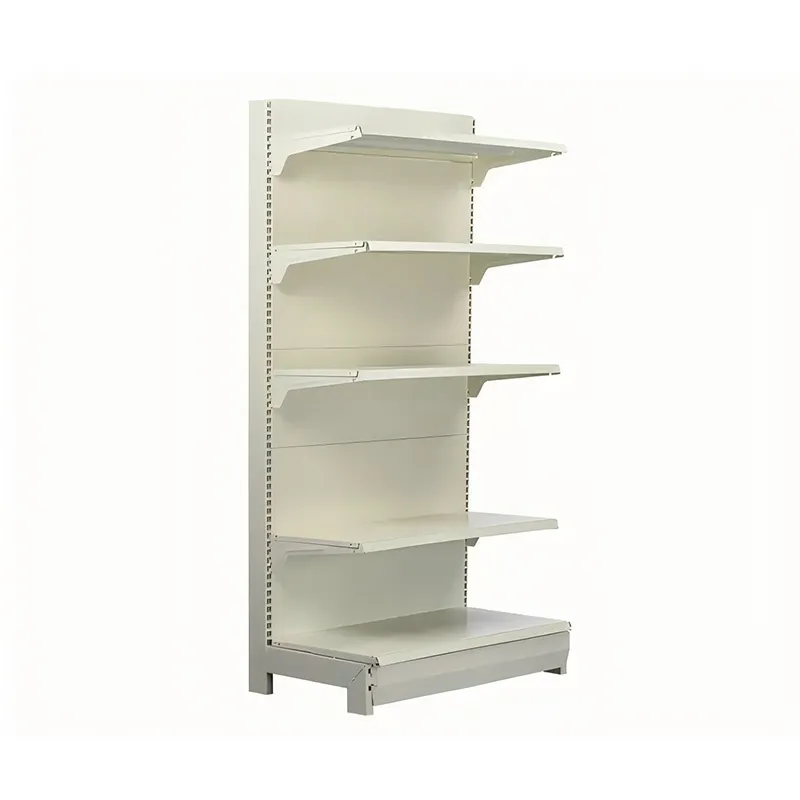
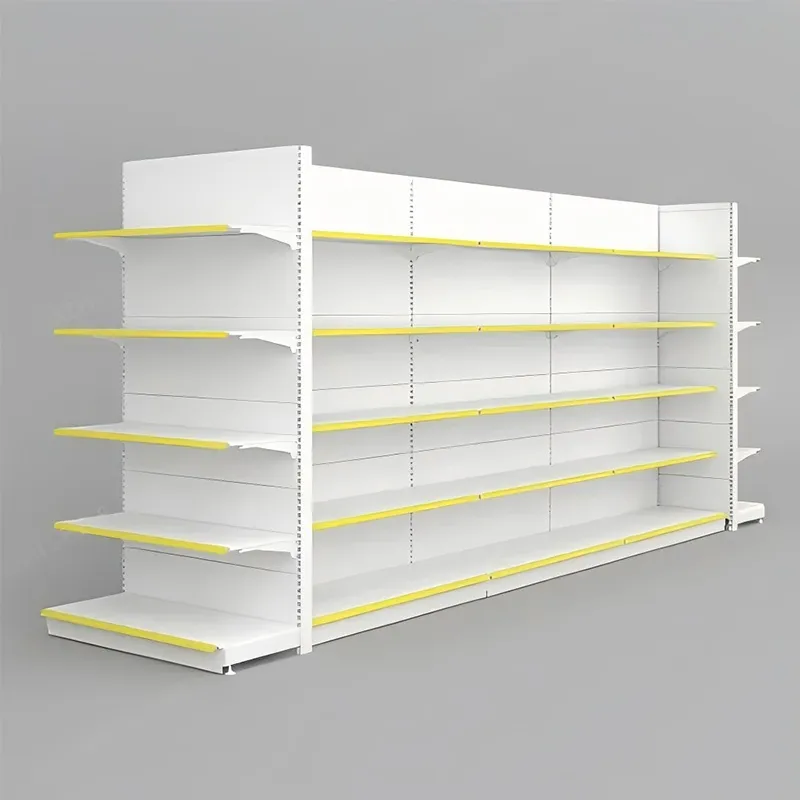
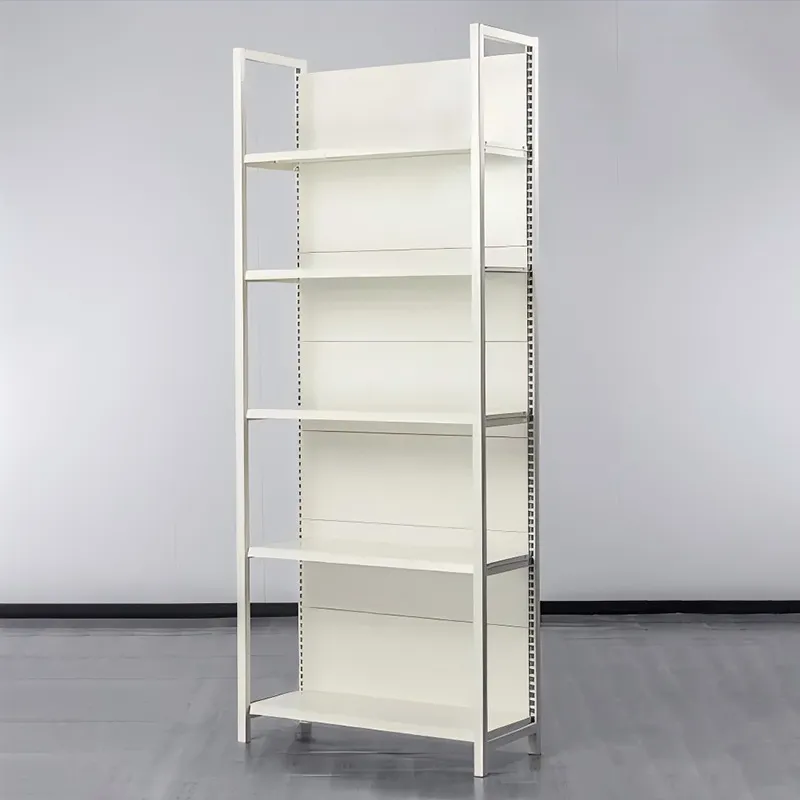
Now about the hardware. The simplest and most essential element is protective guards on the racks. But there are nuances here too. Cheap thin-walled corners made of tin are money down the drain. You need thick metal, often 4-5 mm, and fastening not with self-tapping screws, but with through bolts. Some manufacturers, includingHarbin Jusheng, offer racks with already integrated reinforced panels at the bottom - this is a good solution, but increases the overall cost of the structure. However, it pays off if you have intensive work in narrow warehouses.
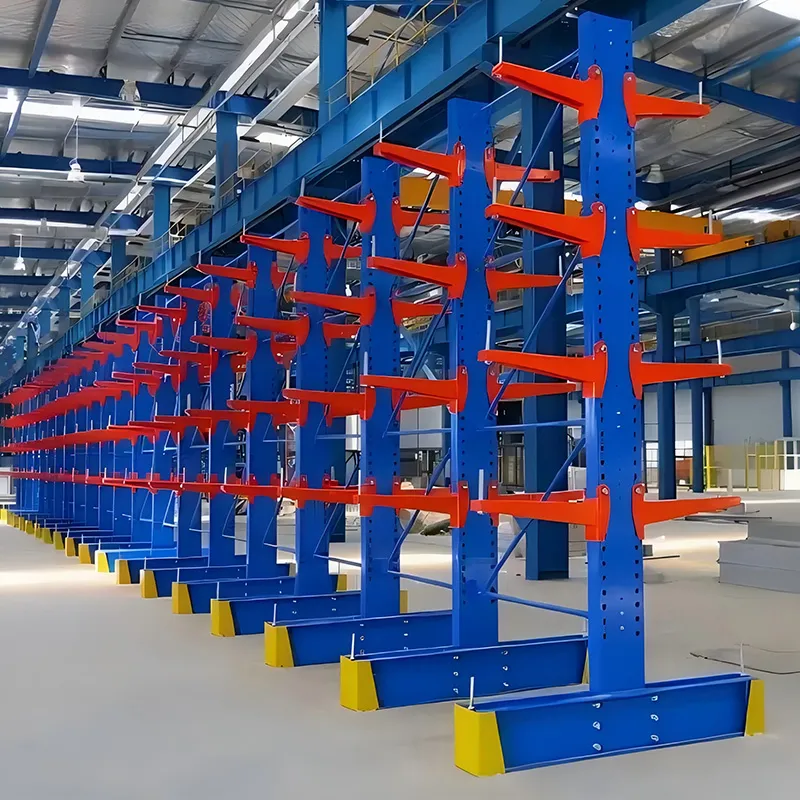
For cantilever racks or racks for long items, the story is different. There, the impact often falls not on the rack, but on the cantilever beam. Standard protection is vertical guard posts in front of the consoles. But they steal useful space. Exit? Sometimes moving the bottom shelf of the console close to the floor helps, creating a physical barrier for the forks. Or installing massive concrete limiting blocks along the line of movement - unaesthetic, but cheap and incredibly effective.
Separately, it is worth mentioning the protection of corners and ends of rows. Signal posts are often installed with reflective tape. They save only from light blows. What really works is massive steel or polymer buffer posts concreted into the floor. Their height must be calculated so that it is this structure that takes the blow, and not the console or shelf of the rack.
Protection isn't just about hardware. You can install the strongest barriers, but if the operator drives at a speed of 15 km/h along a 3 meter wide passage, sooner or later an accident will occur. Therefore, floor markings are required: clear movement lines, stop lines in front of the racks, turning zones. Mirrors at intersections of aisles work well.
The important point is training. Not a formal briefing, but an analysis of real cases, why this or that incident occurred. A motivation system for trouble-free work often helps. But the equipment must also be in order: working brakes, sound alarm when moving backwards, obstacle sensors. Modern systems such as AGV (automatic trolleys) generally minimize the risk, but this is a different budget.
Another common problem that is not talked about much is the discrepancy between the dimensions of the forklift and the load. It happens that they put racks under a Euro pallet, and then they import equipment with forks under a Finnish pallet or a non-standard box. The operator maneuvers and grabs the adjacent stand. Therefore, when designing, I repeat, it is necessary to include a reserve not only for static load, but also for maneuvering space, taking into account the actual fleet of equipment.
Steel, of course, is king. But there is a choice here too. A hot-rolled profile is stronger than a cold-rolled one. Galvanized steel better resists corrosion after the paint chips from an impact. An interesting option is composite materials, high-density polymer linings. They do not rust and absorb shock well, but their fastening and durability in cold conditions, for example, at the same plant in Harbin, need to be checked. ULLC ?Harbin Jusheng?By the way, there are different options in the assortment, but the choice should always be up to the operating specialist, and not just the designer.
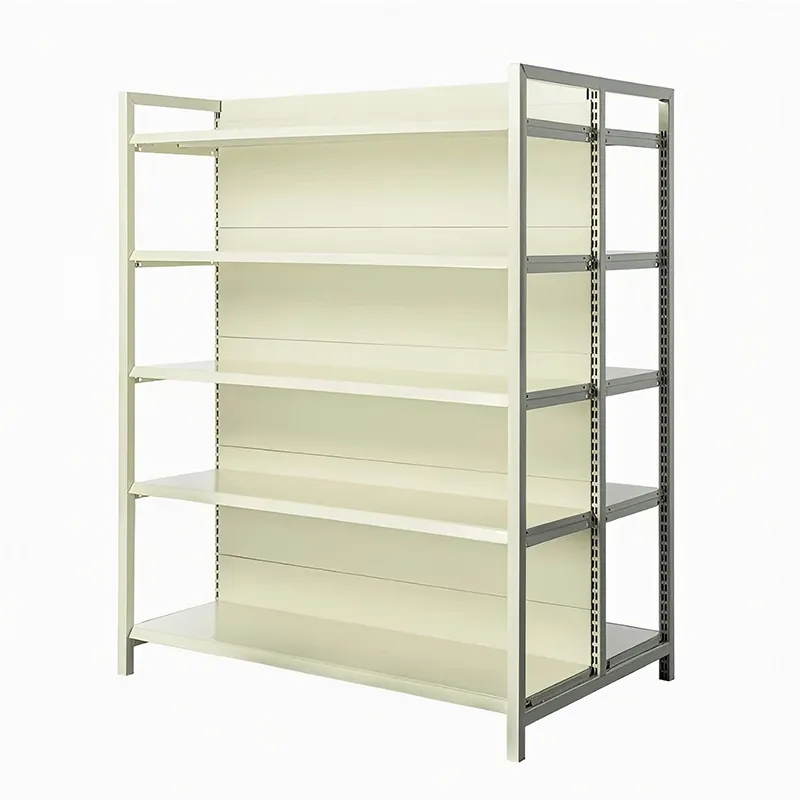
People often forget about protecting the lower horizontal link (crossbar) in shelving racks. They also hit him when they drive under the shelf. Here, installing an additional reinforcing profile or simply moving this connection higher, out of the risk zone, can help.
And one more practical tip: regular inspection. The protective elements themselves become damaged. A deflection, a crack, a torn fastener - all this needs to be identified and repaired in a timely manner. Otherwise, the next blow will land directly on the counter, and the consequences will be much more serious.
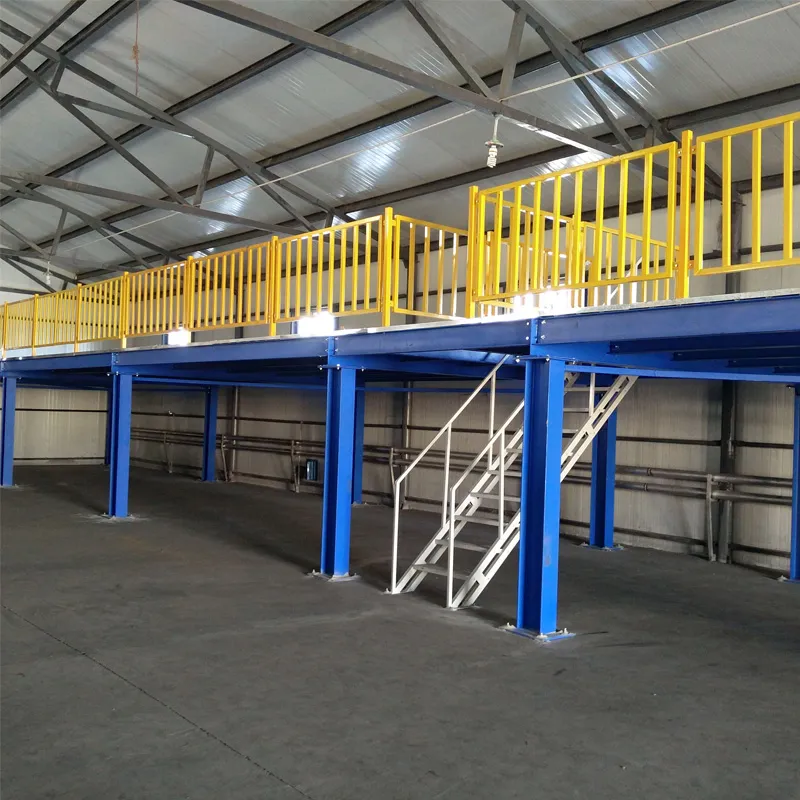
We had a project with mezzanine shelving. The structure is complex, there are many supports. The customer saved on protection, deciding that since the operators were experienced, it would do just fine. In the first month of work on the lower tier, two racks were seriously deformed by the impact of a stacker. The repair required partial unloading and shutdown of the section. The total losses exceeded the cost of installing a full-fledged protection system for the entire facility. After this, 6 mm thick steel bands were installed around the perimeter of all load-bearing posts, and damper posts were installed at the ends of the passages. The incidents have stopped.
So why am I doing all this?Impact protection for racksis not an accessory, but an integral part of the warehouse security system. It must be systematic: from competent design and choice of design solutions (here it is important to cooperate with manufacturers who understand the problem and do not just sell racks) to organizational measures and regular maintenance. Saving on this means saving on the safety of all goods and the safety of people.
So, going back to the beginning, if you're considering a project, ask questions not only about load, but also about how the racking will stand up to actual use. A good supplier, such as a plant from Harbin, will be able to offer not just a catalog, but engineering solutions for your specific risks. The main thing is to identify these risks along with it.