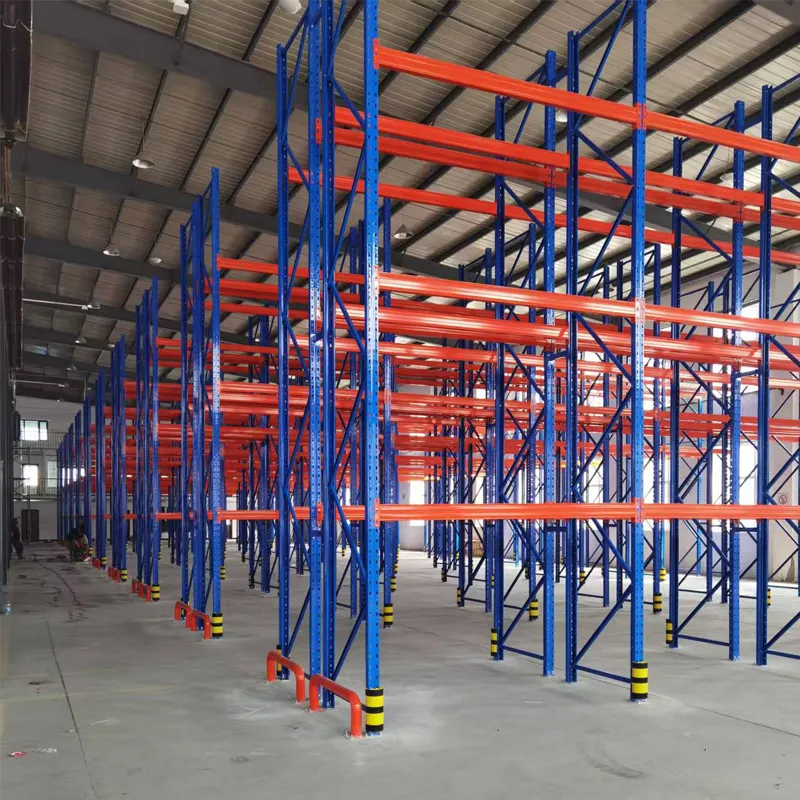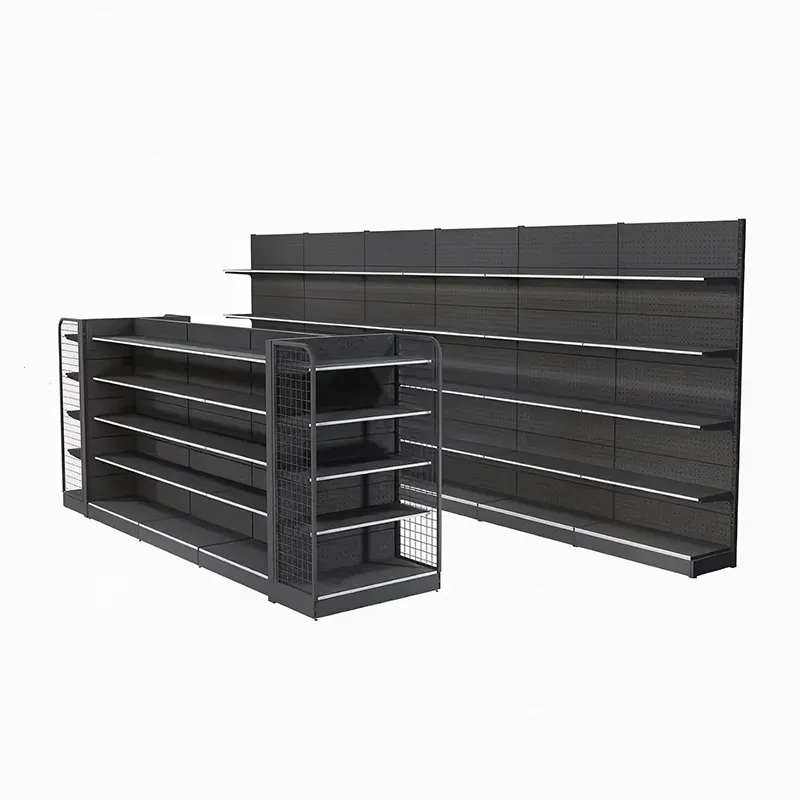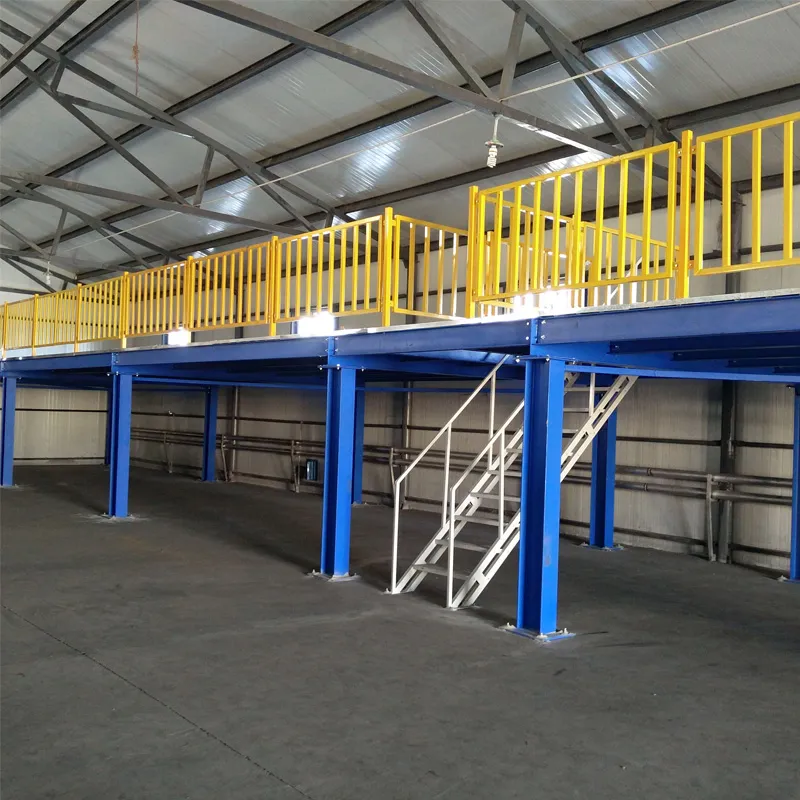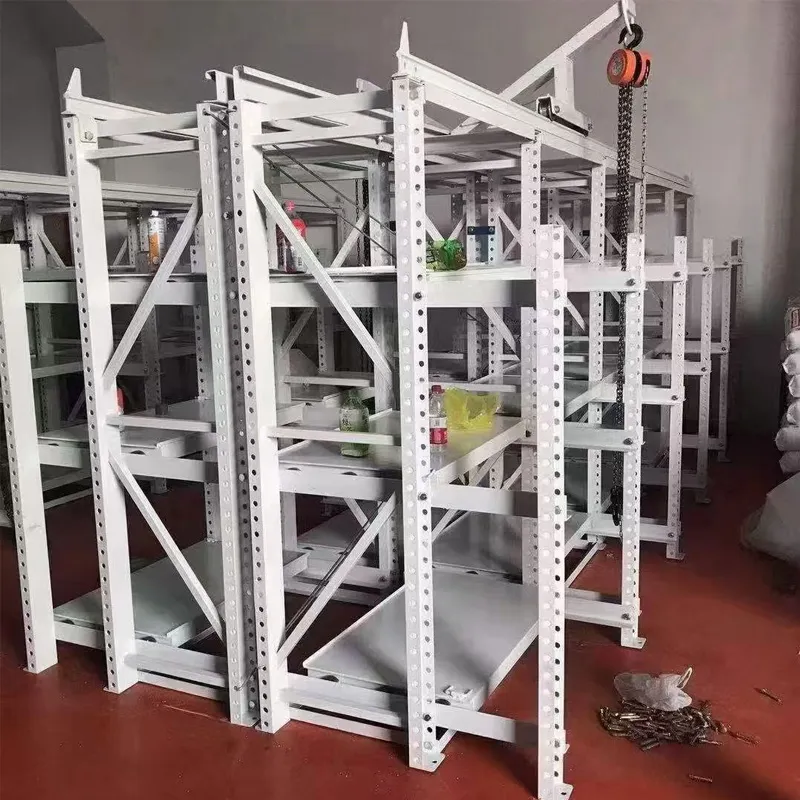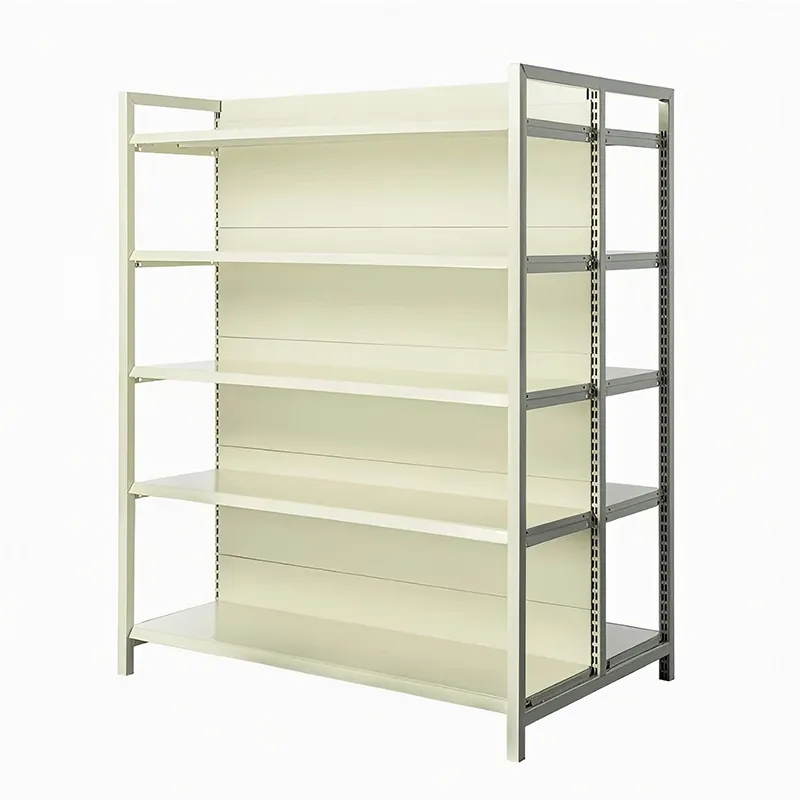
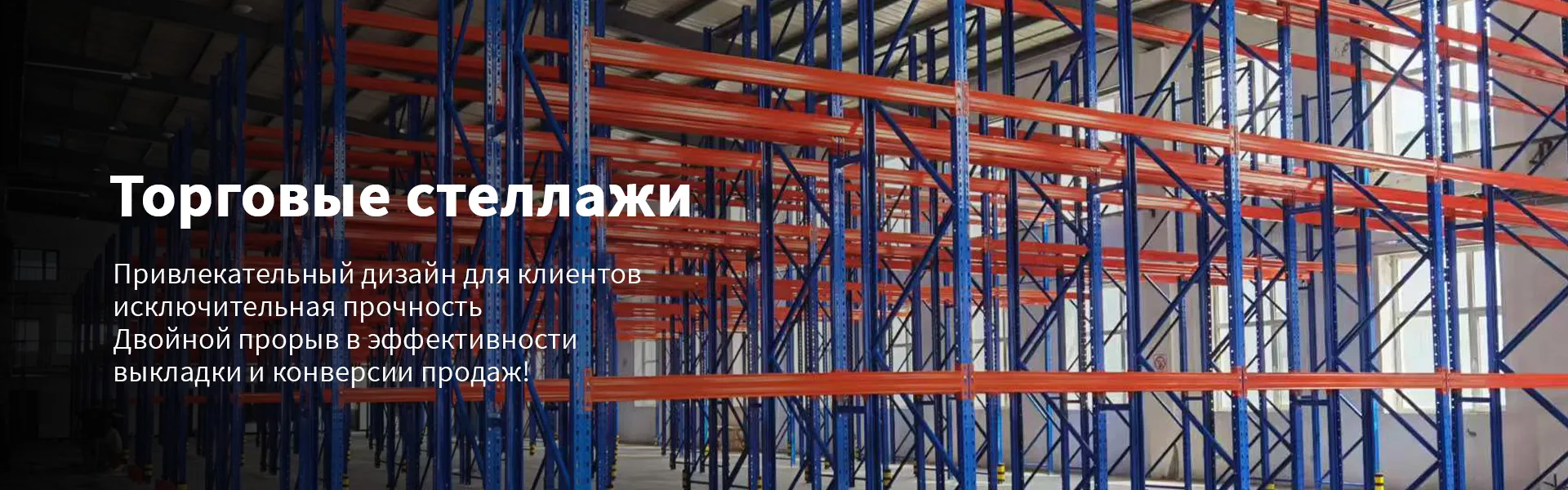
When they say “installation of a cantilever rack,” many people immediately imagine simply assembling the hardware according to the instructions. In fact, this is often the point where design assumptions collide with site reality, and savings on preparation result in hours of extra work and risk. The most common mistake is underestimating the preparation of the foundation and the alignment of the verticals. The console, especially for long lengths, is a lever. Any distortion or weak attachment to the floor is not just “a little crooked”, but a direct threat to the stability of the entire system.
When taking on a project, even from a trusted supplier likeHarbin Jiusheng Metal Structure Manufacturing Co.,Ltd, first of all I look not at the general appearance, but at the fastening points and the specification of the anchors. Their websitehttps://www.jshj.ru, positions them as a full-cycle plant, and this is important: often projects from such manufacturers are more thought out in terms of unification. But 'standard' is a flexible concept. For example, their plant description states a 20,000 m2 area and automated lines - this usually means good repeatability of parts, making installation easier. But the thickness of the metal of the console or the type of anchor for a specific load and type of ceiling - this requires a separate check on site.
There was an incident at one of the facilities near Tver: the project involved chemical anchors in a concrete base. We arrived and started drilling - and under a thin layer of screed there was an old-style hollow floor slab. The entire mounting plan went to hell. I had to urgently contact the technical department, promptly recalculate the load and switch to through fastening with wedging on the lower floor. An extra two days of work and nerves. Now I always demand from the customer accurate data on the slab before starting work or, at worst, I do test drilling at key points.
Another nuance is the cantilever beams themselves. The passport usually indicates the maximum load per pair. But it is important to understand how it is distributed. If they load unevenly - one console is full, the adjacent one is empty - a dangerous torque is created on the rack. This is rarely written about in instructions, but the installer should at least briefly instruct future storekeepers. Sometimes I even recommend marking the beams or leaving a reminder on weight distribution.
Everything here seems obvious: keys, screwdriver, level, laser level. But speed and quality are determined by little things. For example, using a torque wrench to tighten anchor bolts. Many people save money and do it by eye or with an impact wrench. The result is either undertightened (play and vibration over time) or overtightened (threads are broken or the base of the rack is deformed). UHarbin JushengKits often come with high-strength bolts, for which the tightening torque is critical. We have to explain to the customer why this item is included in the estimate - this is not a whim, but a safety requirement.
The assembly sequence is also a dogma. We always start by marking and installing the two outer posts in the row. We align them using laser and diagonals with pinpoint accuracy. Then we pull the mooring cord and set all the intermediate ones along it. If you place the racks one after another, simply measuring the step with a tape measure, an error is guaranteed to occur towards the end of the row, and then the beams will not stand up. Tested by bitter experience on early objects.
The assembly of the consoles is often left for later, after all the rows have been assembled. I prefer to do it differently: after installing and securing one rack, I immediately mount the first pair of beams on it, but do not tighten it completely. This immediately gives a visual 'strap' and additional rigidity for setting up the next post. This is especially important for high racks, where the stand, before being fixed with beams, is just a swinging iron stick.
Perfect installation in an empty workshop is one thing. But often you have to work in an active warehouse, between stacks of boxes, under low ceilings or with limited access for a truck crane. This is where logistics and adaptation come to the fore. Components from the sameJusheng plantusually well packaged and labeled, which saves time searching for the right part in a pile of metal. But if the unloading was not done by you, but by the customer’s loaders, who threw everything into a pile, consider half a day wasted on sorting.
One of the most unpleasant problems is the discrepancy between the geometry of the room and the project. It seems that everything is clear according to the plan, but in the corner there is an unaccounted for column or ventilation duct, eating up 15 cm from the passage. You have to decide on the fly: move the entire row, shorten several consoles, or coordinate with the customer a change in the layout. In such cases, having the manufacturer's technical support available, who can quickly provide an estimate for the changed configuration, is invaluable. From the descriptionjshj.ruit is clear that they cover both design and maintenance - for the installer this is a plus, there is someone to appeal to.
A separate topic is the training of customer personnel. After the commissioning of the project, you often come back six months later and see how a machine weighing two tons was squeezed onto the cantilever beams, designed for a uniform load, and even moved to the edge. Or they removed one console for “convenience” and did not put it back, violating the design. Therefore, the final stage of installation is not just the signing of an act, but a short but clear briefing for the responsible persons. You show what is possible, what is not, and most importantly, why.
Even with perfect preparation, problems happen. Classic - I drilled the hole for the anchor in the wrong place. If the error is a couple of millimeters, sometimes an oval drilling of the mounting plate helps. If it is more, an additional plate-overlay is installed, but this requires coordination with respect to the load. It happened that upon delivery a bent stand was discovered. If the plant is far away, as is the case in Harbin, waiting a week for a replacement is not an option. If there was a slight bend, it was sometimes possible to straighten it hydraulically on the spot, but this is risky and must be approved by the manufacturer's engineer.
Another common problem is a 'floating' base. Recently we installed shelving in a hangar with a concrete floor, which, as it turned out, was flooded in winter. When everything dried out and settled in the summer, several racks ended up hanging on anchors, not pressed to the floor. It can only be treated by dismantling, leveling the sites and reinstalling. Now the list of mandatory questions for the customer has included the question of seasonal soil movements and drainage conditions.
And of course, the human factor. The most memorable failure was about seven years ago, when my partner and I, in a hurry, did not check the level on the first rack, taking the supposedly flat wall as a reference. We assembled the entire row of 30 racks. When they started installing the beams, everything went wrong. I had to take it completely apart. Since then, the laser level has been a sacred instrument that turns on first and turns off last, and you trust its readings more than walls, columns and your own eye.
In the end, successfulinstallation of cantilever rackis not just about following instructions. This is a synthesis of high-quality hardware, a competent design, a prepared site and thoughtful, leisurely work of installers. Working with products from large factories, be they Russian or Chinese like the one mentionedHarbin Jusheng, you feel the difference. The parts fit together without adjustment, the holes match, the paint does not peel off from being scratched with a wrench. This saves time and nerves on site.
But the responsibility is also higher. When you assemble a 'no-name' design, you attribute all the mistakes to the manufacturer. When you work with a system from a well-known supplier who, as stated in the description, deals with the full cycle from design to maintenance, any installation error will fall on you. Therefore, the approach should be as pedantic as possible. Check every post, every anchor, every connection.
Ultimately, a well-installed cantilever shelving system is a quiet, unobtrusive job. People remember him only when he has been serving well for decades, or when, God forbid, he has developed. The installer’s task is to make sure that they remember only in the first case. And this is achieved not by ingenious solutions, but by scrupulous attention to hundreds of small, routine details at every stage, from unloading the machine to the final tightening of the last bolt.