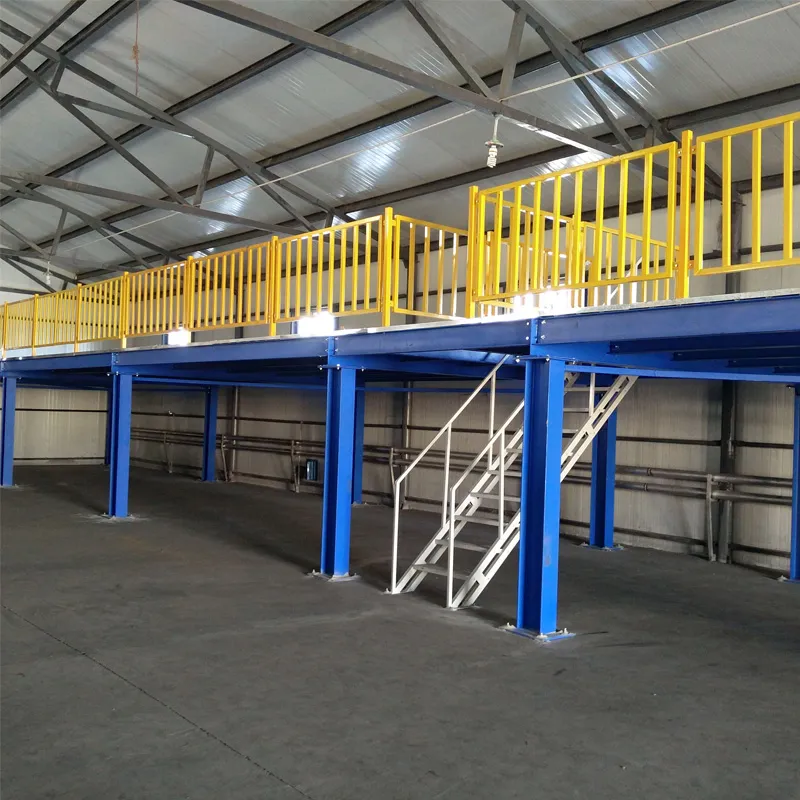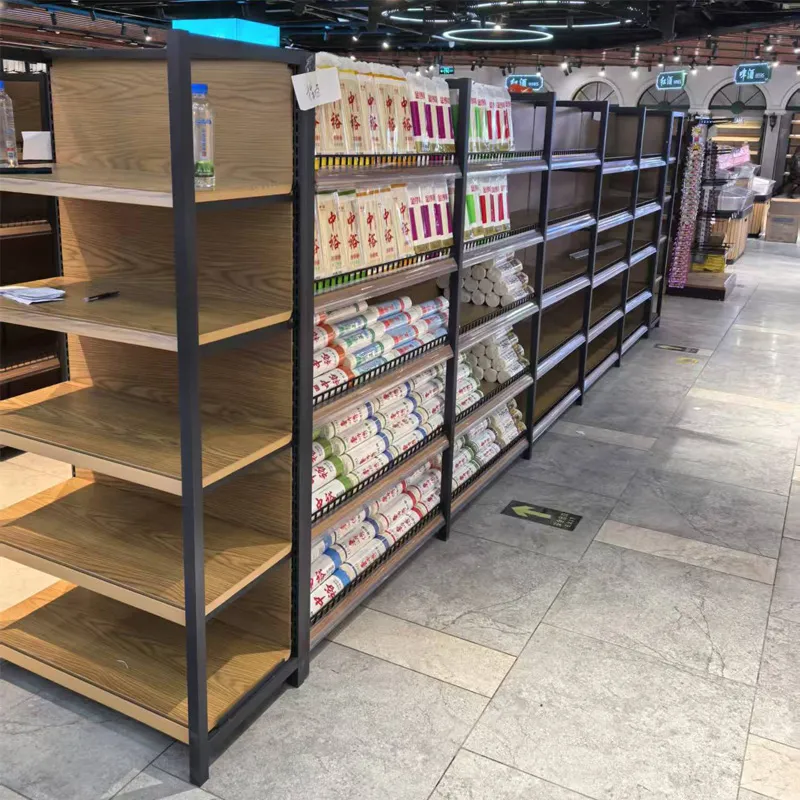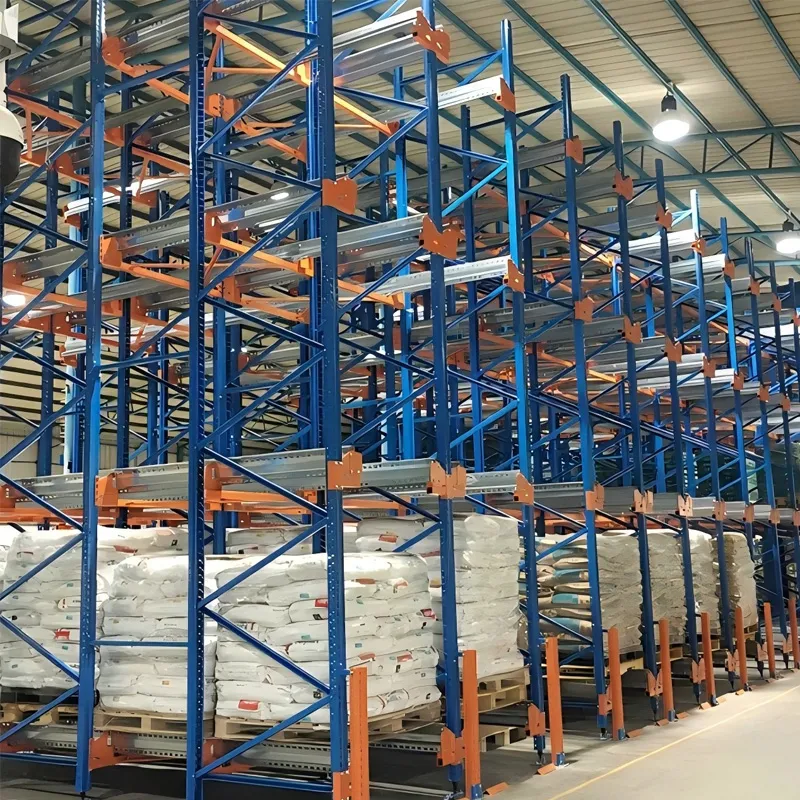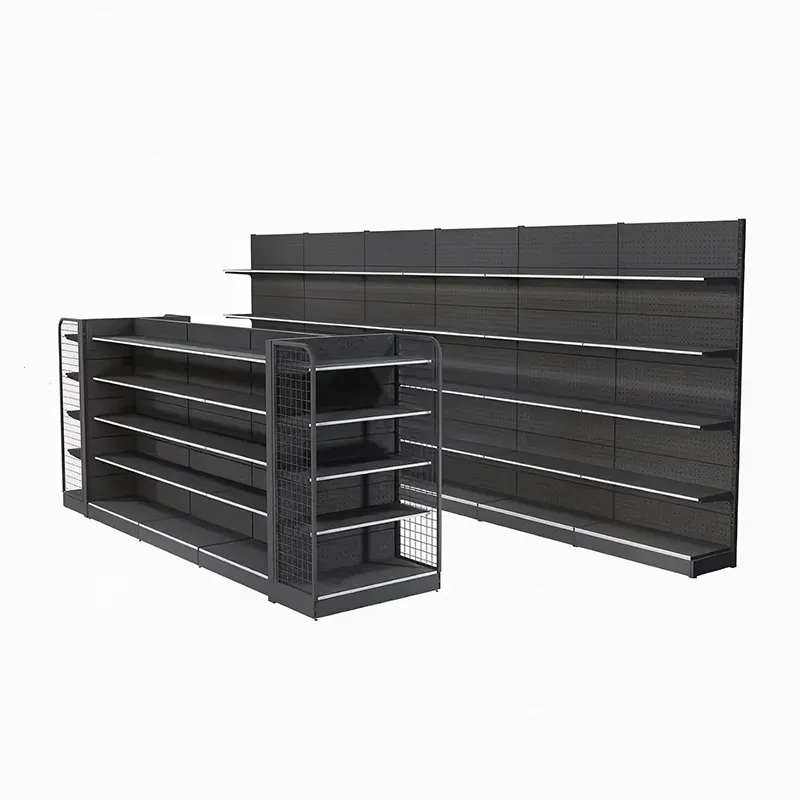
When a customer requests specifications, they often simply mean a table with dimensions and loads. But in reality, these numbers hide much more - from the choice of steel grade and connection type to installation tolerances and even future operating conditions. Many people mistakenly believe that the main thing is the maximum load on the tier, and they focus on this, losing sight of, for example, dynamic loads from the loader or uneven weight distribution. I myself have seen projects where formally everything fit according to the specifications, but in practice the rack “played?” due to unaccounted vibration from neighboring equipment.
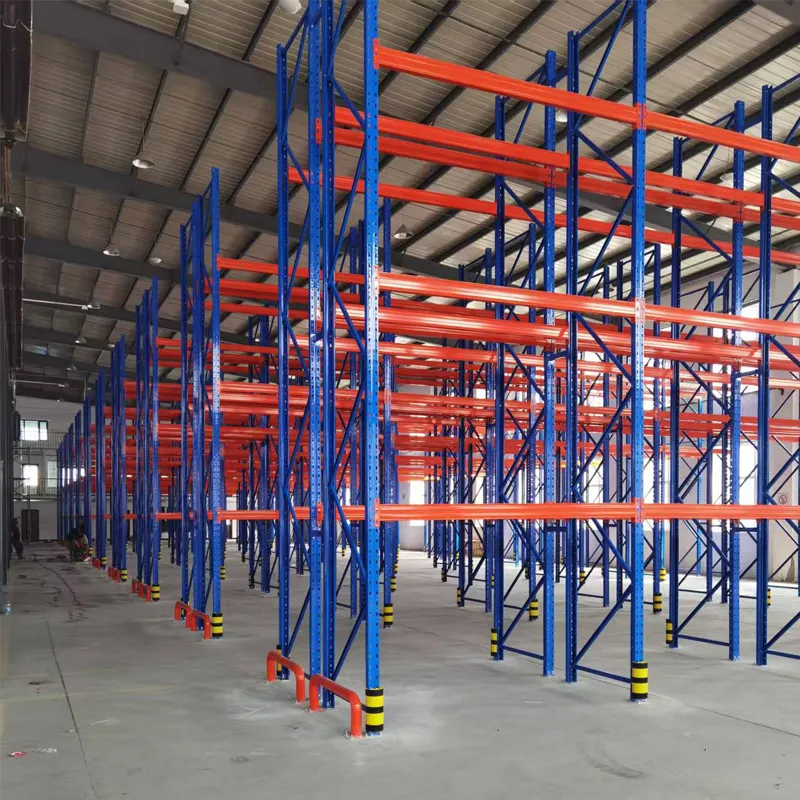
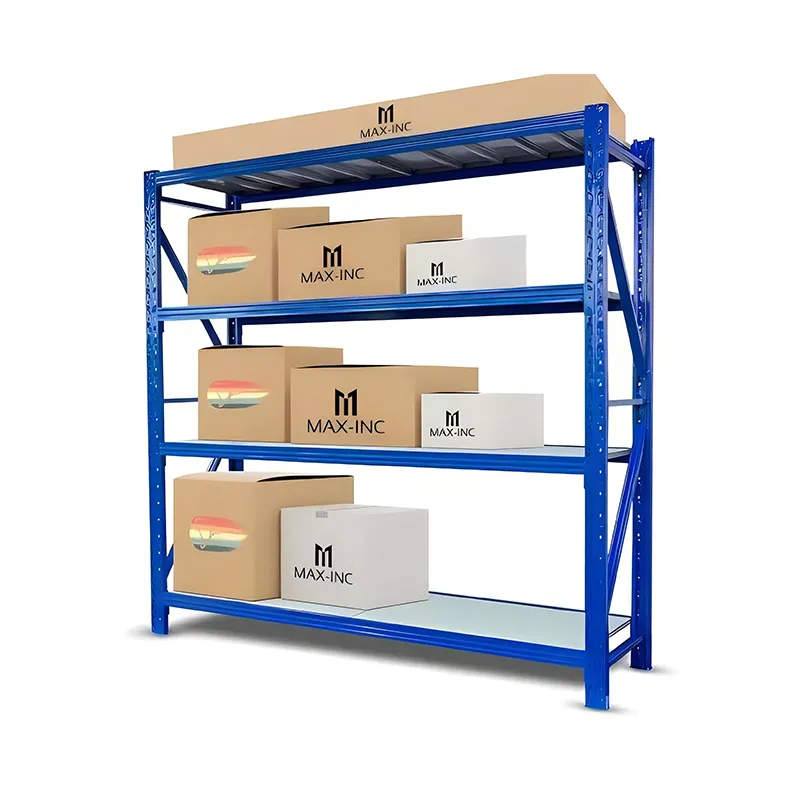
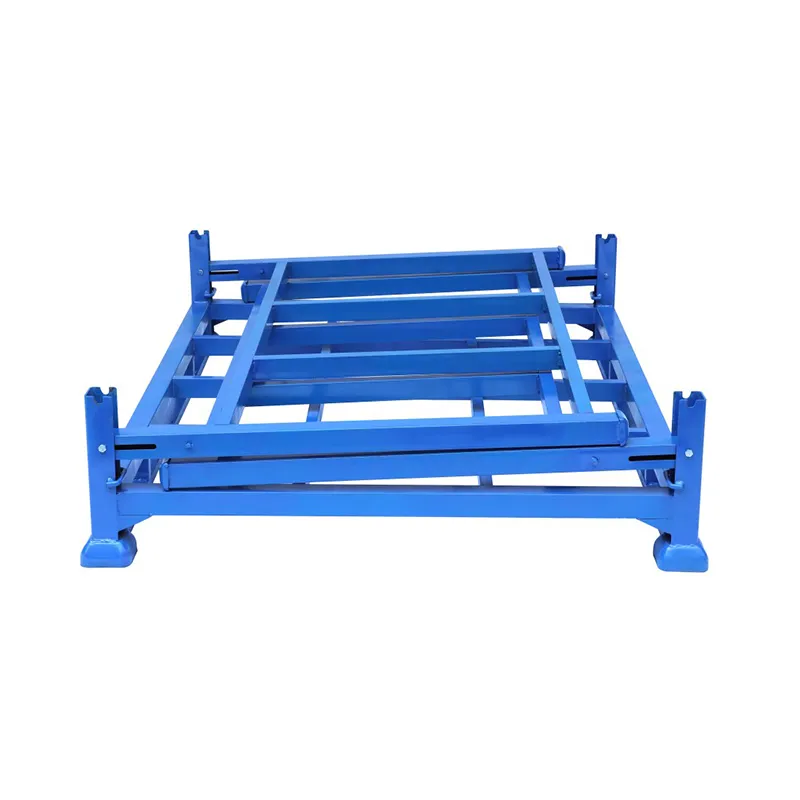
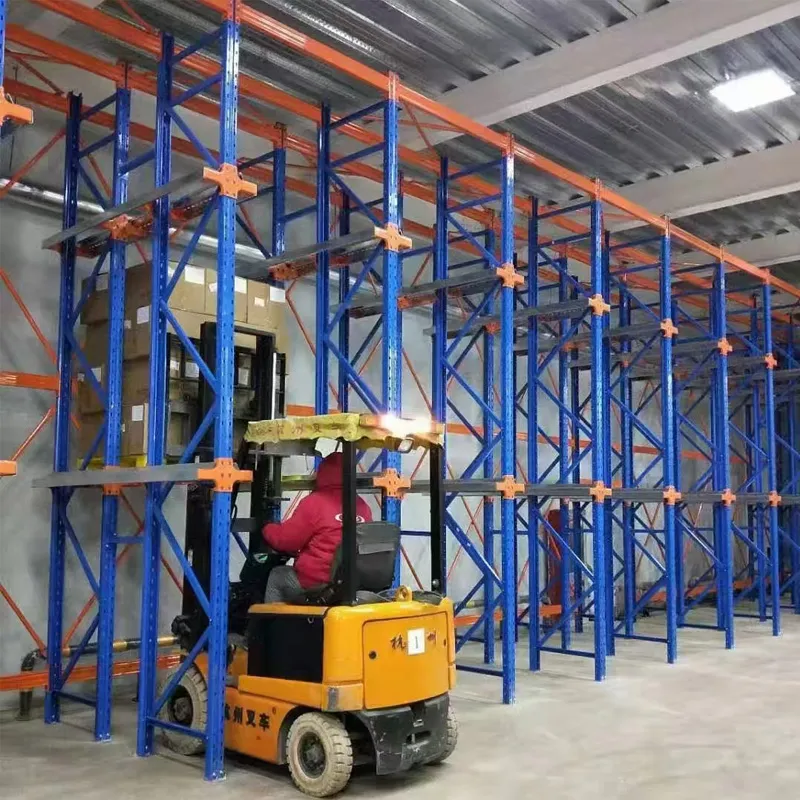
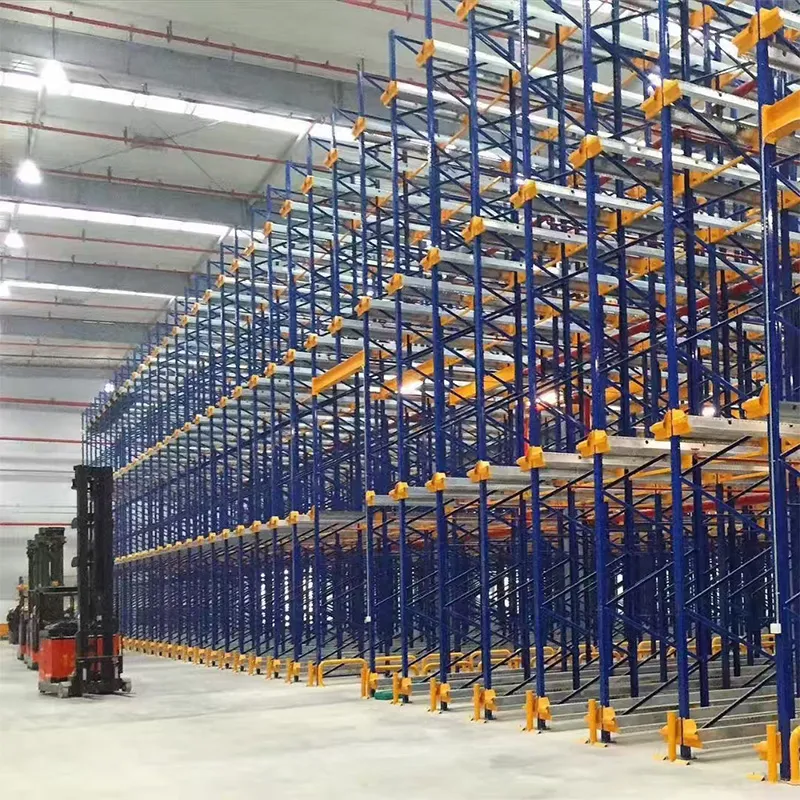
So, let's take the classic onewarehouse rackpallet type. The specification, of course, will include length, width, height, number of tiers and beams. But the key is detail. The thickness of the vertical post (column) is not just 1.5 or 2 mm. It is important what kind of steel is made of, cold-rolled or hot-rolled, and what degree of galvanization. In our production, at the same plant of Harbin Jusheng Metal Structures Manufacturing LLC, different rolled metal products are used for different product lines, and this directly affects the final specification and price. You can’t just take a “90x70” rack, you need to look at its profile, the presence of additional stiffening ribs, and the shape of the perforation for the beam hooks.
Beams (bars) are a different story. Their load-bearing capacity depends not only on the height of the profile, but also on the type of lock connecting to the column. Wedge, bolt, flange... Each has its own tolerances and limits. A common mistake is to consider the load on the beam statically, forgetting about the impact load when the pallet moves in. I have seen cases when the lock could not withstand an overload of weight, but rather a side impact from a forklift, although according to the passport everything was normal. Therefore, a competent specification must also stipulate the operating conditions.
And the third pillar is the base (foundation) and anchoring. The most advanced steel structure is useless if it is not properly secured to the floor. The specification must clearly regulate the type of anchors (chemical, mechanical), their number per section, depth and required resistance of the concrete floor. This is an area where dialogue between the rack manufacturer and the site builder is critical. Often problems start here, when the floor does not meet the parameters stated in the specification.
I'll tell you with an example from practice. We had a project for a logistics center - high racks, 12 meters. The specifications were drawn up carefully, with a margin for load, and reinforced columns were used. But they did not take into account one nuance: the warehouse was unheated, in a region with serious temperature changes. After a year of operation, the client complained of increased play in the connections. The reason is temperature deformations, which for such a height turned out to be greater than calculated. We had to modify it and add compensation elements. Conclusion: The specification must take into account not only mechanical loads, but also climatic loads, if applicable.
Another incident is related to the human factor. We installed racks with clearly defined loading rules: pallets must be level, the load must be evenly distributed. The specification even included a diagram. But the warehouse staff neglected this and loaded it at random. After a few months, the beams began to deform. Formally, this is a violation of operating rules, not our fault. But since then, in consultations we have always focused on this point, and we have added more visual diagrams and warnings to the specifications. Sometimes it is useful to provide safety elements in the design, for example, additional safety locks on beams that will hold them in case of a critical load imbalance.
And more about automation. Nowadays there is a lot of talk about racks for shuttle systems. Here specifications are aerobatics. The slightest deviation in geometry and the cart simply won’t move or will hit the racks. The requirements for parallelism of guides, flatness, and tolerances for the height of tiers are an order of magnitude stricter. Working with such projects, for example, analyzing the possibilities of the sameJusheng plant, you see that their CNC and laser cutting production lines are precisely designed for such high-precision tasks. Because such tolerances cannot be maintained manually.
When you choose a supplier, in essence, you choose an approach to the formation of these very specifications. Large plant likeLLC ?Harbin Jusheng?, with a full cycle from design to installation, usually has proven but flexible standard solutions. Their specifications are not just a piece of paper, but a reflection of the capabilities of their equipment and accumulated experience. They can afford to work out each component in detail, carry out calculations using their own software, and test prototypes. This gives confidence that the stated figures are not taken out of thin air.
On the contrary, small assemblers who work on purchased rolled metal often offer “template” ones. specifications that do not take into account the characteristics of a particular object. Their main argument is price. But savings at the design stage and correct calculation of specifications can later result in problems during installation or, worse, an accident during operation. I once checked the racks from one such supplier - according to the documents, the thickness of the rack is 1.8 mm, but the caliper showed 1.6, and even with a variation in the height of the column. Naturally, there could be no talk of any declared load.
Therefore, it is always interesting to look not at the bare numbers in the specification, but at how the manufacturer arrived at them. Requesting calculation justifications, sketches of components, certificates for materials is normal practice. A good manufacturer, such as the Harbin plant, which was founded in 2019 and has modern automated lines, will usually provide such data without problems because for them it is part of their standard workflow.
The trend is digitalization and detailing. More and more often, a specification is not a PDF file, but a three-dimensional model in a special format, which immediately goes to a CNC machine. This minimizes translation errors. In addition, the specifications begin to include data for warehouse management systems (WMS): the exact coordinates of each cell, its dimensions, maximum weight. In fact,rack specificationsbecome part of the digital twin of the warehouse.
The second point is ecology and economics. There are requests for specifications taking into account the recycling of materials, with calculation of the carbon footprint of the structure. Customers also began to ask more often about the possibility of easy reconfiguration of racks. Accordingly, the specifications can now separately stipulate the modularity of the design and the compatibility of components between different generations of products, so that after five years it is possible not to change the entire rack, but to purchase and add sections.
And finally, safety. Following several high-profile collapse incidents, specification requirements are being tightened. More and more attention is being paid to calculations for seismic loads (even in not the most active zones) and for resistance to progressive collapse. The specifications add clauses on mandatory (mandatory) safety elements: protective fences for columns, end stops on beams, reinforced structures of the first tiers. This is no longer a recommendation, but a necessity.
So what's all this for? To the point thatwarehouse rack specificationsis not a static document that you sign and forget. Rather, it is a set of game rules and a technical passport that should accompany the rack throughout its entire life cycle. During installation, every step is checked against it, during acceptance, compliance is checked, and during operation, they rely on it when planning loading.
The most important thing is dialogue. The ideal specification is born in a dialogue between the customer, who knows his business processes and loads, and the manufacturer, who knows the capabilities of the metal and structures. When both sides ask each other the right questions: “What if the load is not in the center?”, “How often will the beams be rearranged?”, “What equipment will work?” - then you get an adequate, working document.
For me personally, an indicator of quality is when, after years, you can take the old specification, and without any additions it will fully describe the design in front of you, its strengths and limitations. And when everything at the site works exactly as planned. Achieving this is the real professional task.