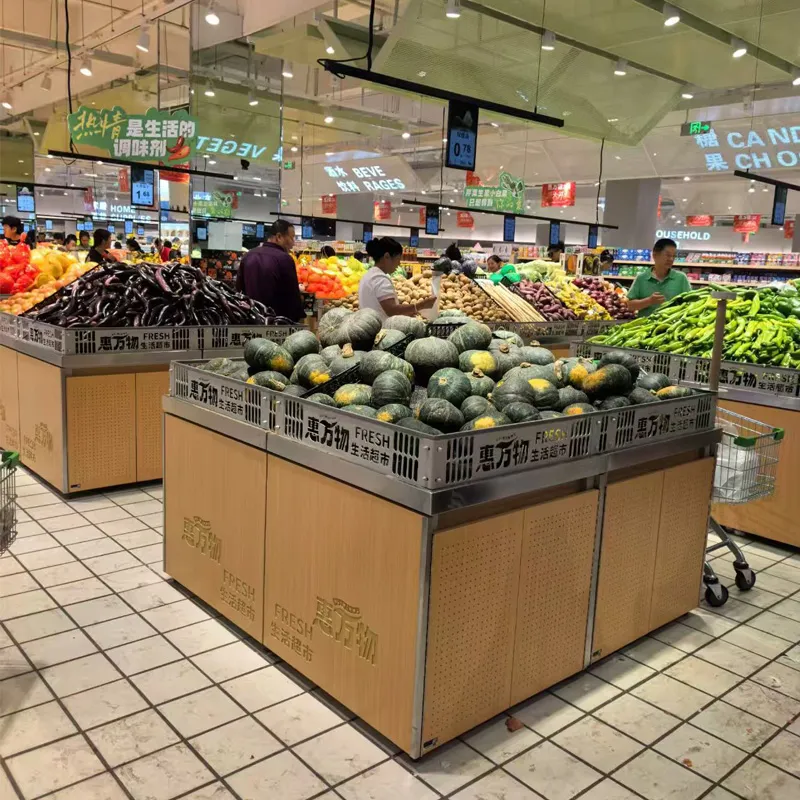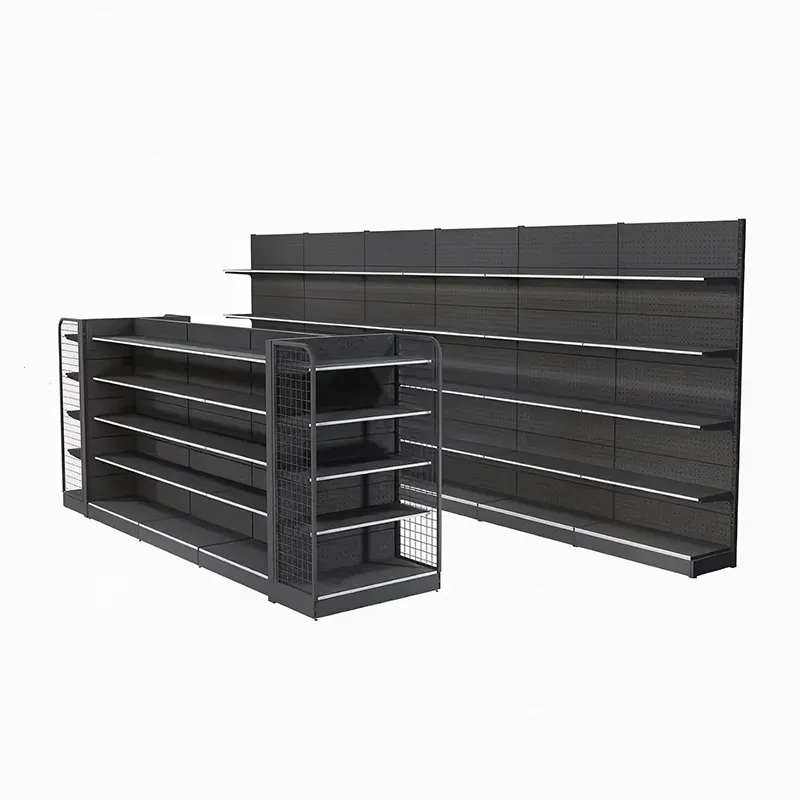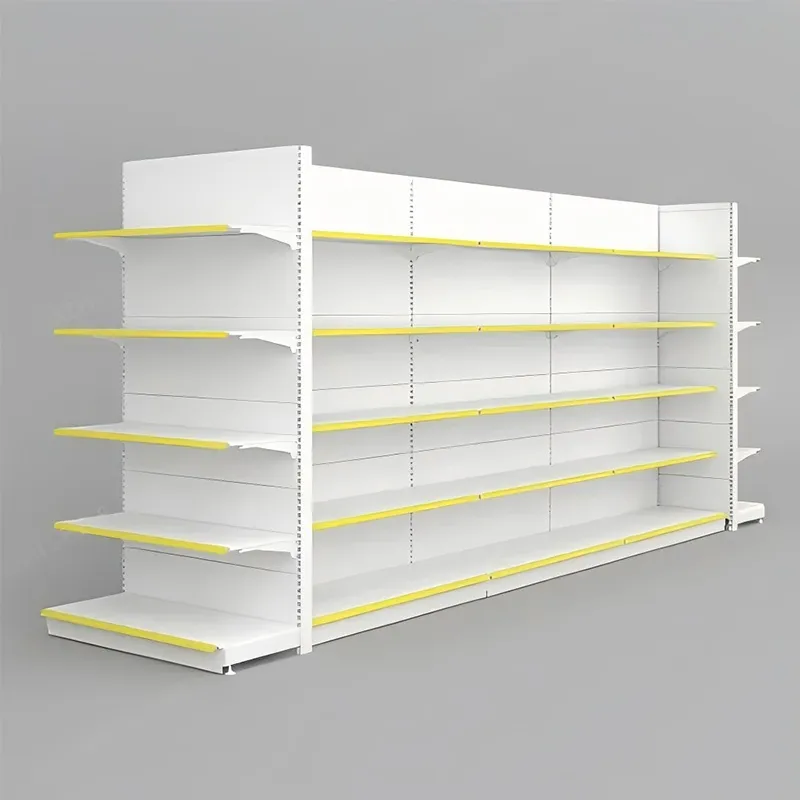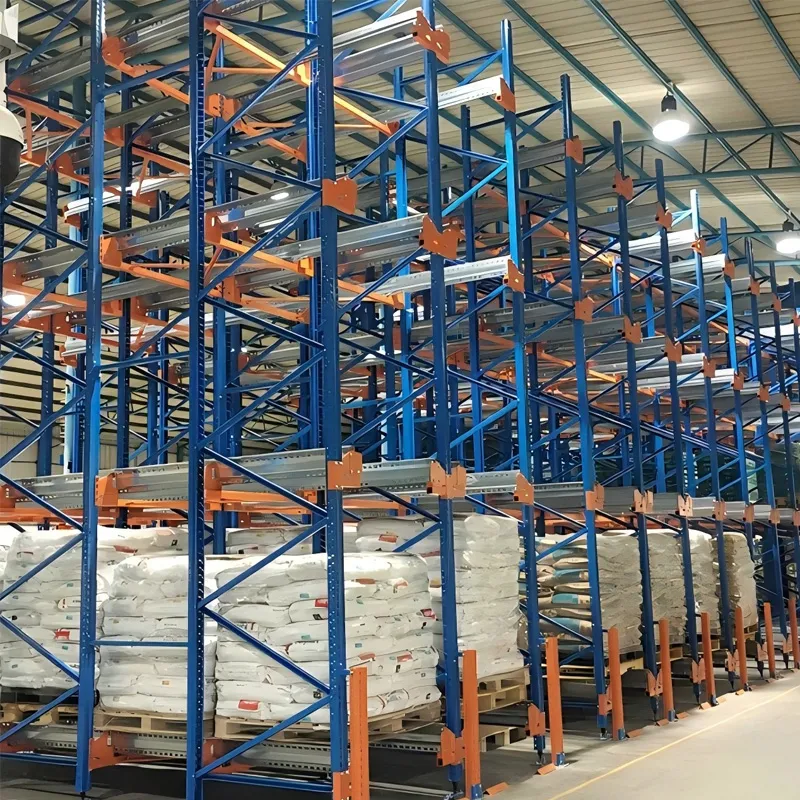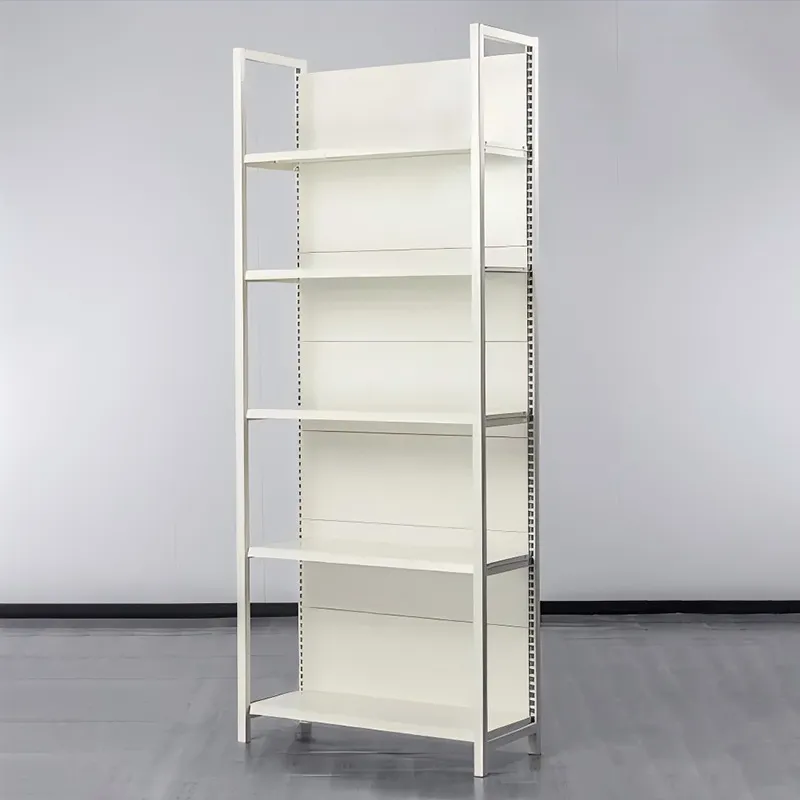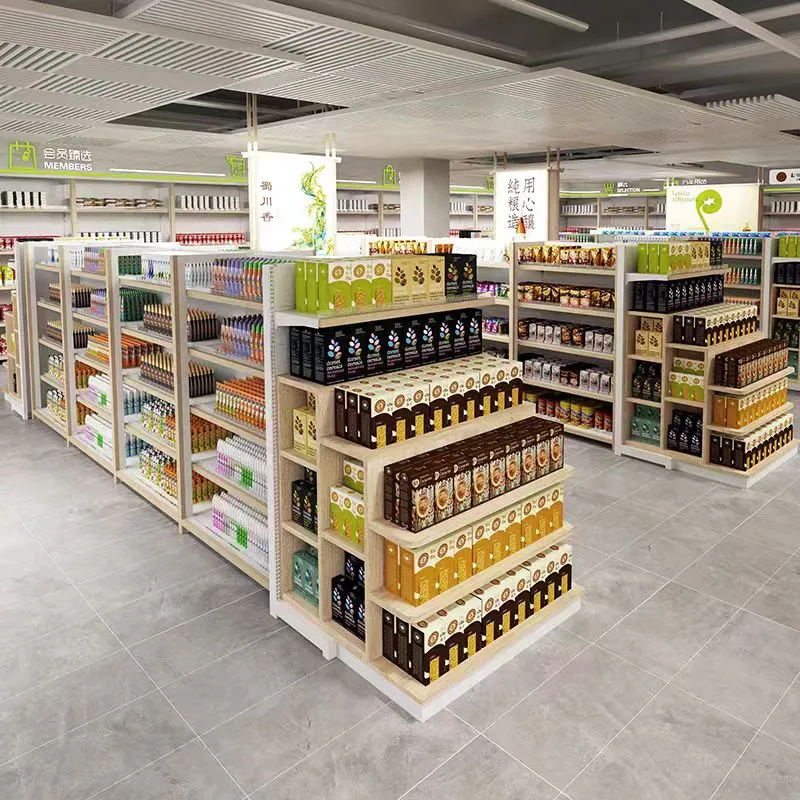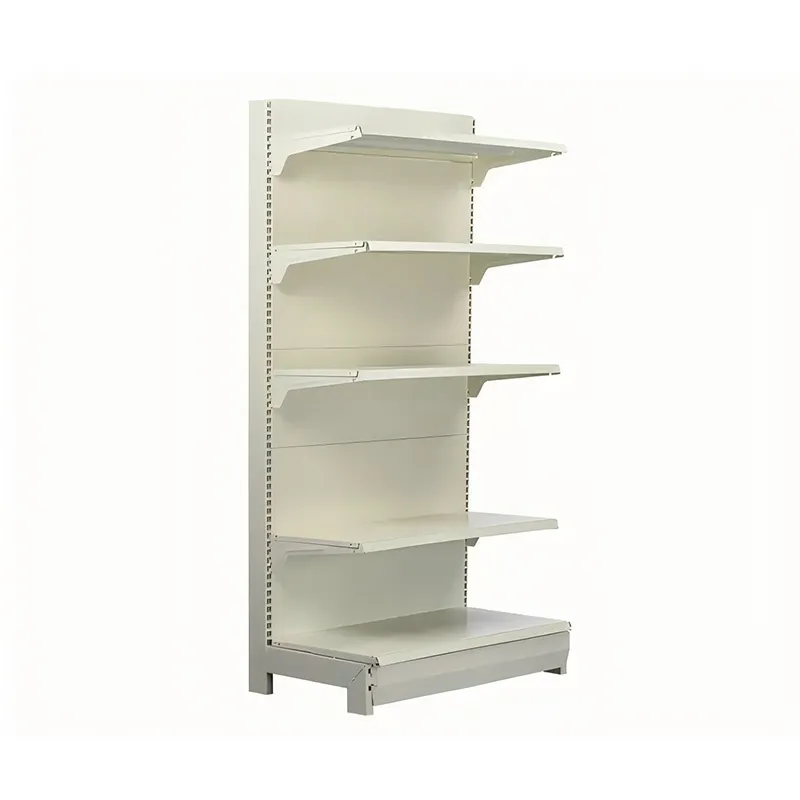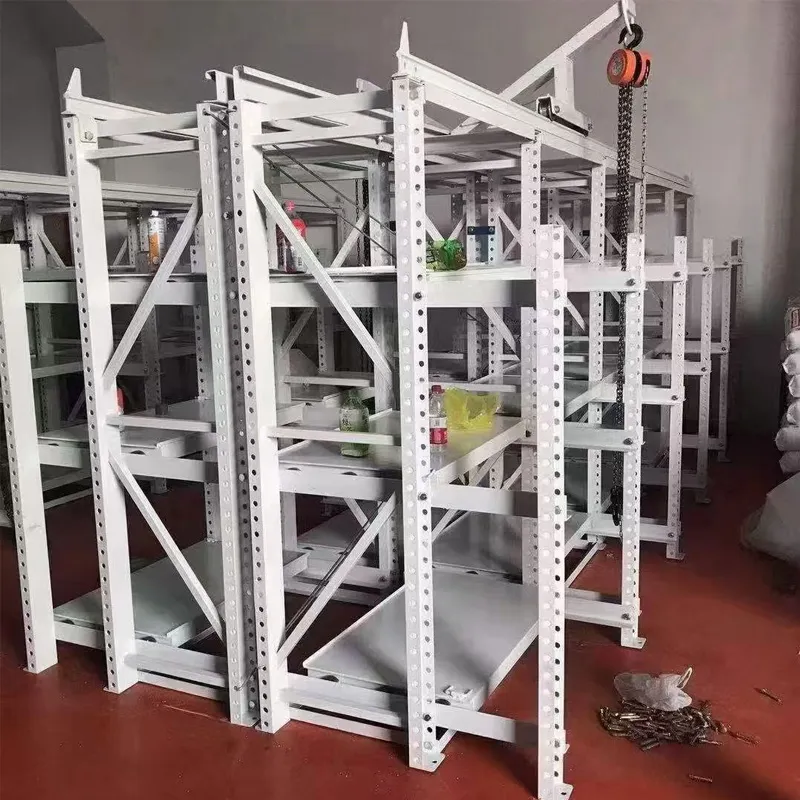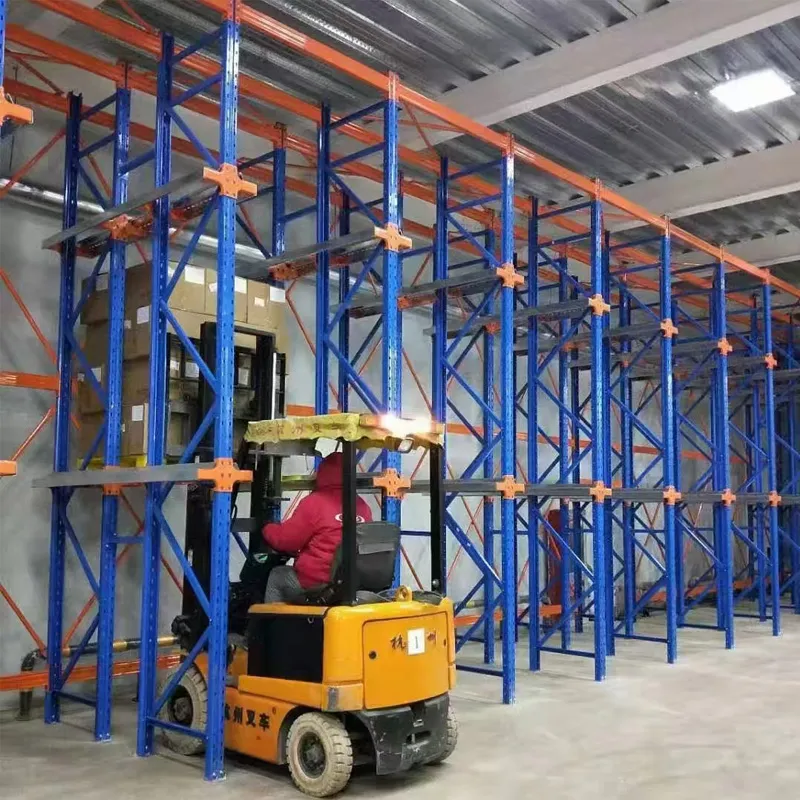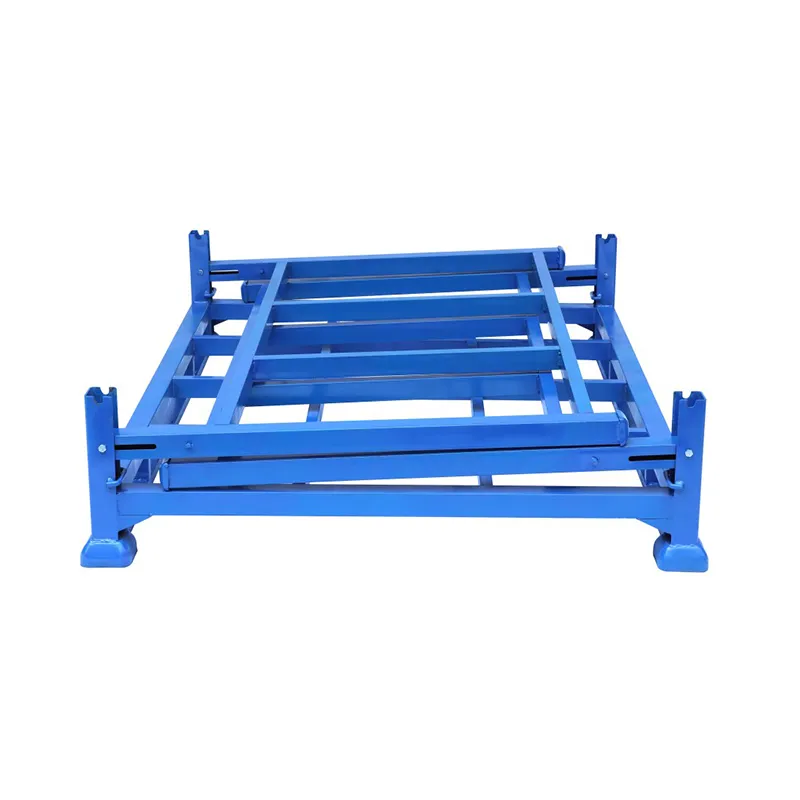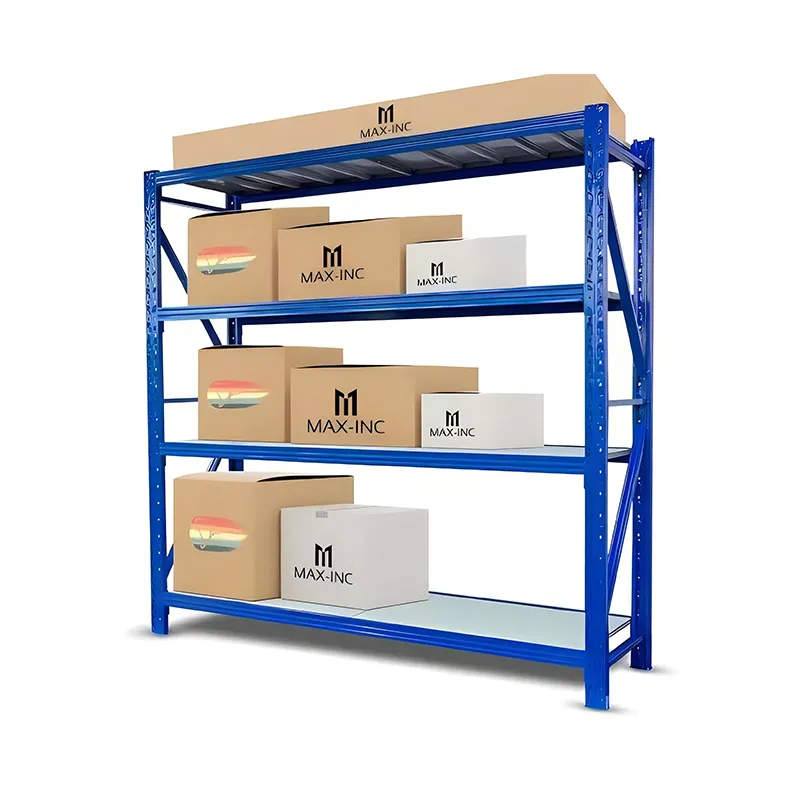
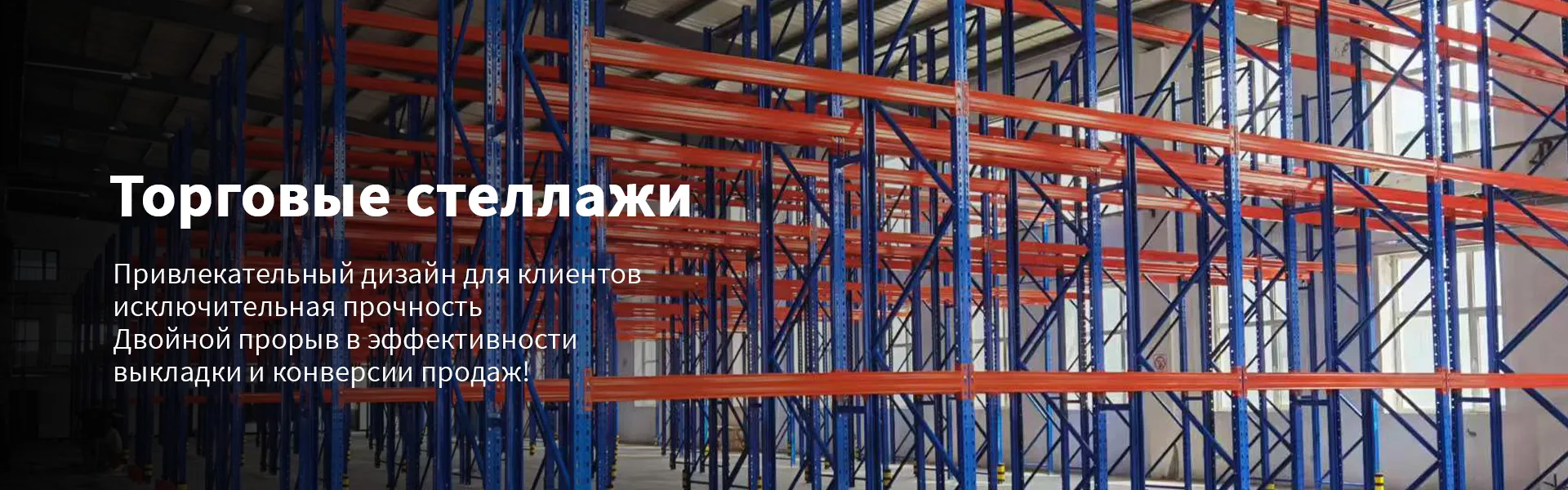
When you hear “shelves for vegetables and fruits?”, many people imagine troughs simply welded from a profile with perforations. And therein lies the main mistake. Over the years of working with commercial equipment, I realized that this is perhaps the most complex and “living” one. type of shelving in the hall. Not only the presentation, but also the shelf life, the speed of sales and even the microclimate around them depend on them. If ordinary grocery shelves are static, then here there is constant dynamics: moisture, weight, mechanical damage, ventilation requirements. And yes, perforation is not for beauty, but it is not a panacea either.
Let's start with the basics. It would seem that it’s so difficult? Frame, shelves, possibly sides. But the first nuance is the material. Powder coated galvanized steel is standard. But the thickness of the metal and the quality of the coating are what they save on, and then they wonder why, after six months, rust began to appear in the places where they were chipped, especially under constantly wet root crops. I have seen cases where mesh shelves made of too thin wire sagged under potatoes, and this not only looked poor, but also created a risk of collapse.
The second is the geometry itself. Angles. Almost everyone makes the shelves rectangular, with sharp corners. And these are package killers and a place where dirt and rotting residues accumulate. Nowadays, more advanced solutions offer rounded corners or even trapezoidal shapes, making display and cleaning easier. But such models are ordered less often and are more expensive. And in vain.
And the third thing that is often forgotten at the design stage is compatibility with the irrigation system. Not every perforated sheet allows water to pass down well; sometimes it stagnates in puddles. And if the shelf is solid, without sufficient drainage holes, then the bottom layer of the product simply “cooks”. in the water. Entire batches had to be remade for one network client, who first saved on “non-standard” ones. holes.
This is no longer engineering, but almost psychology. Side height. If you make it low, the product falls, buyers take the top layer, the bottom gets wrinkled. High - you can’t see what’s in the depths, the goods are stale. The optimal height of 15-20 cm is often violated for the sake of design. Or, conversely, for ?wholesale? They make giant troughs that are physically difficult for employees to maintain. Especially female merchandisers complain about their backs.
Another point is the depth of the shelf. The standard is 60-80 cm. But if the shelf is too deep, say, a meter, then access to the back row for replenishment turns into acrobatics. You have to either unload the foreground, or climb almost inside. This time, this is the risk of damage to the goods. The ideal depth, in my opinion, is 70 cm. An adult’s hand can easily reach the back wall.
And of course, mobility. Now many supermarkets are moving to a flexible layout system. Shelves on wheels are a must have. But there are also some problems here: the wheels must be large enough so as not to become clogged with debris from the floor, and with reliable brakes. I saw “economy” wheels that broke within a month from the constant load of wet goods.
Each type of vegetables and fruits dictates its own rules. For apples and citrus fruits, ventilation on all sides is important to avoid bedsores. This means you need a mesh shelf or very frequent perforations. For greens and salads, insert plastic containers are often used, which are then removed and washed. But if the metal base under the container is not treated against corrosion, it quickly becomes unusable from constant humidity.
The most problematic product is, oddly enough, onions and potatoes in nets. The sharp edges of the mesh scratch the covering of the shelves, leaving lint from the mesh, which mixes with dust and creates a disgusting appearance. Shelves with a solid but well-drained bottom, or the use of additional mats, are better suited for them. But these are additional expenses that not everyone can bear.
We had an interesting experience with one customer who wanted to use shelves heated from below for exotic fruits (to maintain a certain temperature during the cold period). The idea is sound in theory, but in practice it required complex communications and led to local drying out of the goods. The project was abandoned, recognizing it as excessive for a standard supermarket.
Here we move on to a purely professional kitchen. When purchasing or designing such shelves, you need to understand that you are buying not just a product, but a solution. And here is the right time to remember about a company that deals with this comprehensively. Here, for example,?Harbin Jusheng Metal Structure Manufacturing Co.,Ltd.. Their websitehttps://www.jshj.ruis not just a business card, but a reflection of the approach. They have been in this field since 2019, and their plant in Harbin is not a makeshift workshop, but a site of 20,000 sq. m. m. Why is this important? Because the production of shelves for vegetables is not only welding. This includes precise cutting, high-quality galvanizing, control over each stage of powder painting (especially important for a humid environment).
Their profile is a full cycle: from design to after-sales. And when you read about their product range - retail shelving, warehouse systems - you understand that they know about loads and logistics. This is critical for fruit and vegetable shelves. Their engineers can, for example, correctly calculate the reinforcement of the frame under the load of wet sand (which is sometimes used for laying out carrots) or offer an option with reinforced welds at the attachment points of the wheel supports.
For me personally, an indicator is the presence of several automated lines. For standardized shelf elements this gives the main thing: repeatable quality. All corners will be the same, all holes will be in their places. When you assemble dozens of sections in a hall, the absence of “jambs?” size saves hours, or even days, of installation.
In the end, I want to boil everything down to a few theses that have been hard-earned in practice. First: do not skimp on the thickness of the metal and the quality of the coating. Repairs and replacements during operation will cost many times more. Second: design shelves not for the abstract “vegetables”, but for the specific assortment and logic of replenishment in your store. Third: be sure to ask the manufacturer for a test sample or at least detailed drawings indicating all sections and types of connections.
A common mistake is to order “like a competitor’s”, without taking into account the size of your backroom and the width of the corridors. Shelves may simply not fit through the door or not unfold on the sales floor. And lastly: service. The contract should include not only delivery and installation, but also consultation on operation. How to wash it properly, how to treat scratches, how to adjust wheels. These are little things, but they add up to the long life of the equipment.
Working with manufacturers such as the mentioned Harbin plant, you get more than just iron. You get part of a working system. But in our business, a retail outlet is a system where every detail must work without failures. Shelves for vegetables and fruits are a detail that is always in sight, always under load, and on which profits directly depend on one of the most marginal categories. They cannot be treated carelessly.