When you hear “exhibition shelving for a library?”, many people imagine just a beautiful bookcase. In fact, it is a complex functional element on which not only the presentation of the fund depends, but also the safety of exhibits, space logistics and even attendance. The mistake is to choose it based only on the catalog or appearance. Over the years of working with library projects, I realized that the key here is a systematic approach, where the design is subordinated to specific storage and display tasks.
It all starts not with choosing a model, but with analyzing the content. What exactly are we going to exhibit? Rare volumes require special climate control and protection from light, while modern media publications require integration with technology. Safe, durable and possibly interactive is important for the children's departmentexhibition rack. Often customers come with a ready-made picture from the Internet, but it may not at all fit the dimensions of their room or the load.
There was a case in one regional library: they ordered elegant shelves with glass shelves for a collection of minerals. Everything looked perfect until it turned out that the weight of some exhibits exceeded 15 kg per point. We had to urgently strengthen the structure and change the fastenings. Now I always insist on technical specifications, which describe not only the type, but also the maximum loads, operating conditions, and use scenarios.
Here it is important to cooperate with manufacturers who understand this specificity. For example, on the site?Harbin Jusheng Metal Structure Manufacturing Co.,Ltd.(https://www.jshj.ru) it is clear that the company works with a full cycle - from design to installation. This is critical for a library: a standard warehouse shelving will not work; adaptation to non-standard book formats, display cases for manuscripts, and combined systems is needed. Their experience in the production of various racking systems, judging by the description, allows them to approach the task comprehensively.
Wood, metal, glass, composites - the choice is huge. The wood is warm and “library”, but capricious to changes in humidity. The metal is durable and allows for complex cantilever systems to display open books, but requires a quality paint or powder coat to avoid looking utilitarian. Glass creates the effect of lightness, but it poses additional safety risks and is difficult to maintain.
In practice, we often go for hybrid solutions. The frame is made of profile steel, providing rigidity and the ability to attach additional lighting. Shelves and fronts are made of MDF with veneer or tempered glass. An important nuance is the fastenings. They must not only be reliable, but also allow height adjustment without a special tool, because exposures change.
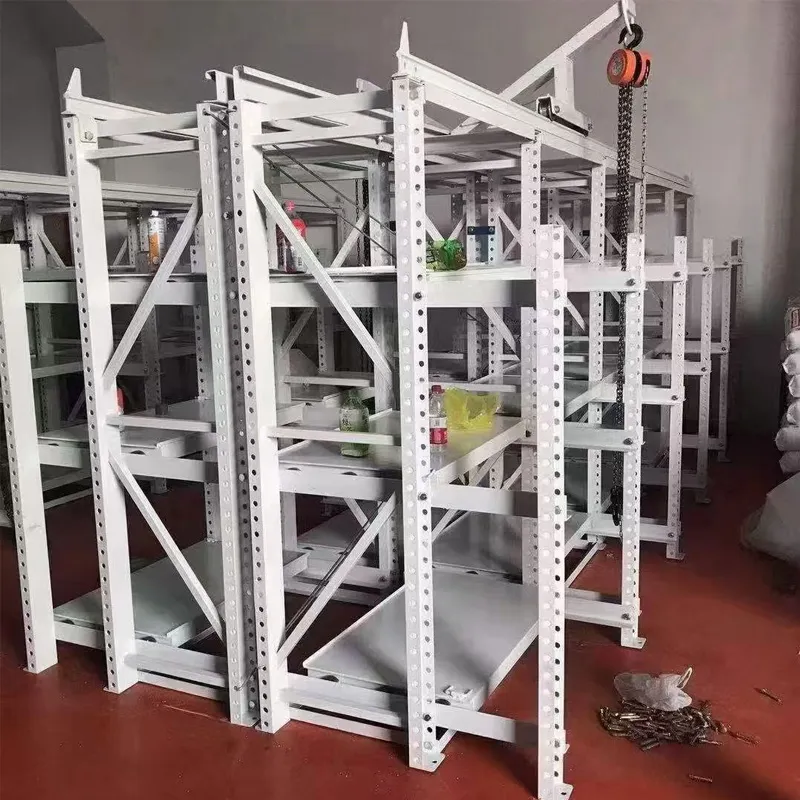
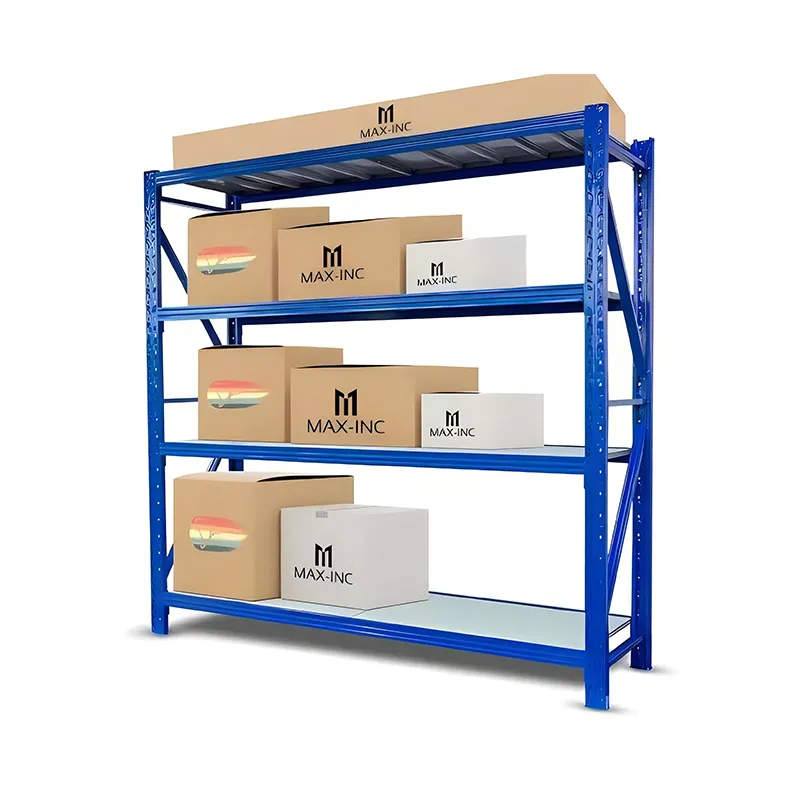
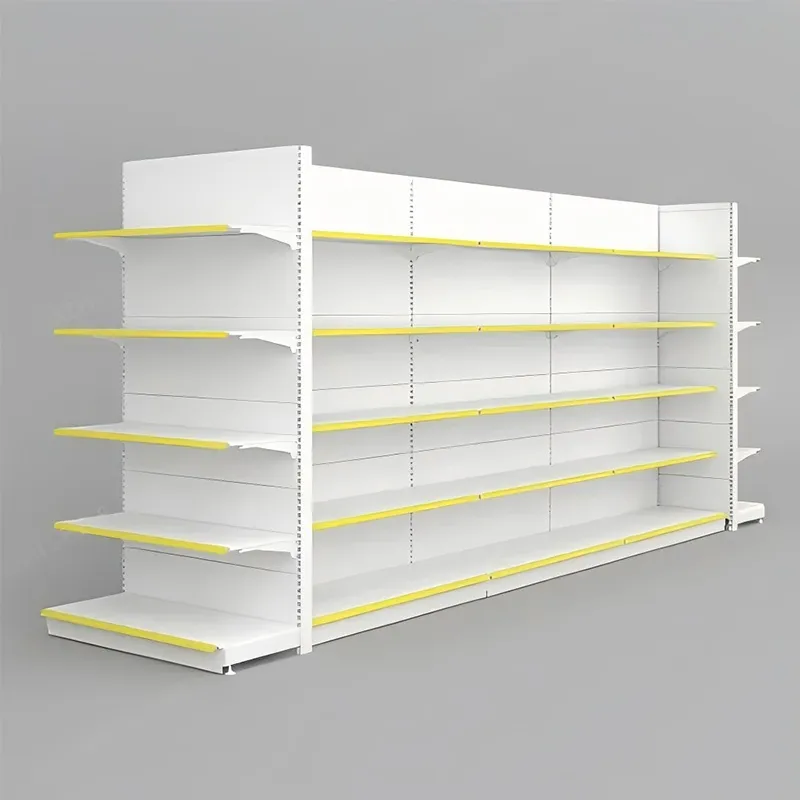
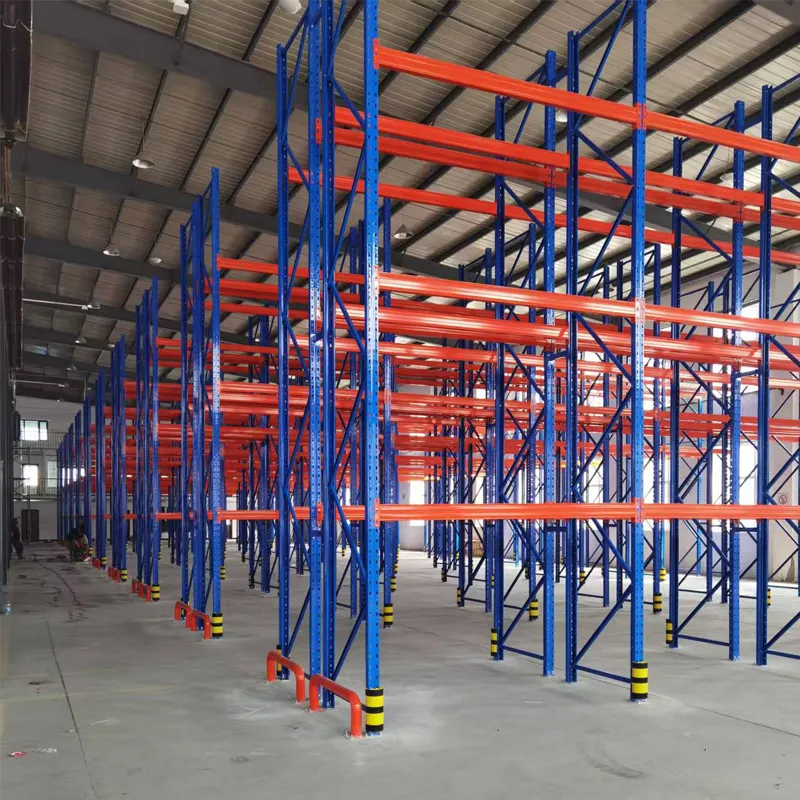
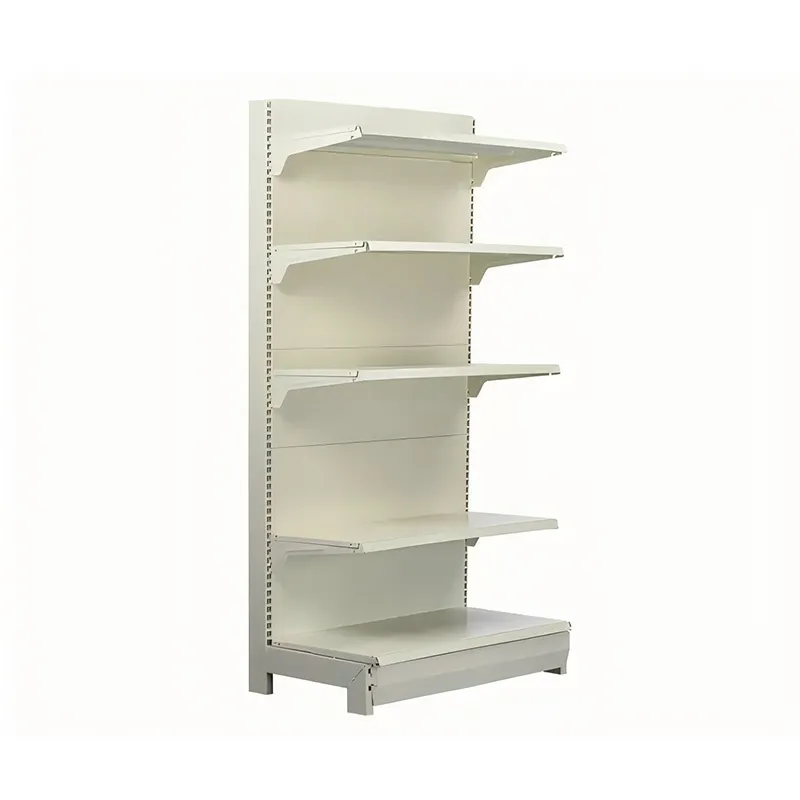
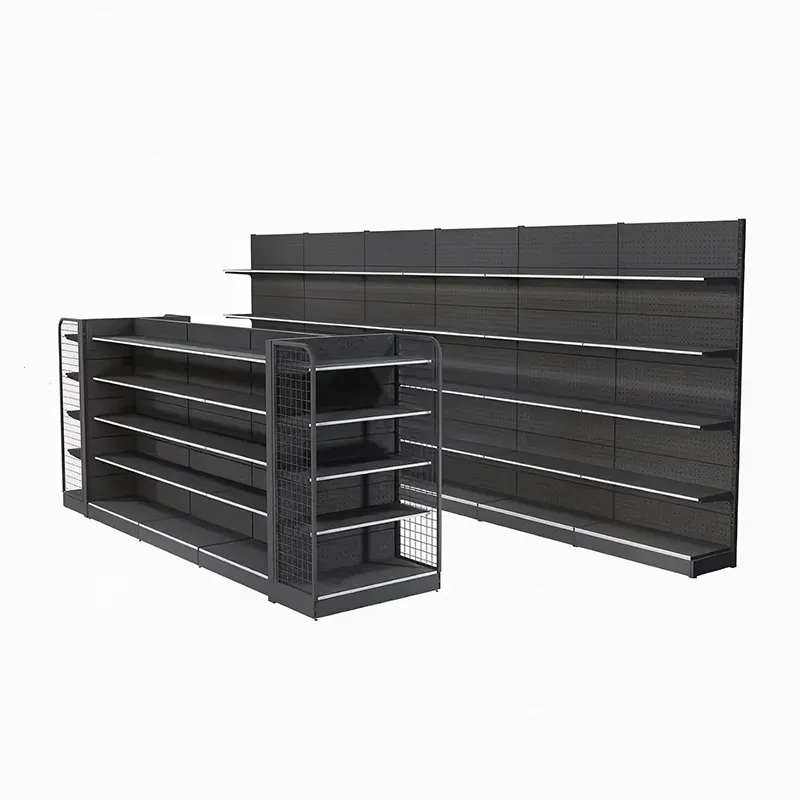
By the way, about adjustment. One of the best finds is perforated stud systems. They allow you to reconfigure your rack space literally in minutes. Especially relevant for mobileexhibition racksin multifunctional halls. The previously mentioned Harbin plant in its assortment points to beam and cantilever shelving - the principles of their design can be successfully adapted to library needs, creating supports for heavy albums or display consoles.
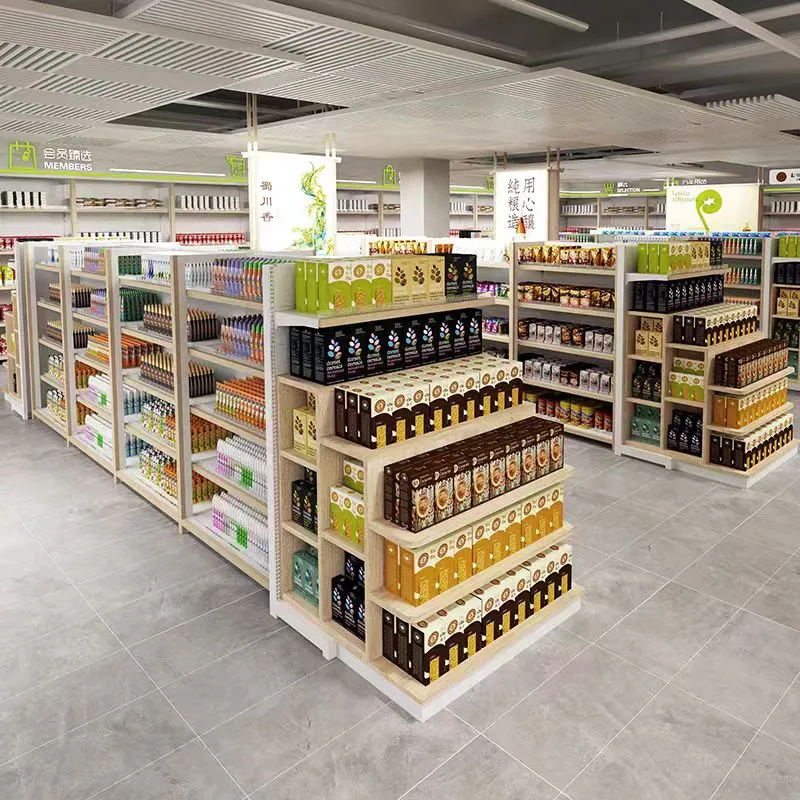
Exhibition racknever exists on its own. He is part of the architecture. The most common problem is a conflict with general lighting. The shelving can cast a deep shadow, making the lower shelves unreadable. Therefore, designing recessed lighting has now become the standard. LED strips with a warm spectrum and motion sensors to save energy are no longer a luxury.
No less important is the issue of navigation. Shelves should provide space for signs, interactive screens or QR codes. Sometimes cable channels for wiring are laid into the structure itself. I remember a project where we made a rack-?ribbon? along the flight of stairs. The main headache was not making it, but laying the wires for the backlight and screen so that they were invisible and safe.
And of course, “air”. An overloaded, tightly packed rack is overwhelming. You need to balance between storage density and visual lightness. Open designs and a combination of blind and transparent sections often help. This is precisely the area where the design vision must be checked by engineering calculations - so that ease does not turn into precariousness.
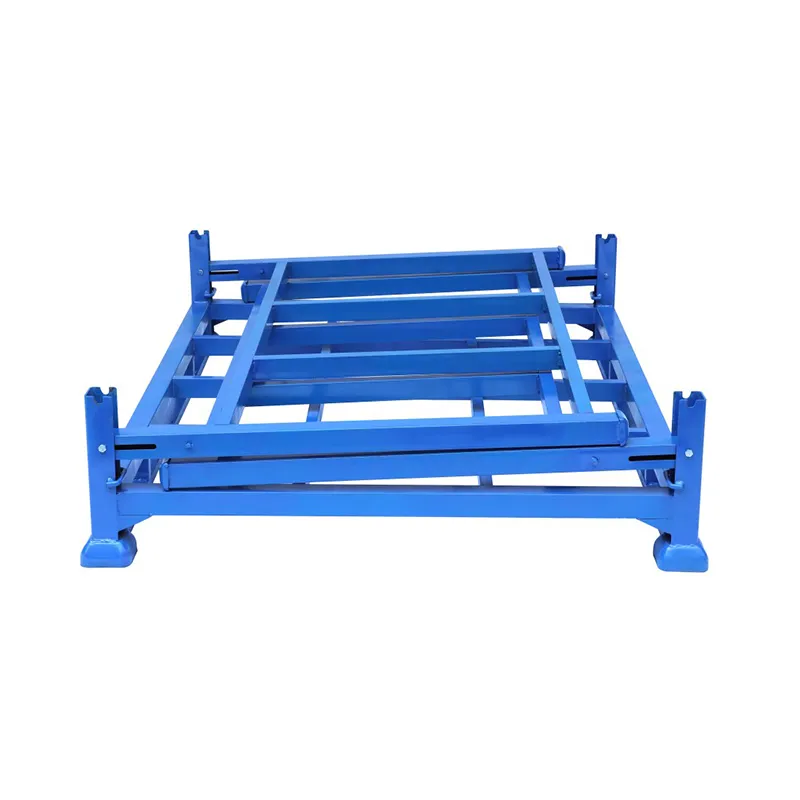
How does the shelving get into the library? The question is trivial, but key. Dimensions should allow it to be brought into doorways and fit into a freight elevator. Often the product is designed to be collapsible. And here the quality of the fittings and the clarity of the instructions come to the fore. It's better when the manufacturer is likeLLC ?Harbin Jusheng?, undertakes not only production, but also installation supervision. Their status as a full-service enterprise, from design to service, indicates their potential readiness to solve such complex problems.
Durability is determined not only by the material. This is resistance to abrasion, to accidental impacts with a cart during cleaning, to constant rearrangement of exhibits. The edges of the shelves should be rounded and the surfaces should be scratch-resistant. Powder coating is ideal for metal parts. It is more expensive than regular paint, but lasts many times longer, especially in air conditioning conditions, which dries out the air.
A separate topic is mobility. Increasingly, mobile systems for temporary exhibitions are needed rather than stationary ones. What is important here are reliable brakes on the wheels, stability when fully loaded and, again, the ability to quickly assemble. Sometimes it is easier to order several specialized mobile racks than one bulky stationary complex.
The budget is always limited. The first thing customers want to give up is “extra” options like built-in light or designer finishes. But this is often a false economy. A cheap shelving without proper lighting will require an expensive modification of the hall lighting system. Saving on the quality of fittings will lead to the adjustment bolts becoming loose within a year.
Real savings come from proper design. In unification of module sizes, which reduces production costs. In choosing the material that is optimal for your tasks, and not the most fashionable. Sometimes it is more profitable to cooperate with a large plant, which, thanks to automated lines, like the mentioned Harbin plant on an area of 20,000 square meters. m, can offer a good price-quality ratio for serial elements, while maintaining the possibility of customization.
You absolutely cannot skimp on safety - fastenings, stability, quality of edge processing. And on adaptability.Exhibition shelving for the library, which cannot be adapted to new exhibits, will become obsolete on the day of installation. It’s better to invest in a system with development potential than to order everything anew two years later.
As a result, the ideal shelving is born at the intersection of understanding library processes, engineering and common sense. This is not a piece of furniture, but a working tool that should serve quietly, reliably and unnoticed for years, coming to the fore only when you need to show off its main value - the books that are displayed on it.