When people say “light bookcase,” many imagine something delicate, almost weightless, that can be assembled in half an hour and placed in a corner. But here’s the catch: the books themselves are heavy. And this ease is often misunderstood. We are not talking about the weight of the structure when disassembled, but about its visual and functional “invisibility”, about how it fits into the space without overloading it. And, of course, about manufacturability, which allows maintaining the required safety margin with less material consumption. You come across this all the time when clients come with a request for “something simple and light?”, and then they wonder why shelves made of thin chipboard sag under Tolstoy’s collected works.
In the context of bookshelves, ?light? - This is more of an engineering rather than a household characteristic. I have seen many times how people choose a model based on a photo where the rack seems elegant, and then they are disappointed when they receive a set of parts made of too thin metal or unreliable fasteners. The key here is balance. The lightweight design should compensate for the weight reduction with thoughtful profile geometry, steel quality and proper load distribution. Not every manufacturer goes for this, because it is more expensive to develop and requires precise equipment.
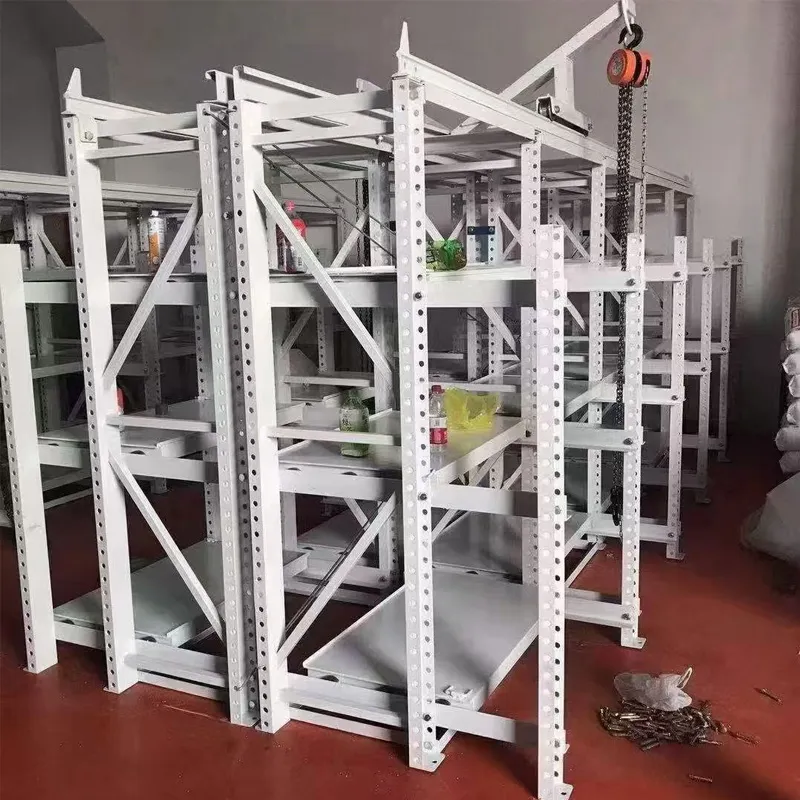
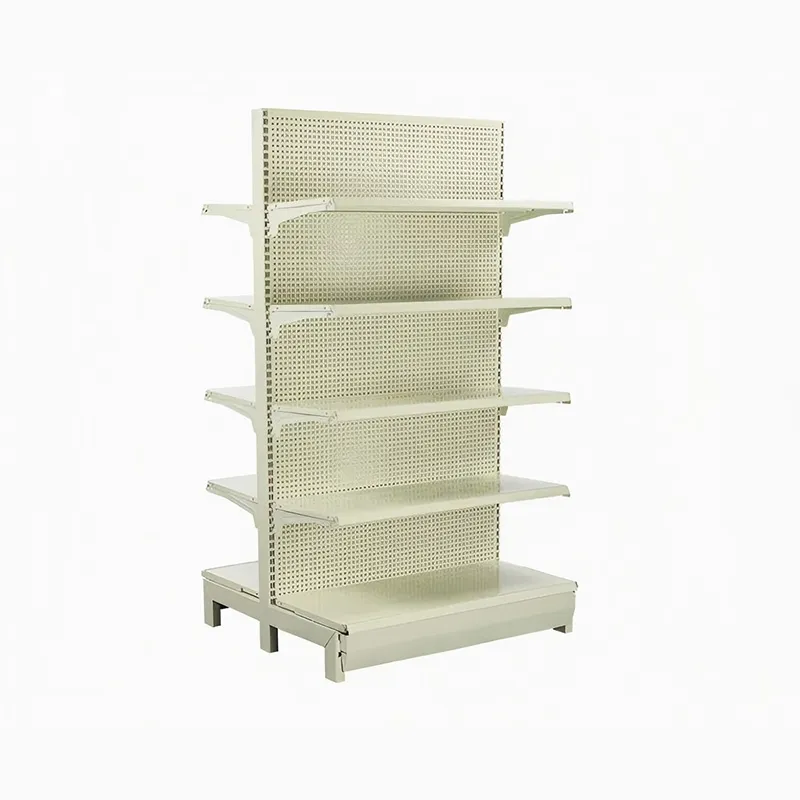
For example, some try to make the rack lighter by perforating the side posts. This does reduce weight, but critically reduces torsional rigidity. Such a rack begins to “play” when trying to move it with books. Empirically, we came to the conclusion that it is better to use a closed profile, but of a smaller cross-section, made of steel with a higher yield strength. This is more expensive than raw materials, but in the end it gives the very desired lightness without loss of load-bearing capacity. By the way, this is precisely the approach that can be seen in the work of some serious factories that invest in materials and engineering.
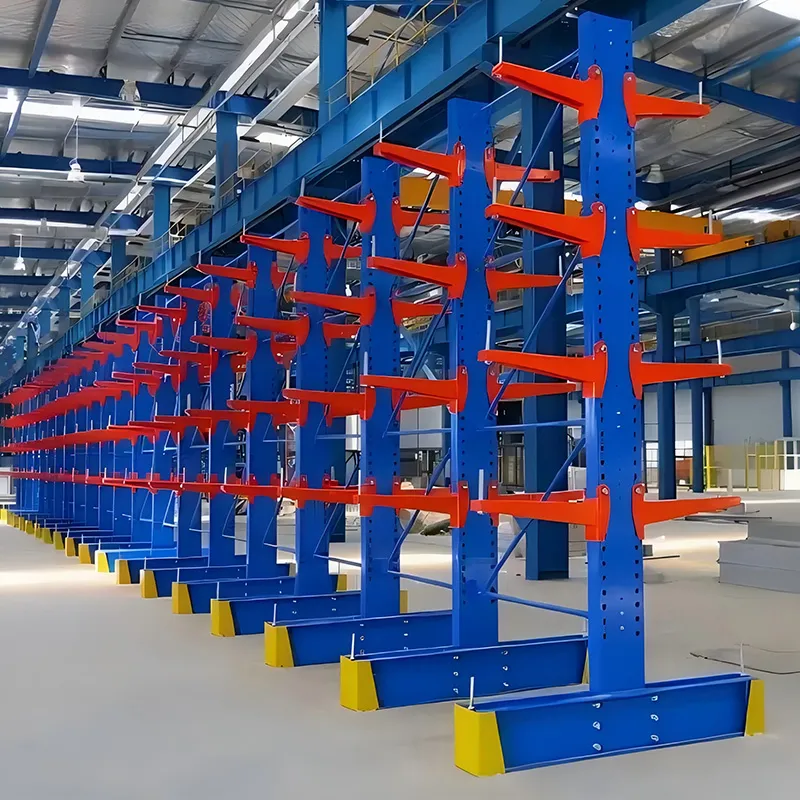
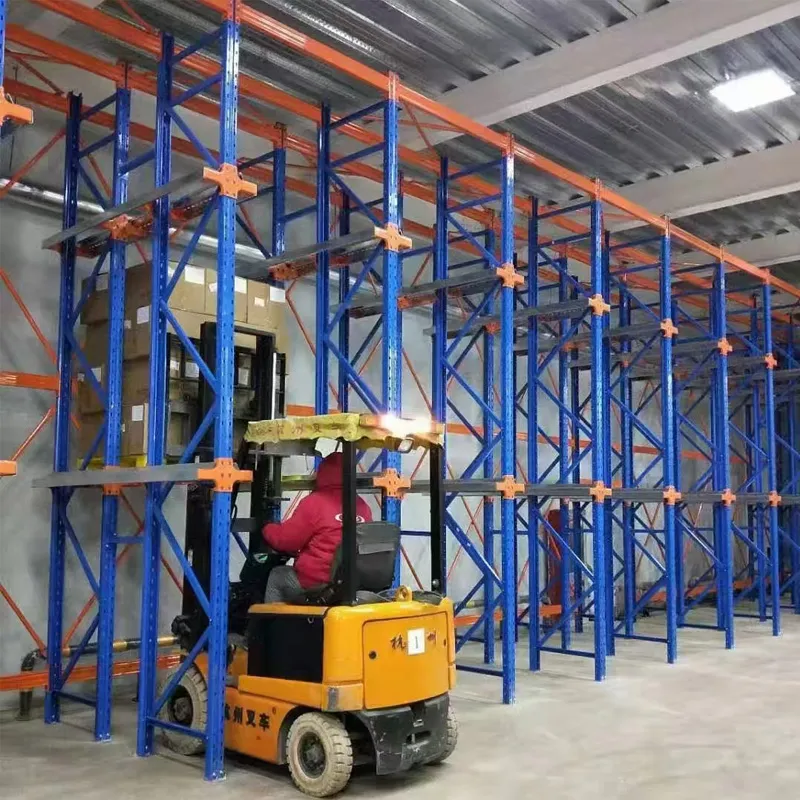
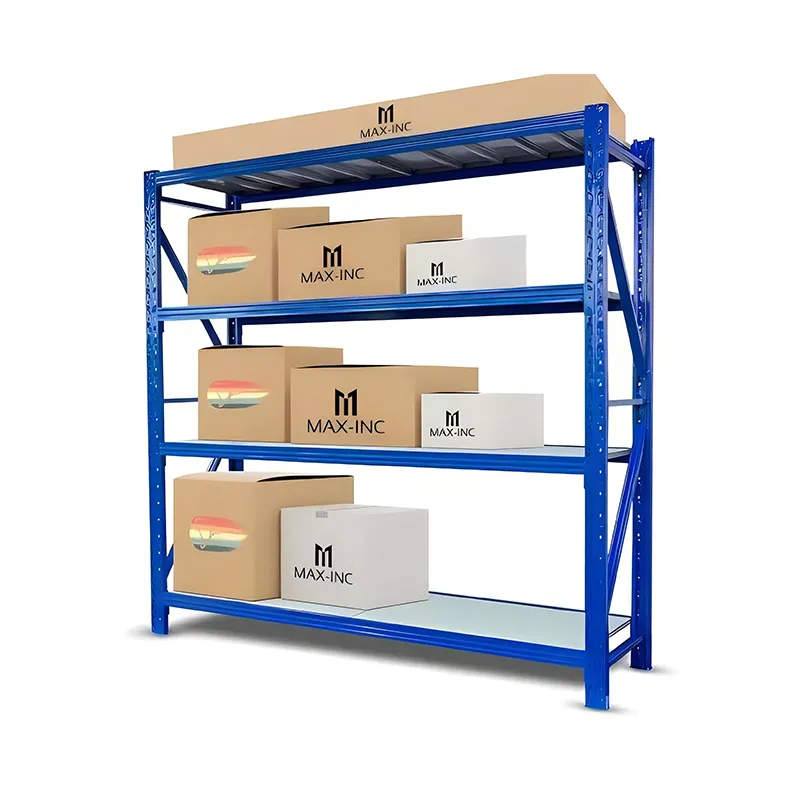
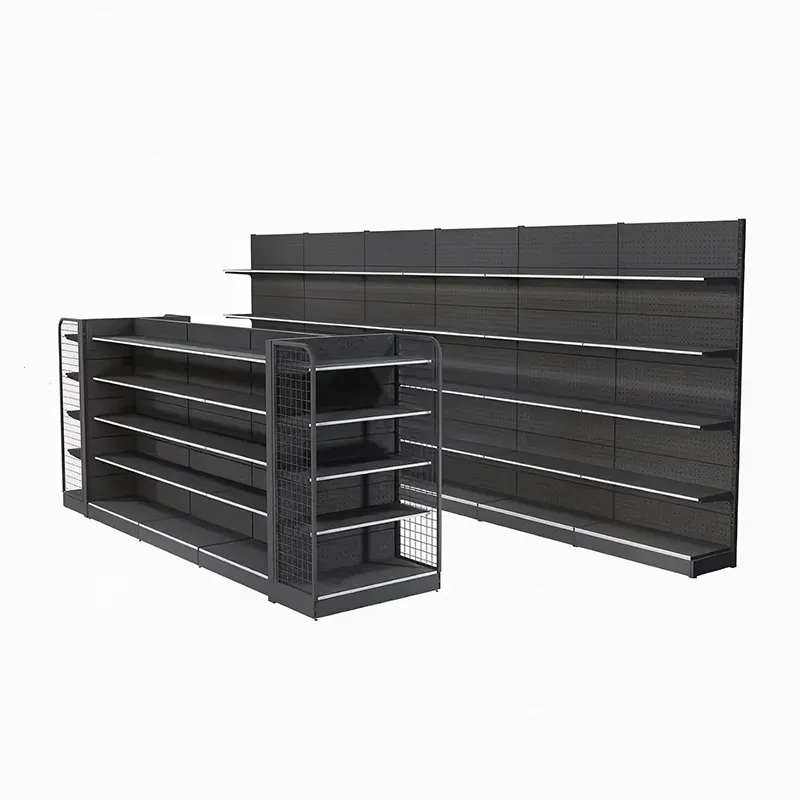
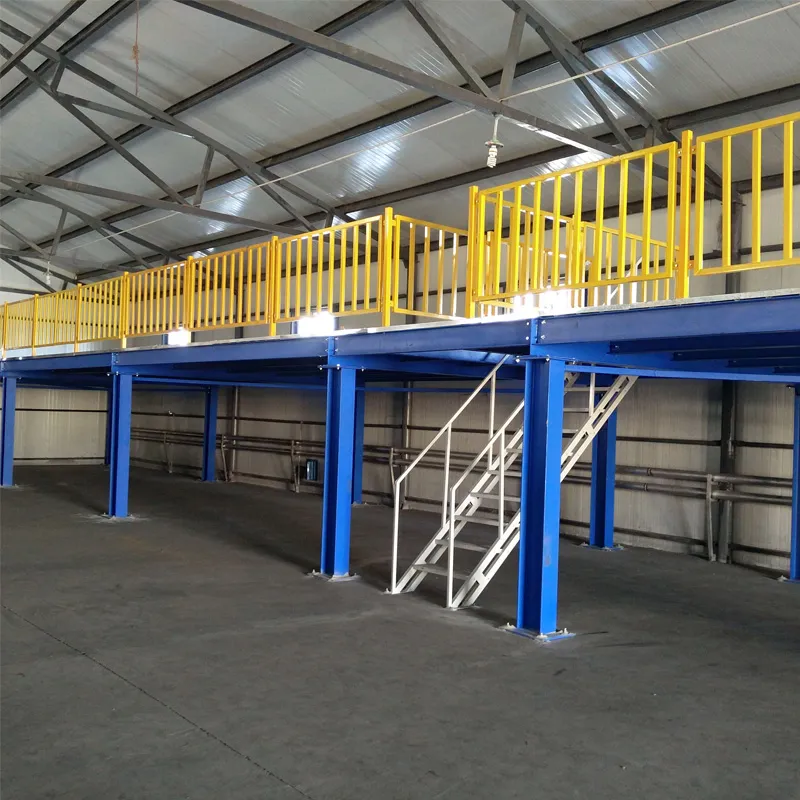
Here you can remember about the company?Harbin Jusheng Metal Structure Manufacturing Co.,Ltd.. Their websitehttps://www.jshj.rupositions them as a large specialized enterprise with a full cycle. Founded in 2019 in Harbin, their factory covers 20,000 square meters. meters - the scale is impressive. For me, this is always a marker that we are talking about industrial production, and not about handicraft assembly. When you have several lines of automated equipment, you can afford to accurately calibrate the thickness of the metal, make complex bends to strengthen the stiffeners - all that creates the notorious "lightness" in a good way. Their range - from warehouse systems to commercial equipment - speaks of a wide engineering base that can be adapted for seemingly simple everyday tasks.
The most common mistake is ignoring the type of wall mounting. A light shelving unit, especially a tall one and loaded with books, has a significant tipping moment. Many manufacturers save on the mounting kit by supplying short drywall screws, although the rack is clearly designed for static heavy loads. The end result is a story with a fall and damaged books. You should always look at what is included in the kit and, if necessary, purchase additional anchors.
Another problem is not taking into account the actual weight of books. People often evaluate it by eye. Meanwhile, a meter of shelf, densely packed with hardback books, can easily pull 40-50 kg. Therefore, when designing or choosing a ready-made solution, you need to reserve. I always advise clients to estimate the weight and multiply by a factor of 1.5. If the manufacturer claims a shelf load of 30 kg, but you plan to load 40 kg, it’s better to look for another option or reduce the span between the racks.
I had personal experience with one ?mild? shelving from Leroy Merlin. I collected a couple of dozen books for myself at the dacha. Six months later I noticed that the central shelf made of chipboard showed a noticeable deflection. I took it apart and it turned out that the shelves were fastened to the sidewalls using plastic clips, which deformed under load and allowed the shelf to “sag.” I had to reinforce it with metal corners. Conclusion: ease of assembly should not be achieved at the expense of unreliable connection points. It is better to spend more time on assembly, but have confidence in the design.
When it comes to materials forlight book rack, usually choose between laminated chipboard, MDF and metal. Chipboard is the most problematic option. Yes, it is cheap and light, but its load-bearing capacity greatly depends on the thickness and quality of the slab, and most importantly, on the length of the unsupported span. For books, I would not recommend chipboard shelves longer than 60-70 cm without central support. MDF is denser and heavier, holds the load better, but also costs more.
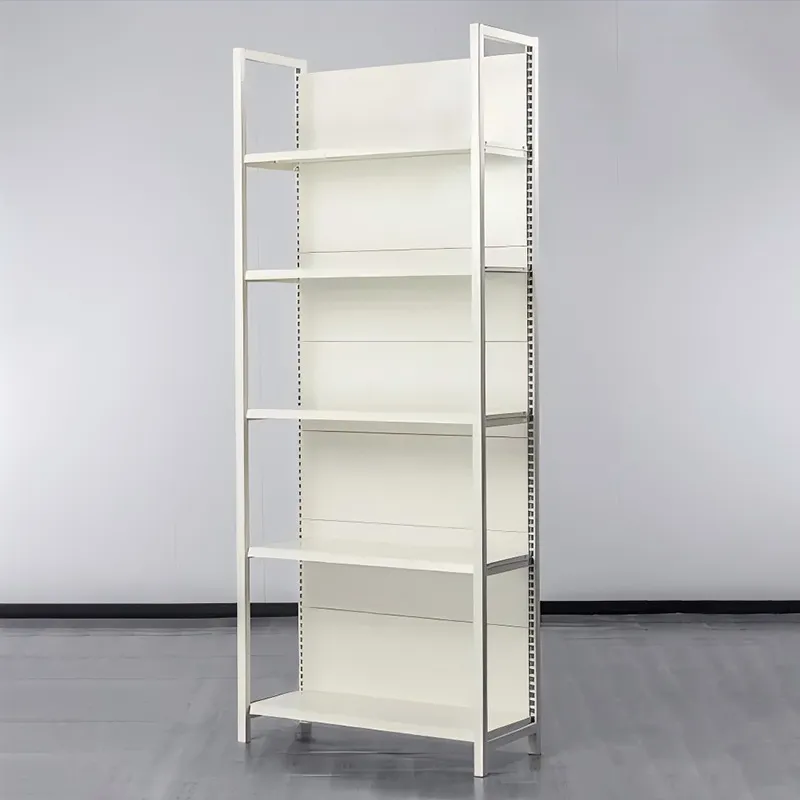
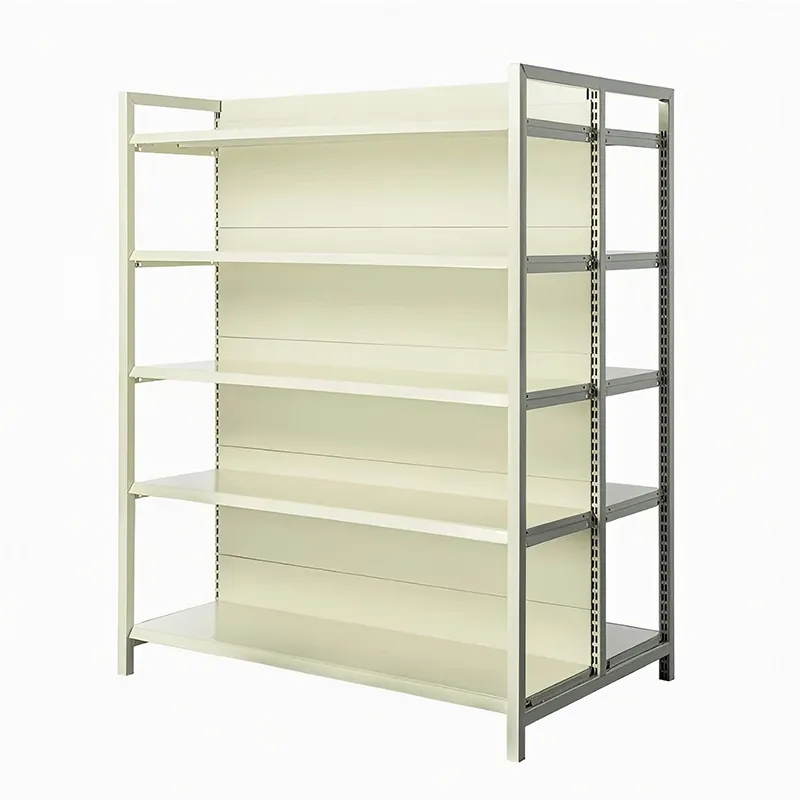
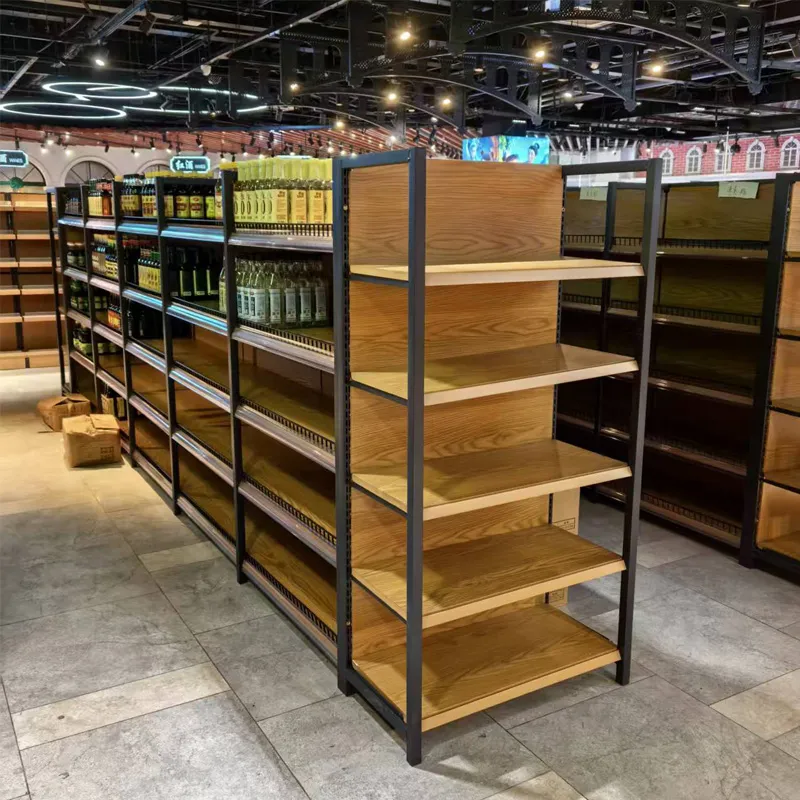
A metal frame with glass or wood shelves is, in my opinion, the optimal balance for a modern interior. But there are nuances here too. ?Ease? often attempted using a thin-walled square steel pipe, say 20x20mm, with a wall thickness of 1mm. For low racks of 3-4 shelves this may be enough. But if the height exceeds 180 cm, such a stand will bend like a reed. It is necessary to either increase the cross-section (make 25x25 mm), or the wall thickness (up to 1.5 mm), or weld additional jumpers between the posts for spatial rigidity. This is already a task for production, which can accurately weld and paint such structures, just like in the same factory?Jusheng?, which deals with the full cycle from design to service.
Interesting point about the coating. Powder coating, which all serious manufacturers use, adds very little weight, but radically increases durability and scratch resistance. This is the case when ?lightness? processing (the coating itself is applied to pre-cleaned metal in a chamber) leads to a “heavy”, that is, reliable, result. I've seen examples that have been sitting in libraries for years, and the paint on the edges hasn't peeled off.
True lightness is born in the drawing. One effective technique is to use cantilever mounts for shelves instead of classic corners or brackets. In this case, the shelf is inserted into the groove on the side stand, creating a visual “floating” effect. composition. However, this requires high precision manufacturing of both the groove itself and the ends of the flange. Any gap will be noticeable and may cause misalignment. You can’t do such things on your knees; you need good CNC bending machines and welding robots for neat seams.
Another way is modularity. When the rack is assembled from separate cubic sections. This allows you to flexibly change the configuration and, importantly, distribute the load more locally. Each module carries itself. But the weak point here is the connections between the modules. If they are bolted through thin hinges, the entire structure will be shaky. You need either special couplers or the design of a dovetail joint, which again depends on a high production culture.
In our practice, we once did a shelving project for a small bookstore. The customer wanted exactly the feeling of airiness. I had to combine: a supporting frame made of 30x30 mm steel profile, and shelves made of thick (12 mm) plywood coated with varnish. Visually, plywood is lighter than a solid board, and the steel frame, painted matte white, literally dissolved against the background of the light wall. It turned out exactly what we wanted. But the cost was higher than that of standard store models, because each unit required individual adjustment.
So if you want a really good onelightweight book rack, look not at advertising slogans, but at the details. Pay attention to the thickness of the metal in the specification (if any) and the type of fasteners included. Touch the sample, if possible, try to swing the assembled structure. Sustainability is the main criterion.
Do not hesitate to ask the seller or manufacturer about the maximum load for the entire section and for one shelf. Ask about recommended wall mounting. If the answers are vague or boil down to “this is a very durable model?”, this is a reason to be wary. A serious manufacturer, especially one likeLLC ?Harbin Jusheng?, which positions itself as a leading enterprise in northeast China with a full cycle from design to service, usually provides detailed technical specifications and installation manuals. Their experience in the production of warehouse and retail racks indirectly indicates that they understand loads and reliability, and this approach can be translated to more compact products.
Ultimately, ?easy? - not a synonym for ?unreliable? or ?cheap?. This is the characteristic of a well-designed product, where every gram of material works and does not just take up space. It is almost impossible to achieve this using a homemade method. We need modern equipment, competent engineers and quality control. Therefore, often choosing a slightly more expensive but technologically advanced product from a well-known plant turns out to be more profitable in the long run than buying a shaky bookcase that will bend in a year. Books won't forgive this.