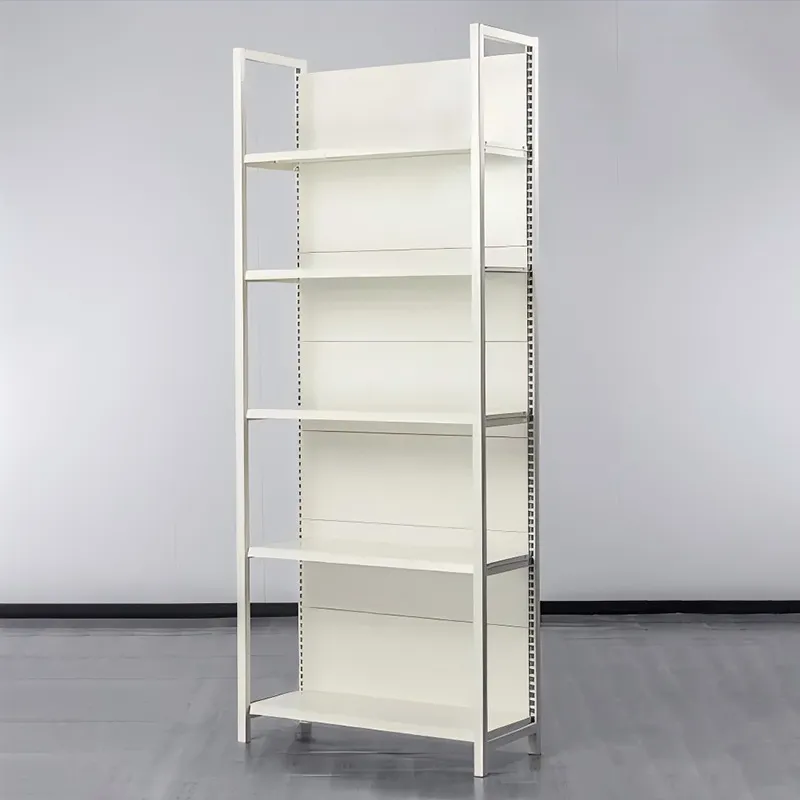
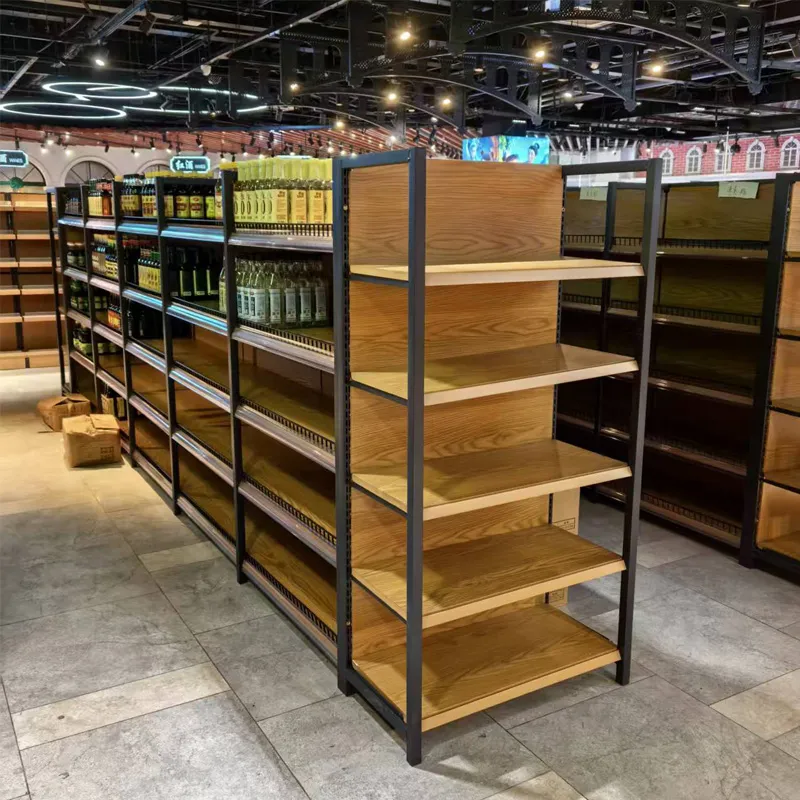
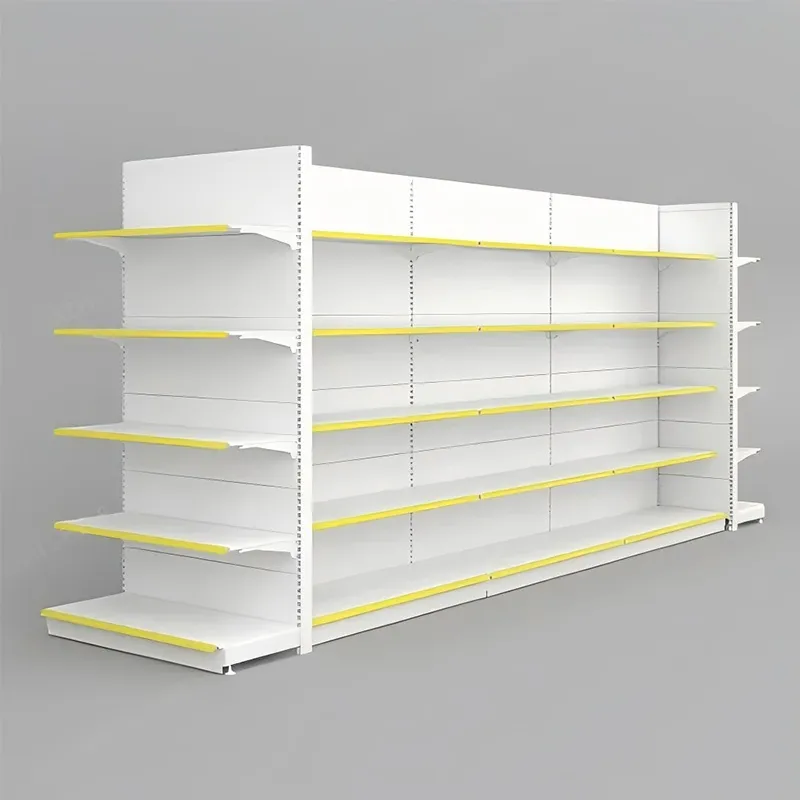
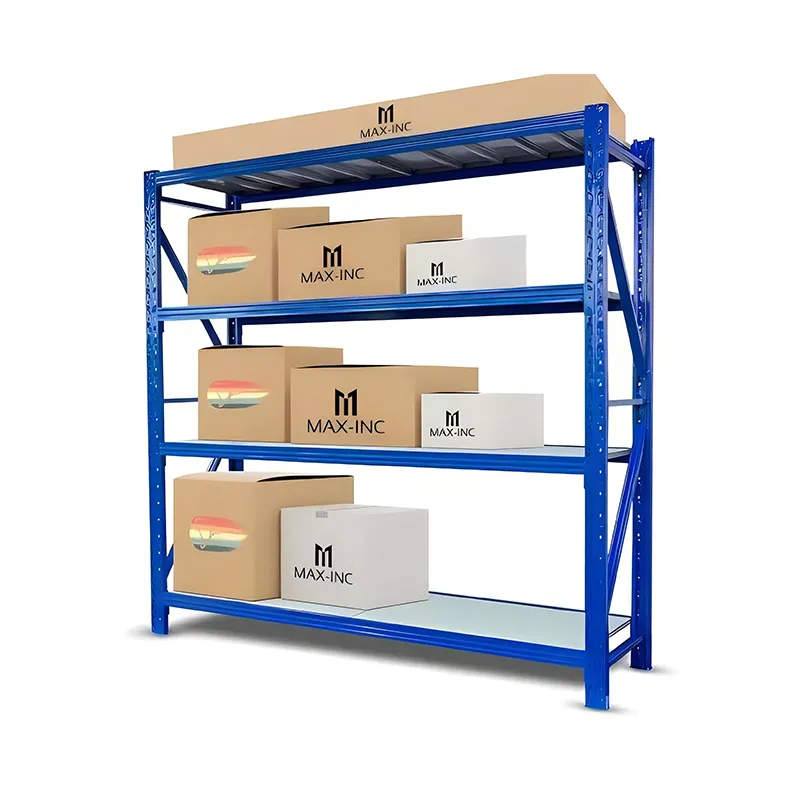
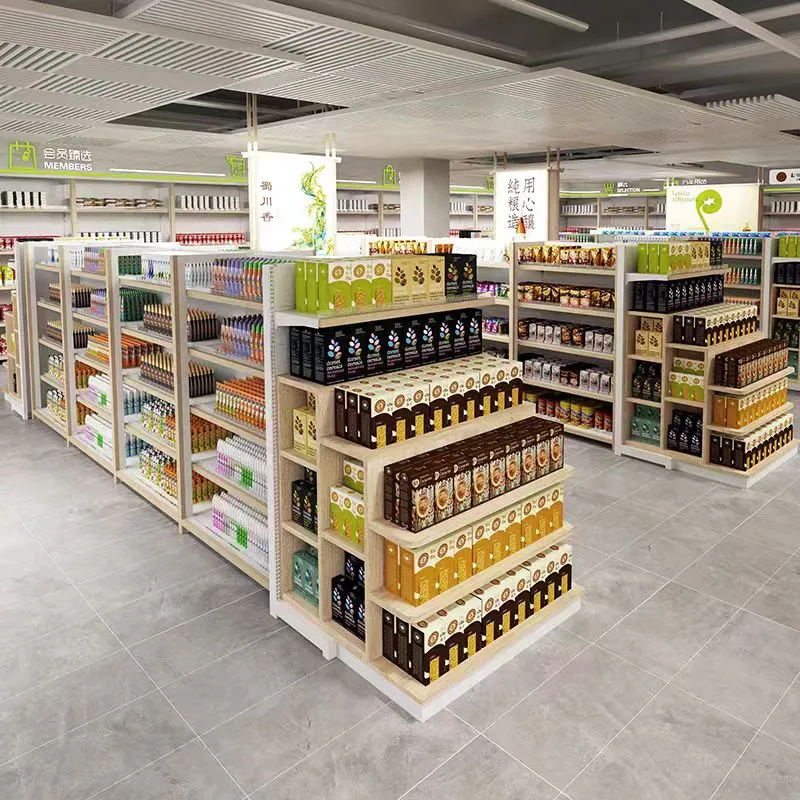
When you hear “adjustable shelving,” the first thing that comes to mind is standard corners with perforations, where the shelf can be moved a couple of holes higher or lower. But if you dig deeper, in logistics or in a large warehouse, everything becomes much more interesting and complex. Many customers, especially those who are just starting to optimize storage, think that it’s just a matter of saving for the future: “let’s make it adjustable, and if something happens, we’ll rearrange it?” In fact, ill-conceived adjustability without calculating loads, without taking into account the specifics of the product and without understanding the dynamics of the warehouse can result in weak points of the structure, in “walking” points. beams under load and ultimately into safety risks. This is not a panacea, but a tool that must be precisely integrated into the overall system.
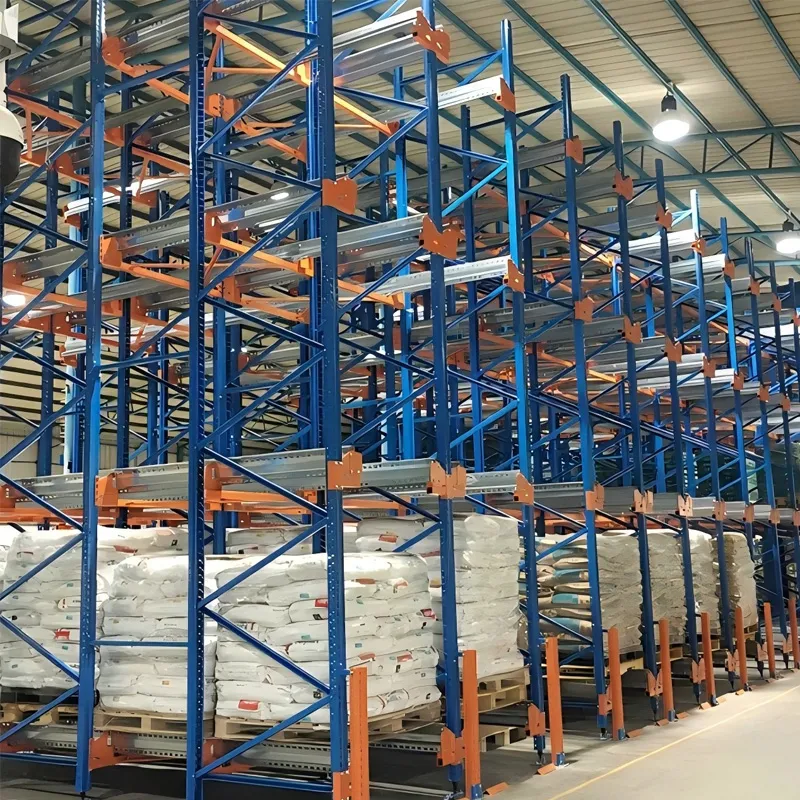
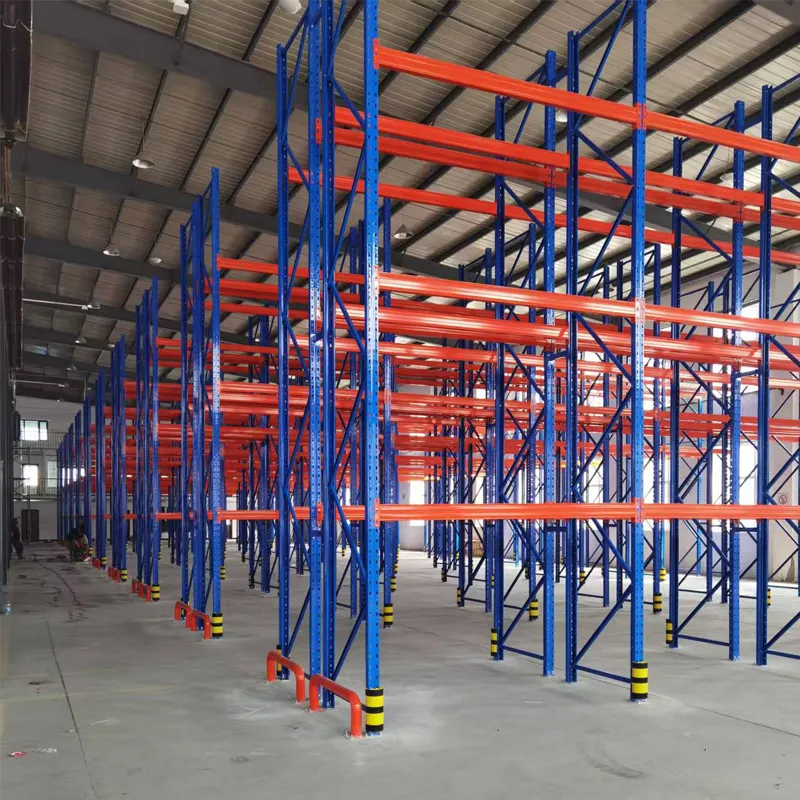
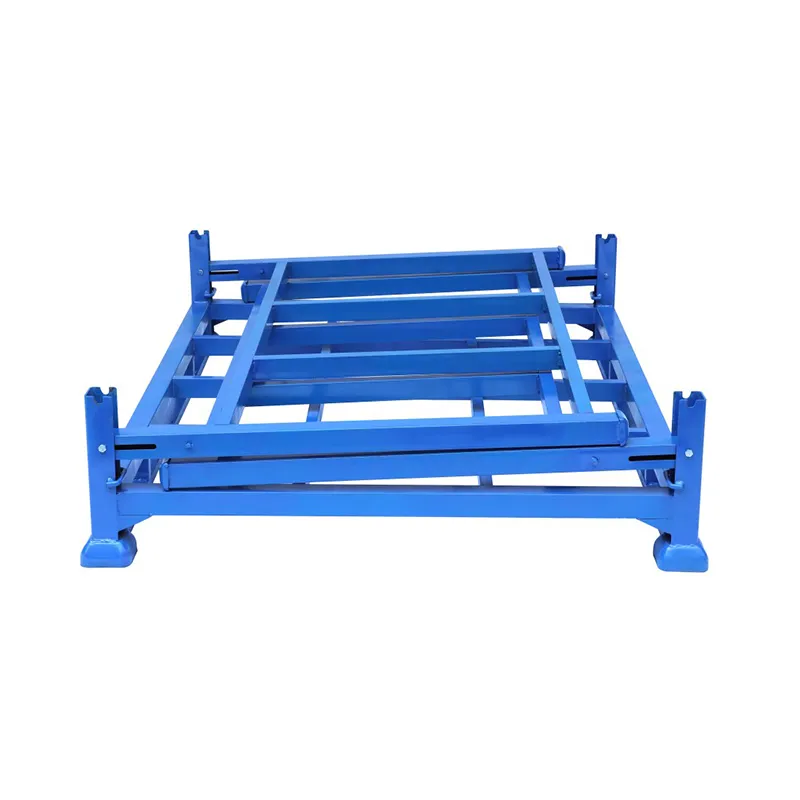
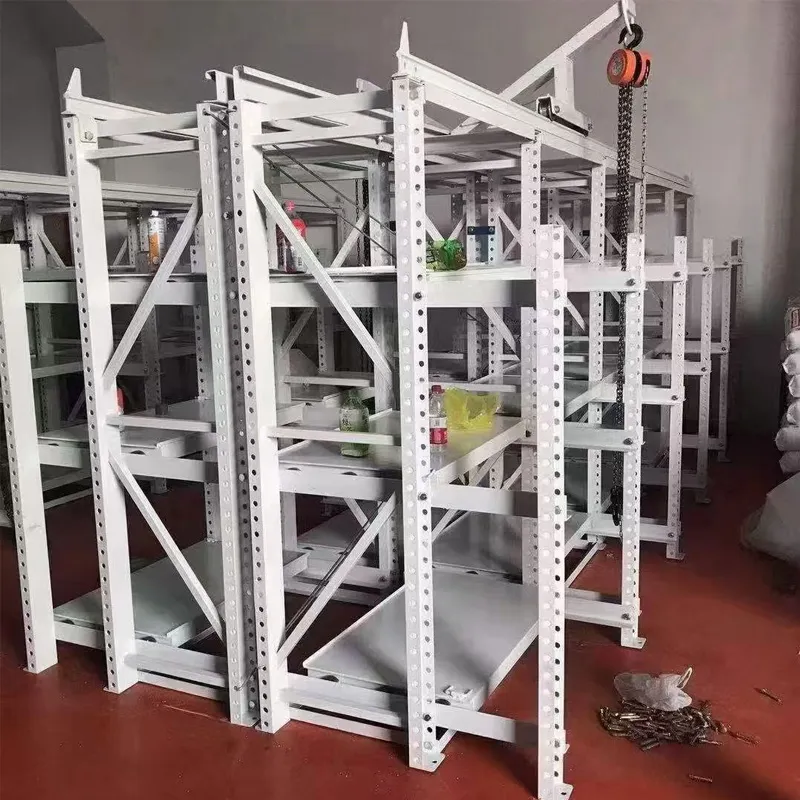
Experience suggests that the most popular and justified adjustability is in pallet storage racks, especially inadjustable shelvingwith beams. What is important here is not so much “to move once every five years”, but rather the ability to accurately adjust the height of the tier to the dimensions of specific pallets or boxes, which can change from season to season. I saw objects where, due to a rigidly set height of 1.6 meters, half a meter of empty air remained above, and the tall boxes below did not fit. The loss of space is colossal.
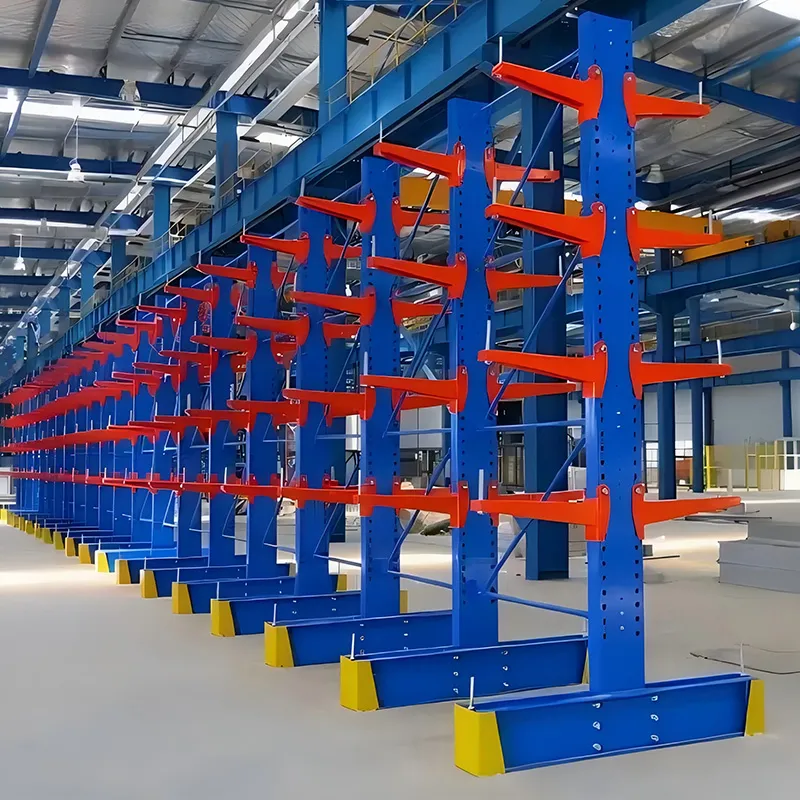
Another nuance is cantilever racks for long items. There, vertical adjustment of shelves (consoles) is a matter of not only convenience, but also of uniform distribution of the load on the column. If all the heavy metal pipes are stacked at the same level, you can get skewed. Therefore, the designer must always provide not just the possibility of rearrangement, but a clear adjustment step correlated with the load-bearing capacity of the fastening unit. They often save on the thickness of the steel of the bracket or on the quality of the lock, and then they wonder why the design “plays”.
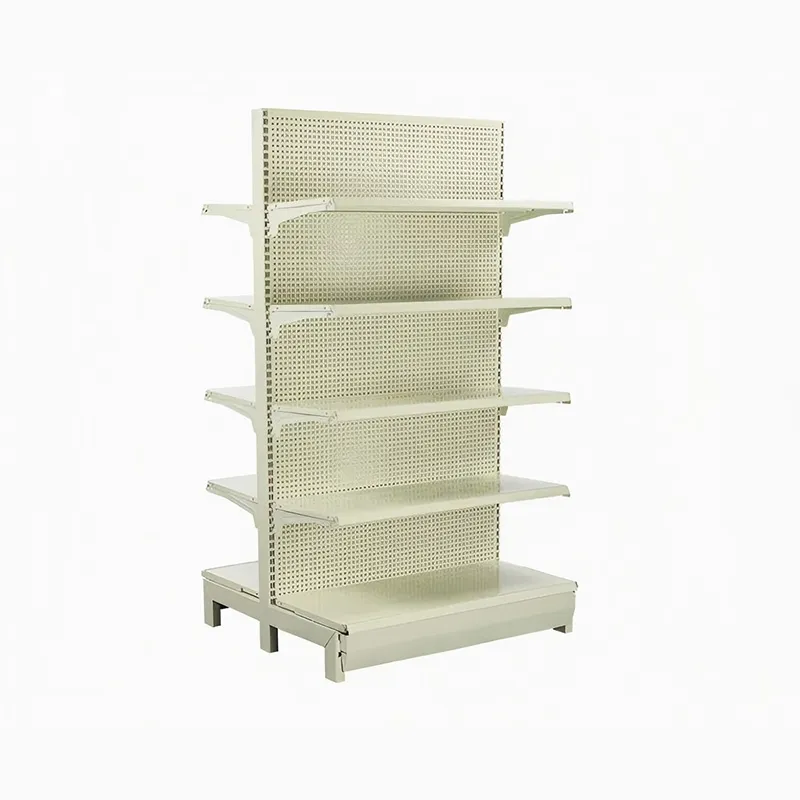
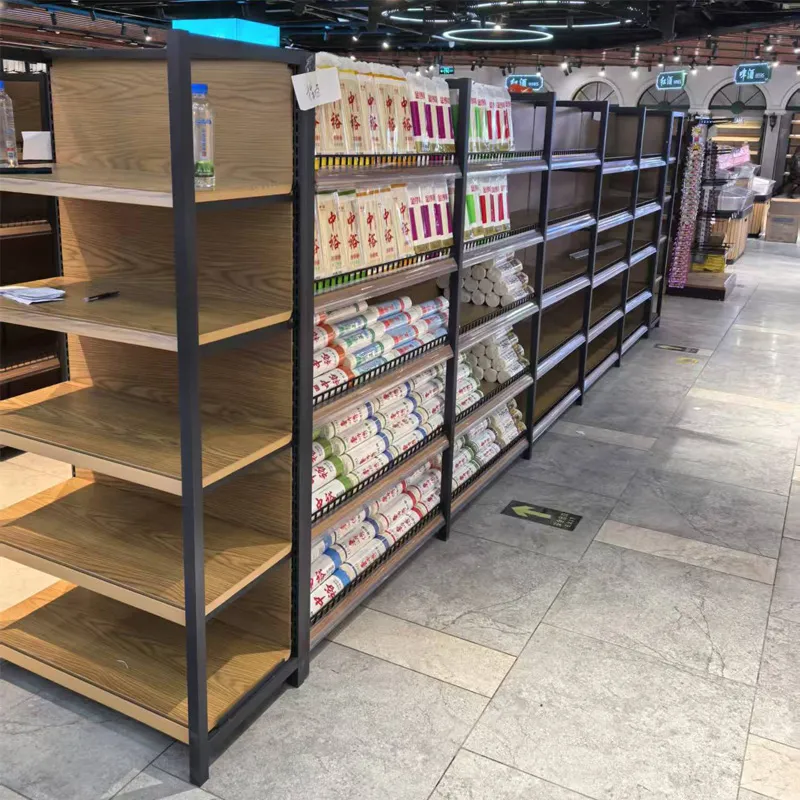
As for archival or office systems, there is perhaps the simplest and most proven scheme. But there are pitfalls here too: cheap systems often have weak points for attaching shelves to racks - plastic clamps break, metal hooks bend under the weight of folders. Reliable adjustment involves an all-metal latch lock or bolt connection. This is a detail you can't skimp on.
I had a case at one of the facilities near Moscow. The customer insisted on the most flexible system - beam adjustment increments of 50 mm along the entire height of the rack. It would seem ideal. But they did not take into account that frequent holes in the rack (column) reduce its overall rigidity and load-bearing capacity. When the warehouse reached full capacity, some racks in the middle rows began to show abnormal deflection. We had to urgently weld in additional connections and reduce the load. Conclusion: flexibility should be reasonable and built into the engineering design stage, and not be a marketing slogan.
Another common mistake is ignoring the type of flooring.Adjustable shelving, especially tall ones, require a perfectly flat floor. If the floor has a slope or local unevenness, frequent rearrangement of levels can result in the entire structure becoming unbalanced. I reassembled it once and it stood fine, but the second time a slight tilt appeared. Therefore, before installation, you should always level the floor and, possibly, use height-adjustable support heels. This adds to the cost, but saves a lot of hassle down the road.
When we talk about quality adjustable systems, precision manufacturing is key. The perforations in the racks must be done using high-precision CNC equipment to ensure that the holes line up perfectly on all racks in the batch. The slightest shift - and the beam will not be inserted, or it will sit skewed, which is critical for load distribution. On the sameadjustable shelvingfrom?Harbin Jusheng Metal Structure Manufacturing Co.,Ltd.this moment, as far as I know from communicating with their technologists, has been worked out to the point of automaticity. Their plant in Harbin, with its 20,000 sq. meters and automated lines, it is precisely designed for such serial but precise production.
The process of galvanizing or painting after drilling the holes is also important. If the paint or zinc layer is too thick, it may "flood" holes and the customer will have to clean them before assembly. A good manufacturer always controls this stage. Or it uses technology where a protective coating is applied before the final processing of the holes - but this is more expensive. In the case of pallet racks, cold galvanizing of the racks is often used after perforation, which provides good protection and cleanliness of the holes.
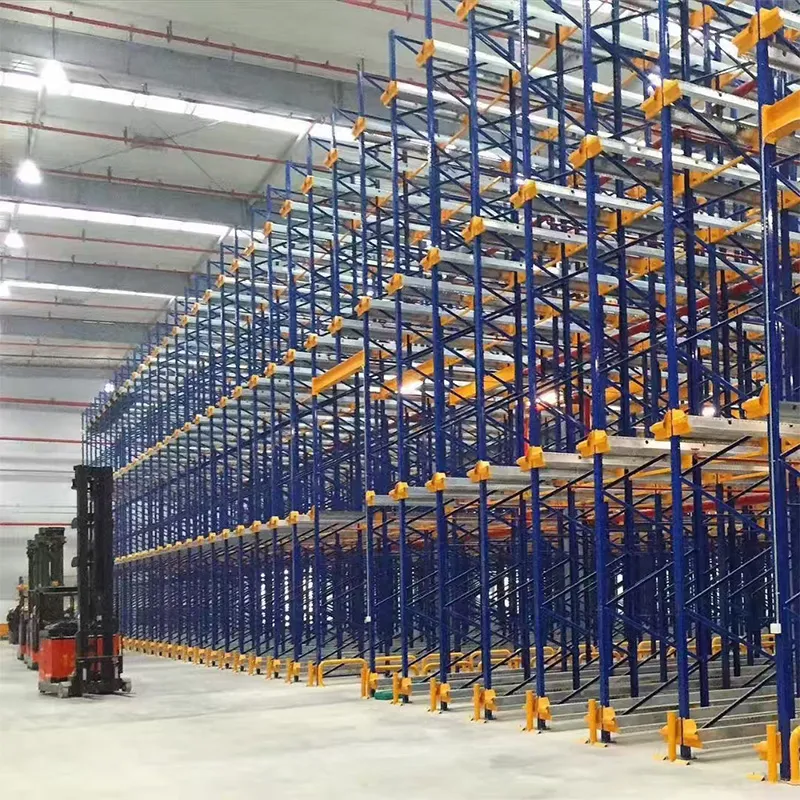
Todayadjustable shelvingis no longer an independent solution, but part of an ecosystem. For example, when introducing systems based on four-directional shuttles (exactly one of the areas that is developingHarbin Rack Factory ?Jusheng?) adjusting the height of the tiers becomes critical for programming the robots. The pitch must be clearly adjusted and the same on all racks in a row, otherwise the cart simply cannot be accurately positioned for removing or installing a pallet.
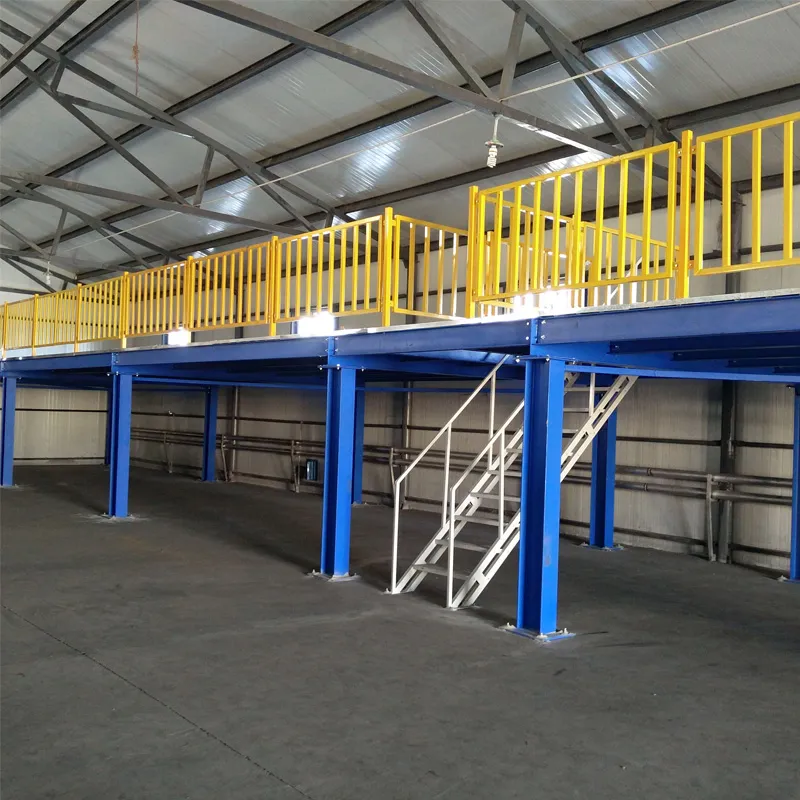
The same applies to mezzanine systems. There, adjustability makes it possible to optimally distribute storage areas for different categories of goods - frequently moving ones below, seasonal or archival ones above. But when designing a mezzanine, we must not forget about the additional loads on the supporting structures of the building itself, which increase with each new level. Simply adding a floor is not an option; a comprehensive calculation is needed.
The biggest headache comes after the facility is handed over, when the warehouse staff begins to “optimize” something on their own. Without understanding the basics of load-bearing capacity, workers may remove beams in sections critical to stability or overload one tier, throwing off balance. Therefore, a high-quality manufacturer or integrator always conducts training for staff and leaves detailed instructions, and not just a passport of the equipment.
By the way, about passports. They rarely contain errors in assembly diagrams or in load tables for different configurations. It is always worth double-checking the key figures, especially the maximum load on the beam at the minimum installation step of the brackets. It’s better to spend an extra hour studying the documentation than to clear the rubble later. Reliable companies that?Jusheng?, conduct a full cycle from design to maintenance, and are usually more scrupulous in this matter, since their reputation depends on long-term problem-free operation.
Ultimately, the value of adjustable shelving is not in the ability to move something, but in the fact that this ability is thoughtful, reliable and truly useful for the business processes of a particular warehouse or archive. This is not a cheap solution by default - quality fittings and precision manufacturing cost money. But this is not overkill. This is insurance against future changes and a tool for fine-tuning the space.
When choosing such systems, you need to look not at the number of holes in the rack, but at the general production and design culture of the supplier. Do they have their own engineers who can make calculations to suit your specific needs? Do they use high-quality rolled metal and proven corrosion protection technologies? How are logistics and installation organized? These are the questions, the answers to which will say much more about future operation than beautiful pictures from the catalogue. After all, racking is the foundation of warehouse logistics and must be flawless.