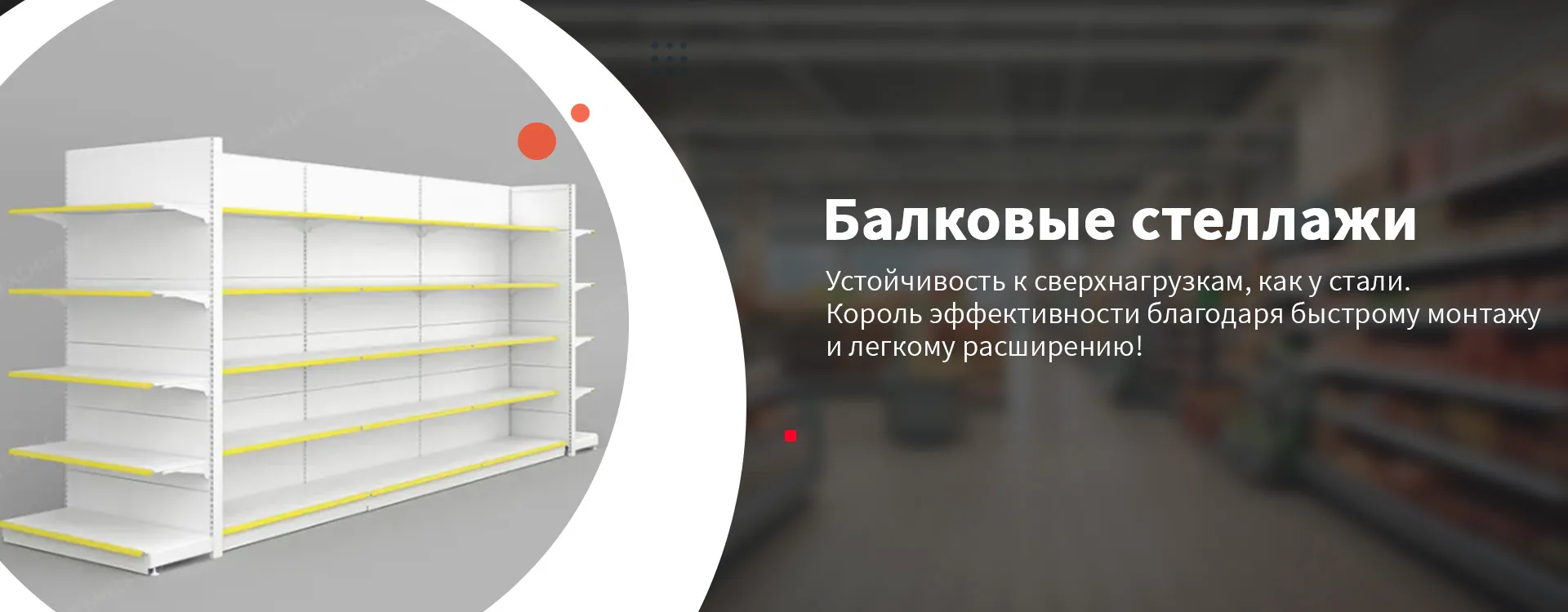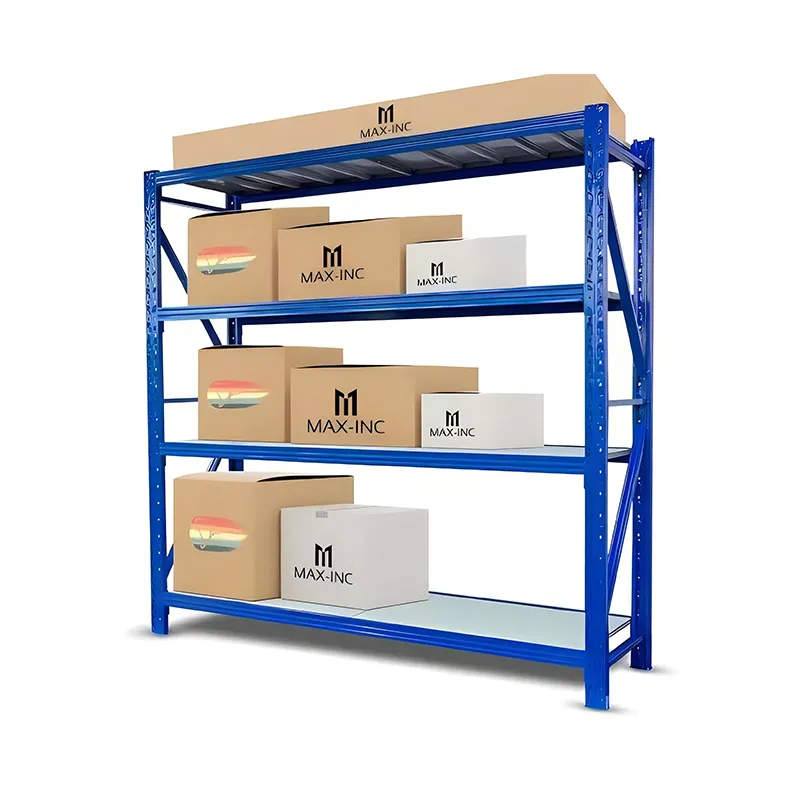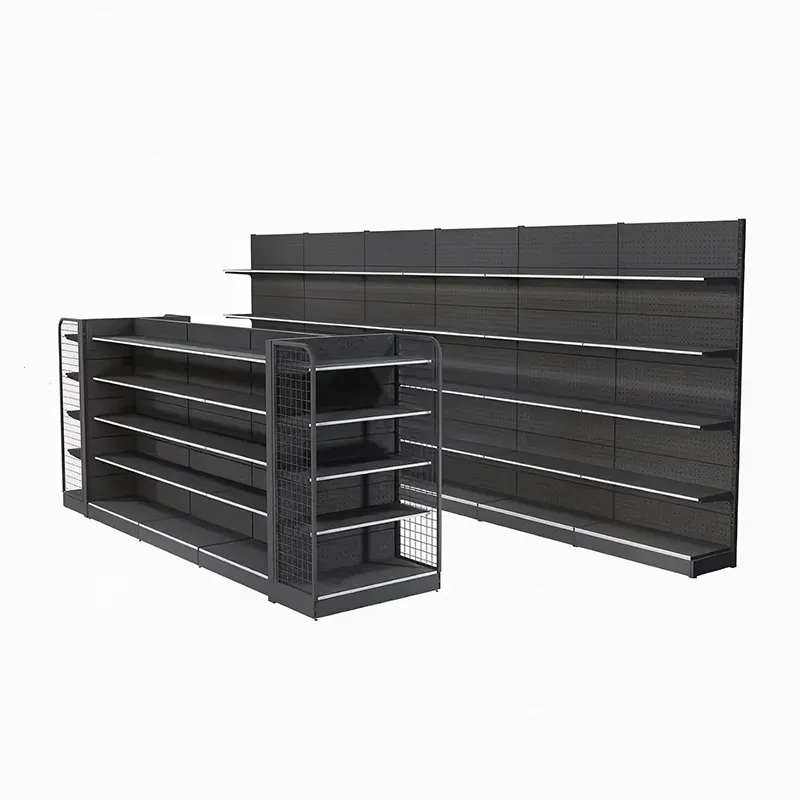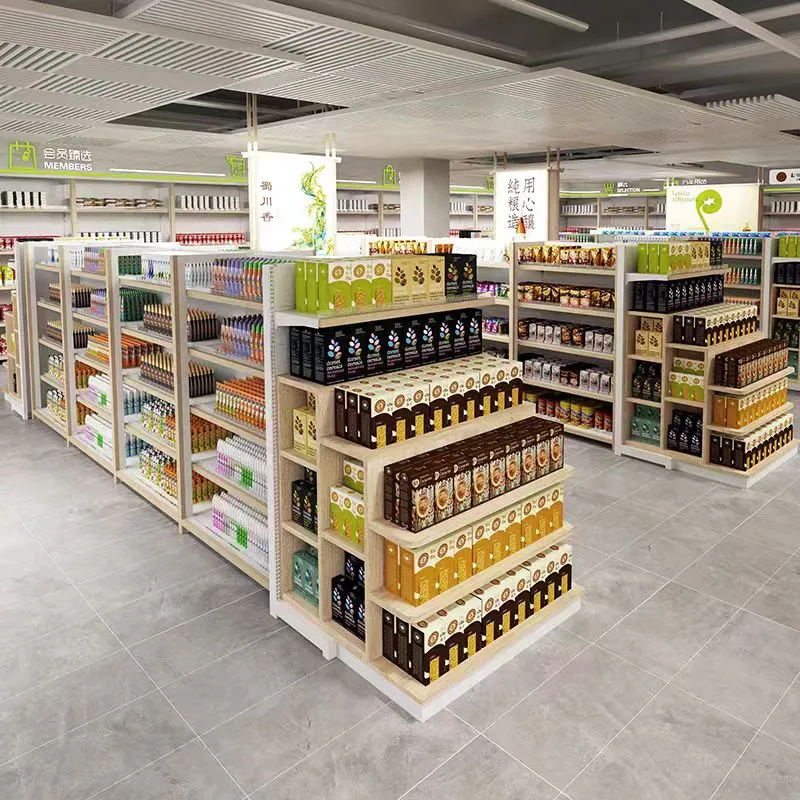
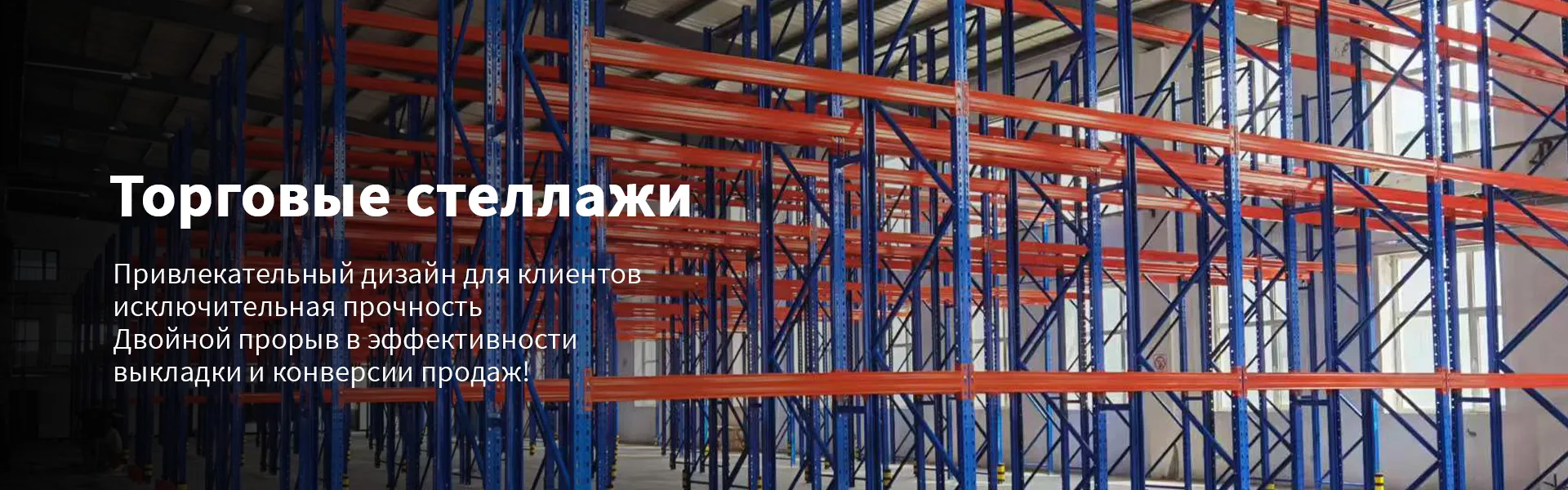
When people talk about shelving systems for large warehouses, many people immediately imagine just massive iron structures that can hold tons. But in reality, the key here is “system”. This is not just a set of shelves, but a well-thought-out logistics infrastructure, where every beam and every lock affects the speed of turnover and safety. A common mistake is to pursue maximum load capacity at the expense of layout flexibility or product access. I myself have encountered projects where the customer, having saved on design, then compensated for this for years by losing time on selecting orders.
The key to success is not in the metal, but in the drawings. Any serious project begins with an analysis of SKU, turnover, pallet dimensions and the specifics of forklifts. It happens that you arrive at a site, and the ceilings there allow you to install 12-meter racks, but the client is used to 6-meter “boxes”. and didn’t even consider the option of a mezzanine. Here you need not just to sell a rack, but to show the economics of space. Sometimes it is more profitable to invest inracks for four-way shuttlesthan renting an additional hangar.
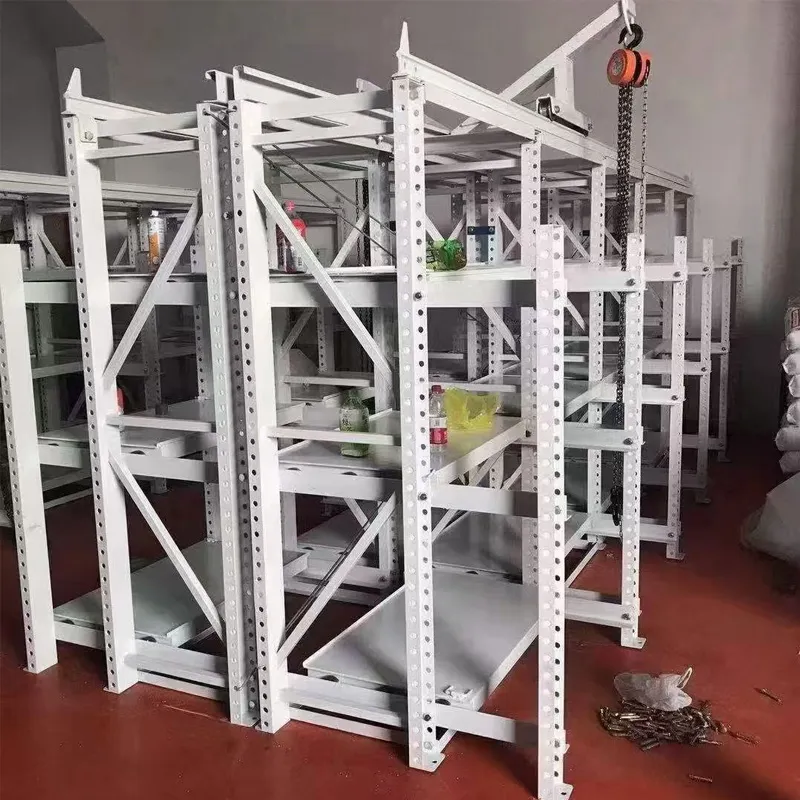
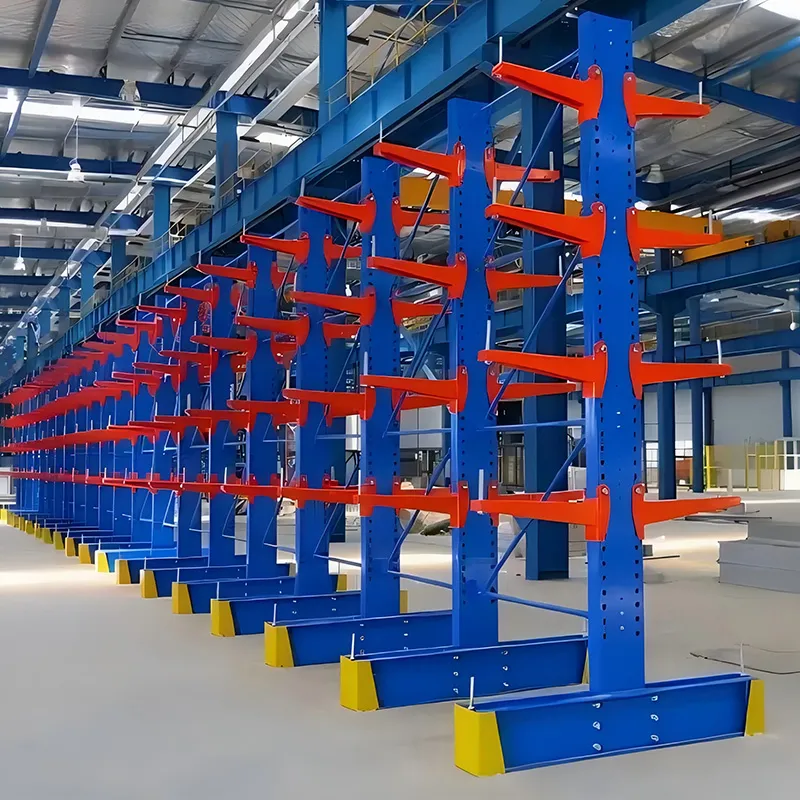
One of the illustrative cases was related to the optimization of the storage area for long items. The client stored rolled metal on conventional pallet racks, occupying a huge area. We proposed a combined solution: the bulk - oncantilever racks, and piece positions - to reinforced shelf ones. We recalculated the load on the columns and foundation - it turned out that the existing coating could withstand it without expensive reinforcement. But then the question of crane equipment arose, and the width of the openings had to be adjusted.
In this context, I remember working with manufacturers who maintain a full cycle. For example,?Harbin Jusheng Metal Structure Manufacturing Co.,Ltd.(their website isjshj.ru). Their description of the plant shows an understanding of a systems approach: from design to installation. For a large warehouse, it is critical when the supplier can not only deliver parts, but take responsibility for calculating components for dynamic loads - and this is precisely their profile. The plant, founded in 2019 in Pingfang District, Harbin, with an area of 20,000 m2, is clearly focused on large-scale projects, and several automated lines are about accuracy and repeatability, which is extremely important for large batches of the same type of racks.
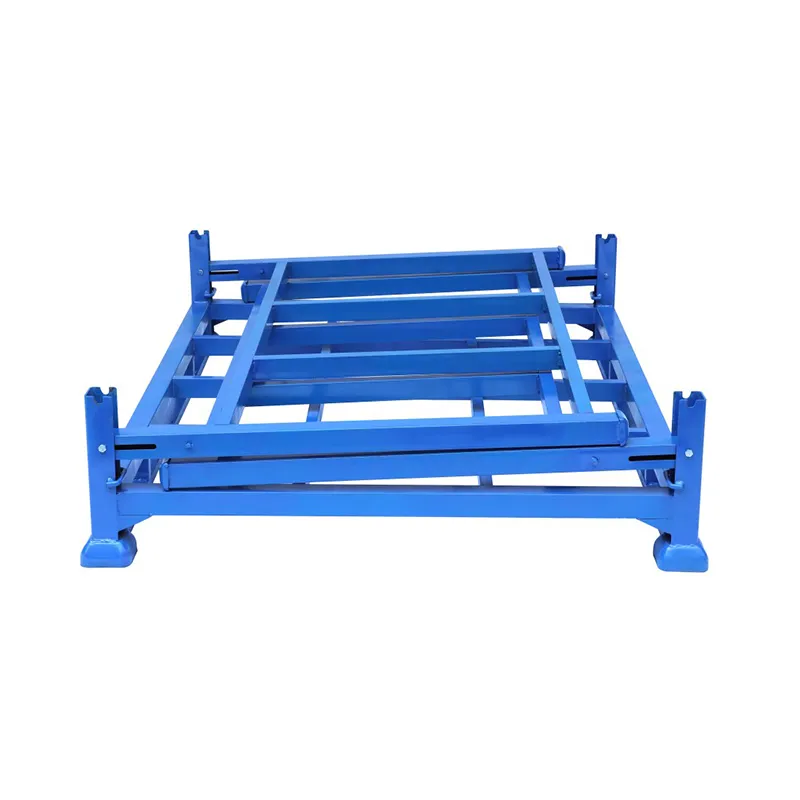
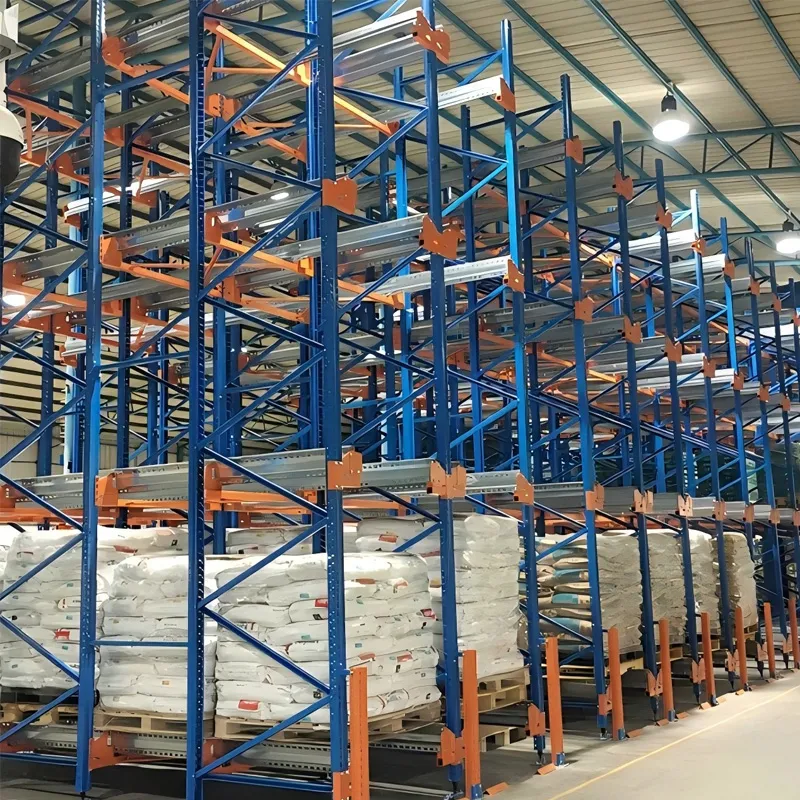
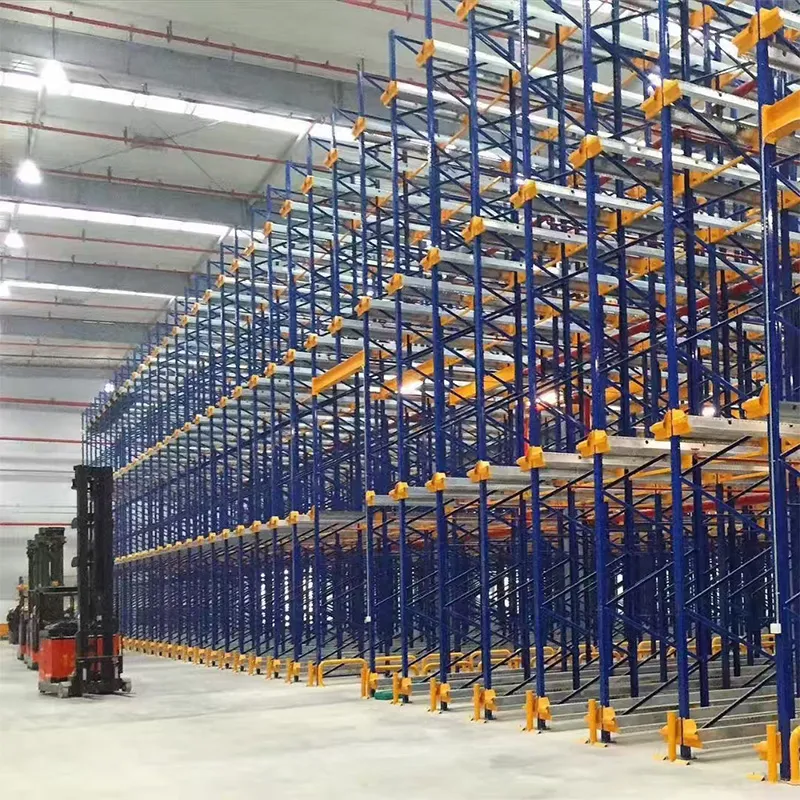
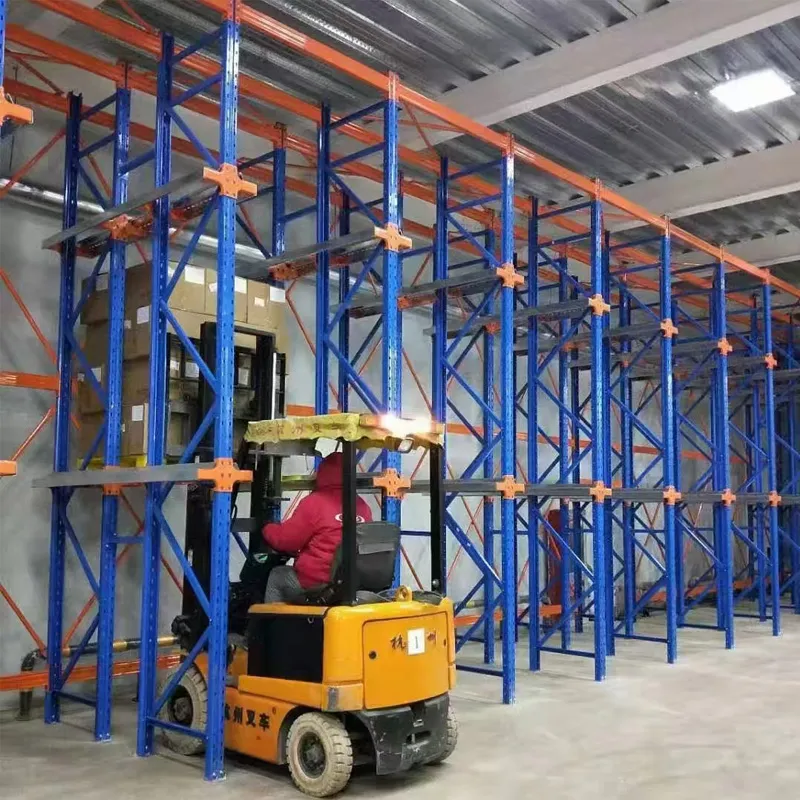
The main pain point for large warehouses is finding a balance between storage density and access speed. Classic pallet front racks are reliable, but not always optimal. When turnover is high, they perform well. But if you have 10,000 pallets of seasonal goods that are shipped twice a year, thendrive-in racks(Drive-in) or their more advanced version - pallet shuttle systems - can save up to 40% of space.
However, high density has a downside - the complexity of inventory and the risk of “freezing?” cells. I remember a project for a pharmaceutical warehouse where, due to strict FIFO requirements, Drive-in had to be abandoned in favor of a combination of conventional shelving and dynamic (gravity) systems for high-speed rotating positions. This is more expensive, but completely eliminates the human factor when choosing a pallet.
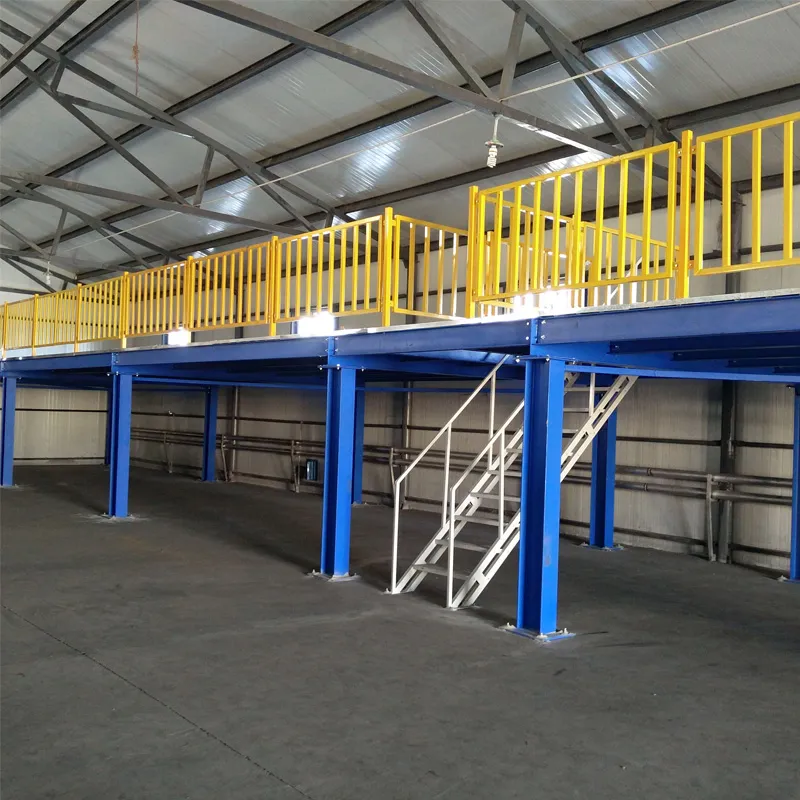
Nowadays there is a lot of talk about automation, but for many warehouses the “first stage” Hybrid solutions are optimal. For example,beam racksfor storing long cargoes they are often combined with multi-levelmezzanine systemsfor small-piece spare parts. This allows the entire cube of the building to be used. The key is to correctly calculate the loads on the lower tier so that there is no subsidence.
Even with a perfect design on paper, installation can bring surprises. The most common is a discrepancy between the geometry of the room and the stated parameters. Floors with a slope, "walking" columns, markings for communications that they forgot to provide. You have to adjust the cutting of the posts on the fly or use adjustable supports, which always increases the cost of the project.
Another nuance is the quality of fasteners and instructions. I worked with systems where all the bolts were the same size, and the assembly proceeded like a construction kit. Sometimes you get pallets of metal where half the holes don’t line up, and the installers spend a day marking and drilling. Therefore, now I always look to see if the manufacturer has the same?Harbin Jusheng?, own control at the exit from the line. Their stated full cycle, including design and maintenance, just hints that they can be responsible for the final result, and not just ship the metal.
Security is a different story. After installation, it is necessary to carry out a test load and check the levels. I saw the consequences of the hack: crumpled guides from the daring of the loader, because the passage was made 10 cm narrower than the calculated one. Or ?fatigue? metal in the joints after several years due to vibrations. Therefore forlarge warehousesIt is so important to choose a manufacturer that provides not just a guarantee, but technical support and can quickly supply a replacement for a complex shaped part.
The cost of the system is not only the price per ton of metal. These are the costs of design, delivery, installation, possible adaptation of lifting equipment and future modernization. Sometimes it is cheaper to immediately install racks with a reserve of height and load, even if it is not currently in use. Remodeling a working warehouse is always several times more expensive.
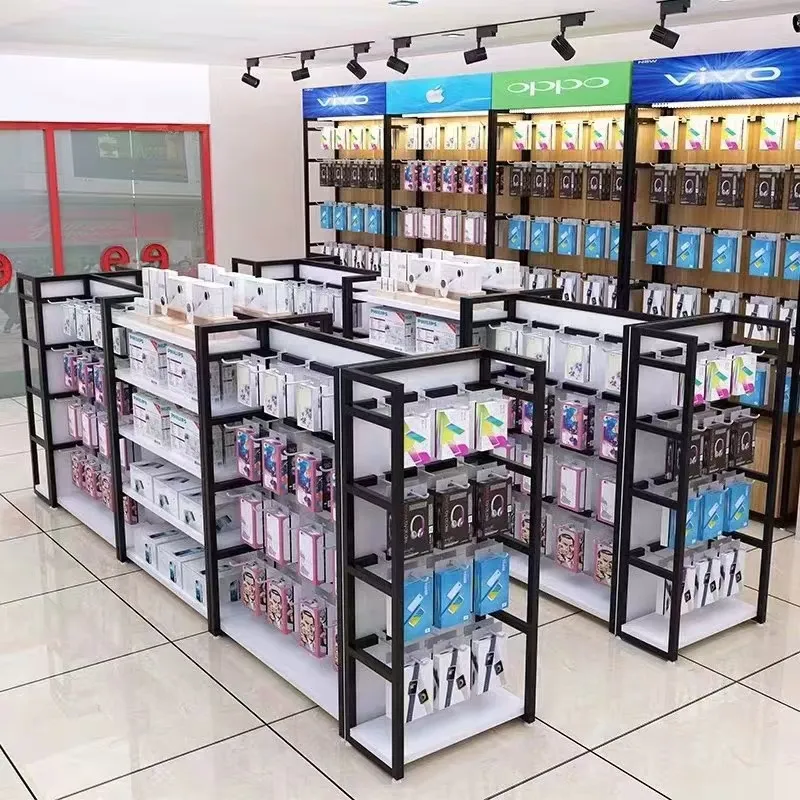
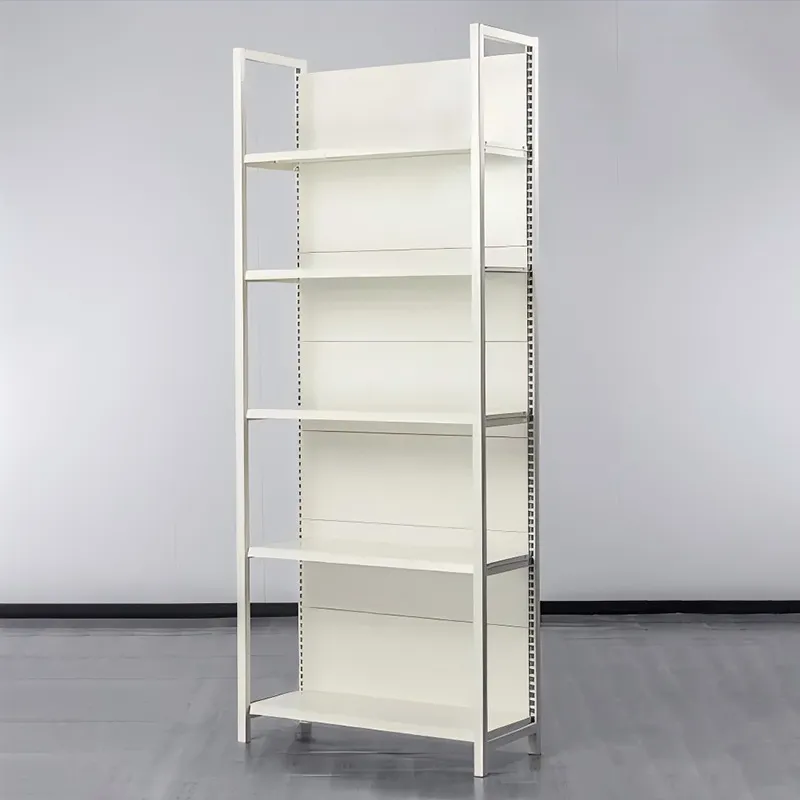
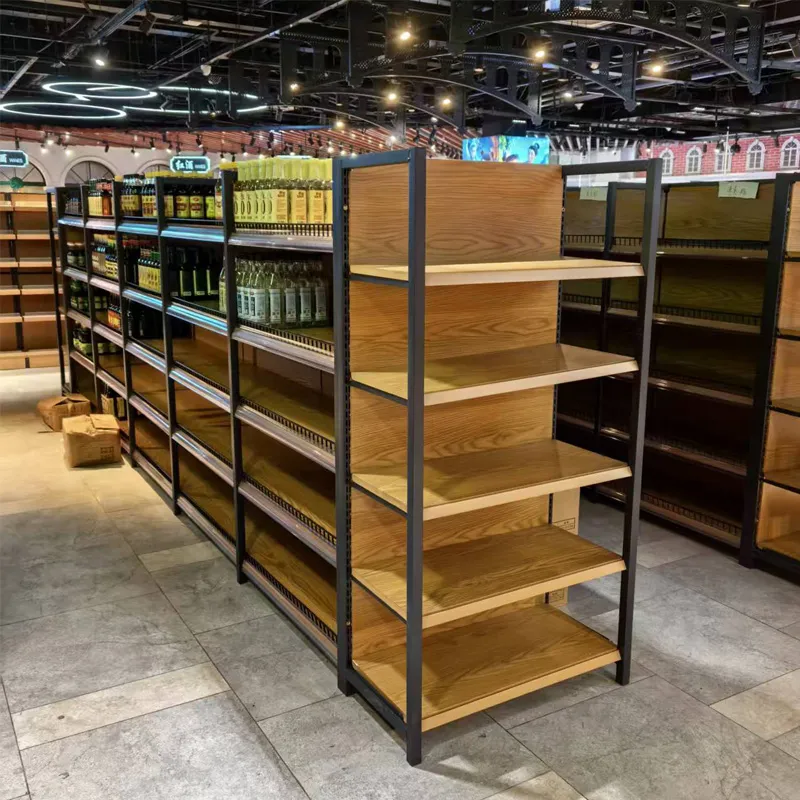
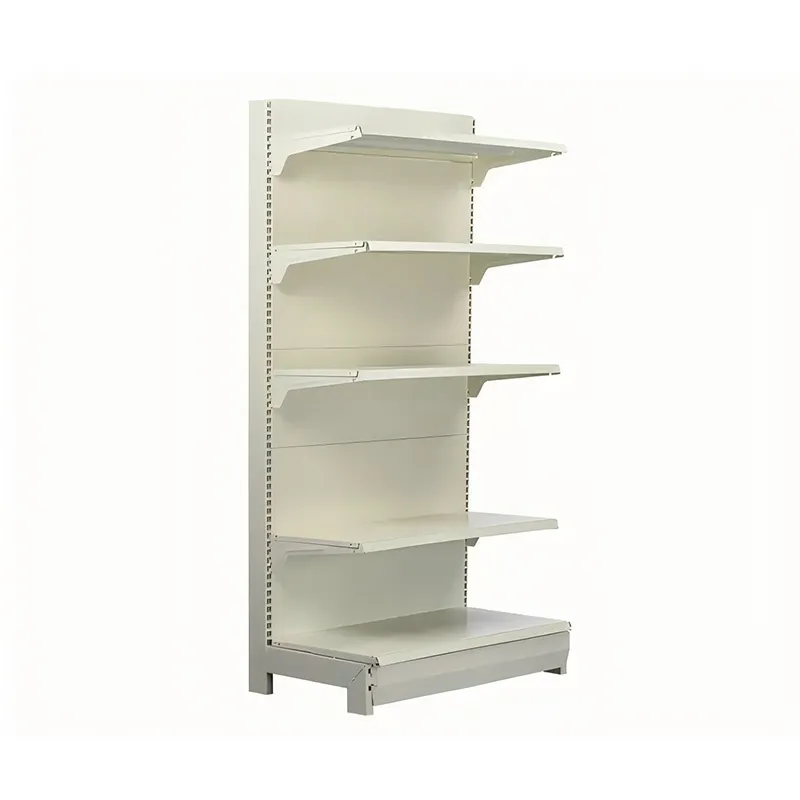
The current trend is towards modularity and adaptability. For example, the same company with jshj.ru lists a wide range in its product range: from retail to shuttle systems. This is the right approach for the manufacturer - to be ready to offer a solution for any warehouse problem, and not to push the same type of shelf racks into everyone. For a large logistics operator, the possibility of a single supplier for different types of storage means simplification of logistics and responsibility.
Looking ahead, I think that the future lies in flexible hybrid systems, where manual zones coexist with automated modules. But the foundation is still the same reliable, calculatedshelving systems. The main thing is not to chase after the “smart” ones. decisions for the sake of show, but to honestly evaluate your business processes. Sometimes a simple and reliable pallet racking system, properly designed and installed, will bring more savings than a highly complex robotic warehouse that will not meet the operating costs.
Based on my experience, I have formed several points for myself that I look at first. Firstly, the load-bearing capacity of the floor and the height of the ceilings dictate everything. Secondly, the detailing of the project: a good project includes 3D visualization, equipment layout diagrams and a specification with markings of each part. Thirdly, the reputation of the manufacturer: does he have completed projects of comparable scale, can he provide recommendations.
For example, when you see that a factory is likeHarbin Rack Factory ?Jusheng?, has positioned itself as a leading full-service enterprise in northeast China, which inspires confidence. Especially if they are ready not just to sell, but to engage in design and maintenance - this indicates serious ambitions and, most likely, appropriate quality.
In the end, the choiceshelving systems for large warehousesis always a trade-off between budget, density, speed and future flexibility. There is no ideal solution for everyone; there is an optimal solution for specific tasks, equipment fleet and commodity flows. And the main advice is not to save money at the design stage. It is better to spend an extra week on calculations with an engineer than to put up with inconveniences or, worse, an accident for years.