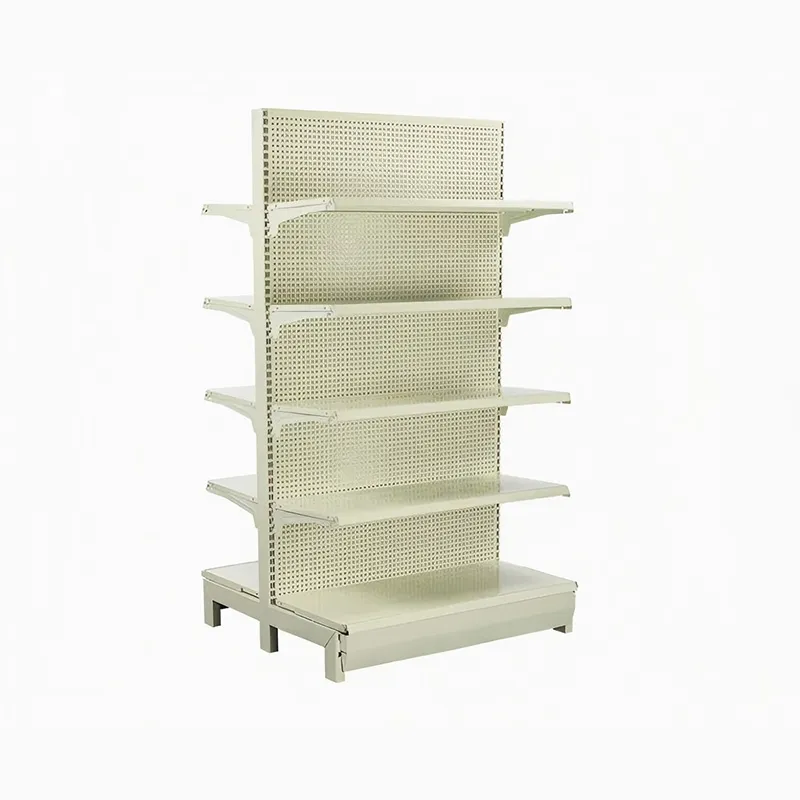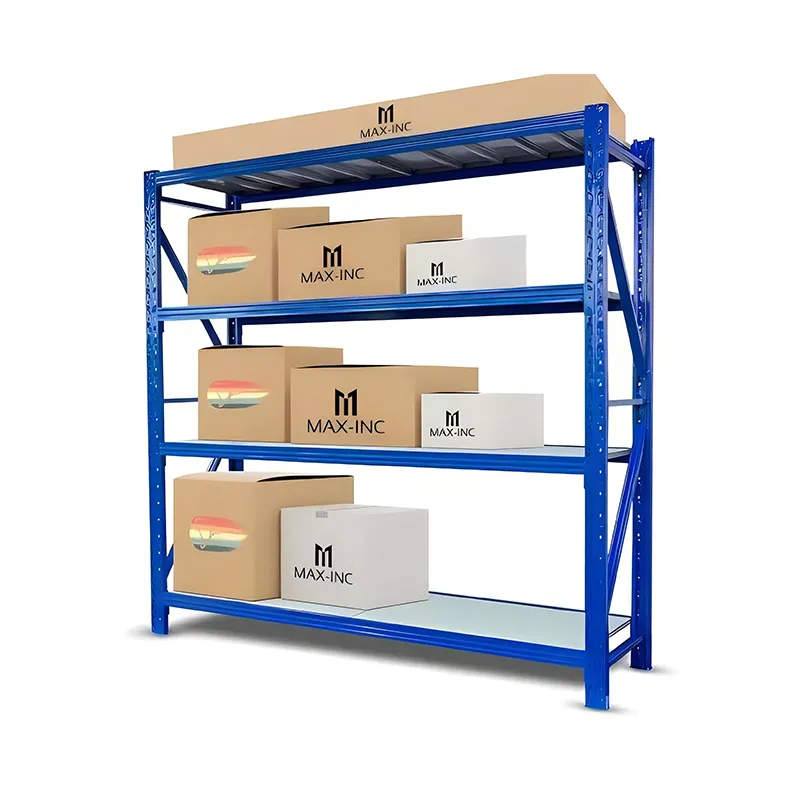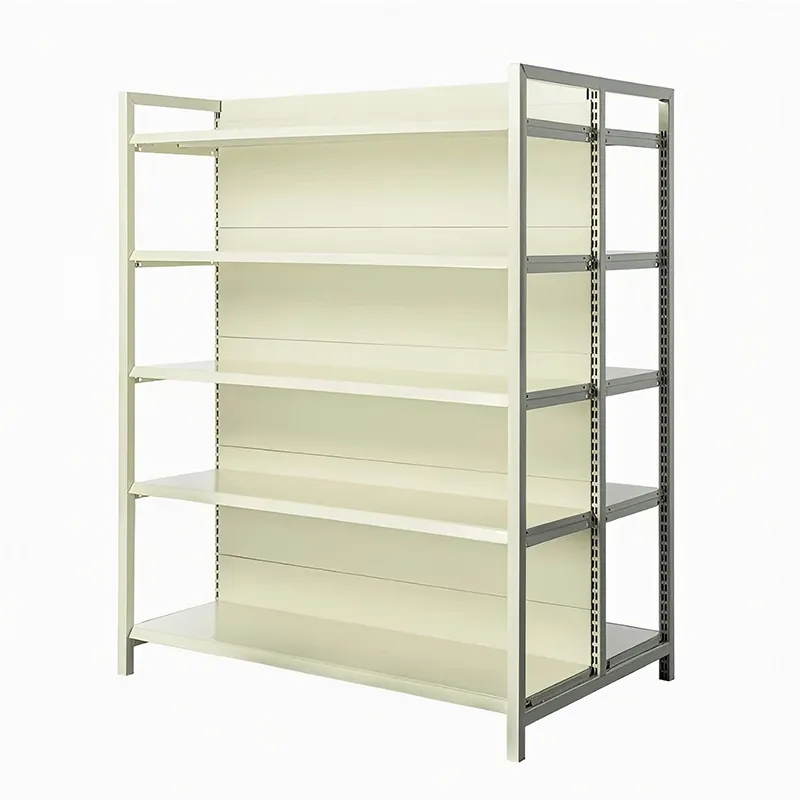
When you hear “stainless steel production rack?”, the first thing that comes to mind is probably the food industry or pharmaceuticals. And in general it’s true. But if you dig deeper, nuances begin to emerge that many, even experienced customers, miss. Let's say right away: not every “stainless steel” fits. And the rack itself is not just shelves made of another material. It's a whole different story with design, welding, machining and, critically, understanding the operating environment. I often come across the request: “we need AISI 304, because it is standard?”. And then it turns out that there are constant splashes of chlorides or alkalis in the workshop, and after six months the first red spots appear. Let's start with this.
So, AISI 304 (aka 08Х18Н10). A workhorse, indeed, for most food environments without aggressive chlorine compounds. But if we are talking about washes with harsh chemicals, about brines, about some pharmaceutical processes, then we already need 316 (10Х17Н13М2) with molybdenum. And here is the first trap: some manufacturers, especially those who work mainly with ferrous metal, can offer “stainless steel”, but do not always strictly monitor the grade of material supplied. Certificates are a must. Without them, you shouldn't even start a conversation.
But even the right brand is not a panacea. The second point iswelding. Stainless steel is ?afraid? overheating If you weld like regular steel, without argon (TIG welding) or with incorrect conditions, “depletion” occurs in the weld zone. chrome. This place loses its corrosion resistance and becomes vulnerable. I've seen racks where the frame seems to be intact, but the seams in the corners are starting to bloom. Often this is a consequence of savings on welder qualifications or technology.
And the third point, which is often forgotten, isfinishing. After welding, the seams need to be cleaned and polished. And not for beauty, although sanitary standards require this. A smooth surface without pores or scratches retains dirt and microorganisms less and is easier to clean. Rough grinding with a disc on ferrous metal can leave iron particles on the surface of the stainless steel, and these will become hotbeds of corrosion. Requires special tools and steps.
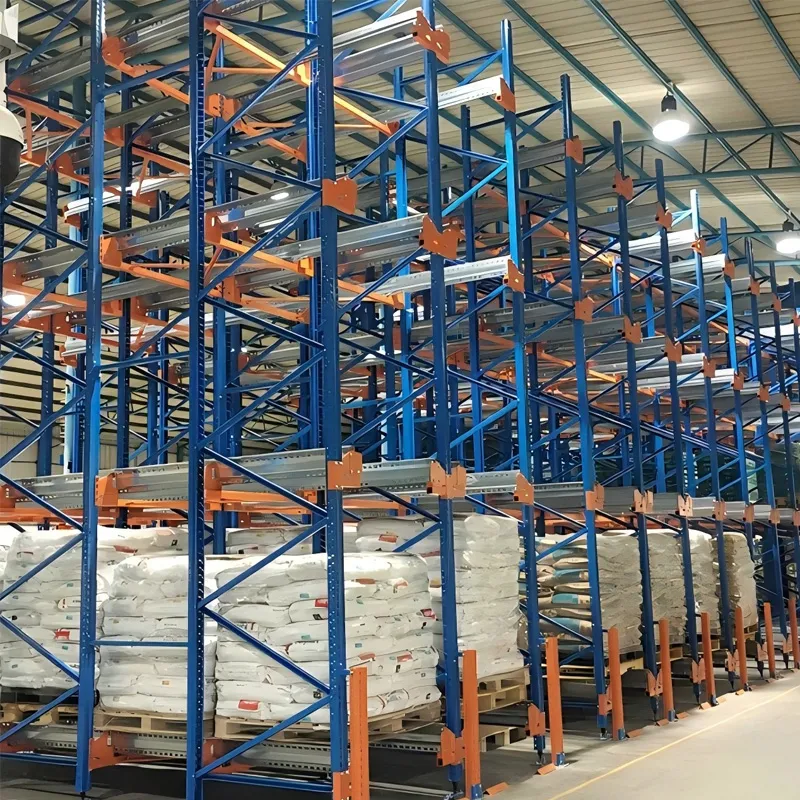
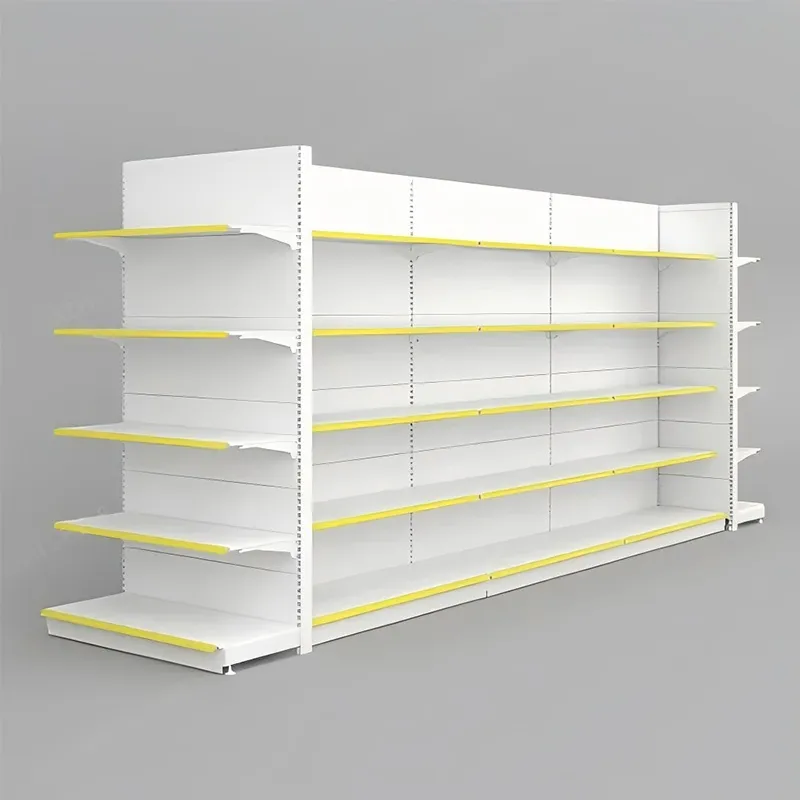
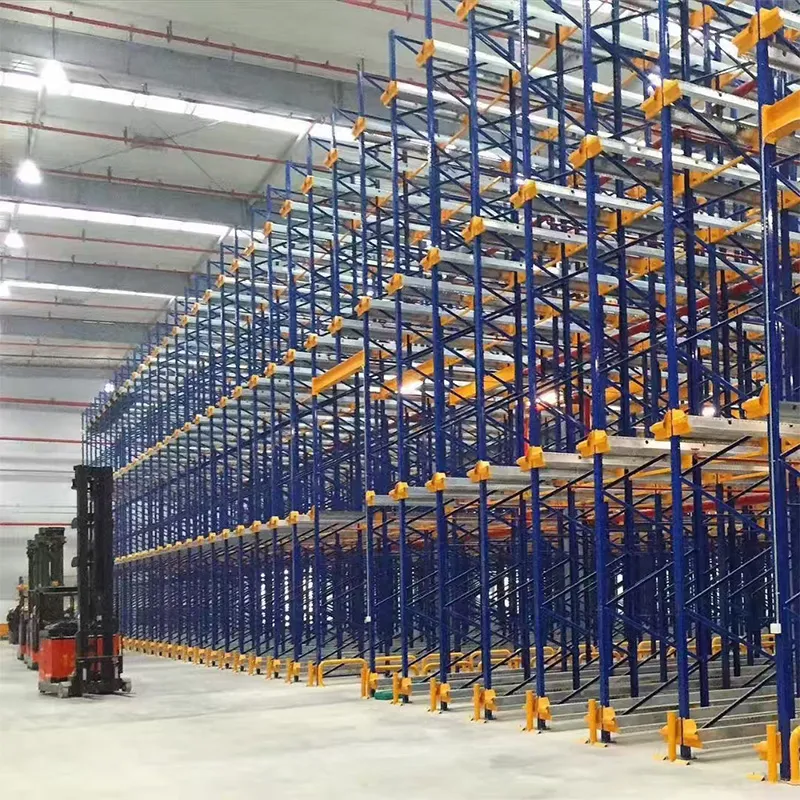
A production rack is still a load-bearing structure. And here a conflict of requirements arises: on the one hand, maximum hygiene is needed (a minimum of shelves, closed profiles where dirt can accumulate), on the other hand, a load of several hundred kg per tier is needed. Standard corner shelf systems are not always suitable here.
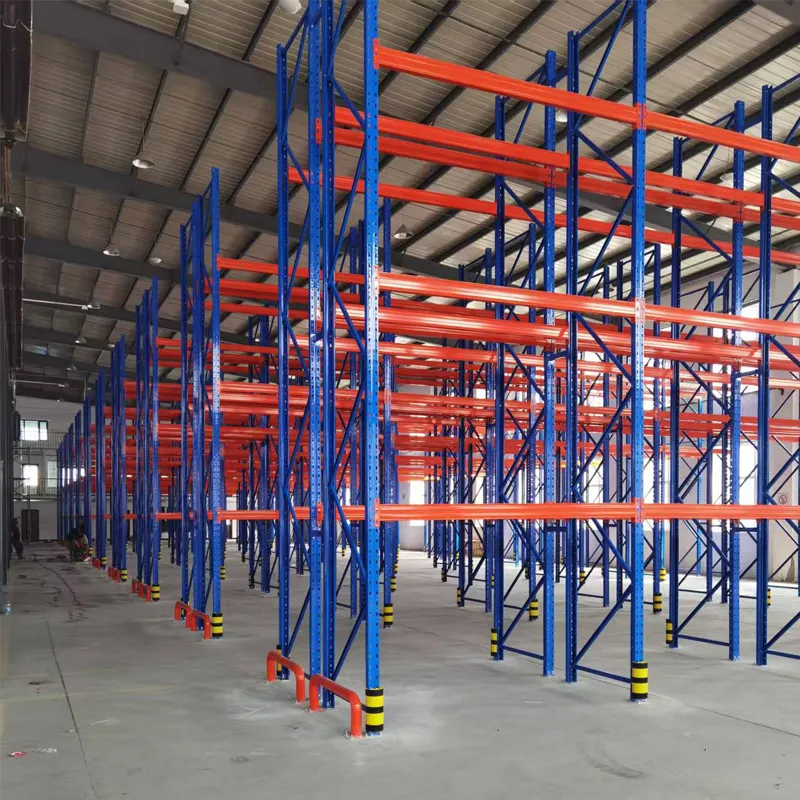
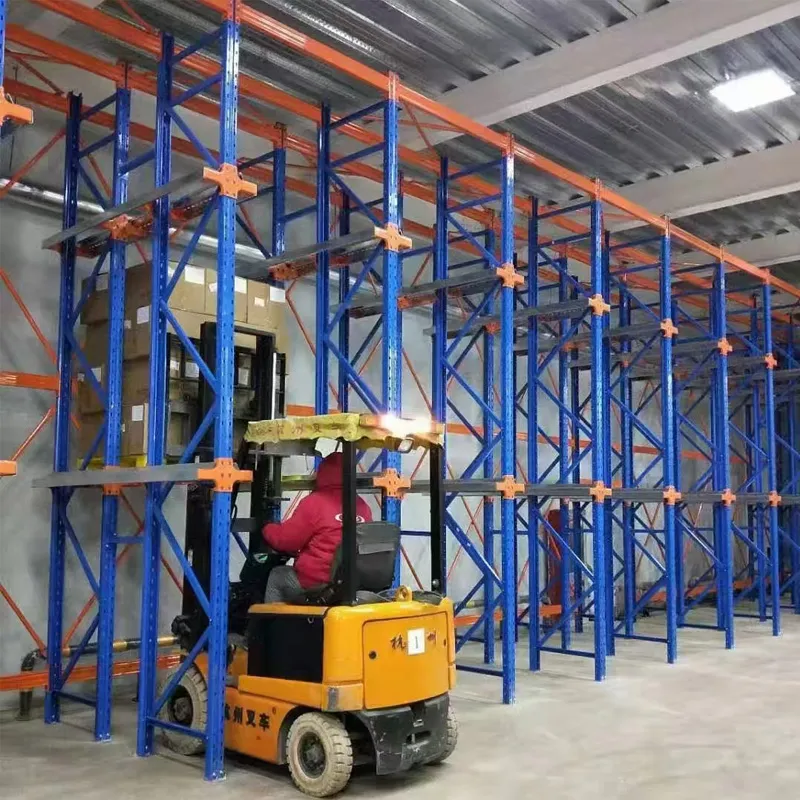
They often go the route of beam racks, but with stainless steel beams and posts. The important point is connections. Bolted connections are preferred over “tightly” welded ones. Why? Firstly, it is easier to ensure the quality of each component in the workshop, rather than on site. Secondly, there is always the opportunity to disassemble for deep washing or redevelopment. But the bolts and nuts must also be made of stainless steel, and compatible in electrochemical potential with the base metal, so that there is no electrochemical corrosion.
One of our projects for a meat processing plant faced exactly this problem. The customer initially wanted a welded structure that was as welded as possible “so that nothing would wobble.” They convinced us to make a modular system with bolts. A year later, they expanded the line and were able to quickly rearrange sections, adding new ones. A welded structure would require gas cutting and new installation from scratch.
I would like to give an example where not everything went smoothly. There was an order for racks for storing starter cultures in refrigerators. Temperature +4°C, high humidity. Material - AISI 304, all according to the standard. The racks were made and installed. After 8 months, the customer sent a photo with small points of corrosion on the horizontal surfaces of the shelves.
They began to figure it out. It turned out that the problem was not with the material, but with condensation and... the quality of the wash. The staff used chlorine-containing products for cleaning, which were not always thoroughly washed off after treatment. In conditions of constant humidity and low temperature, this created an aggressive local environment. Plus, it turned out that the shelves were polished to a matte state (satin), and not to a mirror finish. The matte surface has a larger area and is less wetted; drops of detergent could be retained.
The solution was comprehensive: we replaced the shelves with new ones, mirror polished, and provided training to the staff on the correct selection and use of detergents. This was an important lesson: you can't just look at the shelving itself. It is necessary to analyze the entire life cycle - installation, operation, maintenance.
Making a good stainless steel shelving unit in a DIY workshop is almost impossible. A full cycle is needed: from cutting and bending on clean equipment (so that there is no contamination with carbon steel) to finishing in a special workshop. When we were looking for a reliable partner for complex projects, we paid attention to?Harbin Jusheng Metal Structure Manufacturing Co.,Ltd..
Their plant in Pingfang (Harbin) is just such an enterprise: a large area (20,000 m2), several automated lines. It was important for us that they deal with the full cycle: design, production, sales, service. This means that responsibility is not blurred. If a project issue arises, it is resolved within one company, and not between the contractor, supplier and installers.
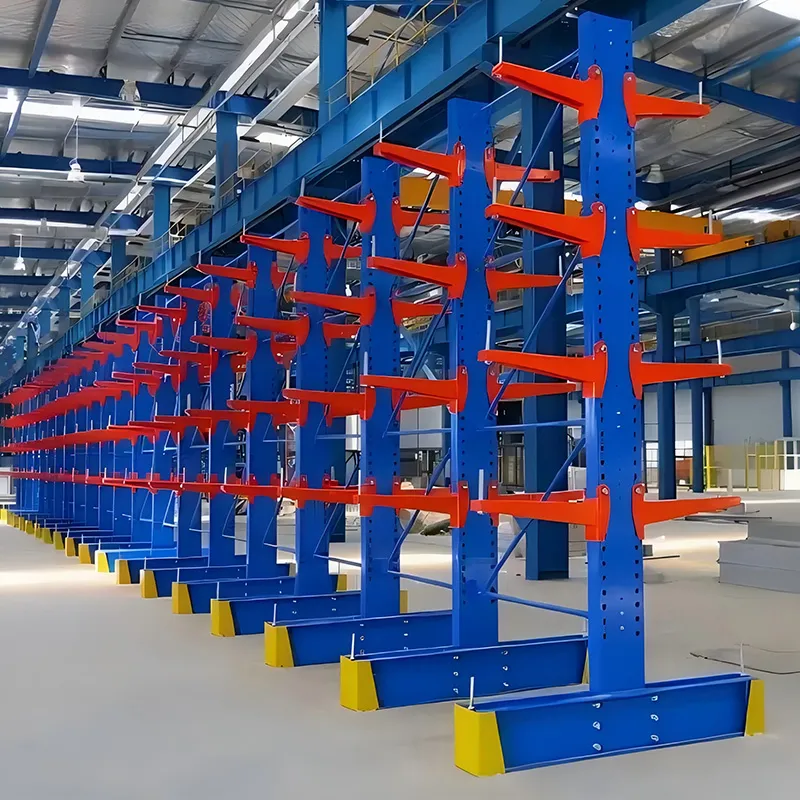
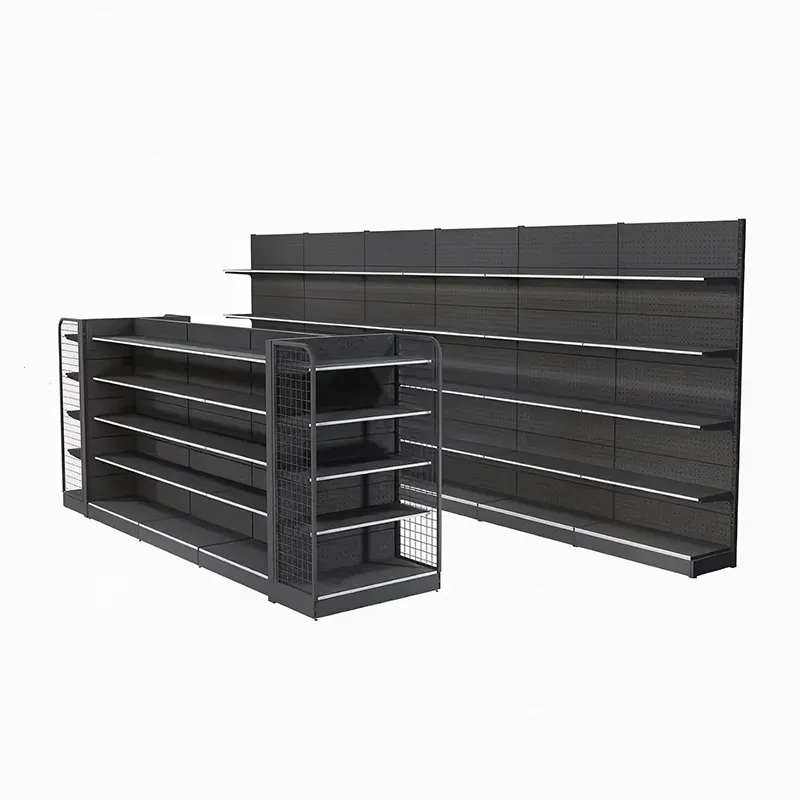
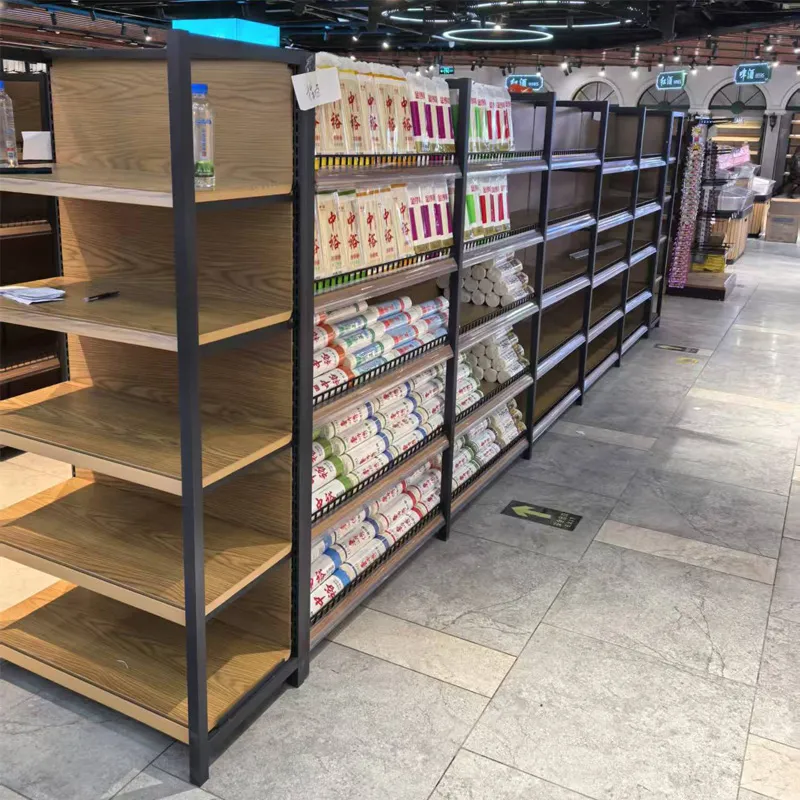
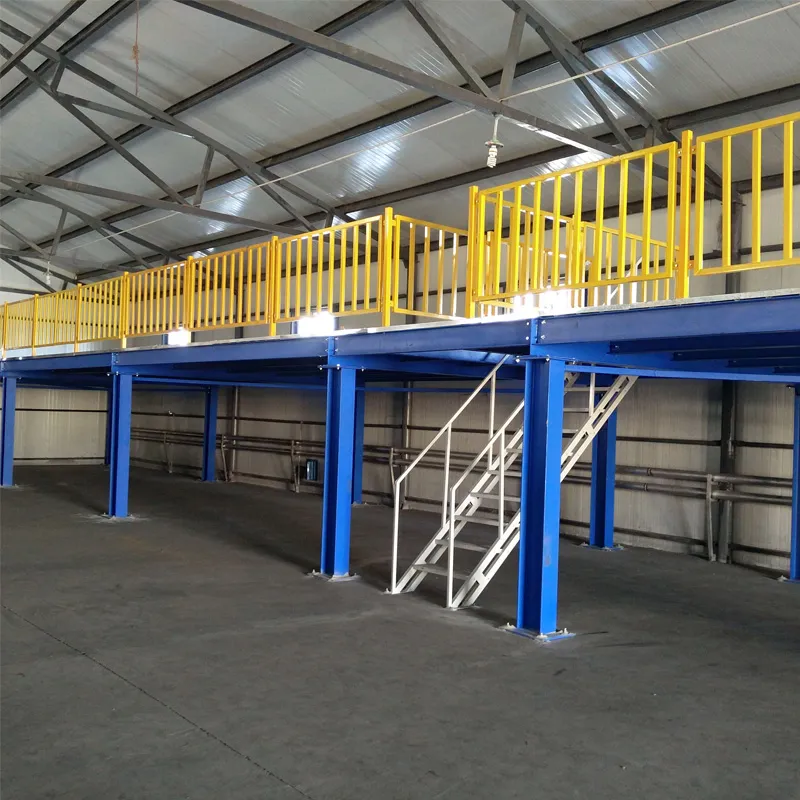
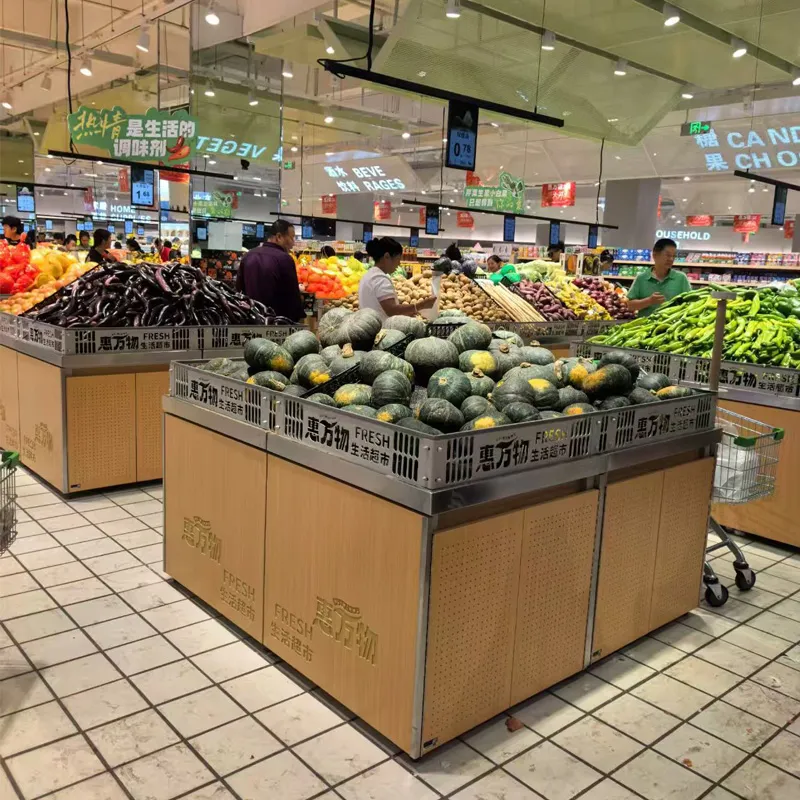
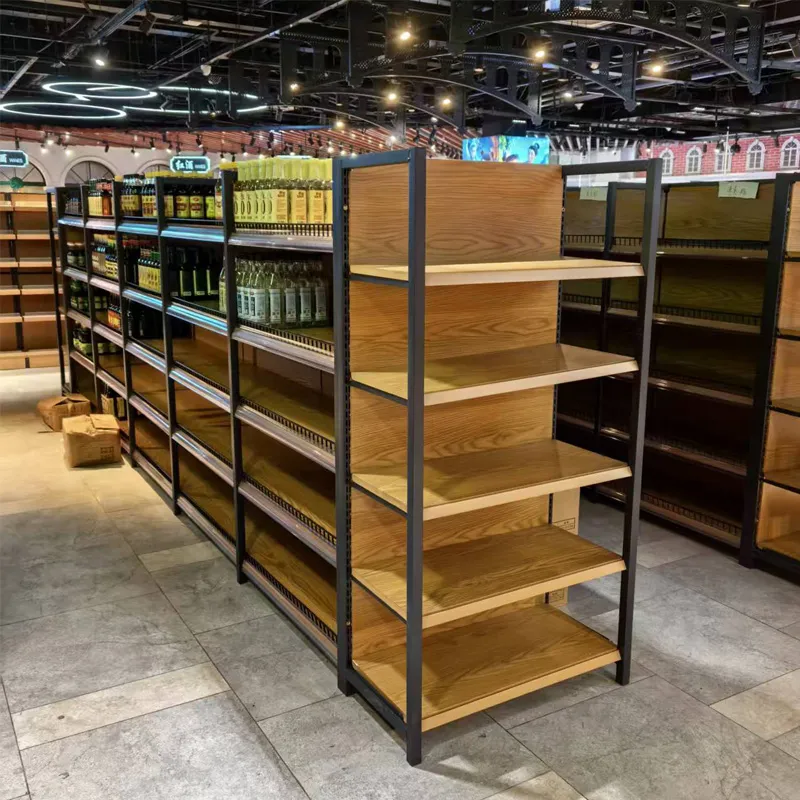
Their portfolio includes not only retail, but also warehouse, mezzanine, beam, and cantilever systems. That is, they understand the logistics of loads, and do not just make “shelves”. This is critical when you need to design a rack for specific production containers, carts or loaders. You can find out more about their approach on their websitehttps://www.jshj.ru.
So, to sum up the informal results. Choosing or designingstainless steel production rack, you need to keep in mind not a list of characteristics, but a use case. Ask yourself and the supplier difficult questions.
First: what kind of environment? Temperature, humidity, chemical agents (even if they are detergents). The choice of steel grade and finish depends on this.
Second: what are the loads and dynamics? How often will the forklifts come in and how will the containers be moved? This will determine the type of structure (shelf, beam, cantilever) and the thickness of the metal.
Third: who will serve and how? Do you need dismountable joints, what type of polishing will make cleaning easier? These are questions about design and configuration.
And the main thing is who to work with. We need not just a seller of metal structures, but a partner who will delve into the process. Like the same specialists from “Jusheng”, who first request a production technical sheet, and then draw a sketch. Because the rack is part of the production line. And sometimes not just the order in the warehouse, but the quality of the final product depends on its reliability and compliance. That's what we're talking about.