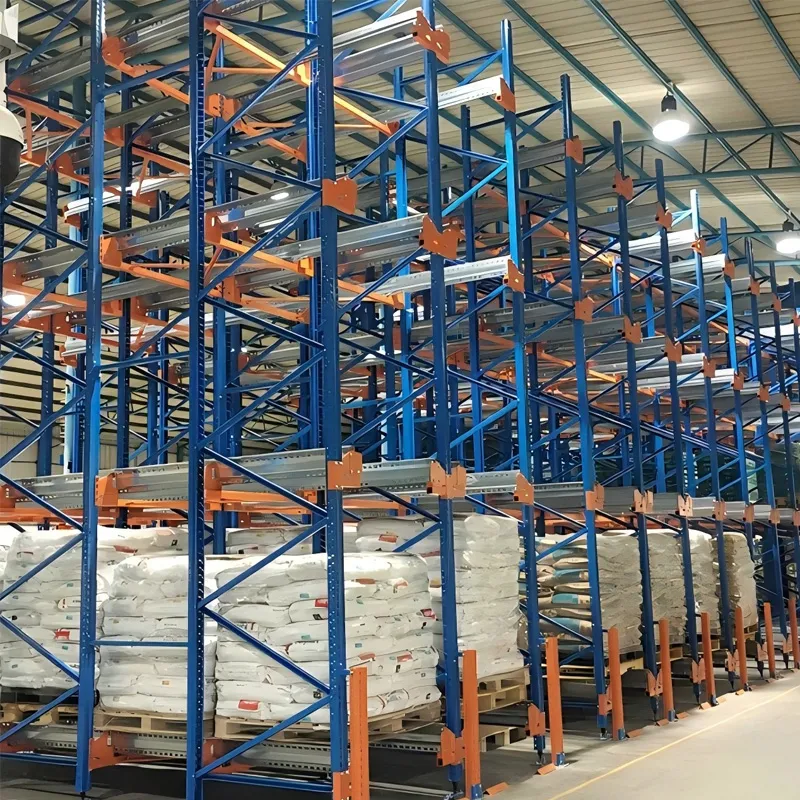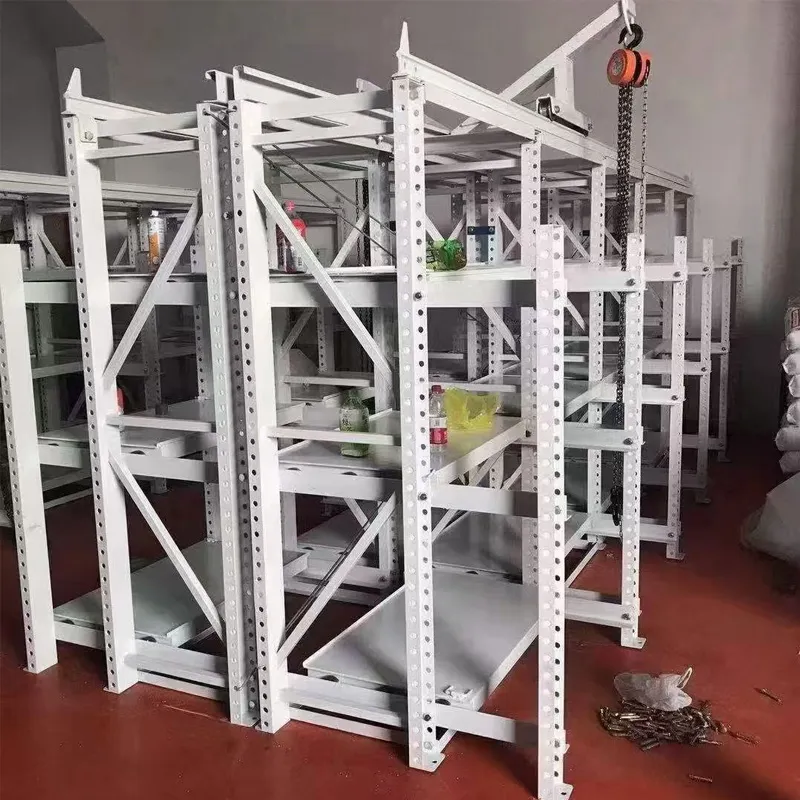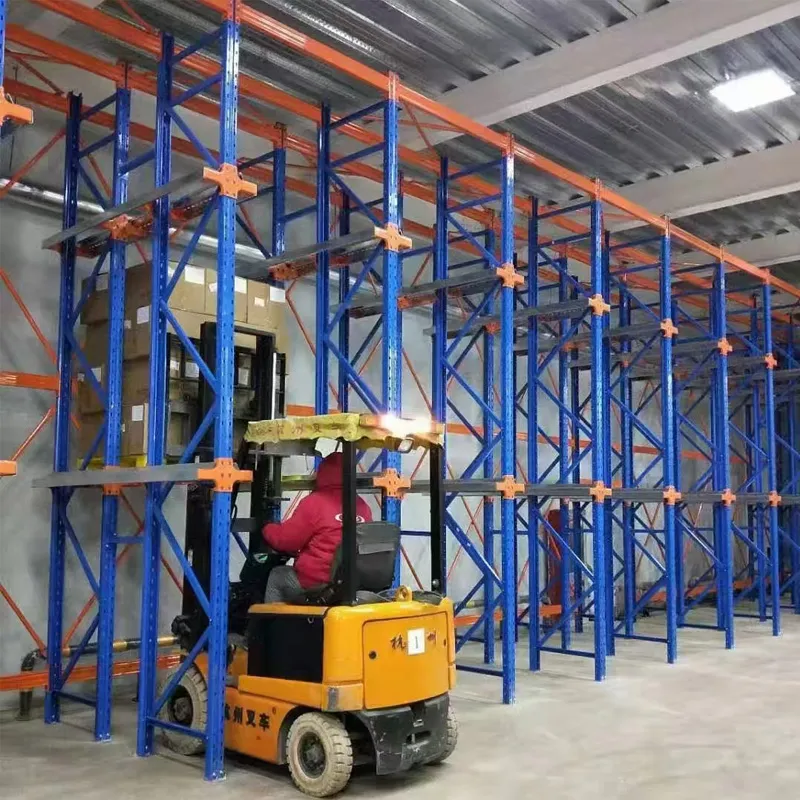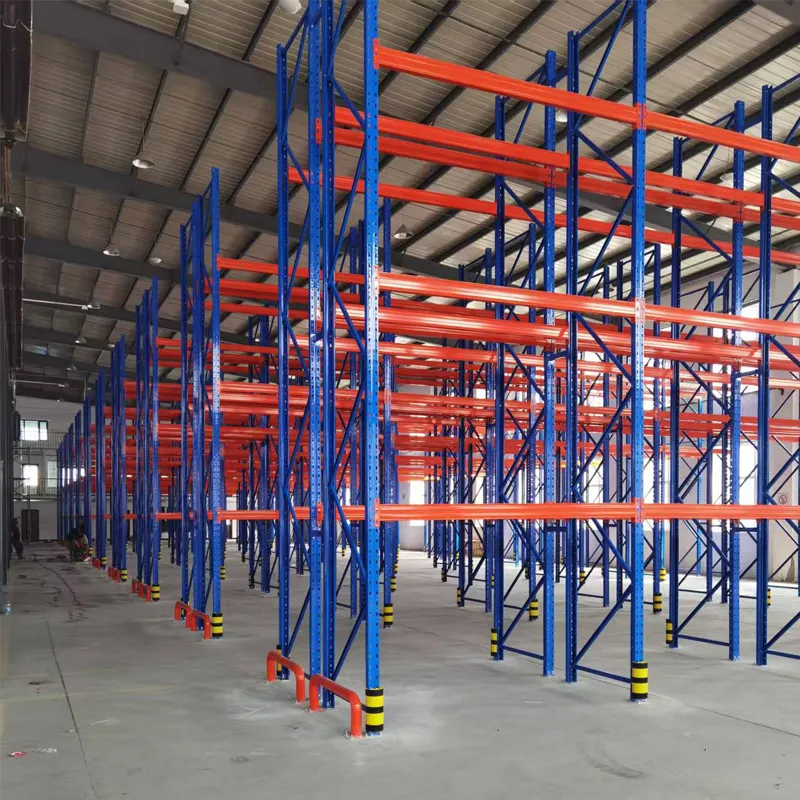
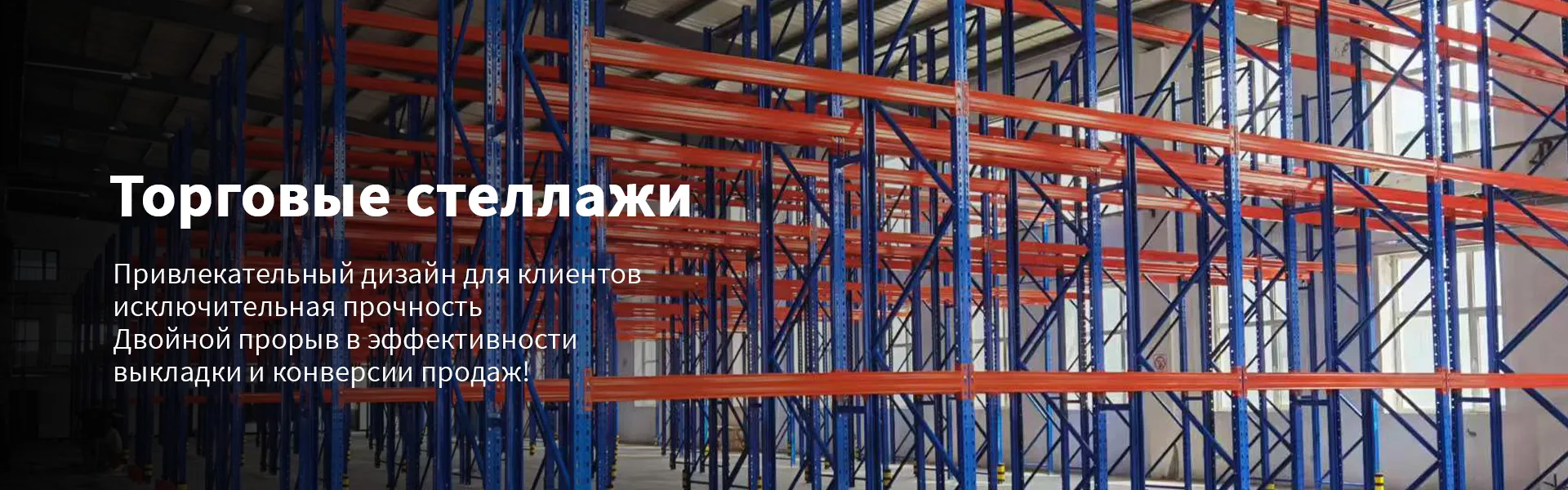
When you hear “production of shelving,” many people imagine a workshop where profiles are cut and frames are welded. But this is just the tip of the iceberg. Presentshelving productionbegins with understanding the load - not only physical, in tons, but also logistical, and even human. How will the forklifts drive? What is the turnover? Will the staff be comfortable working? A mistake at the design stage, for example, not taking into account the turning angle of the reach truck, can later cost a lot of money. The most common mistake I have seen from customers is the desire to save on metal by reducing the thickness of the rack. And then they wonder why the design “plays”? under load.
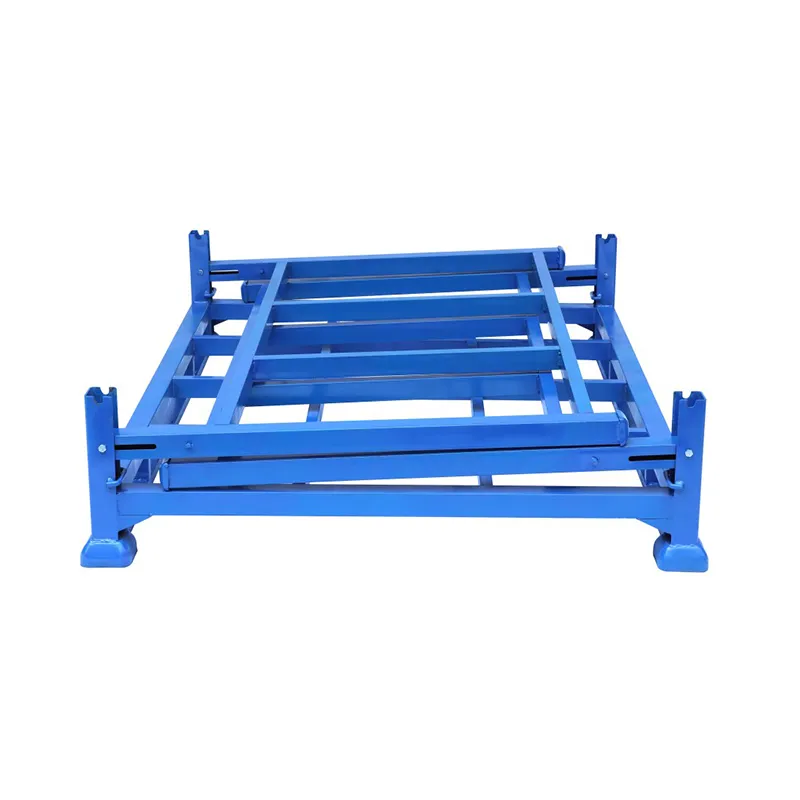
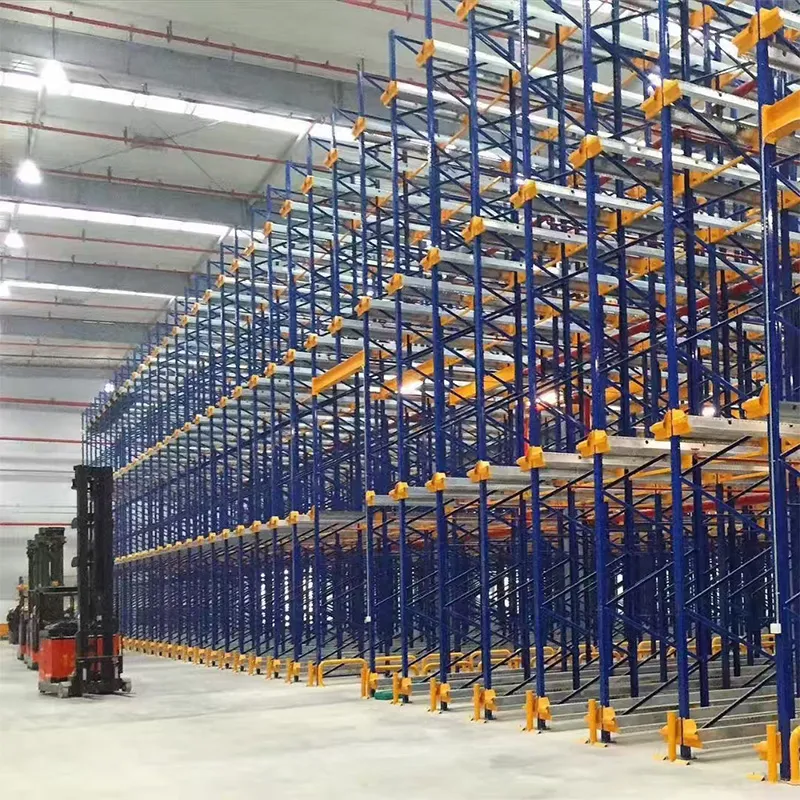
Take, for example, a project for a large distribution center. On paper, everything is perfect: high-rise shelving, narrow aisles, maximum use of the cube. But when you start to detail it, nuances emerge. Let's say a customer wants to use custom-sized pallets. No problem, you say, we’ll do it for them. But then the question of beams arises. Standard locks may not provide the required rigidity under asymmetrical loads; we have to consider options with wedge connections or reinforced bolts. This immediately changes both manufacturing technology and cost.
Or another point - anti-corrosion treatment. For a regular dry warehouse, powder coating is suitable. But if we are talking about a refrigerator or a production workshop with an aggressive environment, galvanization is needed, and hot galvanization. We once shipped a batch for food production, where there was a high level of humidity, with ordinary paint - after six months we started receiving complaints. Everything had to be dismantled and redone. Now we always clarify the operating environment down to the smallest detail.
Here, by the way, you can see the difference between just welders and a full-fledged plant. Onhttps://www.jshj.ru- website of the Harbin shelving plant ?Jusheng? — it is clear that they cover the full cycle. This is important. When design, cutting, bending, welding and painting are under one control, it is easier to track compliance with the drawing and strictly maintain tolerances. They have an area of 20,000 square meters. m - this is not just for show, such areas allow you to expand several parallel lines, for example, forwarehouse racksand forshelving for retail spacesat the same time without creating confusion.
There is a lot of debate in the workshop: what is more important - modern lines or an experienced craftsman? An ideal combination, of course. Automatic CNC cutting gives perfect geometry and repeatability thousands of times. But the eye of the operator, who will notice a small defect in the metal even before it gets under the cutter, is priceless. We had a case at one of the old production facilities: an automatic line was stamping mounting holes, but due to play in the feed mechanism, a batch of one hundred racks left with a slight displacement. It was impossible to collect these. I had to melt it down.
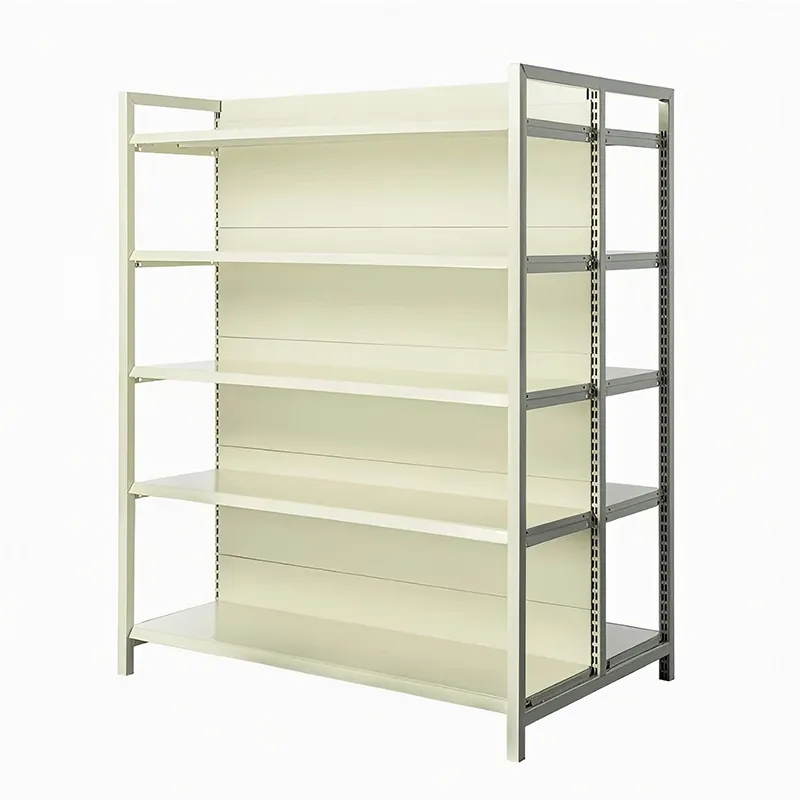
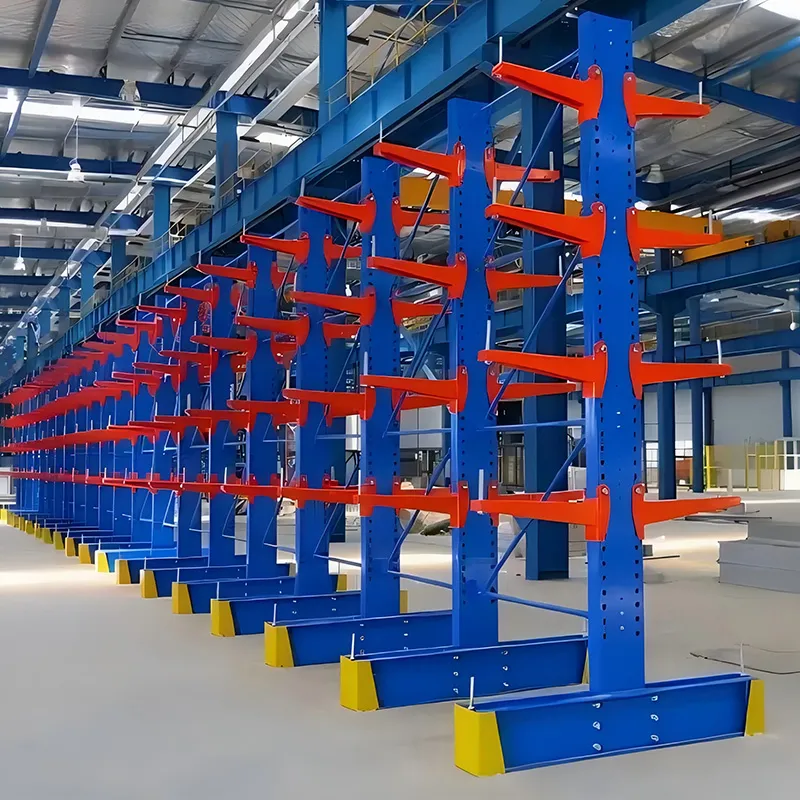
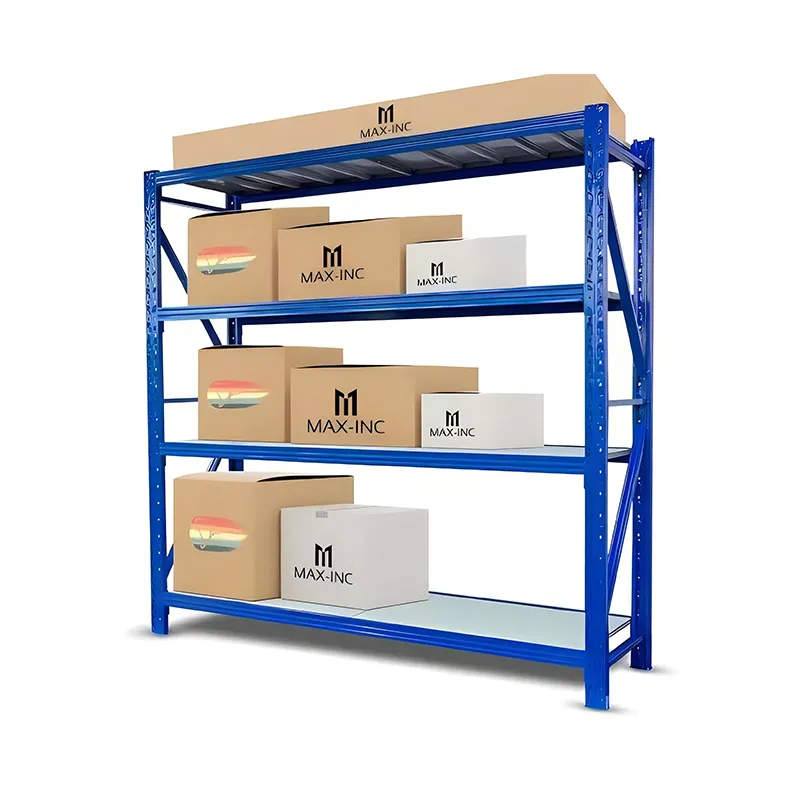
Therefore, when studying the capabilities of a plant, I always look not only at the list of equipment, but also what year it is and how it is maintained. In the description of ?Harbin Jusheng Metal Structures Manufacturing LLC? indicated “several lines of advanced automated production equipment?”. This is the right way. For mass projects, the sameshelf racks, automation means speed and cost reduction. But for piece, complex orders, likecantilever racksfor long lengths or systems for four-directional shuttles, experienced engineers and assemblers are indispensable. Apparently, they understand this, since they position themselves as a full-cycle enterprise with a development department.
Another practical point is the logistics of finished products. Racks are not boxes and are difficult and expensive to transport. The geography of the plant in Pingfang, Harbin is strategically advantageous for supplies throughout northeast China and Russia. Our own large territory allows us not only to produce, but also to form large batches for shipment, which ultimately reduces transportation costs for the client. This does not always come to mind when choosing a contractor, but it turns out to be a significant item in the estimate.
You can't lump everything into one pile.Mezzanine shelving- this is, in fact, the construction of a second floor. Calculations for dynamic loads and vibration are critical here. If you underestimate it, it will be scary to walk on the second tier. Butbeam (corrugated) racksis a story about the reliability of the locking connection and the accuracy of the perforation of the racks. Millimeter perforation pitches can determine how flexible a customer can rearrange shelves in the future.
Solutions for automated warehouses stand apart, the sameracks for four-way shuttles. The requirements for flatness and parallelism are prohibitive here. An error of a couple of millimeters over a length of 50 meters and the shuttle will get stuck or wear out the rails. For such production, you need not just good machines, but a control system at every stage, right down to packaging. I think it is precisely such complex projects that serious players like Jusheng are targeting in order to get away from competition in the lower price segment.
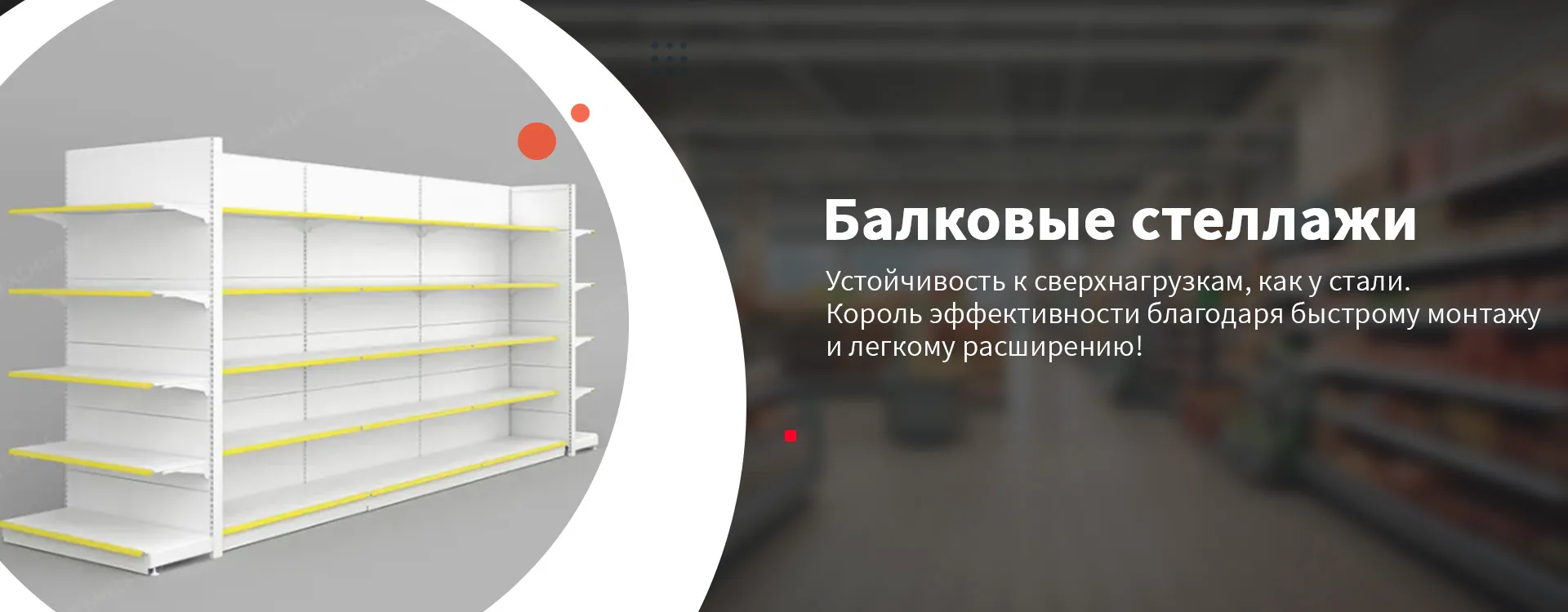
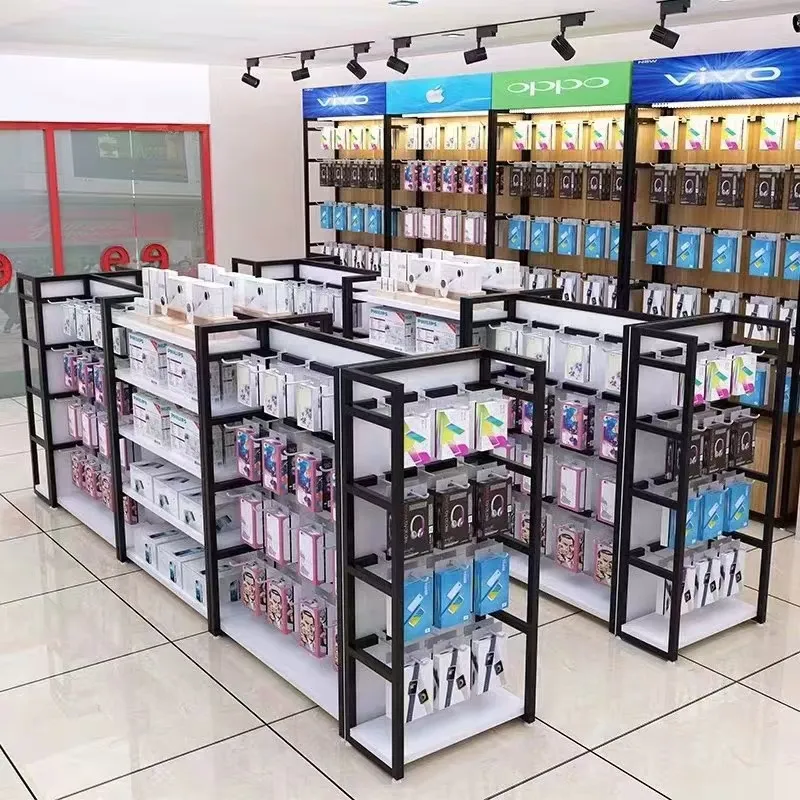
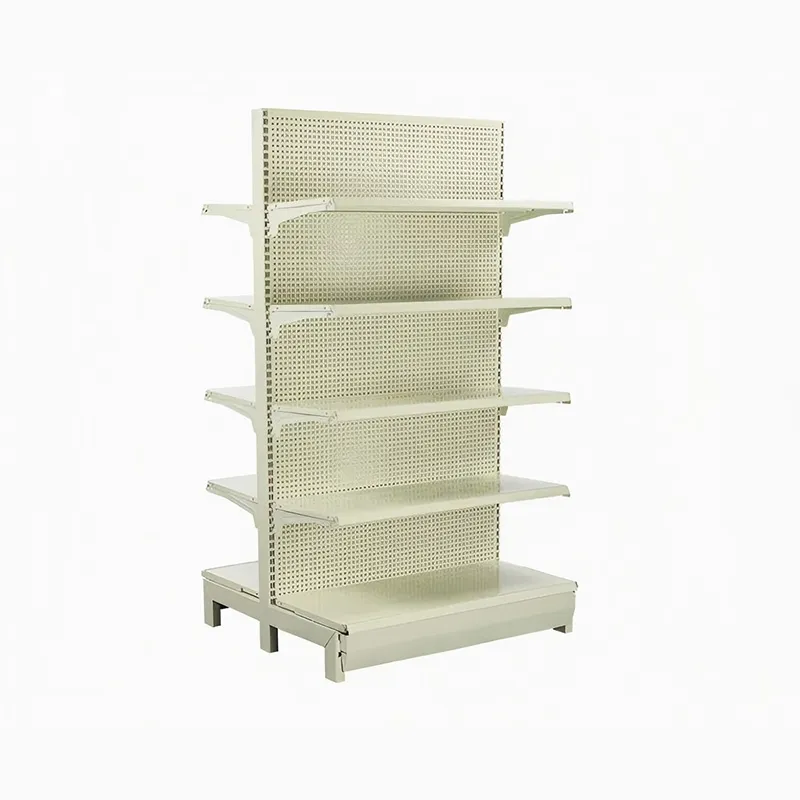
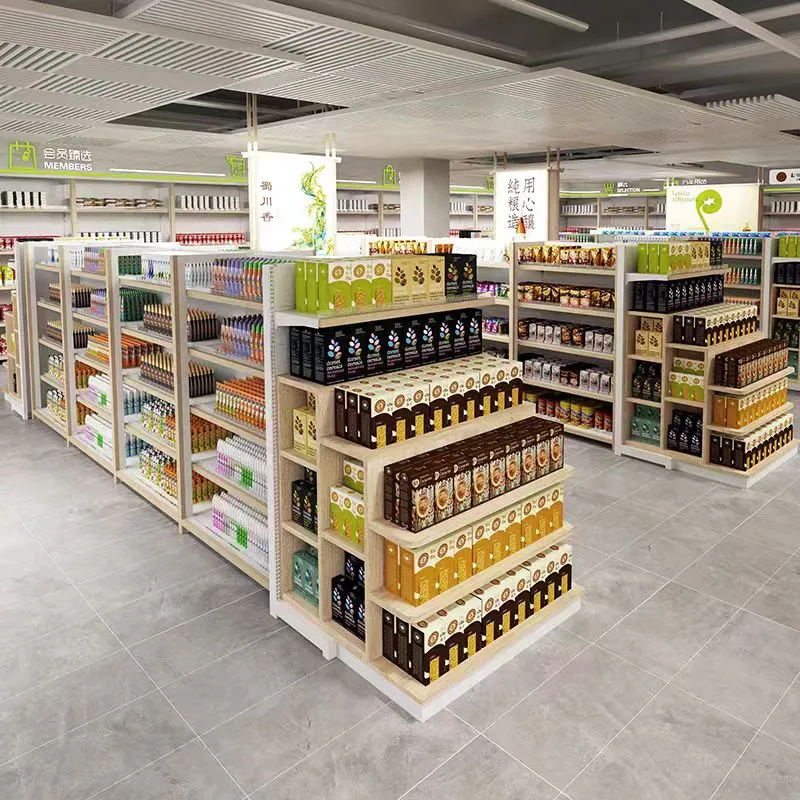
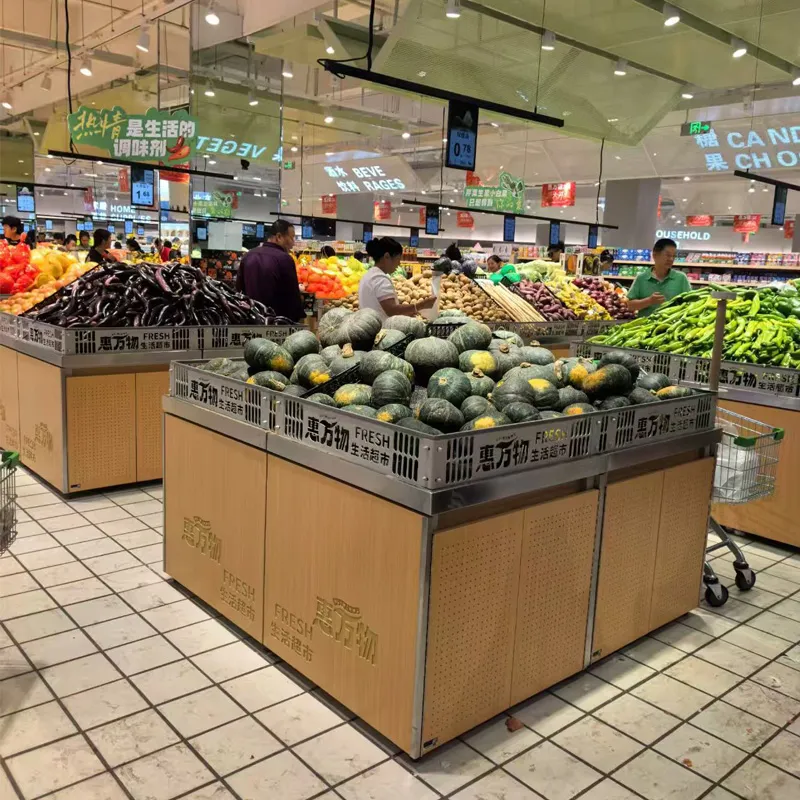
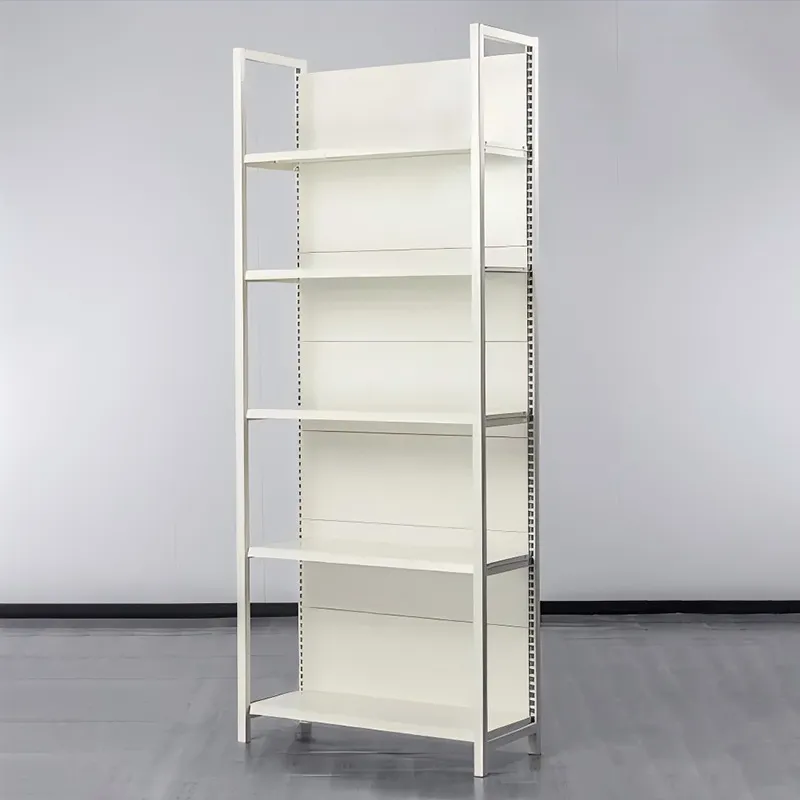
Trade equipment has its own specifics. Here aesthetics go hand in hand with durability. Bent elements, glass shelves, and special coatings are often required. Production must be flexible to quickly change from thick metal for a warehouse to a thin but durable profile for a store. Again, the full cycle allows you to experiment with the design and immediately test the prototype on your own test bench.
The most honest indicator of a plant is not how it sells, but how it corrects its mistakes (if they happen) and supports the customer. Delivery of shelving is not the end of the story. We need clear installation diagrams, and sometimes a team needs to come out for installation supervision or training. It happens that a client, due to inexperience, damages the fasteners during assembly. Is the manufacturer ready to quickly send the missing parts? Ideally, it should.
On the websiteLLC ?Harbin Jusheng?stated after-sales service. In practice, this often means having a spare parts warehouse and technical support that can advise on assembly. For large projects this is a necessity. One of our partners encountered a problem when, when expanding the warehouse, he could not purchase the same racks - the manufacturer changed the profile size. Now we always advise clients, when concluding a contract, to include an option for future expansion and to record in the specification all the key parameters of metal and fittings.
In the endshelving production- this is not about metal. This is about solving storage problems. A successful manufacturer is one who first delves into these tasks, and then takes out the drawings and turns on the machines. And judging by the scale and declared competencies, some enterprises on the market, like the Harbin plant, are moving in this direction - from a hardware seller to a solution provider. And this is, perhaps, the most correct and only possible direction of development in this seemingly conservative industry.