When you hear “racks,” many people think of just shelves in a warehouse. But in fact, this is a whole engineering system where every millimeter and kilogram counts. An error in design or skimping on the thickness of the metal can ultimately turn into not just an inconvenience, but a disaster. I myself saw how “optimized” it was. The structure under load did not behave as expected - fortunately, they noticed it in time. This is what I want to talk about, without gloss, with examples from practice.
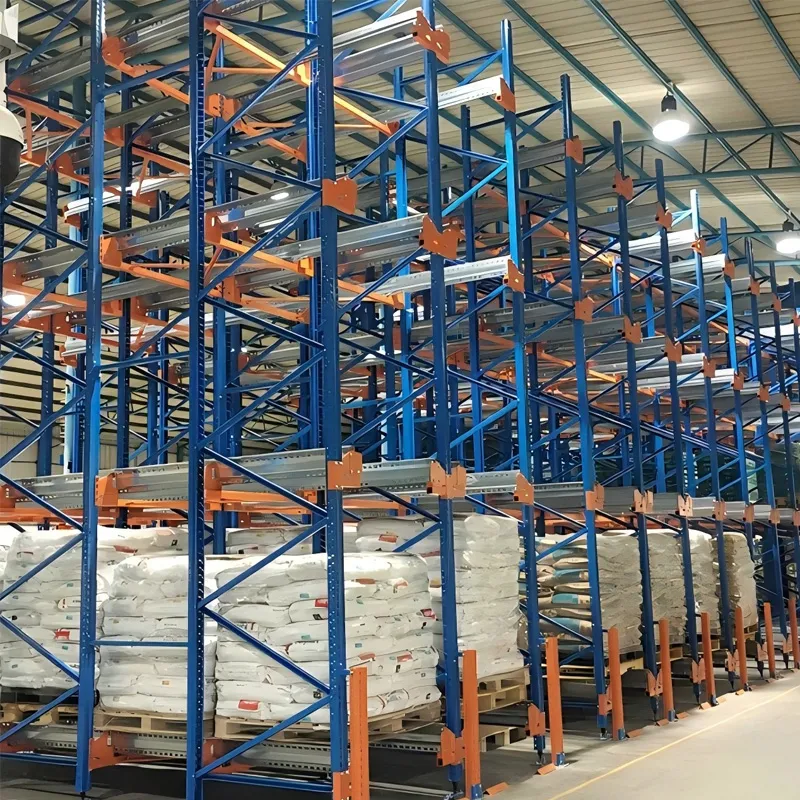
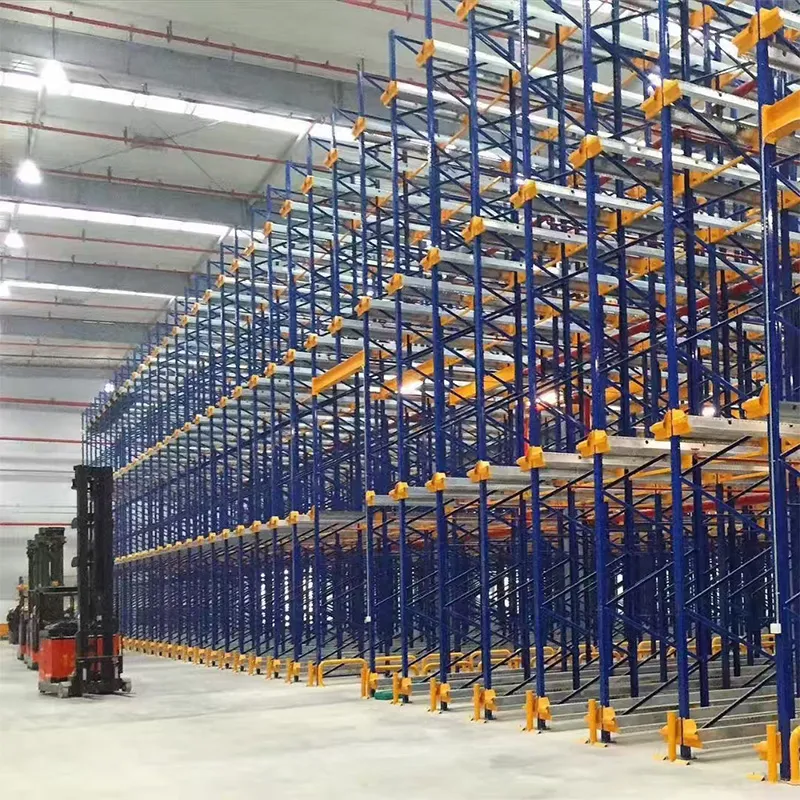
A common problem is when an ideal project collides with a real object. Let's say the floor is flooded. According to the passport, it is level, but the laser level shows a difference of 3 cm at 10 meters. For ordinaryshelf racksthis may not be critical, but for highracks for four-way shuttles- already a problem. You have to either level the base (additional costs, deadlines) or install adjusting supports into the structure from the beginning, which not all designers remember.
Or another point - the availability of materials. In theory, everyone uses a certain grade of steel. In practice, especially in the regions, there may be a shortage, and the supplier offers a “similar” one. This is where you need an experienced engineer who will not just check the numbers in the certificate, but will understand how this replacement will behave during welding or dynamic loading. We once took a batch from a local plant, everything seemed to be in accordance with GOST, but during test assembly the welds began to crack - the metal turned out to have a high content of impurities.
Therefore, you should trust companies with a full cycle that control the process from raw materials to installation. Here, for example,?Harbin Jusheng Metal Structure Manufacturing Co.,Ltd.(their website isjshj.ru). They are not just sellers, but a factory with its own production area of 20,000 square meters. m. in Harbin. When you have your own automated lines, it is easier to track the quality of input raw materials and comply with all technological stages. Their description directly states the full cycle: design, production, sales, service. For complex projects, these are not just words, but a necessity.
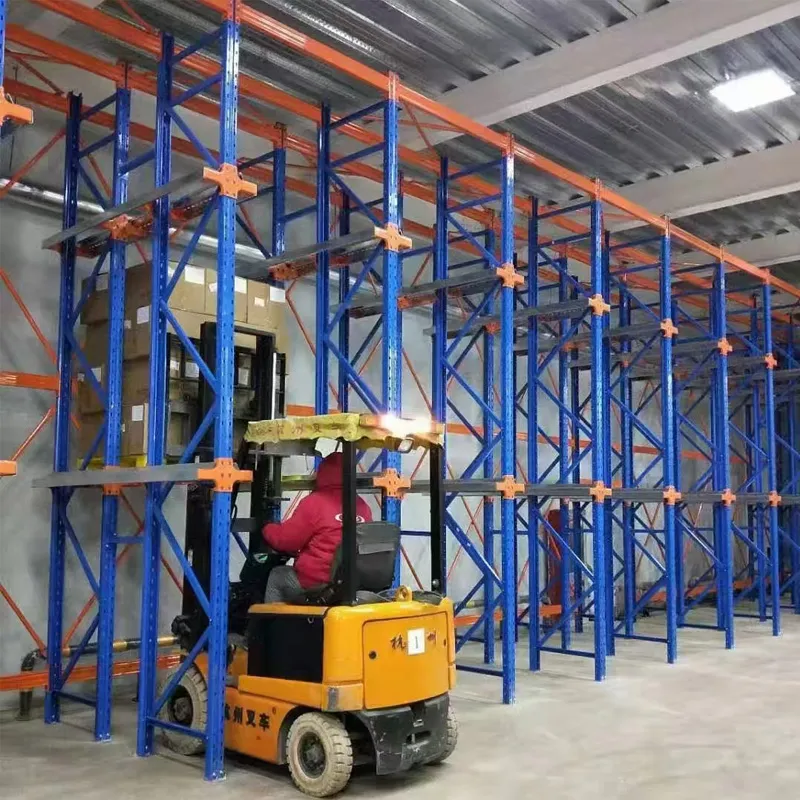
Nowadays there is a lot of talk about automation, everyone wants shuttles and robots. But this is not a panacea for every warehouse. I saw a project where the owner, having heard a lot about high technology, invested inracks for four-way shuttlesfor seasonal goods with low turnover. The equipment is expensive, and the efficiency turned out to be lower than that of conventionalpallet rackswith reach trucks. Payback is beyond the planning horizon.
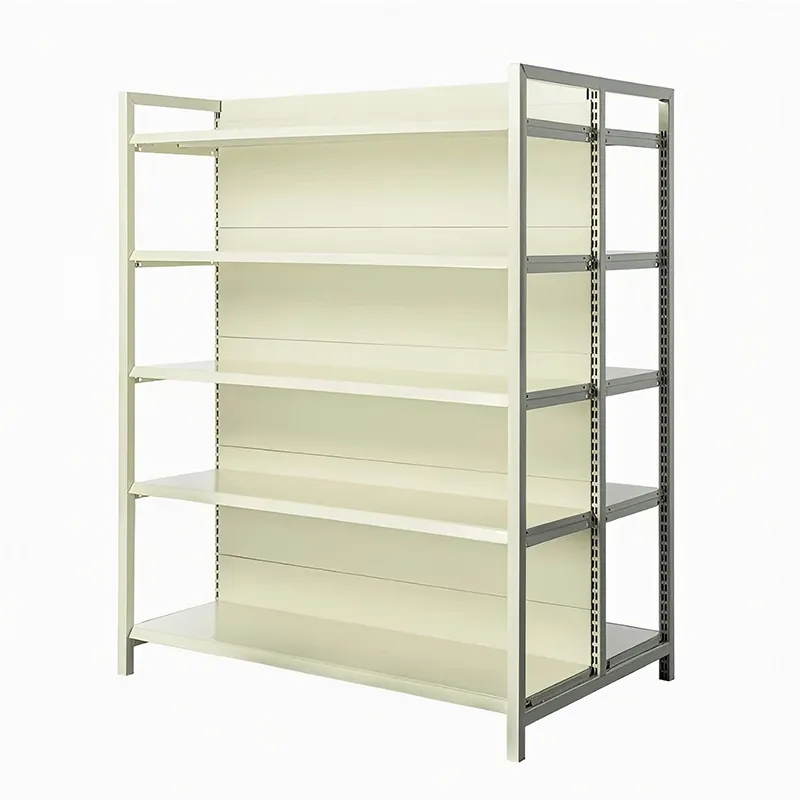
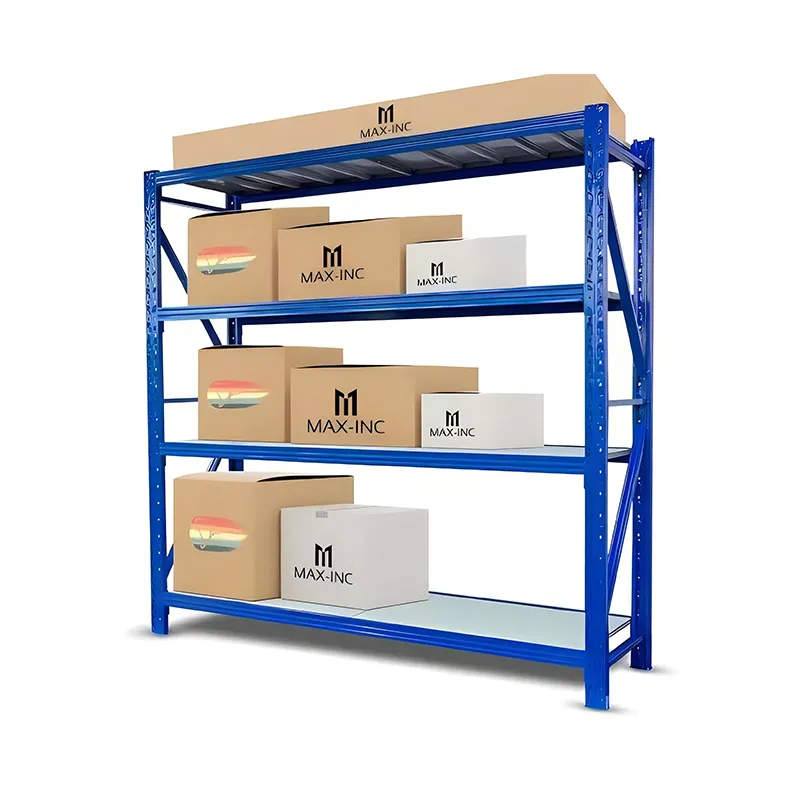
Classicbeam racks(crossbars) are still the workhorses of most warehouses. Their flexibility is their main asset. You can rearrange the beams, changing the height of the tier for different loads. But there is a nuance here: cheap locks tend to become loose over time due to vibrations. It is necessary to include regular inspection and tightening into the maintenance schedule.
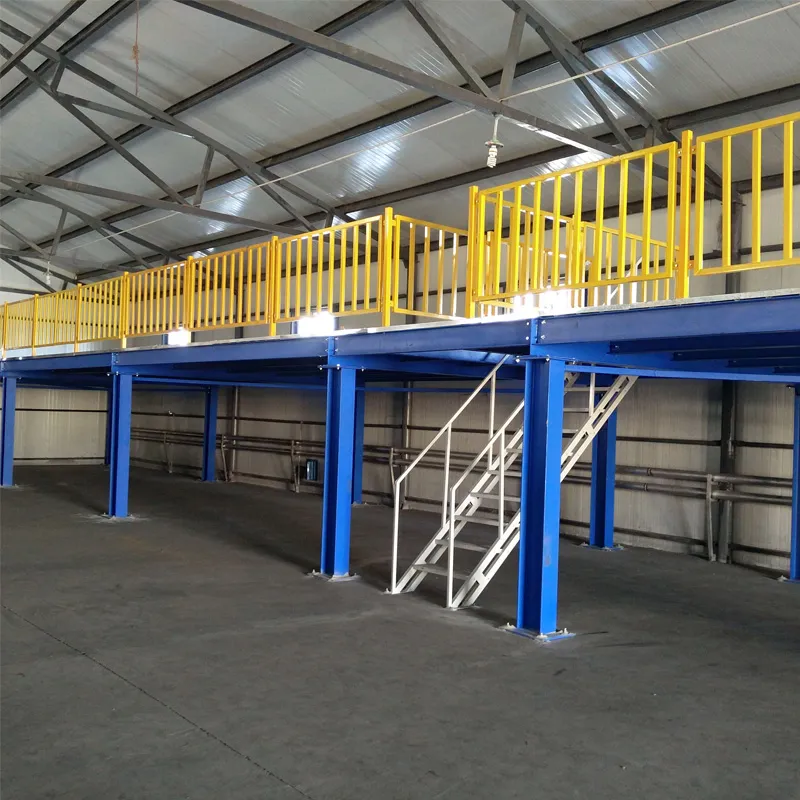
For small items or archives they often look awaymezzanine shelving. They provide a second tier, saving space. But here the load on the lower tier and, importantly, on the floors of the building itself is critical. One of our customers almost made a mistake by not checking the load-bearing capacity of the floor slabs in an old hangar. It's good that the designer is from the factory?Jusheng?requested technical documentation for the building before making calculations. It turned out that the load needed to be distributed differently, and the mezzanine structure had to be strengthened at key points.
You can make perfect racks, but ruin everything during installation. The most common problem is haste. The team assembles by eye, without using torque wrenches to tighten the bolts. It seems to be standing strong. And then, under load, the “game” begins. at connection nodes. Gaps gradually appear and the structure loses its rigidity.
Another painful point is anchoring to the floor. The type of anchor, the depth, the composition of the concrete - everything matters. In a shop with vibration from forklifts, simple expansion anchors can fail over time. We need chemical or other more reliable options. We usually ask for concrete data or even do a test fix if there is any doubt.
Good manufacturers who value their reputation either have their own trained installation teams or provide detailed instructions and control the process. From the descriptionHarbin shelving plant ?Jusheng?it is clear that they include after-sales service in their cycle. This is just about ensuring that the system works for a long time and without failures, and is not abandoned after shipment from the factory warehouse.
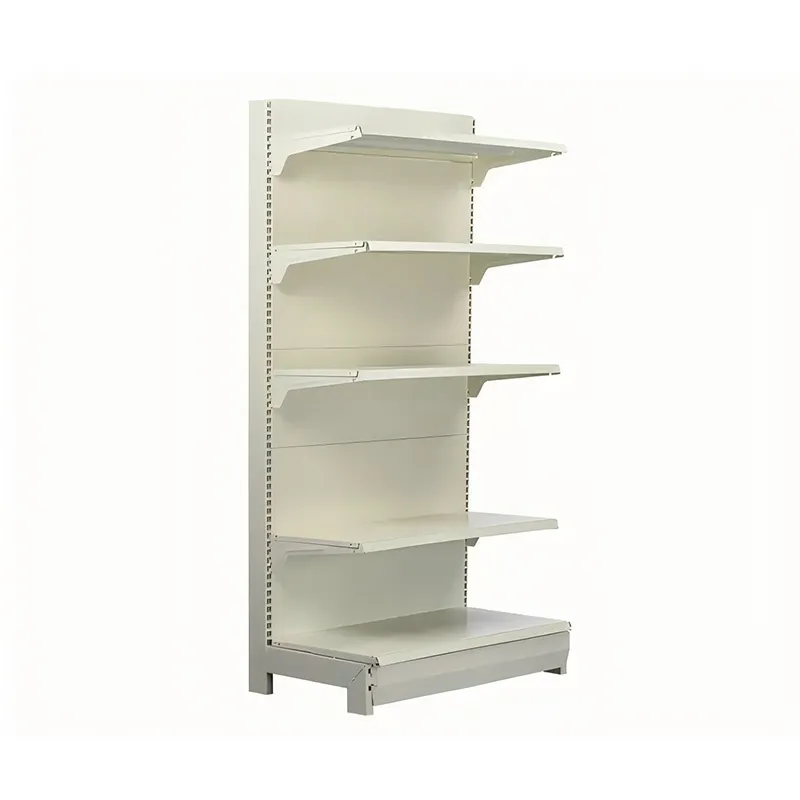
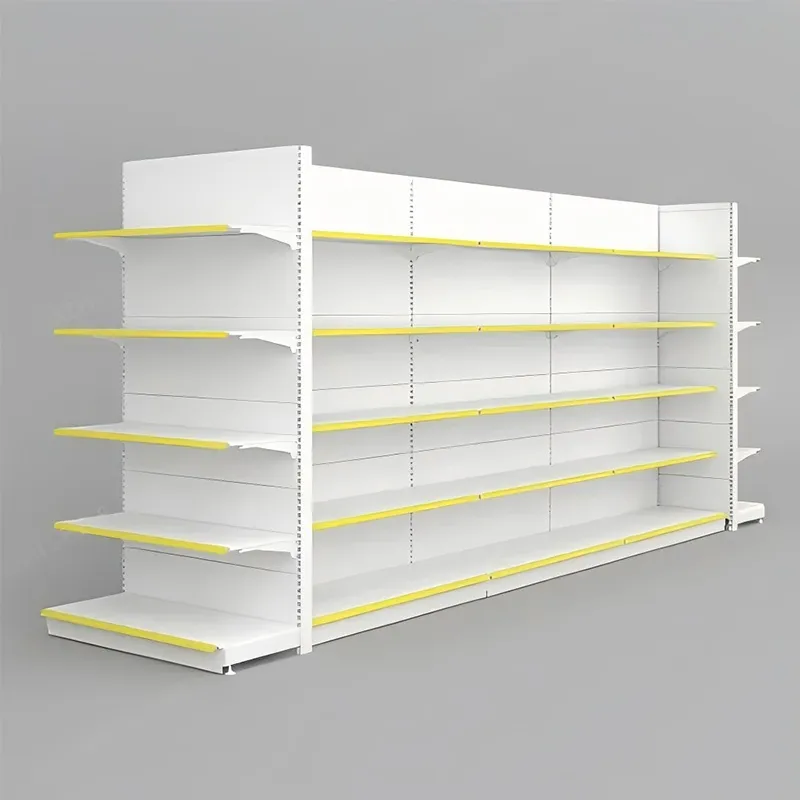
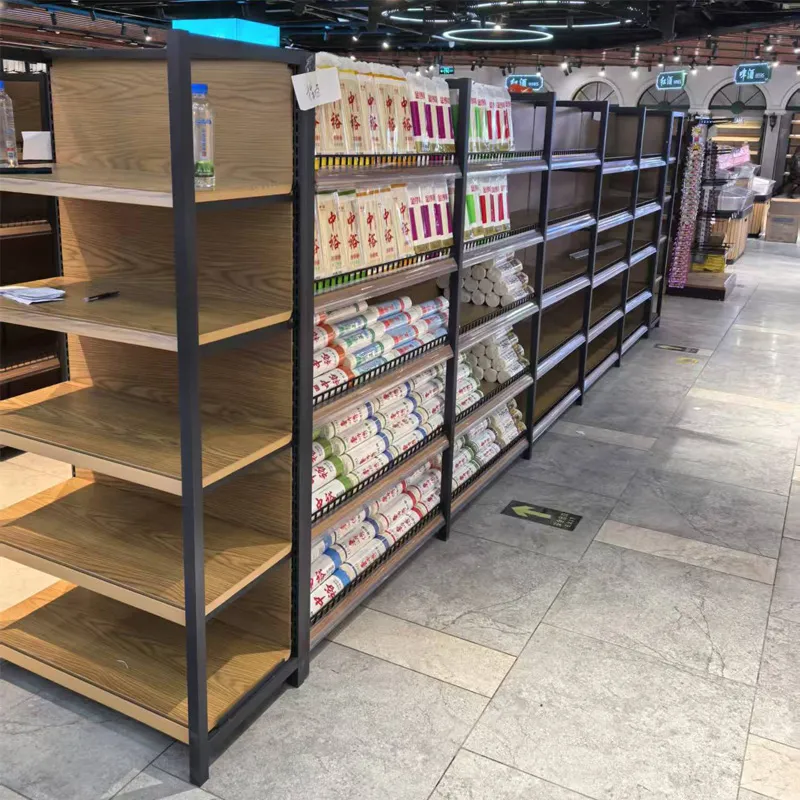
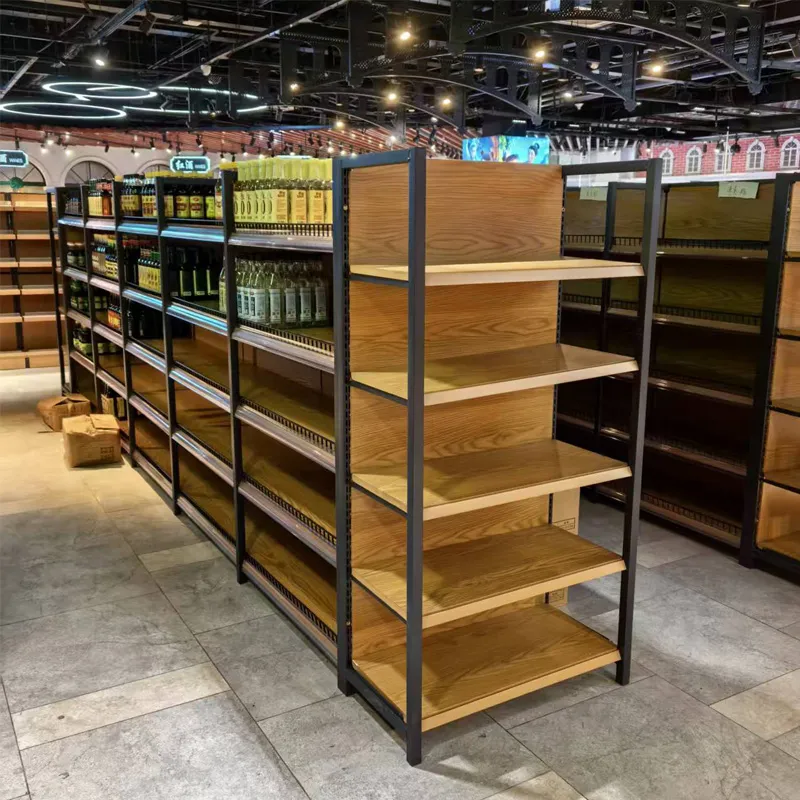
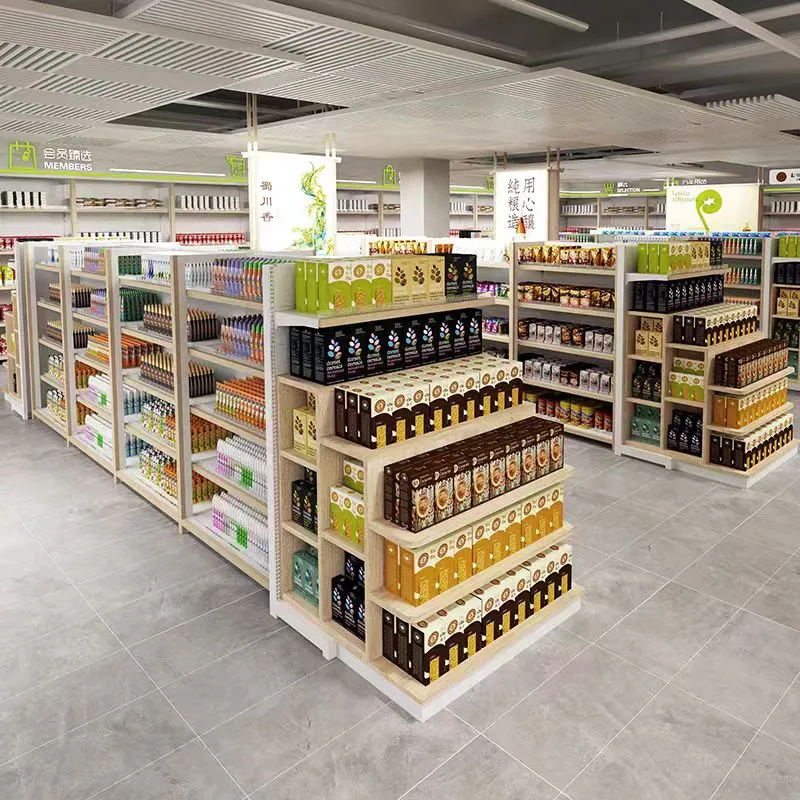
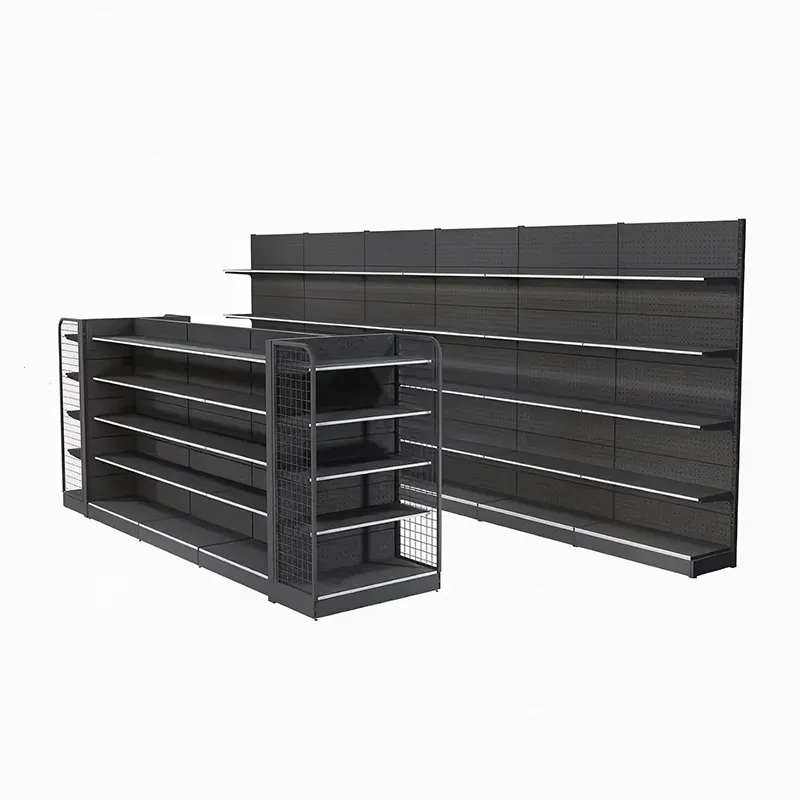
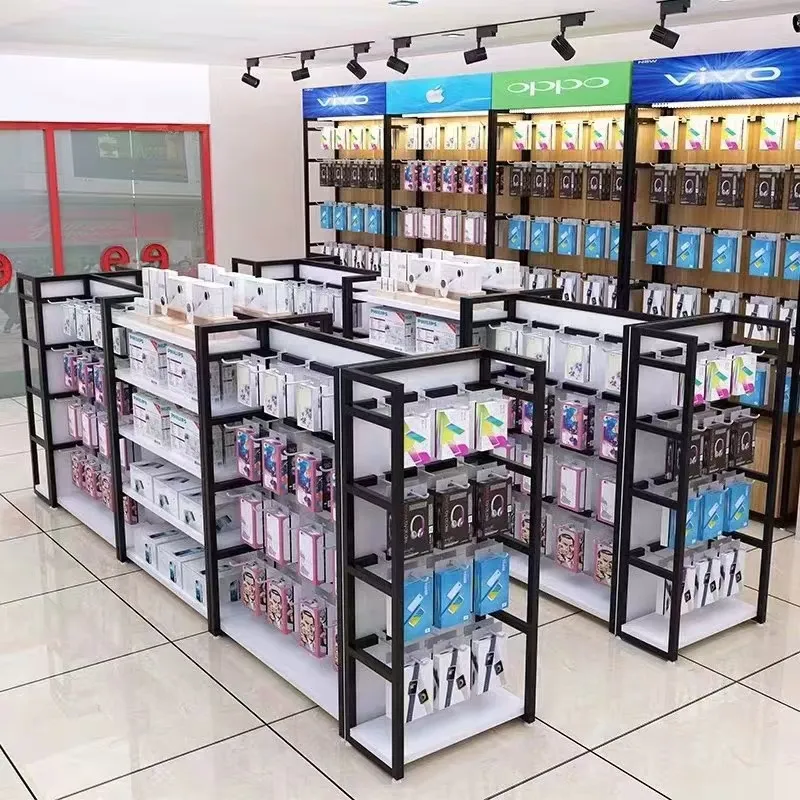
The customer always wants to save money. And that's okay. The task of a professional is to show where savings are possible without losses, and where they are dangerous. For example, you can reduce the thickness of the shelf byretail racks, if the product is light. But you can’t skimp on the thickness of the metal in the rackcantilever rackfor long lengths - here the bending loads are completely different.
They often try to save money on galvanizing. They say: “Our warehouse is dry, why hot-dip galvanizing?” But condensation, temperature changes, accidental damage during loading - all this leads to corrosion. After a couple of years, the rack loses its appearance and strength. High-quality metal processing is not an expense item, but an investment in service life. The same plant in Pingfang, judging by its scale, should have modern metal preparation and painting lines, which is critically important for the final product.
Security is not only a passport burden. This is both a safety margin and proper operation. I saw how the loader caught the lower beam and bent it. The client decided not to change, “and keeps it that way?” This is a time bomb. Any damage is a reason for an unscheduled inspection and replacement of the element. A real specialist will not just sell, but will explain these rules, and perhaps even include staff training in the contract.
Warehouses are changing. The product range, logistics flows - everything is unstable. Therefore, systems that can be quickly adapted are now valued. The sameracks for four-way shuttles- this is, in fact, a ready-made framework for high automation. But even for conventional systems, it is important that the manufacturer can quickly supply additional sections and components for redevelopment.
Here again, big players with a full cycle win, like?Jusheng?. Our own production and a wide range of products (in the description they list retail, warehouse, mezzanine, and console systems) allow us to be a more flexible partner for the client. If in a year you need to expand your warehouse or change the configuration, you won’t have to look for another supplier and worry about compatibility.
In the end, the choicewarehouse rack structuresis always a comprehensive solution. There is no one best type. There is the right solution for a specific task, budget and space. And it is born not from a catalog, but from a dialogue between a knowledgeable customer and an experienced, technologically savvy manufacturer who sees the project not just as a sale, but as a long-term system. This is precisely the approach that the plant, founded in 2019 and quickly taking a leading position in northeast China, seems to be striving for. Their journey is a good example of how important it is to have not only equipment, but also competence.