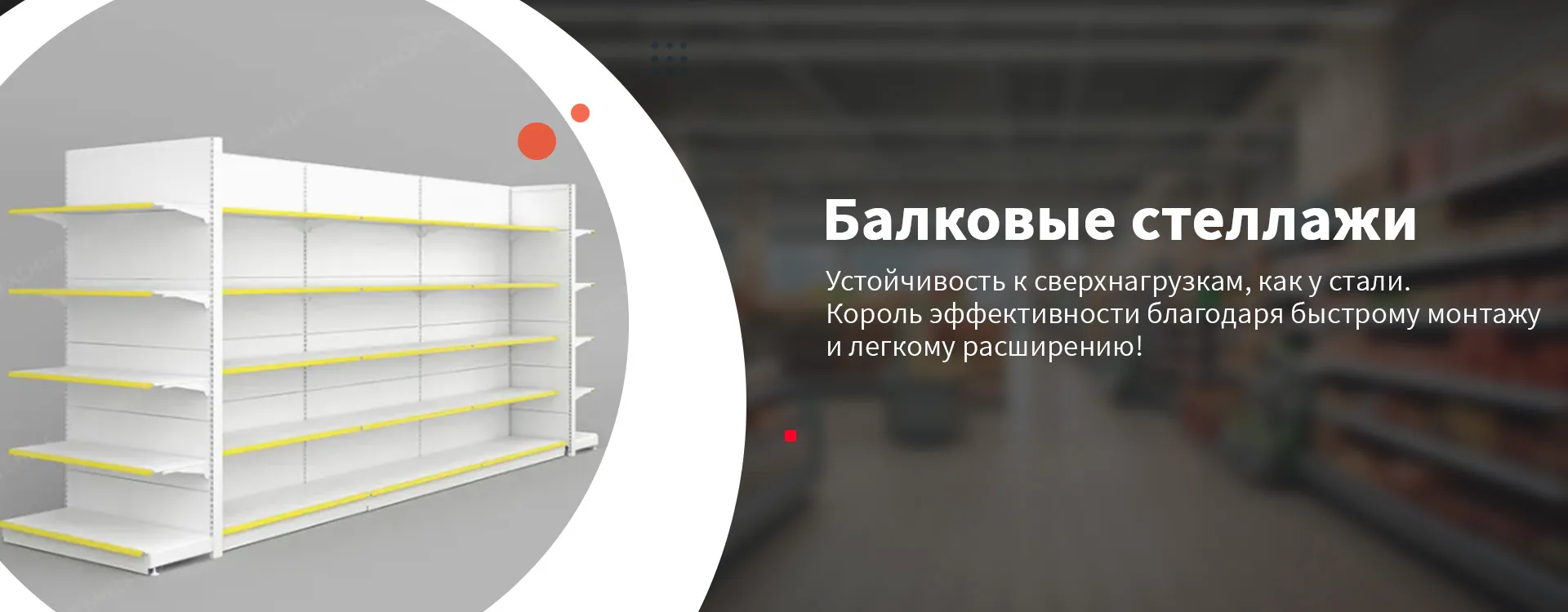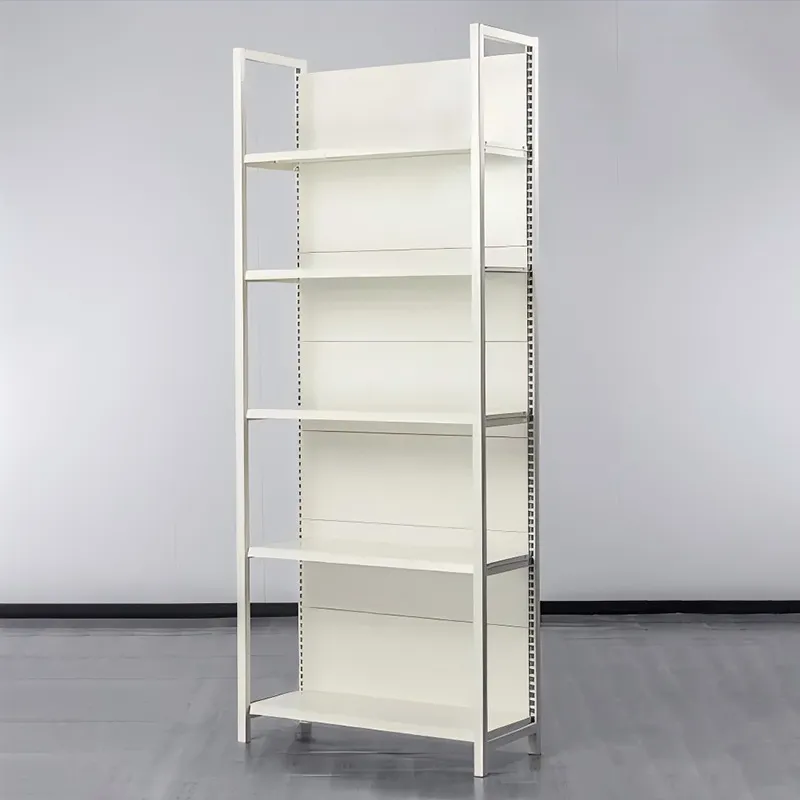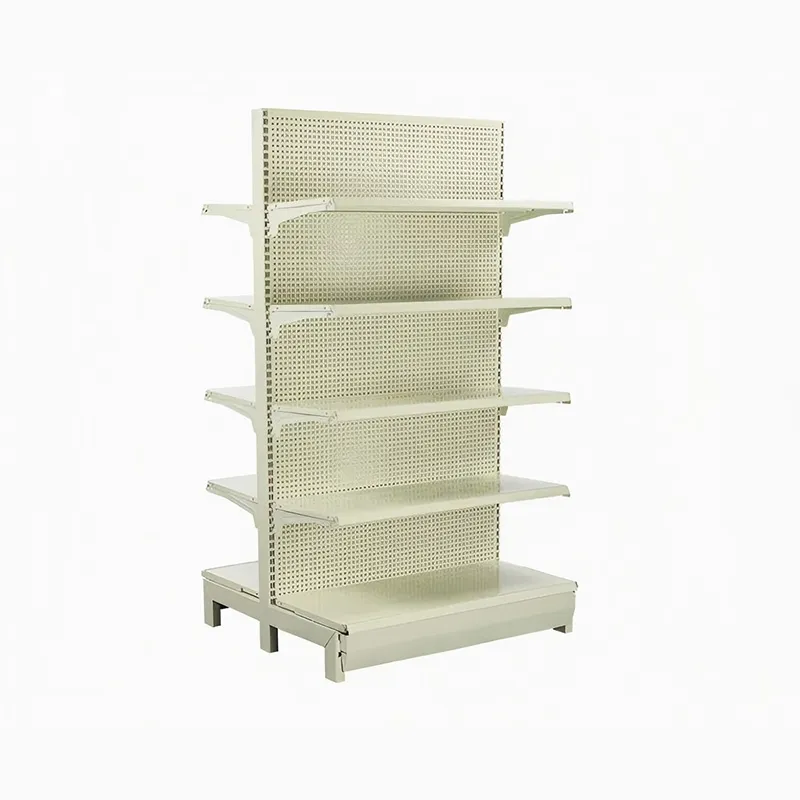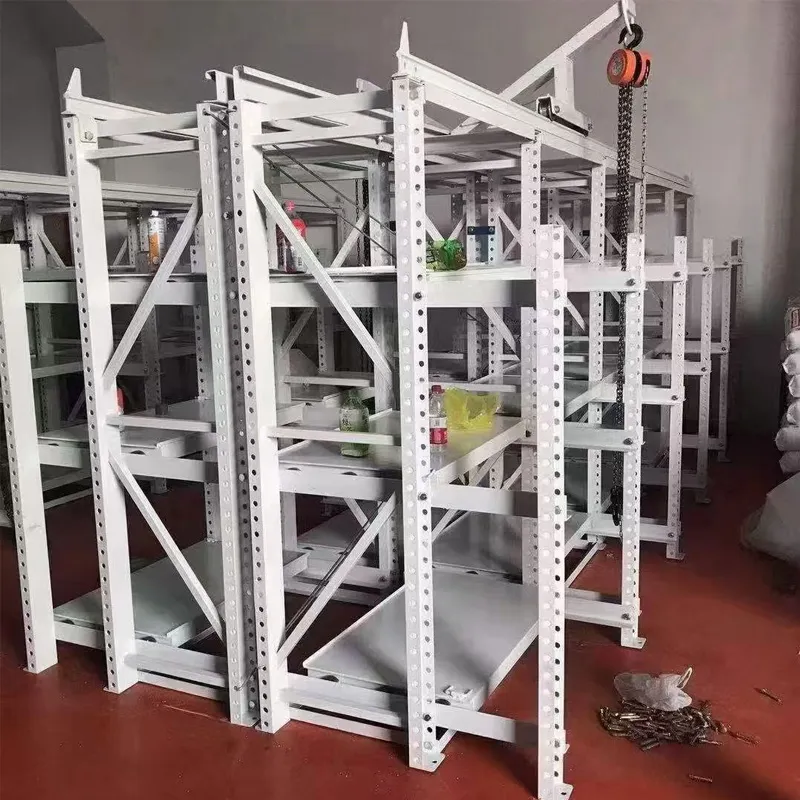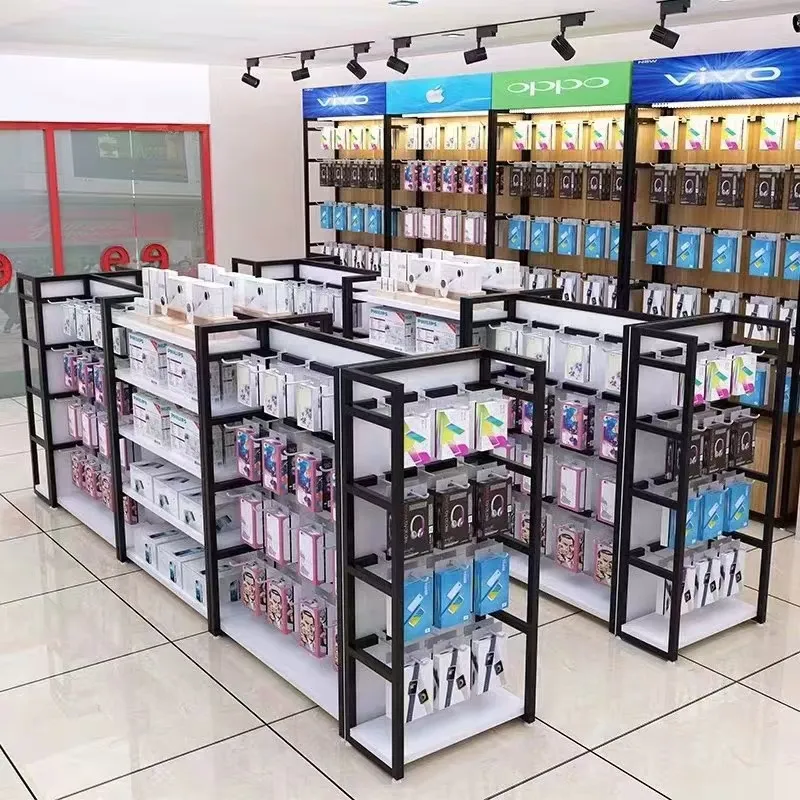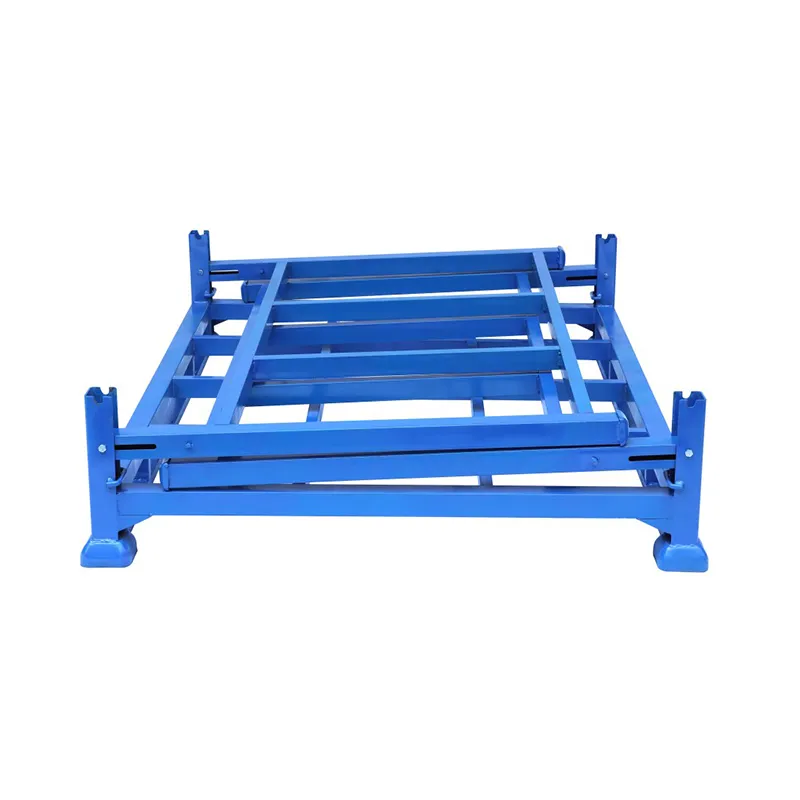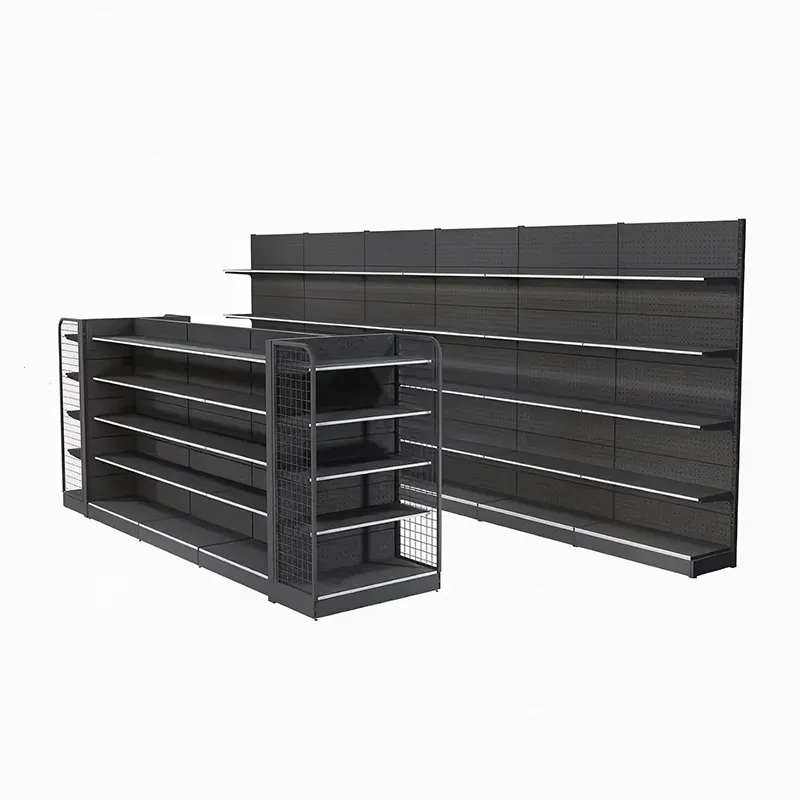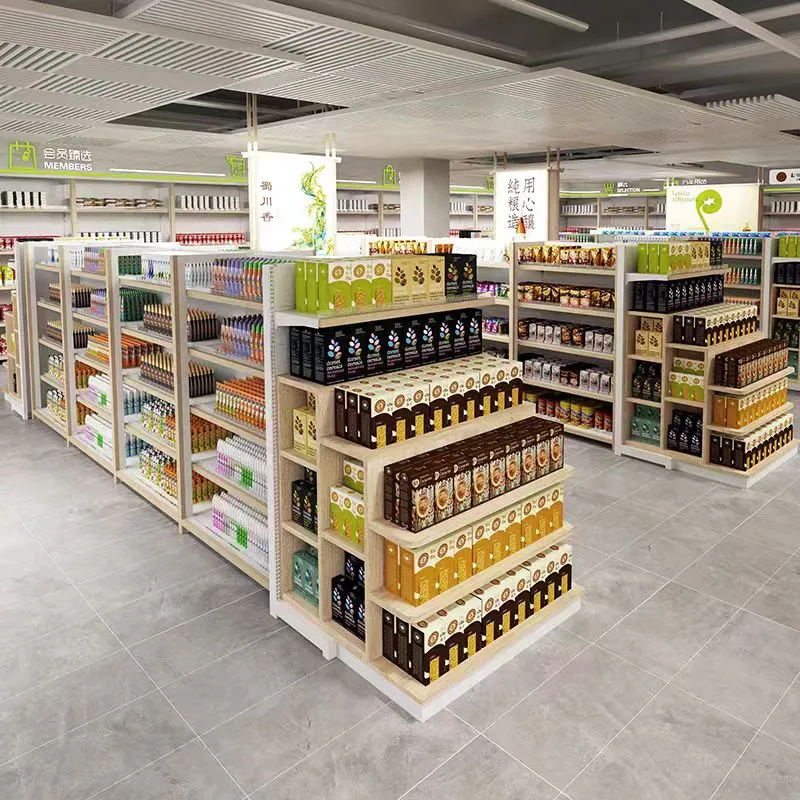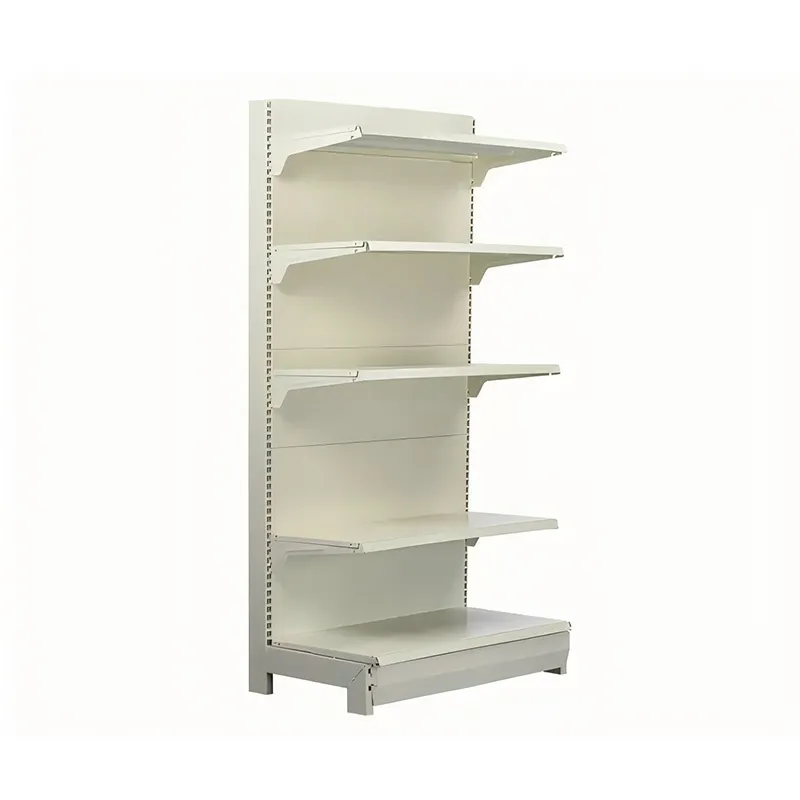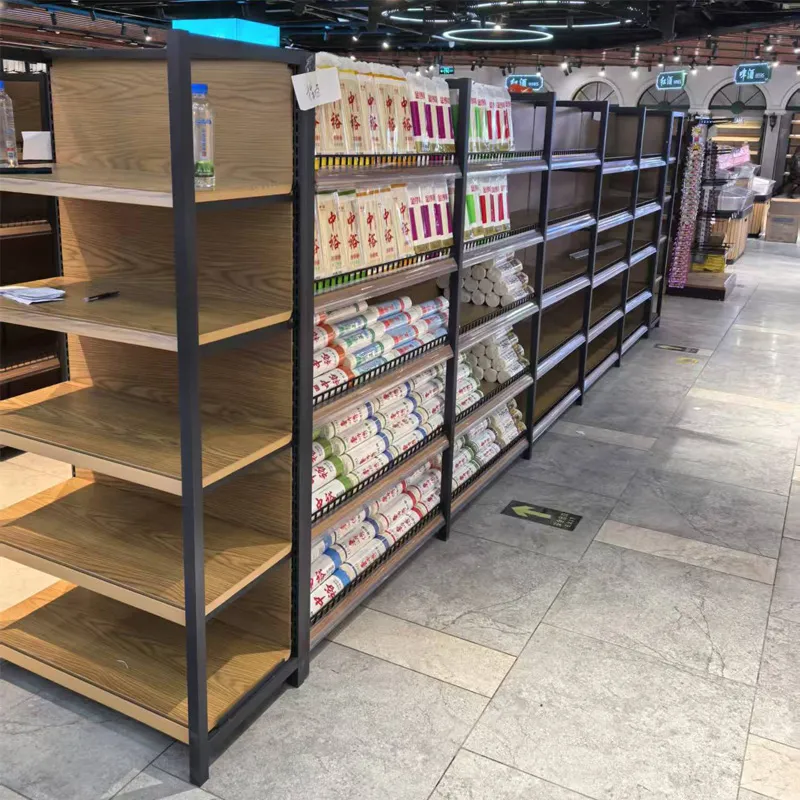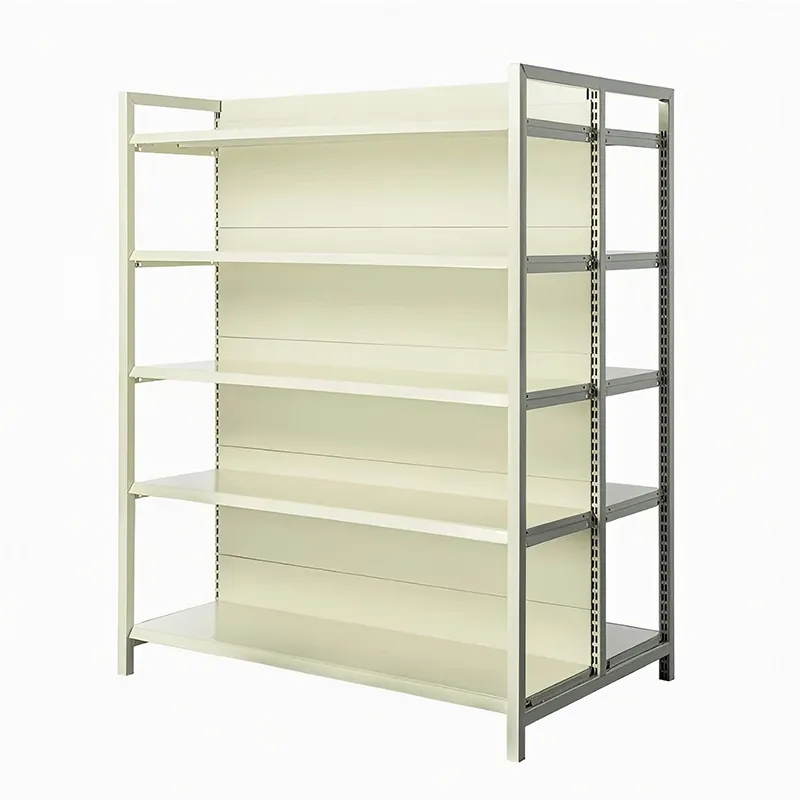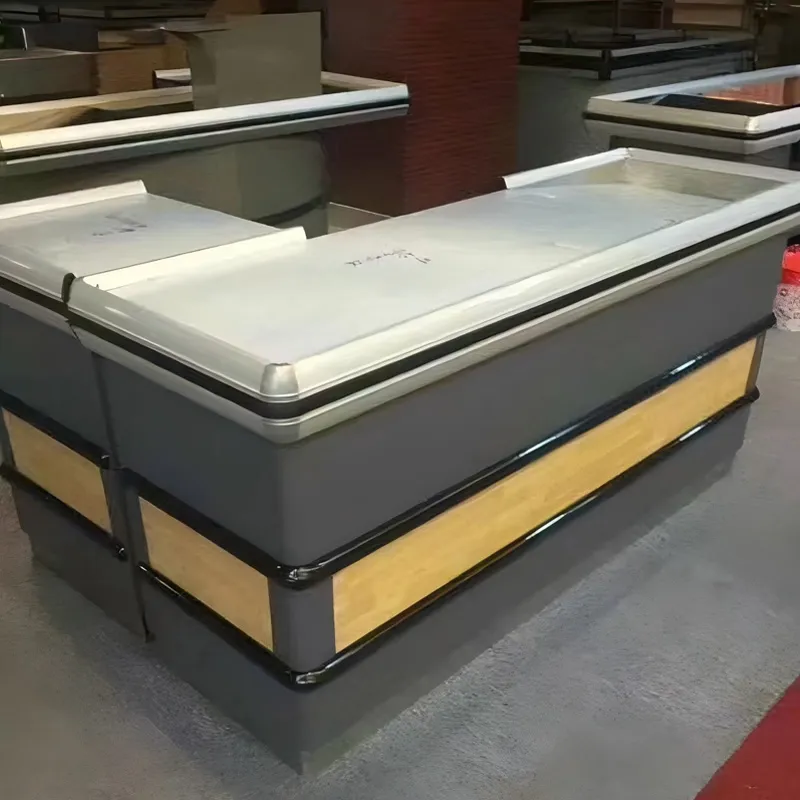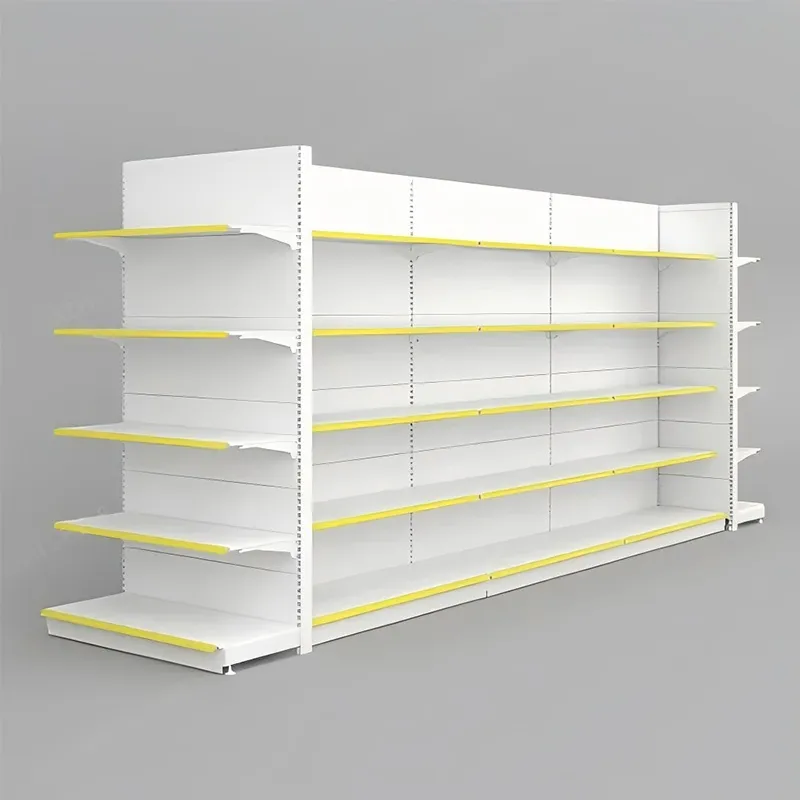
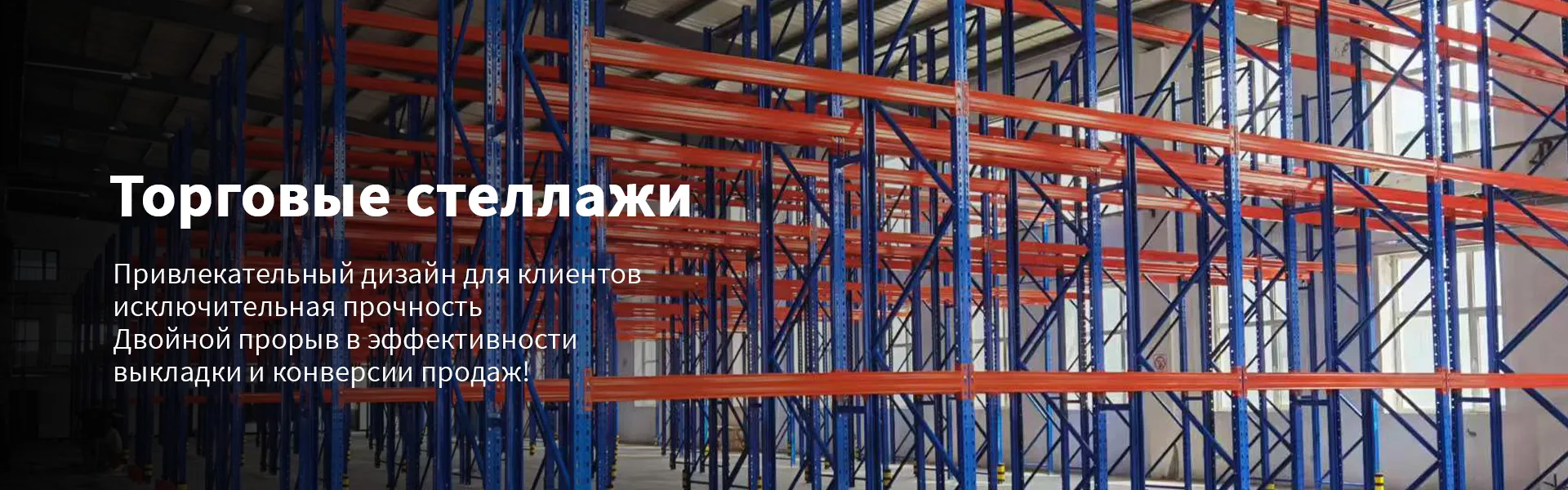
When people say 'warehouse equipment', many people immediately imagine rows of metal shelving. This is, of course, the basis, but only part of the picture. A common mistake is to think that you have bought shelving and the warehouse is ready. In fact, it’s like buying bricks and considering that the house is built. The reality is more complicated: the equipment must work as a single organism, and the choice of a specific solution always begins with an analysis of cargo flow, the specifics of the product and, what is often missed, the future growth of the business. This is what I would like to speculate on, based on what I have seen in practice.
The biggest headache is when ready-made racks are delivered, but they don’t fit. Not in height, not in terms of load, or the installers are running into an unaccounted for column. I've seen this more than once. It all comes down to a competent project. What is needed is not just a drawing, but a full calculation of loads, a layout diagram taking into account passages for forklifts, and fire regulations. Sometimes it seems that you can save money by taking a standard project, but for a medium and large warehouse this is almost always the path to additional expenses later.
Here, by the way, it is important to work with those who lead the full cycle. Take, for example, a factorywarehouse equipmentfrom Harbin -Harbin Jiusheng Metal Structure Manufacturing Co.,Ltd. They position themselves as a full-cycle enterprise: from design to installation. These are not just words. When the manufacturer himself designs what he will do, the responsibility is different. He will establish the correct tolerances for the metal and suggest the optimal configuration. Their plant, founded in 2019, is precisely tailored to this approach: a large area, automated lines - this is about the ability to do not “something”, but exactly what is needed for a specific task.
Experience shows: a reputable manufacturer will never start cutting metal without a signed and agreed technical specification. And that's right. Because it is difficult and expensive to remake a finished rack or beam. It’s better to spend an extra week on clarifications than to spend months dealing with the consequences.
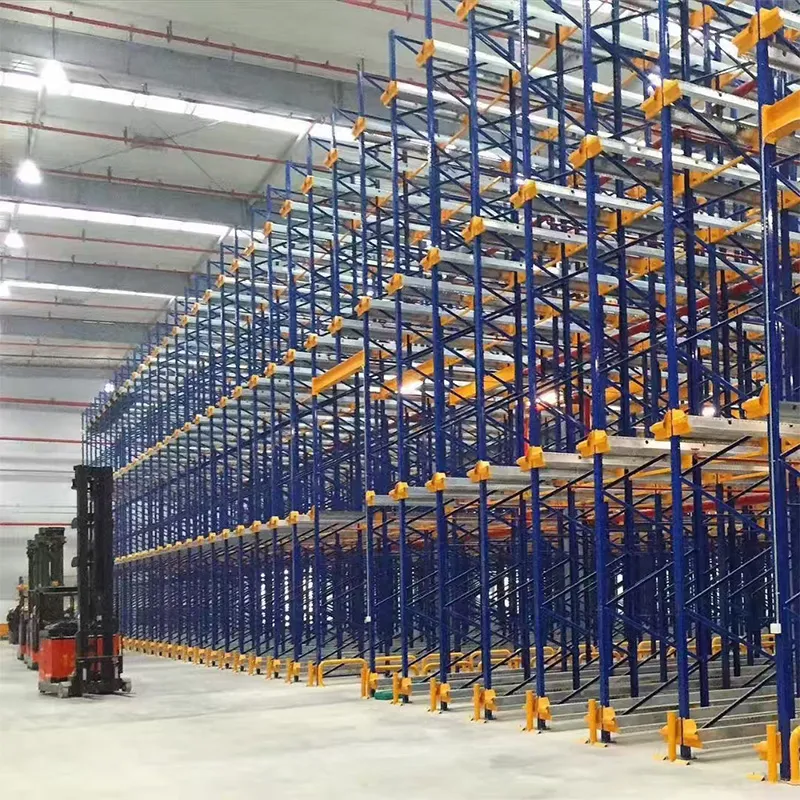
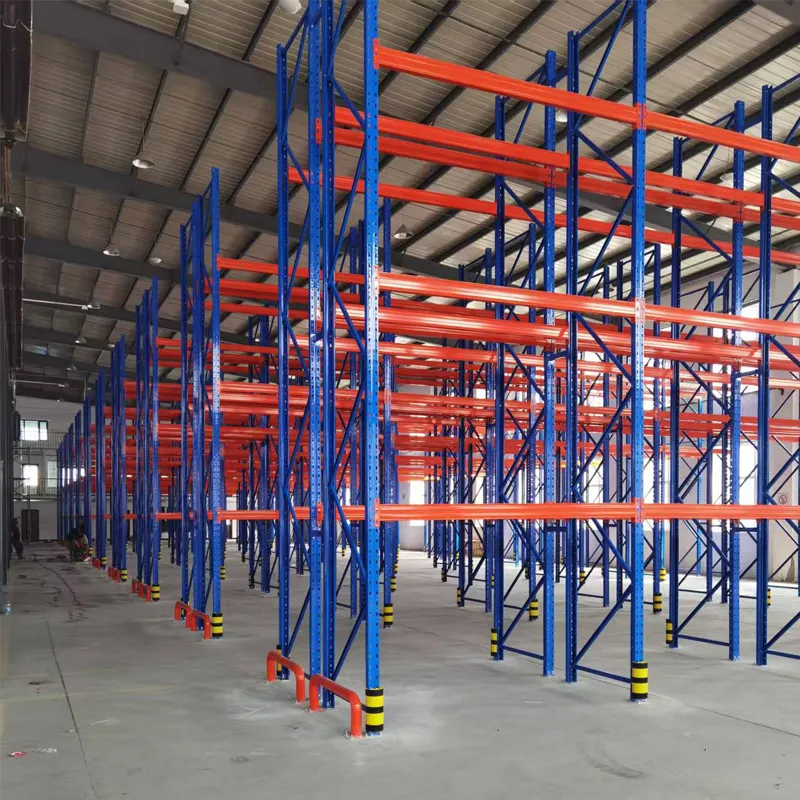
This is where the real engineering begins. Everyone knows about pallet racks, but they often forget about the nuances. For example,beam racks(reach trucks) are a great thing for dense storage of homogeneous pallets, but they require special equipment and a perfectly flat floor. The slightest slope - and problems with entry.
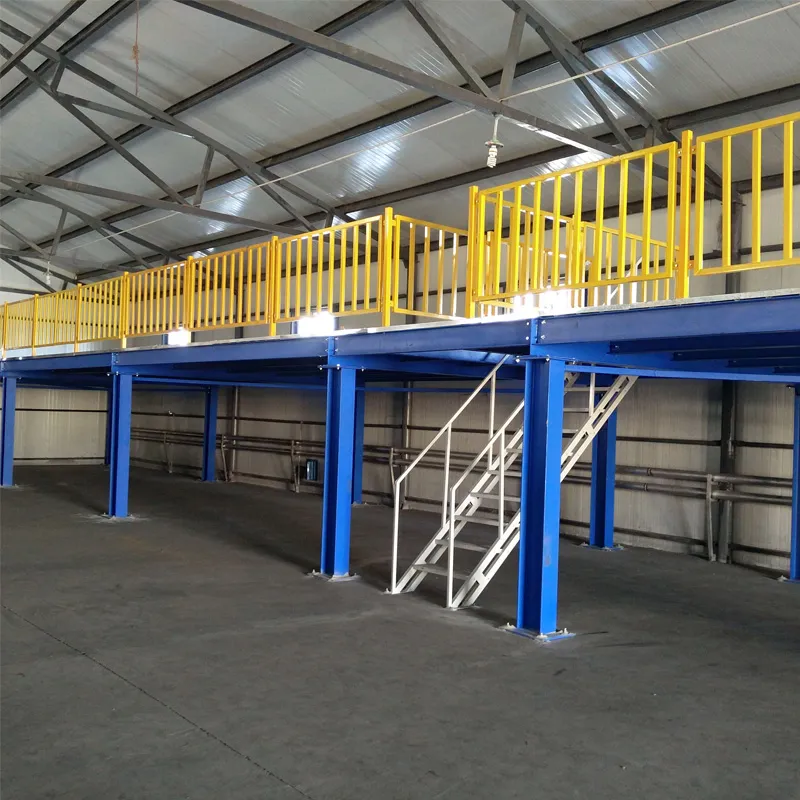
Butmezzanine shelving- this is already a story about the effective use of height. But you can’t put them in any room. We need a calculation for the additional load on the floors, a well-thought-out lighting and security system on the upper tiers. I saw an object where a mezzanine was installed, and then it turned out that the stackers could not work normally on the second tier due to the low lifting capacity of the elevator. Miscalculation at the stage of equipment selection.
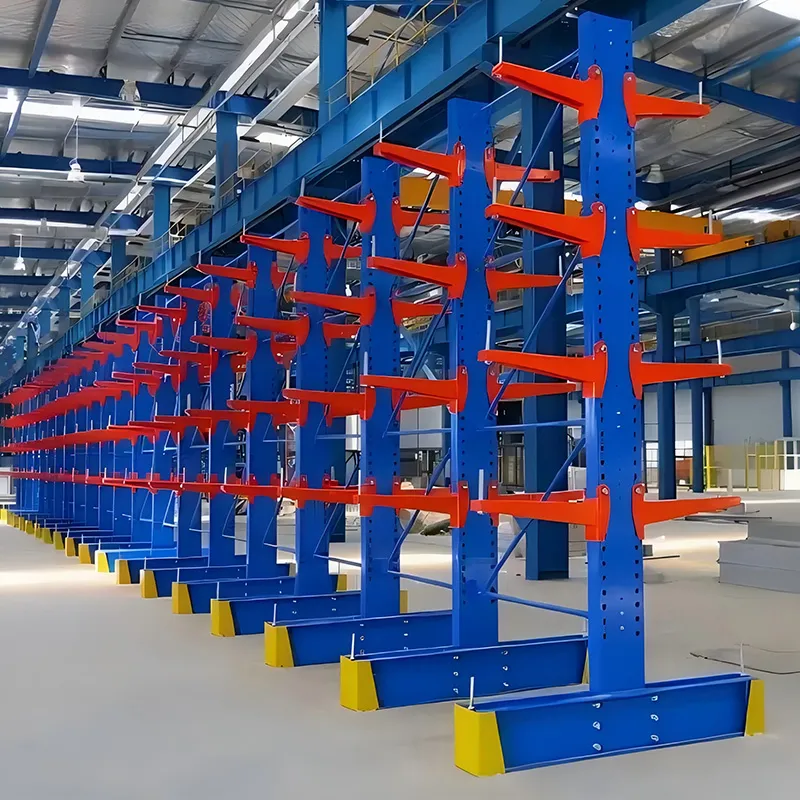
Cantilever racks for long items, racks for four-way shuttles - each type has its own niche. Shuttle systems, for example, already have a high level of automation, are expensive, but for certain logistics tasks they are indispensable. The Jusheng plant, judging by its assortment, covers exactly this entire spectrum - from simple shelf systems to complex shuttle systems. This indicates the seriousness of the approach, but also requires a clear understanding from the customer: what is actually needed? Sometimes a client asks for the “most modern”, but in fact, reliable beam structures are enough for his turnover.
Even with an ideal project and high-quality metal, everything can be ruined at the installation stage. This is a critical phase. It’s good if the manufacturer, like the same Harbin company, offers installation on its own. Because they know the nuances of their design. Third-party installers may tighten the bolt to the wrong torque, under-tighten or over-tighten, which affects the overall rigidity of the structure.
In practice, you often encounter problems with preparing an object. The floor should be set to zero. Not 'approximately', but exactly zero. A difference of a couple of centimeters in the length of a row of racks then results in distortions, difficulties with installing beams, not to mention safety. I've seen installers place metal plates under the racks - this is a crutch, not a solution.
Another point is timing. Installation of complexwarehouse equipment- this is not one day. Warehouse downtime must be taken into account. Therefore, proper planning of work, perhaps overnight assembly, is something that needs to be agreed upon in advance. And here again, the manufacturer with its own installation teams has an advantage: their process is shipped - delivered - assembled in a more manageable way.
A very revealing point is how the company behaves after the commissioning of the facility. You can set the shelves and forget about them. Or you can carry out periodic inspection, tightening of connections, checking geometry. The metal 'plays', the loads change. Regular inspection is not a whim, but a necessity to prevent accidents.
Security is a separate big topic. The loader caught the rack, causing a slight bend. What to do? Not every warehouse manager will understand this. You need clear instructions from the manufacturer and the ability to call a specialist to assess the damage. The presence of a full-fledged support service, as stated by Jusheng, is a serious plus. Because the equipment operates in an aggressive environment: vibrations, shocks, temperature changes.
And modernization. The business is growing, we need to expand the section, increase the height. If you initially worked with a flexible manufacturer that uses modular principles, this task is easier to solve. If the racks were 'tight welded' to a specific size, then the upgrade can be comparable in price to a new system. Therefore, when choosing, it is worth looking ahead and discussing such scenarios in advance.
In the end, back to the beginning.Warehouse equipment- this is not an expense item that needs to be minimized. This is an infrastructure investment in business logistics. Saving on the quality of metal, design or installation almost always backfires: reduced safety, loss of area efficiency, and in the worst case, collapse.
Choosing a manufacturer means choosing a partner for years. It is important to look not only at the catalog, but also at the approach: is there in-house design, a full production cycle, installation teams, service. Like, for example, the same Harbin plant, which has been developing exactly this model since 2019. This gives a certain confidence.
The main conclusion that comes with experience: there is no universal “best” rack. There is an optimal solution for specific tasks, budget and growth plans. And his search begins with an honest answer to the question: 'How do we actually work and want to work in two years?' Without this, any, even the most technologically advanced equipment, can become just a pile of expensive metal in the corner of the warehouse.