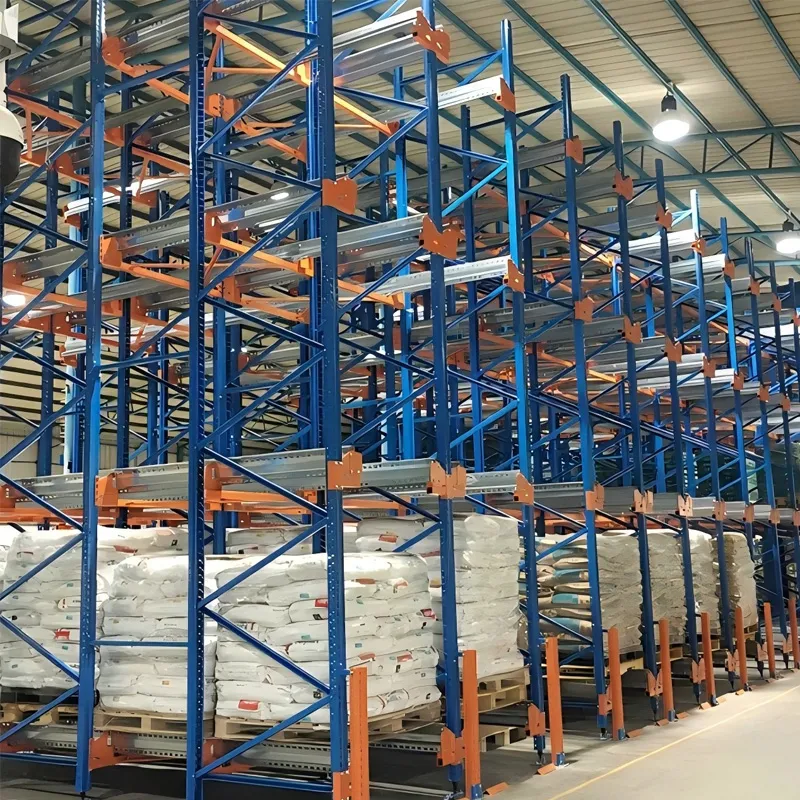
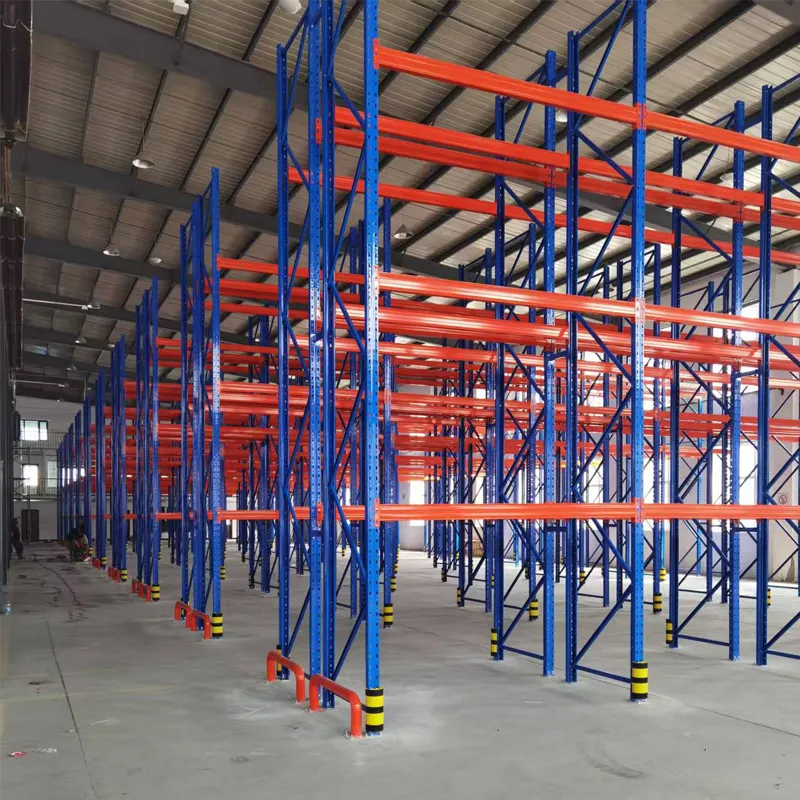
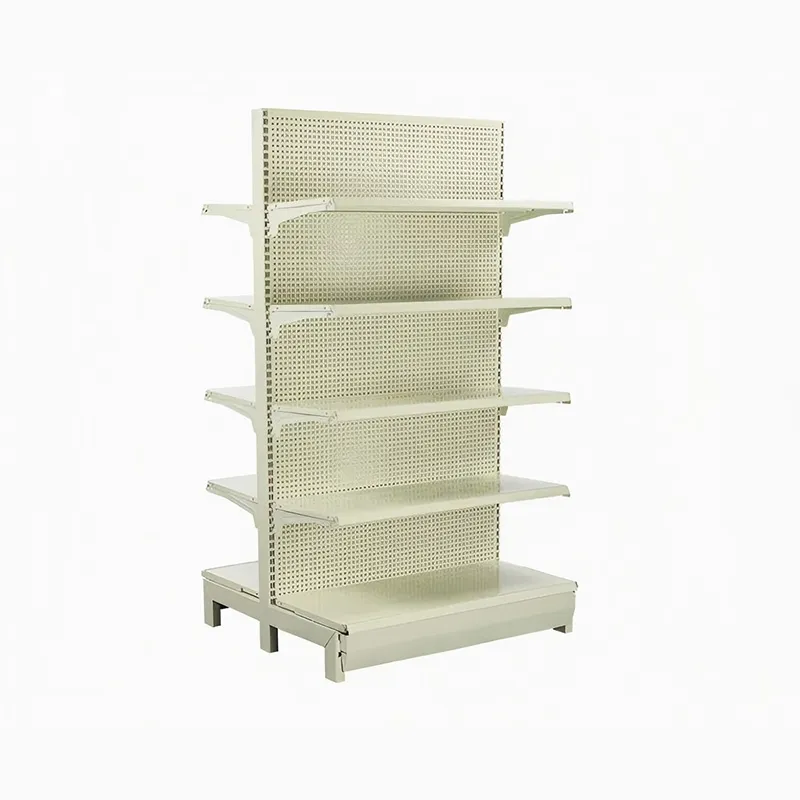
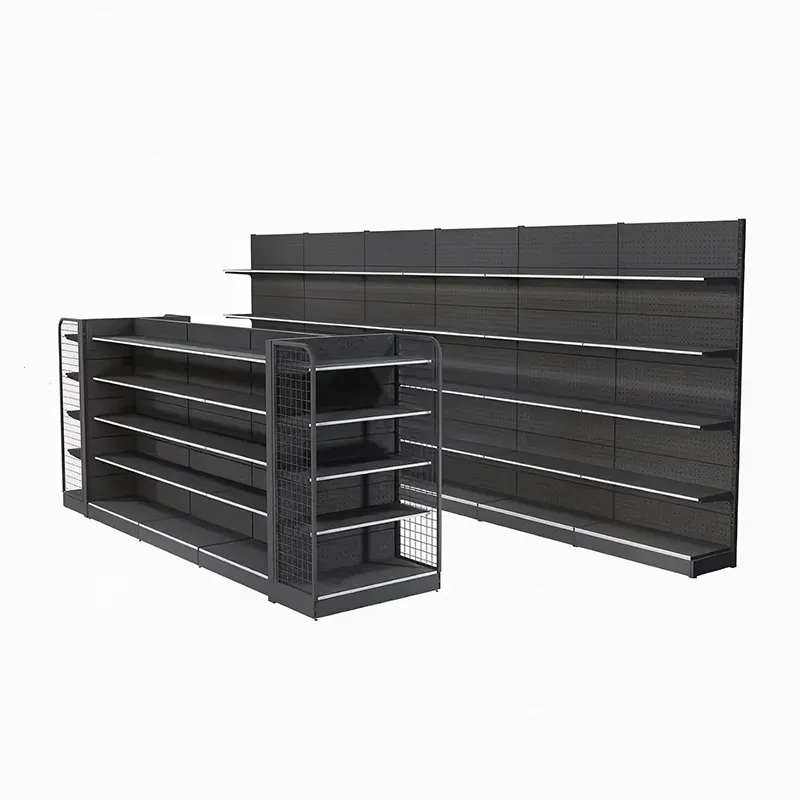
When they say “heavy racks,” many people immediately imagine just very thick shelves or powerful beams. This, of course, is part of the truth, but only the tip of the iceberg. In fact, all the complexity and cost lies not in the rolled metal itself, but in the calculations of components, in understanding the real loads in the warehouse and, critically, in the installation logic. A common mistake is that the customer demands “with a reserve”, thinking that this is more reliable and cheaper than design. And then it turns out that the foundation is not designed, or the pitch of the columns does not allow the loader to be used effectively. Or, even worse, the rack is standing, but its load-bearing capacity “floats?” due to incorrectly assembled connections. I went through this myself.
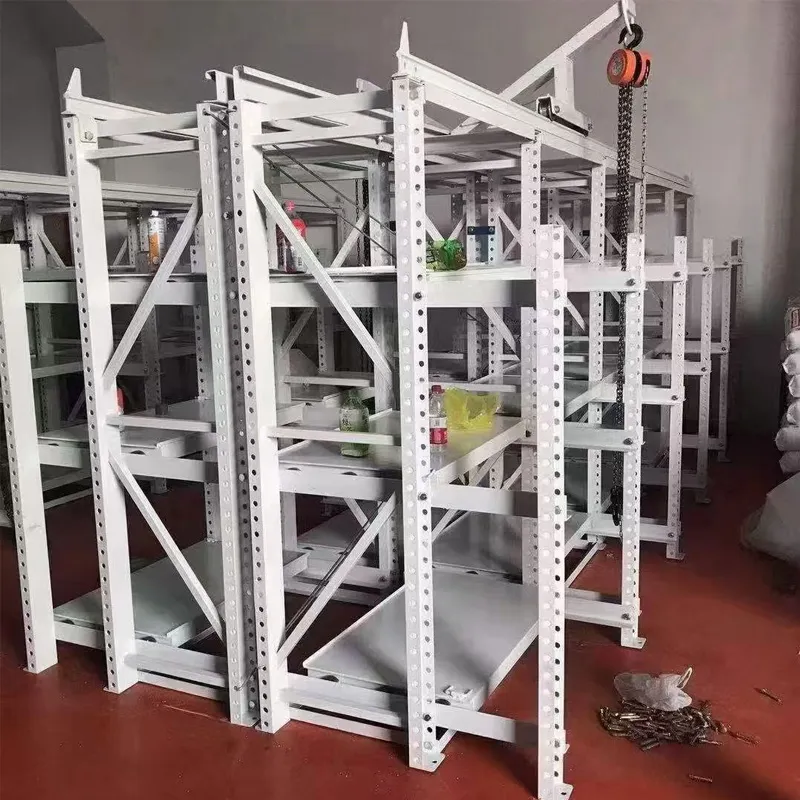
It all starts not with production, but with the project. And the key here is dialogue. It's not enough to just get a warehouse plan. You need to find out a lot of details: which pallets will be used (size, weight, protrusions), the type of loading equipment (reach truck, stacker, front loader), its dimensions and turning radii. Often the client himself does not know all the nuances, so the engineer’s task is to ask the right questions, sometimes even to anticipate problems. For example, forheavy shelvingFor coils of metal or sheet glass, not only the vertical load is critical, but also the dynamic load due to vibration during unloading. These are completely different calculations for fastening points.
Here, by the way, you can see the difference between just a welder and an engineering worker. Let's take, for example, a factory?Harbin Jusheng Metal Structure Manufacturing Co.,Ltd.(their website isjshj.ru). They position themselves as a full-cycle enterprise, and these are not just words. When you have your own design bureau and modern CNC cutting and bending lines, you can afford not just to do “according to the catalogue,” but to adapt the design to a specific object. This is especially important for non-standard heights or complex configurations, where each node must be calculated. Their territory is 20,000 square meters. m in Harbin is, in fact, the ability to control the entire process, from sheet metal to packaging of finished units.
But even with a good project, things can go wrong at the materials specification stage. There is a subtle point here: saving on the thickness of the metal or on the quality of the steel (for example, using St3 instead of more durable grades for critical elements) is not noticeable at first. The rack will be assembled and will remain standing. Problems will appear later - fatigue cracks in places of stress concentration, increased deformation under prolonged load. Therefore, in the specifications forheavy racking systemsWe always insist on providing metal certificates. This is not bureaucracy, but insurance.
The fun begins at the site. You can have perfect drawings, but if the installation team works by eye, all reliability goes to hell. This is especially true for the verticality of the racks and the tightening of bolted connections with a given torque. Forheavy shelvingeven a slight misalignment of a few millimeters at a height of 12 meters can lead to a catastrophic redistribution of loads. I had a case at one of the food warehouses: the installers were in a hurry and did not check the level of the foundation. As a result, it was necessary to dismantle the already assembled sections and install additional compensation spacers under the shoes. Waste of time and money.
Another scourge is logistics and storage of components on the construction site. Beams forheavy shelvingweigh hundreds of kilograms. If they are dumped into a pile rather than separated into assembly areas, installation turns into a nightmare with constant dragging by crane. This increases the risk of damage to the protective coating (most often powder paint) and, again, leads to downtime. A good contractor always agrees in advance on a delivery schedule for components tied to the installation stages.
And, of course, acceptance. Many people think that it is enough to see whether the structure is level. In fact, it is mandatory to check the geometry of the openings, compliance with the calculated dimensions, as well as the test load. It is not always possible to load the rack 100%, but at least selective installation of pallets with a reference weight and visual monitoring of deformations (or lack thereof) is a must have. Sometimes in the process of such verification, “soft” ones are identified. places, for example, the diagonal connection in the depth of the row is not rigid enough.
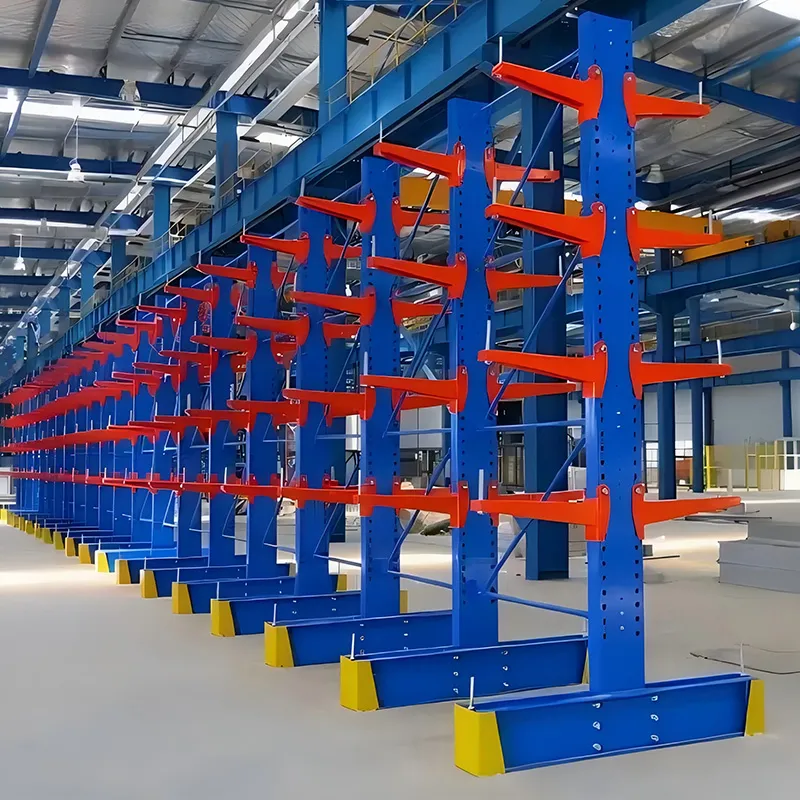
I would like to give an example that well illustrates the importance of an integrated approach. There was a project for a metal warehouse, we neededcantilever racksfor long rentals. The customer initially contacted a local workshop, which made a “similar” one. design. They made it from what they had, without taking into account the specific load (uneven along the length of the console). Six months later, the consoles began to “float”, and a dangerous deflection appeared. I had to dismantle everything.
They contacted us (and we, in turn, collaborated with manufacturers like the one mentioned?Harbin Jusheng?for complex orders). The first thing we did was conduct an audit: we measured the actual weights of the rods and the frequency of loading/unloading. It turned out that the dynamic loads during crane laying were underestimated. We designed a new system with reinforced attachment points for consoles to racks and with stiffening ribs of a certain configuration. The key was not just to make it thicker, but to distribute the tension correctly. After installation and test loading, no more problems arose. This case showed that forheavy racking systemsThere are no universal solutions “from a catalogue”.
What's in the bottom line?Heavy shelvingis always an individual engineering product. Their reliability is determined by the weakest link in the chain: calculation - material - production - installation. Saving at any of these stages is not saving, but deferred risk. Choosing a manufacturer with a full cycle, its own design bureau and a serious fleet of equipment (like the same Harbin plant) is not just a matter of price, but a matter of quality control and responsibility. After all, not only the safety of the cargo is at stake, but also the safety of the people in the warehouse.
Therefore, the next time you consider a project, ask questions not only about the price per ton, but also about who counted the components and how, what steel the beams will be made of, and whether the installers have torque wrenches. These details distinguish a simple metal structure from a professional warehouse system.