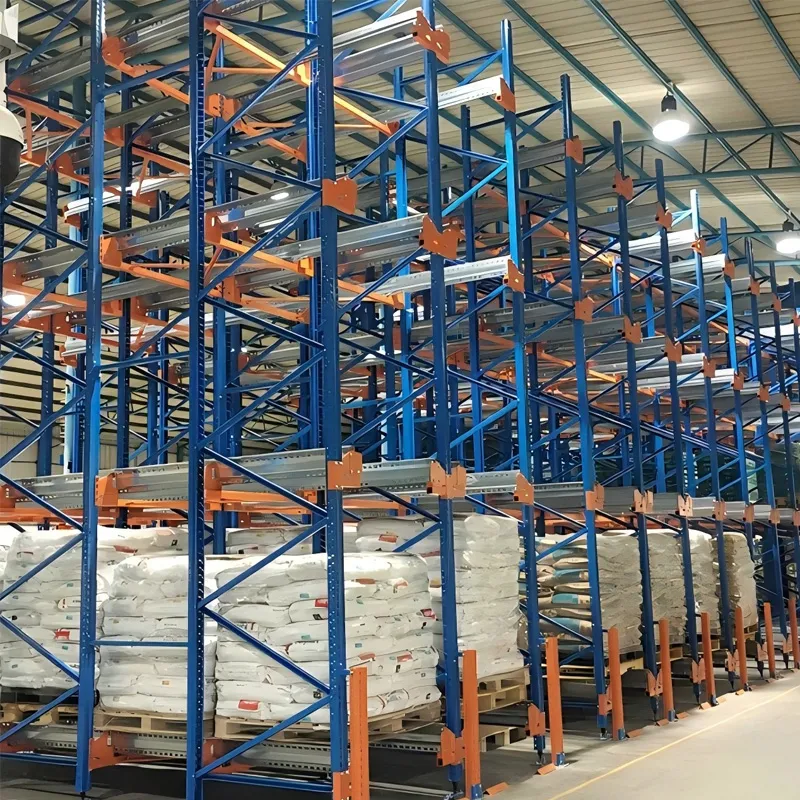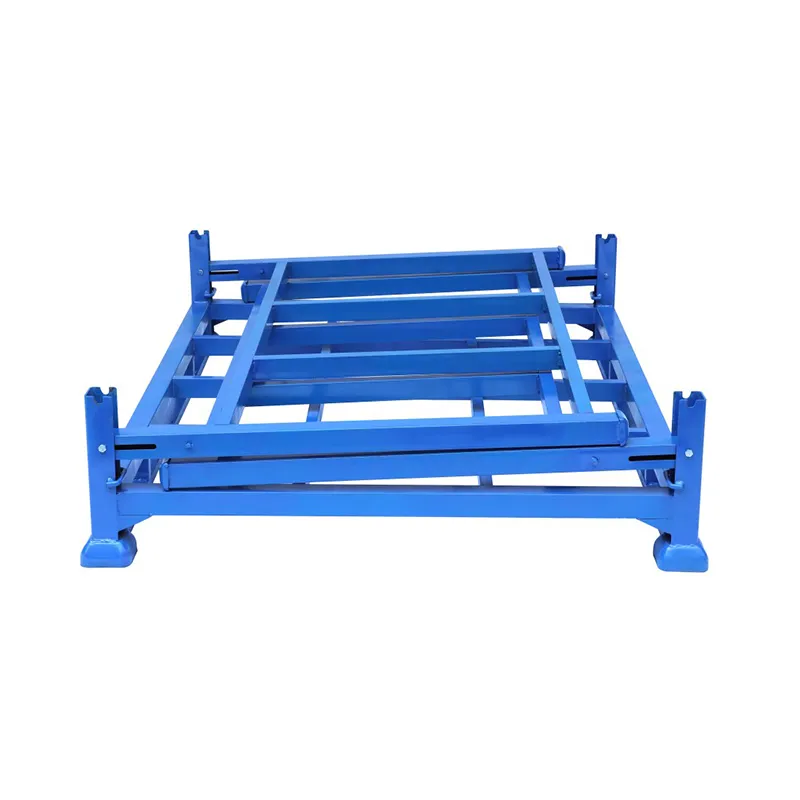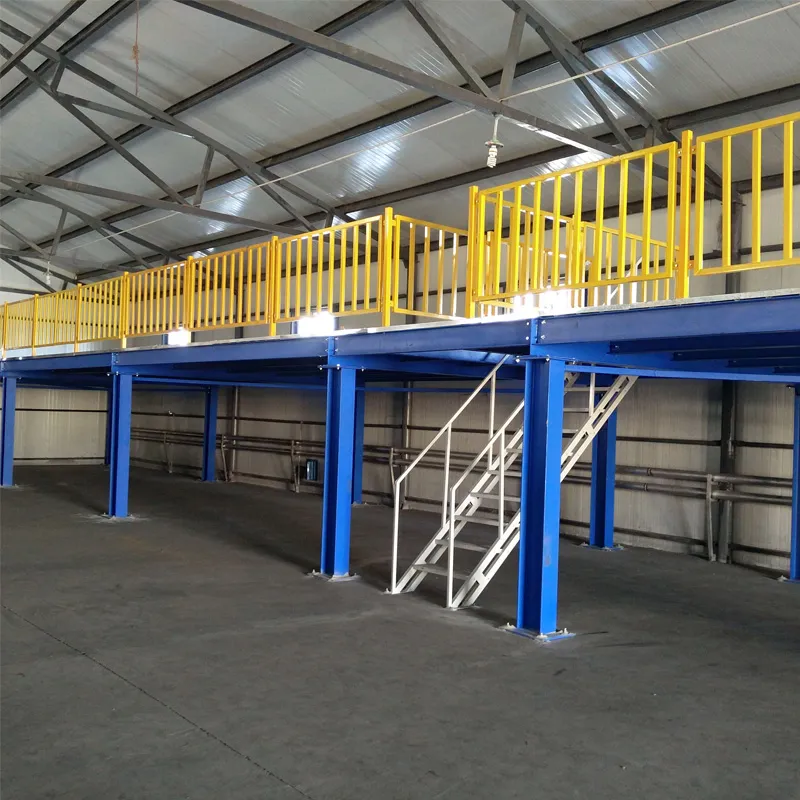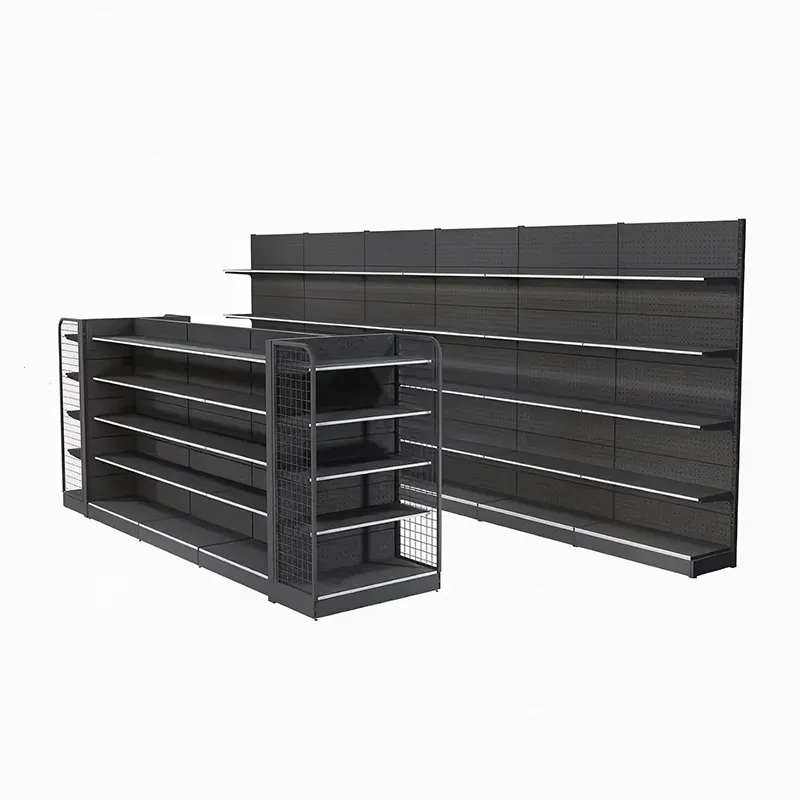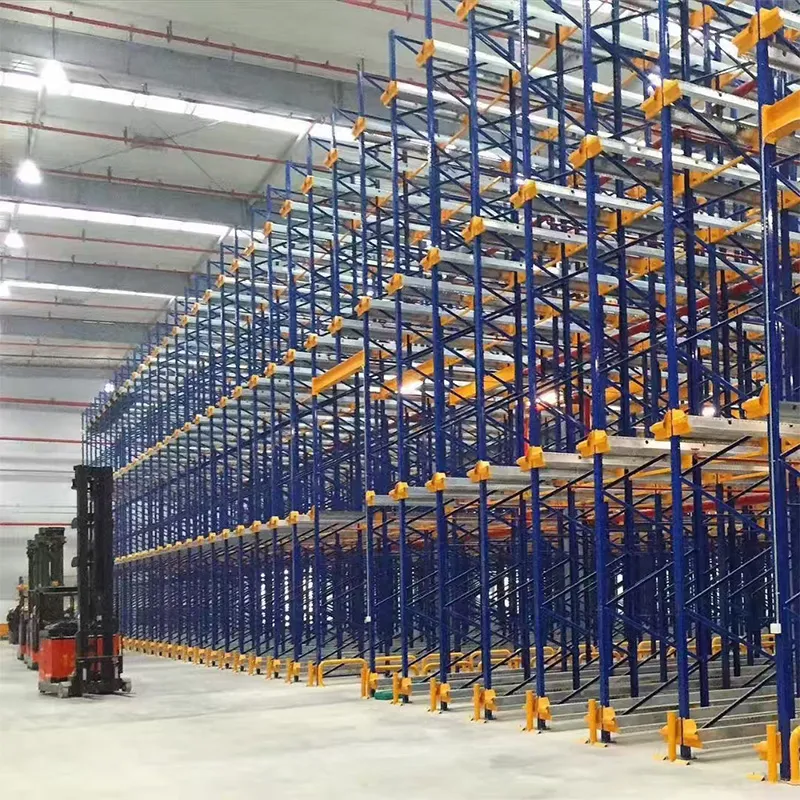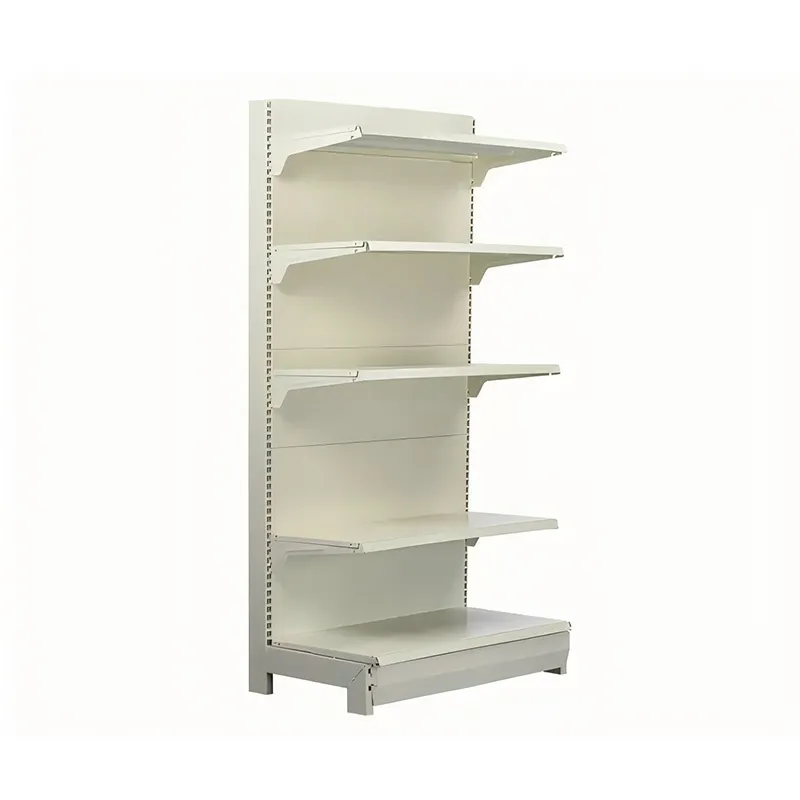
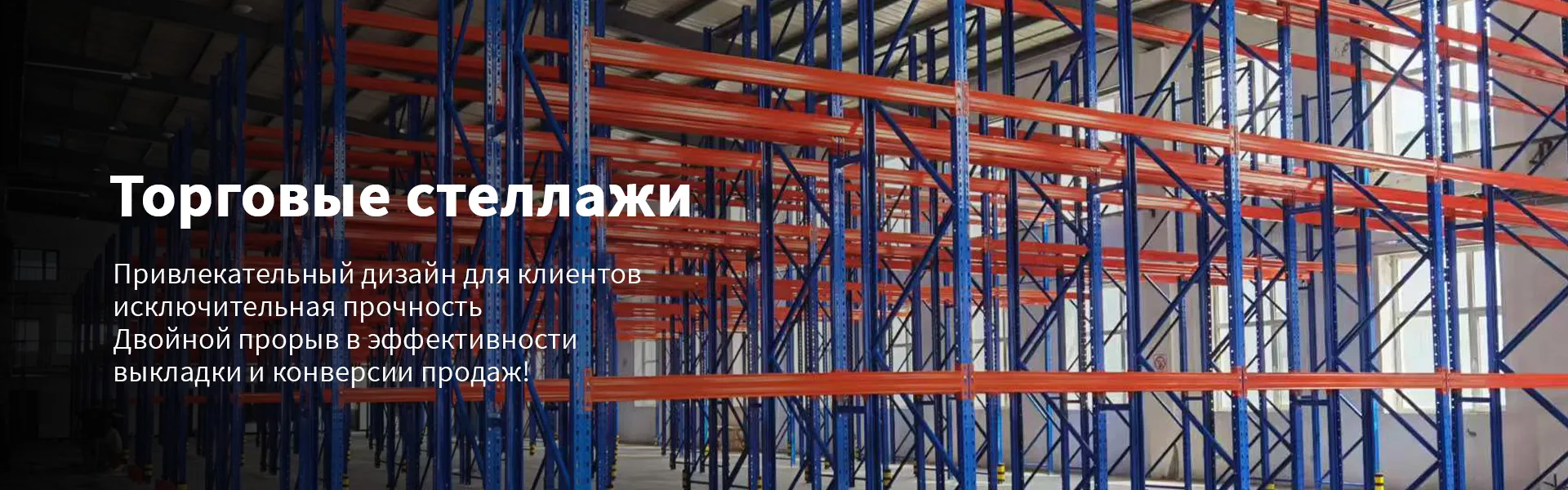
When they talk aboutanti-corrosion cargo rack, many people immediately think about galvanizing or paint. But if you've worked in a real warehouse with chemicals, frozen fish, or simply in a coastal region with high humidity, then you understand that it's not just one layer. This is a whole story about metal preparation, control of coating thickness, choice of system depending on the aggressiveness of the environment and, what is often overlooked, about the quality of welds, which can become a weak link. I have seen many cases where a rack looks good, but after a couple of years there are already red stains in the corners, where the beams are attached to the racks. And this is not a marriage, they simply did not take into account the specifics.
The most common request from clients: “Do you need galvanized shelving?” That's all. But hot-dip galvanizing and galvanizing are two big differences, as they say in Odessa. Hot results in a thicker layer that lasts for decades, but it is also more expensive, and after it it is more difficult to apply powder paint if color is needed. But galvanization, also known as cold galvanization, is often thinner, and if it is not protected on top with a layer of paint and varnish, it may not survive in an aggressive environment. I have come across many times when a site saves money, takes galvanized racks without painting for a warehouse with fertilizers, and then they are surprised. What is important here is not the name, but the technical conditions: the thickness of the zinc layer in microns.
Another nuance is the internal cavities. Racks are often closed profiles. If they are simply painted or even galvanized on the outside, but there is moisture left inside or condensation forms due to temperature changes, corrosion will occur from the inside. And it is not visible until the structure loses its strength. Therefore, good manufacturers make technological holes not only for fastenings, but also for ventilation and for the release of excess zinc during the hot method. This is rarely looked at upon acceptance.
And yes, welding. After welding a galvanized part, the zinc in the weld area burns out. This means that this area needs to be protected again - with special zinc-containing primers or pastes. If this is not done, rust will start there. Visually, the seam may be smooth and strong, but this is a future point of failure. When inspecting finished structures, I always touch and look through a magnifying glass at the welded joints.
Worked with one refrigerated warehouse in Nakhodka. There is constant high humidity, salt in the air. Initially, shelving was installed with conventional powder coating. A year later - small chips, swelling, especially on the lower tiers, where forklifts hit more often. They redid it. We took combined protection: hot-dip galvanizing of the entire frame + two-layer polymer coating (epoxy primer + polyurethane enamel). The key requirement was the thickness of the overall coating - at least 120 microns. Three years later, the condition is almost perfect. But the price was 40% higher.
Here's a negative example. Auto parts warehouse where tires and chemicals (brake fluids, antifreeze) were stored. The customer insisted on a budget option: steel with phosphating and painting. The racks were notfreightin the full sense, but shelf-mounted, but they carried a decent load. The problem did not start with corrosion, but with the chemical resistance of the coating. Due to accidental spills of liquids, the polymer became cloudy and then peeled off. I had to restore the protection locally, which is always worse than the factory one. Conclusion: anti-corrosion also means chemical inertness of the coating. It is necessary to study the material's passport for resistance to specific reagents.
Port terminals are a different story altogether. In addition to salt, there is also mechanical damage from cables and containers. Here they often rely on extra-thick metal structures and especially durable coatings, such as zinc-silicate systems. They are expensive, but their service life is tens of years even in such conditions. But again, it all comes down to preparing the surface before application. Sandblasting to white metal is a must. Without this, no super-coating will adhere as it should.
When choosing a supplier, it is not enough to look at the catalog. You need to understand how its process works. For example, does it have a pre-degreasing and phosphating line? How are parts dried before painting? Which polymerization chamber is infrared or convection? The uniformity of the layer and the absence of pores depend on this.
Here, by the way, about the company “Harbin Jusheng production of metal structures” LLC. I looked at their websitehttps://www.jshj.ru. The description states that this is a large plant with a full cycle and automated lines. Foranti-corrosion cargo rackthis is critical. Automation at the cutting and welding stage means precision and a minimum of defects. And the full cycle, including design, allows you to lay down protection solutions in advance, at the drawing stage: avoid moisture traps, provide drainage holes, strengthen structures in places where it will be difficult to re-maintain the coating.
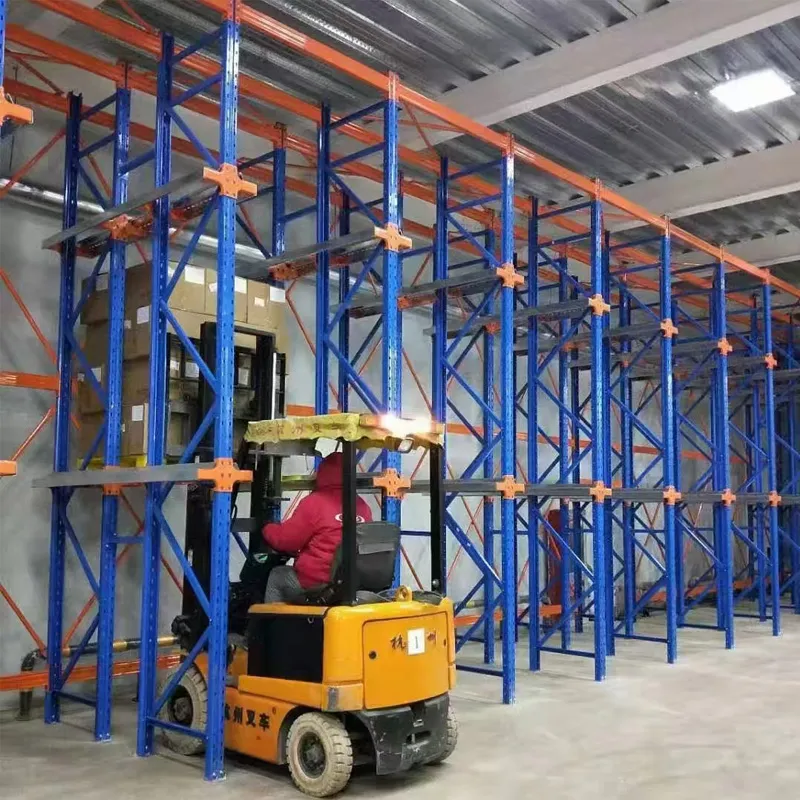
Harbin's Jiusheng Racking Factory is said to have been operating since 2019 and focuses on different types of racks, including beam and shuttle racks. This suggests that they are likely to face different protection challenges, as each type carries a different load and operates under different conditions. But for me, as a specialist, the key question to such a manufacturer would not be “do you do galvanization?”, but “what standard of zinc layer thickness do you guarantee for a project in a marine climate?” and “how do you protect welds after hot-dip galvanizing?” The answers to these questions will reveal the real depth of competence.
A dilemma often arises: take ordinary racks and repaint/repair them every 5-7 years, or immediately invest in enhanced protection. There is no universal answer here. We need to calculate the total cost of ownership. For a warehouse with inert goods and a stable microclimate, expensive protection may not be necessary. But if youcargo rackworks 24/7, stopping for repairs and repainting is a simple logistical collapse, dismantling and re-installation. These costs can be many times greater than the initial savings.
One of our clients, a logistics company, saved money at first. After 6 years, the whole sector had to be replaced due to corrosion at the base of the racks. Sector downtime, crane operation, new structures, installation - the amount came out almost as much as the cost of an initially more secure solution for the entire warehouse. After this, they immediately lay down increased requirements at new facilities.
Another point is a guarantee. A serious manufacturer who is confident in its technological process provides an extended warranty specifically for the anti-corrosion coating. This is not just a piece of paper, but insurance for business. Always ask for a salt spray test report. The numbers in hours before the first point of corrosion appears will say more than any marketing phrase.
So, to sum it up.Anti-corrosion cargo rack- this is not a finished product off the shelf. This is the result of a chain of decisions: from the choice of steel grade and the method of protecting it at the factory, to the conditions of transportation, installation and further operation. You can buy excellent galvanized racks, but when installing with a grinder, remove the protection in the cutting areas and forget to restore it - and that’s it, the process begins.
Therefore, working with a supplier like Jiusheng, who manages the project from design to installation, may be more profitable. Because the responsibility for ensuring that the final construction on site meets the stated durability lies squarely on one shoulder. They must provide not only designs, but also handling instructions, maintenance recommendations, and repair kits for the coating.
In the end, the truth is somewhere in the middle. It is necessary to clearly analyze the environment, loads, budget and service life. And demand from the manufacturer not general words, but specific technical parameters for protection, confirmed by real tests and, preferably, references under similar conditions. Only then will the investment in anti-corrosion protection pay off with peace of mind and the absence of unscheduled repairs.