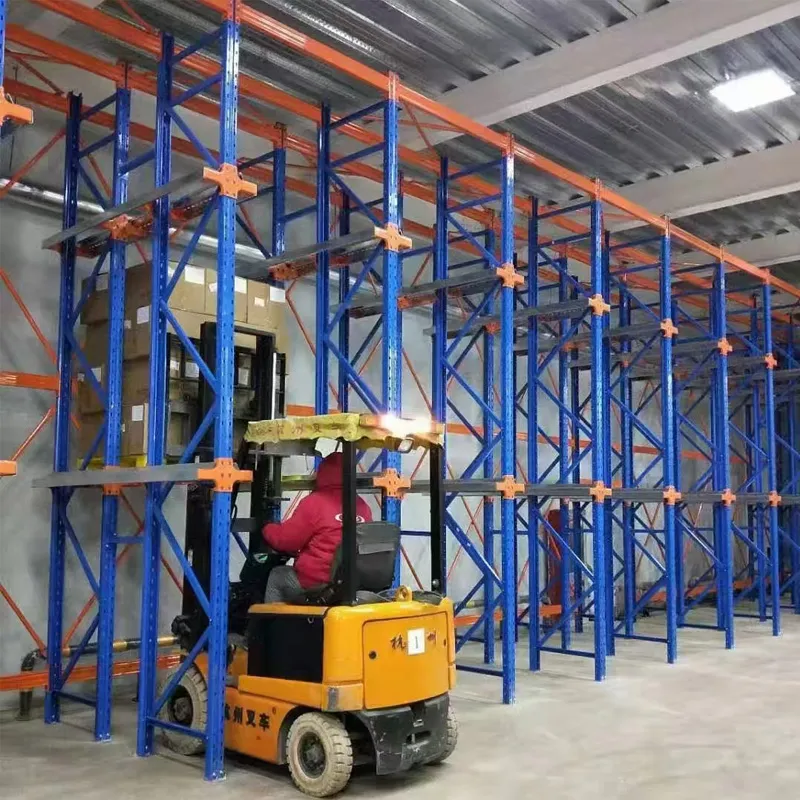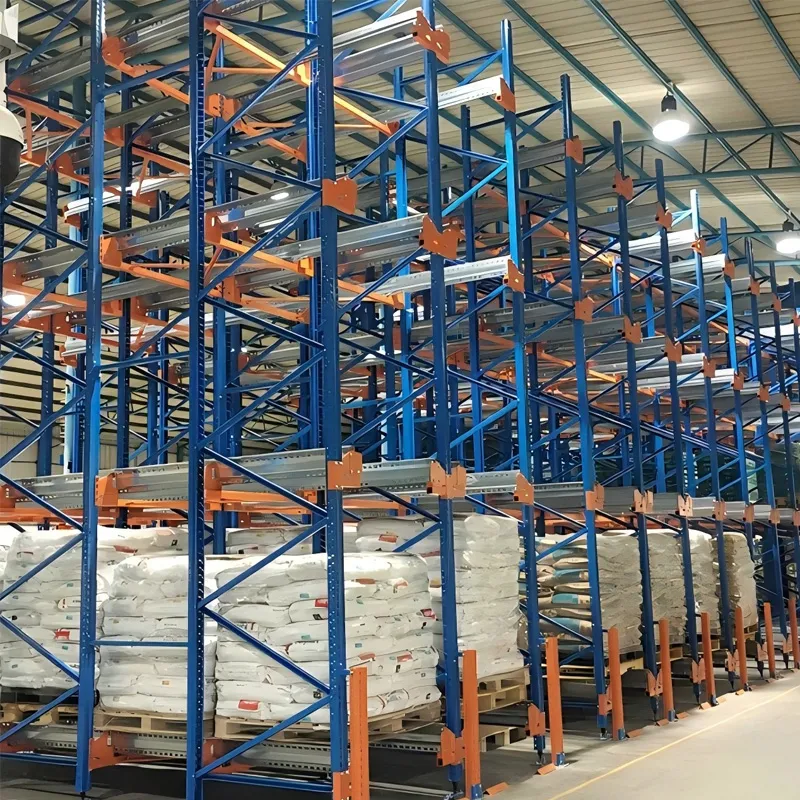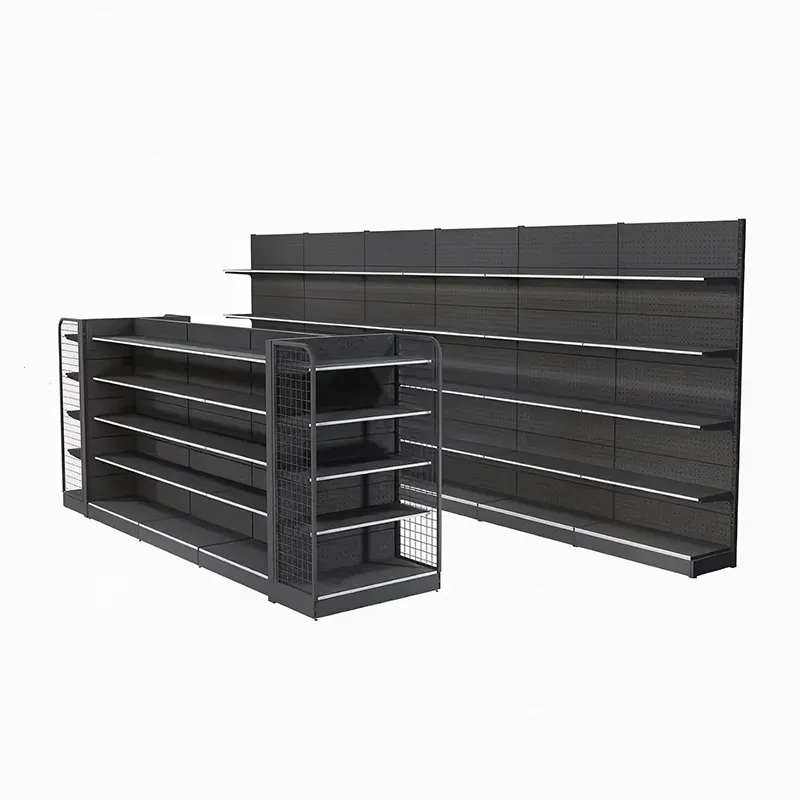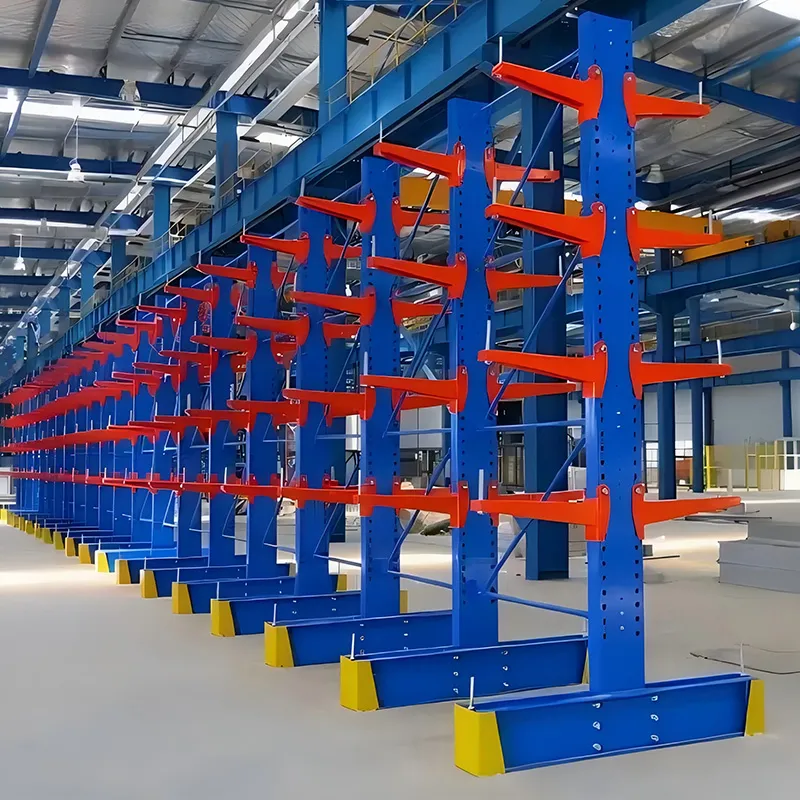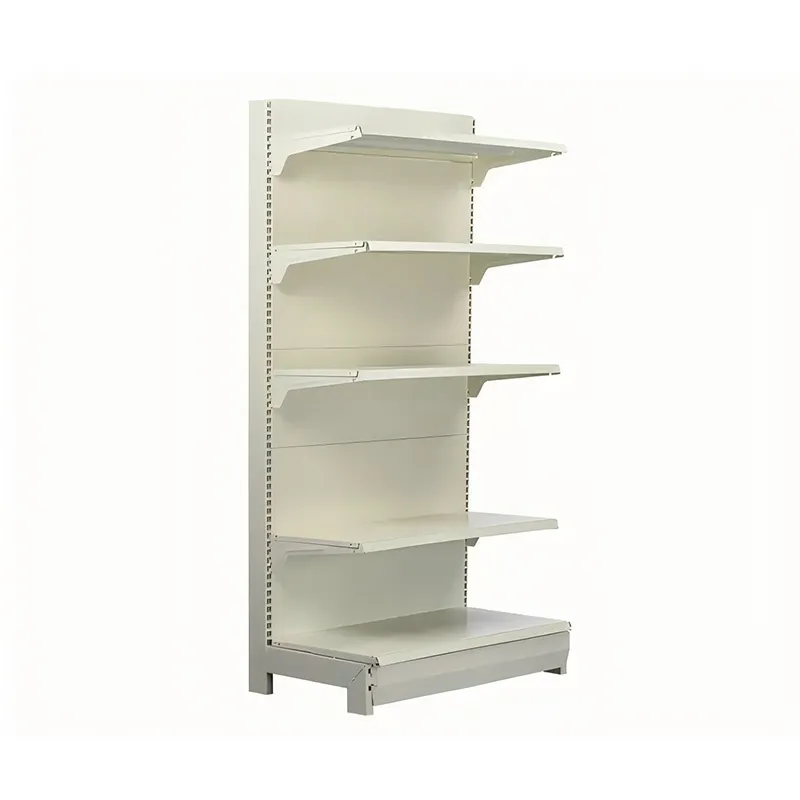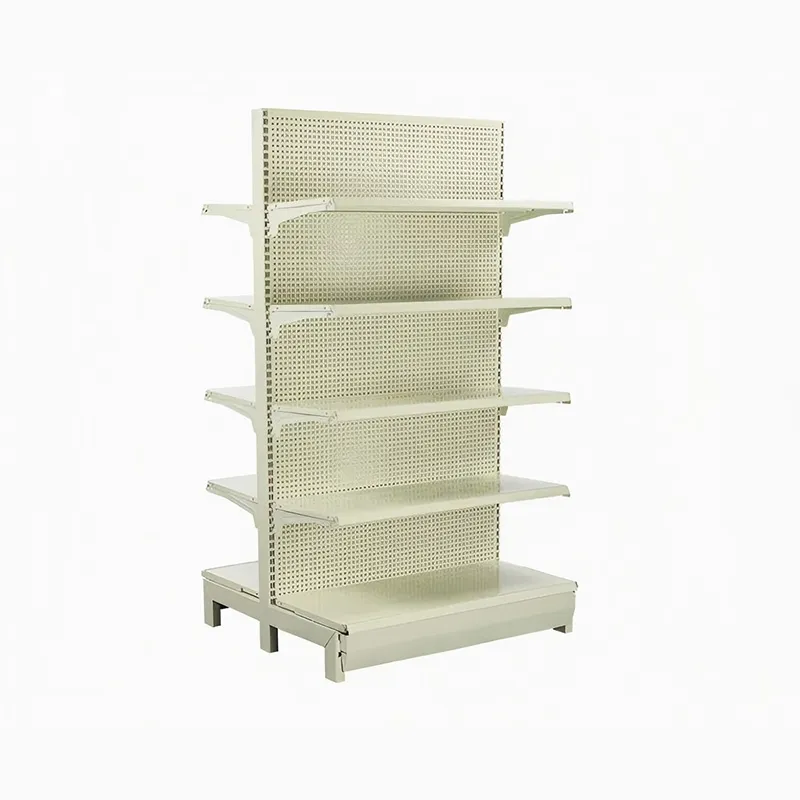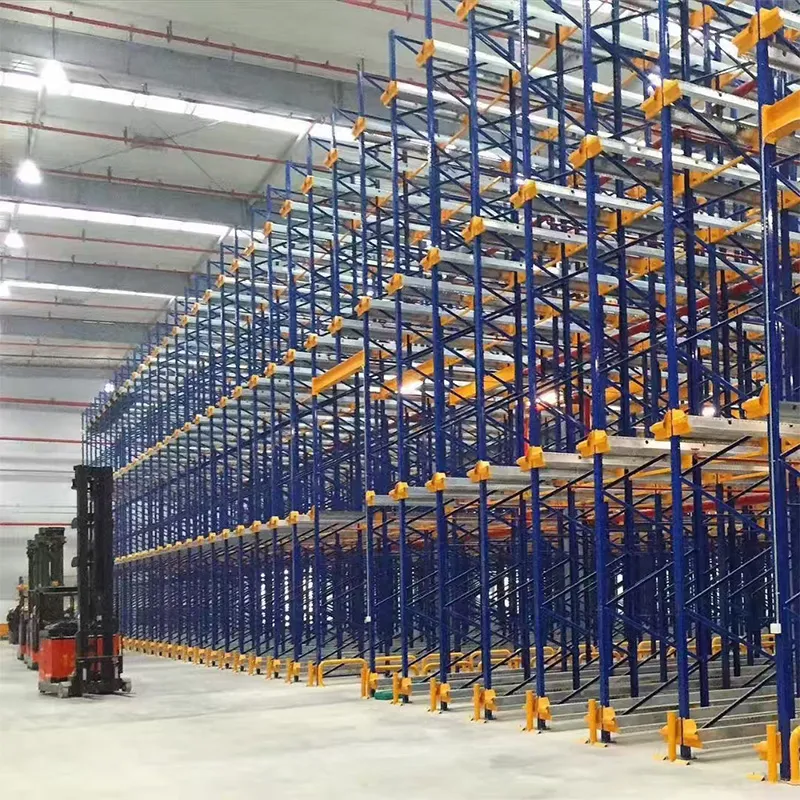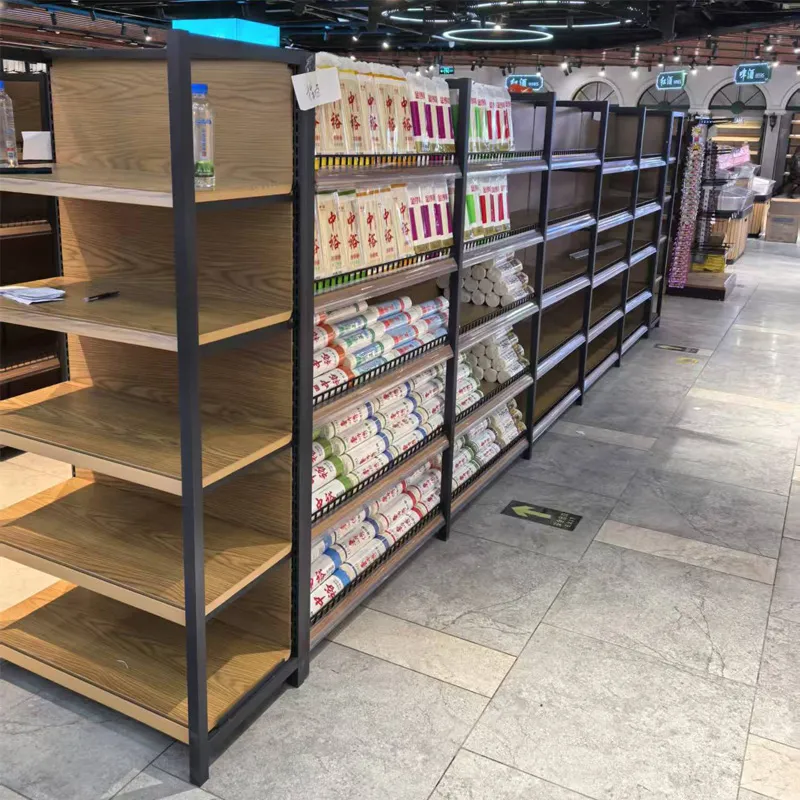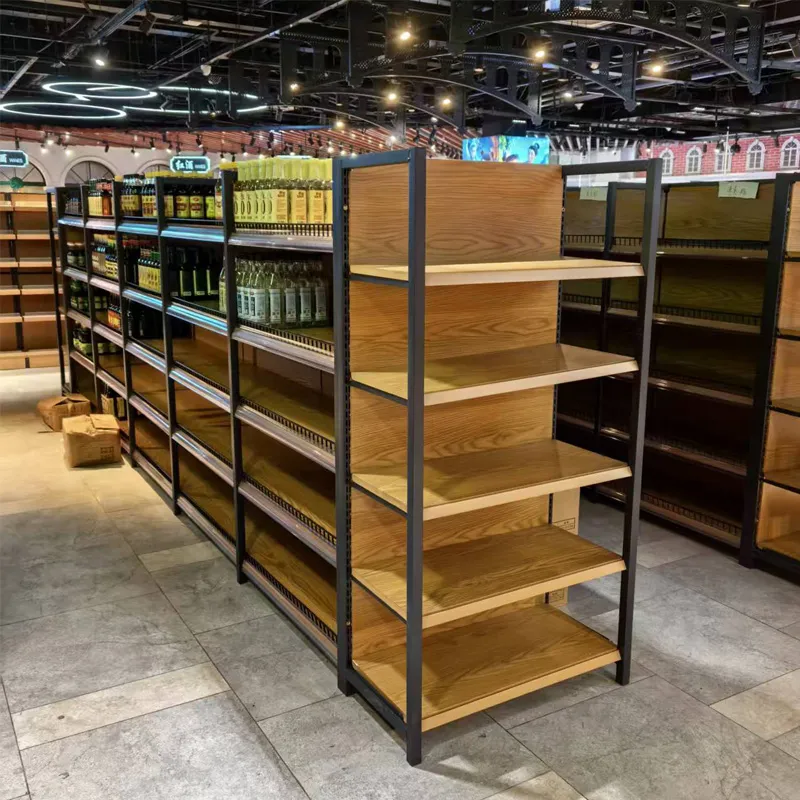
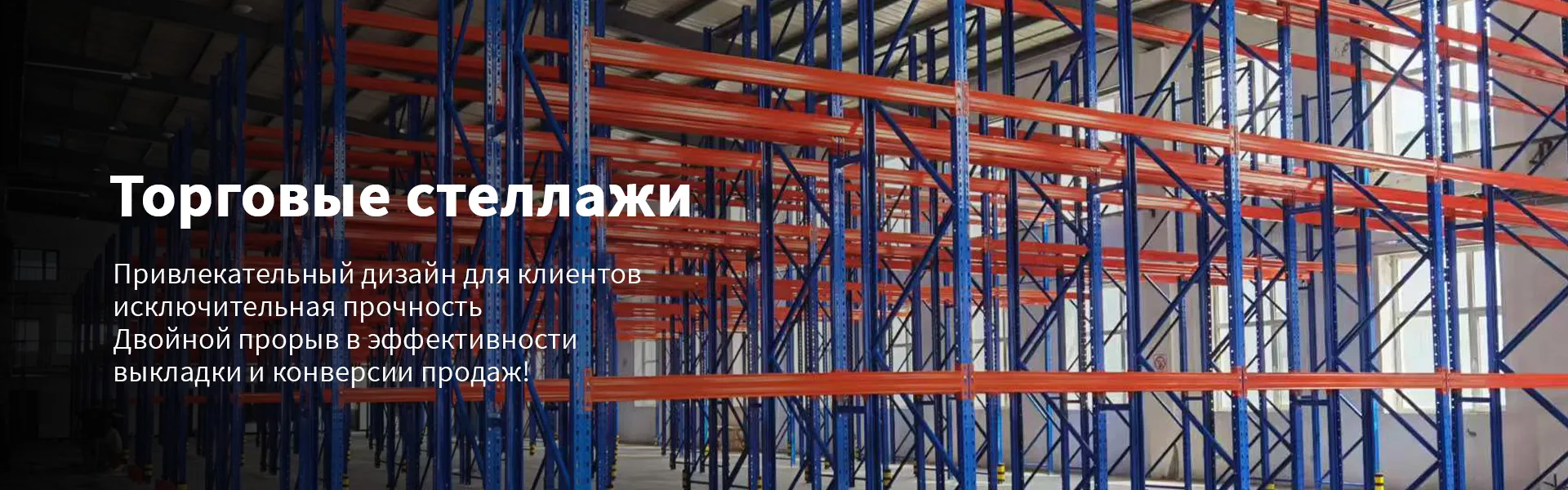
When you hear “medium-tonnage shelf racks,” many people immediately think of simply reinforced shelves. This is where the first, most common mistake lies. The difference between lightweight archival racks and medium-duty ones is not just the thickness of the metal. This is a fundamentally different design philosophy, where every node - from the connection of the rack with the beam to the shape of the lock - is designed for dynamic, often uneven loads. I understood this not from textbooks, but when I had to deal with the consequences of a collapse in one of the logistics centers near Khabarovsk. They just installed “something similar to medium-tonnage ones” there, saving on designing for the specifics of pallets with auto parts. The result is bent racks and broken locks. After this incident, I always start the conversation with the client not with the price per ton, but with the question: “What exactly, in what form and how often will you store it?”
The reliability of the rack is laid down at a stage that the client usually does not see - in engineering calculations and production quality. For example, let's take a company?Harbin Jusheng Metal Structure Manufacturing Co.,Ltd.. They don’t just bend metal, they have a full cycle: from design to installation. This is critical. Their websitejshj.ru- this is not just a business card, it shows that they understand what they are talking about. Factory established in 2019 in Pingfang District of Harbin, with an area of 20,000 square meters. m is not a handicraft workshop. When production is automated, like theirs, this gives the main thing - repeatable quality. You know that the thousandth rack will be identical to the first. And inmedium-tonnage racksThis is exactly what is needed: predictable behavior of the structure under load.
I have personally been to similar production facilities, and the difference between a workshop with robotic cutting and a flexible and semi-manual section is colossal. In the first case, the edges are even, the holes are exactly the same size, there are no burrs, which are then “eaten up.” paint and become a source of corrosion. This is especially true for top-lock type locking connections. or ?retailer?. The slightest inaccuracy in the geometry - and the beam does not sit tightly, the load is distributed unevenly. Over time, this is a guaranteed problem.
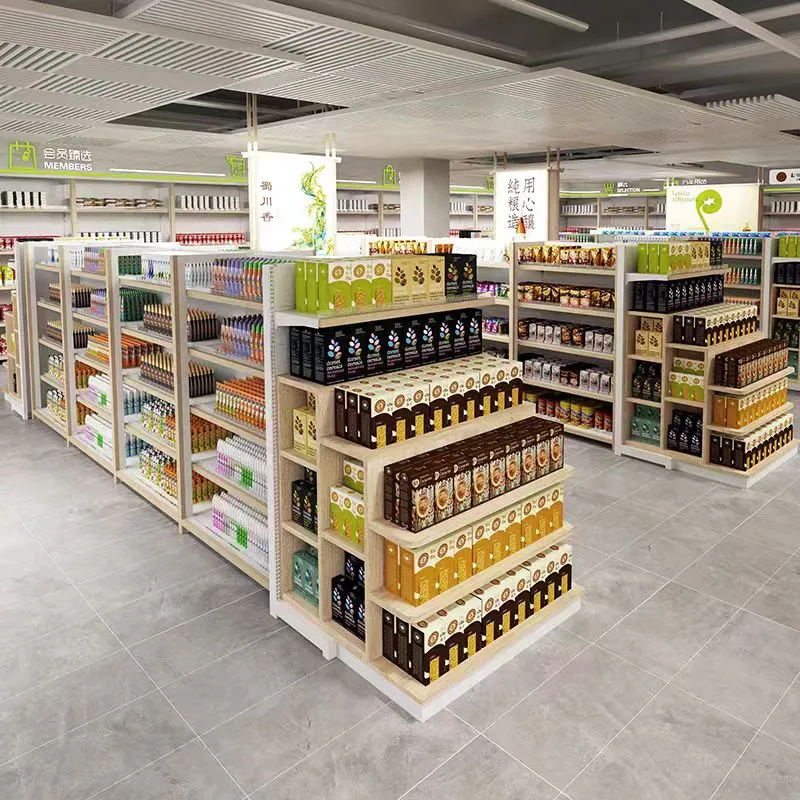
Their portfolio, by the way, speaks for itself: from retail shelving to complex systems for four-way shuttles. If the plant copes with such high-tech projects, then with classicshelf racksThey must have no problems with medium tonnage. But that’s just me, for general reasons. You should always request specific calculations and test reports for components.
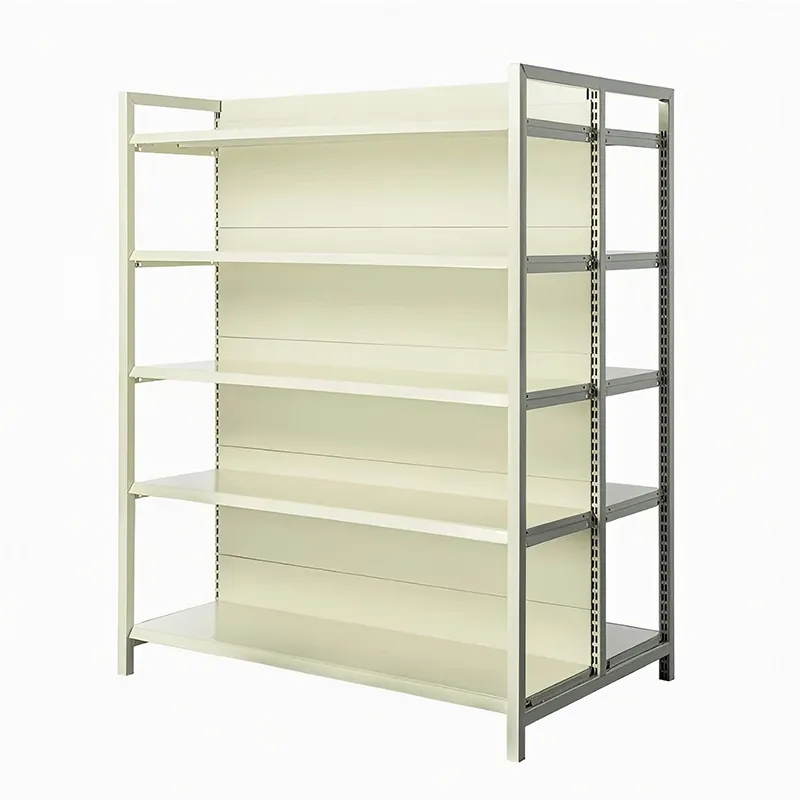
Let's dig deeper into the most important knot. Lightweight shelving often uses simple hooks or bolts. In medium-tonnage vehicles there is almost always a locking connection. And here there is a nuance that many people miss. There are two main types: with a retainer (retainer) and without. The retainer is a kind of steel “dog” that snaps into a hole on the rack and prevents the beam from spontaneously jumping off when the loader vibrates or hits. It would seem like a small thing.
But I saw an object wheremedium-tonnage shelf racksretailers did not install it - supposedly to speed up the assembly. And everything worked until they started using reach trucks. The vibration from their work caused several beams on the upper tiers to pop out of their grooves. Fortunately, there was no loss of cargo, but the incident was serious. After this, we always insist on retainers for heights of 4 meters and above and when working with any equipment.
Another point is the thickness of the metal of the lock itself on the beam. They often save money here by making it thinner. Visually, the beam looks powerful, but the lock is its weak point. With a load of 500-800 kg on the shelf, it can begin to “open up”. It is necessary to demand from the manufacturer, includingLLC ?Harbin Jusheng?, technical documentation, which clearly states the maximum load specifically on the connection node, and not just on the beam as a whole.
Not everything is clear with the shelves either. Classic - welded wire grating. Well ventilated, lightweight. But it’s not suitable for small boxes or irregularly shaped products. Everything fails. Here you need to either increase the frequency of rods (and this means weight and price), or install sheet flooring - a perforated steel sheet or, more often, moisture-resistant plywood on top of the grating.
I had an experience when a customer saved money and installed ordinary plywood, but there were humidity changes in the room. After six months, the sheets began to bend, the load began to be distributed over three points instead of four, and the beams began to bend. We had to urgently change the flooring. Now we always discuss this point. For food production or warehouses with an unstable microclimate - only moisture-resistant materials or steel.
And another thing about the shelves: their depth. Standard - 600, 800, 1000 mm. But sometimes, trying to squeeze the maximum into a narrow space, they order the depth to match the size of the pallet “butt-to-end”. This is a mistake. You need a margin of at least 50-100 mm front and rear for normal installation and visual inspection. Otherwise, the loader will hit the racks and the load will hang down.
You can buy the best racks from the sameHarbin shelving plant ?Jusheng?, but crooked installation will ruin everything. I have already mentioned their full cycle, including after-sales service - this is a big plus. Because installers who work on an ongoing basis with one manufacturer know the features of its designs.
The most common problem on site is uneven floors. A tolerance of a couple of centimeters on the length of the shelving line is already critical. Screw adjustment supports (legs) solve the issue, but their height of adjustment may not be enough. You have to either sand the floor or lay down plates. The ideal option is when the manufacturer, like?Jusheng?, also undertakes floor measurements at the site before production begins. This protects against many problems.
The second headache is anchoring. They always anchor to the floor. But to the walls? If the rack is more than 6-7 meters high, then it is often necessary. And here a conflict arises: builders do not like it when they drill into their load-bearing walls (if they have any) for anchors. We have to look for compromises, sometimes designing additional spacers in the structure itself. This is the moment where a ready-made project from a catalog almost never fits one to one; adaptation is needed.
Initially, the project is made for a specific type of cargo. But business is changing. Today we store boxes of clothes weighing 20 kg, tomorrow we store motors weighing 300 kg. And the client says: “Yes, there is a margin of safety right there!?” Putting a large supply in advance means an increase in price. Not pawning is a risk.
My rule: formedium-tonnage shelf racksAlways allow for at least a 30% increase in the load on the tier. This is achieved not just by thicker metal, but often by reducing the spacing of the shelves or installing additional vertical connections between the racks. This needs to be explained to the client on shore.
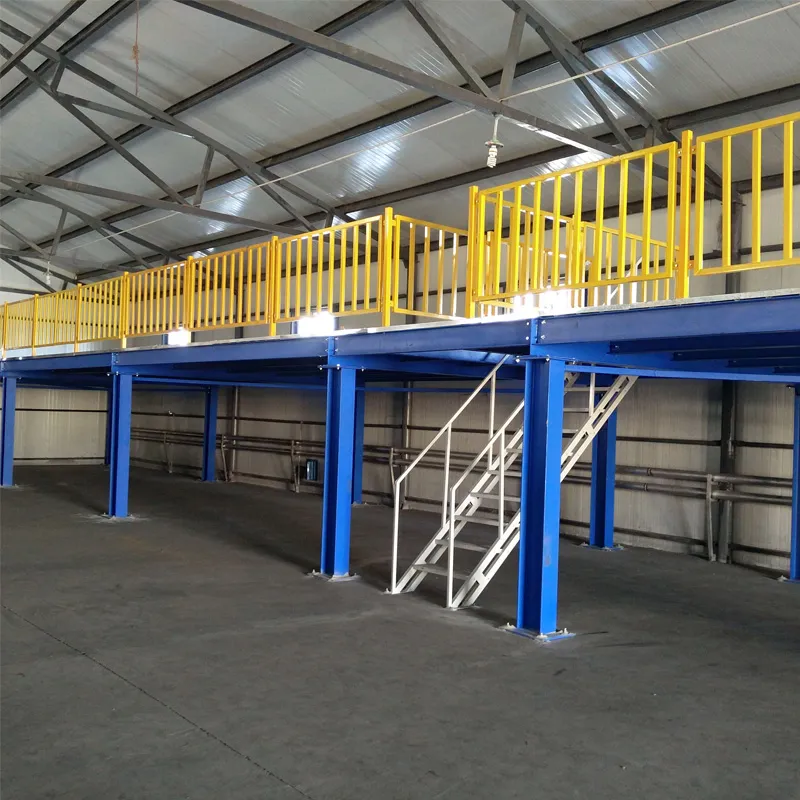
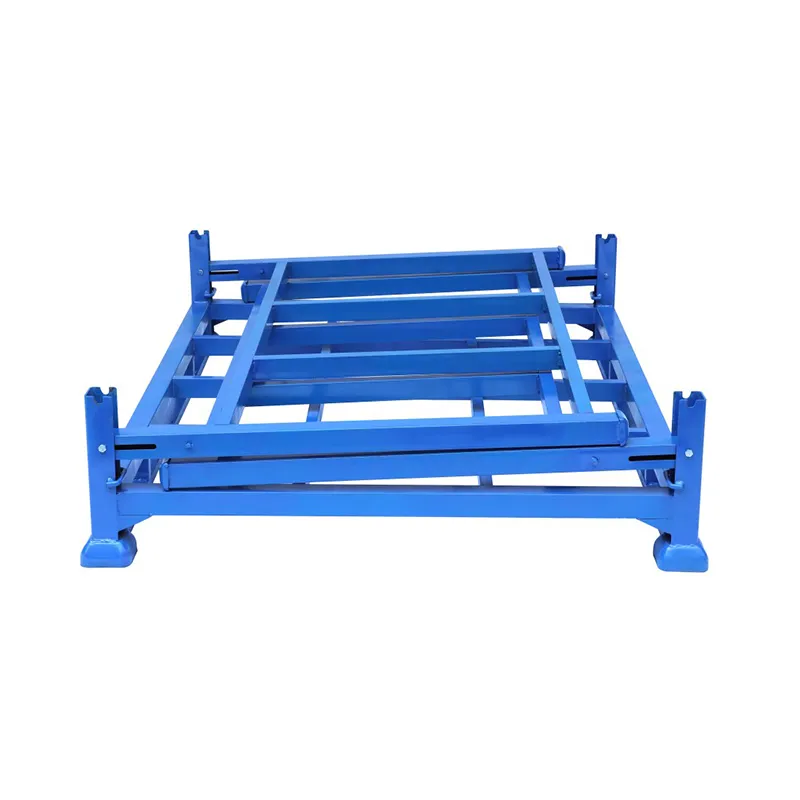
It is interesting that some manufacturers positioning themselves as large specialized enterprises with a full cycle, such as the one mentionedLLC ?Harbin Jusheng?, offer modular systems. That is, the rack can be strengthened in the future by adding elements, rather than completely disassembling everything. This is a smart approach. On their website, in the products section, you can see that they focus on a variety of systems - from beams to mezzanines. This means that they most likely have flexible solutions in the medium-tonnage segment.
So, back to the beginning.Medium-tonnage shelf racks- this is not a product from a catalog that you can simply select and buy. This is an engineering solution that is born from a dialogue between the logistician, the customer and the manufacturer. Key points: accurate calculation of the load (taking into account dynamics!), quality of manufacturing of components (especially locks), correct choice of flooring and professional installation taking into account the realities of the object.
When choosing a supplier, you should look not only at the price, but also at his ability to accompany the project at all stages. Having your own modern production facility, like the plant in Harbin, is a good sign. But this is necessary, but not sufficient. Always request a test calculation for your specific task, ask for photos of similar completed objects and specify who will install it and how. This is the only way to avoid those very “collapses near Khabarovsk?” and get a truly reliable and durable warehouse system. In the end, these shelves contain not just cargo, but someone’s business and people’s safety.