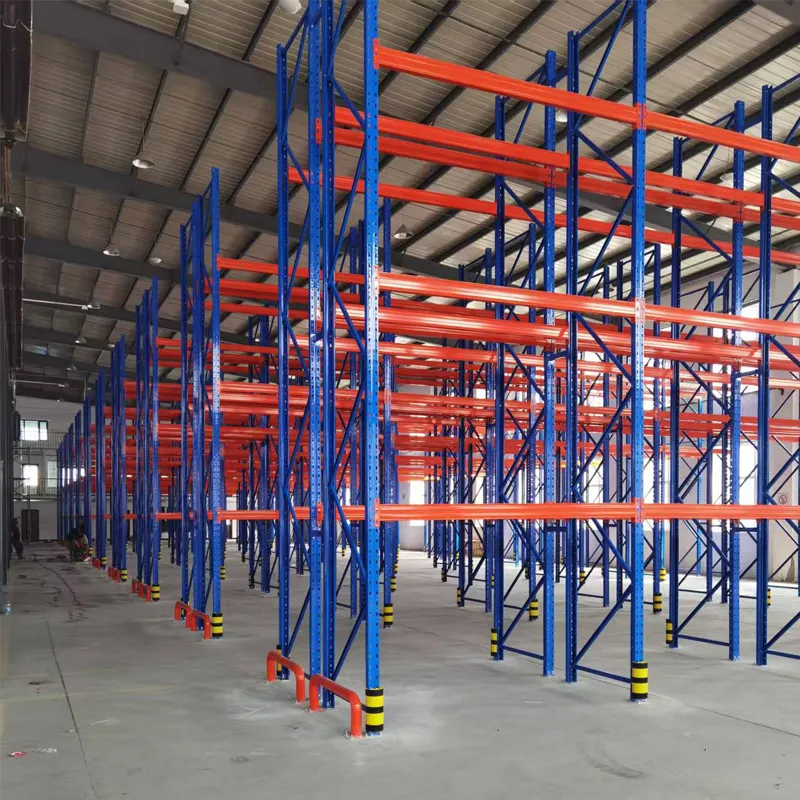
When you hear “shelves for a fruit store?”, many people imagine simply metal structures with shelves. This is where the main mistake lies, from which both turnover and revenue then suffer. For a long time I myself thought that the main thing was durability and price, until I was faced with the fact that even the most beautiful apples on the wrong shelf lose their appearance and the desire to buy them within a day. This is not warehouse equipment, where the main criterion is weight per tier. Everything is different here: the microclimate, accessibility for the buyer, the speed of product rotation, and, most importantly, the presentation. The fruit needs to “scream” about its freshness. And the design of the rack should help this, and not hinder it.
I started by purchasing ready-made racks, those that are offered en masse for stores. Standard depth, height, equal tiers. And immediately there was a problem: the greens withered from below, because there was stagnant air there, and they watered them from above, and the water dripped onto the berries below. The result was a chain reaction of damage. I had to urgently improvise with pallets and rearrangements.
Another point is lighting. Typical shelving does not take into account that lamps are often mounted on the ceiling, and shadows are formed on the lower shelves. Grapes in the shade look like a dark, unappetizing spot. We had to come up with a system of brackets for LED spotlights directly on the racks, which was also inconvenient and handicraft. It became clear that the fruit department needed an individual approach, almost a jeweler’s calculation.
It was after these failures that I began to look for manufacturers who think not in terms of “racking”, but in terms of “environment for a specific product”. Stumbled upon the site?Harbin Jusheng Metal Structure Manufacturing Co.,Ltd. (https://www.jshj.ru). In their description, I was attracted by the phrase about the full cycle: from design to service. This is no longer just a factory churning out hardware, but an engineering company. Their profile isshelving for retail spacesand warehouse systems, which means they understand the difference between them. I decided to get in touch.
When I started communicating with their technologist, I formulated several points that became an axiom for me. Firstly, the material. Powder coated galvanized steel is a must. Acidity from some fruits and berries, constant moisture from spraying - ordinary paint does not last long. An inert, durable surface is needed.
Secondly, geometry. Back wall? Almost never needed. Air should circulate freely. The depth of the shelf is no more than 60-70 cm, otherwise the back rows of fruit are not visible and quickly spoil. But the width of the aisles between the shelves is critical for mothers with strollers, so that they can turn around without hitting the pile of peaches.
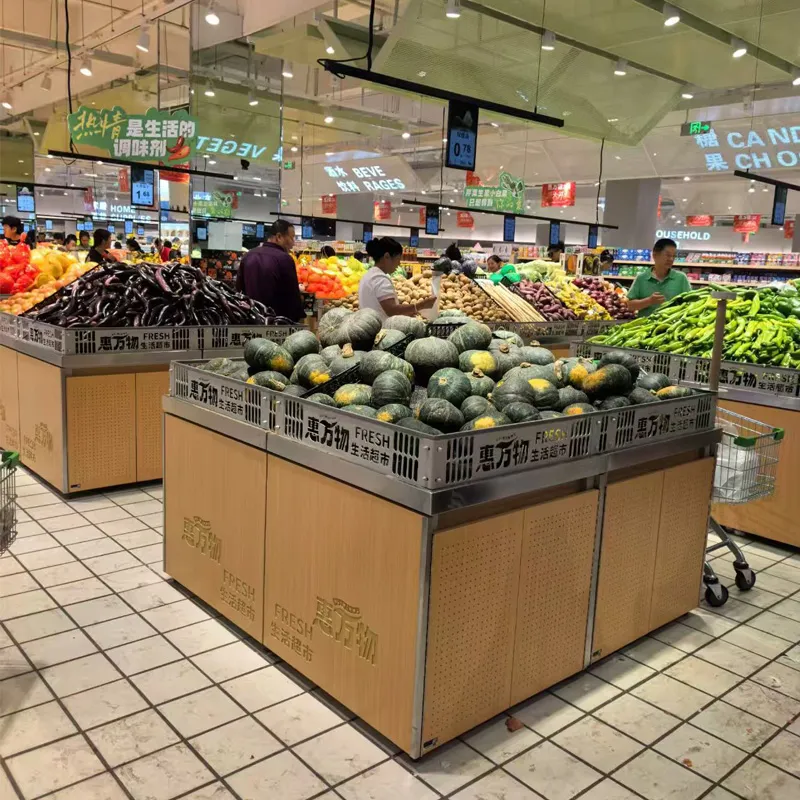
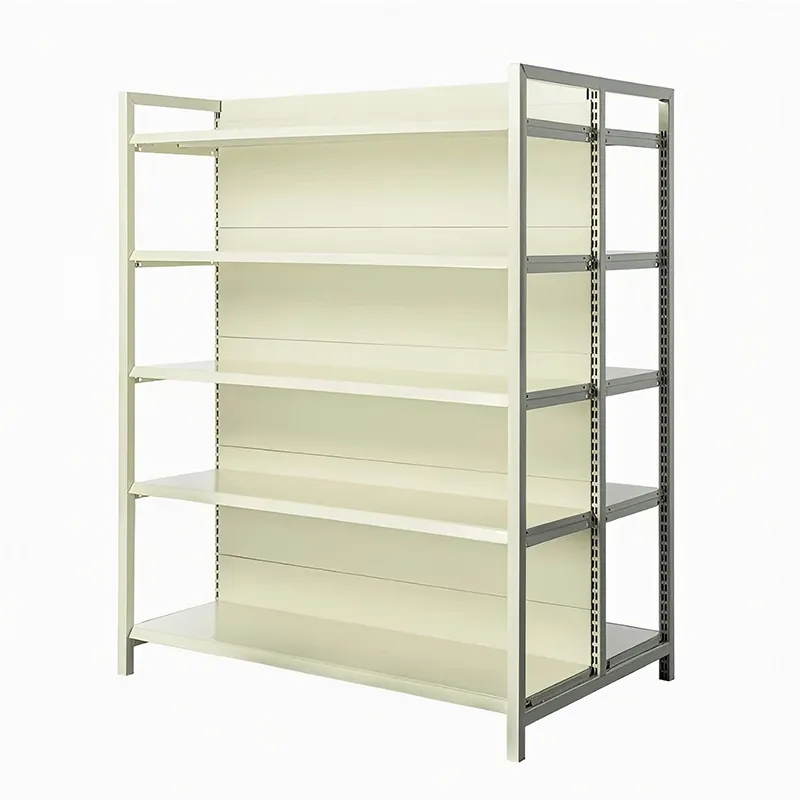
Thirdly, the display system. You need not just shelves, but a whole set of accessories: low-sided baskets for apples, inclined planes for oranges so that they roll towards the buyer, special stands for pineapples and watermelons. And all this should be easy to remove for washing. The same onesshelf racksshould be as flexible as possible.
CompanyLLC ?Harbin Jusheng?, as stated on their website, is based in Harbin and has been operating since 2019. It was important to me that they don’t just sell, but design. They sent me a questionnaire with questions that I initially did not take into account: the average daily traffic in the department, a list of the main product groups with seasonality, the type of flooring and even the distance to the ventilation system.
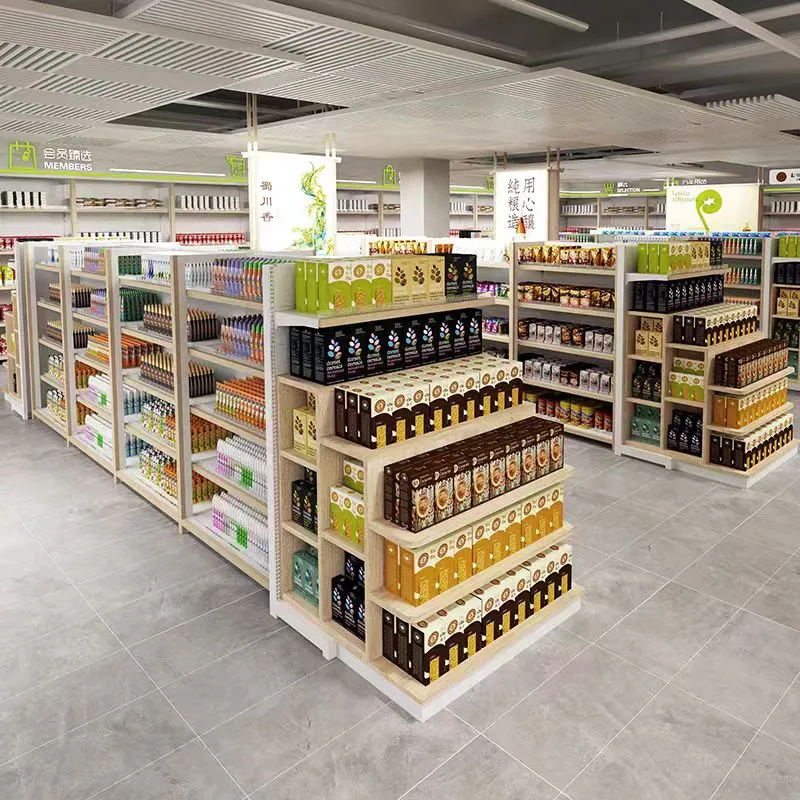
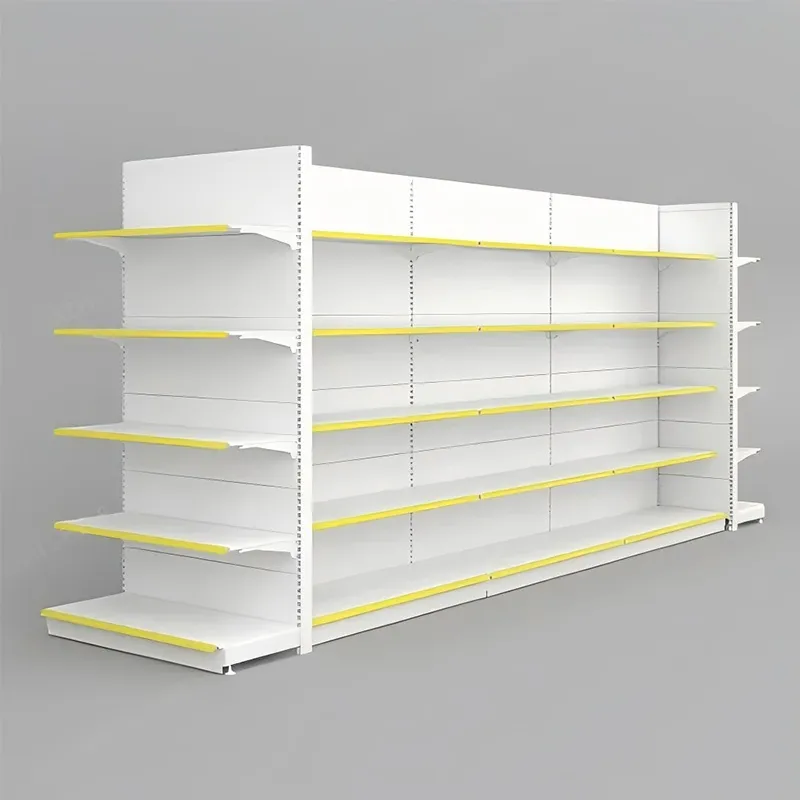
Based on this, they proposed not one option, but three layout concepts. We settled on a combined one: some are wall mountedshelving for retail spaceswith lighting, some are island structures. A particularly successful solution was perforated racks, on which not only shelves, but also brackets for price tags and those same lamps can be mounted at different heights. This gave incredible flexibility.
Production, judging by the description of their site of 20,000 sq. m, automated. This was felt in the quality: all the fasteners fit neatly, the edges were bent, there were no burrs on which you could cut yourself or tear the packaging. Assembly took less than a day. But the main test lay ahead—exploitation.
Not everything was perfect. For example, the standard mesh they proposed on shelves for small fruits (such as kiwi or plums) turned out to be inconvenient for washing. Dirt particles clogged into the cells. I had to order additional solid plastic inserts. This was our joint “jamb” with them, which they later took into account in other projects.
Another point is the load. For melons and watermelons, we initially included a good margin of safety. But they did not take into account the weight of constantly wet wooden boxes in which, for example, mangoes are brought. Over time, a slight sag appeared on one of the shelves. Contact the serviceLLC ?Harbin Jusheng?. We arrived and strengthened the structure with additional stiffening ribs, free of charge, under warranty. This added respect.
It also turned out that it was important to provide hidden channels for wires from the same humidity sensors that we later decided to install. Next time I will put this into the project right away.
So, to summarize my sometimes painful experience.Fruit store racksis the life support system of your product. Saving on design means losing money on write-offs. You need a manufacturer who is ready to delve into your business process.
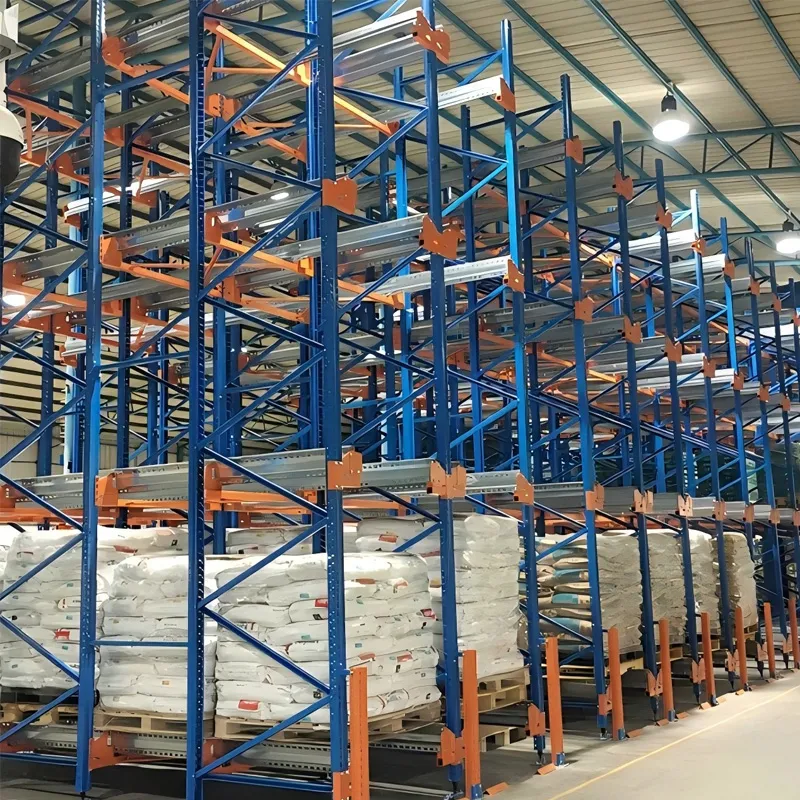
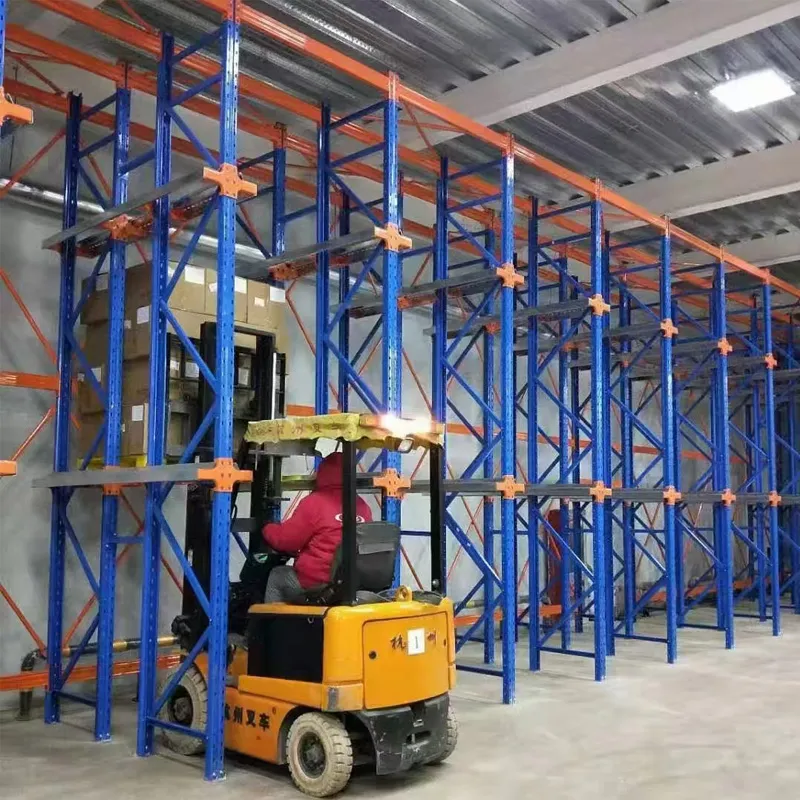
As practice shows, large specialized enterprises, like the mentioned Harbin plant, are often more profitable than local artisanal workshops. They have an engineering department that has faced different challenges frombeam racksfrom warehouses to elegant retail solutions. They have clear production lines and quality control. And, critically, there is accountability and after-sales support.
Bottom line, the right shelving is not an expense, but an investment. They reduce losses, increase the average check due to attractive display and save staff time on service. Choose someone who speaks to you in the language of your problems, and not just in the language of rolled metal. Good luck!