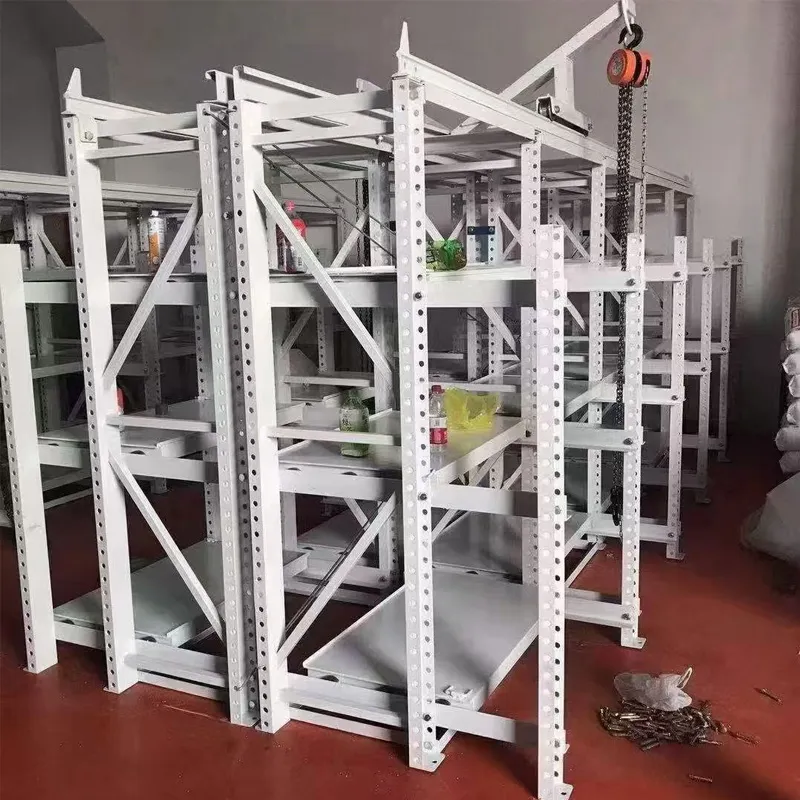
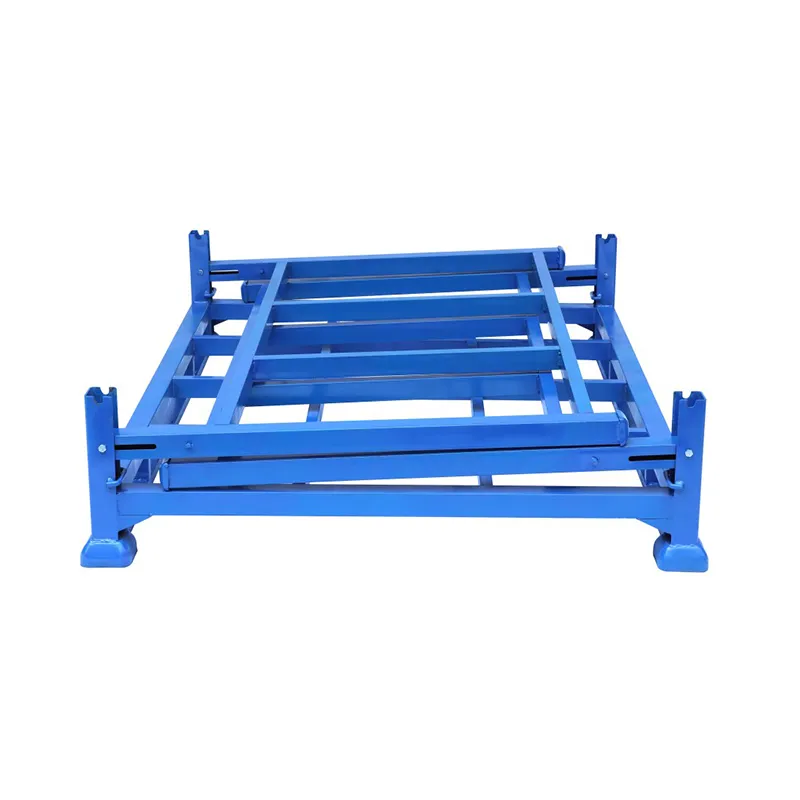
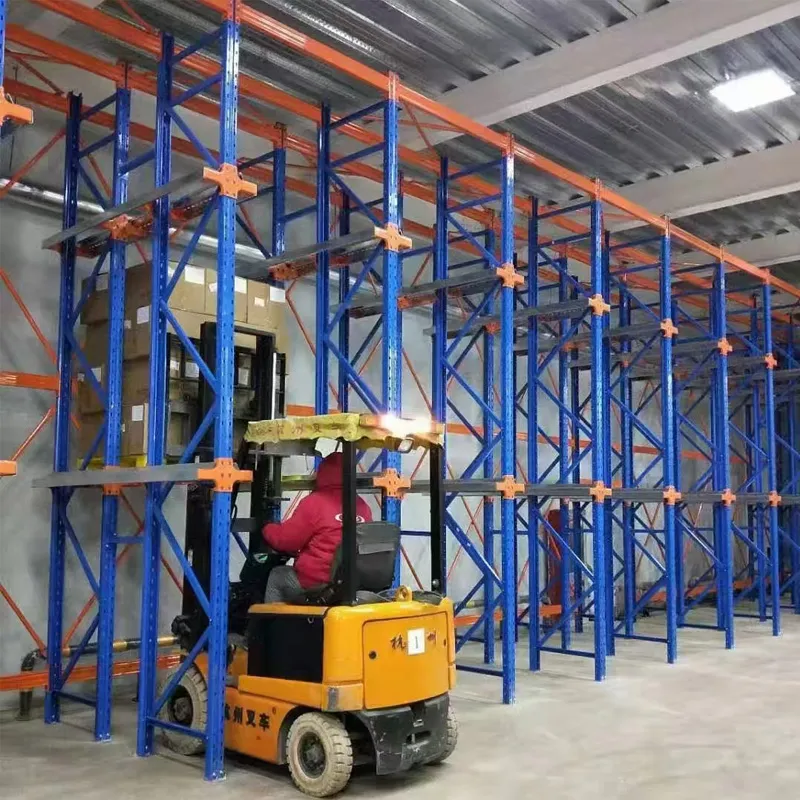
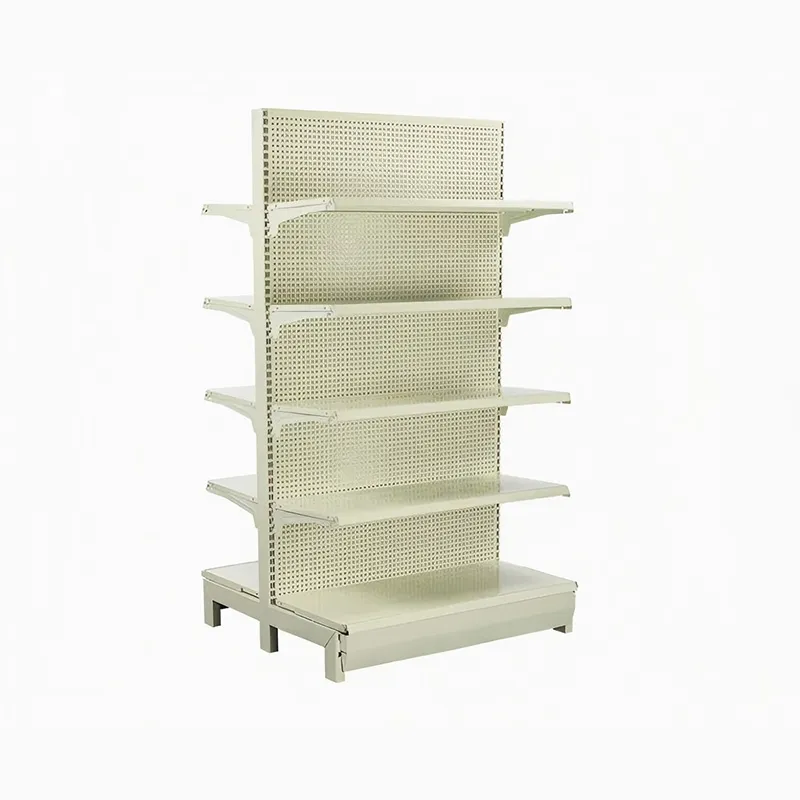
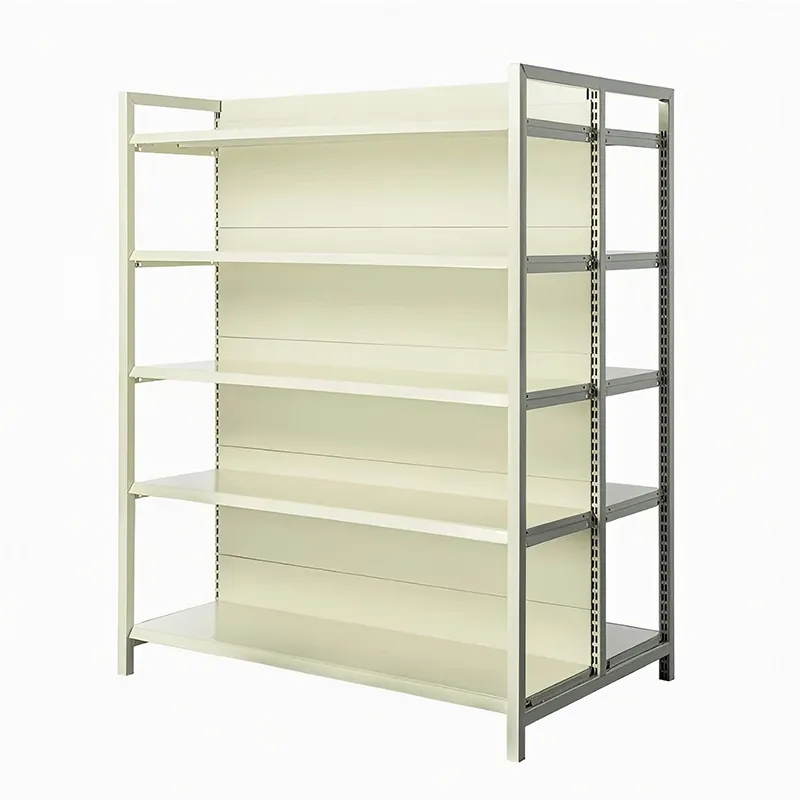
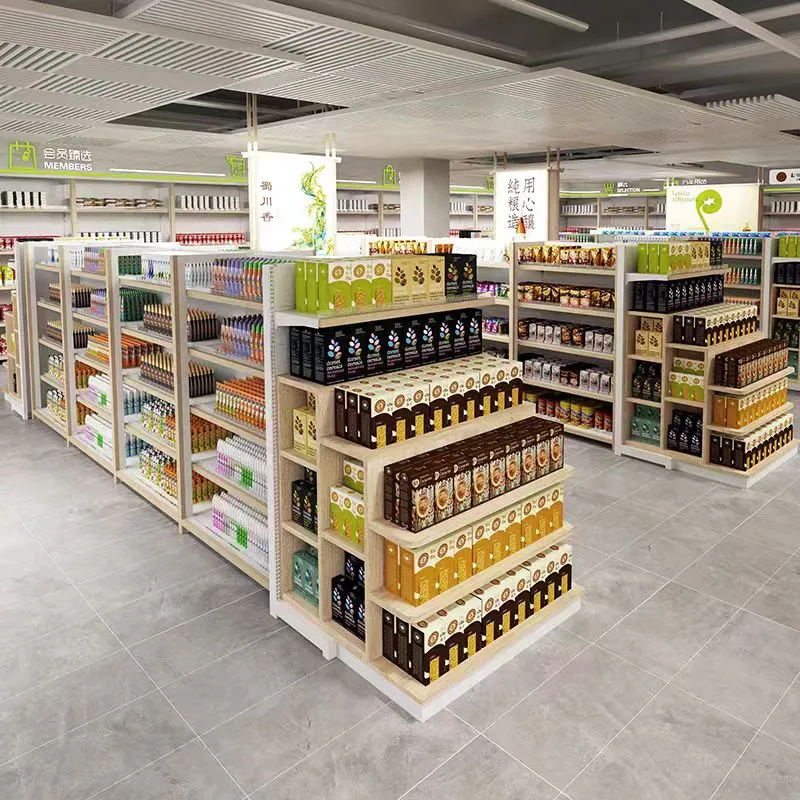
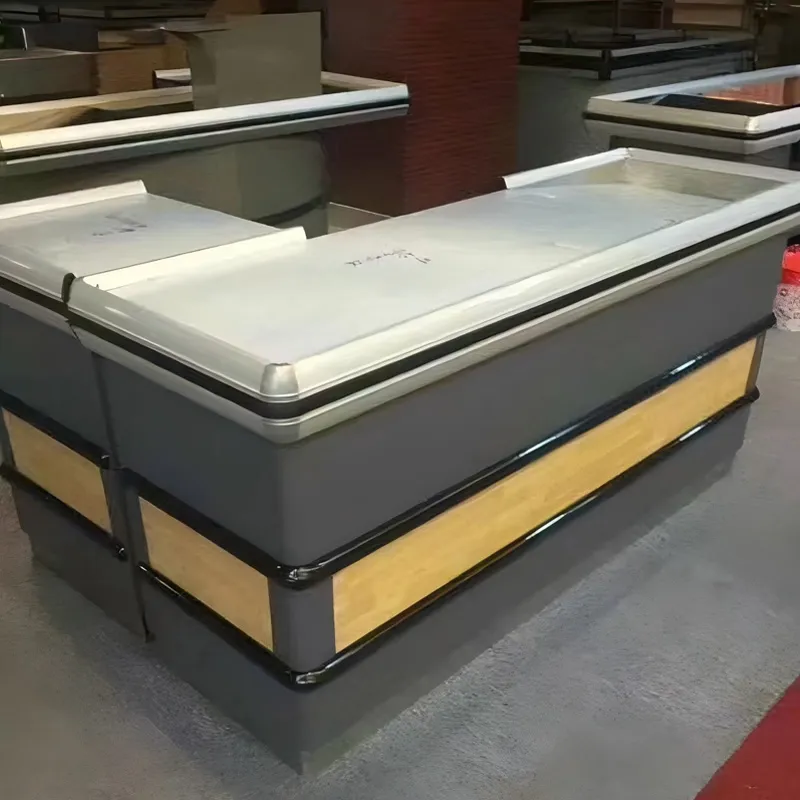
When do you hear?production of metal shelving?, many people imagine a workshop where profiles are cut and frames are welded. In fact, this is an entire engineering discipline, where an error of a couple of millimeters in a drawing can result in a ton of defects in the client’s warehouse. I went through this myself when I thought that the main thing was strength, and then I could think about ease of installation or the specifics of the load.
Let's start with design. It would seem that take standard solutions and scale them. But each object is unique. The height of the ceilings, the type of flooring, even the temperature conditions of the warehouse - everything affects the design. Once they made for a large logistics centerwarehouse racksunder high loads. We calculated everything according to the standards, but did not take into account the vibrations from the loaders that worked around the clock. Six months later, the client complained of “fatigue?” metal in fastening points. We had to redo it, strengthen the structure, and incur losses. Now I always ask about the intensity of the technique.
Here, by the way, you can see the difference between a handicraft workshop and a full-fledged factory. On the sameHarbin Jusheng production of metal structures(their website isjshj.ru) the process begins with CAD modeling and load simulation. This is not for show. Automated lines cut and bend metal with such precision that during installation the elements fit together almost without adjustment. But this is not a panacea - if the engineer has not included the correct tolerance for painting or deformation during transportation, problems will still arise.
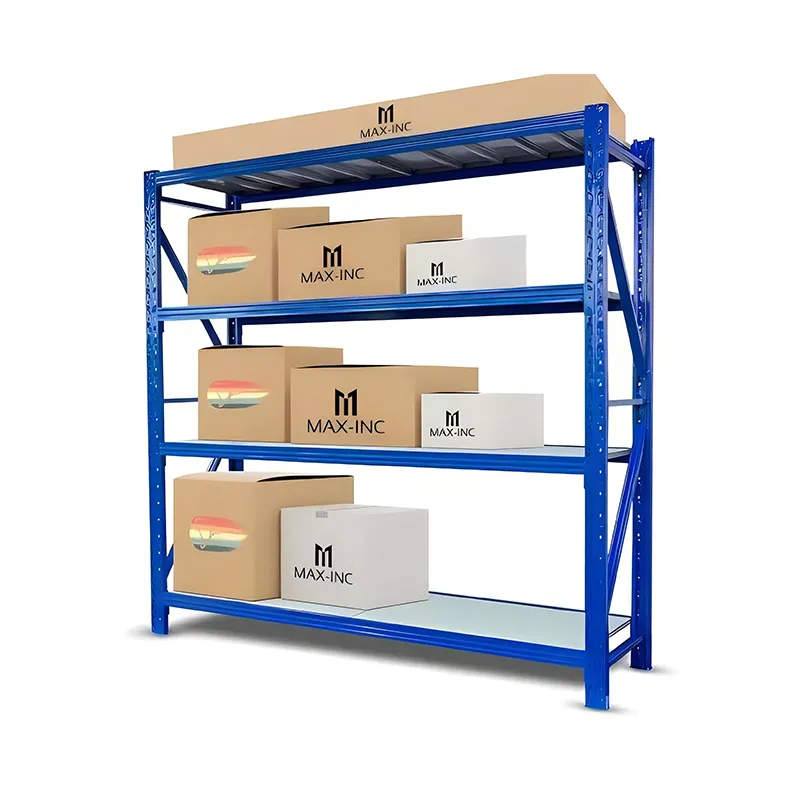
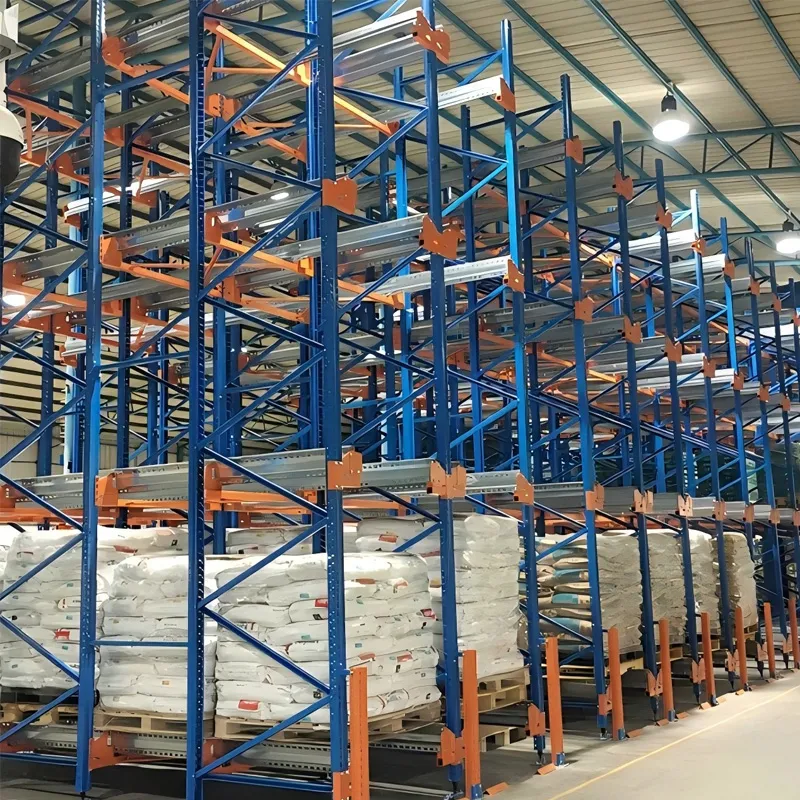
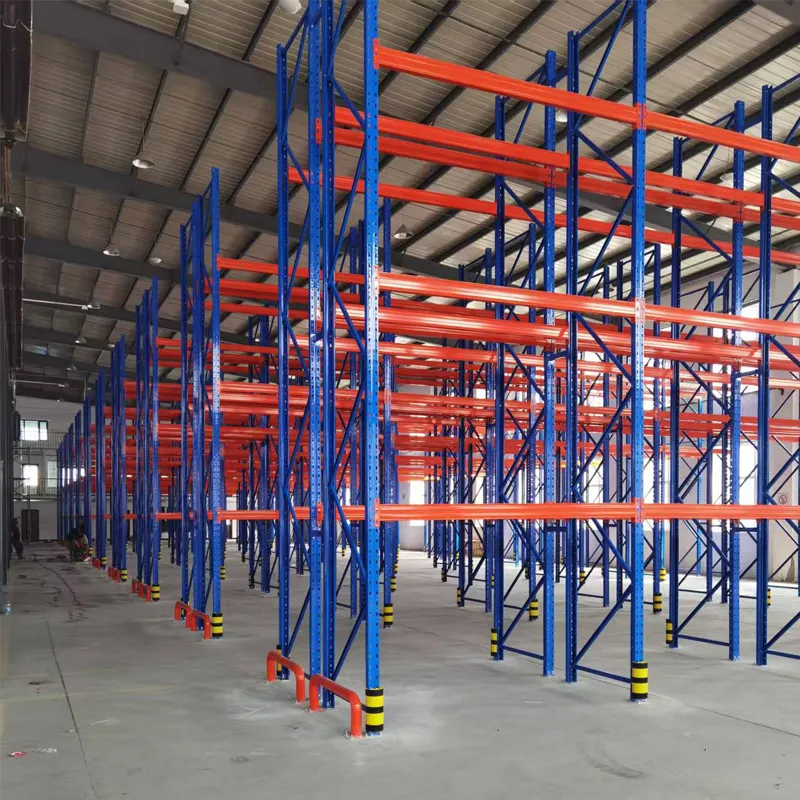
For me personally, the key stage is prototyping. Even on difficult onesbeam racksorracks for four-way shuttlesWe first assemble one span in the workshop, load it and look at its behavior. Often at this moment, nuances that are invisible on the computer screen emerge: how the paint adheres to the weld, whether the bracket catches on the adjacent beam during installation. Saving time? No. Saving reputation.
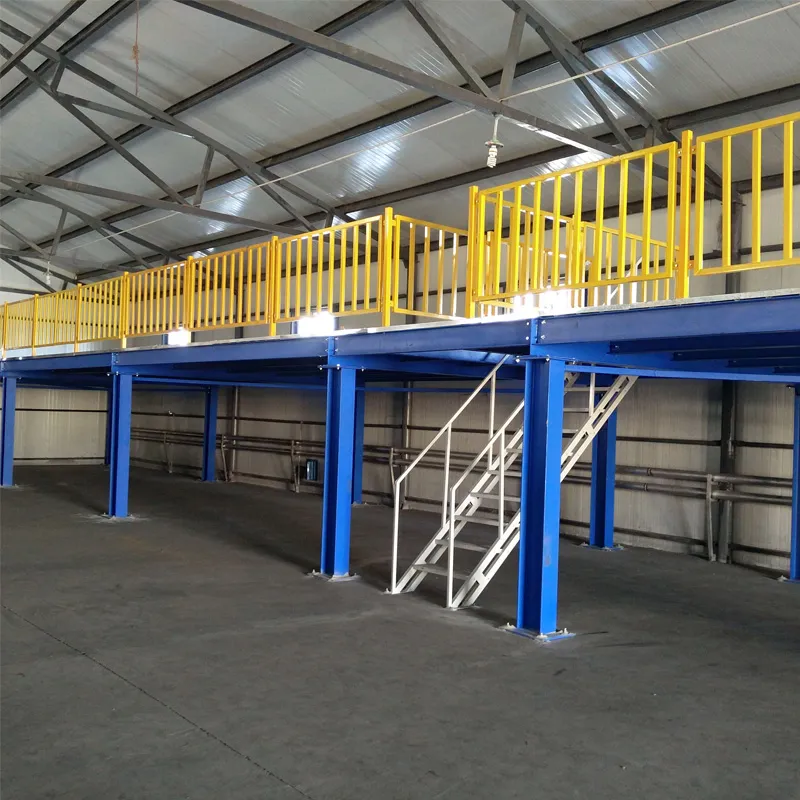
Speaking of materials, many clients demand “cheaper” ones, and then wonder why the shelves sag. There is no room for compromise here. For load-bearing elements, only a certain grade of steel is used, with strict control of the thickness and quality of galvanization. I remember a case when we saved on the wall thickness of a column formezzanine shelving. Visually there is no difference, but when accepting dynamic loads (for example, when operating a stacker), the design began to “play”. The rework was more expensive than if the correct metal had been taken straight away.
Equipment is a separate issue. Robotic welding produces a smooth, strong seam, but requires fine tuning for each type of connection. Laser cutting allows you to make complex holes for fasteners without burrs. In the same Jusheng plant, which, as stated in the description, occupies 20,000 square meters. meters in Harbin, several such automated lines. This allows you to maintain stable quality at large volumes. But even with robots, a master’s eye is needed - the operator must see when a sheet of metal is placed incorrectly or when the protective gas in the torch has run out.
Painting. It would seem like a small thing. But the quality of the soil and polymer coating determines how many years the rack will last in an unheated warehouse with changes in humidity. We tried several powder coating suppliers until we found the optimal ratio of adhesion and elasticity. A glossy finish is more beautiful, but a matte finish better hides small chips from loading equipment - a practical nuance that is rarely written about in catalogs.
This is where all theory collides with reality. You can make perfect parts, but if they are not packaged and loaded correctly, a set of bent profiles will arrive at the site. We have developed our own system for securing pallets and laying corners, but each new type of transport (container, truck with trailer) is a new challenge. Especially for long elementscantilever racks.
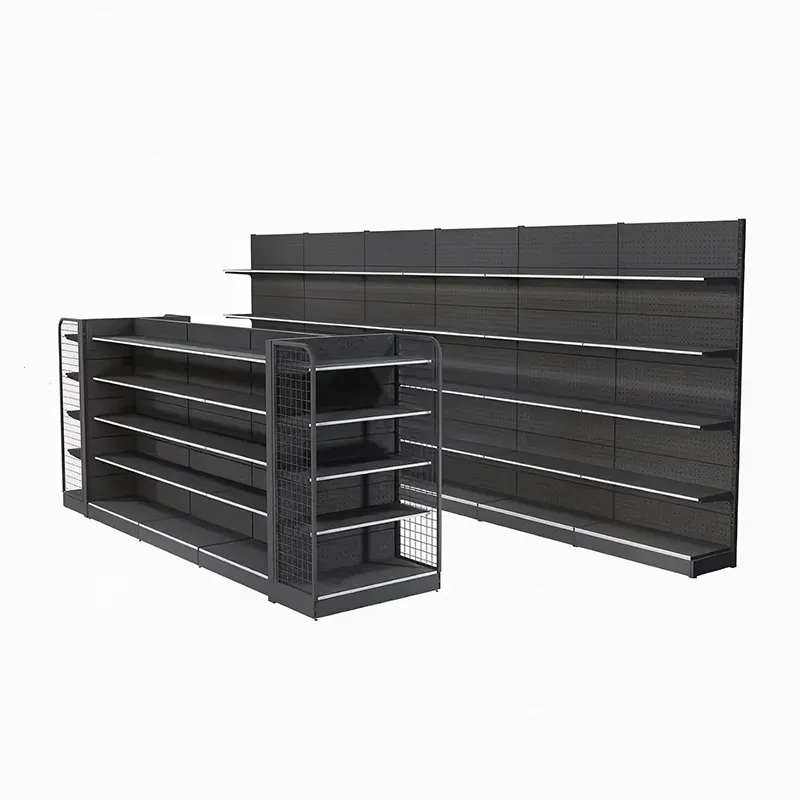
On-site installation is an art in itself. Good installers are worth their weight in gold. Based on the floor level and the curvature of the walls, they understand how to compensate for deviations so that the rack stands vertically and the guides are parallel. Instructions help, but without experience you won’t get anywhere. I once saw a team collectingshelf racksfor a retail space without checking the anchorage into the concrete floor. When the goods were loaded, the entire section tilted. It's good that no one was hurt, but the lesson was harsh.
That is why serious manufacturers, like Harbin Jusheng LLC, do not just sell racks, but carry out a full cycle - from design to installation supervision and maintenance. Because even the best product can be ruined in the last mile. In their case, as stated in the description, it is logical: design, production, sales and after-sales - all in one hand. Quality control at all stages.
The market does not stand still. Previously, the main issue was the price per ton of metal. Now the client is increasingly asking about the flexibility of the system, the possibility of reconfiguration, and integration with WMS. For example, the demand forracks for four-way shuttlesis growing precisely because of the automation of warehouses. Here the requirements for manufacturing precision are prohibitive - the shuttle must ride with a millimeter gap, otherwise it will get stuck or hit the racks.
Another trend is environmental friendliness. Not in the plaza of the ?greens? initiatives, but in a purely practical way: the ability to easily disassemble and recycle the rack, use metal with a high percentage of recycling. This is gradually becoming a competitive advantage, especially when working with large international companies.
As for niches, in addition to classic warehouse and retail solutions, there are requests for racks for specific industries - for example, for storing aircraft engines or long construction materials. Each such task is a new challenge for engineers and technologists. Standard catalogs don’t work; you need to delve deeply into the client’s process.
So, going back toproduction of metal shelving. This is not just a craft. It is a balance between physics, economics and human factors. You can buy the most expensive equipment, but without a team that understands why this or that approval is needed, and without a culture of quality at every stage, you will end up with just a pile of neatly cut and painted iron.
Experience, including bitter ones like that story with vibration, is the best teacher. Now, looking at the projects, I mentally scroll through not only the static loads according to GOST, but also how this system will be maintained, what will happen if the loader catches a corner, how the structure will behave after five years of intensive use.
That is why, when you see the scale of an enterprise like ?Jusheng? - with a full cycle and automation - you understand that this is not for show. This is an attempt to systematically approach each of these risks, to take control of as many variables as possible. But the last word, as always, is practice. Behind the same installer at the site, who, scratching his head, will say: “Let’s add a stiffener here, otherwise it will wobble?” This feedback from real use is priceless.