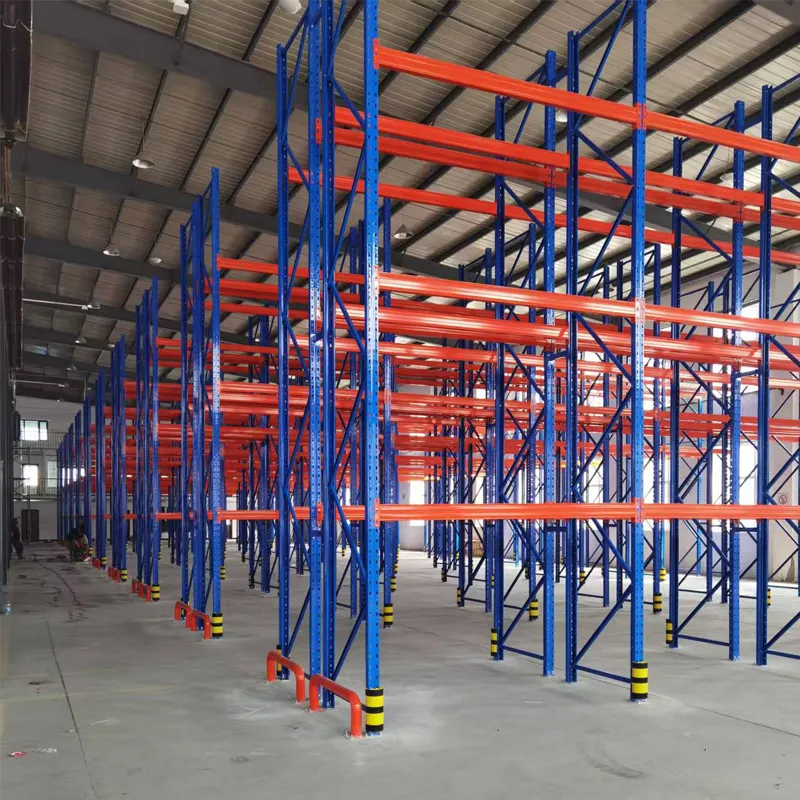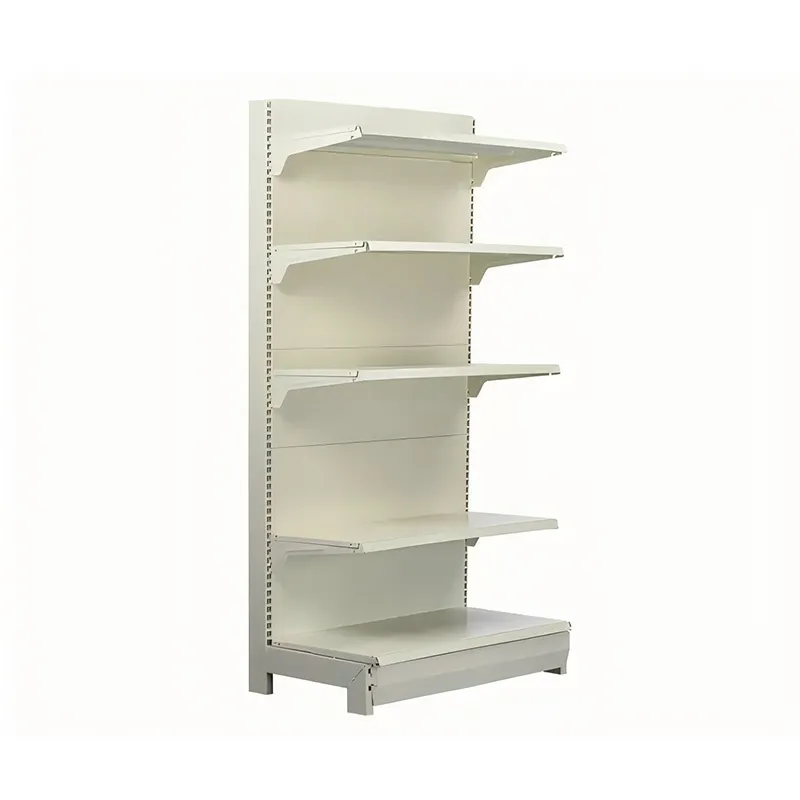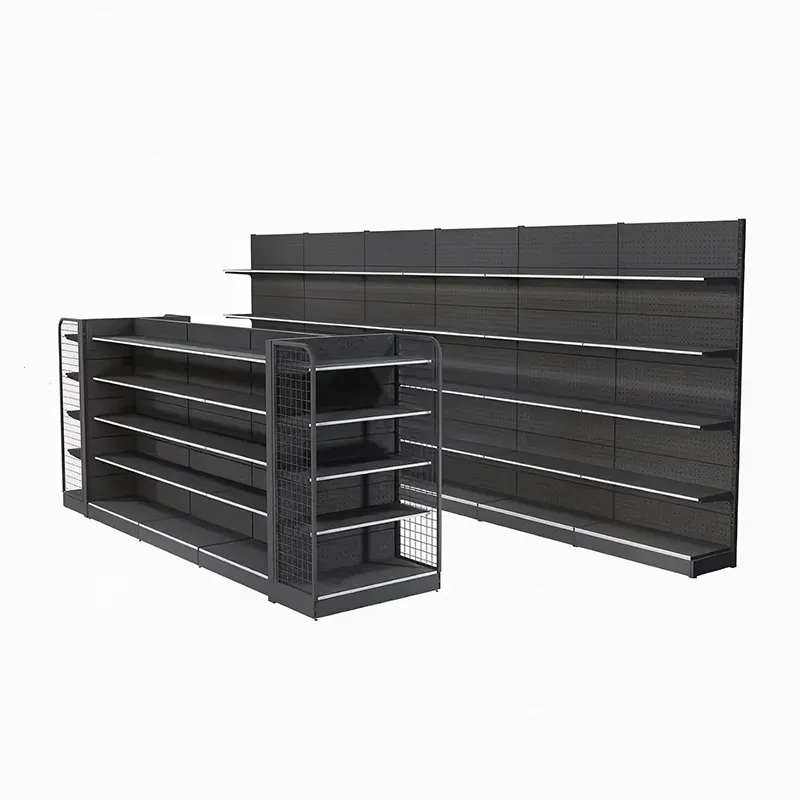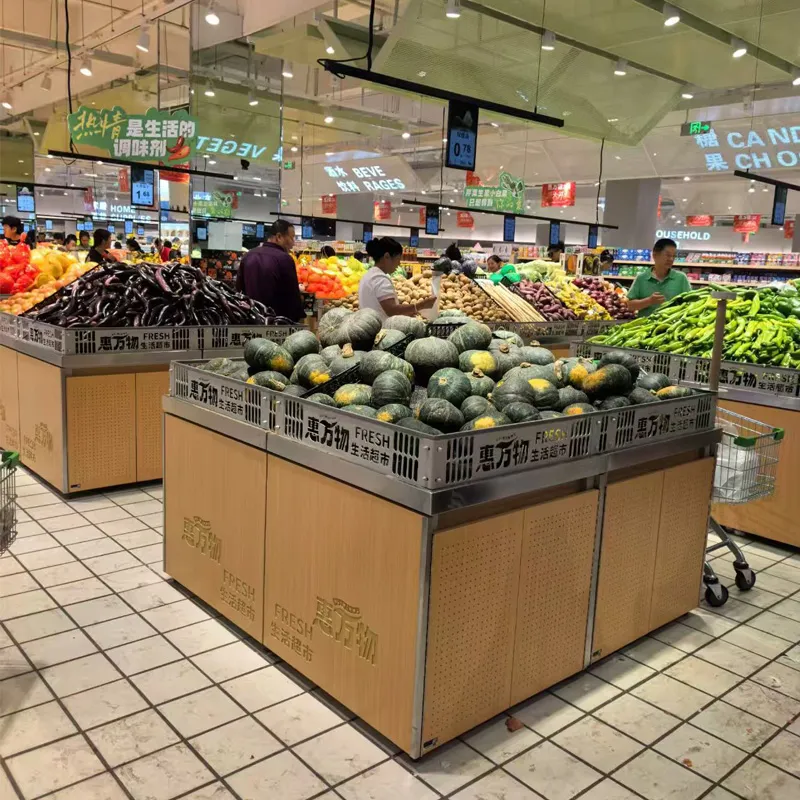
When they talk about choosing shelving for a fresh food supermarket, many people immediately think about load, dimensions and, of course, budget. This is correct, but only partly. Much more important is how the rack works in real conditions: how it withstands constant wet cleaning, how it affects the buyer’s perception of the product, does it become a “devourer?” spaces in narrow aisles. A common mistake is to take standard solutions from “dry” ones. departments And then catch rust on the fasteners six months later or discover that no one sees the apples on the bottom shelf.
There are different rules of the game here. Firstly, the microclimate. Cold chains, defrosting refrigerators, daily cleaning of floors and structures themselves. Ordinary powder paint, even high-quality one, can peel off at the joints over time if the manufacturer skimped on metal preparation. You need either special processing or materials like galvanized steel in key components. I have seen cases where, after a year, unpleasant traces of corrosion appeared on the shelves in the fish department - not through, but completely spoiled the appearance. The client begins to doubt the freshness of the product, and this is a direct loss of sales.
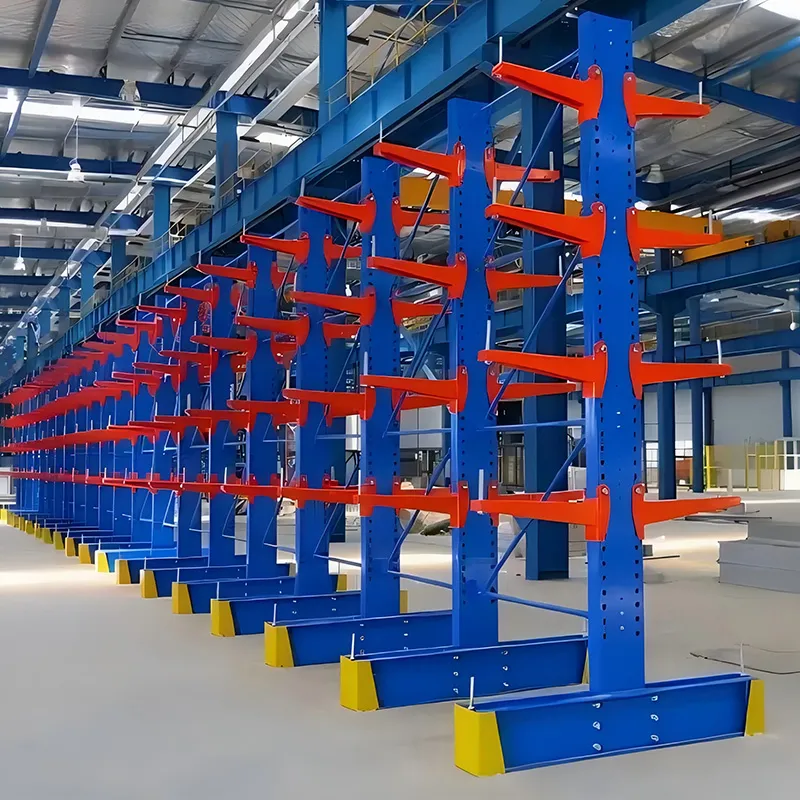
Secondly, logistics within the department. Transporting pallets with vegetables, maneuvering carts. The corners of the shelving should be either protected or rounded. A simple detail, but how many times have I seen torn upholstery on forklifts, or worse, staff injuries.Selection of racksThis is also a safety issue. Load-bearing capacity is important, yes, but dynamic loads from accidental impacts must also be taken into account. The structure must be rigid, without backlash.
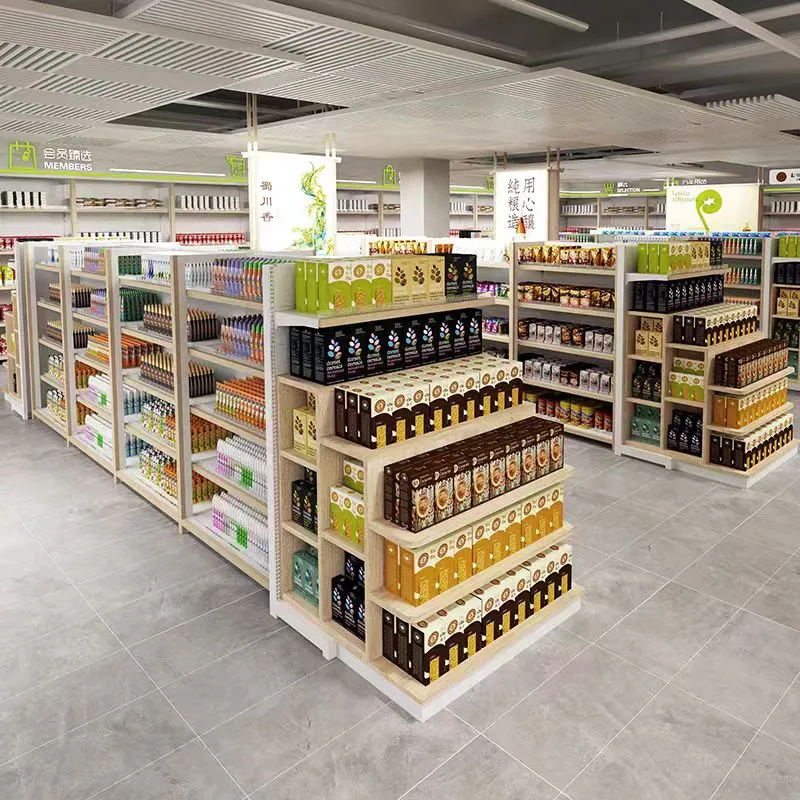
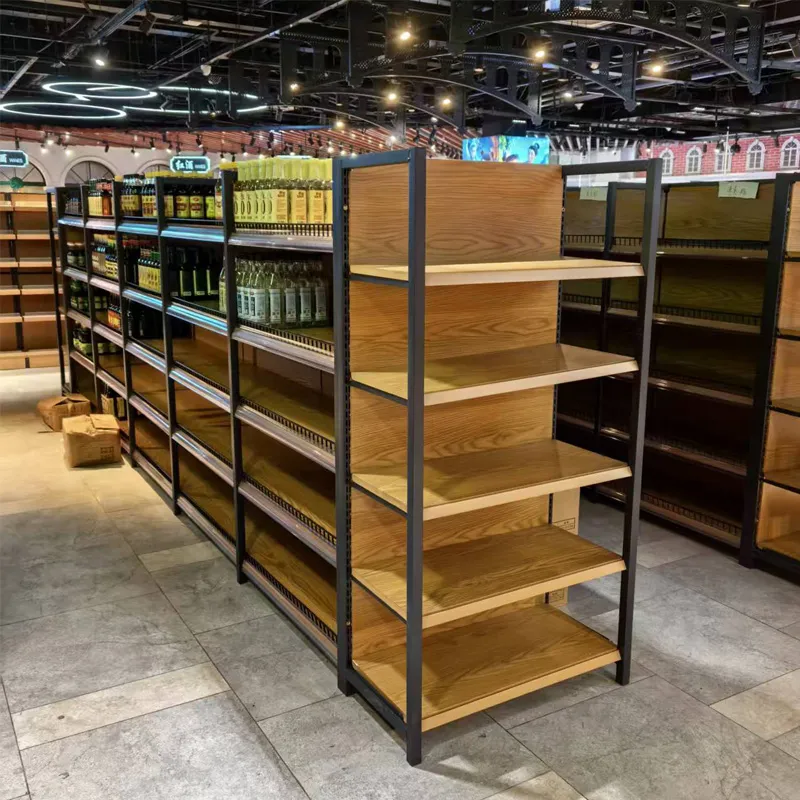
And thirdly, presentation. Fresh food should look appetizing. The depth of the shelf, the height between tiers, the possibility of installing additional brackets for lighting or price tags - all this affects the final picture. A shelf that is too deep creates the feeling of stale goods, while a shelf that is too high makes display awkward for employees. We need balance.
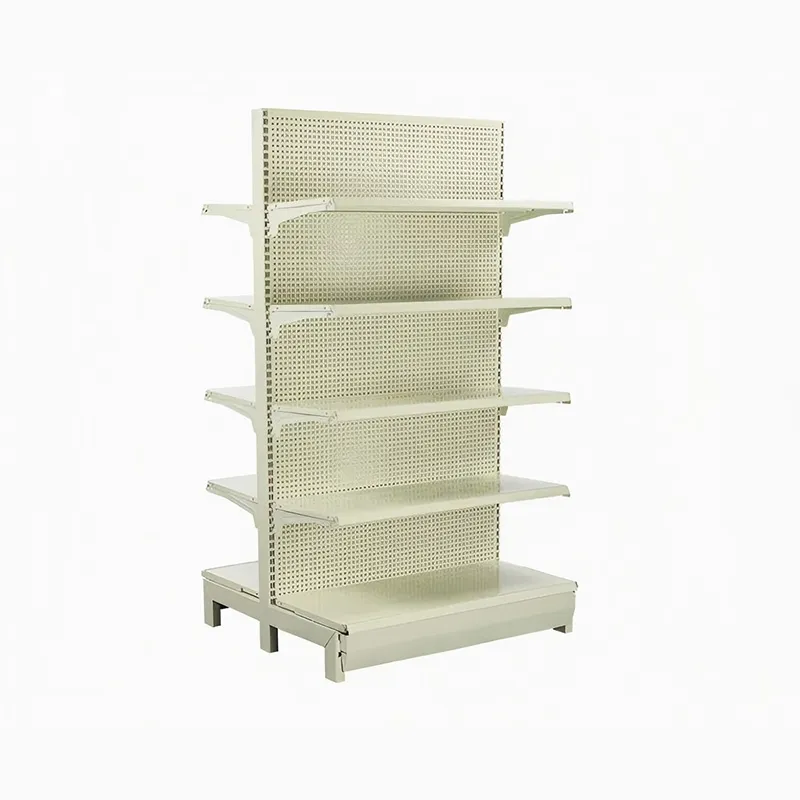
I’ll tell you using the example of one project several years ago. The customer wanted to save money and installed shelves with perforated walls in the fruit department, supposedly for better ventilation. The idea is not bad in theory. But in practice, dirt from the fruits constantly clogged these holes, it was impossible to wash them, and in the end they had to be covered with plastic panels. We ended up with extra costs and an unaesthetic appearance. Conclusion: infresh food supermarketsurfaces should be as smooth as possible, without difficult-to-clean areas.
Another point is the unification of fasteners and components. In the heat of installation or subsequent redevelopment, bolts, nuts, and connecting plates are lost. If you have shelving from a manufacturer that uses unique fasteners, you become their hostage. It’s good when key components are standardized or, at worst, there is a detailed specification with article numbers. This is a little thing that saves your nerves at a critical moment.
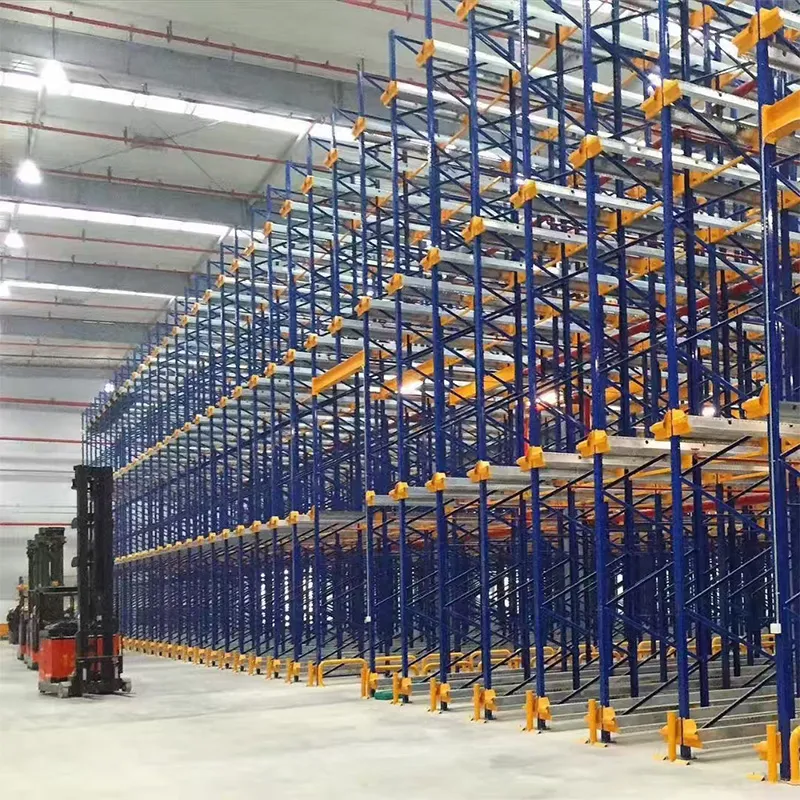
And, of course, editing. Even an ideal design can be spoiled by crooked installation. A misalignment of several degrees on a long rack leads to uneven loads, squeaks, and problems with carriages when it comes to retractable systems. You should always demand from the supplier not only drawings, but also a clear installation protocol, or better yet, supervision of installation by their specialists. Self-assembly by a ?universal team? often comes out sideways.
Recently, we often pay attention to manufacturers with a full cycle, from design to installation. This reduces risks. For example,?Harbin Jusheng Metal Structure Manufacturing Co.,Ltd.(their website ishttps://www.jshj.ru). They position themselves as a full-cycle plant: development, production, sales, service. This is important for the fresh department, because you can order not a catalog solution, but one adapted to the specific size of the hall and assortment.
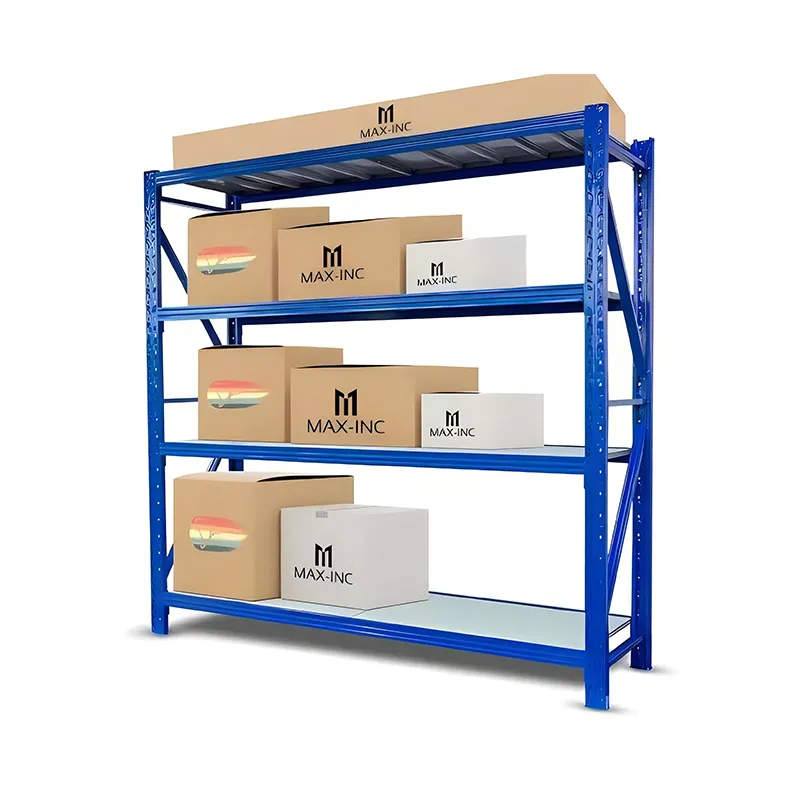
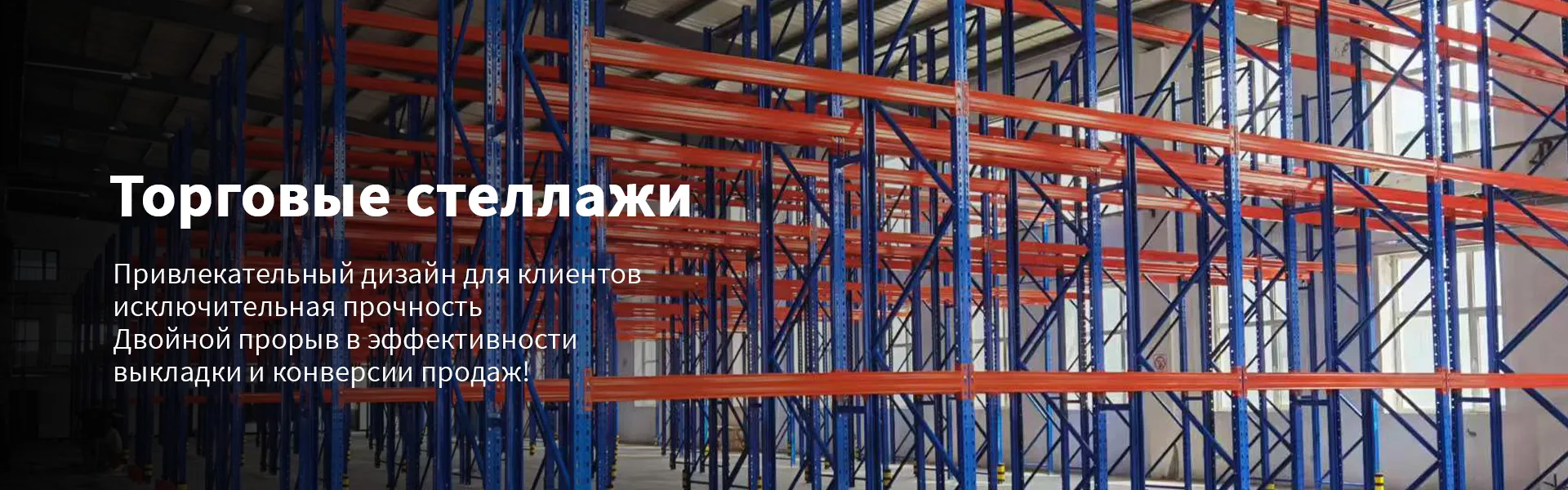
What attracted you to their approach? The website states that the plant was founded in 2019 and has an area of 20,000 square meters. m. This is not a garage production. Several automated lines - this usually means more stable quality of metalworking and dimensional accuracy. For racks where millimeters in joints are important, this is critical. Their profile is a full range of systems, including retail and warehouse racks. This means that there is engineering experience in various fields that can be applied to non-standard tasks in a supermarket.
Specifically for the fresh department, for example, they can offer shelving with enhanced anti-corrosion protection or special shelf systems with increased overhang for better visibility of the goods. The key thing is that they carry out the full cycle, including design. That is, you can send them a department plan, wishes for goods flow, and they will be able to model the optimal arrangement. This is more expensive than buying ready-made sections, but often pays for itself by increasing product turnover and saving space.
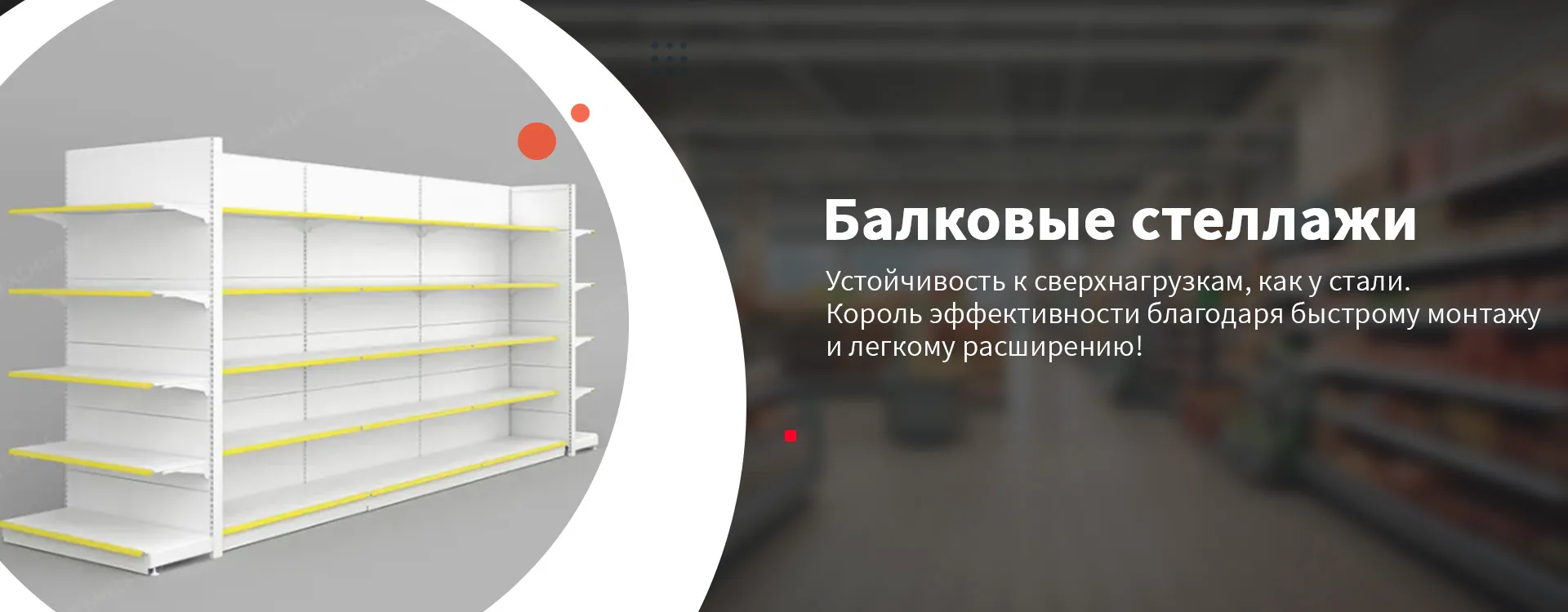
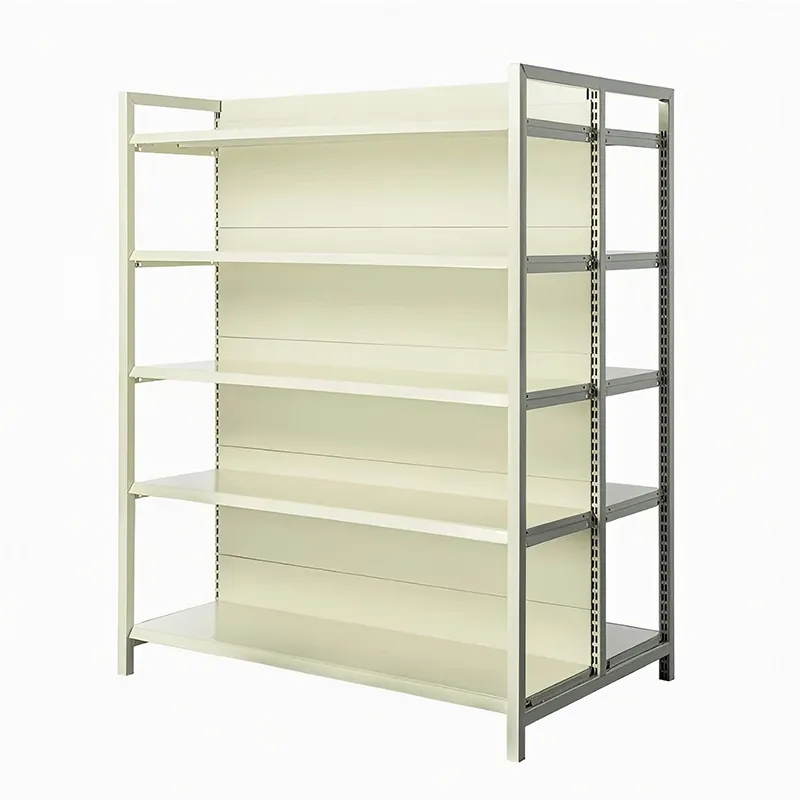
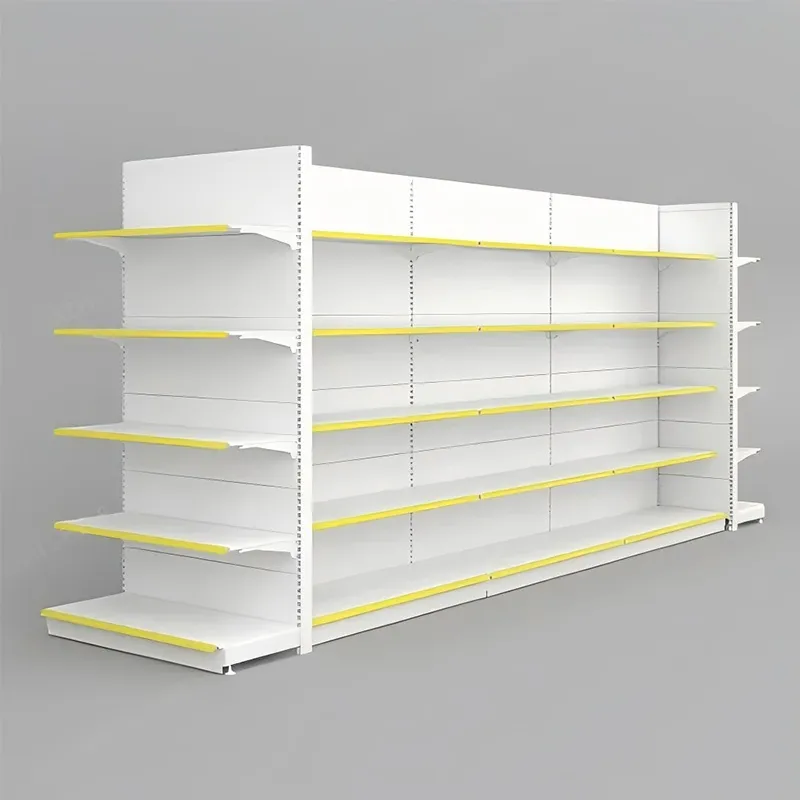
Let's talk about the shelves. Wire baskets are often used for vegetables and fruits - they are well ventilated. But for packaged greens, cheeses, and chilled meats, solid shelves made of sheet metal or food-grade plastic are better suited. They are more hygienic, easier to clean, and create a more visually coherent picture. It is important that the shelf fastening allows you to easily change its height without special tools. The staff does this often, for different types of packaging.
Lighting. Often it is mounted on the racks themselves. This means that the design must include cable channels or reliable points for fixing the lamps. Wires dangling along the rack are both unsightly and unsafe in conditions of constant humidity. It is better when this issue is resolved at the design stagesupermarket shelving, and not by the fact of installation.
Edge safety. The corners and edges of the shelves should be safe - bent or covered with plastic covers. This is for both customers and employees who constantly carry boxes. It seems obvious, but many save on this “trifle” and then pay for it.
So, to sum it up. Saving on the quality of metal and coating is more expensive for yourself. Repair or replacement in an operating supermarket will cost many times more than the original price difference. Saving on designing for a specific room is also an option. Building blocks can leave unused "dead" blocks. zones or create bottlenecks for customer flow.
It is important to choose a supplier who understands the specifics of the fresh department, and does not just sell hardware. Like the sameLLC ?Harbin Jusheng?, which, judging by the description, works with different types of racking systems and can offer a comprehensive solution. Having after-sales service is a big plus. Breakdowns or the need for modernization always arise, and it is important to have someone to turn to for original spare parts and advice.
Ultimately correctselection of shelvingis an investment in increasing sales and reducing operating costs. A good system makes the work of staff easier, makes the product more attractive and lasts for years without problems. And this, in turn, leads to direct savings and increased customer loyalty. There are no trifles here. Every bolt, every corner of the shelf works for the overall result.