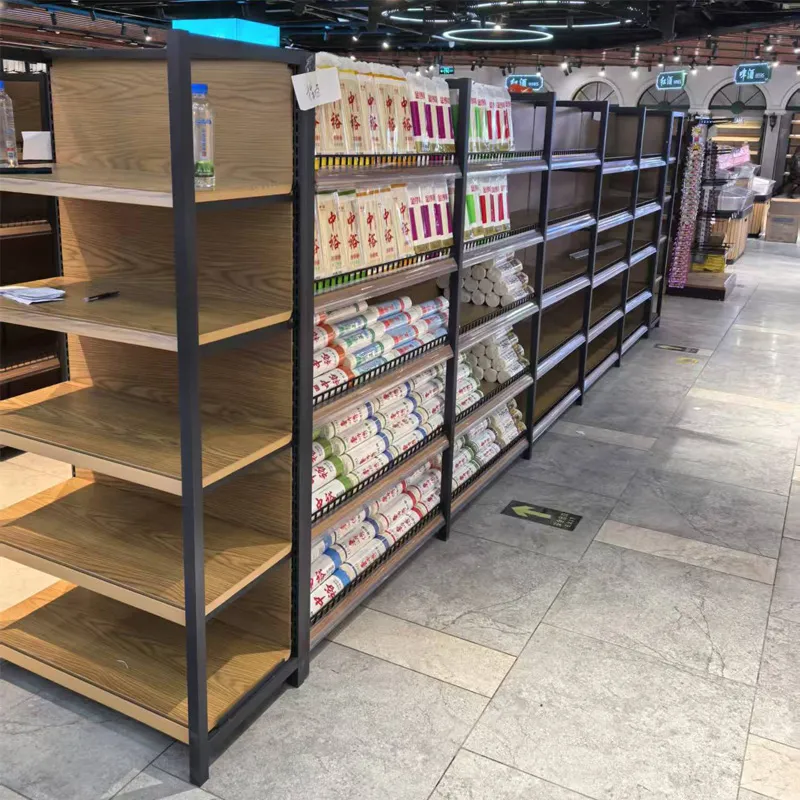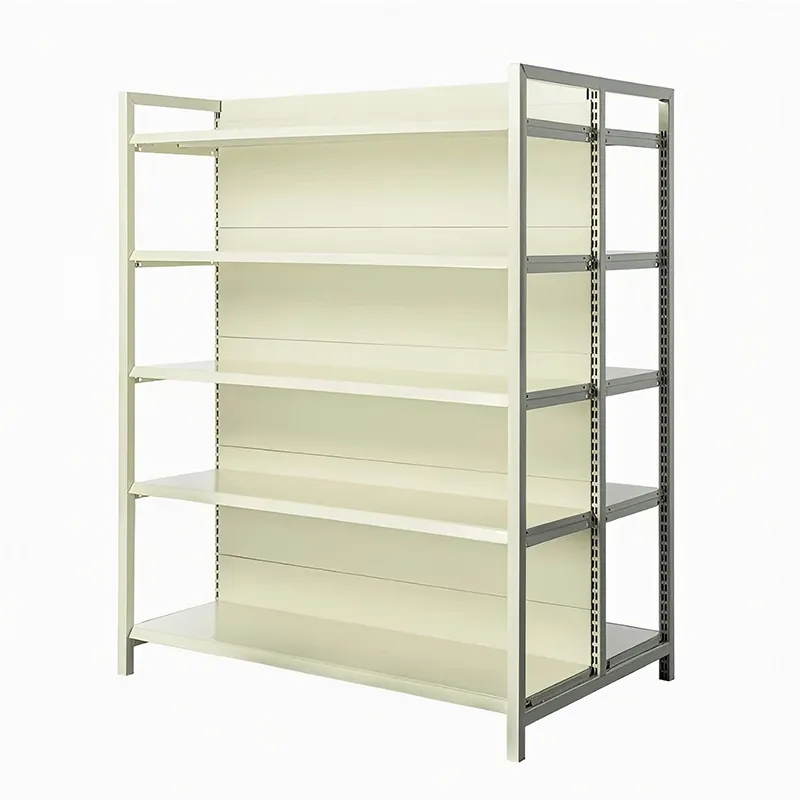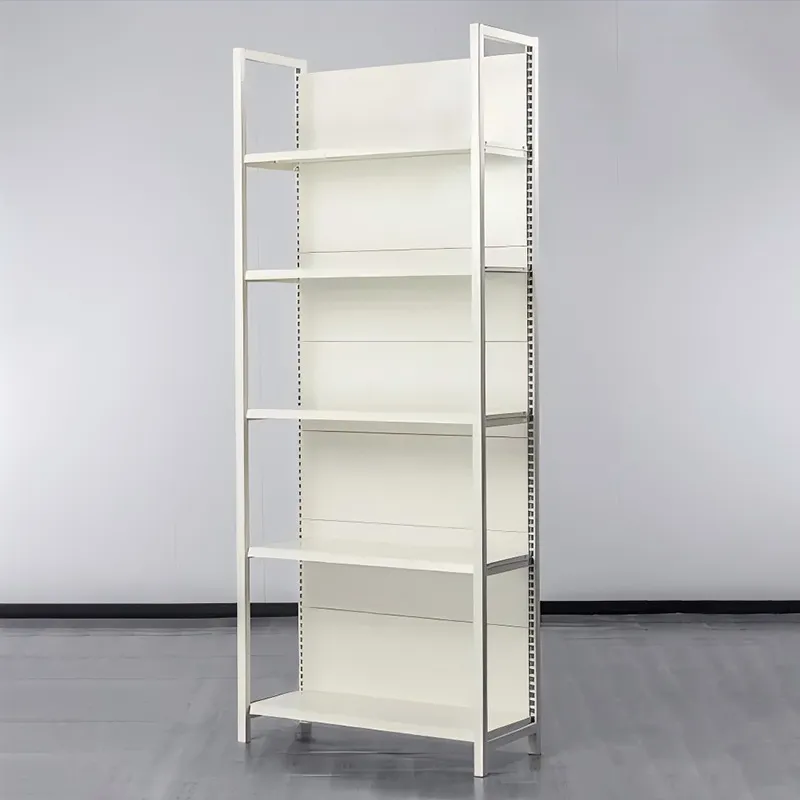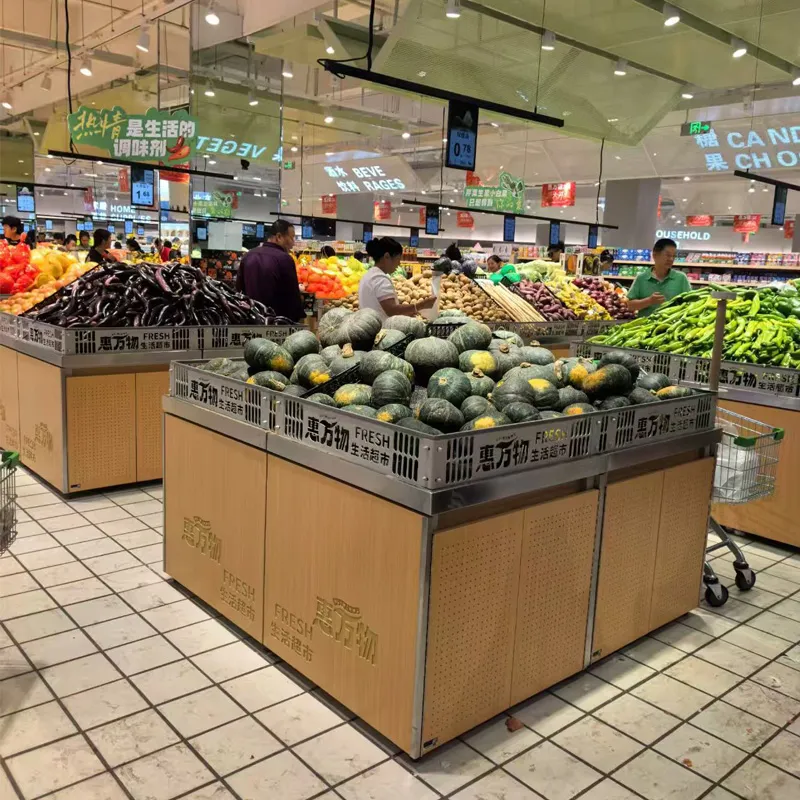
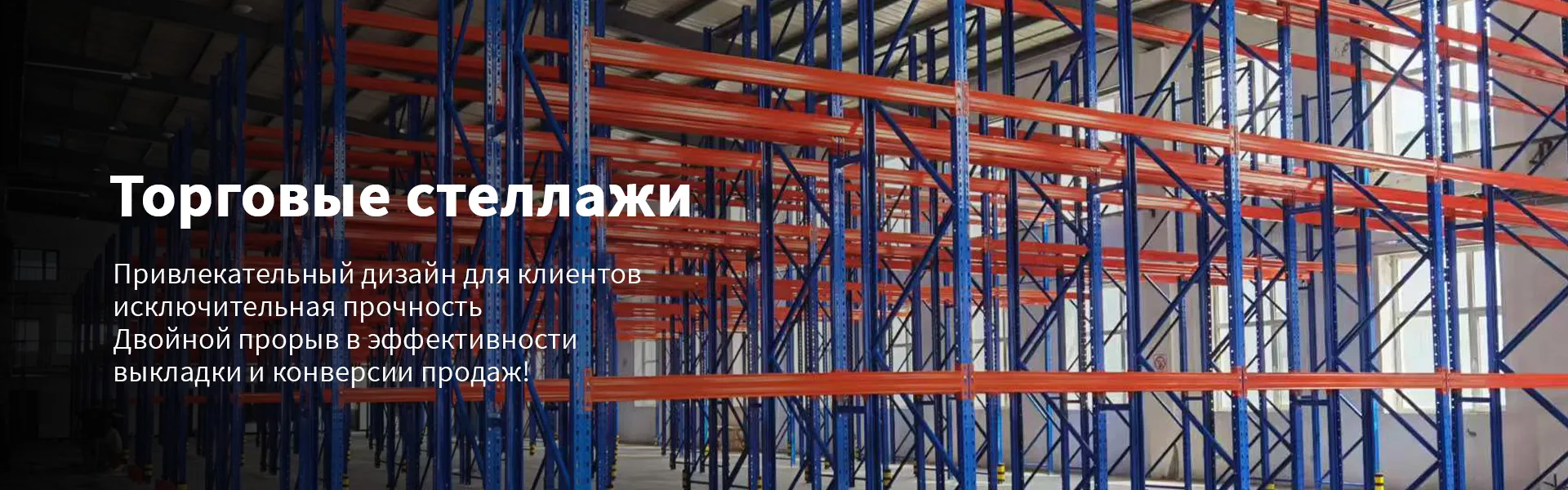
When people say 'shop shelving', many people simply think of metal structures for storing goods. This is the first and most gross misconception. In fact, it is a complex system that directly affects logistics, display, customer perception of the store and, ultimately, revenue. I have seen many times how incorrectly selected or poorly designed racks have ruined the best efforts of merchandisers and buyers. Products are lost, access is difficult, and space is used inefficiently. And vice versa - a competent system seems to guide the buyer, facilitate the work of staff and maximize usable space. This is what is most worth talking about.
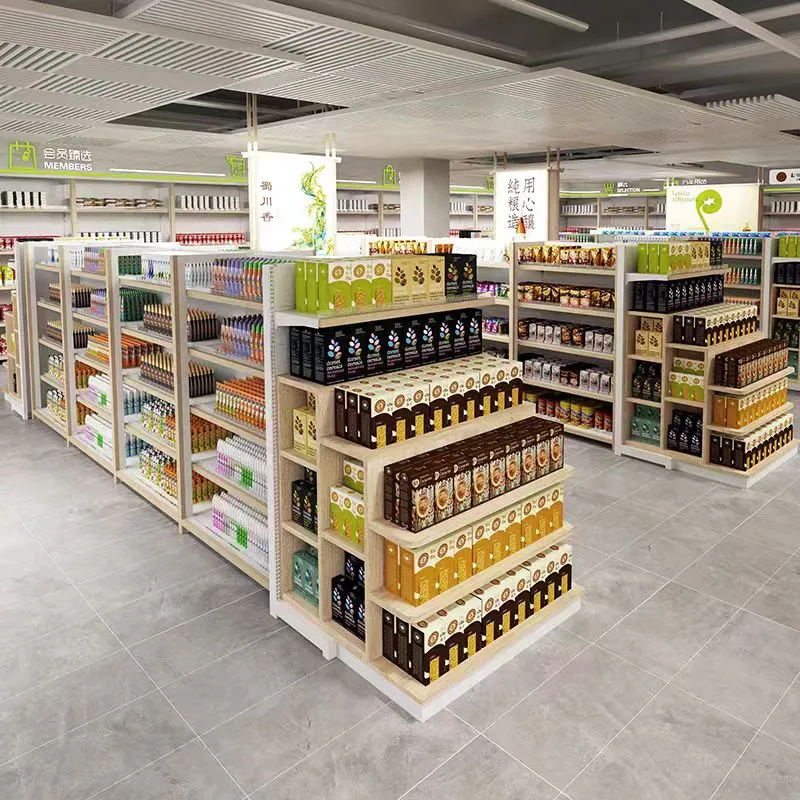
The ideal store rack starts not with the metal, but with the plan. A common mistake is to order equipment only after roughly estimating the layout. Then it turns out that the counters block visibility, the aisles are too narrow for carts, and the height does not allow advertising banners to be placed. I always insist on detailed design, taking into account all standard packaging sizes, peak customer flows and even lighting specifics. For example, for a grocery store, quick rearrangement of shelves for promotional items is critical, and for a clothing boutique, presentability and the ability to easily change the configuration are critical.
What is important here is the choice of a manufacturer who is able not only to sell a standard kit, but to understand the task. Take, for example, a factoryHarbin Jusheng production of metal structures. Their approach, judging by the description, is close to what is needed: a full cycle from design to maintenance. An area of 20,000 m2 and automated lines mean scale and stability of quality, which is fundamental for network projects. But even with such suppliers, the dialogue must be very specific. It is not enough to say 'we need shelving for the sales area'. We need drawings, 3D visualization, calculation of loads specifically for your product range.
Editing is a different story. The most well-thought-out project can be ruined by careless assembly. A misalignment of a couple of millimeters in one section can lead to problems with the entire line. We once encountered the fact that the installers, saving time, did not check the floor level. As a result, collectedshelving for shops'walked', the doors on the end elements did not close. We had to dismantle and re-align everything, wasting days in preparation for the opening. Now we always include in the contract a clause about checking the geometry of the room by the supplier before installation begins.
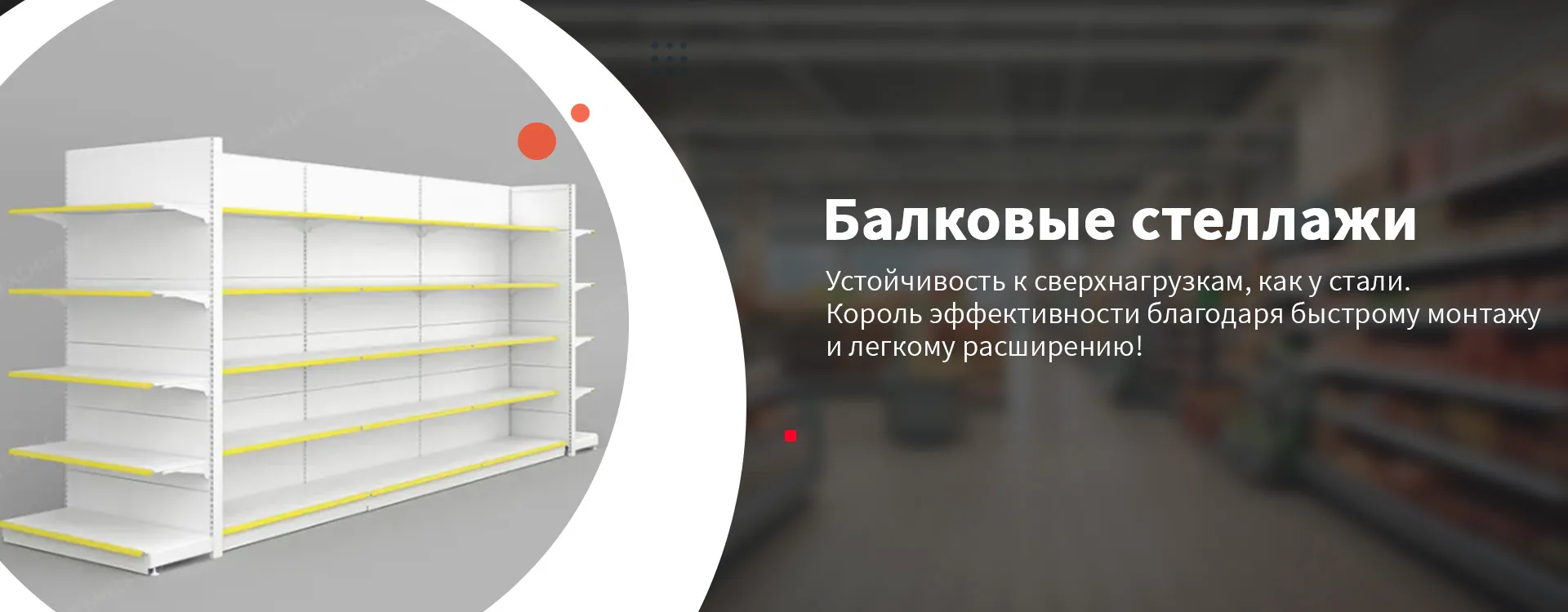
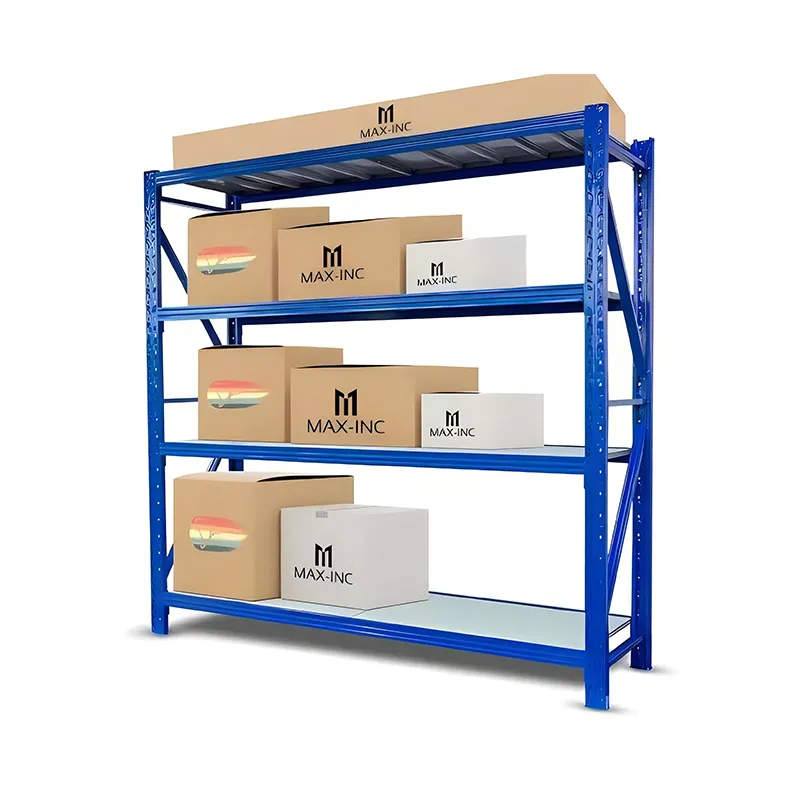
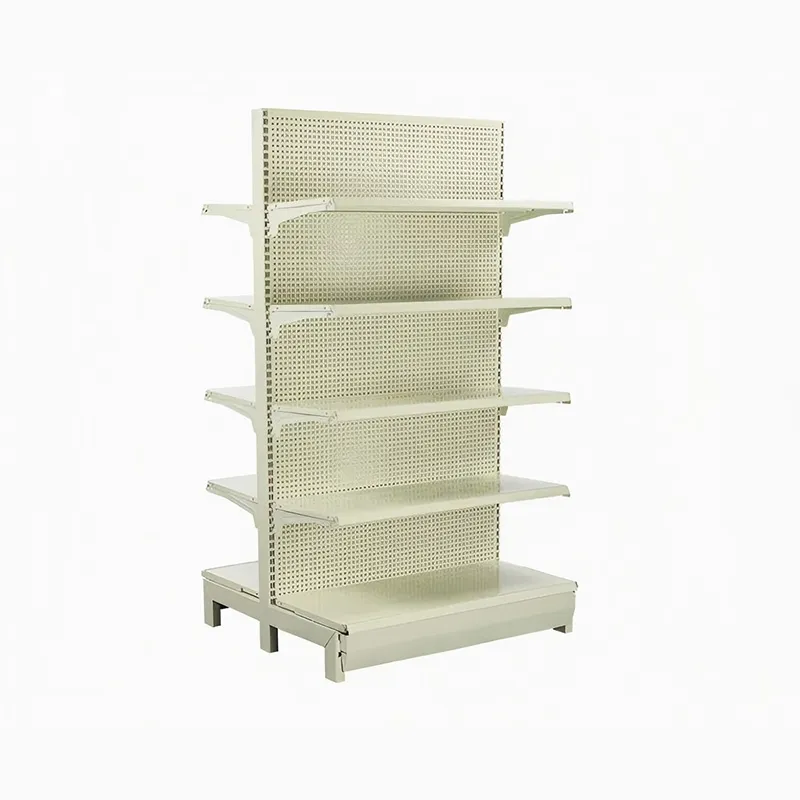
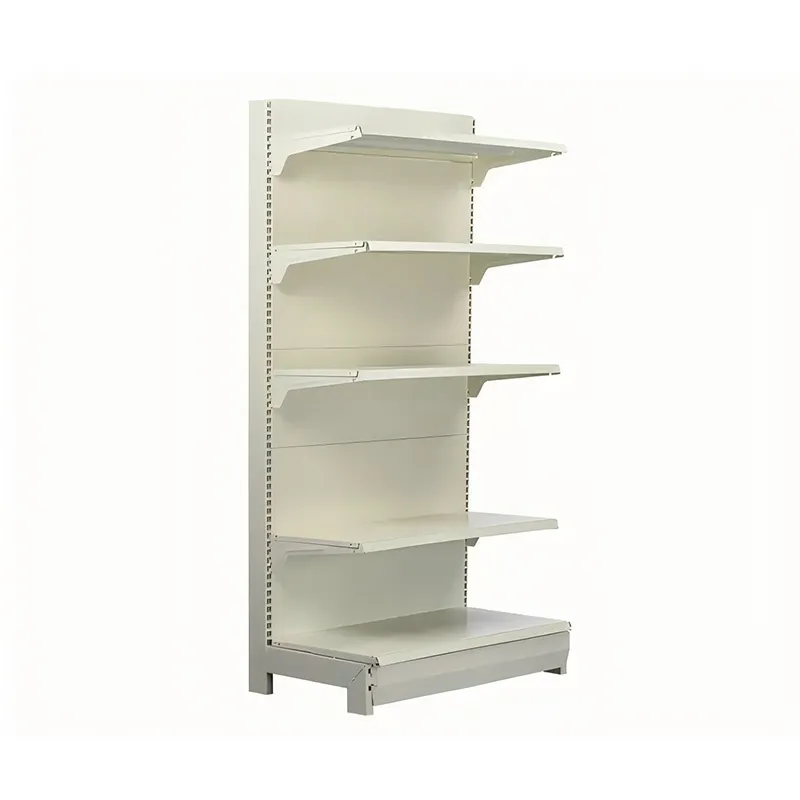
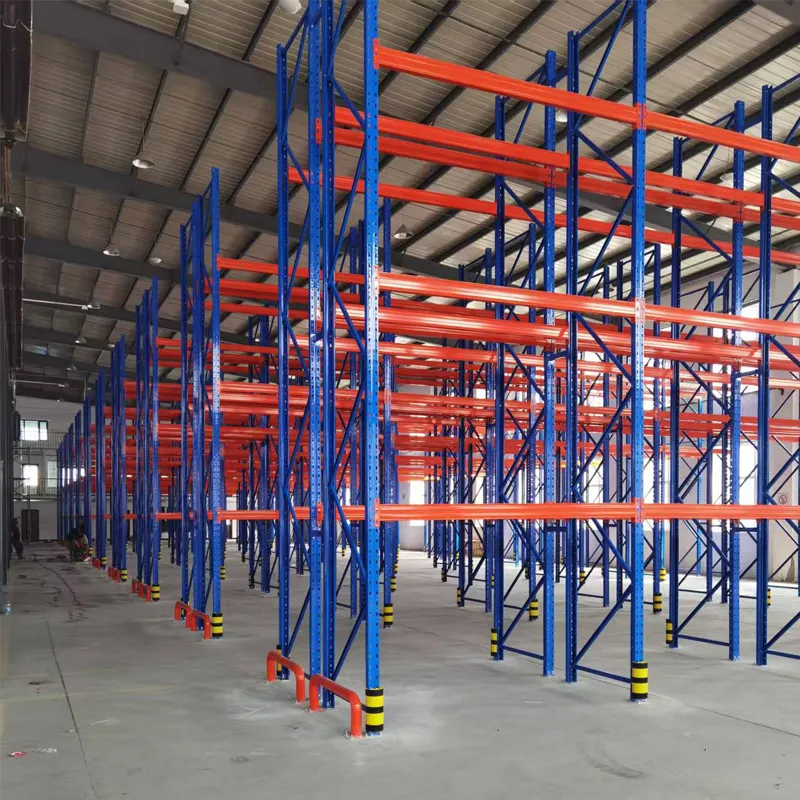
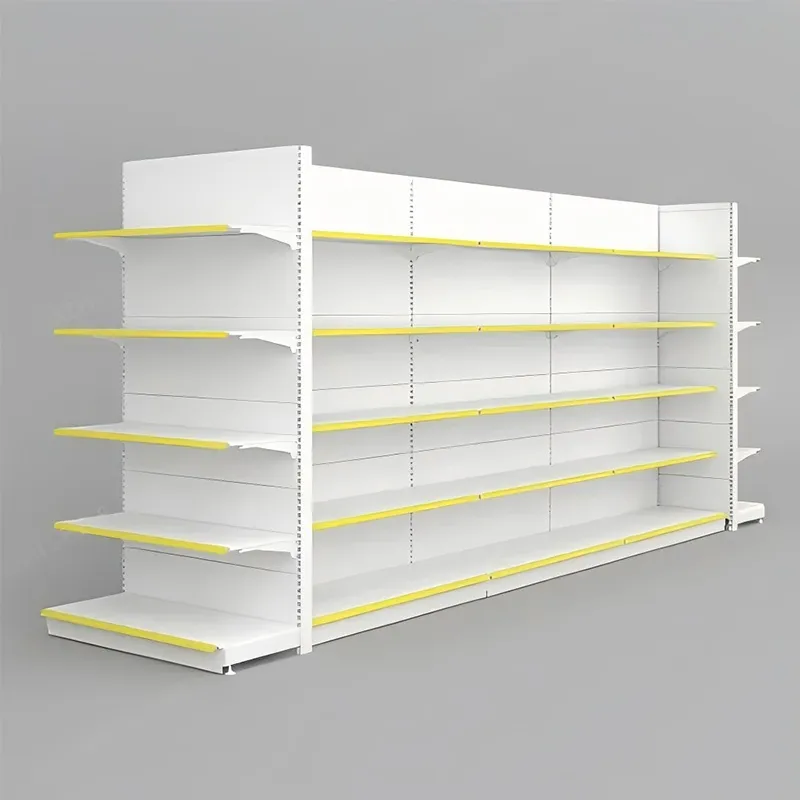
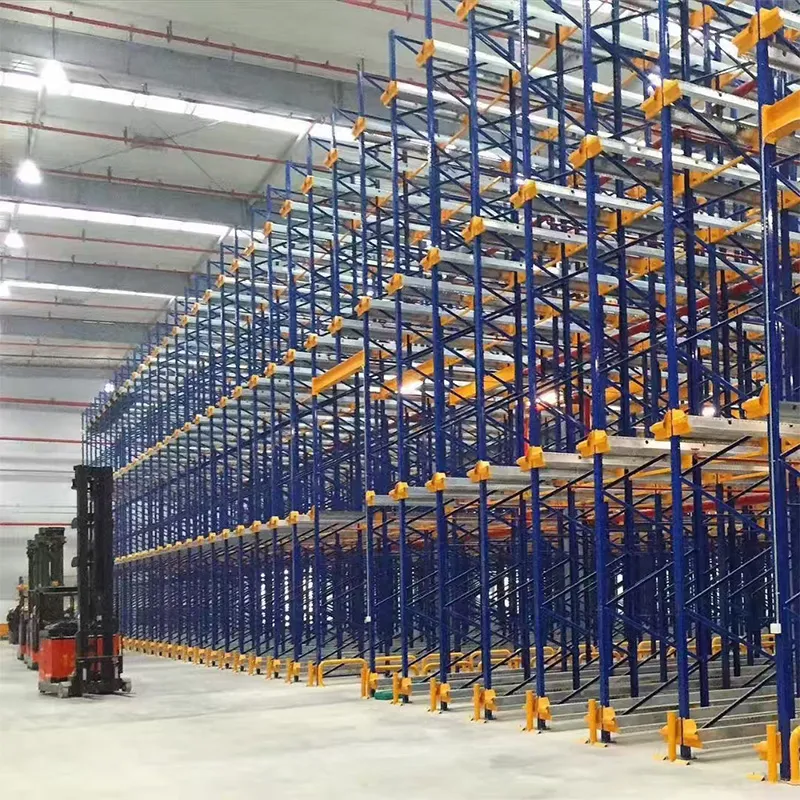
The thickness of the metal, the type of coating, the quality of the welds are things that are not immediately visible, but determine the service life. Cheap racks made of thin steel quickly lose their appearance: the coating peels off, the shelves sag under the weight of the cans, and an unpleasant squeak appears. Savings of 15-20% on purchases result in constant repairs and complete replacement in a couple of years. Different areas of the store require different solutions. In the grocery display area, standardshelf rackswith adjustable brackets. And for heavy drink bottles or tools, reinforced structures are already needed, perhapsbeam racks.
Particular attention is paid to the finishing coating. Powder paint should not just be for appearance, but to protect against moisture, frequent washing and mechanical stress from carts. This is critical in meat departments or dairy displays. At the sameHarbin Jusheng, apparently, the process is automated, which usually guarantees even application and good adhesion. But it’s always worth requesting samples or visiting existing facilities where their equipment has already been standing for a year or two to assess wear and tear.
Another point is accessories. Hooks, dividers, price tag holders, light panels. They seem like a small thing, but their absence or inconvenience breaks the entire display system. A good manufacturer, like the mentioned plant, offers comprehensive systems where all elements fit together without problems. It’s bad when you have to buy these little things separately and “adjust them with a file.”
The store format is changing, the assortment is being updated, and merchandising requirements are evolving. The racking system should allow this. Rigidly fixed, non-demountable structures are a dead end. Systems with modular architecture are valuable, where you can quickly change the height of the shelves, the width of the span, add or remove a section. This is the kind of 'adaptability' that's worth paying for.
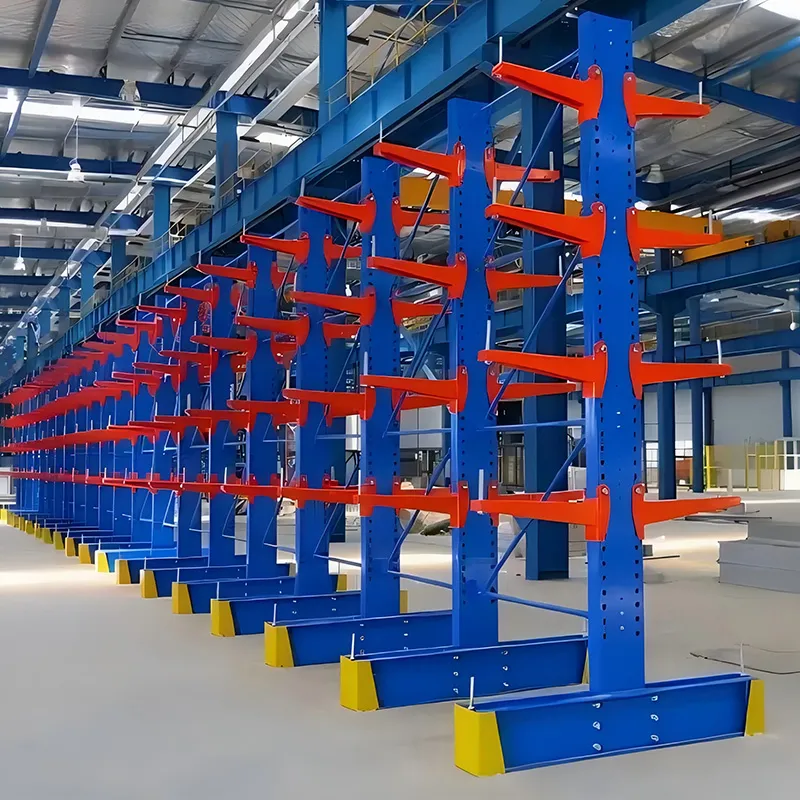
For example, the transition from a seasonal product to a regular one. In summer you need a lot of space for drinks and coals for barbecue, in winter - for New Year's paraphernalia and hot chocolate. If it takes several employees a day to reshuffle, it is ineffective. It is much better if the main racks remain in place, and only the configuration of the shelves and attachments changes. In this regard, combined systems are interesting, where you can use both shelf andcantilever rackswithin one frame base.
Nowadays there is also a growing demand for solutions for mixed retail, where online order collection and offline sales are combined. Neededracks, which allow you to organize a fulfillment area right in the sales area without disturbing the aesthetics. This is a difficult task, and not every manufacturer is ready to solve it. Here it is precisely important that a company like Harbin Jusheng LLC deal with the full cycle, including development. Their websitehttps://www.jshj.ruIt is worth studying specifically for such non-standard, flexible solutions, and not just a catalog of standard models.
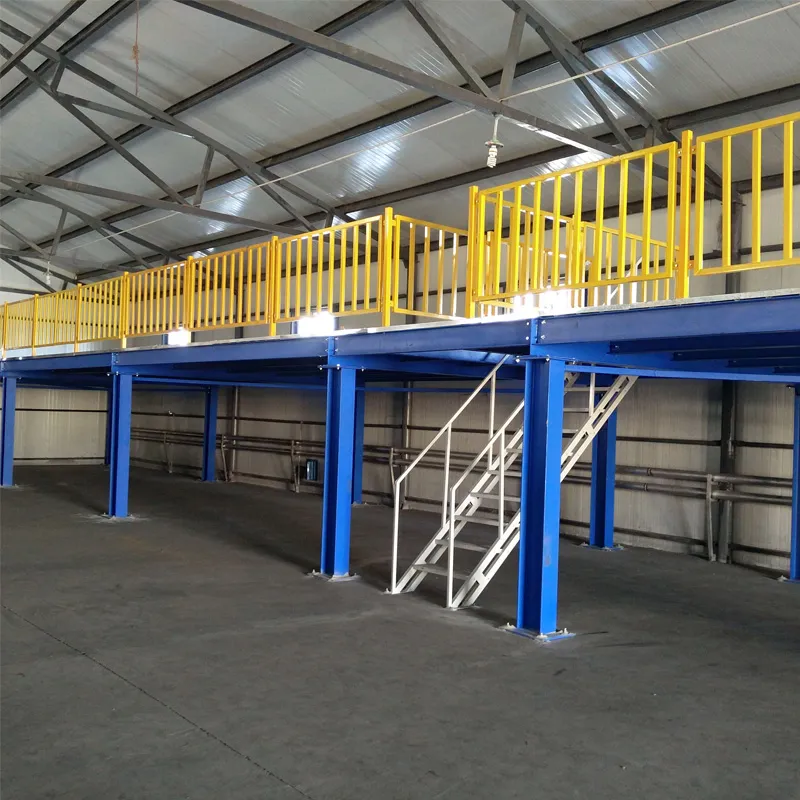
This is the most boring, but absolutely uncompromising part. Load characteristics are not just numbers in a catalog. These are calculations that must be confirmed. Load-bearing capacity of the shelf, stability of the entire structure, especially high onesmezzanine shelvingor racking for four-way shuttles (although the latter are more for warehouses) - all must meet strict regulations. A frivolous supplier may promise 'any load', but without technical documentation these are empty words.
Fire safety is another point. The location of the racks should not block escape routes and access to fire extinguishing equipment. Materials, in theory, should be flame retardant. In practice, there are often problems with this, especially when ordering the cheapest options 'from the market'.
And of course, safety for buyers. All corners must be rolled or closed with plugs, and the structure must not have sharp edges. Reliability of fastenings to the floor and between sections is mandatory. I have seen cases where a child, tugging at a shelf, knocked over an entire section of goods. The reason is flimsy connecting elements and lack of anchorage. After this, we conduct mandatory post-installation stress tests at all sites.
The final choice always depends on the budget. But the key indicator is not the purchase cost, but the total cost of ownership over 5-7 years. It includes: the initial price, the cost of delivery and installation, the costs of possible rearrangements and adaptations, the costs of maintenance and repairs, and, finally, disposal or the cost of the remainder upon sale.
Expensive but high-quality systems from trusted manufacturers who offer design, warranty, and service often turn out to be more profitable. They last for decades and can be upgraded many times. Cheap racks are a constant headache and, in fact, consumables. For a business that plans to operate for a long time, this is a dead end.
That's why when choosing a partner, you should look not only at the catalog, but also at history, production capacity and approach. If the company is like the sameHarbin Jusheng production of metal structures, founded in 2019, but already has such a scale (20,000 sq. m) and positions itself as a leading enterprise in northeast China, this indicates investment in development and serious ambitions. Their specialization in the full cycle - from design to after-sales - is exactly the signal that a professional buyer is looking for for long-term cooperation. Not for a one-time purchase of 'shelves', but for building an effective and reliable merchandise distribution system in the store.
Ultimately correctshelving for shopsis a quiet and reliable assistant. They are not noticed when they work as they should. But their absence or malfunction is immediately noticeable and is costly. The choice here is not about momentary savings, but about the strategy of the outlet.