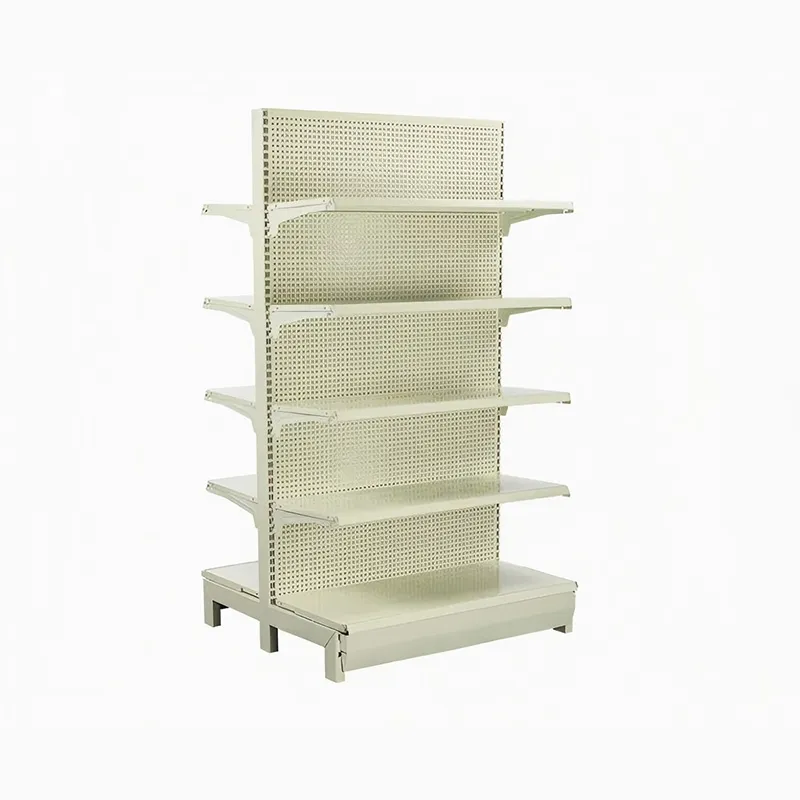
When you hear “cold storage racks,” many people think of simply beefed-up versions of conventional warehouse structures. This is the first and most common misconception. In fact, the difference is fundamental. It’s not just metal that works here, but a whole set of requirements: constant minus, aggressive humid environment, condensation, thermal deformation, weight restrictions due to insulation. A mistake in choosing a material or coating, a miscalculation in the load - and after six months you end up with corrosion, subsidence, or, worse, an accident. I have seen cases where a customer tried to save money by installing regular shelving with additional painting. The result is rusty streaks and deformed beams after the first winter.
The first thing you come across is the choice of steel. Not every ?galvanization? will do. Under normal conditions, zinc coating works. But in a refrigerator, especially with frequent defrost cycles, condensation acts as an electrolyte. You need steel with a special composition and, critically, with the right type of galvanizing. The method of hot-dip galvanizing the entire profile, and not just finished parts, is often used. It is more expensive, but the seams and cuts are protected. We once did a project for a large distribution center at -28°C. The client initially required a budget solution. We were persuaded to go to a trial area with different coatings. A year later, the difference was clear: the usual coating had peeled off in places, but the hot-dip galvanized racks stood like new.
The second point is taking into account linear expansion. Metal “shrinks” in the cold. If you calculate all connections as for a regular warehouse, stresses and loosening of fasteners may occur. Therefore, non-rigid connections or technological gaps are often laid in nodes. This is not the thing that is visible in the catalogue, but without it there is a risk.
And third - anti-condensation coatings. It's not just paint. These are multilayer systems that prevent the formation of condensation drops on the surface of the rack itself. Otherwise, water will drip onto the product or onto the floor, creating ice. Such coatings are usually matte, with a rough structure. Their use greatly depends on the specific operating mode of the refrigeration chamber.
Calculation of loads forshelving for refrigerated warehouses- a separate discipline. In addition to the weight of the pallets, you need to take into account the weight of ice that can form on the structures themselves if the ventilation system does not work well. Plus dynamic loads from forklifts. Forklifts behave differently in the cold - the hydraulics thicken and maneuverability decreases. The driver may hit the pillar more often. This means that an increased safety margin and enhanced protection of the racks at the lower level are needed.
The moment of installation is very important. The racks must be installed BEFORE starting the refrigeration units at full capacity. Working with metal parts in -25°C is torture for installers and a risk to the quality of the assembly. My hands go numb, the bolts can’t be reached. I always insist that the assembly takes place at a positive temperature, and then the camera is already “frozen”. This is stated in the contract as a mandatory condition.
Another nuance is the foundation and attachment to the floor. The floor in the refrigerator compartment is a multi-layer cake with thermal insulation. Attach racks “blindly” it is impossible, you can damage the hydro- and vapor barrier. You need accurate drawings from builders and often special anchor bolts with a thermal break so as not to create a cold bridge.
We used to think that for small low temperature chambers (say -18°C) we could use standard shelving with reinforced coating. One project for a fish workshop became a lesson. It was not just cold there, but a constant high level of salt in the air from the products. After 8 months, the first pockets of corrosion appeared on the racks, although the coating was of high quality. We had to urgently dismantle and install stainless steel systems in the area in close proximity to the product. Now we always ask not only about the temperature, but also about the specifics of the stored product: fish, meat, vegetables, ice cream - each has its own aggressive environment.
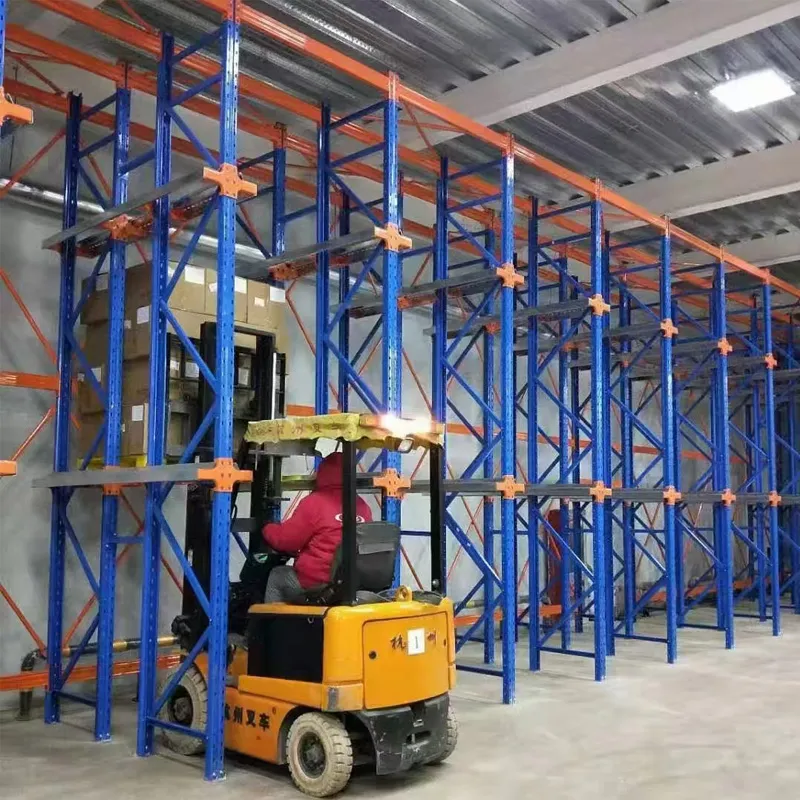
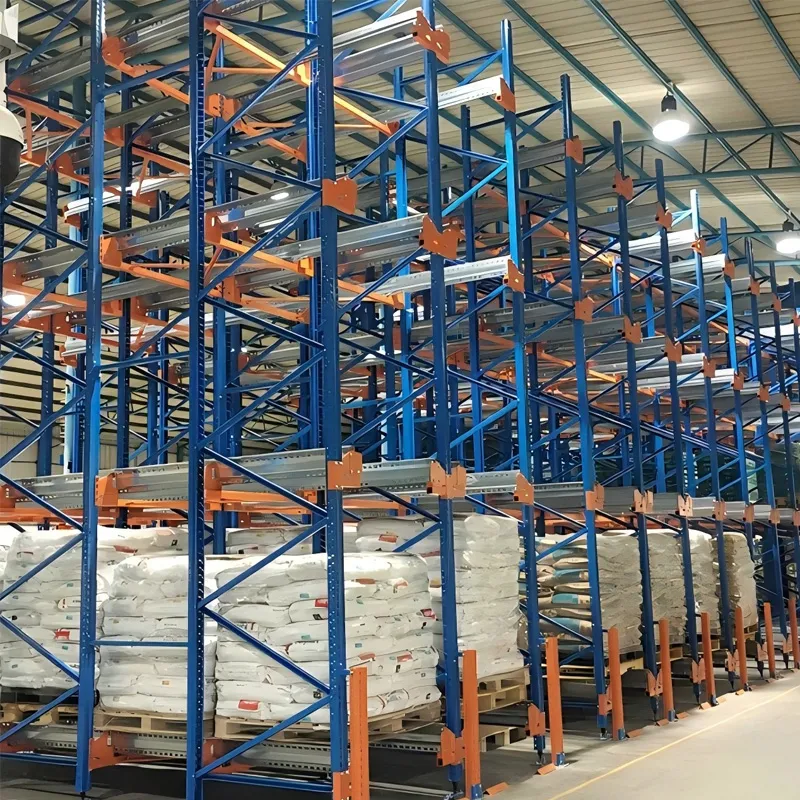
There was also a story with an automated warehouse (shuttle systems) in a refrigerator. The customer wanted maximum storage density. Everything was calculated and installed. But they did not fully take into account how the lubricant in the shuttle bearings would behave at -30°C. After launch, the carts began to move jerkily. We had to urgently change all the lubricant to a special, cryogenic one, and reconfigure the electronics. Downtime was expensive. Now any project with automation in the cold begins with consultation with the equipment manufacturer and a detailed analysis of “winter” conditions. specifications for each component.
The production of such specialized racks is not stamping, but a complex engineering solution. We need a plant that understands the entire chain: from design for a specific environment to installation in difficult conditions. For example, a company?Harbin Jusheng Metal Structure Manufacturing Co.,Ltd.(their website ishttps://www.jshj.ru) since 2019 it has been focusing on the full cycle. They don't just sell shelving, but design, manufacture and service various systems, including those needed for cold storage. It is important that they have their large production in Harbin (20,000 sq. m), and the climate there, to put it mildly, is not southern. This means that testing materials for frost resistance is not an abstract theory for them, but a daily reality.
What appeals to me about the approach of such specialized factories is their willingness to work with non-standard tasks. A cold storage warehouse is always non-standard. Altitude, zones of different temperatures, mixed cargo flows. We need a partner who will not try to cram in a standard catalog, but will sit down to figure out the layout, safety precautions at zero temperatures and logistics inside the chamber.
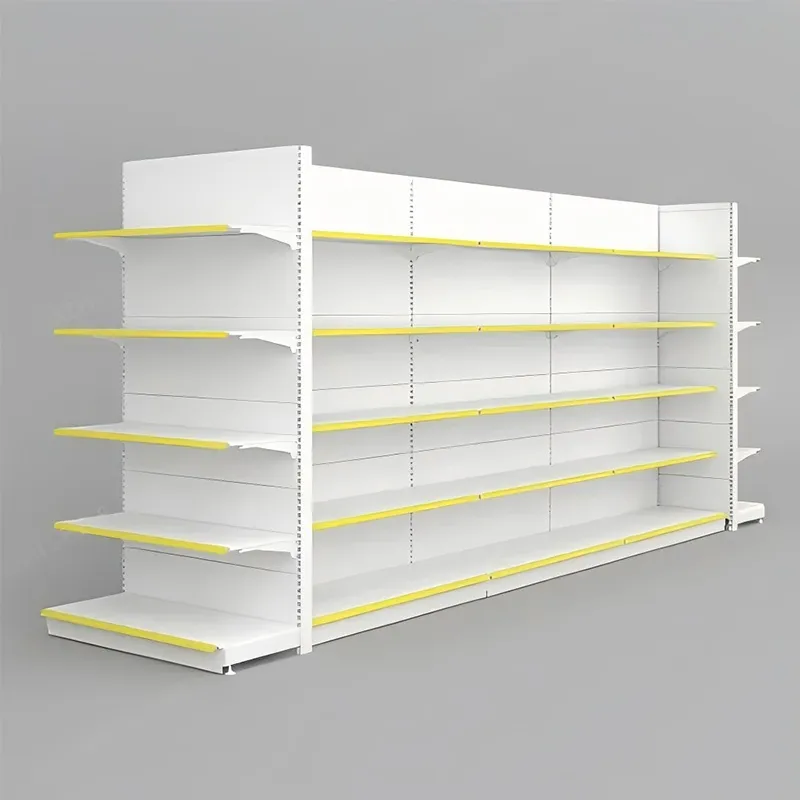
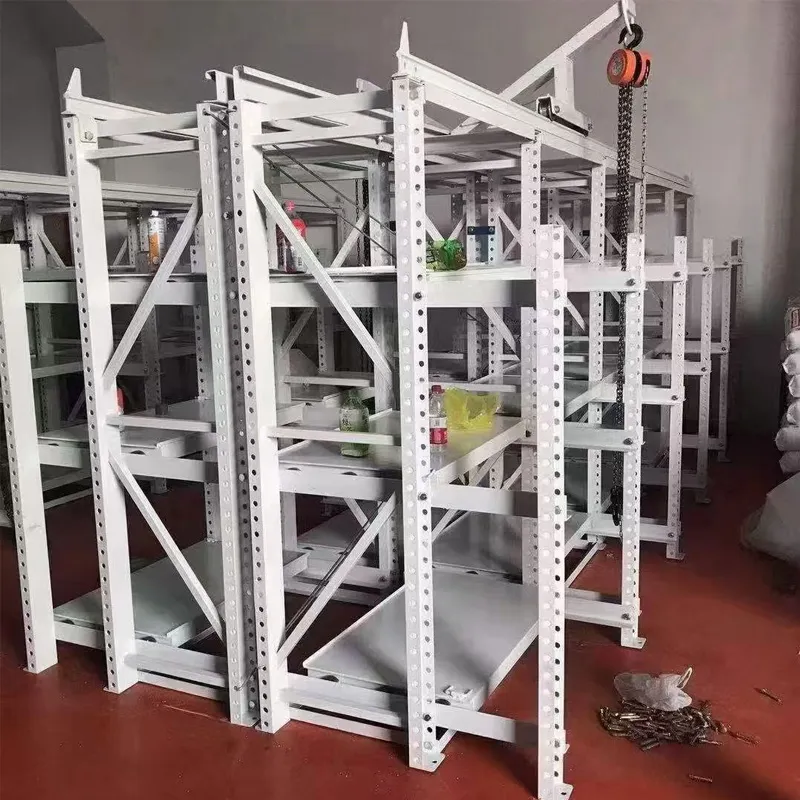
Their profile listed onwww.jshj.ru, includes a full range - from trade to complex shuttle systems. This suggests that the engineering pool is capable of considering and designing different types of loads and configurations. For a refrigerated warehouse, this is key: perhaps in one zone you need deep racks for pallets, in another - shelf racks for boxes, and somewhere - cantilever racks for long items. A narrow manufacturer of one type of structure may not be able to cope here.
As a result, choosingshelving for refrigerated warehouses, you are essentially choosing not equipment, but insurance against multimillion-dollar losses. Losses from damage to goods due to an accident, from warehouse downtime, from repairs in permafrost conditions. Savings of 10-15% at the procurement stage almost always backfire.
The main advice I give after all these years and hard work is: look for a manufacturer who asks a lot of questions. About the temperature, about the product, about the loaders, about the loading schedule, about the chamber ventilation system. If they immediately send you a price list without dialogue, run. This is an area where there are almost no standard solutions. Each project is a new task of balancing between cost, reliability and the specifics of the very cold that dictates its own rules to every cog in this system.
And yes, always request a sample delivery or test sample for your actual project. Let it sit for a couple of months. It's better to see a potential problem on one rack than across the entire warehouse. This is a case where being overly cautious is the only sensible strategy.