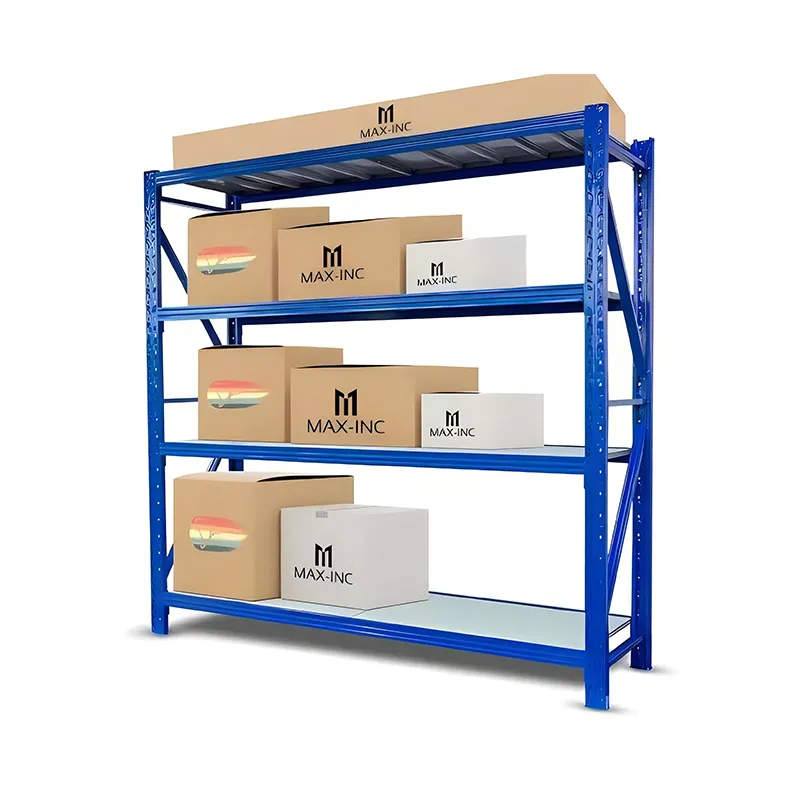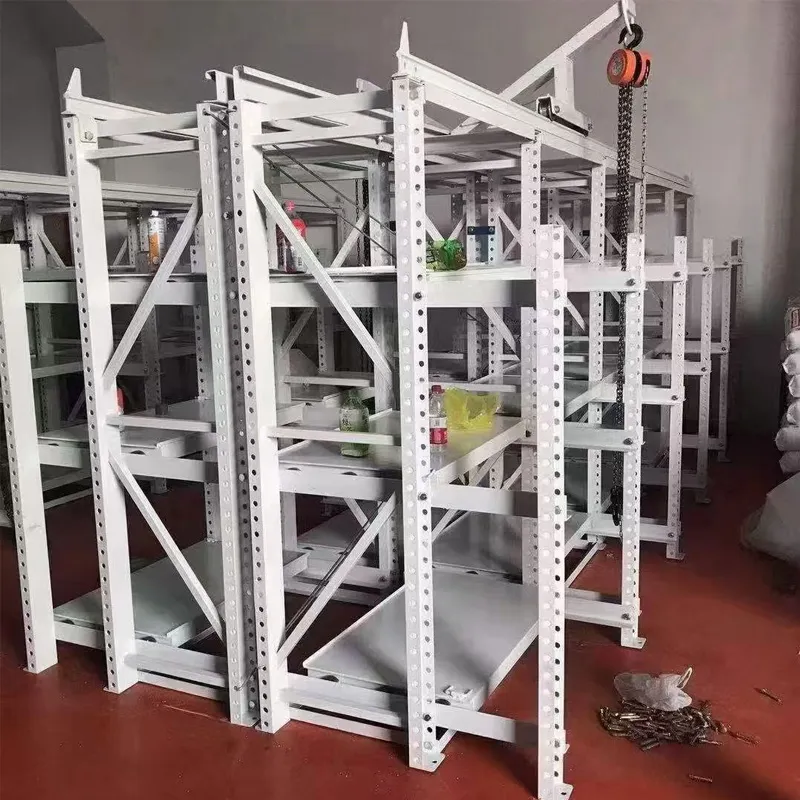
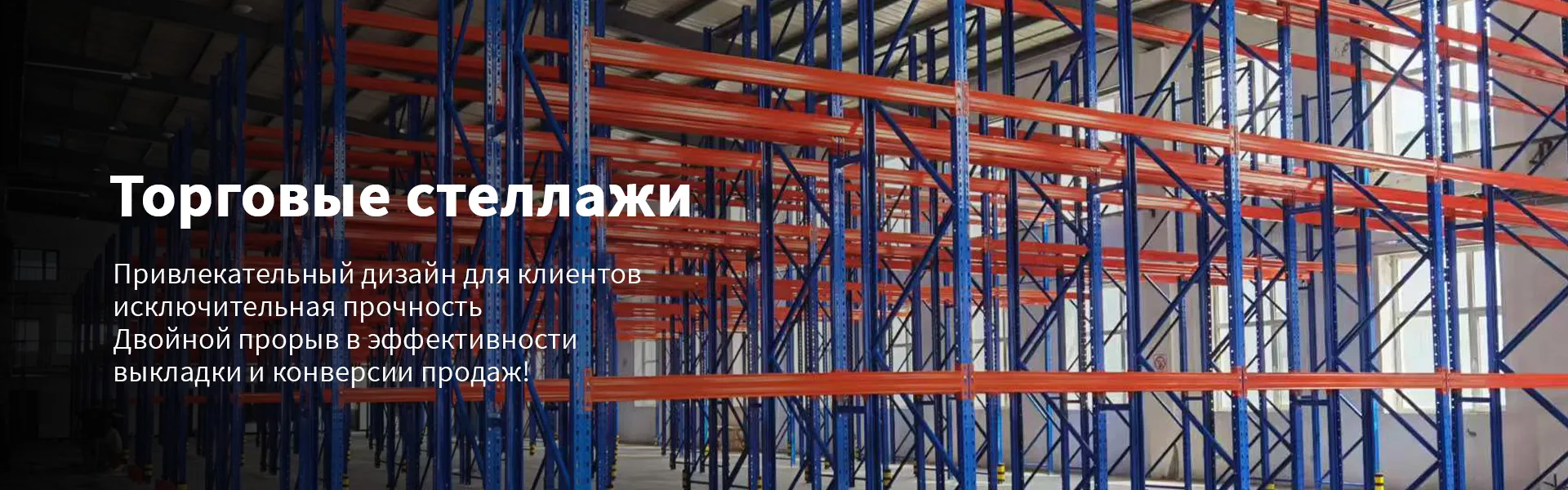
When you hear “metal shelving with a pull-out shelf,” many people imagine just a frame with a drawer. But this is where the main professional pitfall lies. The difference between a simple shelf and a well-designed pull-out system is like the difference between a shed and a logistics hub. In my practice, there have been many cases when customers, trying to save money, bought something “similar”, and then encountered distortions, jamming, or, worse, deformation under load. A key point that is often overlooked is not just the presence of guides, but their type, the design load on the extension assembly and the overall rigidity of the structure. This is especially critical for industrial warehouses, where every centimeter and kilogram counts.
Let's take it apart piece by piece. The basis is, of course, the frame. Most often from a cold-formed or hot-rolled profile. It is important not to make a mistake with the thickness of the metal. I saw projects where for a height of 4 meters they took a profile of 1.2 mm - this is a direct road to “walking”. the entire structure. For serious loads, say, from 200 kg per shelf, you need to look towards 1.5-2 mm minimum, and with reinforcement with stiffening ribs. The frame itself must be designed not only for static, but also for dynamic load - when the shelf is suddenly pulled out with a load.
But the heart of the system is the extension mechanism. Ball guides with full rollout are already the standard for quality solutions. But there are nuances here too: load class (from 35 to 100 kg per pair), the presence of a soft closing system (closers), the material of the rollers themselves. Cheap plastic ones will quickly wear out in a dusty warehouse environment. At one of the facilities, a whole series of racks had to be redone precisely because the supplier saved on the guides - after six months they began to jam and crumble.
And finally, the shelf itself. It is often made from perforated sheet or welded grating - for ventilation and to prevent dust from accumulating. But if you store small parts, then you need a solid sheet with a high side. The thickness of the sheet is a separate story. It would seem that 0.8 mm is normal. But if a machine weighing 150 kg is placed on it, and it stands on four legs, a point pressure is created. Without backing or reinforcement, the sheet will sag over time. This is the detail that is calculated in good design departments, for example, at the sameHarbin Jusheng production of metal structures. On their production lines, they can bend a profile to the desired configuration and cut a sheet with reinforcement, because they deal with the full cycle - from drawing to installation.
The most obvious is tool storage in workshops or production. It’s convenient when everything is within reach, you don’t have to go deep into it. But there are also more specific cases. For example, storing archives or product samples. Pull it out - and the entire line is in front of you, you don’t need to remove anything from the top shelves. Or in pharmaceutical warehouses, where cleanliness and quick access to a specific batch of goods are important.
One interesting project I came across was equipping a server room. There, pull-out shelves were used for patch panels and network equipment. Particular precision was required - so that all the connectors matched, and the shelf moved out smoothly, without the slightest distortion, otherwise the cables would be stretched. This is where the possibility of customization, which is offered by manufacturers with their own design bureaus, comes in handy, likeJiusheng(their website isjshj.ru). They made shelves with precise holes according to the customer's provided design.
Another point is mobile shelving. Sometimes a pull-out shelf is part of a larger sliding row system. The space savings are colossal, but the requirements for the reliability of mechanisms increase significantly. The guides must support the weight of not only the loaded shelf, but also the load from the movement of the entire section. This is already aerobatics.
The most common mistake is incorrect assembly and alignment. If the frame is skewed even by a couple of degrees, not a single guide will work as it should. It will be constantly under tension and will wear out quickly. You should always use a level and preferably secure it to the floor. Especially for high racks.
The second problem is excessive load. The tag says 150 kg, but the load is 200. It seems that nothing will happen. But metal fatigue is an insidious thing. The shelf will not break in one day, but after a year or two, sudden deformation may occur at the most inopportune moment. You always need to build in a margin of safety, and good manufacturers understand this. In the plant descriptionLLC ?Harbin Jusheng?it is emphasized that they are a large specialized enterprise with a full cycle. This usually means having engineers who calculate these safety factors at the design stage, rather than just churning out standard solutions.
And third - lack of service. Guides, especially in dusty rooms, need to be cleaned and lubricated. At least once a year. Ignoring this leads to the fact that the heavy shelf cannot be pulled out without a hammer. I saw how in one warehouse the shipment schedule was disrupted due to a jammed shelf - they had to urgently call installers.
Price is, of course, important. But when it comes to industrial equipment, being cheap at the start often results in huge costs later. The first is the availability of technical documentation. If the manufacturer cannot provide detailed drawings indicating steel grades, thicknesses and design loads, this is a wake-up call.
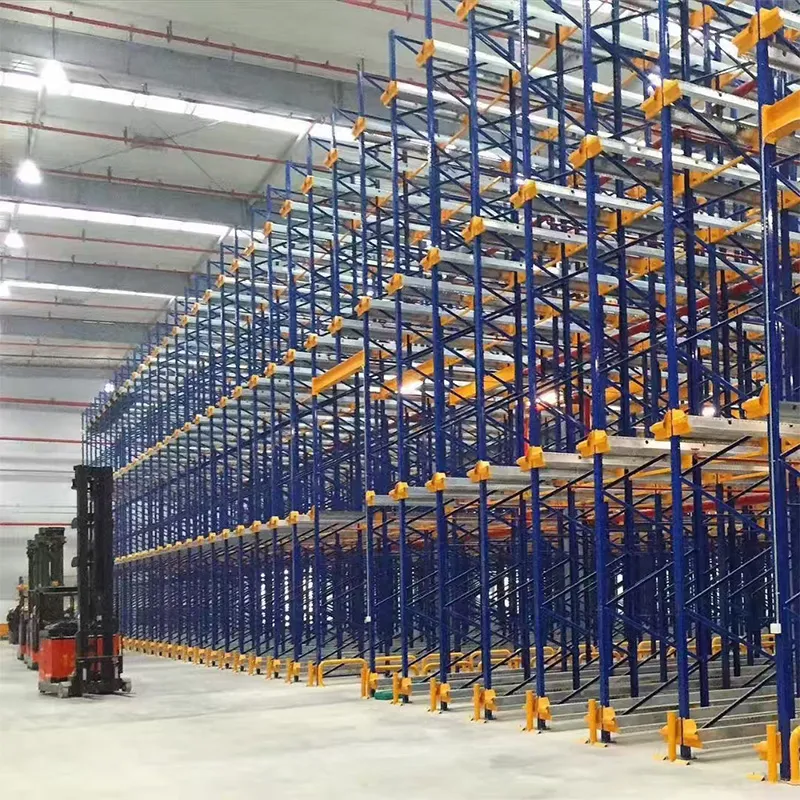
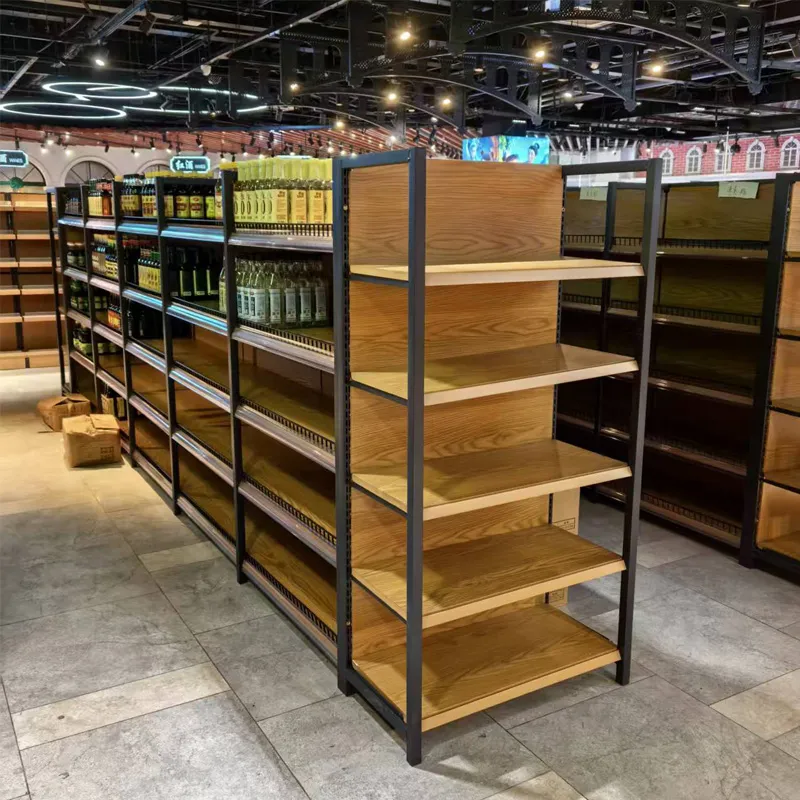
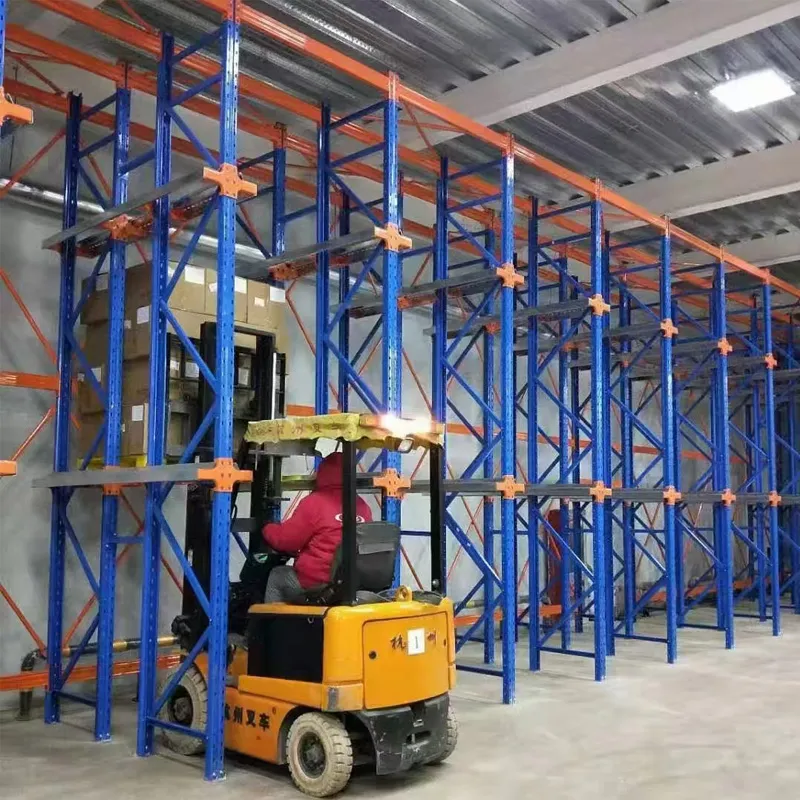
Secondly, examples of completed projects. Not just pictures, but preferably links to objects where you can go (or at least watch via video link). For example, I am always convinced when a company like the sameHarbin Rack Factory ?Jusheng?, indicates that they have several lines of automated equipment and an area of 20,000 square meters. m. This is not a garage production. Such capacities usually allow us to control quality at all stages and work with different types of structures - from retail to beam racks.
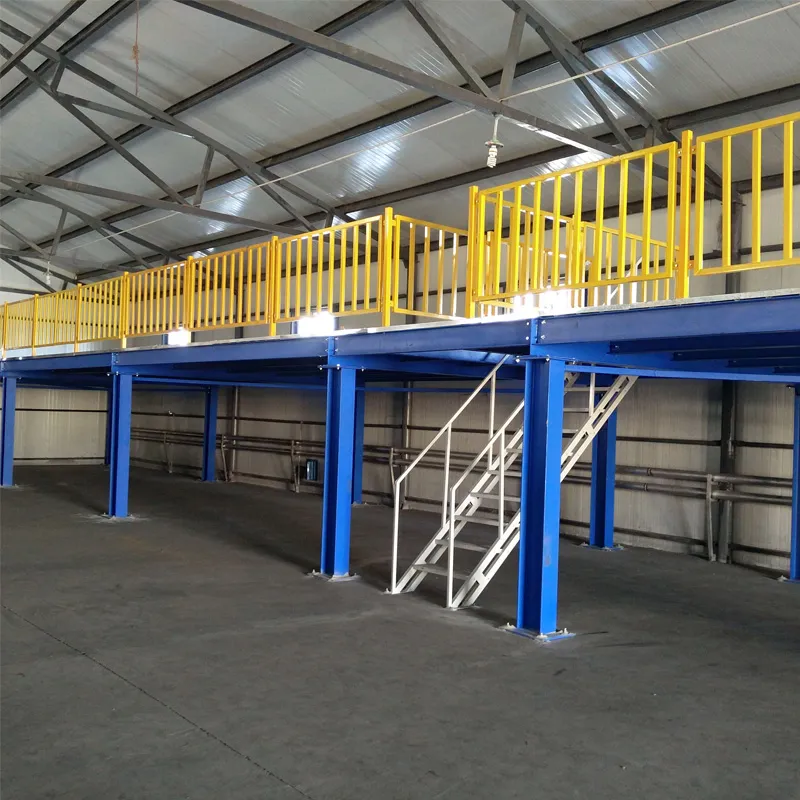
Third is flexibility. Is the manufacturer able to make a non-standard size or modify the unit for a specific task? In my practice, there was a case where it was necessary to integrate pull-out shelves into an existing mezzanine shelving system with a special column spacing. Standard solutions were not suitable. What helped was the approach where the plant takes over the entire cycle: design, production, installation. They sent an engineer to take measurements, made a 3D model and adapted the fasteners.
Nowadays there is more and more talk about “smart” people. warehouses And the pull-out shelf here is not a passive element. Systems appear with weight sensors on each shelf, with automatic extension upon command from WMS. This is the next level. But the basis is still the same - reliable mechanics. Without high-quality guides and a rigid frame, no electronics will work.
There are also changes in materials. Coatings are becoming more durable - not just powder paint, but multi-layer protection, especially for refrigerated warehouses or aggressive environments. I saw options with galvanization and subsequent polymer coating - it looks like new even after five years in a damp hangar.
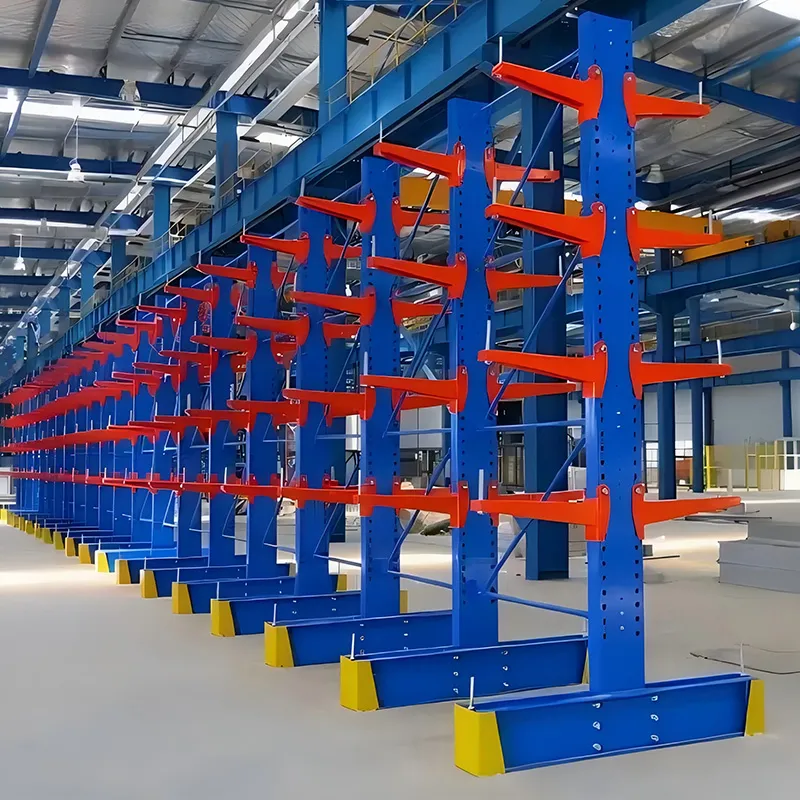
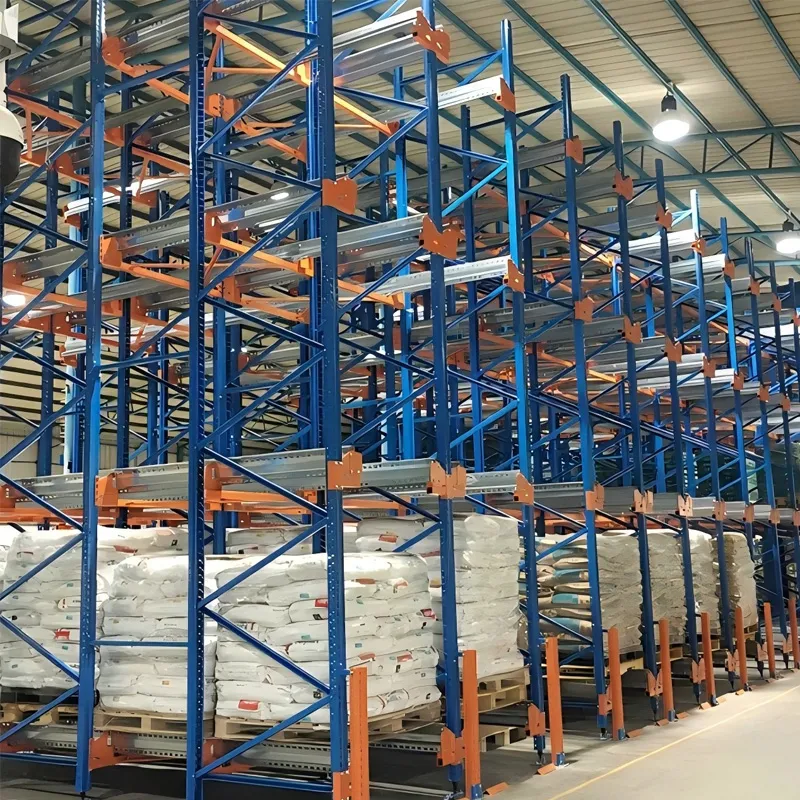
And the main trend, in my opinion, is integrated solutions. It’s becoming less and less common for a customer to simply buymetal rack with pull-out shelf. He buys a storage system for his specific logistics. And here the winners are those who can offer not just a product, but engineering. The ability, like that of the mentioned plant, to cover the entire spectrum - from racks for four-way shuttles to cantilevers - speaks of deep expertise. This means that for your, even the most non-standard task, there is a greater likelihood that an adequate and durable solution will be found. After all, a rack is an investment that will last for years, and its choice is best based not on pretty pictures, but on an understanding of what lies behind the weld and the bearing in the track.