When you hear “e-commerce warehouse racks,” many people just think of reinforced shelves. This is where the first and, perhaps, most expensive miscalculation lies. Because classic pallet racks, on which the logistics of yesteryear grew up, often cannot cope with the new reality. A reality where SKUs number in the thousands, and orders are not pallets, but boxes and even single items that need to be assembled in minutes. Speed of turnover, accuracy of selection, adaptability to a changing assortment - this is what is really required. And the storage system should not be static equipment, but a flexible tool. Let me make a reservation right away: I am not a theorist. Everything I write about has gone through our projects, through mistakes and successful decisions. For example, one of our first orders for a large marketplace almost failed due to the fact that we overly relied on standard burial depths, without taking into account the specifics of their wave order processing.
Let's get to the root of it. A traditional wholesale warehouse works with predictable batches. E-commerce is chaos in a good way. Peak loads like ?Black Friday? can exceed normal throughput by 5-7 times. This means that the storage system should allow increasing the rate of selection without collapse. This is a question not only of strength, but primarily of ergonomics and flow logistics. Classicwarehouse rackswith narrow passages for reach trucks here can become a bottleneck if not integrated into the overall ?zoning scheme? — zones of fast access (fast-moving), medium and slow.
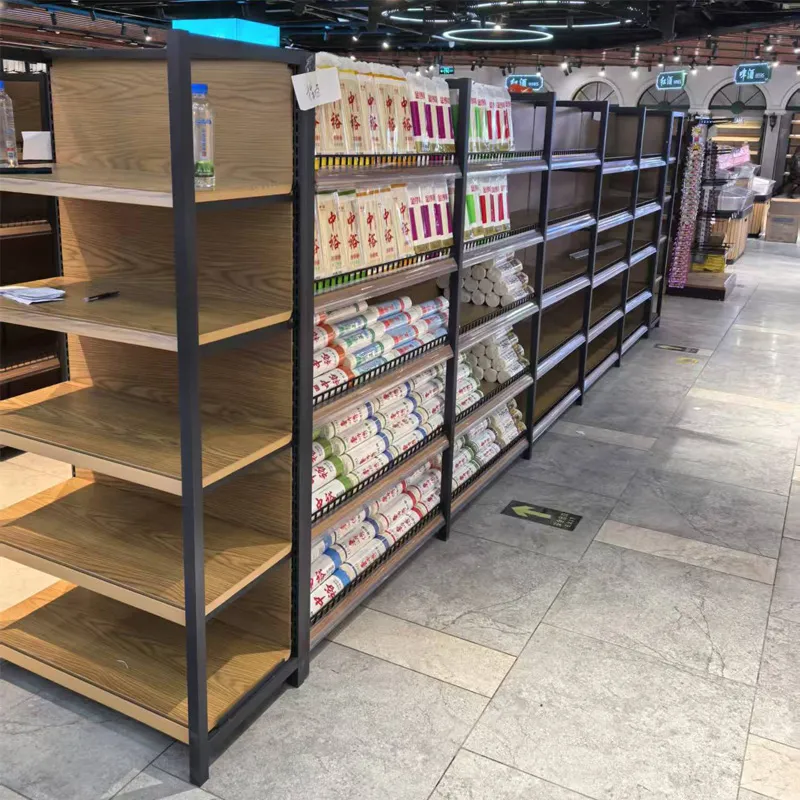
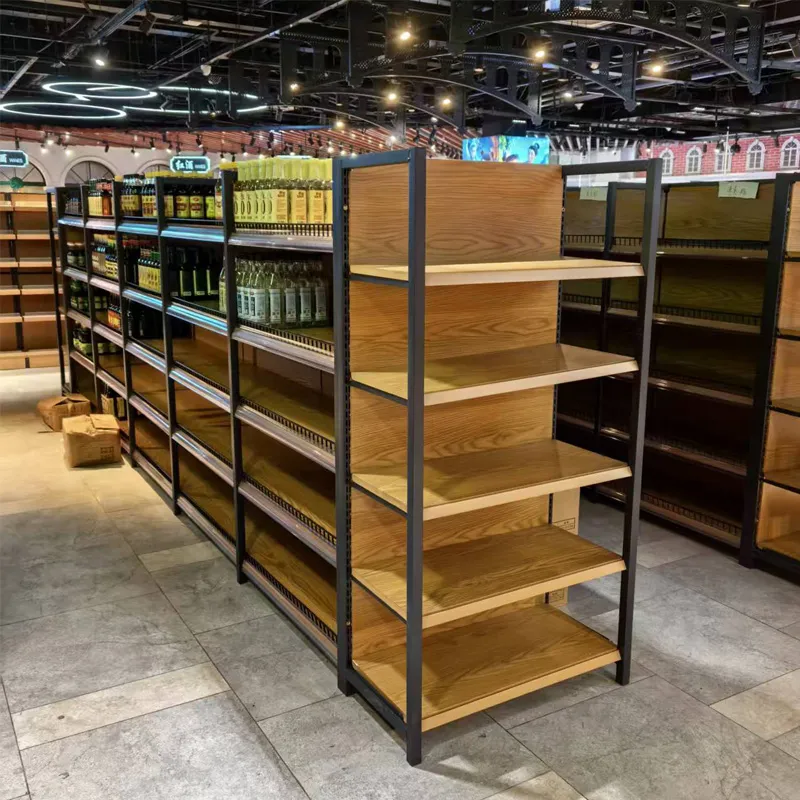
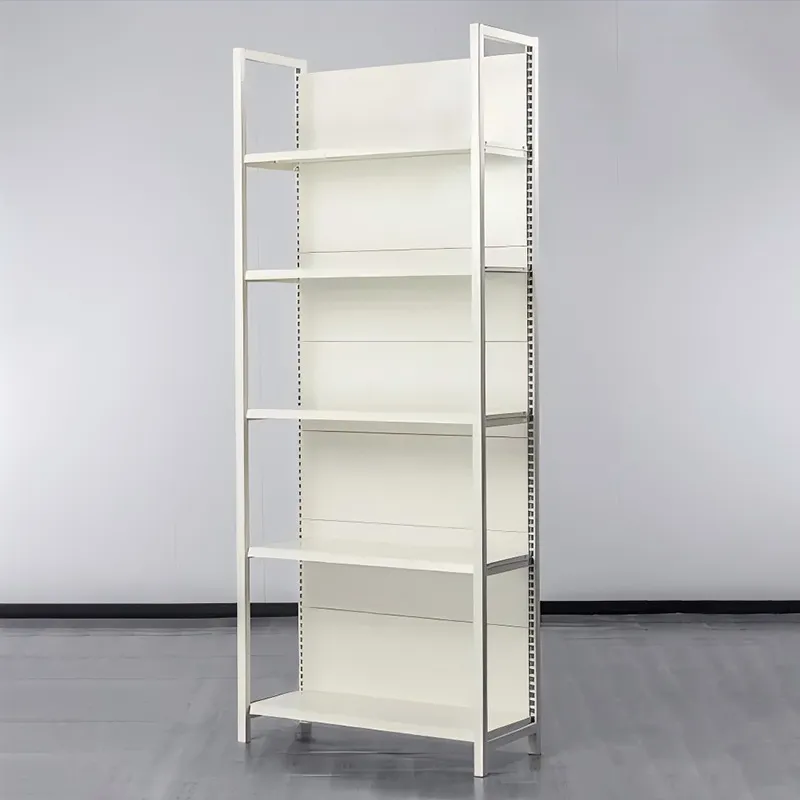
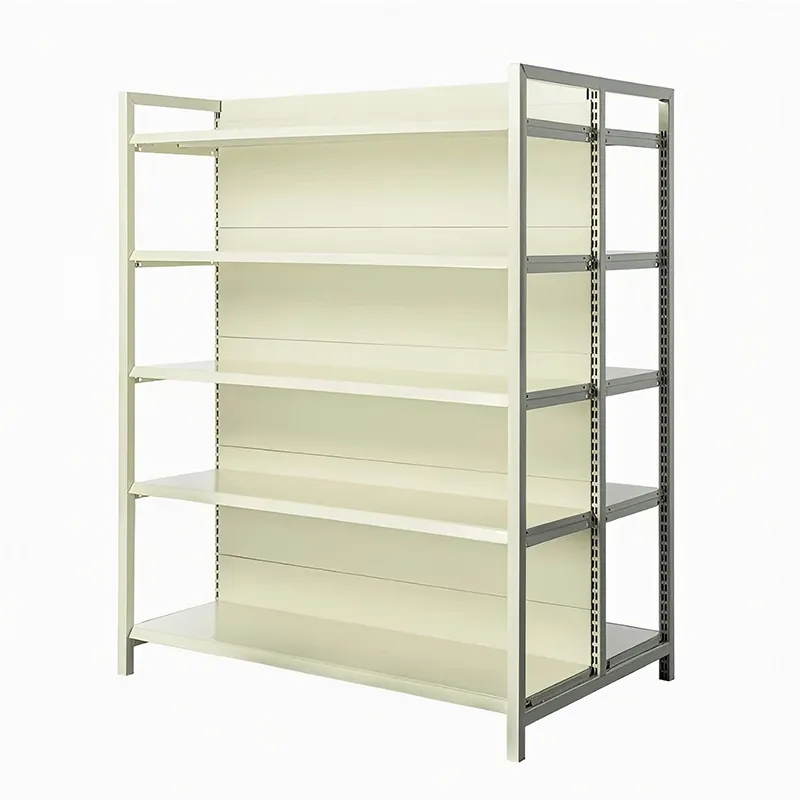
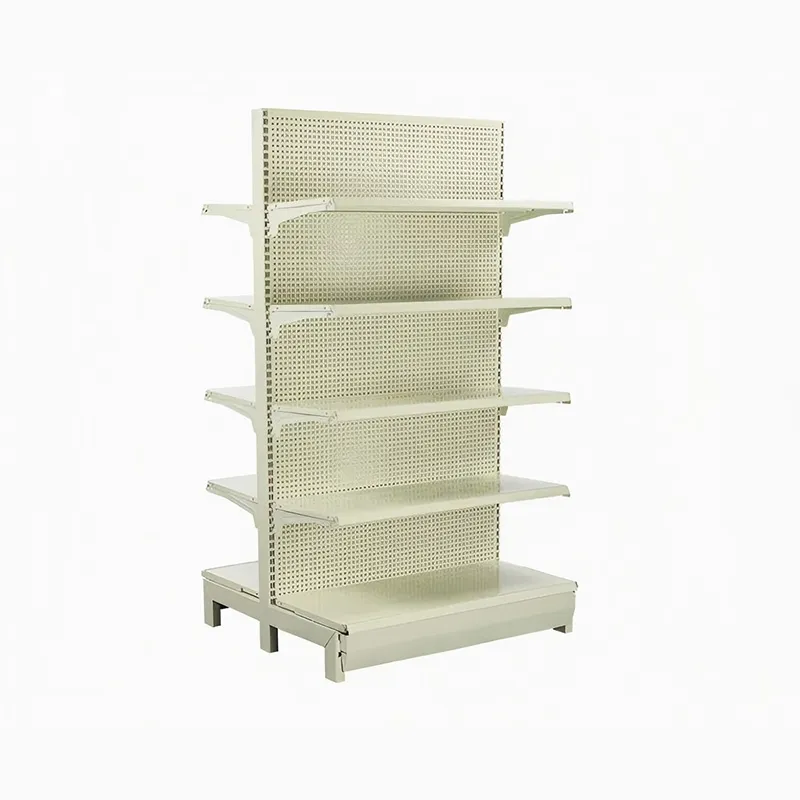
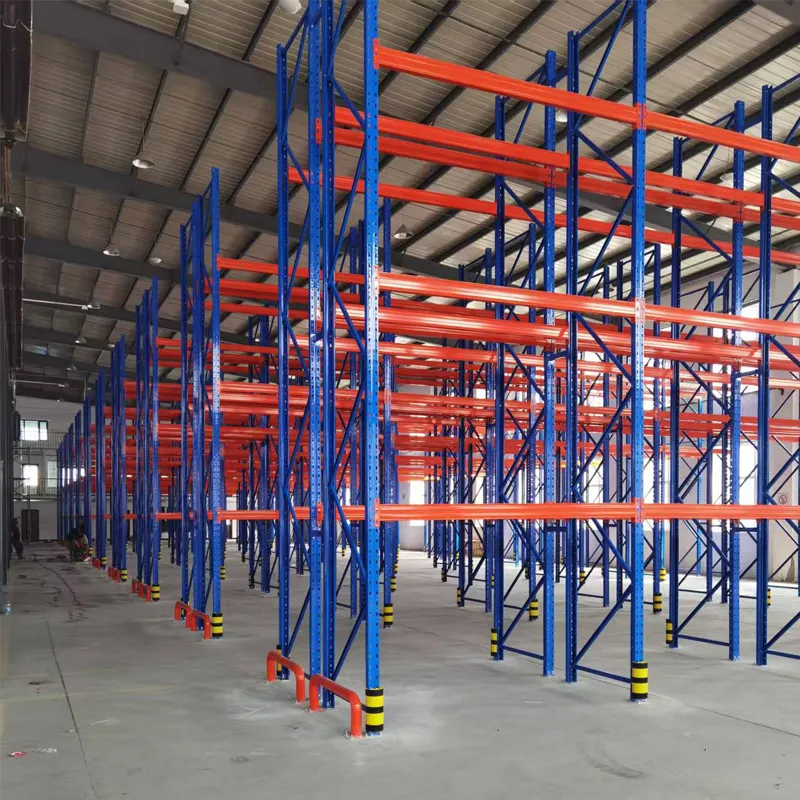
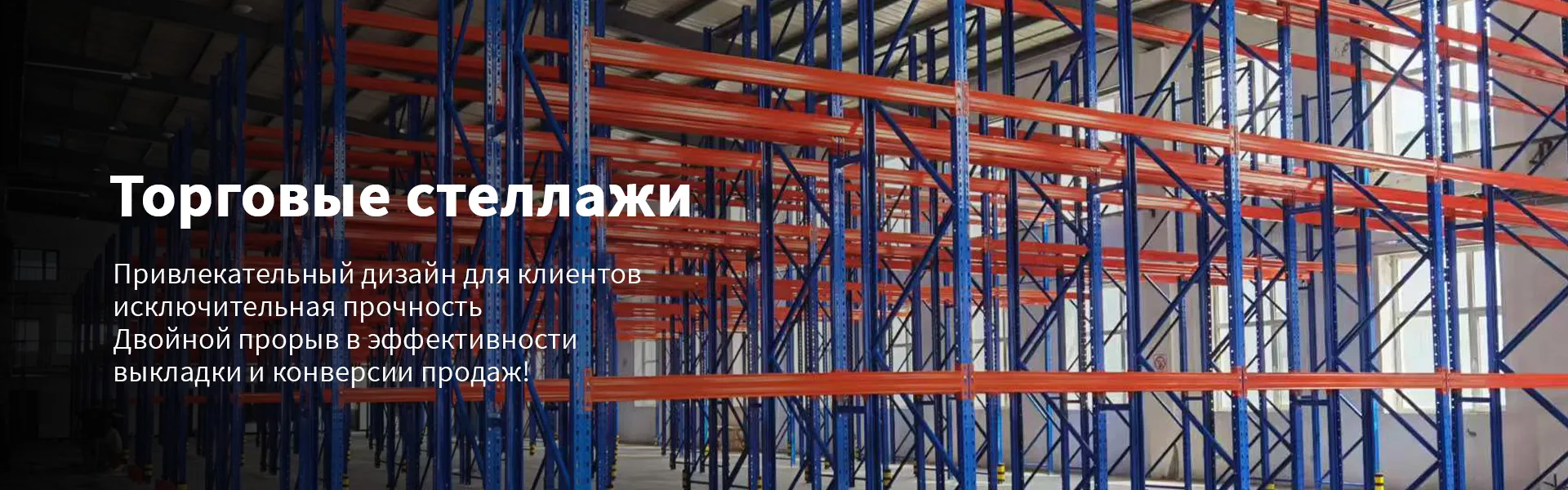
In practice, we have seen that it is often more effective to combine types. Let’s say, for large-sized or slow-moving goods, leave pallet systems, and for top-end SKUs, switch to denser solutions. I remember how we made a hybrid for one client from Novosibirsk:beam racksfor storing seasonal tires andshelf rackswith fine mesh structure for accessories. The key was to figure out the ratio so that order pickers weren't running through the entire warehouse. We had to revise the layout several times based on their WMS sampling frequency data.
And one more nuance that is often missed at the start is the load reserve and the possibility of reconfiguration. The assortment of the online store is changing rapidly. Today you store light electronics, and tomorrow you add tools or auto parts to your catalogue. If the framewarehouse racksinitially designed for 200 kg per shelf, and then you will need 500 kg, everything will have to be changed. We always stock up and use components that make changing the height and depth of shelves relatively easy. This is more expensive at the time of purchase, but pays for itself in a year or two, eliminating the need to buy a new system.
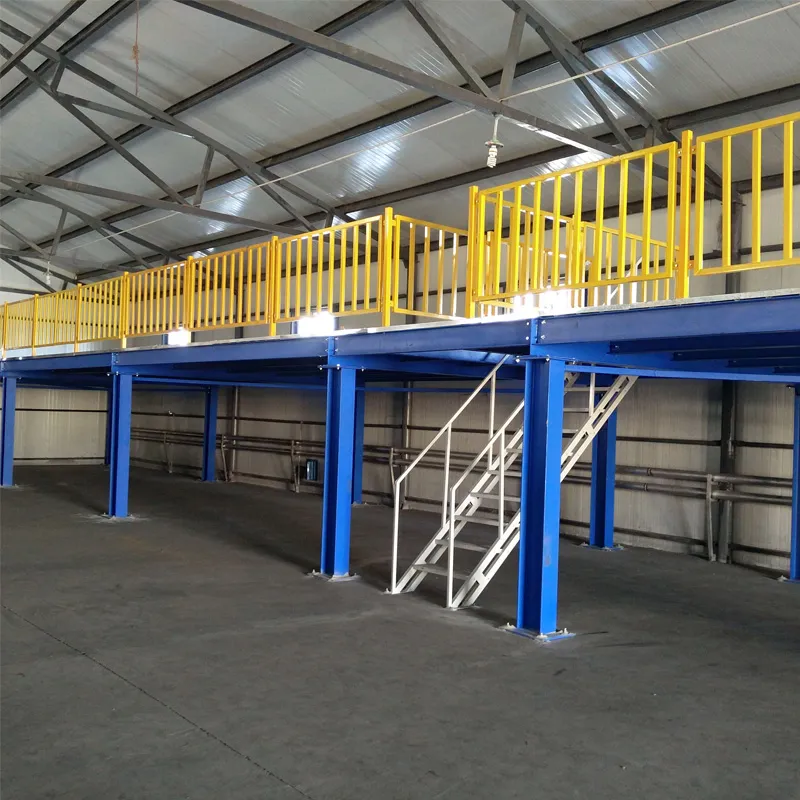
There is no universal answer here, there is flow analysis.Mezzanine shelving- an excellent solution for increasing capacity with limited space, but they require clear organization of work on tiers and reliable fencing. We often offer them for storing light but bulky goods, for example, seasonal textiles or packaging materials. However, there was a case when the client insisted on a mezzanine for storing small household appliances. The problem arose with productivity: the lifts could not keep up with the pickers during rush hour. We had to modify the system by adding intermediate buffer zones at the first level.
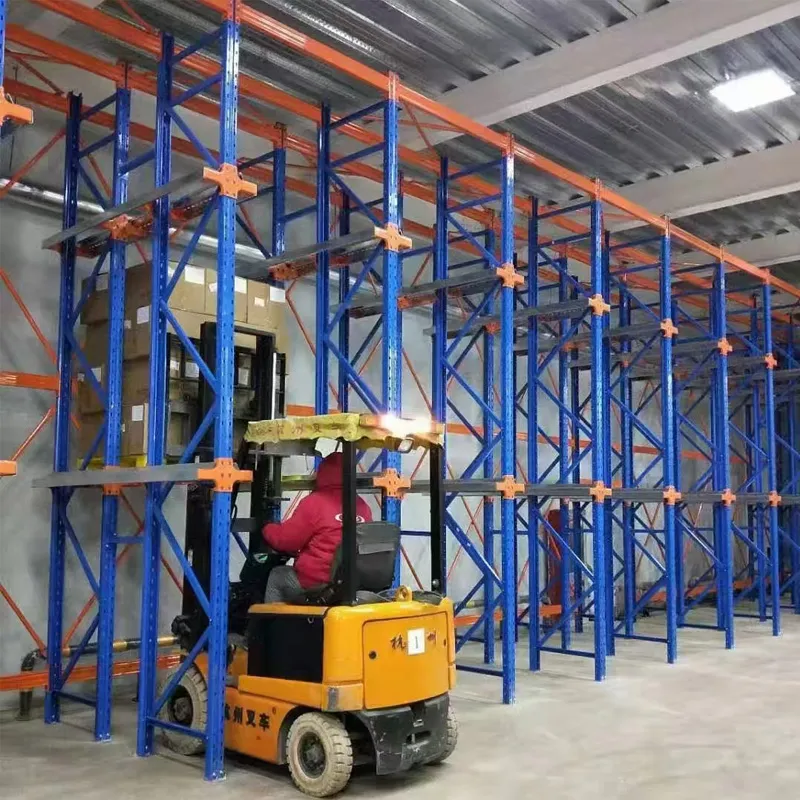
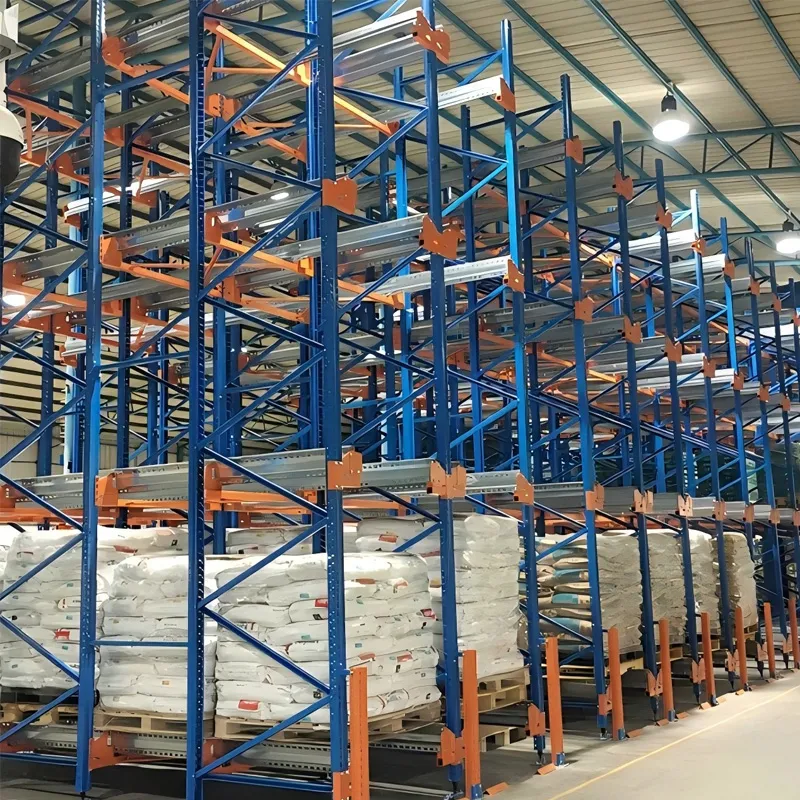
For high-density storage of pallets with a large number of SKUs, they are now increasingly looking asideracks for four-way shuttles. This, of course, is aerobatics and a serious investment. But if we talk about the efficiency of space and the reduction of wages, then for large fulfillment centers this may be justified. It is important to understand that such a system is not just shelving, but a complex: the structures themselves, shuttles, control software. Implementation takes a long time, and a partner who can provide the full cycle - from design to service - is critical. How, for example, does?Harbin Jusheng Metal Structure Manufacturing Co.,Ltd. (https://www.jshj.ru). Their approach, where the plant controls both production and engineering, minimizes the risks of “disruption” responsibility, which often ruins complex projects.
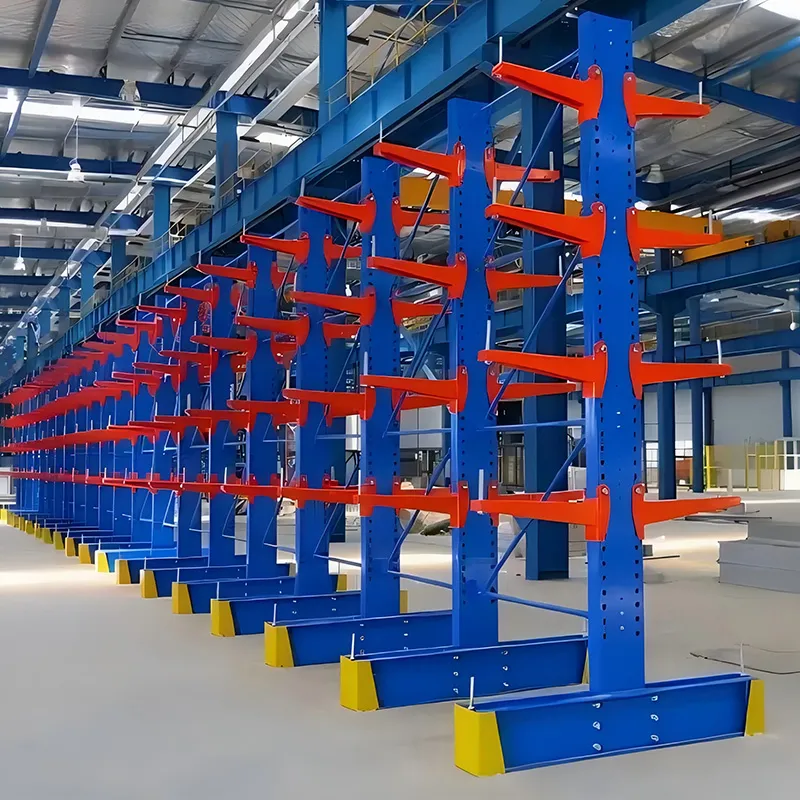
Should not be discounted andcantilever racksfor long lengths. In e-commerce, this can be not only building materials, but, for example, sports equipment, blinds, and rolled carpets. The main task here is to provide convenient and safe access from different sides, as well as to correctly calculate the console reach for a specific product size. An error in calculating the load on a cantilever beam is one of the most common that we see when auditing already installed third-party systems.
Qualityshelving for e-commerce warehousesIt starts with steel and rolled products. Thin-walled profiles, which are sometimes offered for cost savings, under conditions of dynamic loading with constant vibration from forklifts and trolleys, quickly show their disadvantage - metal fatigue and deformation. Based on our own experience, including analyzing the products of such manufacturers as the Harbin Jusheng plant, we came to the conclusion that for the load-bearing elements of the frame it is necessary to use hot-rolled steel with a clearly controlled yield strength. Their production base is 20,000 sq. m and automated lines make it possible to provide such control on a scale.
Coverage is the second key. The warehouse is an aggressive environment: dust, possible impacts, sometimes high humidity. Simple powder coating may not hold up. High-quality pre-treatment (cleaning, phosphating) and multi-layer coating are required. We always request from suppliers passports for painting lines and test results for adhesion and impact resistance. This is boring bureaucracy, which in the future will save you from rust and paint peeling after a year of use.
And the third point is manufacturing accuracy. All holes for fastenings and locking connections must have minimum tolerances. If a beam or crossbar “walks?” even a couple of millimeters, on-site assembly turns into torture, and most importantly, the rigidity and load-bearing capacity of the entire structure suffers. Large specialized enterprises, which, as noted in the descriptionLLC ?Harbin Jusheng?, carry out the full cycle from design to service, usually keeping this moment under strict control, since they themselves then install it. It disciplines.
You can buy the most expensive and durablewarehouse racks, but install them poorly and reduce their effectiveness to zero. Design is not just about arranging rectangles on a plan. This is a modeling of flows: how goods arrive at reception, how and where they are moved for storage, how they are retrieved for picking, how they move to the shipping area. It is necessary to take into account the dimensions of the equipment (stackers, trolleys), the width of the main and auxiliary passages, the location of columns and fire protection systems.
This is where a piecemeal approach often helps. We do not design the entire warehouse at once. First, we work on the receiving and consolidation zone, then on the main storage zone, dividing it into segments by product category, and only then on the picking and shipping zones. And between these stages there are always consultations with the customer’s logisticians and IT specialists, who better know the features of their WMS. It happened that we had already prepared the final drawing, but after discussion with their IT department, we completely changed the cell addressing scheme, which entailed adjusting the design of some sections.
Integration with WMS is a separate topic. The physical storage system and its digital twin must match perfectly. Any discrepancy is ?lost? cell or incorrectly specified load capacity - leads to failures. Therefore, we always insist on providing final layouts and specifications in formats that can be easily loaded into a warehouse management system. This is routine but necessary work, which, again, is easier to do in conjunction with a manufacturer who understands the full cycle and knows what data and in what form is needed for integration.
The work does not end after the project is completed. An e-commerce warehouse is a living organism. Products change, volumes change, new equipment appears. The storage system must evolve with it. Therefore, it is important that the supplier has not just warranty repairs, but service support that can quickly supply additional components (shelves, beams, racks), help with redevelopment, and strengthen existing sections.
For example, a client’s assortment of small cosmetics has increased, and it was necessary to increase the number of cells in the quick access zone. Due to the fact that we initially used a compatible modular system, the solution came down to purchasing additional sets of shelves and rearranging some sections, without dismantling the main supporting structures. This saved him weeks of downtime and significant costs.
Ultimately,e-commerce warehouse shelvingis an investment in speed and accuracy. Savings at the selection and design stage almost always result in multiple losses in operating activities. The choice is in favor of an integrated approach, where one responsible partner, be it?Harbin Jusheng Metal Structure Manufacturing Co.,Ltd.or another specialized plant, covers issues from engineering to after-sales service, and often turns out to be strategically correct. This reduces risks and allows the warehouse to grow and adapt without painful ?revolutions? with a complete replacement of equipment. The main thing is to clearly understand your current and projected business processes and look not just for a seller of metal structures, but for a solution provider.