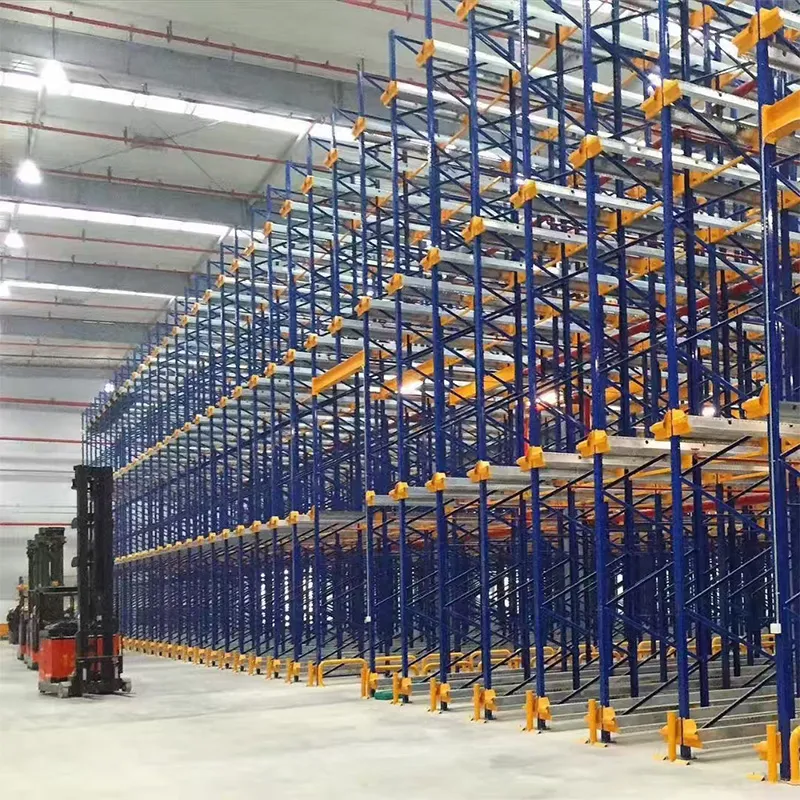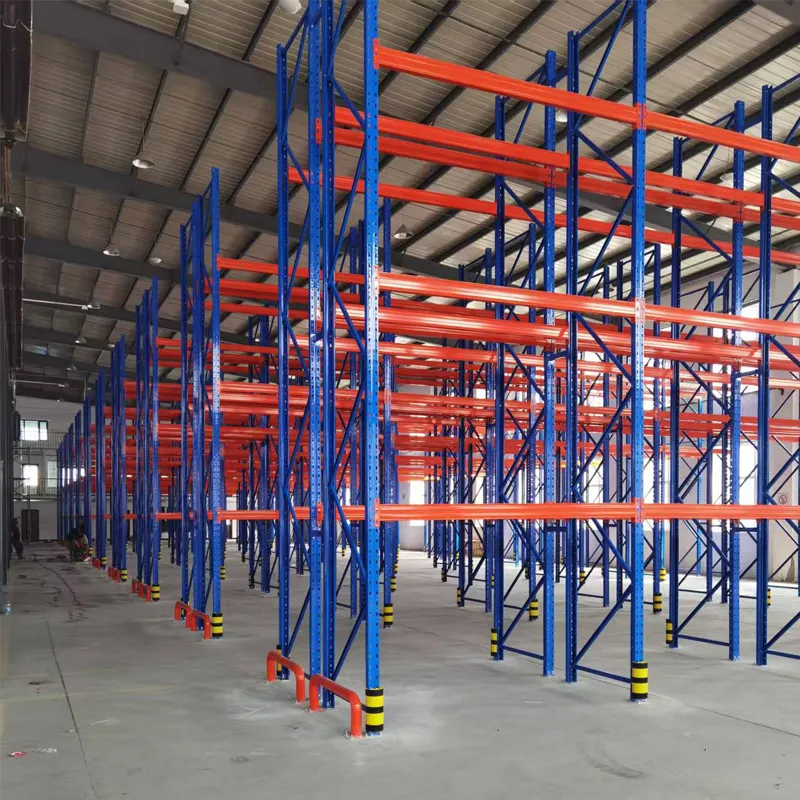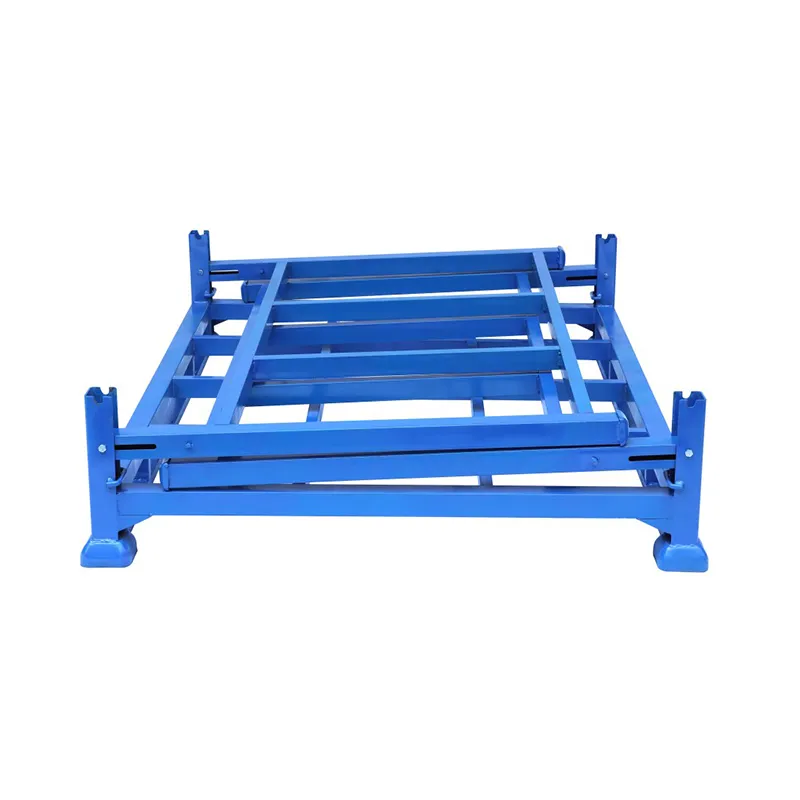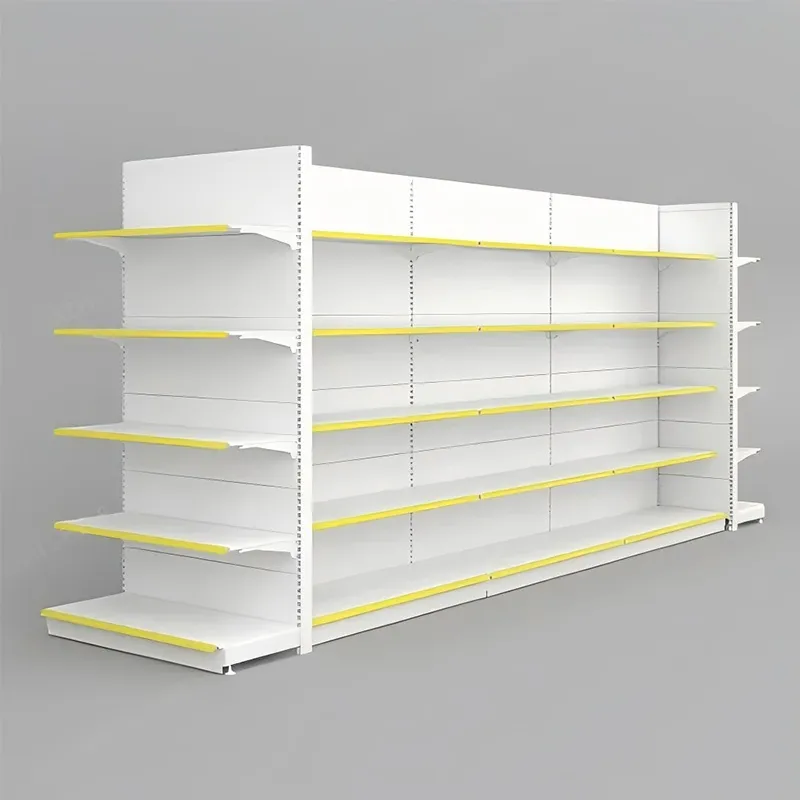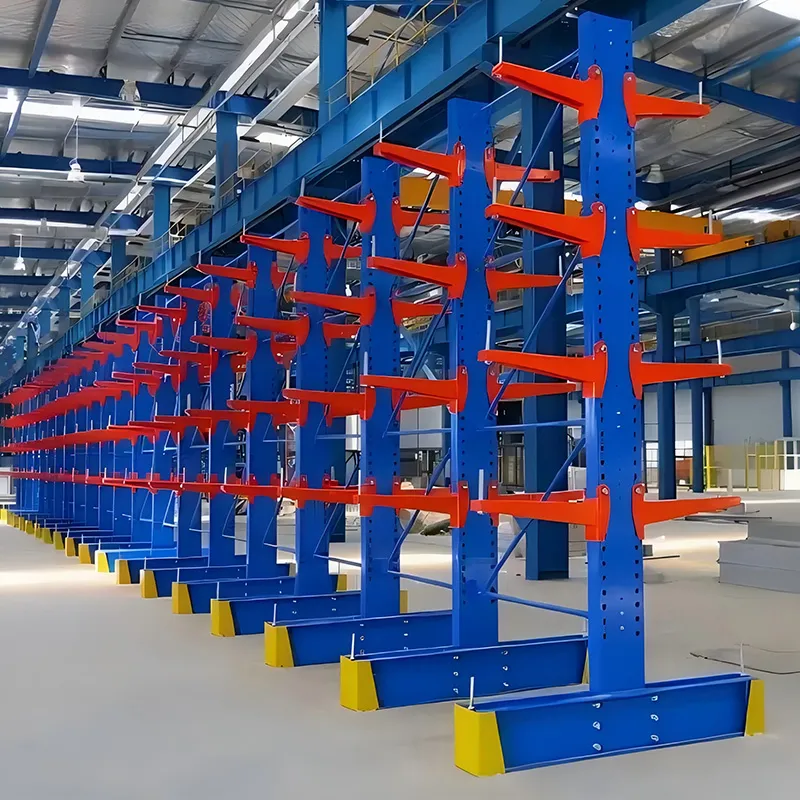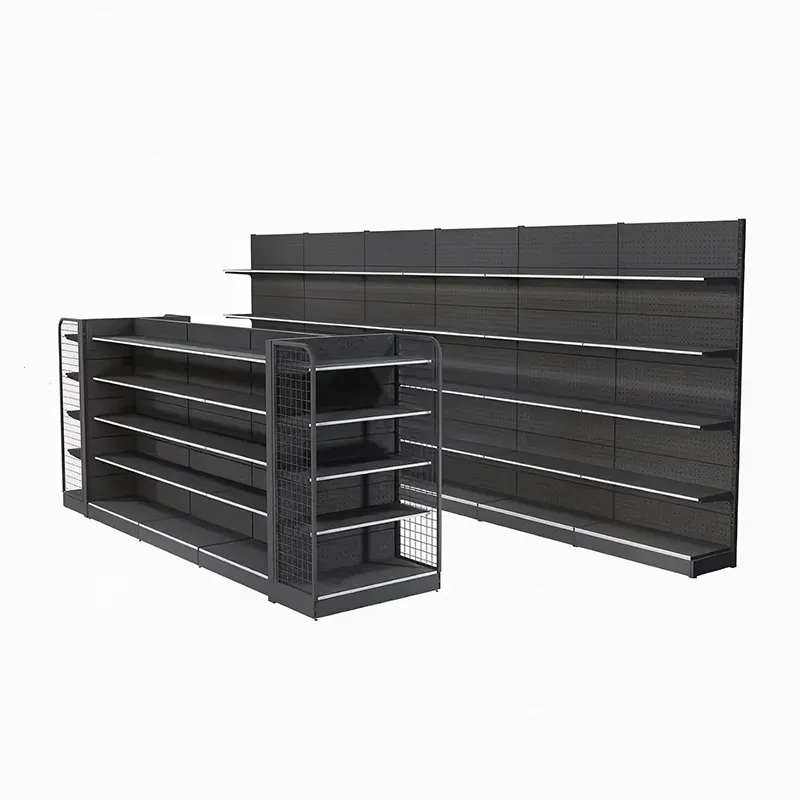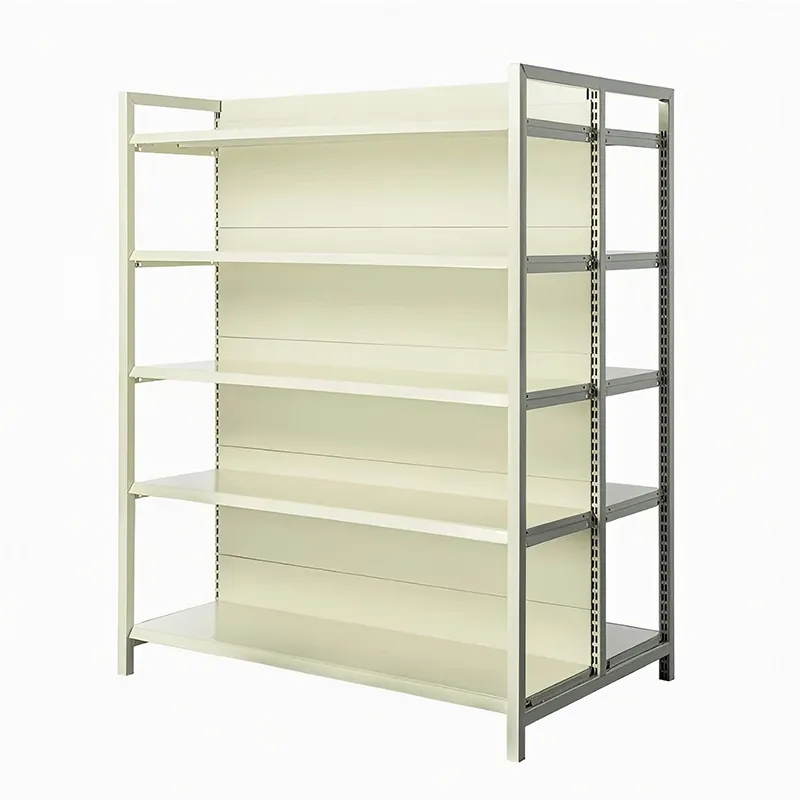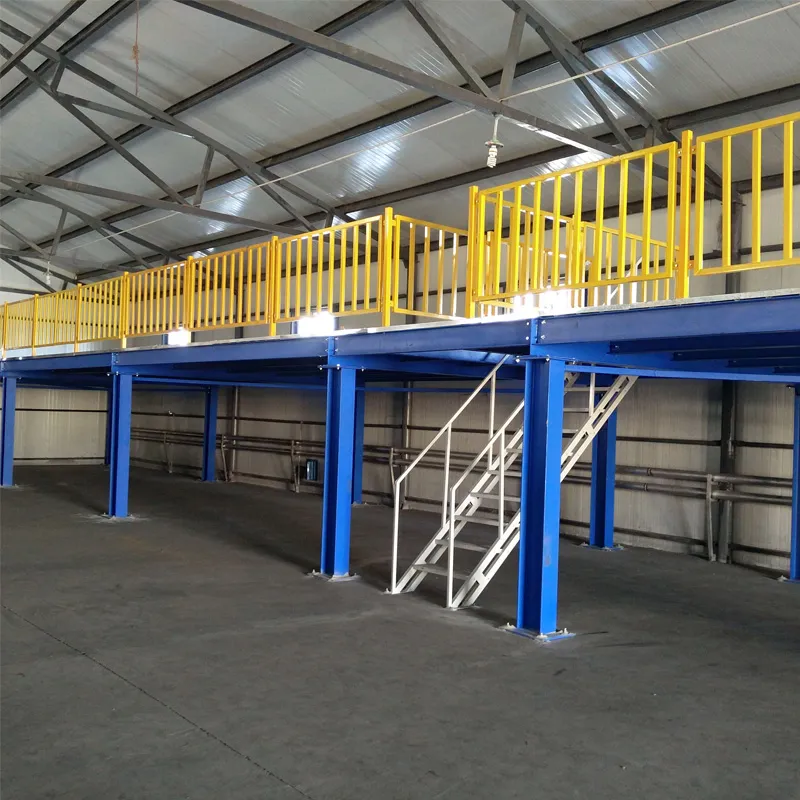
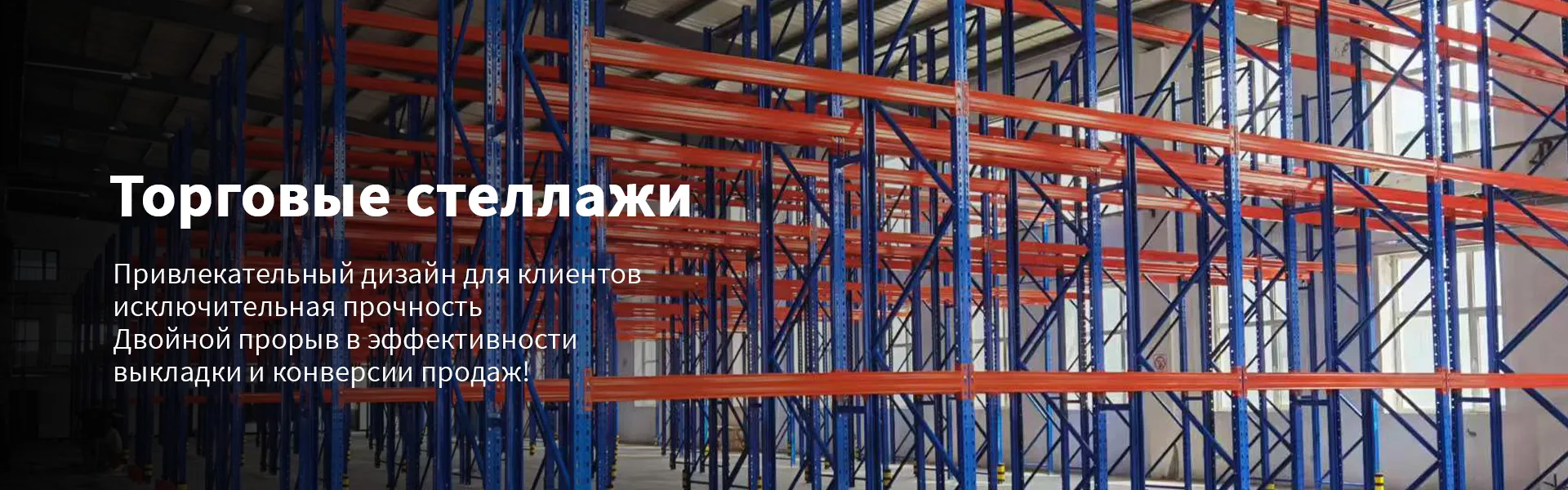
When they say “heavy warehouse racks,” many people simply imagine thick rolled metal welded into a frame. This is the first and most dangerous misconception. In fact, the key here is not the profile thickness itself, but the complex: engineering calculations for a specific load, type of connections, quality of protective coating and, what is often overlooked, correct installation. I have seen quite a few objects where shelving from a good manufacturer was installed “by eye”, and after six months they got problems with the geometry. Or vice versa - they played it safe, laid columns with a double reserve, and then wondered why the project turned out to be one and a half times more expensive and consumed the useful volume. Balance is the hardest thing.
Marketing aside, I would classify heavy racks as systems designed for a pallet load of 800-1000 kg or more per cell. But the number is not the main indicator. Dynamics are important. Constant loading and unloading with a forklift, even carefully, creates shock and vibration loads. That's why I always look at the nodes. For example, a beam-column connection. Simple hooks-locks - for medium loads. For real heaviness, additional clamps, bolted connections or combined systems are needed that prevent accidental movement. I once observed how, in a warehouse with raw materials for metallurgy, due to vibration from the equipment, an unfixed beam simply “jumped out”. from the castle. It's good that no one was around.
Another point is the base of the column. Anchor bolts are sacred, but their type, depth and pattern depend on the condition of the concrete floor. In older warehouses, it is often necessary to strengthen the foundation or use special anchor plates of a larger area to distribute the load. There was a story when a customer saved money on floor research, installed standard anchors, and a year later a crack appeared under one of the columns. I had to unload the section and make the concrete pad again; downtime cost more than all the initial savings.
And of course, coverage. Powder coating is the standard, but for harsh conditions, say unheated hangars or sites with humidity changes, hot-dip galvanizing is worth considering. It is more expensive, but the service life of the frame increases significantly. Although, to be honest, for most internal heated warehouses, high-quality painting is more than enough. The main thing is metal preparation, degreasing and phosphating. If the preparation step is skipped, the paint will peel off after a couple of years, no matter how thickly it is applied.
I used to think that the main thing in the project was to evenly distribute the load among the tiers. It turned out that it was more important to design the logistics of movement inside the warehouse. The width of the aisles, the turning radii of the loaders, the location of the columns relative to each other - this determines the efficiency of the entire warehouse, and not just the strength of the racks. A narrow passage in the area of heavy racks is a constant risk of damage to both columns and loading equipment. The recommended minimum is a passage width 1-1.2 meters greater than the length of the longest pallet used, plus a margin for maneuver.
A common mistake is ignoring seismic loads (if we are talking about a region where this is relevant) and wind loads for high-rise racking systems. The structure must have a certain degree of flexibility to absorb vibrations, rather than being completely rigid. This is a complex calculation. They also forget about the load from the fire extinguishing system. If, according to the project, main water pipes run above the racks, their weight, especially at the time of filling, must be included in the total load on the structure.
In this context, by the way, working with a manufacturer who carries out the full cycle from design to installation greatly simplifies life. When one company designs, manufactures, and is responsible for installation, it is easier to identify and correct problems at an early stage. For example,?Harbin Jusheng Metal Structure Manufacturing Co.,Ltd.(websitehttps://www.jshj.ru) is just one of those. This is a Harbin plant that positions itself as a full-cycle enterprise. I look at their website: design, production, installation, service. For complex objects with heavy shelving, this approach is not a luxury, but a necessity. Especially if they, as stated, work with automated lines - this usually gives good repeatability and accuracy of parts, which is critical for assembly.
Even with an ideal project and high-quality parts, everything can be ruined at the installation stage. The most common problem is a discrepancy between the warehouse geometry and the design stated. Differences in floor level of several centimeters along the length of the hangar are common. Good installers check this with a laser level first and either prepare adjustable supports or immediately know how to compensate for the difference so as not to distort the entire system.
The second pain is the human factor. Tightening the bolts with a torque wrench to a certain torque is a mandatory requirement. In practice, especially when deadlines are tight, this is often neglected. If not sufficiently tightened, the connection will “play”. Overtightened - you will break the thread or create excessive stress in the metal. This needs to be monitored constantly.
And thirdly, on-site logistics. Delivered parts need to be laid out correctly so that you don’t have to drag beams across the entire warehouse. A competent foreman plans in advance the sequence of assembly and storage. I remember a case when, due to chaos on the site, installers damaged the polymer coating on several dozen beams by scratching them on the reinforcement. We had to urgently organize repairs and paint on site, which, naturally, is worse than the factory coating.
The price per ton of metal is just the tip of the iceberg. Requesting quotes from multiple suppliers is standard practice. But you need to compare not the total amount, but the layout. What is included in the price: only the frame? Or does it include anchors, all fasteners, and protective elements (for example, bumpers on columns)? Is an engineer's visit to take measurements and inspect the property included? Is the development of the KM project (metal structures) and KZh (reinforced concrete structures, if floor reinforcement is needed) included?
The story of one of our old customers is very indicative. He took a cheap option from a local workshop. The racks were made of unknown steel, the thickness seemed to be according to the drawing, but the welds were rough and lacked penetration. Covered with cheap enamel. After two years, welding cracks appeared in places of constant load, the paint peeled off, and rust appeared. These structures were dismantled and removed for almost the same money as the purchase. Now he works with proven factories, including considering options with Chinese manufacturers likeHarbin Jusheng. Their argument - a large plant area (20,000 sq. m., as stated in the description) and a full cycle - speaks of serious scale and, perhaps, a more competitive price while maintaining quality control. This is interesting for the market of heavy racks, because often the price is determined precisely by optimizing processes in large production.
Another criterion is flexibility in non-standard solutions. Standard spans and heights are not always suitable. Is the manufacturer able to make a reinforced beam for a non-standard length or a column for a special height? Or does it only work by catalog? This is verified by specific technical specifications.
Nowadays, heavy racks are less and less often an isolated structure. Increasingly, it is part of an automated warehouse system. The samefour-way shuttles, which are mentioned in the assortment of many modern factories, require from the racking structure not just strength, but the highest precision. Vertical and horizontal tolerances are minimal, otherwise the cart simply won’t move or will constantly hit the guides.
Therefore, when choosing a supplier for projects with the prospect of automation, you need to look at its experience in this particular segment. Does he have any completed projects with integration? Do its engineers understand that their frame is essentially a rail track for robots? This is a different level of requirements.
And the last thing that is often forgotten is the ability to modernize and expand. The warehouse is growing, the assortment is changing. A good racking system should allow you to add new sections, increase the height (if this is included in the calculation of the load-bearing capacity of the columns), and change the configuration of the tiers. During initial design, this should be thought about in advance and discussed with the manufacturer. Bottom line, choosing heavy-duty shelving is an investment that will last for decades. And here you need to save not on metal or calculations, but on choosing a reliable partner who will see the real operation behind the drawing.