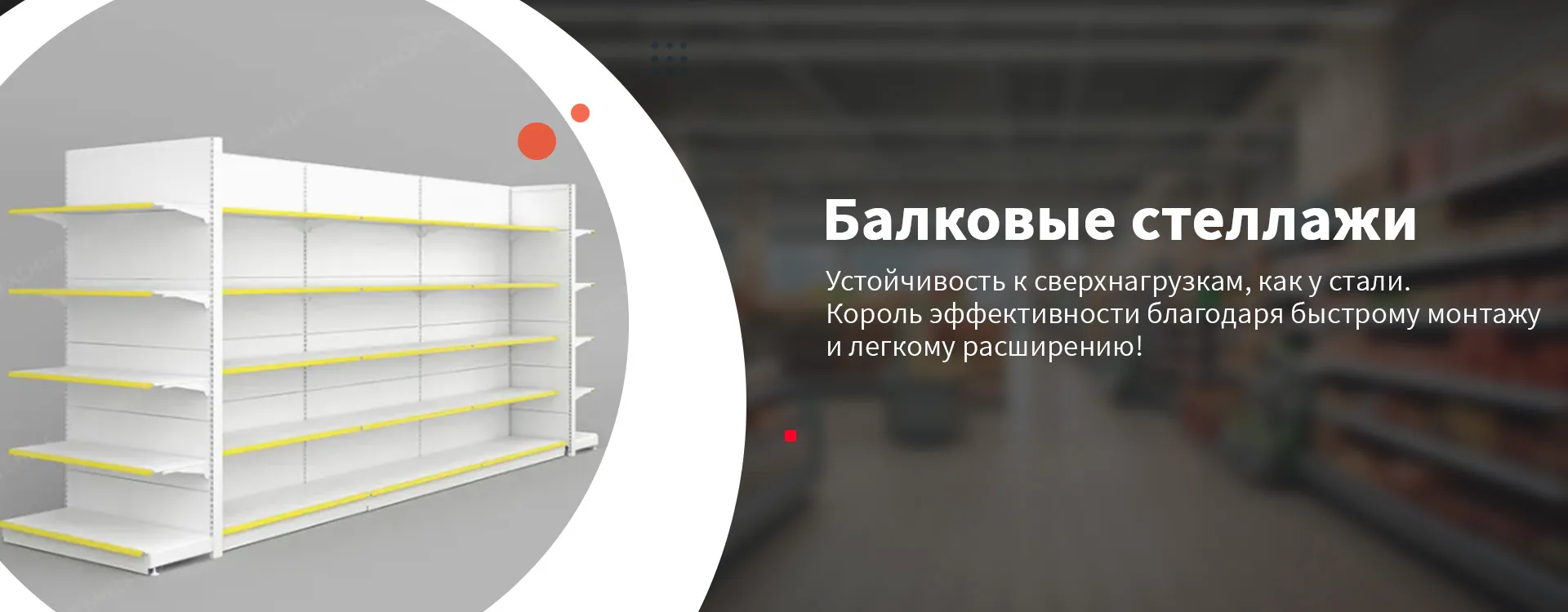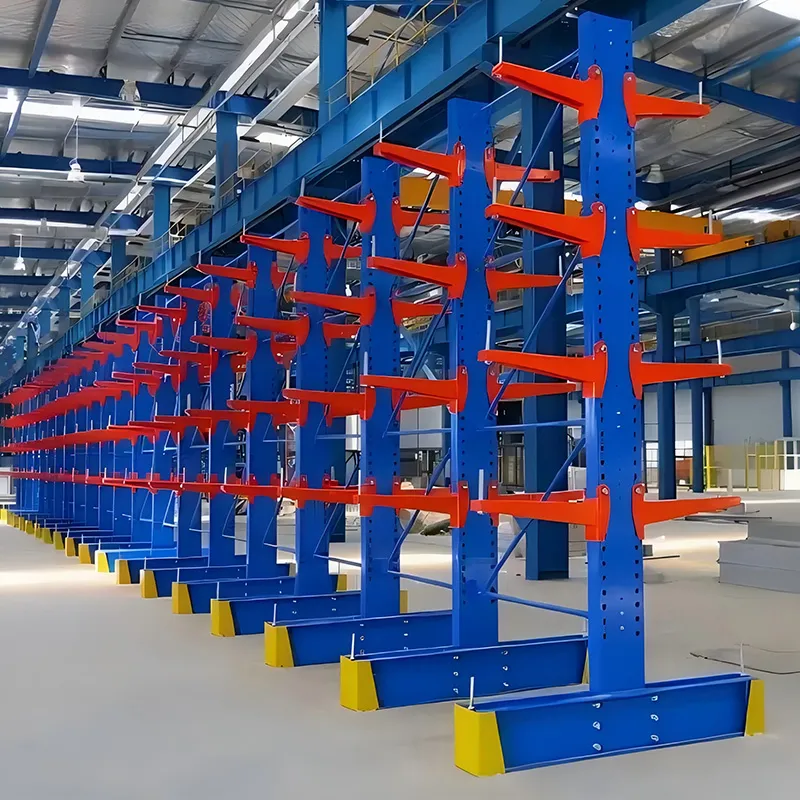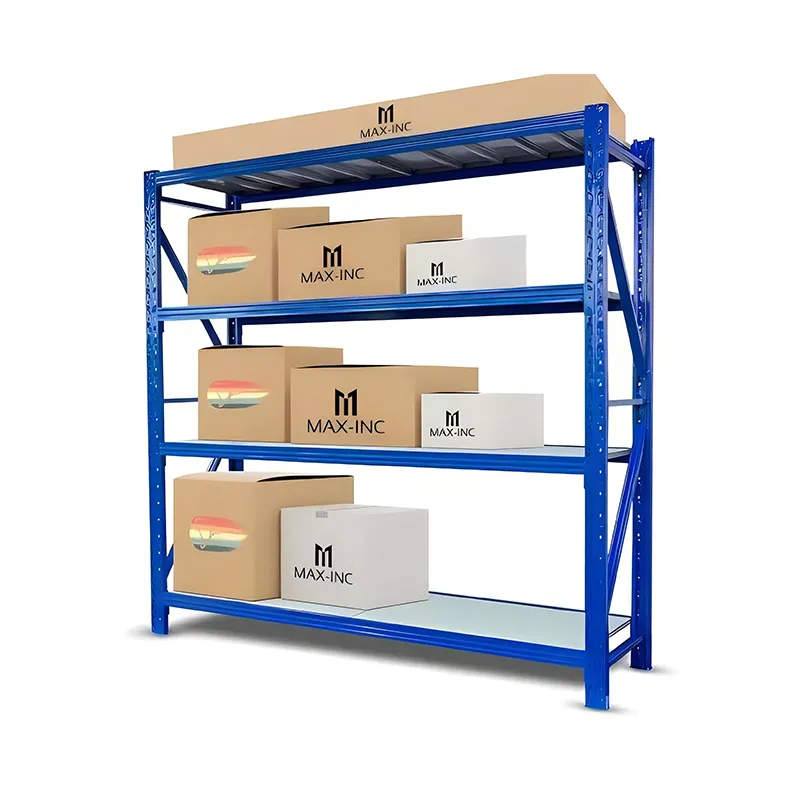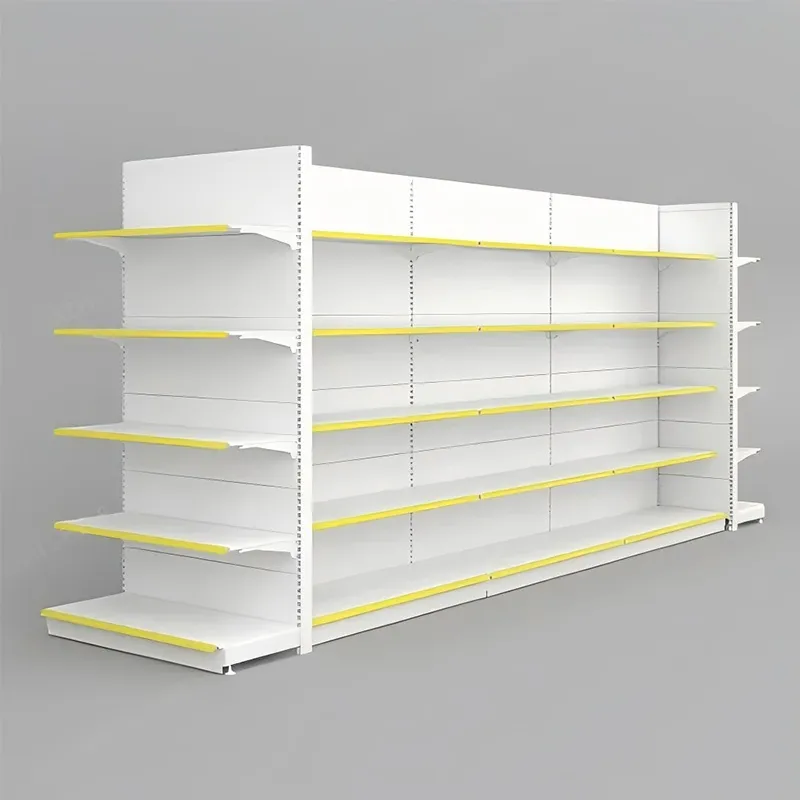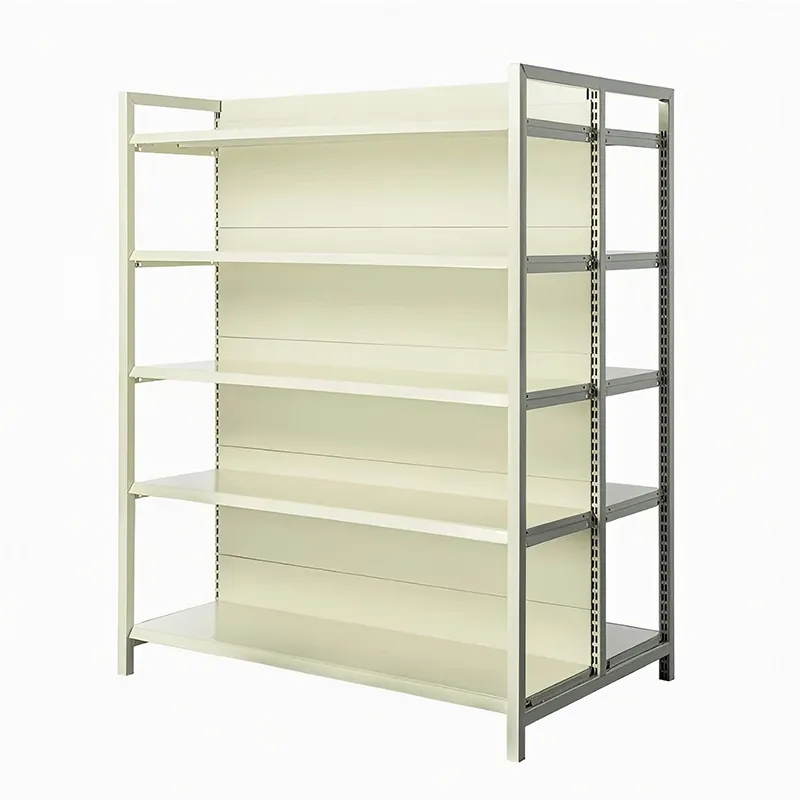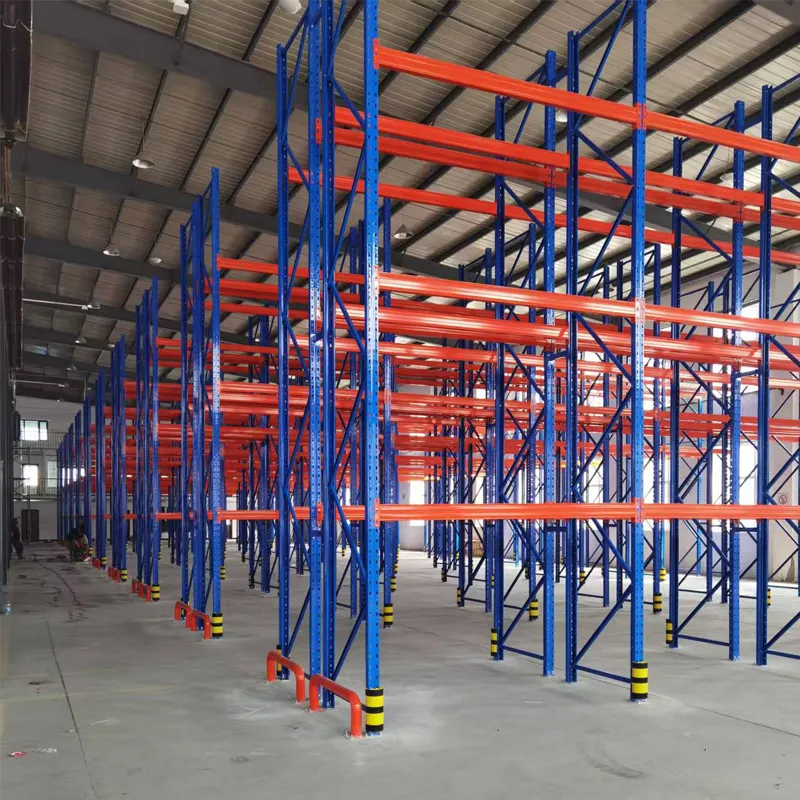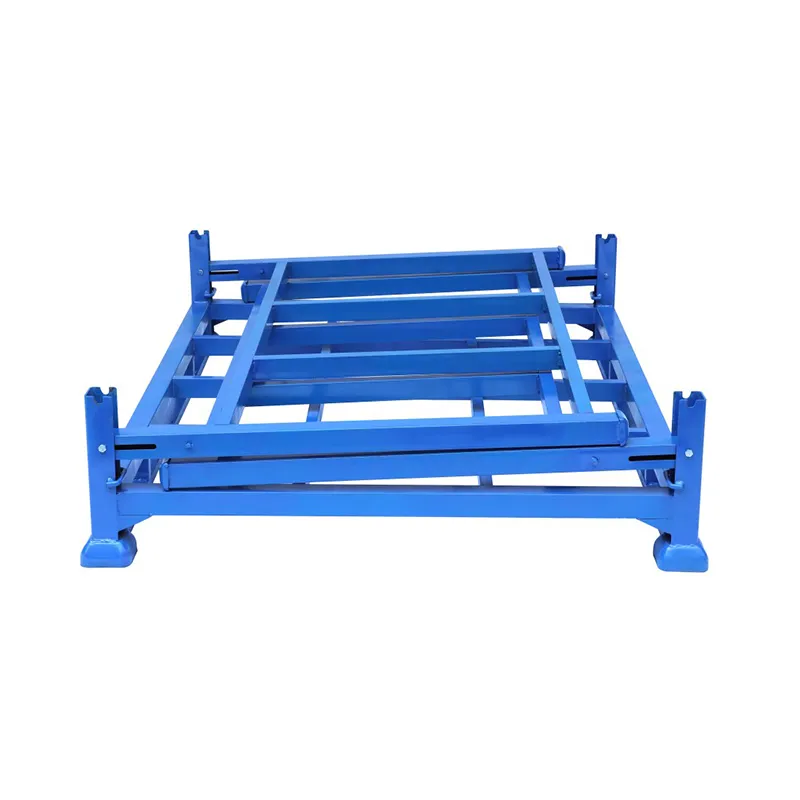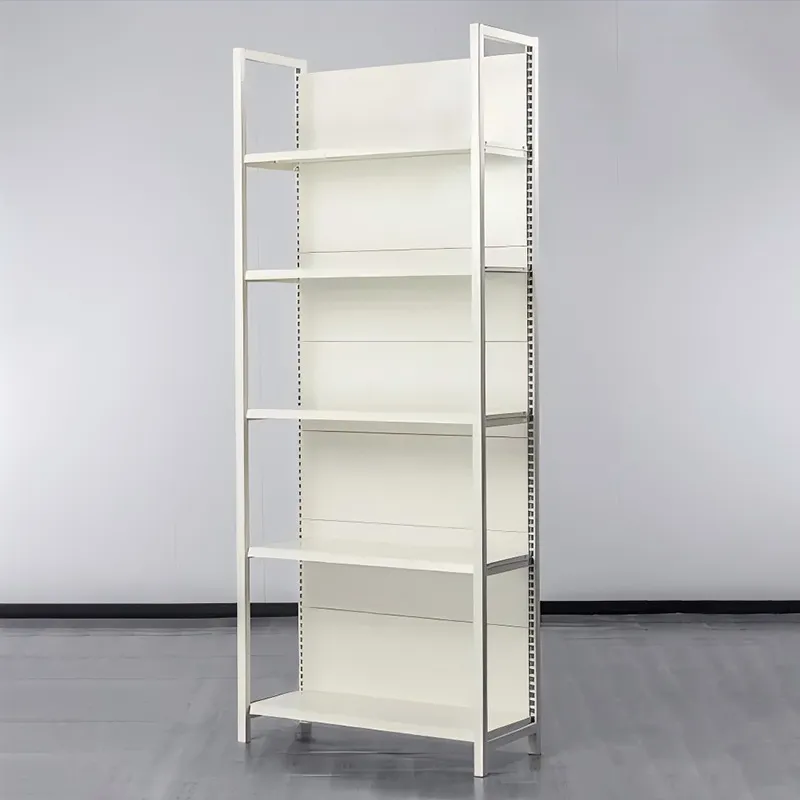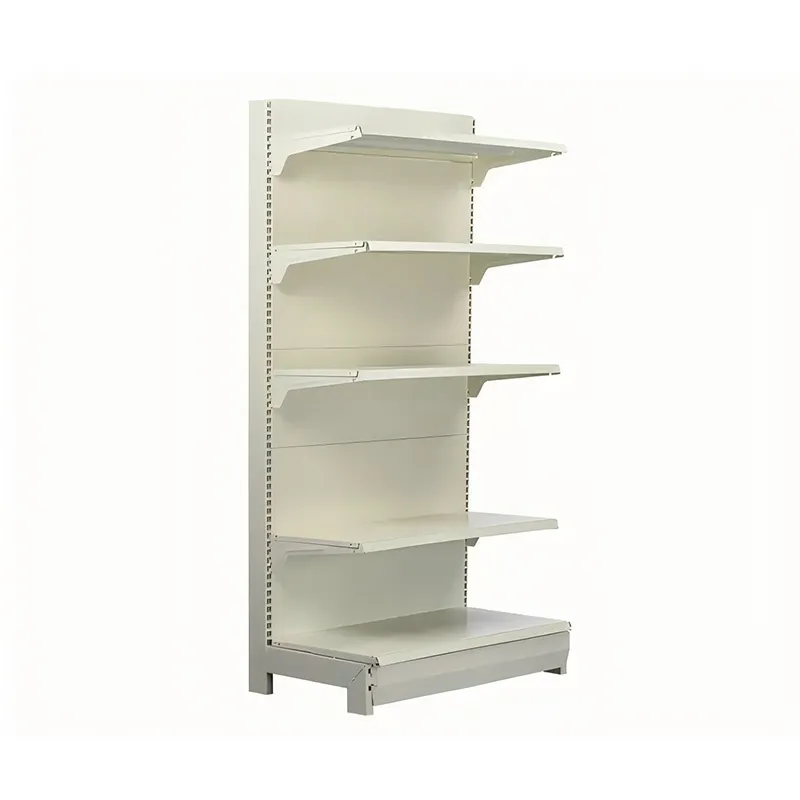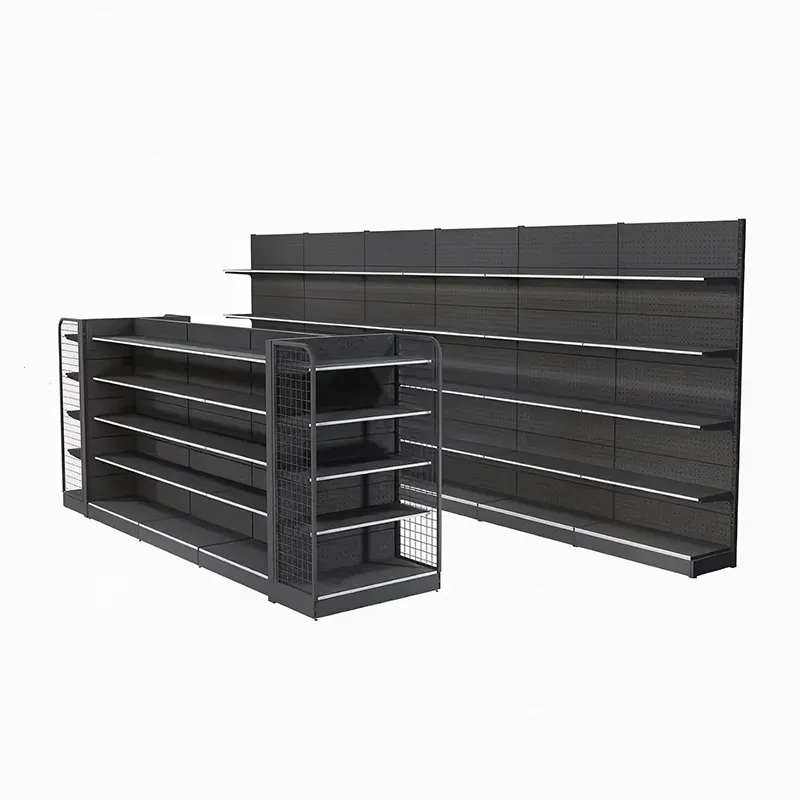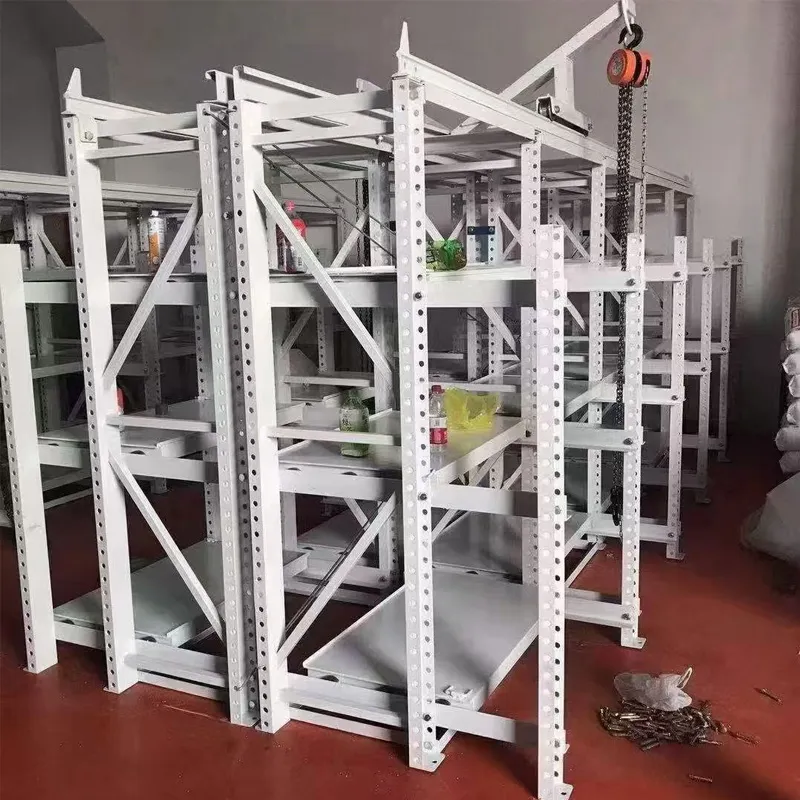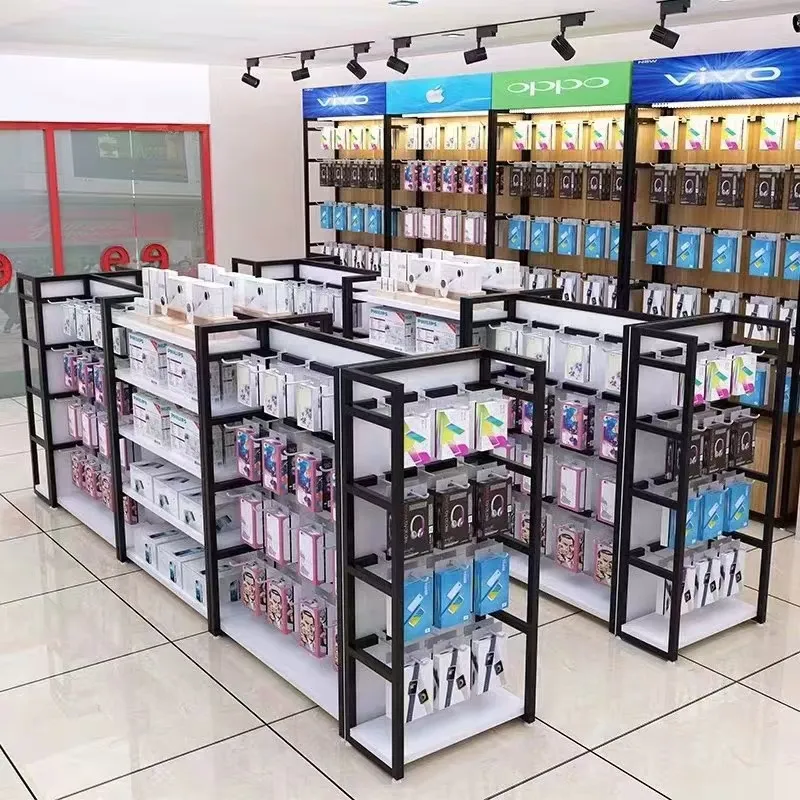
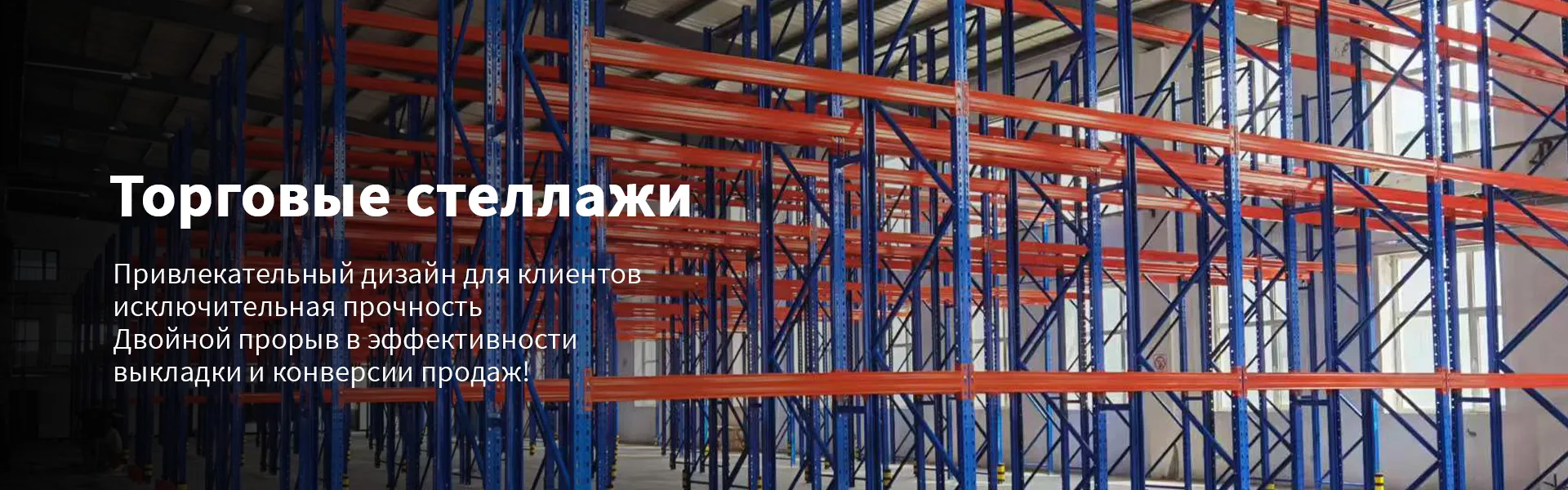
When you hear “shelving equipment,” many people immediately think of the shelving itself—shelves, beams, frames. But this is just the tip of the iceberg. Real hardware is what makes these structures live, reliable and efficient in the warehouse. And here lies the first mistake: saving on equipment, fasteners, security systems, thinking that the main thing is the metal. How many times have I seen how they purchase seemingly excellent racking systems, and then spend months struggling with adjustments, replacing defective locks or selecting compatible accessories. It's like buying a car without suitable tires - it seems to have them, but they can't drive properly.
Let's start with the foundation - fasteners and connecting elements. It would seem like a small thing. But the integrity of the entire structure under load depends on the quality of bolts, nuts, locking plates and beam locks. I remember a project at one of the distribution centers near Moscow: the racks were assembled, but after a month of operation an unpleasant creaking began, and some beams “played.” The reason is that the supplier saved on locks and used low-quality stamping without proper hardening. Under dynamic load from forklifts, they began to deform. I had to stop the operation of the sections and change all the fastening points. The conclusion is simple: shelving equipment starts with those details that do not catch the eye.
Another critical point is security systems. This is not just about column guards. For example, guides for stackers or catcher trays for beams. They are often considered as an option, but on high racks or when there is heavy traffic of equipment they are a necessity. I saw a case where, due to the lack of side guides on the aisle, a forklift hit a column, and this caused progressive deformation of the entire cell. It's good that there was no collapse. After this, the customer urgently purchased and installed protection. Therefore, in a competent projectwarehouse shelving equipmentincludes load-bearing structures and a set of protective and guiding elements from the very beginning.
And of course, tools for installation and maintenance. Special keys, templates for drilling, levels for leveling - without this it is almost impossible to assemble the system accurately and safely. Some people think that they can get by with a standard set from the store. But try tightening a high-strength bolt to the correct torque without a calibrated torque wrench. The risk of not tightening or breaking the thread is enormous. Based on our experience, we have come to the conclusion that for each large delivery we create a separate installation kit of tools, which we then often leave with the client for future maintenance.
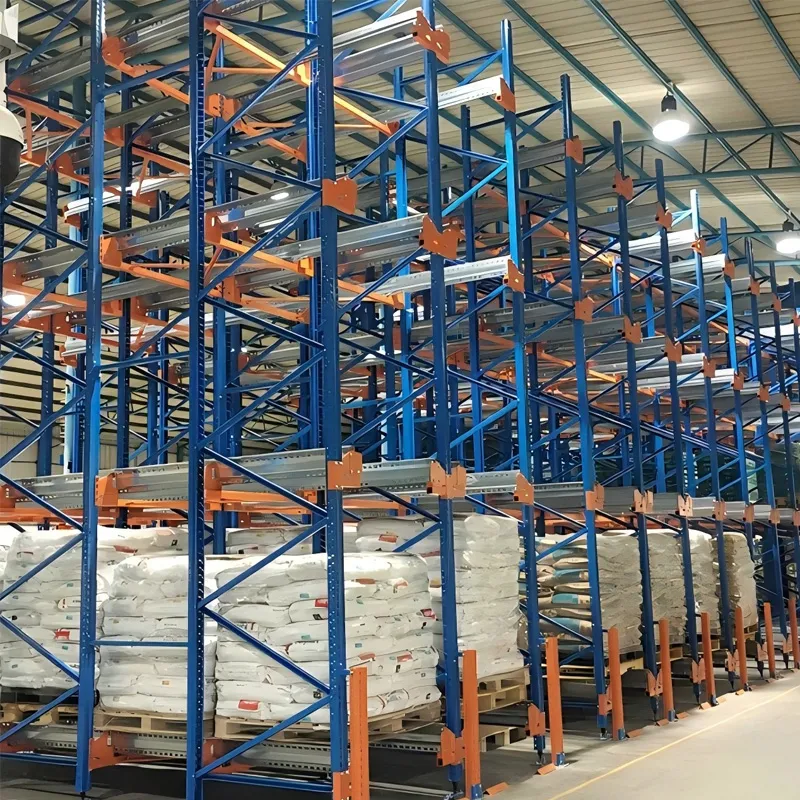
A modern warehouse is no longer just rows of shelves. When it comes to high-density storage or high-volume applications, a basic set is not enough. This is where specialized equipment integrated into the racking system comes into play. For example, guides for push-back storage systems or rail tracks for mobile shelving. Their installation and configuration is a separate story, requiring an understanding of mechanics and loads.
One of the most representative projects where this was critical was the implementation of racks for four-way shuttles. There, the rack structure itself is just a static 'parking lot' for the cells. All the 'intelligence' and movement is provided by rail tracks installed at each level, position sensors and power systems. If the tracks are mounted with a misalignment of even a couple of millimeters, the shuttle will constantly malfunction and lose position, which threatens downtime. We then worked with the racking manufacturer's engineers to ensure the ideal frame geometry for laying these tracks. It was a symbiosis of design thought and installation art.
In this context, I would like to note the approach of some manufacturers who understand the importance of complexity. Here, for example,Harbin Jiusheng Metal Structure Manufacturing Co.,Ltd. According to their websitewww.jshj.ru, they position themselves as a full-cycle enterprise - from design to service. For me, as a practitioner, this is an important signal. When a factory such as Harbin's Jusheng Racking Factory, founded in 2019 and having a solid area of 20,000 sq. m, speaks of a complete cycle, this implies that they must deeply understand what exactlyequipmentand equipment are needed for their racking systems - be it beam, shelf or cantilever. Their stated specialization in northeast China often means working with serious logistics hubs, where the requirements for the reliability of the entire complex, and not just the frame, are extremely high.
A frequent headache in already operating warehouses is the attempt to purchase or replace equipment items. Let's say you need additional shelves or brackets five years after installation. And it turns out that the beam profile of your rack has a non-standard groove, or the thickness of the metal is specific, and standard locks are not suitable. Equipment for shelving must either be unified, or you must have guaranteed access to original spare parts from the manufacturer.
I had an experience where a client bought shelving from one supplier, but pallet trucks and mesh dividers from another, cheaper one. As a result, the carts did not fit neatly onto the beams; there was play, which created a risk of tipping over. The dividers simply did not fit the width of the cell. I had to re-order everything, wasting time and money. Now I always insist that the entire set of equipment, especially those directly in contact with the structure, be from one manufacturer or strictly according to its specifications.
We also include “consumables” here: plastic plugs at the ends of the beams (prevent injuries and debris), anti-dust covers for shelving in pharmaceutical warehouses, special coatings for shelves in the food industry. This is also a part of the equipment, and its choice depends on the specifics of the stored goods. To ignore this is to create safety and sanitation problems for yourself in the future.
The shelving hardware itself is also the process of installing it. Incorrect installation can negate all the benefits of even the best-quality system. We are talking about leveling, observing the assembly sequence, and monitoring the tightening torque of all connections. Often, customers, wanting to save money, hire random teams for installation who do not have experience working with a specific type of racks.
I observed how such “craftsmen” did not use a torque wrench when assembling pallet racks, tightening the bolts “by eye”. Everything seems to be standing strong. But under a load of several tons, uneven tension in the nodes caused one of the frames to behave, and the entire section stood at an angle. It had to be disassembled and reassembled, but some of the bolts were already deformed and they also needed to be replaced. As a result, savings on installation resulted in additional costs and delays in the launch of the warehouse.
Therefore, a competent supplier does not just sell hardware and fasteners in boxes. He either provides qualified installation himself or provides detailed instructions and training for the customer’s installers. This is part of the responsibility. If we go back to the exampleHarbin Jusheng LLC, then their stated full cycle, including design and after-sales service, just hints at an understanding of this connection. A large specialized enterprise with automated lines that produces a wide range of systems most likely has established installation standards, the necessary tool kits, and technical supervision of installation. This is important for ultimate reliability.
So what is all this for? Because the choicewarehouse shelving equipmentis not just ordering metal structures from a catalogue. This is the design of a comprehensive solution, where the frame, fasteners, protection, accessories and even maintenance tools are links in one chain. Saving on one link breaks the whole chain.
Experience, often bitter, teaches that it is better to work with suppliers who think in the same categories - not as hardware sellers, but as suppliers of warehouse solutions. Those who, like the Harbin Jusheng plant, claim a full cycle from development to service, in theory, should bear this responsibility for the entire package. Of course, this requires testing on real projects and reviews.
Ultimately, reliable warehouse racking is a system. And the equipment for it is everything that ensures its strength, safety and functionality throughout its entire service life. It is worth looking at this issue more broadly than is usually customary. And then many problems can be avoided even at the design and ordering stage.