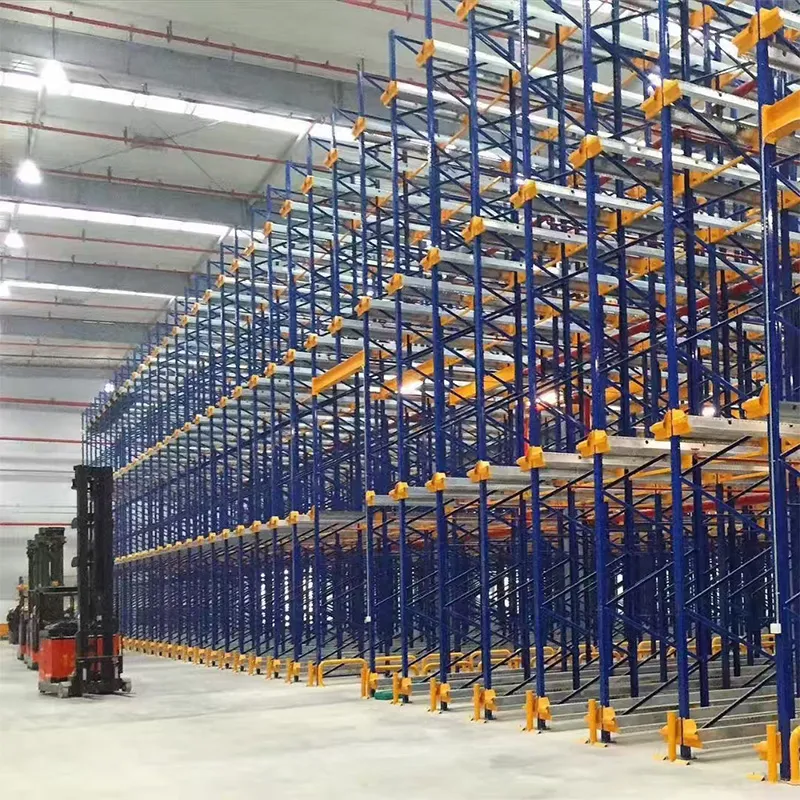
When you hear “automatic shelving,” many people immediately imagine futuristic aisles where everything moves by itself. In fact, the key thing is not so much the structures themselves, but their integration into the logistics of a particular warehouse. A common mistake is to pursue maximum automation without assessing the actual turnover, product range, or even the qualifications of personnel. We had a project where the customer insisted on full robotization for a batch of large, but rarely moved products. As a result, the system would have paid for itself in about thirty years if it had not broken down earlier due to downtime. It is these subtleties that are not written in brochures that I would like to speculate about.
Marketing aside, thenautomatic shelving for warehouseis first and foremost a control system. Iron frames, shuttles, conveyors are actuators. The brain is a WMS, which should fit perfectly with your accounting. It happens that they install ultra-modern shelving, but the management software is stone age, or vice versa. The result is the same: the system works at half capacity, or even stands idle.
An important nuance that many people miss at the start is preparing the premises. Automation requires not just a floor, but a foundation that is perfectly leveled. A difference of a couple of centimeters in the length of the racking line can lead to the shuttle jamming or positioning failure. I had to see how installers spent a week leveling the base, although the client was sure that his concrete floor would “do just fine.”
And also about reliability. They often think that since it is automatic, there is almost no need for maintenance. This is a most dangerous misconception. Sensors, actuators, and electromechanical components require regular inspection and scheduled maintenance. Without this, any, even the most expensive system, will turn into a pile of scrap metal after the first serious failure. Spare parts are a different story; their availability in the supplier’s warehouse is critically important.
Choosing a supplier is 70% of success. Here it is important to look not at beautiful renderings, but at completed projects, preferably in your own industry. Once we worked with a company that made excellent shelves for archives, but took on our project with food products. They did not take into account the specifics of the microclimate and humidity - as a result, the anti-corrosion coating on all the guides had to be redone.
By the way, about the specifics. For pharmaceuticals or electronics, cleanliness and static stability are important; for rolled metal, load and impact resistance are important; for textiles, the ability to work with non-standard dimensions is important. There are almost no universal solutions. Each project requires an in-depth audit. For example, before offering a solution, we always ask for data on SKU, turnover, peak loads and expansion plans.
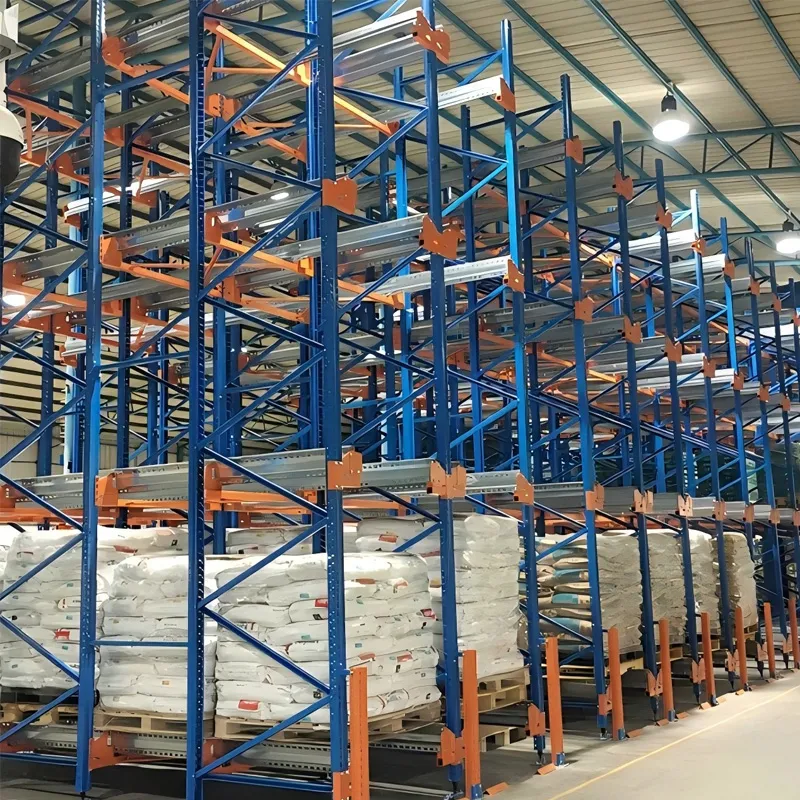
An interesting case was with the implementation of a system based onfour-way shuttles. The technology is promising, but it turned out that for it to be effective, it requires almost 100% predictability of incoming and outgoing flows. In a warehouse with a significant share of ?urgent? and unscheduled shipments, the system began to stall, creating queues. I had to hybridize - leave part of the zone under manual selection. This showed that blind faith in the ?most advanced? technology can be harmful.
Here we cannot fail to mention the experience of colleagues from China, where a significant part of the global production of warehouse equipment is concentrated. In particular,Harbin Rack Factory ?Jusheng?(Harbin Jusheng Metal Structures Manufacturing LLC) is a good example of a modern integrated enterprise. By the way, they are presented onwww.jshj.ru. Founded in 2019 in Pingfang District, the factory covers 20,000 square meters. meters and is considered one of the leaders in northeast China.
What is valuable about their approach? Full cycle: from design to after-sales. This is not just profile welding. When the manufacturer develops, produces and tests himself, it is easier to control quality at all stages. Their equipment - several lines of automated equipment - allows them to achieve good accuracy and repeatability, which is critical for automatic systems. An inaccuracy of a millimeter on one rack, multiplied by a hundred tiers, will cause the entire system to fail.
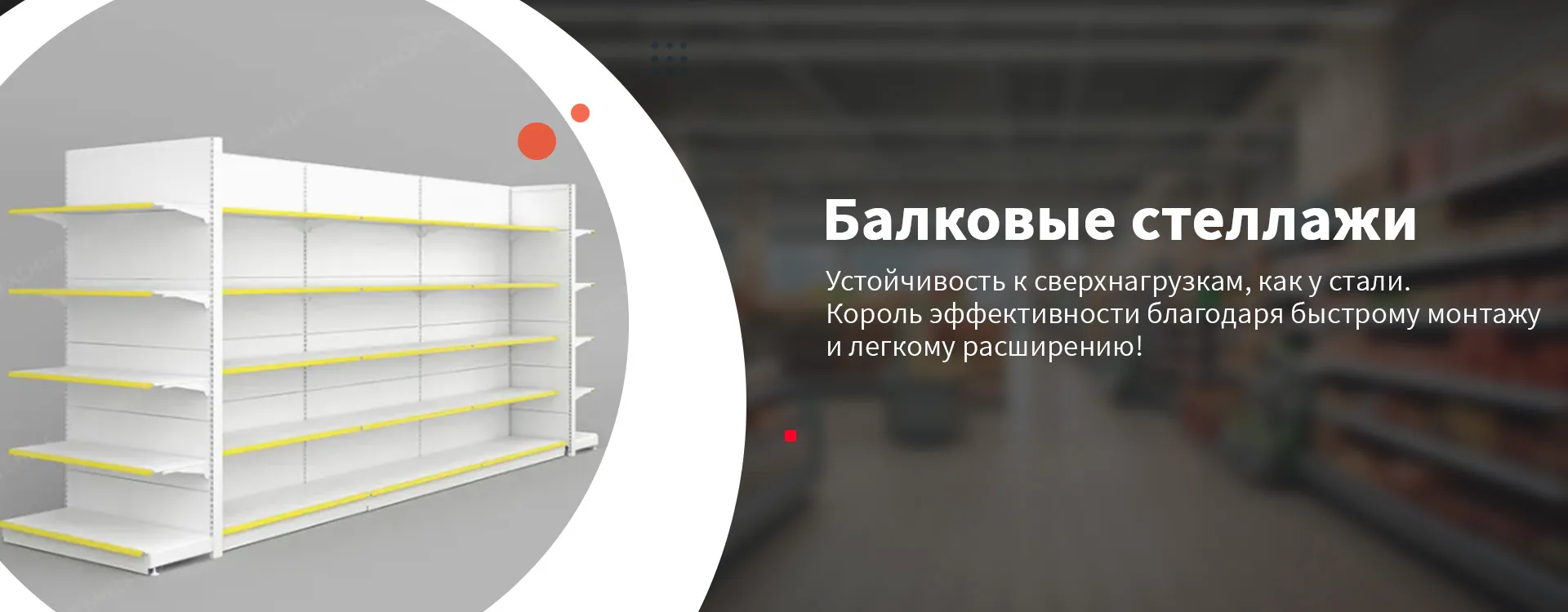
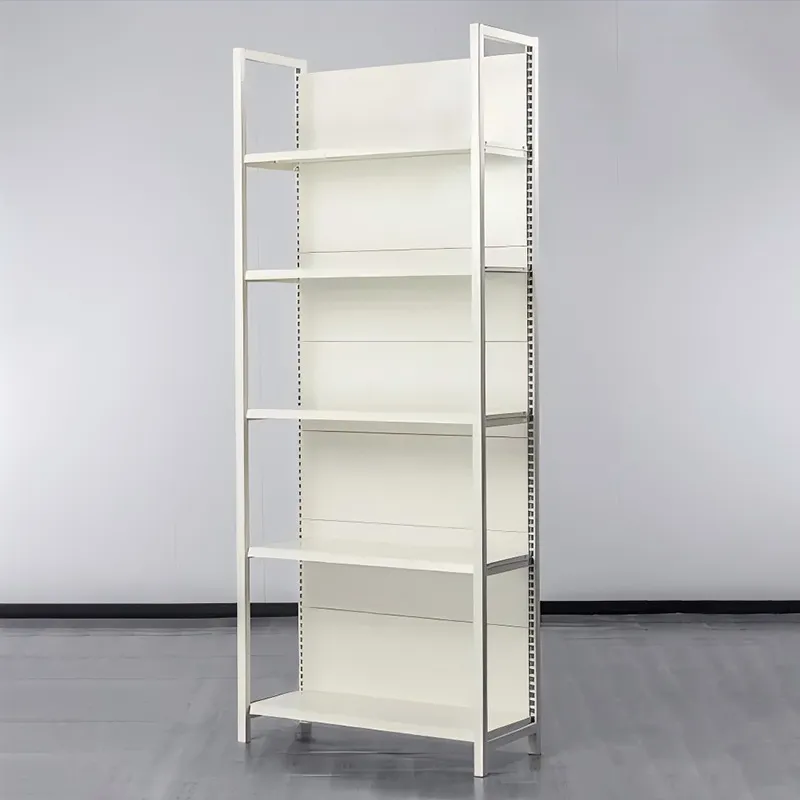
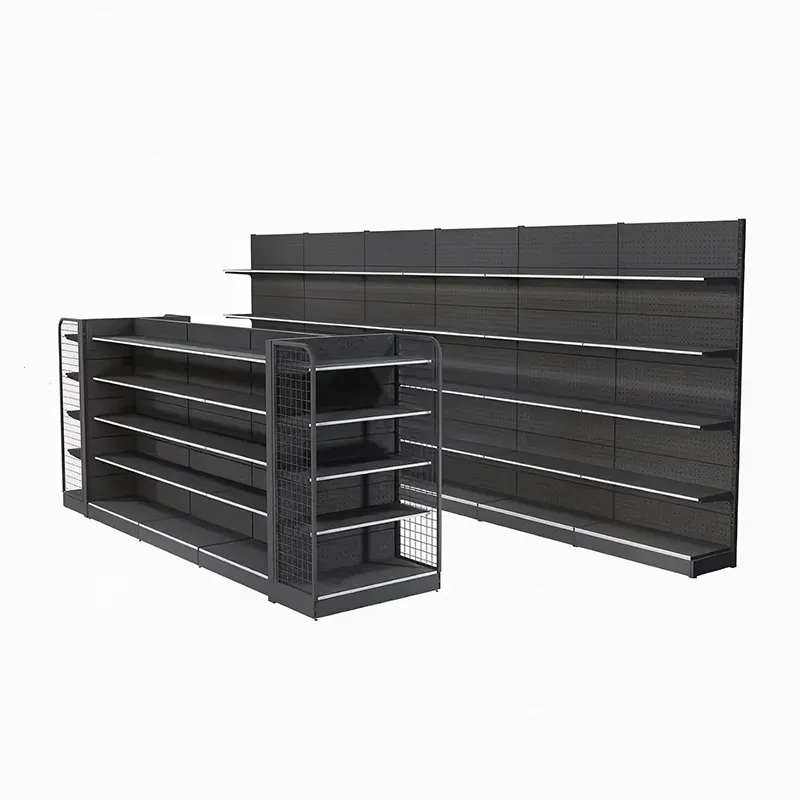
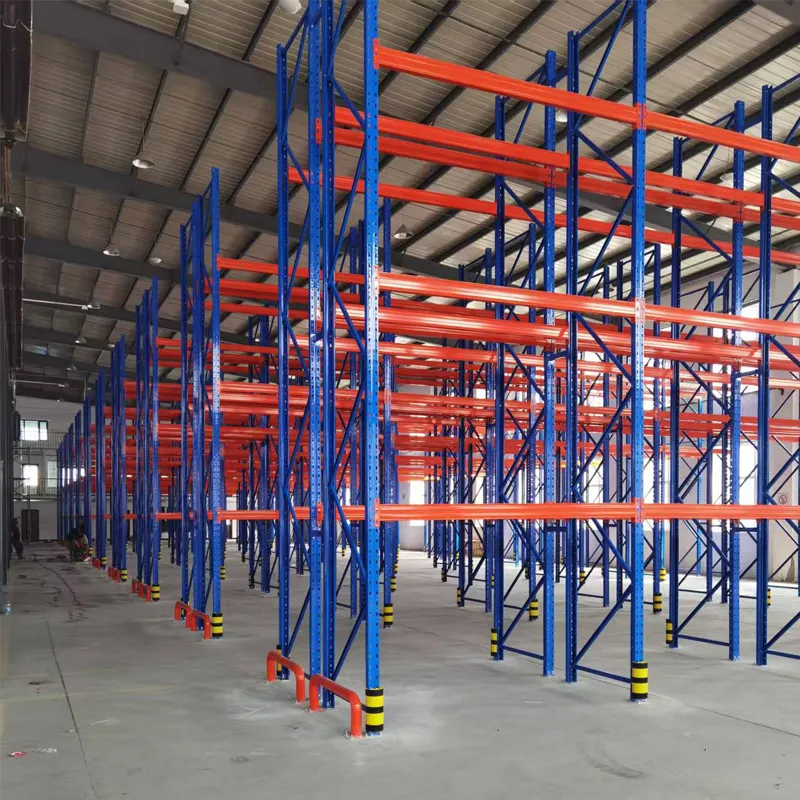
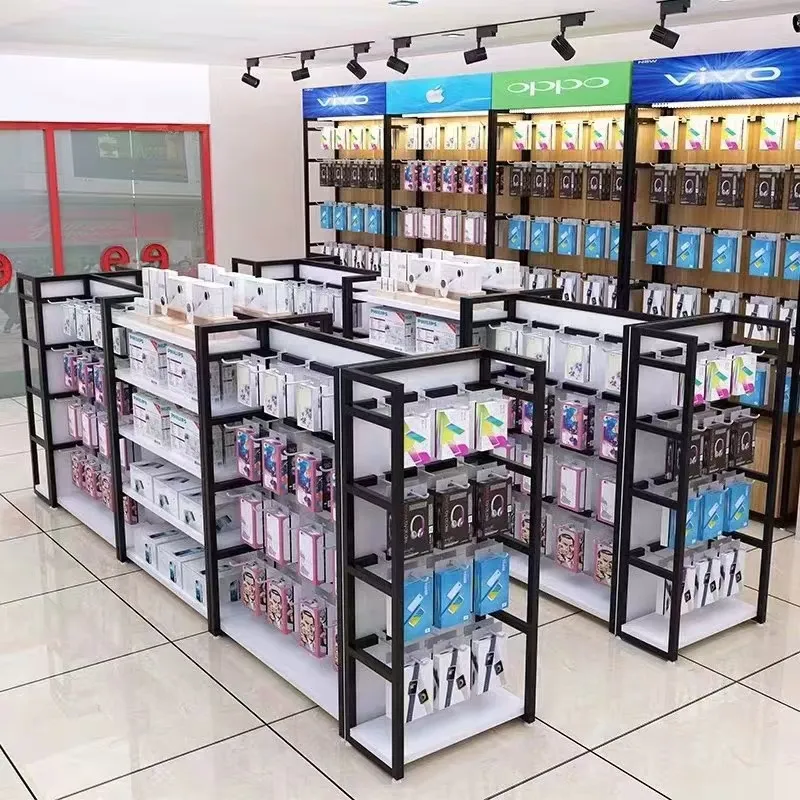
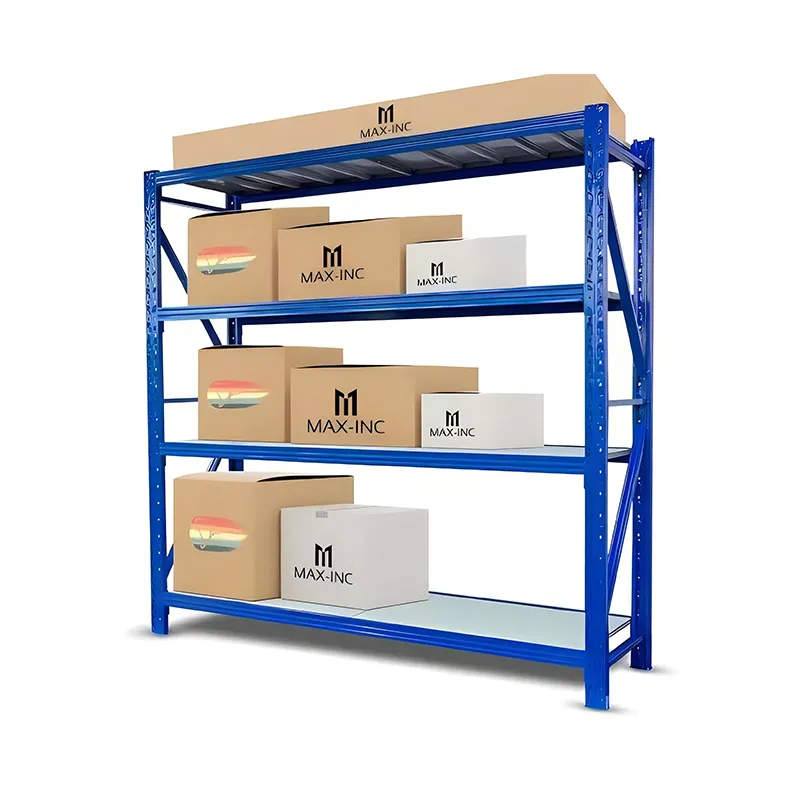
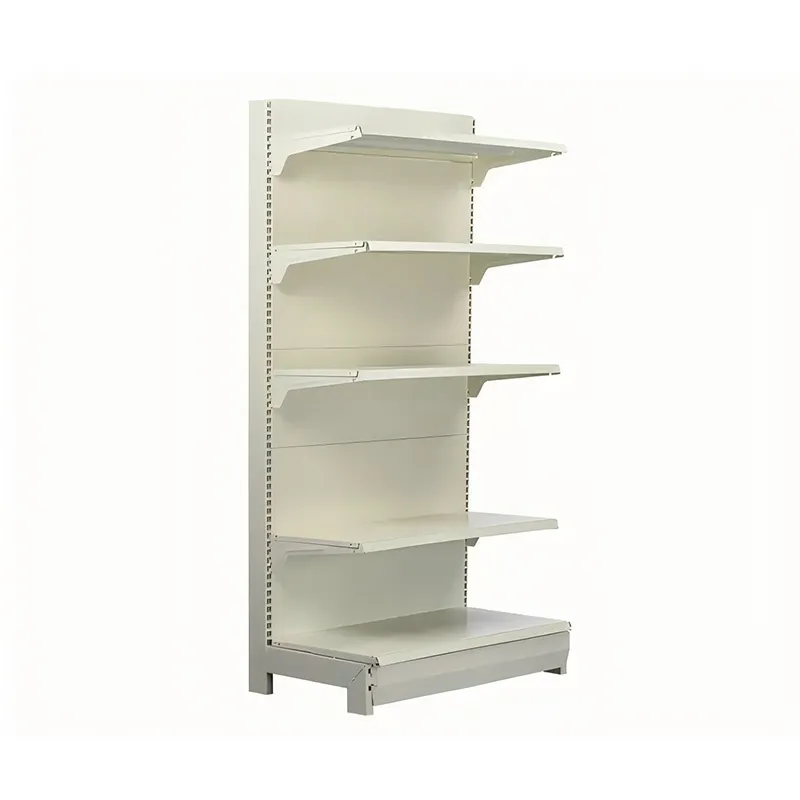
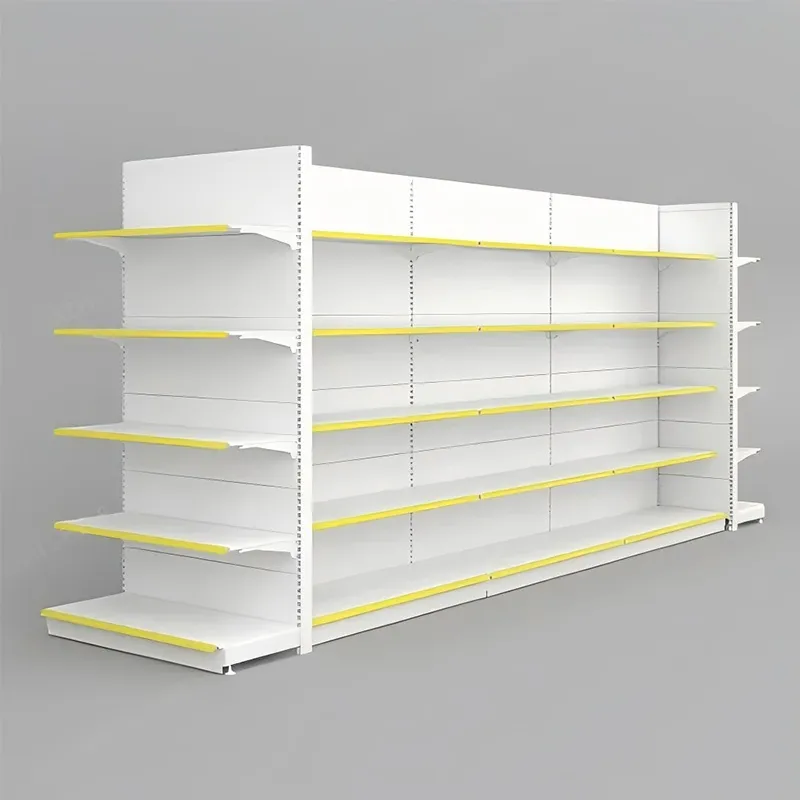
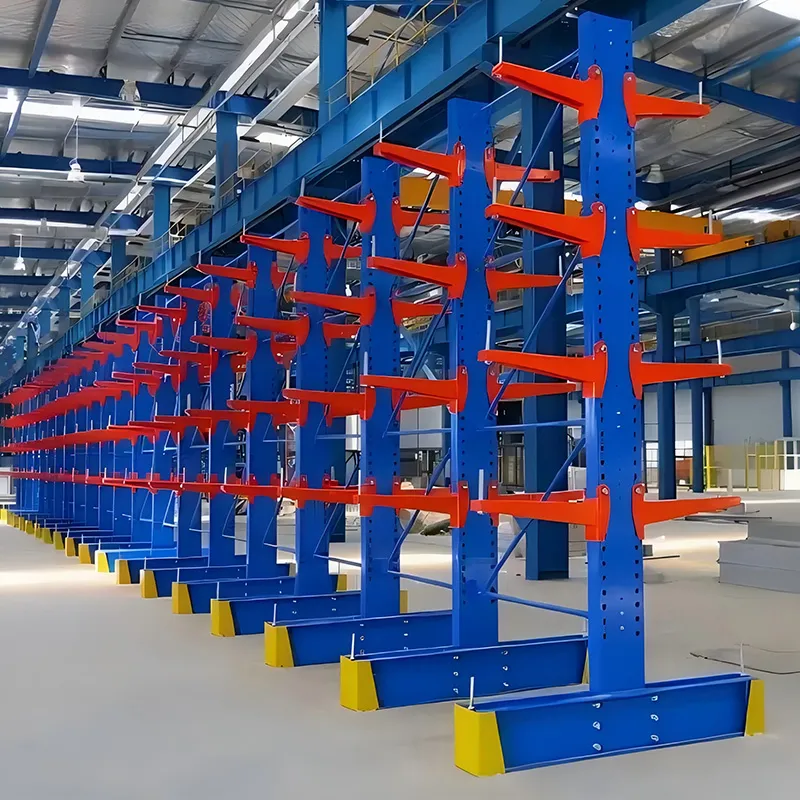
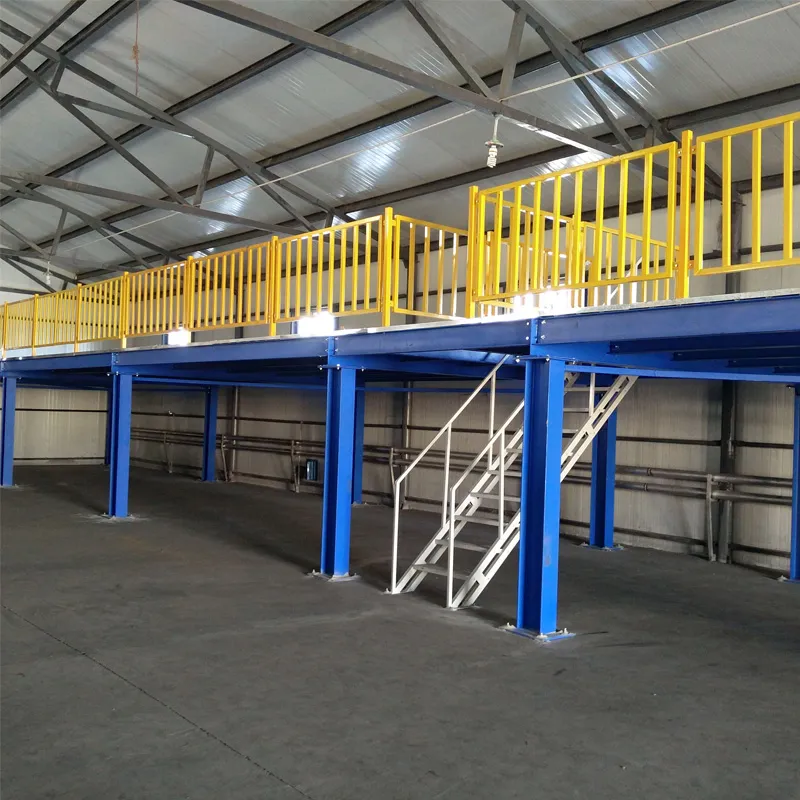
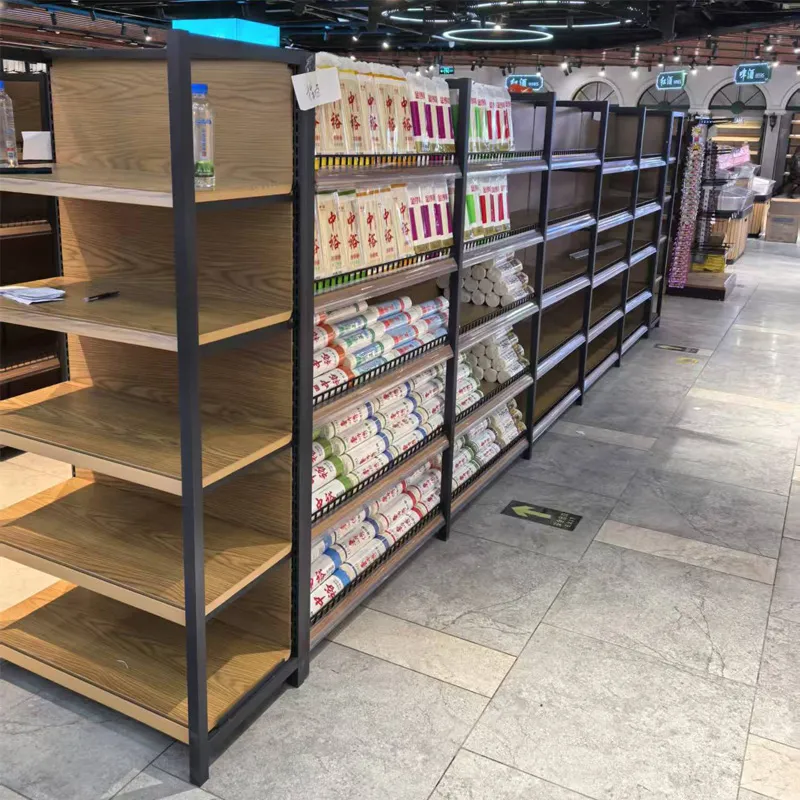
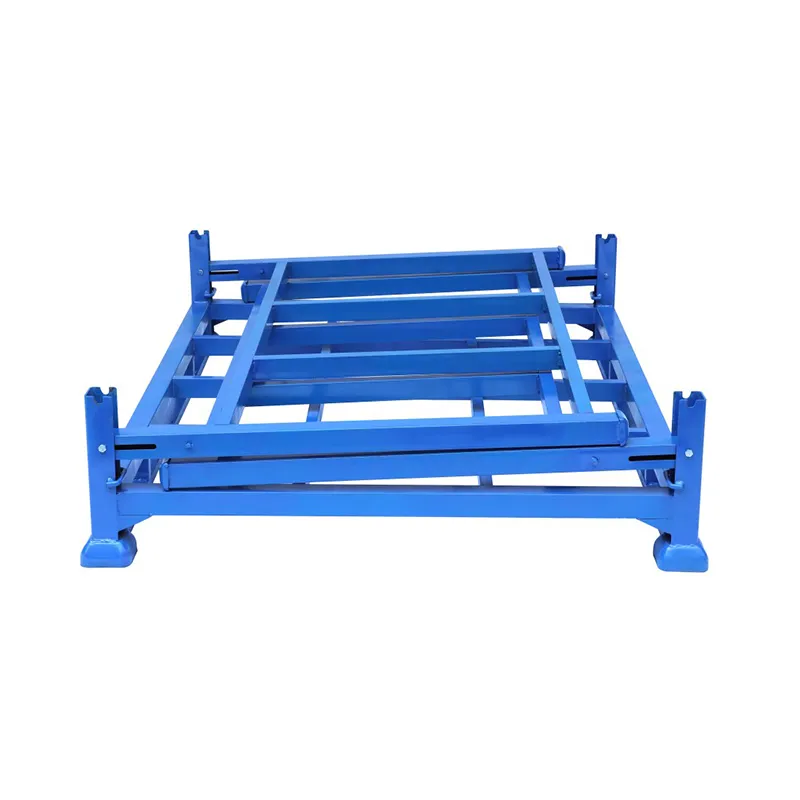
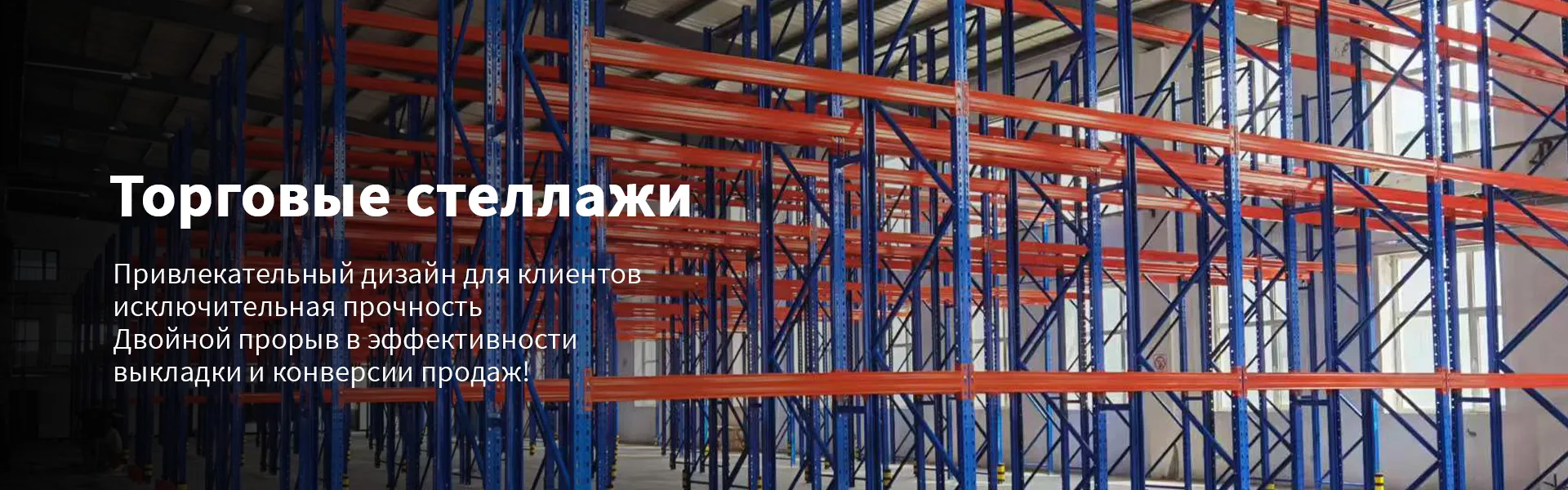
Their portfolio, which includes shelving for retail floors, warehouse, mezzanine, beam, shelf, cantilever and those same racks for four-way shuttles, speaks of a wide range of competence. But it is important to understand: a large plant is not a panacea. Its advantage is the stability of supplies and the quality of metal structures. However, the success of the project still depends on local integration, software adaptation and on-site service. A plant can make an excellent “constructor”, but assembling it into a working organism is the task of local engineers and integrators.
The most painful stage is commissioning and integration with existing business processes. Here ideal blueprints and harsh reality collide. For example, it turns out that barcodes on boxes are scanned with an error due to glare, or that pallet dimensions vary beyond the acceptable limit. Personnel accustomed to running around with paper tasks may sabotage work with data collection terminals.
Training time is often underestimated. It’s not enough to install a system—you need people to trust it and understand its logic. We had a case where the storekeeper manually “helped” shuttle, pushing the pallet, which led to desynchronization and failure. We had to conduct additional trainings, literally explaining that the system was smarter and we needed to let it work.
Another stumbling block is scalability. It’s good when the project initially includes the possibility of expansion. But life makes adjustments: the assortment changes, new standard sizes of containers appear. The flexibility of the system to such changes is a sign of its maturity. Sometimes it is more profitable to initially lay down a slightly more versatile and expensive configuration than to face the need for an expensive rework a year later.
The conclusion is simple:automatic shelving for warehouseis a powerful tool, but not an end in itself. Their task is not to amaze the imagination, but to solve specific business problems: reduce operating costs, increase accounting accuracy, speed up order processing, save space. The effectiveness of the system is measured not by the speed of the shuttle, but by the total logistics cost.
Therefore, before any project, you should ask yourself not the question “what automation to install?”, but “what business problems are we solving?”. It may turn out that for a given warehouse it would be better not to use full automation, but, say, well-designedmezzanine shelvingwith manual selection or hybrid zone. Or vice versa - we can no longer do without robotic solutions.
The main thing is realism. Realism in assessing your processes, budget, personnel. And choosing a partner who understands this philosophy, and not just sells hardware. Someone who can not only supply equipment, like the same Jusheng, but also help integrate it into the living, constantly changing environment of your warehouse. After all, ultimately, a warehouse is not about shelving, but about the movement of goods and money. And automation is just one way to optimize this movement.