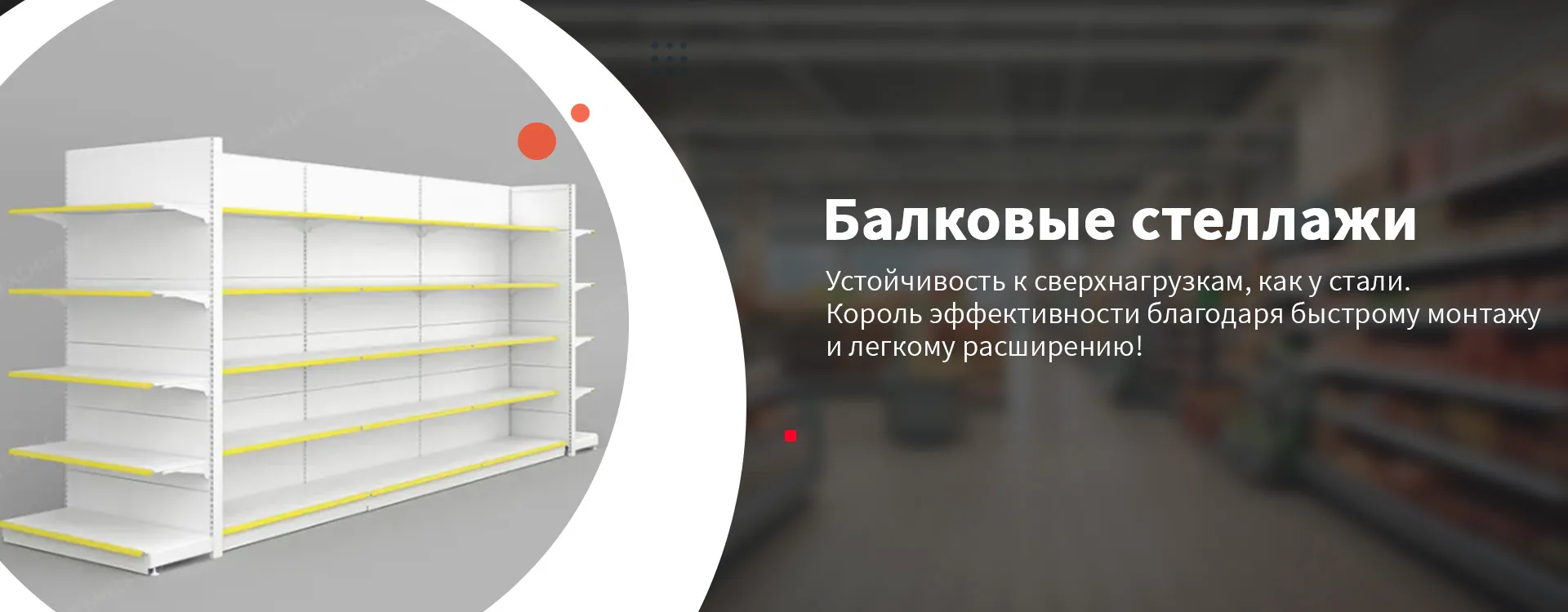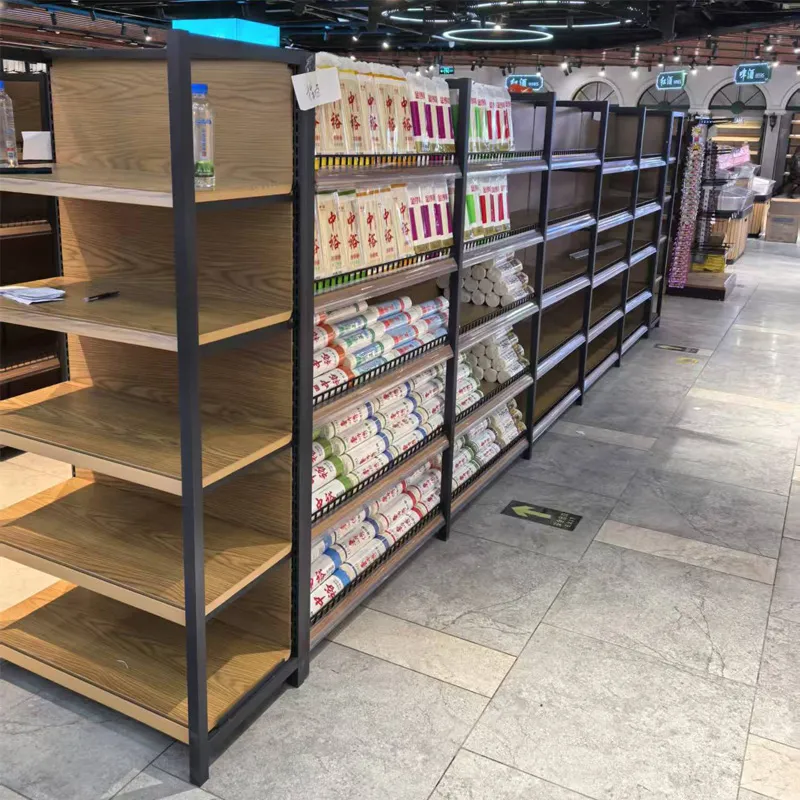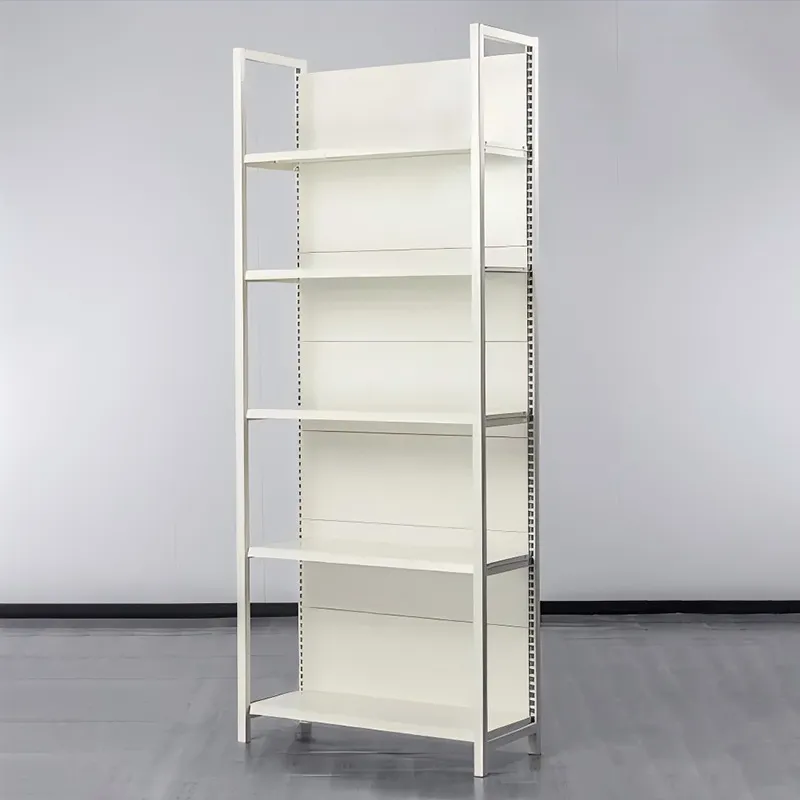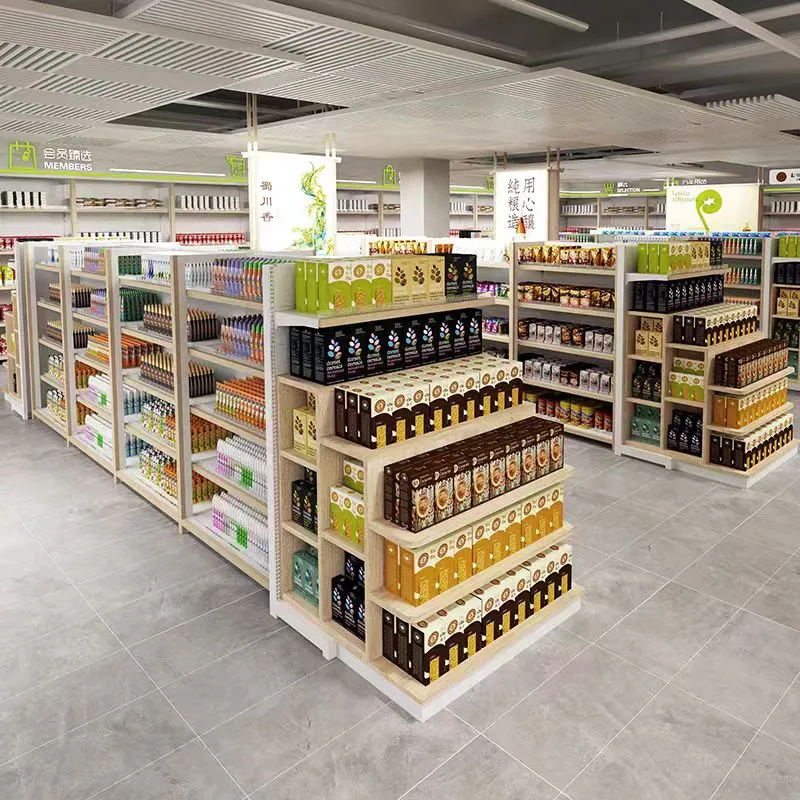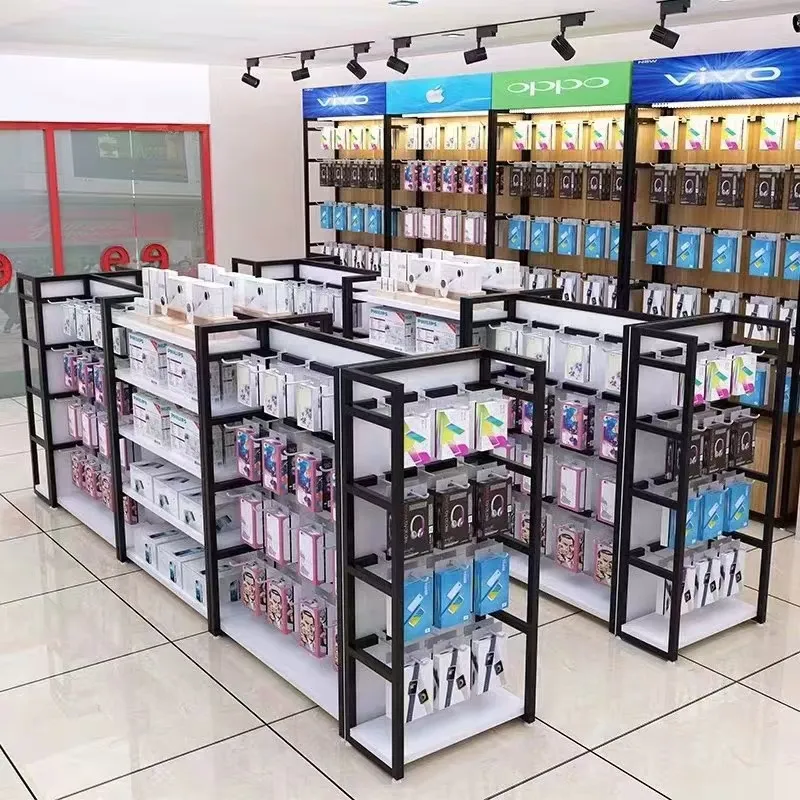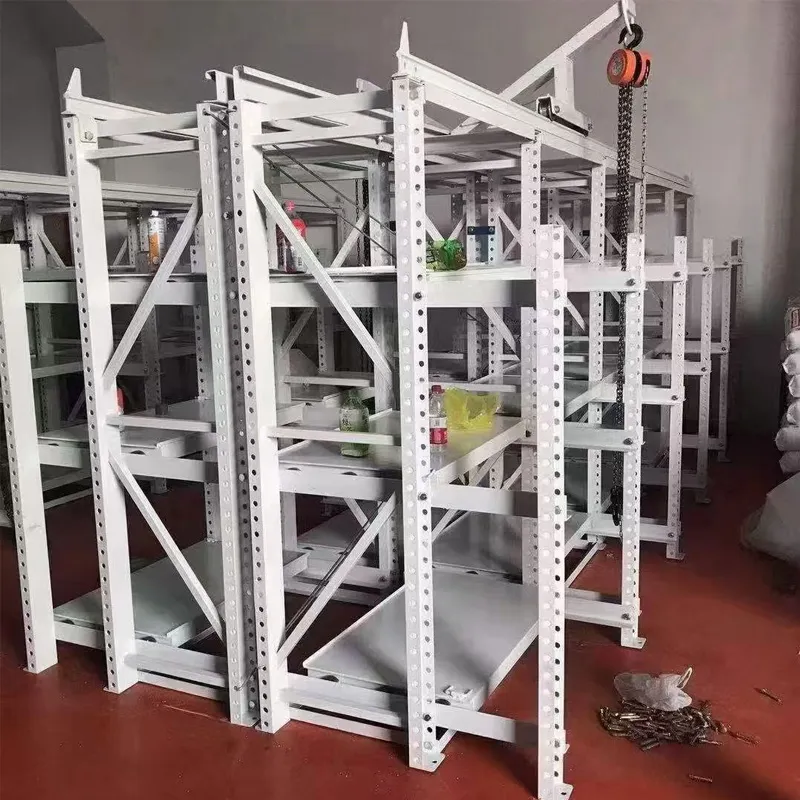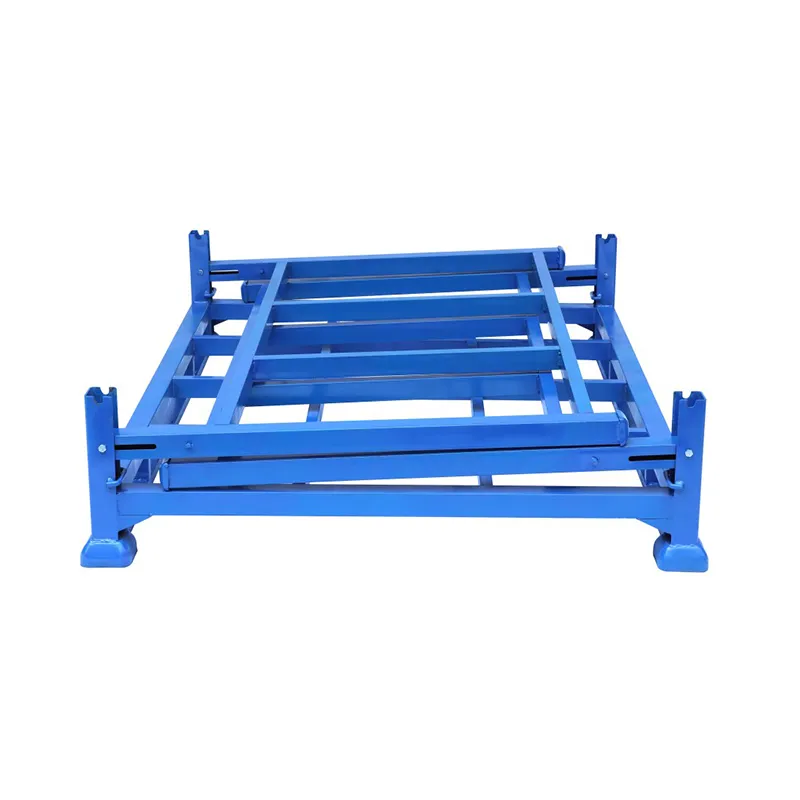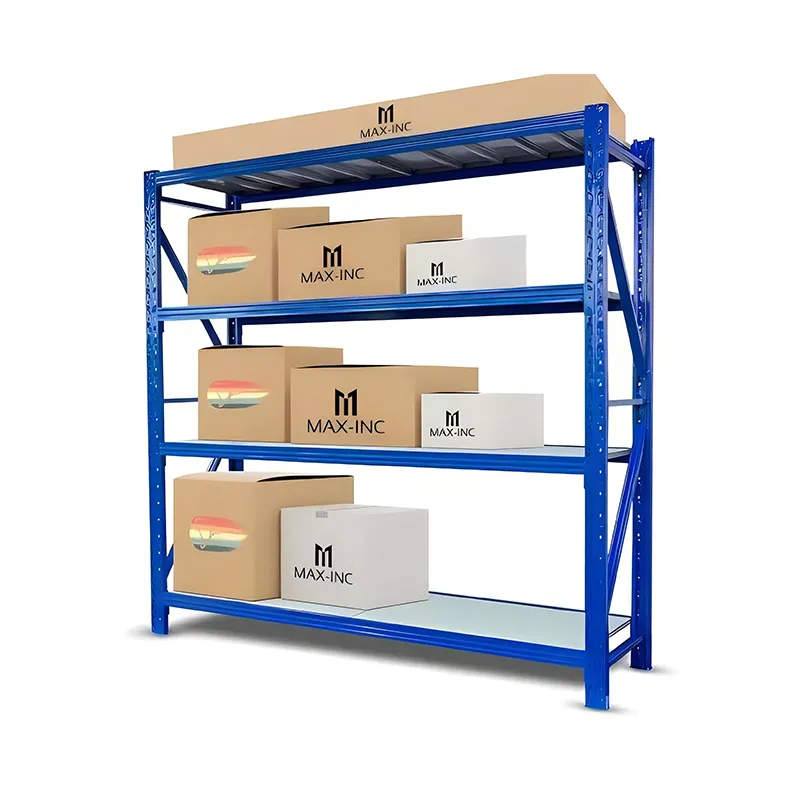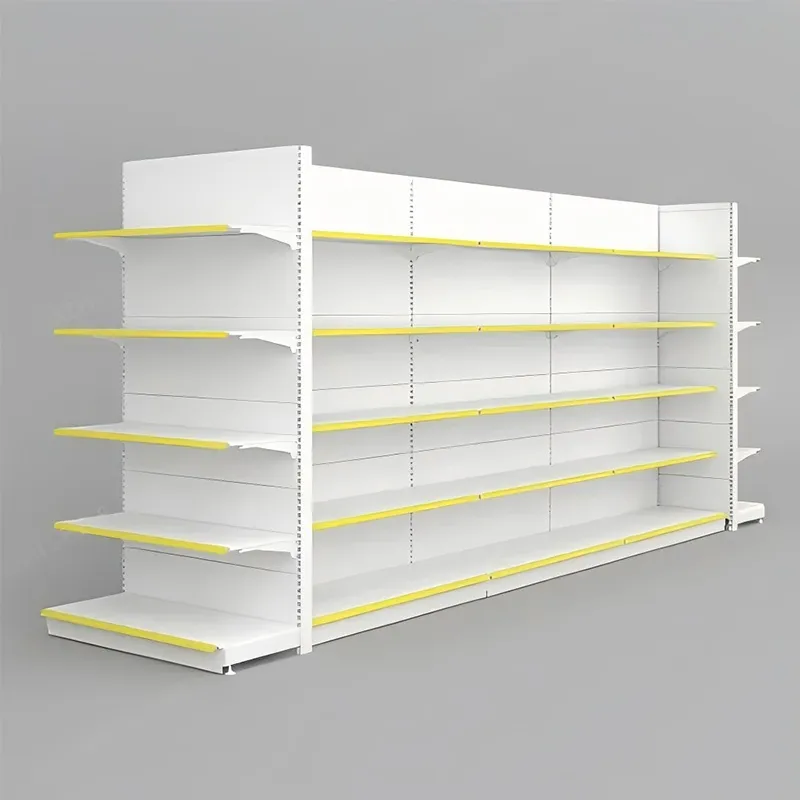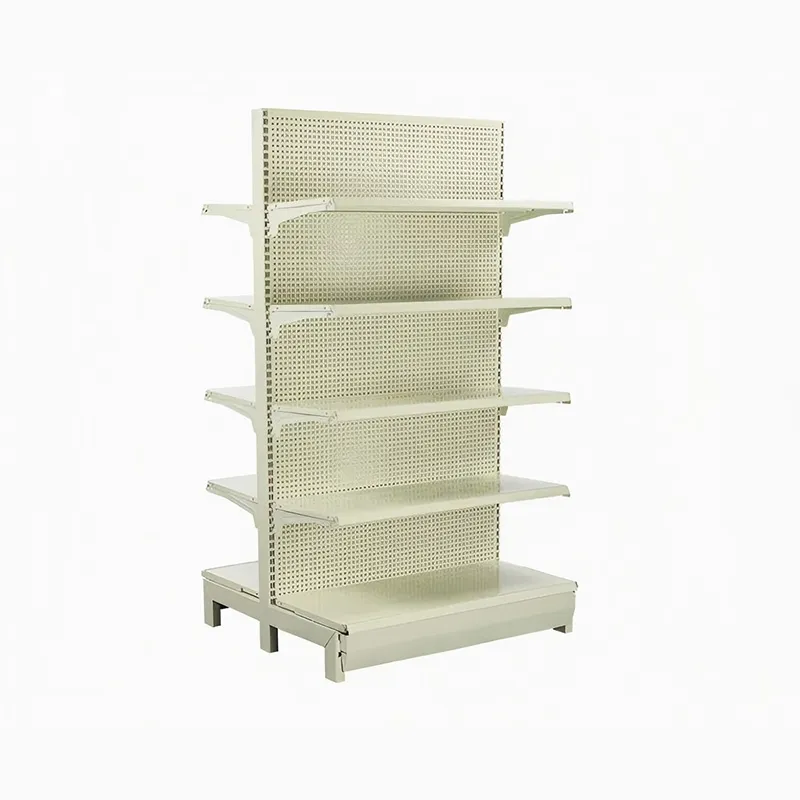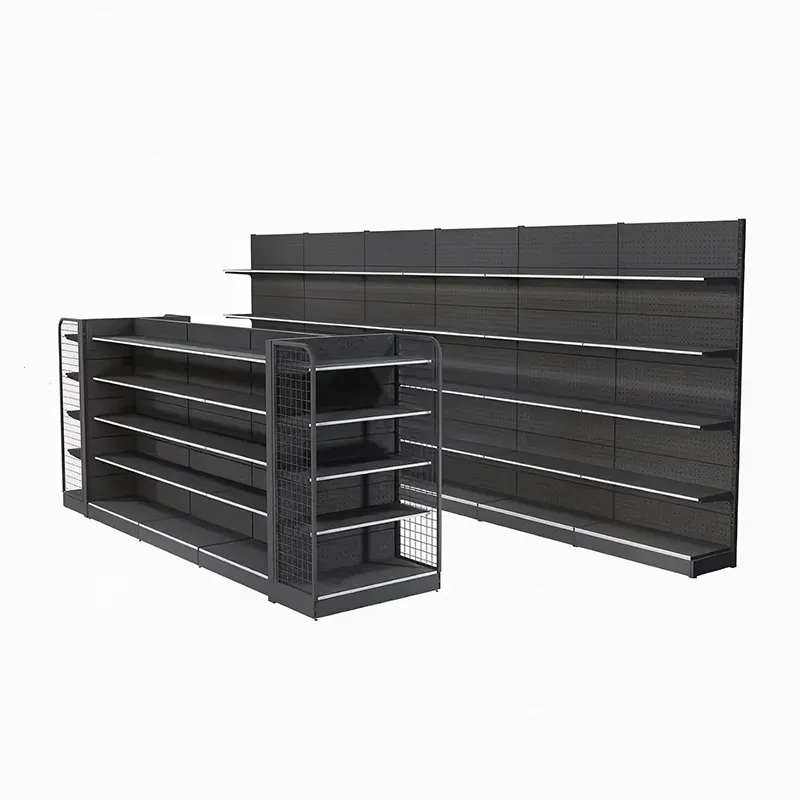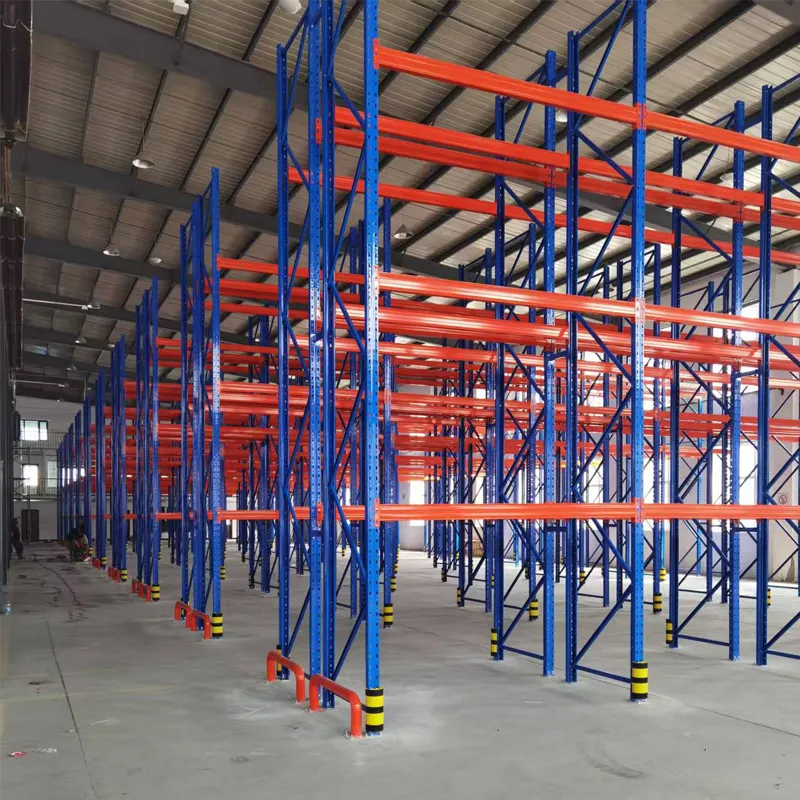
When they talk aboutshelving for mini markets, many simply represent iron structures for goods. This is where the main mistake lies, which I have encountered more than once. The customer thinks about the price per kilogram of metal, but in reality it is necessary to consider the price per centimeter of display and the convenience of the seller. In a small store, every square meter is gold, and the wrong system is not only “inconvenient”, it steals profits for months. I myself stepped on this rake at the beginning, when I tried to save on design.
The ideal shelving for a mini-market is created not in the factory, but in the store plan. You take the floor plan, the flow of customers, assortment groups - and only then think about the types of structures. A common problem is that they order standard “rows”, and then it turns out that it is impossible to place a display case for expensive cognac in the corner or there is no space for a refrigerated shelf. I had to redo it. Now I always insist on having a surveyor come out and look at not only the dimensions, but also the sockets, columns, and floor slope.
Here, by the way, full-cycle manufacturers have performed well, where the designer and the technologist communicate directly. Like, for example, at the Harbin plantshelving?Jusheng? (Harbin Jusheng Metal Structures Manufacturing LLC). Their websitejshj.ru- this is not just a catalog, it shows that they were initially designed for a comprehensive solution: from drawing to installation. This is critical for a mini-market - there is no time to coordinate details with ten contractors.
What else is important at the planning stage? Load reserve. It seems that jars of cucumbers are weightless, but when five rows of such jars are placed on a meter-long shelf, plus perhaps boxes with extra on top, the load is serious. I saw how shelves sagged in mini-markets where they put cheap “office” ones. options. This is ultimately a safety issue.
There is a dilemma here: painted metal or galvanized? For the refrigeration area, where there is constant moisture, galvanizing is, of course, more reliable. But for the main sales area we often use painted ones. It is not just the color that is important, but the technology. Powder painting after high-quality phosphatization will last for years. Cheap racks are often painted for rust or without preparation, and after six months, chips and red spots appear in places where the cart frequently touches them or where they are wiped with a rag.
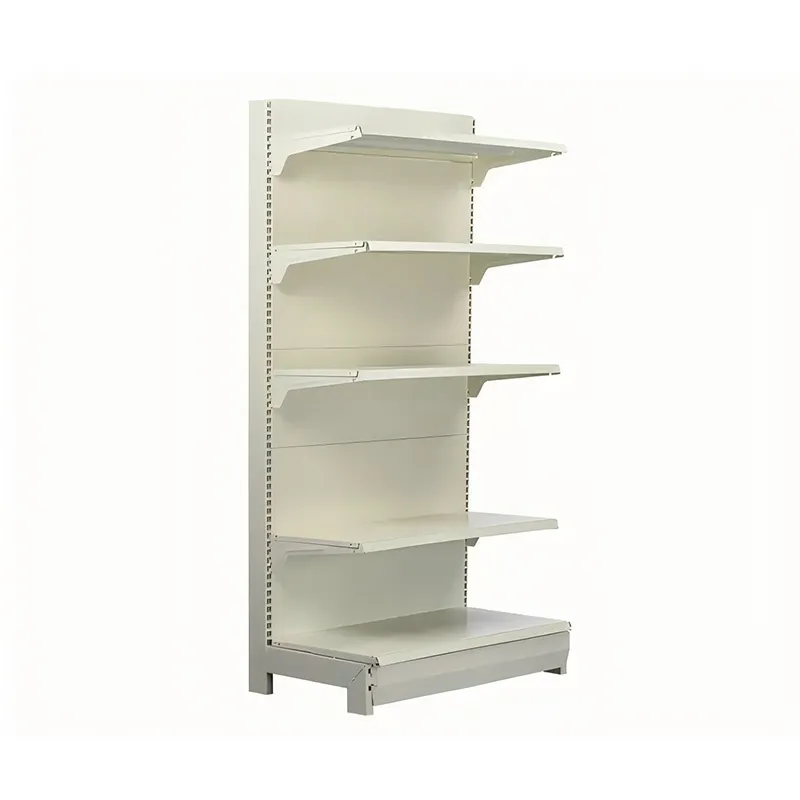
The thickness of the metal is a separate story. For the upper tiers, where the stock is removed, 0.6-0.7 mm is possible. And for the lower, main shelves, especially for drinks in glass, 0.8-1.0 mm is better. A savings of 0.1 mm makes a big difference in the price of the batch, but also in the risk of deformation. It is necessary to explain this to the customer clearly, showing sample sections.
And more about the details: end caps on the racks, rounded edges of the shelves. Seems like a small thing? But it is precisely these little things that reduce injuries when a buyer with a child or a seller in a hurry squeezes between the rows. This is also part of the professional approach that distinguishes simply metal assembly from the production of commercial equipment.
A mini-market is a living organism. Today the promotion is for beer, tomorrow it’s for chocolate, and the display needs to be changed quickly. Thereforeshelving for mini marketsshould be as modular as possible. A system of holes on the racks in increments of 25-30 mm, rather than 50 mm, to adjust the height of the shelves for different packaging. Easily removable brackets.
I had a negative experience with a system where the shelves were fastened with special star bolts. It seemed reliable. But in practice, when it was necessary to quickly remove a shelf and extend the display case for seasonal goods, the installers wasted time and the keys were lost. Eventually, the store owner simply stopped changing anything, and flexibility was lost. Now I always look at the simplicity and speed of assembly/disassembly without special tools.
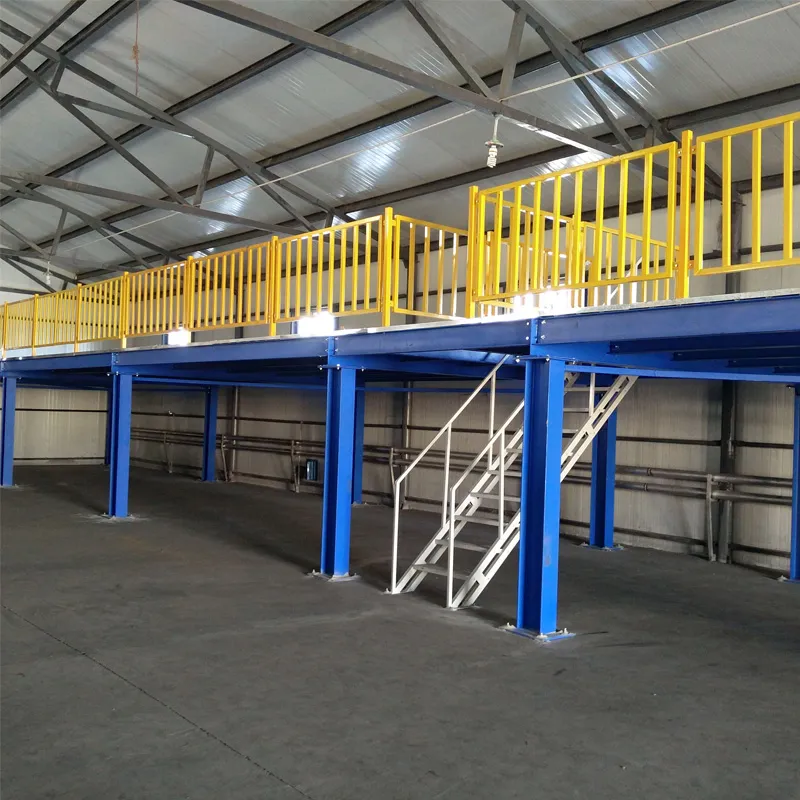
A good example of flexibility is in the assortment of the same Jusheng plant. Judging by the description on their website, they emphasize the full cycle and variety of systems. For a mini-market, you can use their shelves as a basis.racks, but with the option to later add consoles for long merchandise or mezzanine elements for stock storage above the retail area. This is the very integrated approach when the equipment grows along with the business.
Racks for “dry” food are one thing. goods, another is integration with refrigeration equipment. Often they place ordinary racks close to the refrigerated slides, and then they cannot get close to servicing the back wall of the refrigerator. You need either special narrow satellite racks, or initially lay a technical opening. Rarely does anyone take this into account the first time.
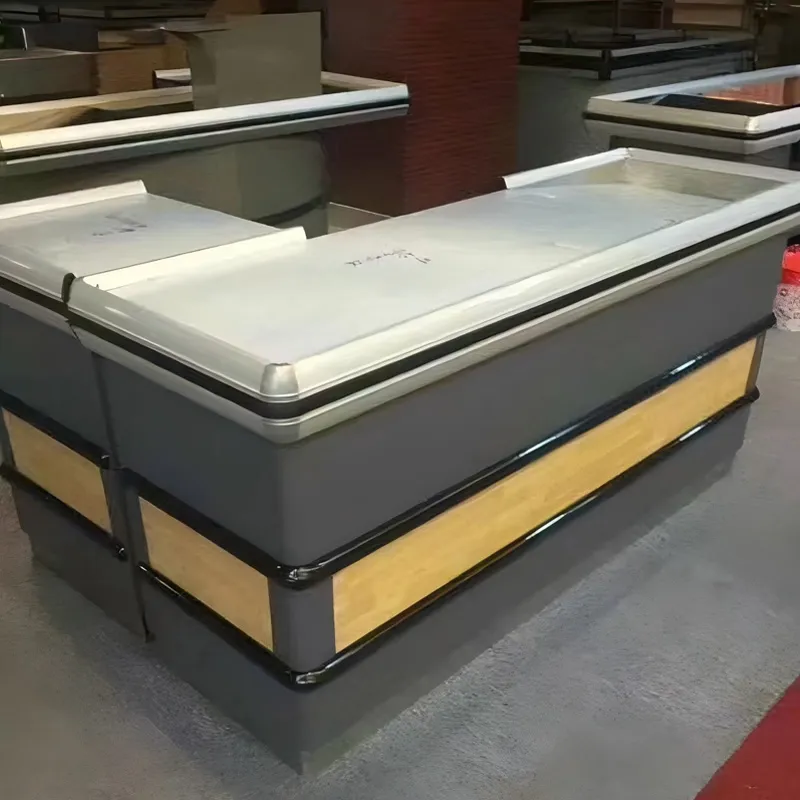
The area near the cash register is a place for impulse purchases. Here you need not just shelves, but special dispensers or compact rotating racks for chewing gum, batteries, and chocolates. Their fastening must be extremely reliable, because they are constantly being pulled. And again, the coating material is scratch-resistant.
For display cases with expensive goods (alcohol, delicacies), sometimes it is worth considering not blank panels, but glass inserts or lighting. But this is already a matter of budget. The main thing is that the design of the rack allows this, that is, it is designed for additional load and fastening of accessories. Not all systems are capable of this.
Even perfectly designedrackscan be ruined by poor installation. I saw how “guest workers” They assembled fragile aluminum profile structures with a hammer - the result was predictable. Therefore, now I always stipulate in the contract that installation is carried out by trained specialists from the supplier, especially when it comes to large quantities or complex systems.
Logistics from the manufacturer is a separate headache. The Jiusheng type plant covers an area of 20,000 square meters. m and automated lines, as a rule, has established supply channels to Russia. This is important so as not to end up with a set of bent profiles instead of ready-to-assemble parts due to overloads on the way. The packaging must be rigid and the corners protected.
The main lesson over the years: there is no universal solution. Racks for a chain mini-market near your home and for a small private store near the metro are two different products in approach. In the first case, the emphasis is on standardization and speed of deployment, in the second, on maximum flexibility and the use of every centimeter. And choosing a manufacturer who understands this difference and can offer not just metal, but a solution is 80% of success. Sometimes it's better to pay a little more, but get equipment that you won't want to throw out and replace in a year. Something like that.