When you hear “tire rack,” many people think of just a few shelves or racks where you can throw tires. In fact, this is a whole logistics philosophy for a warehouse. The main mistake is to think that the main thing is “placement”. No, the main thing is to ensure access, rotation, safety and, most importantly, security. Without understanding this, even the most durable frame will turn into a useless pile of metal, around which forklifts will forever fuss.
I have seen dozens of warehouses where tires are stored in stacks or on makeshift structures made from corners. It would seem cheap. But let's do the math: to get the bottom tire from the middle of the stack, you need to move the top ones. This is time, labor, and the risk of damage to the sidewall. What if we are talking about seasonal rotation or an urgent order? Lost time and operator salaries quickly eat up the imaginary savings. Plus the safety factor - an unstable stack is always a risk.
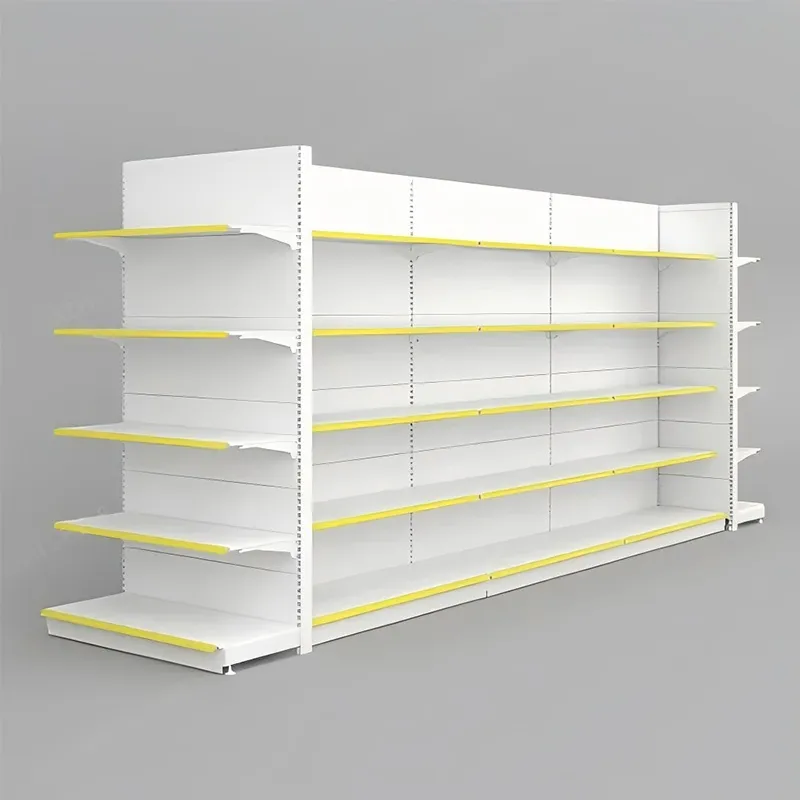
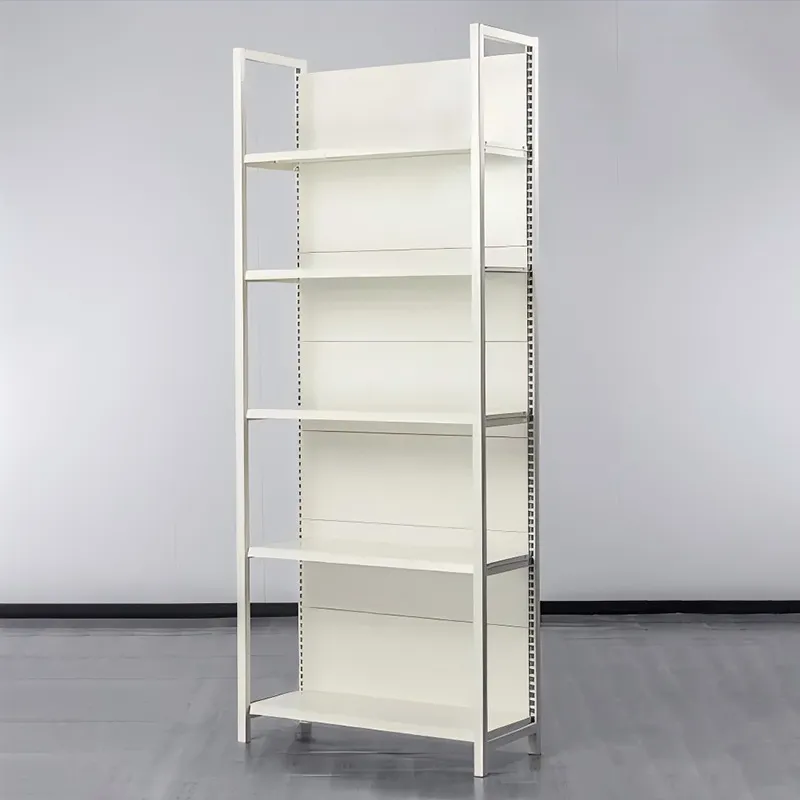
This is where professionalism comes to the fore.tire rack. Its task is not just to hold weight, but to structure the space according to the FIFO or LIFO principles, to provide clear markings and quick visual search by size, seasonality, and models. The design must be designed for a specific load: the weight of the tire is not distributed like a box, there is point pressure from the beads. Regular shelf racks may not be suitable here.
One of our first projects for a client from a car service failed precisely because of underestimating this. They installed standard shelf systems, but did not take into account that the tires would be rolled up and rolled off the shelves manually. The corners of the profiles began to deform the rubber within a month. I had to redo it, strengthening and rounding the edges of the shelves. Lesson: Tires require specialized design.
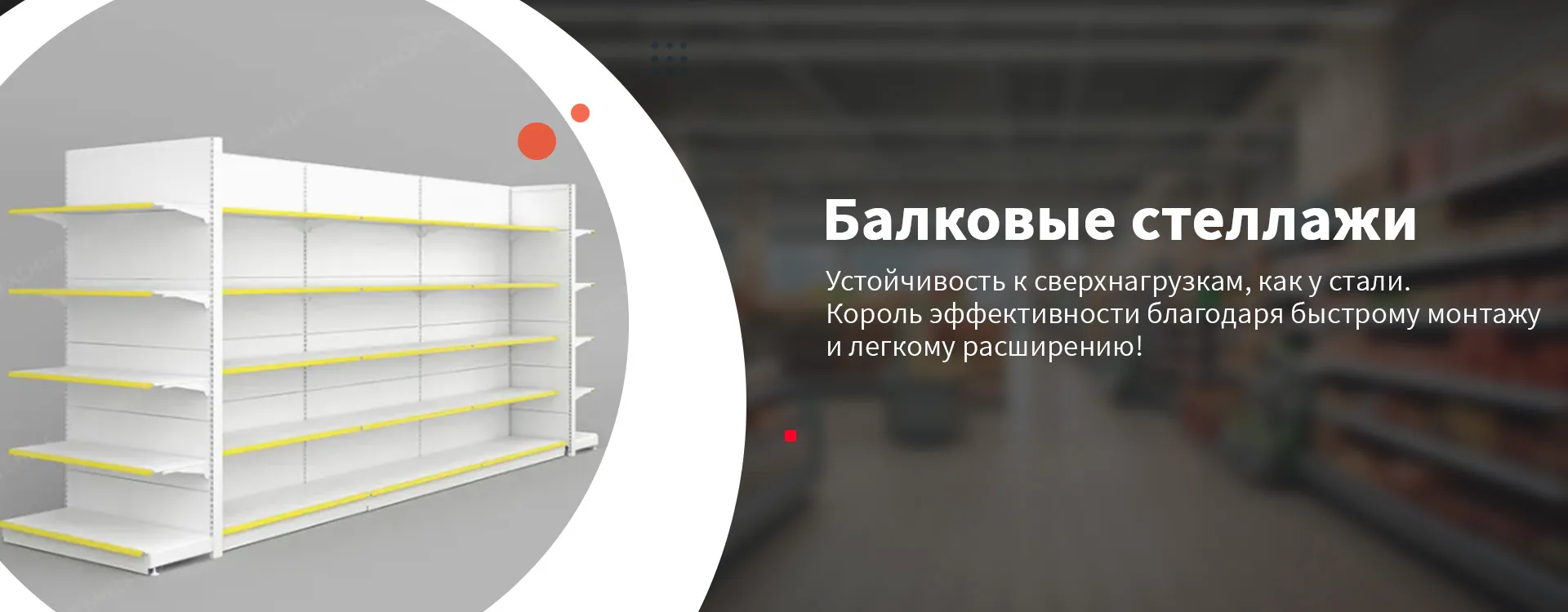
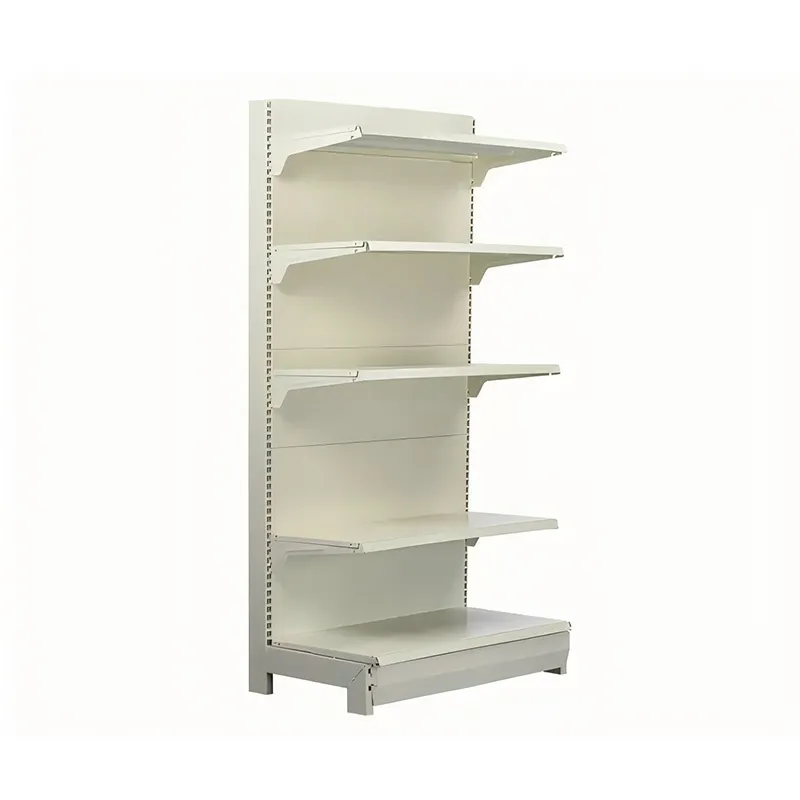
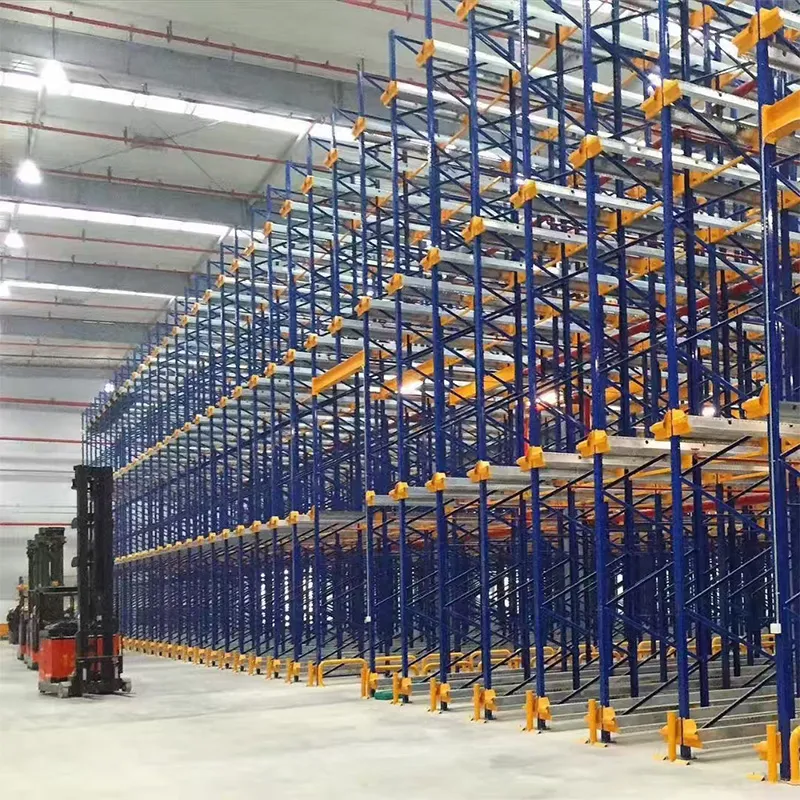
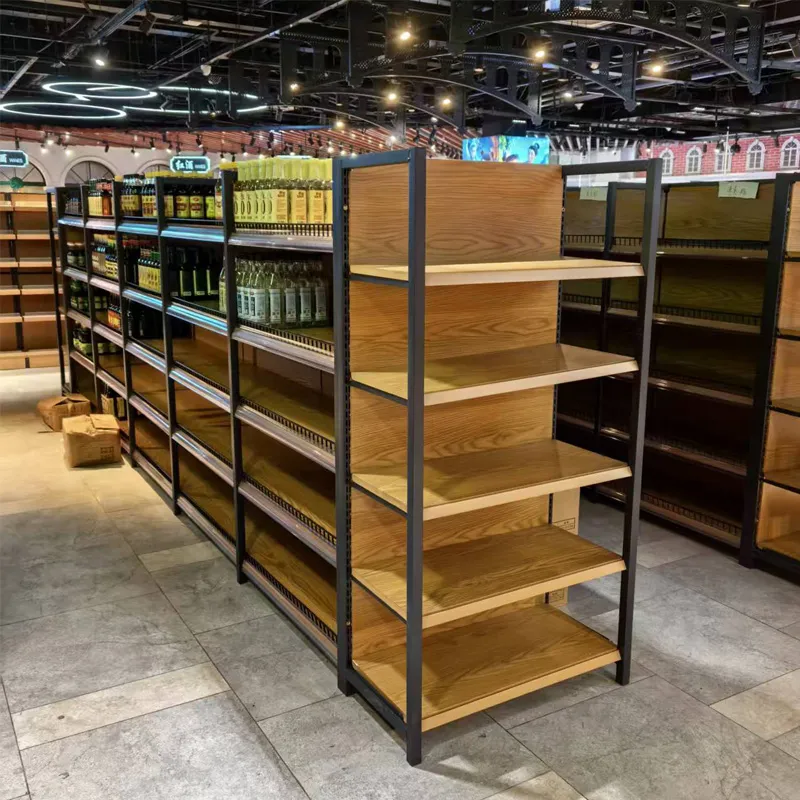
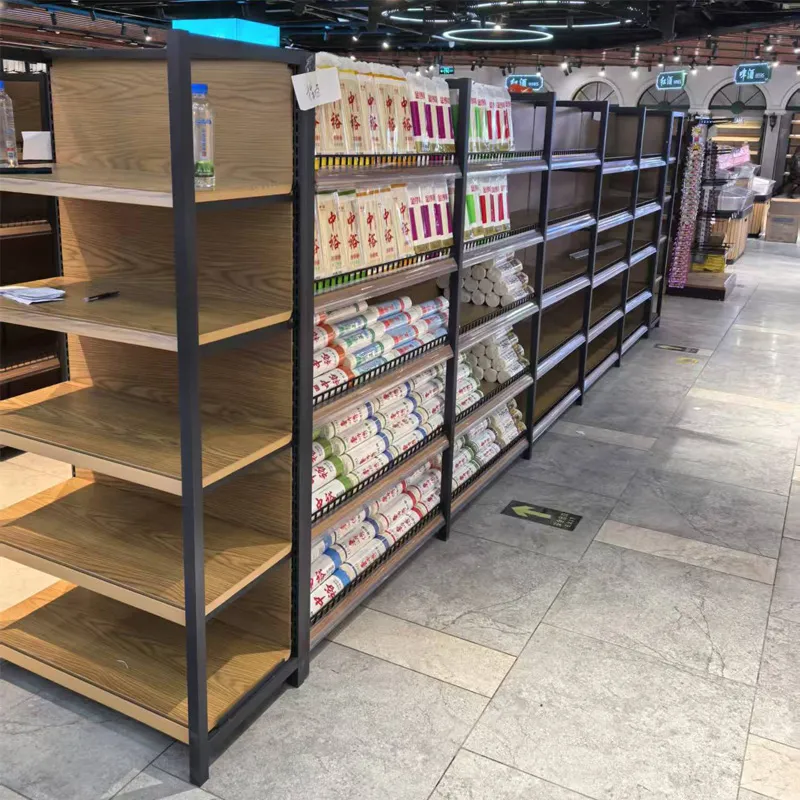
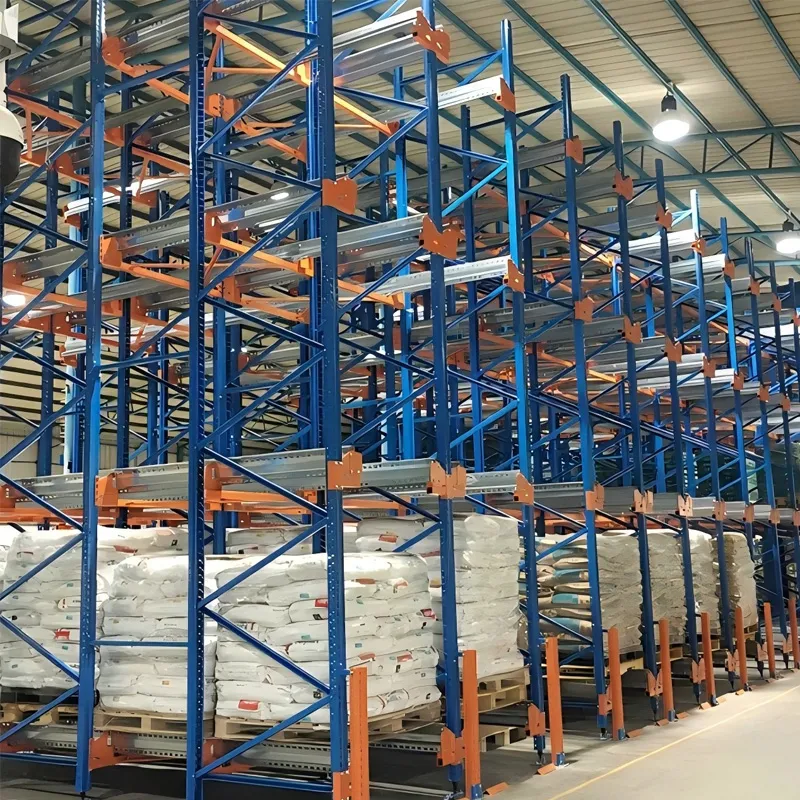
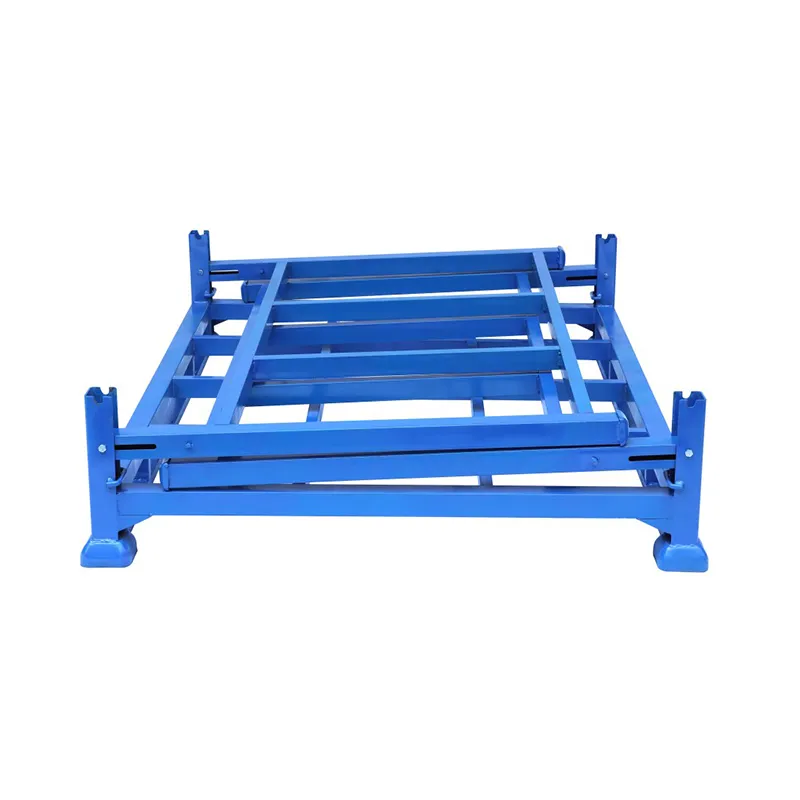
Structurally, efficienttire storage rack- This is often a combination of console and shelf elements. For individually displayed passenger tires, inclined shelves with a side are good - the tire does not roll away, the markings are visible. For truck tires, especially in large quantities, console systems are indispensable. They allow a forklift to be used to handle an entire batch on one console, radically speeding up processes.
But there is also a nuance here - calculating the console’s overhang and load. I saw a case where the consoles were designed for weight, but did not take into account the dynamic load when the loader drove in: the operator braked sharply with a pallet of tires, creating a moment of force. The console “pecked?” It's good that no one was hurt. Therefore, in the project it is necessary to include not just a static load, but a coefficient for dynamics, for possible distortion of the load.
Another point is climate. In unheated warehouses, metal becomes brittle in winter. The quality of steel and painting comes to the fore. Cheap powder coating with poor surface preparation will begin to peel off after a couple of winters, and pockets of corrosion will appear that will weaken the structure. This is not a case where you can skimp on metal and processing.
When you are looking for a reliable supplier, it is important to look not at the catalog, but at the engineers’ understanding of your task. We have been cooperating with?Harbin Jusheng Metal Structure Manufacturing Co.,Ltd.. Their websitejshj.ru- this is not just a showcase, it shows the depth of specialization. The company founded in 2019 in Harbin, with a production area of 20,000 square meters. m, initially designed for a full cycle: from design to service. For themtire rack- not an impersonal position, but a task that needs to be solved taking into account the specifics of the cargo.
What's valuable about their approach? They don't start the conversation with standard solutions. First they ask questions: what tires (dimensions, weight, with or without rims), what accounting system is in the warehouse, what equipment will be serviced (forklifts, stackers), what is the height of the room, are there any restrictions on columns. Then they offer 2-3 sketch options, often combining types of shelving. For example, for a tire repair warehouse, they designed a system for us: at the bottom there are inclined shelf racks for individual access to popular models, on the second tier there are consoles for storing a seasonal supply of truck tires.
Their status as a large specialized enterprise with automated lines is not for the brochure. In practice, this means consistent profile quality and cutting accuracy. During installation, all connections are joined without problems, there is no need to “finish on site”. This saves installers time and guarantees that the design strength of the structure will not be compromised by handicraft adjustments.
A rack is not an isolated object, it is part of a warehouse conveyor. A successful project always takes into account the routes of movement of equipment and people. For example, the width of the aisles. If the consoles are placed too close, the forklift will not be able to maneuver a long pallet of tires. The standard of 3-3.5 meters may not be suitable; you need to calculate the dimensions of the equipment itself plus the margin.
Another aspect is zoning. New, retreaded and used tires can be stored in one warehouse. Or summer and winter tires. The storage system must visually separate this to eliminate errors during shipment. Color-coding sections or applying markings directly to the shelving beams helps here. In one of the projects, we and the engineers from ?Jusheng? provided removable signs indicating the standard size on each console - operators now spend 70% less time searching.
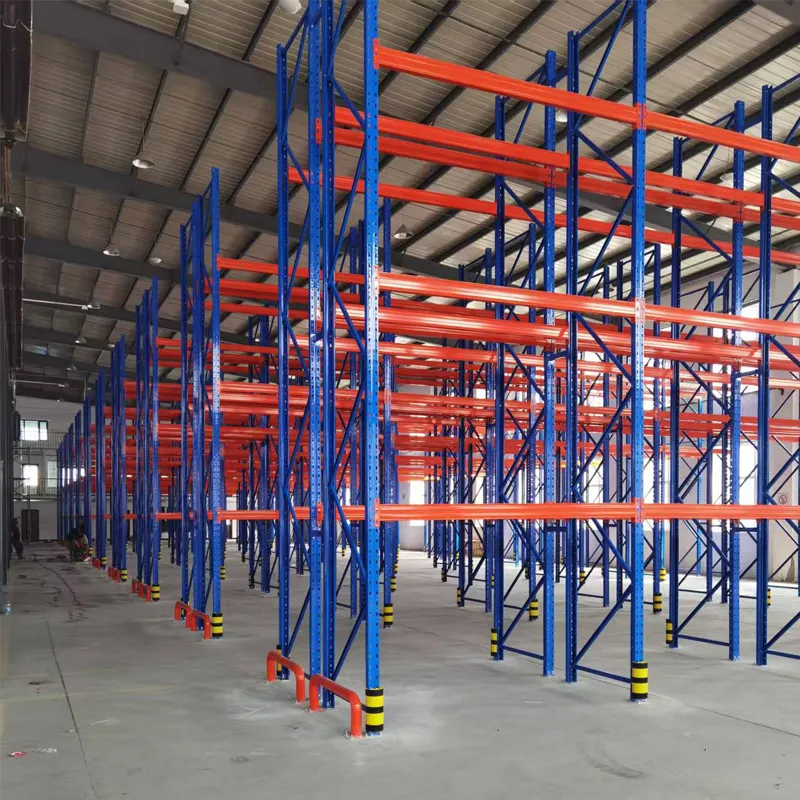
Lighting is often forgotten. Highwarehouse rackscan create deep shadows. If shelves with tires go to the ceiling, you need to plan the lamps so that the markings on the upper tiers can be read without a flashlight. Sometimes it’s easier and cheaper to lay out a slightly lower shelving height, but still get uniform lighting, than to later deal with errors during packaging.
Ultimately, the decision always comes down to economics. An expensive, but perfectly designed system will pay for itself in 1-2 years due to savings on labor costs, lack of downtime and damage to goods. A cheap but inconvenient design will constantly “eat up” money in small but regular losses.
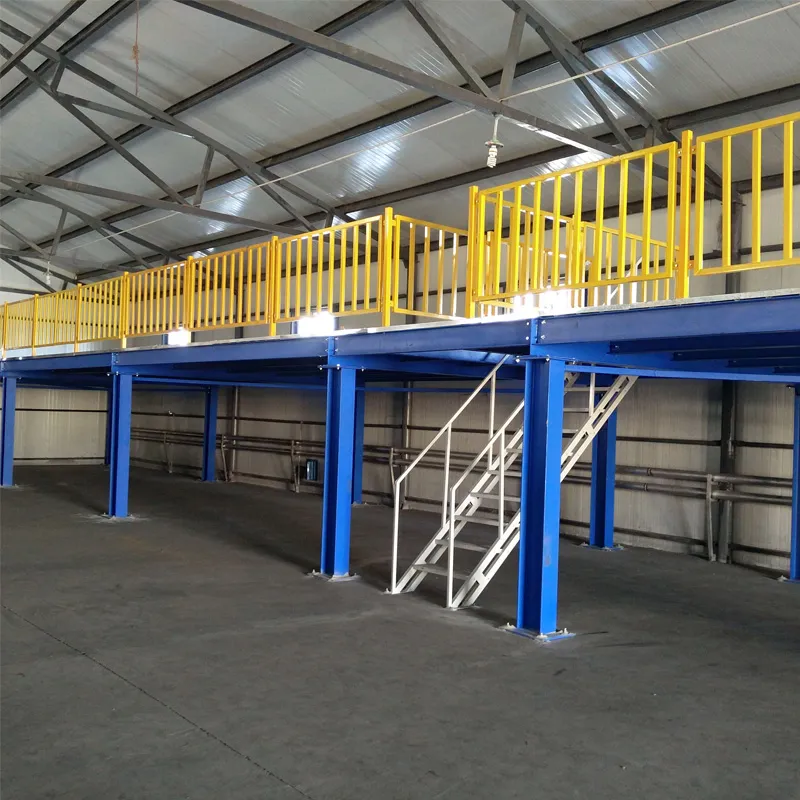
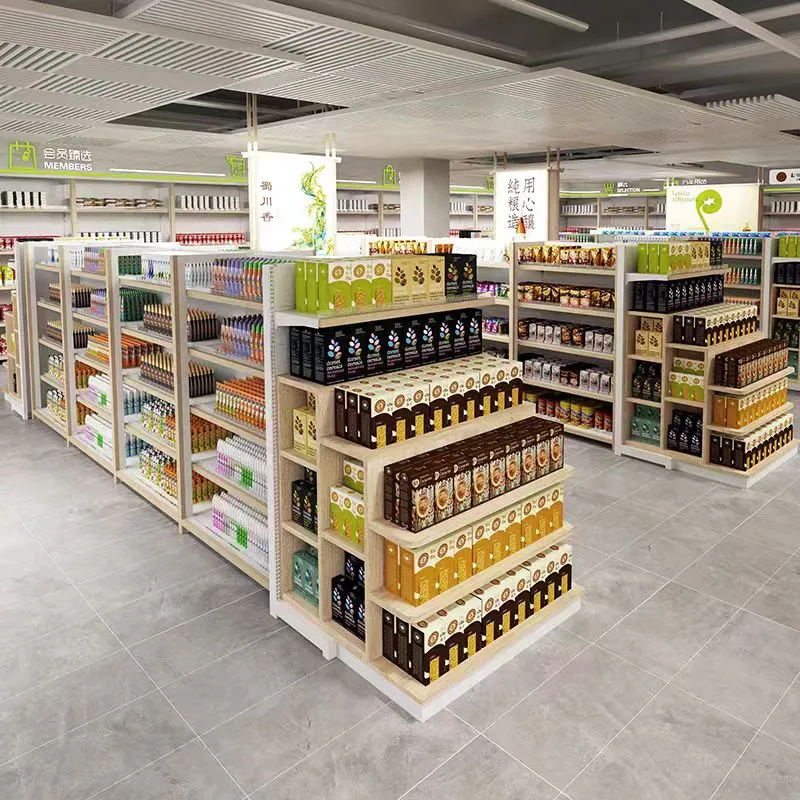
My advice is not to buy shelving “like your neighbor’s”. Invite a technologist or engineer from the manufacturer, give him full access to warehouse and turnover data. Let him walk around, try it on, look at your current processes. A good specialist, as inLLC ?Harbin Jusheng?, will immediately see bottlenecks and suggest non-obvious optimizations. Perhaps they will be suitable for part of the rangemezzanine shelving, to use the volume, and for the other - a floor console system.
The result is simple:tire rackis a tool for making money, not an expense item. Properly selected and installed, it transforms a chaotic warehouse into a predictable and manageable logistics hub. And yes, the metal and bolts here are just the material embodiment of this idea. The main thing is the thought behind them.