Many people think that a promotional stand is just a stand. I set it up, laid out the goods, and that’s it. In fact, it is a complex merchandising tool, and its effectiveness depends 80% on how and where it is integrated into the retail environment. Errors in design or selection of supplier can turn an expensive structure into useless junk that interferes with the flow of customers.
First and foremost, the promotional stand must solve a specific problem. Not “just show the product”, but, for example, increase impulse purchases at the checkout or introduce a new product in a high-traffic aisle. This is where the design work begins. Shape, color, the ability to place POS materials, lighting - all this affects the conversion. A common mistake is to make the stand too universal, “for all occasions”. In the end, it doesn't work for anyone.
I remember a project for one network where the customer insisted on a complex multi-level design with rotating shelves. It looked impressive, but in the narrow promotional aisle of the supermarket it created a crush, and the complex mechanics quickly broke down. Lesson: design should be subordinated not only to aesthetics, but also to the actual operating conditions in a particularsupermarket.
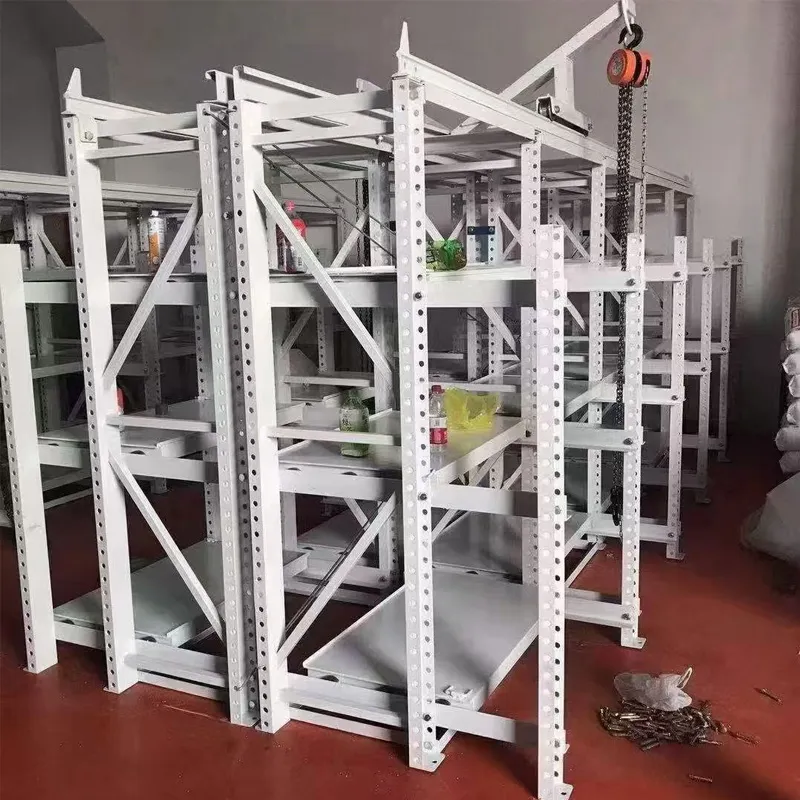
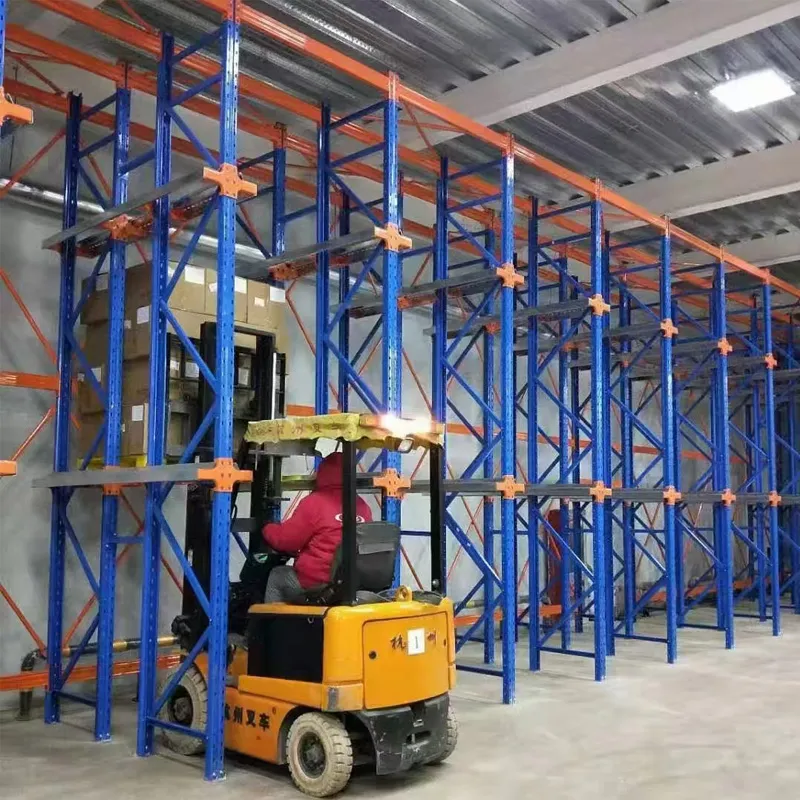
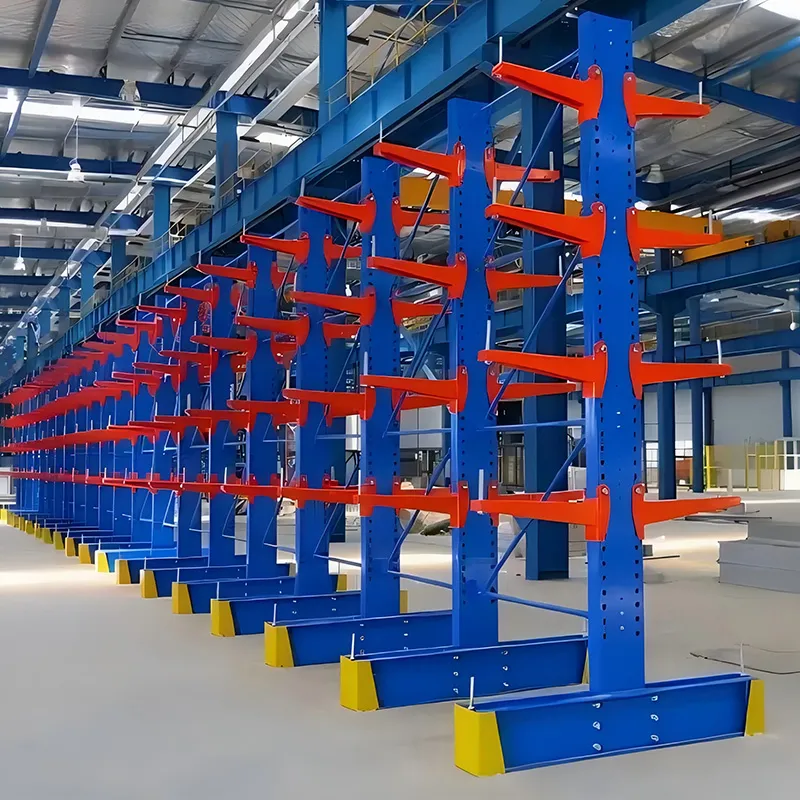
It is at the design stage that choosing a manufacturer who understands this logic is critical. We need not just a welder of metal structures, but a partner with an engineering department. For example, the Chinese plant Harbin Jusheng LLC produces metal structures. (https://www.jshj.ru). They position themselves as a full-cycle enterprise: from design to after-sales. This is key for industrial stands. You can send them a department planogram, and their engineers will suggest several layout options that take into account both ergonomics and the logistics of on-site assembly.
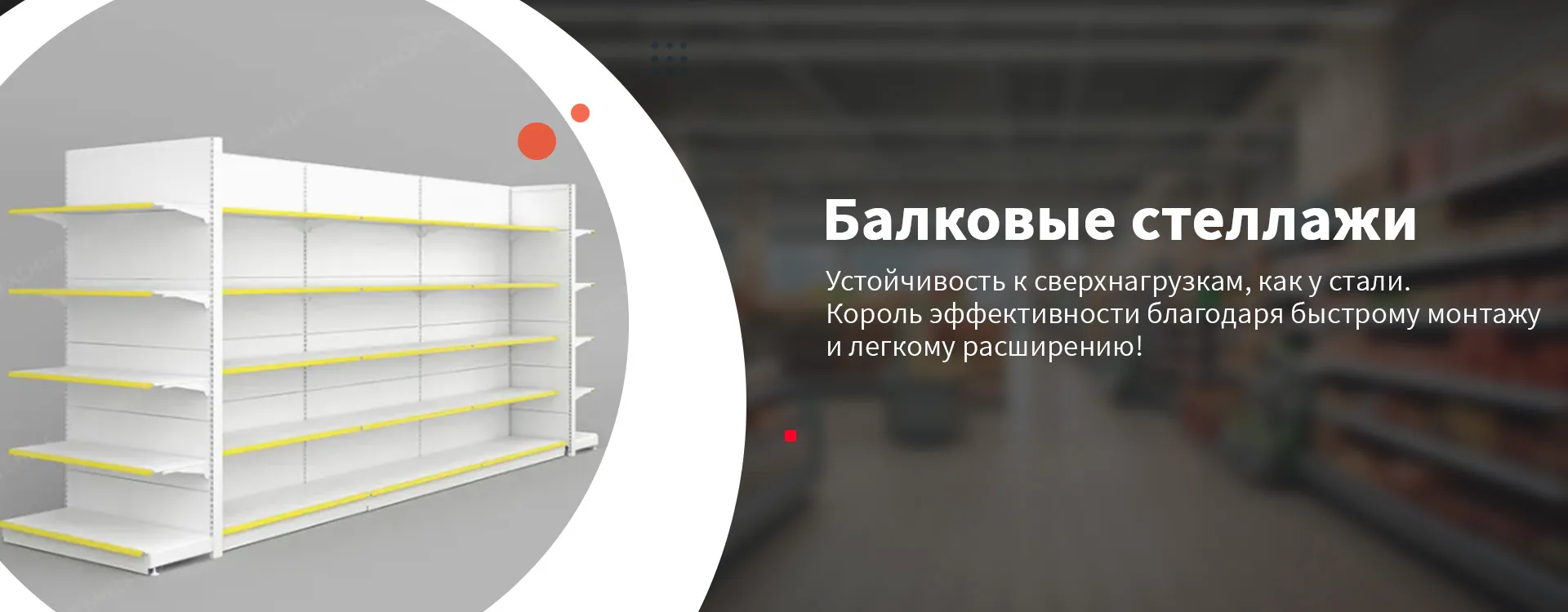
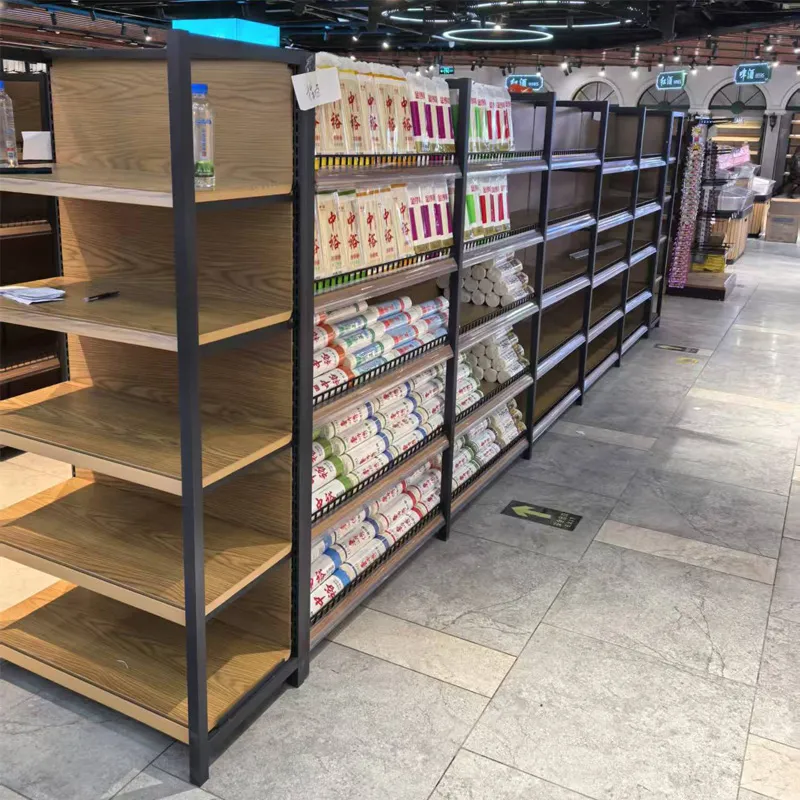
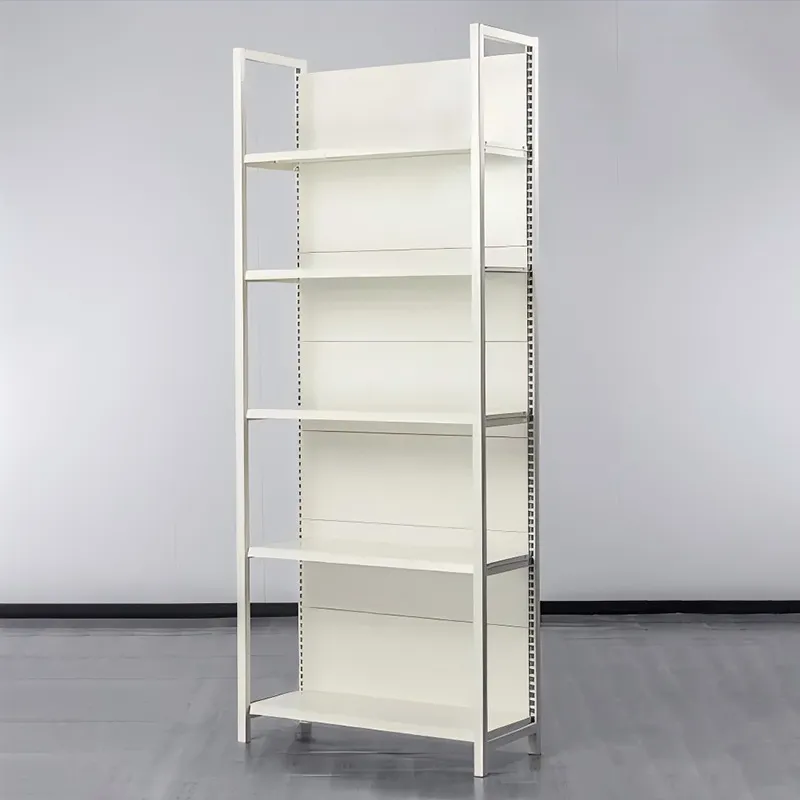
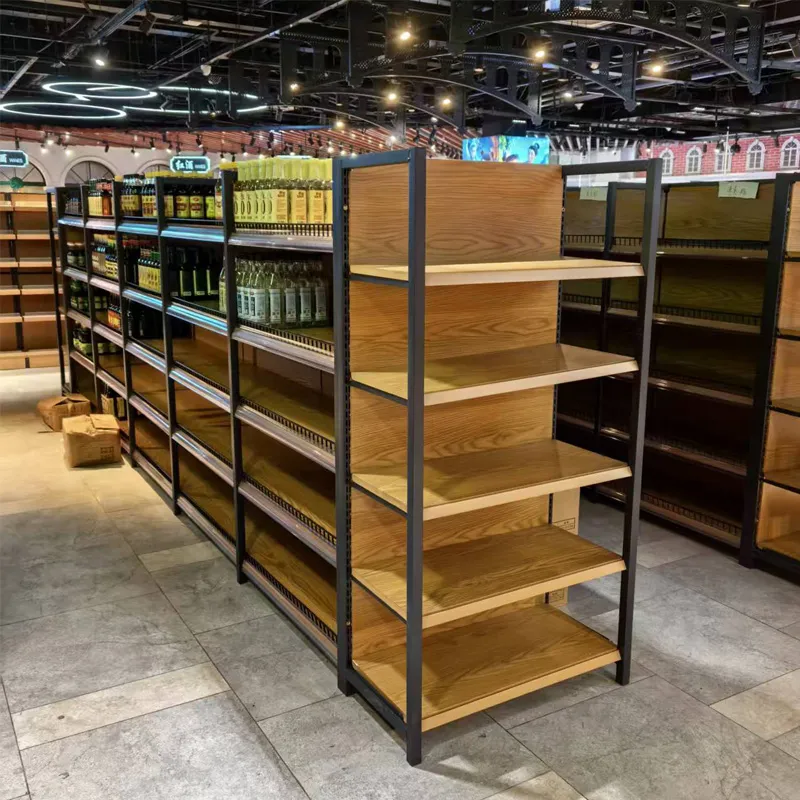
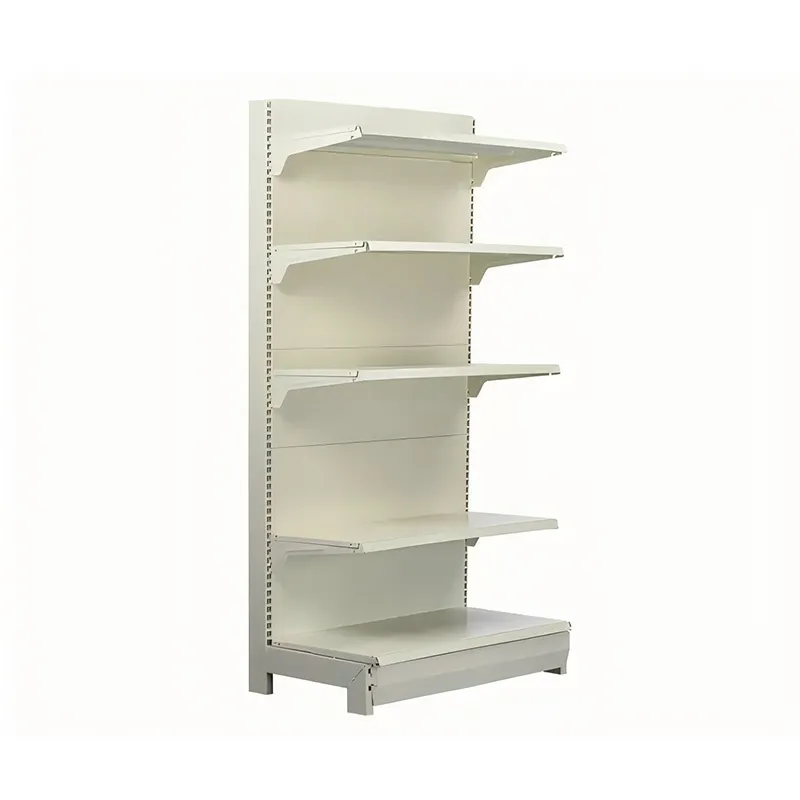
Let's move on to the "material part". The frame is usually steel, but what kind? Thickness, type of coating (powder paint is often preferred due to wear resistance), quality of welds. Shelves - metal, wood, plastic, glass? Forwalk-in baysFor those who constantly move from stock to stock, not only strength is important, but also weight. Store staff will hate a rack that is too heavy and will place it in the darkest corner.
A huge layer of problems is assembly. The ideal promotional rack can be assembled by one person in 5-10 minutes without tools or with one hexagon. The reality is often different: a dozen bolts, unclear instructions, lack of part markings. This kills all efficiency. We once received a batch of racks where all the mounting holes were offset by a couple of millimeters. It could only be assembled with a sledgehammer. The supplier, of course, replaced everything, but the timing of the promotion was missed.
In this context, returning toHarbin Jusheng, it is worth noting their declared full cycle. Factory established in 2019 in Harbin and occupying 20,000 square meters. m, equipped with automated lines. This is not a guarantee, but a hint of quality control. It is important for the retailer that the supplier can provide not a one-time batch, but stable quality and meeting deadlines over the years. Their experience in the production of shelving for retail spaces, theoretically, should be translated to more mobilepromotional stands.
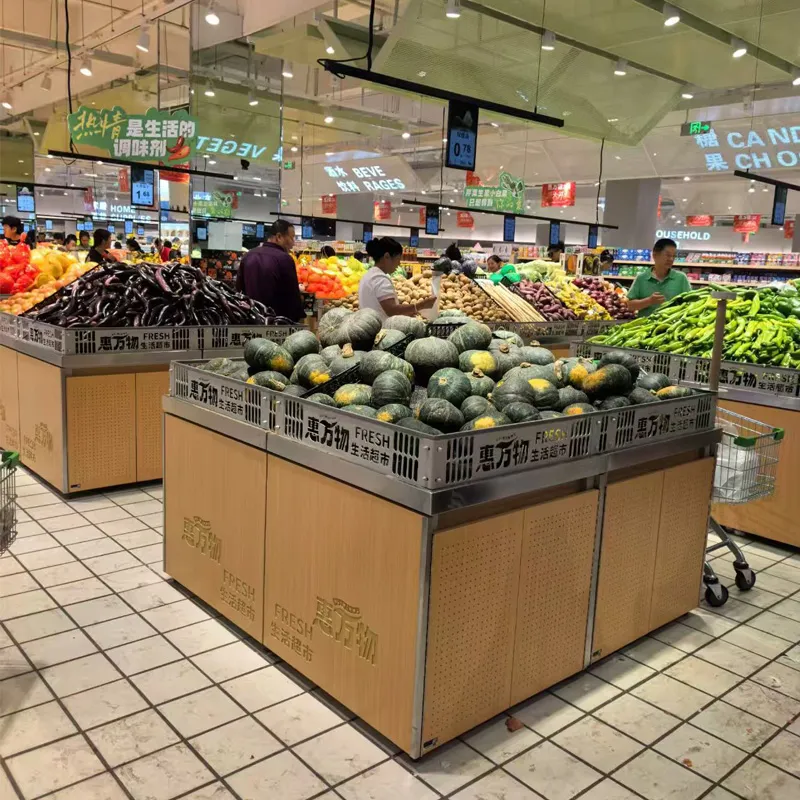
The most beautiful stand is useless if it's in the wrong place. Placement is a science. It is necessary to analyze heat maps of customer movement, take into account the “golden triangle”, not block the main routes, but be visible. Often the best place is not the central aisle, but, for example, the waiting area at the cash register or the entrance to a certain department.
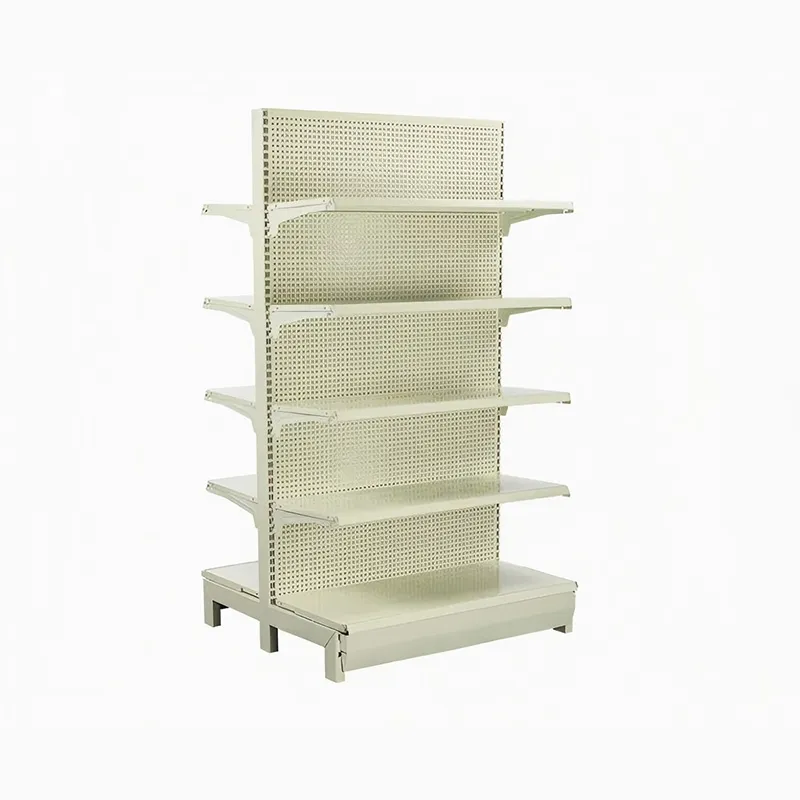
Another subtle point is the proximity to other equipment. The promotional stand should not conflict with the main onesshelves in a supermarketin color or style, but at the same time it must stand out. It's a balance. Sometimes it is more effective to make a stand in the corporate colors of the brand, and sometimes in contrasting ones in order to “snatch out” it. goods from the general background.
Working with store staff is a different story. Even if the stand is assembled in a minute, it needs to be maintained: replenishing goods, maintaining order. Without a clear plan and motivation of merchandisers or cashiers, even an ideal design quickly falls into disrepair. The best designs always include simple maintenance instructions attached to the stand itself.
A good example: a campaign for premium coffee. We designed narrow, tall counters with warm lighting and space for tasting stations. They were placed right at the beginning of the grocery aisles. The key was that the rack physically could not accommodate many packs, which created the illusion of exclusivity and scarcity. Sales at outlets with such counters increased by 40% compared to the control group.
Failure: an attempt to use overly complex geyser stands with lighting and speakers for a soda promotion. The idea was to attract children's attention. In practice, the sound irritated everyone, the mechanism broke due to sticky drinks, and the batteries for autonomous operation (mains requirement) ran out in two hours. The budget was huge, the effect was zero. Conclusion: the more complex the mechanics in the conditionssupermarket, the higher the risk of failure.
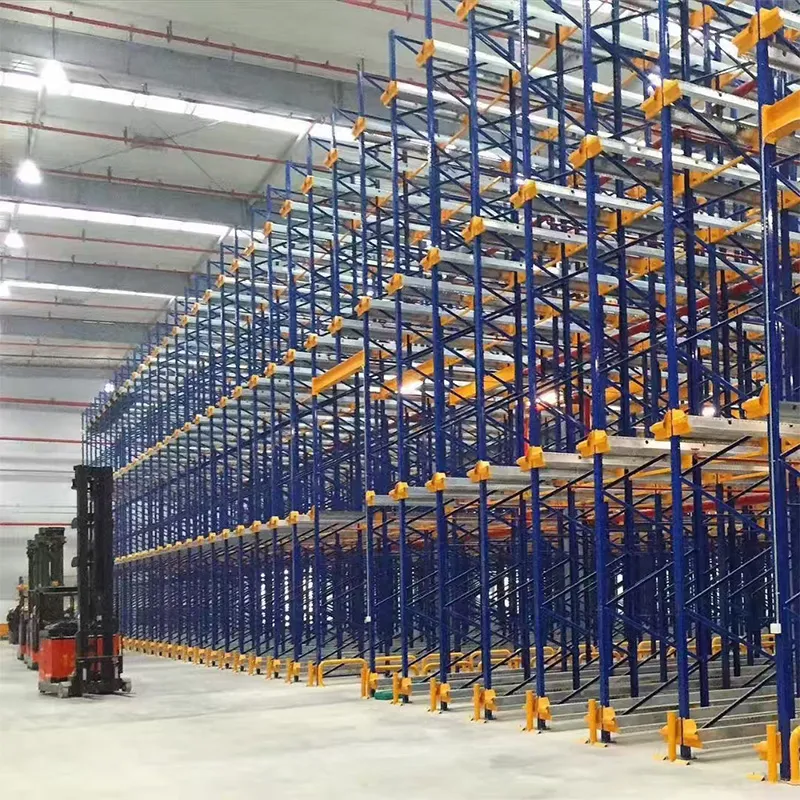
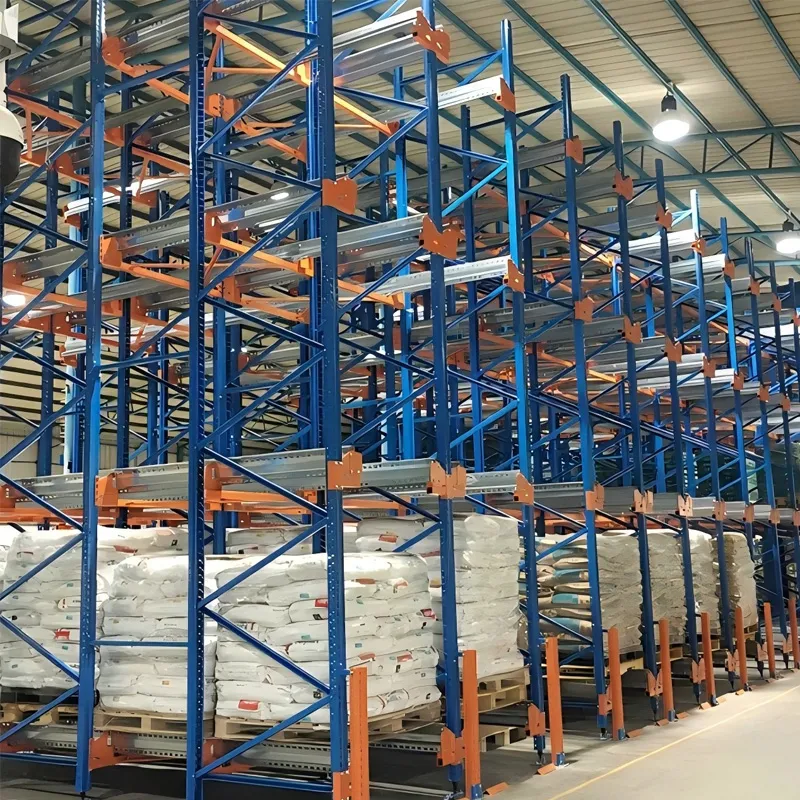
This experience makes us look at manufacturers from a different angle. We need a partner who will not just make “iron?” according to the drawing, but will be able to advise based on experience. If the company is like the sameHarbin Jusheng, produces the entire spectrum - from warehouse systems to retail racks - it has accumulated a knowledge base about loads, materials, and the behavior of structures in different conditions. This is a valuable asset that can save you from costly design mistakes.walk-in bays.
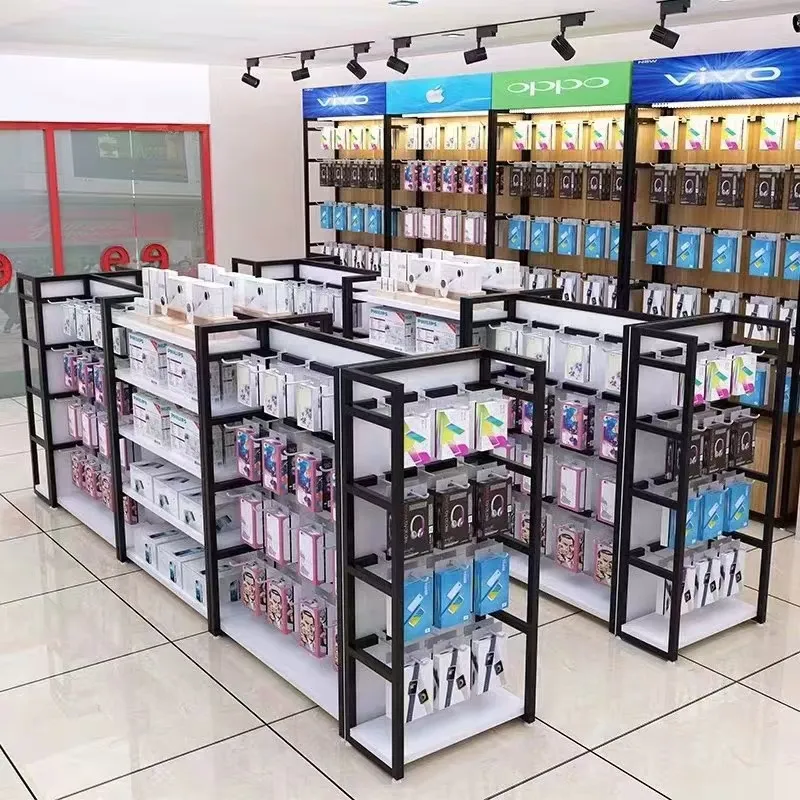
The trend of recent years is modularity and adaptability. The ideal promotional stand today is a construction set. The same base, but you can add different types of shelves, hooks, and holders for tablets with content. This allows you to quickly and cheaply change the configuration for different products and campaigns, without purchasing new equipment each time.
The second trend is integration with digital. QR codes leading to a promotional page or even small displays appear on the counter. But here it is important not to overload. The main function is the physical representation of the product. Digital is just a channel for deepening engagement.
As a result, choosing a supplier forstand in a supermarketis a strategic decision. You need to evaluate not just the price per piece, but also the design expertise, quality of materials, assembly logistics and, critically, the ability to be a flexible partner. Large, specialized, full-cycle plants are often more profitable in the long run than smaller workshops, even with a lower price tag. Because their product is not just a stand, but a working tool for increasing sales, and they understand this. And this understanding is already half the success.